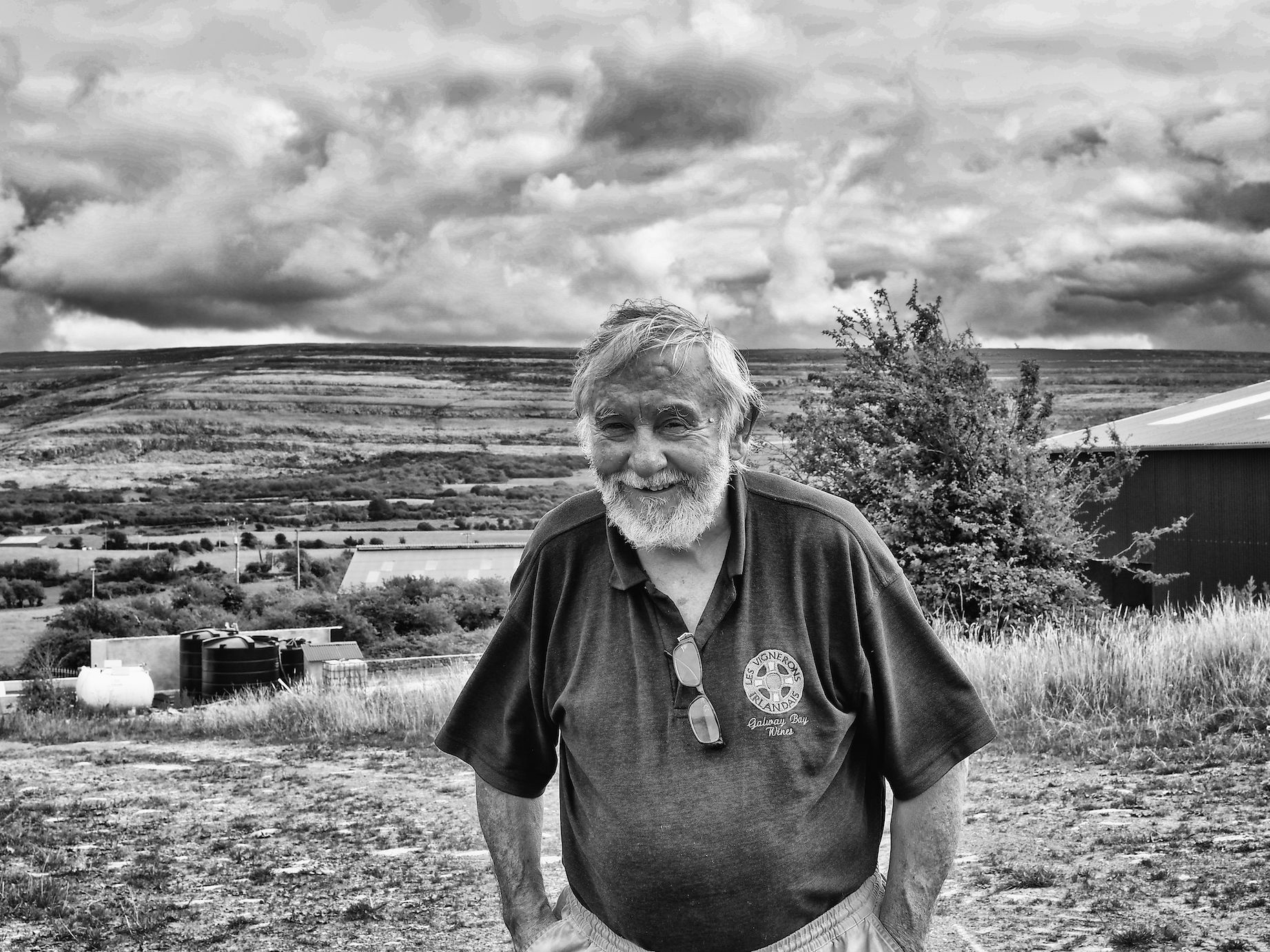
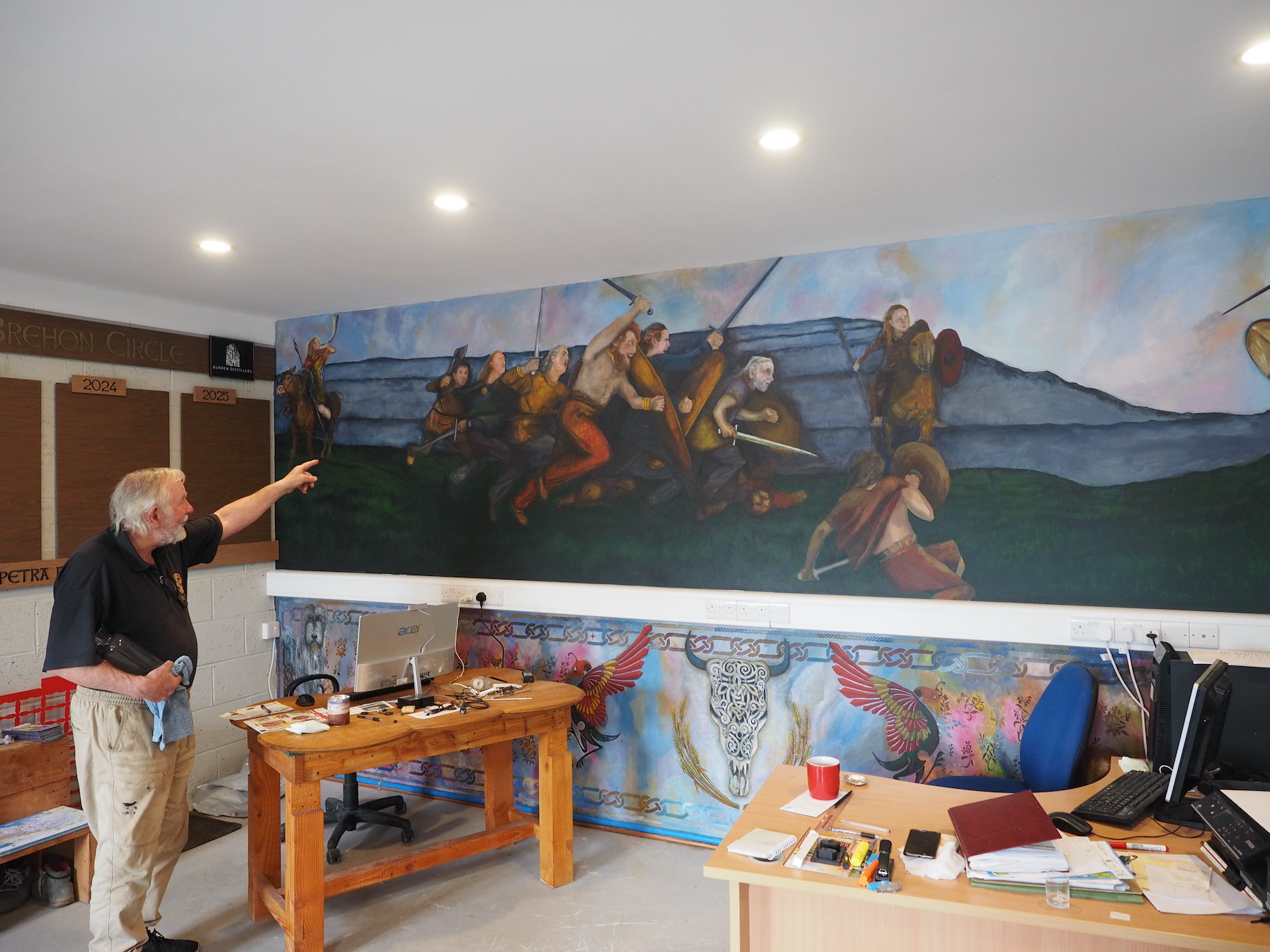
Noel O’Loughlen is a Burren man. His family once ruled the area – the chieftain of the O’Loughlen clan was known as the Burren Prince and the family seat was in what is now known as Gregans Castle, not far from where Burren Distillers operate. O’Loughlen is a fast talker – his sentences tumble into each other as he jumps back and forth from the ancient past to the present day. He is part folklorist, part seannachaí, rattling off factoids and lore from the last six centuries of the Burren; and he is equally a raconteur with a few stories to tell about the swinging sixties in London town. But underneath the surface he is clearly someone who gets what he wants – the fact he got this distillery built in this unique landscape is testament to this, although he is quick to pay tribute to those who were on the journey with him – in the distillery office one wall is covered with a giant mural of the Battle Of Corcomroe with O’Loughlen and business supporters as the protagonists. His distillery proves the old adage that if you want to go fast, go alone, but if you want to go far, go with others.
After he left school, with a dearth of jobs along the remote west coast of Ireland, O’Loughlen made for France and arrived in time to celebrate his 16th birthday there. He picked up shifts in vineyards, helping with the harvests, but realised he needed to get some qualifications to get ahead. He did his O and A levels in London in the mid-1960s and followed that with a diploma in wine and spirits. He worked with a number of wine sellers and found himself part of a group that would ultimately become Oddbins. It was the booming 1960s in London and O’Loughlen did whatever work came his way, working in bars or delivering high-end wines to the rich and famous around the west end on his Harley Davidson. Alongside this he was involved in insurance for the building trade – he credits his upbringing in the Burren with his willingness to do any job that comes his way. In the lonesome west, jobseekers didn’t have the luxury of choice. You took what came your way with no hesitation. He says that because of this, all his peers grew up to be entrepreneurs, just as he did.
His shifting work patterns meant that he often spent months at a time at home in the Burren and as a result he never forgot his roots. He saw the potential of its alien, rocky landscape as a draw for tourists. Inspired by tales of feudal lords placing tolls on roads and bridges, he came up with the idea of turning the region into a huge open-air venue and charging the public for access. He approached Clare County Council with his idea. He was refused permission ‘about a dozen times’ and was taken to court at Lisdoonvarna ‘three or four times’ although he says that the sticking point was that in a time before Portaloos, latrines were an issue for any large scale event to be held. But O’Loughlen eventually got his way (after latrines were dug out) and he was able to stage events in his beloved Burren. He ran pony races in the fields below where his distillery lies, and in 1971 he ran the Peace Festival, a huge rock concert, which drew tens of thousands of music lovers who managed to consume all of the alcohol in the nearby villages of Ballyvaughan and Lisdoonvarna. Three years later he put on a festival in Swindon headlined by Led Zeppelin, but after that he focussed on wine rather than rock ‘n’ roll.
In 1985 he bought some vineyards in France which ultimately became Les Vignerons Irlandais, his main focus for the following two decades. The vineyards in the Languedoc region, had almost 170 investors, most of them Irish. At the same time, O’Loughlen was offering investments in olive oil which he claimed were expected to double in two years and treble in ten years. At the time O’Loughlen said he was confident Les Vignerons Irlandais could ‘‘equal, if not better’’ many other investment opportunities.
But in the back of his mind was the idea to start a drinks firm back home in the Burren. Having helped source a still for the Burren Perfumery in the 1970s, he started to toy with the idea of a distillery of his own. Initial approaches to the bank in the late 1990s were not especially well received, so he kept his focus on France, but in the background he started to map out his plans. Fast forward to 2014 and his planning was submitted. Given the location, it probably shouldn’t have come as a surprise that it was appealed.
The Burren is a karst landscape – vast plains of stone, twisted hills, deep caves, and a significant quantity of castles, cairns, abbeys, and forts. It’s a place out of time – for many Irish people it is where you get brought on a school geography trip to learn about clints, grikes, glacial erosion, or soil ph. It is a place of extraordinary beauty, a collision of Ireland’s famous forty shades of green with a multitude of greys. This is recognised by it being an internationally designated area of geological interest at both European and global levels. So developing almost anything there is tricky.
After O’Loughlen’s application to build a distillery within the Burren geopark was granted by Clare County Council in 2014, it was appealed to An Bord Pleanala by An Taisce, Ireland’s national trust. It stated that buildings like distilleries should only be sited in rural areas where there was ‘a sound site-specific location rationale’ for doing so or where there were historic buildings that require a new use. An Taisce claimed that neither of those conditions applied to the proposal and suggested it should be located within an existing settlement, and they claimed the location would harm the character of the area. A Bord Pleanála inspector concurred, and claimed the applicant had not demonstrated that every effort had been made to reduce the visual impact of the proposal and advised: “To grant permission in these circumstances would be contrary to the proper planning and sustainable development of the area.”
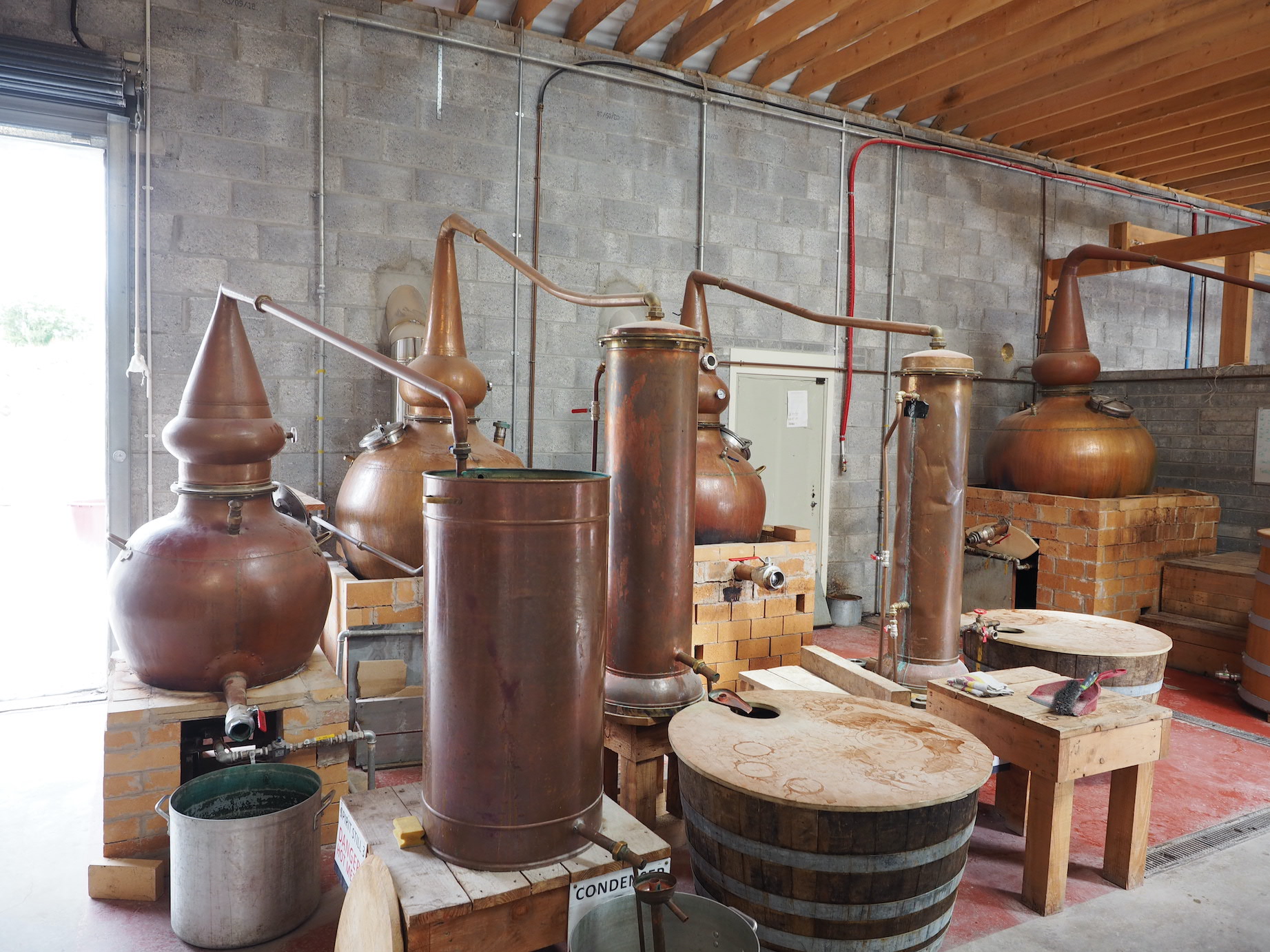
The inspector’s recommendation was rejected, with the board stating that O’Loughlen had taken reasonable steps to minimise the visual impact. Anyone who has visited the distillery might agree – on a just-about-secondary route, it sits high above the road, nestled into the hillside like a bothy of yore. O’Loughlen says that what swung it for his distillery was that it would never be a large producer – this was to be a small scale whiskey producer using only local barley, floor maltings, and working with Irish oak casks (as well as the more traditional array of port/sherry/whatever you’re having yourself). The barley comes from a farm down the road, the draff goes to another farm, rainwater is harvested and the yeast is cultivated in house. No caustics are used in cleaning equipment, everything is as natural and balanced as possible. O’Loughlen says that while the planners may have wanted the distillery in an urban area, it is an agricultural endeavour and it belongs in the countryside (several of their small staff are farmers) – with it’s petite Portuguese stills and devotion to the land it is more reminiscent of a Cognac producer than a lot of the distillers currently operating in Ireland.
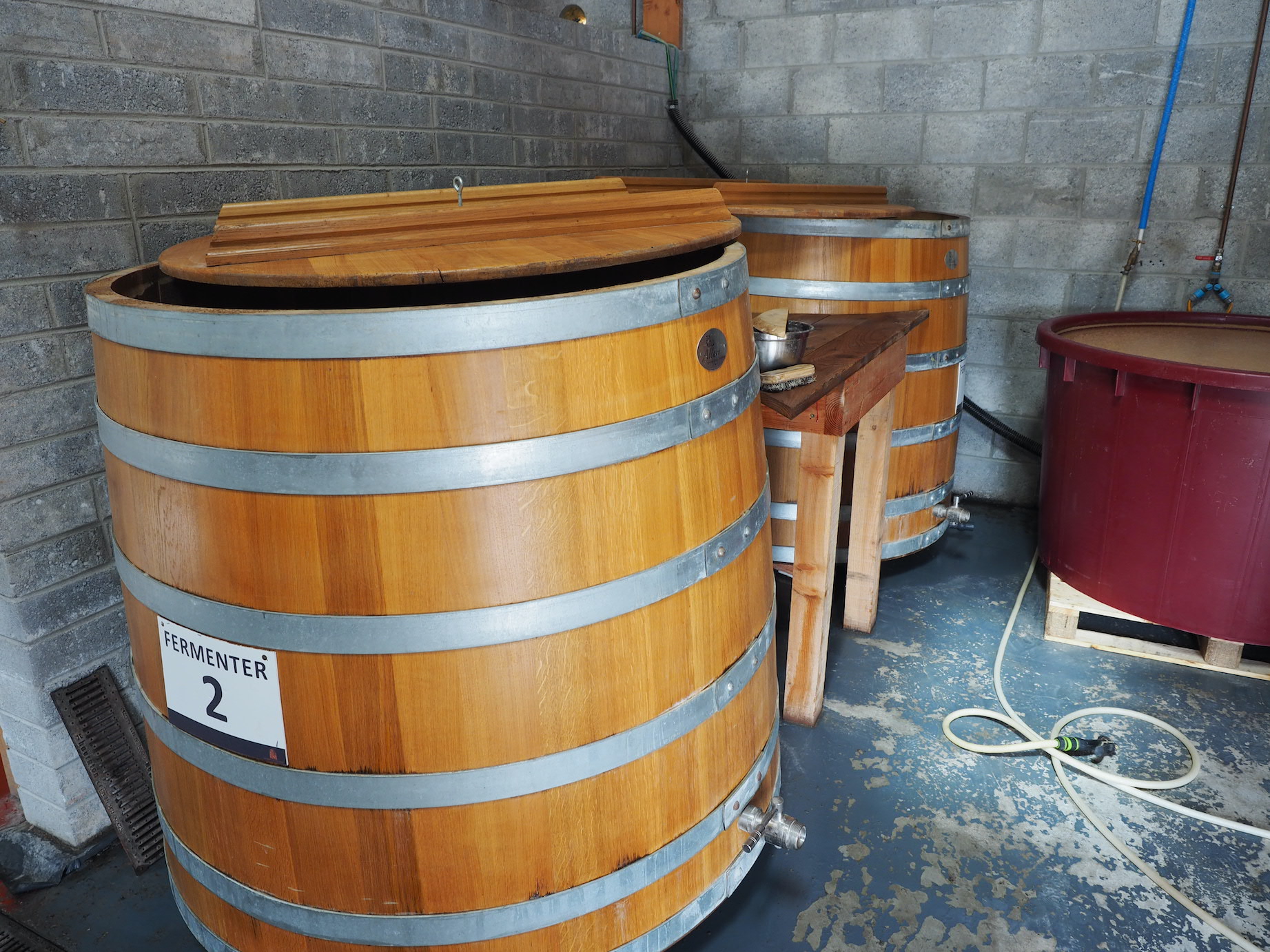
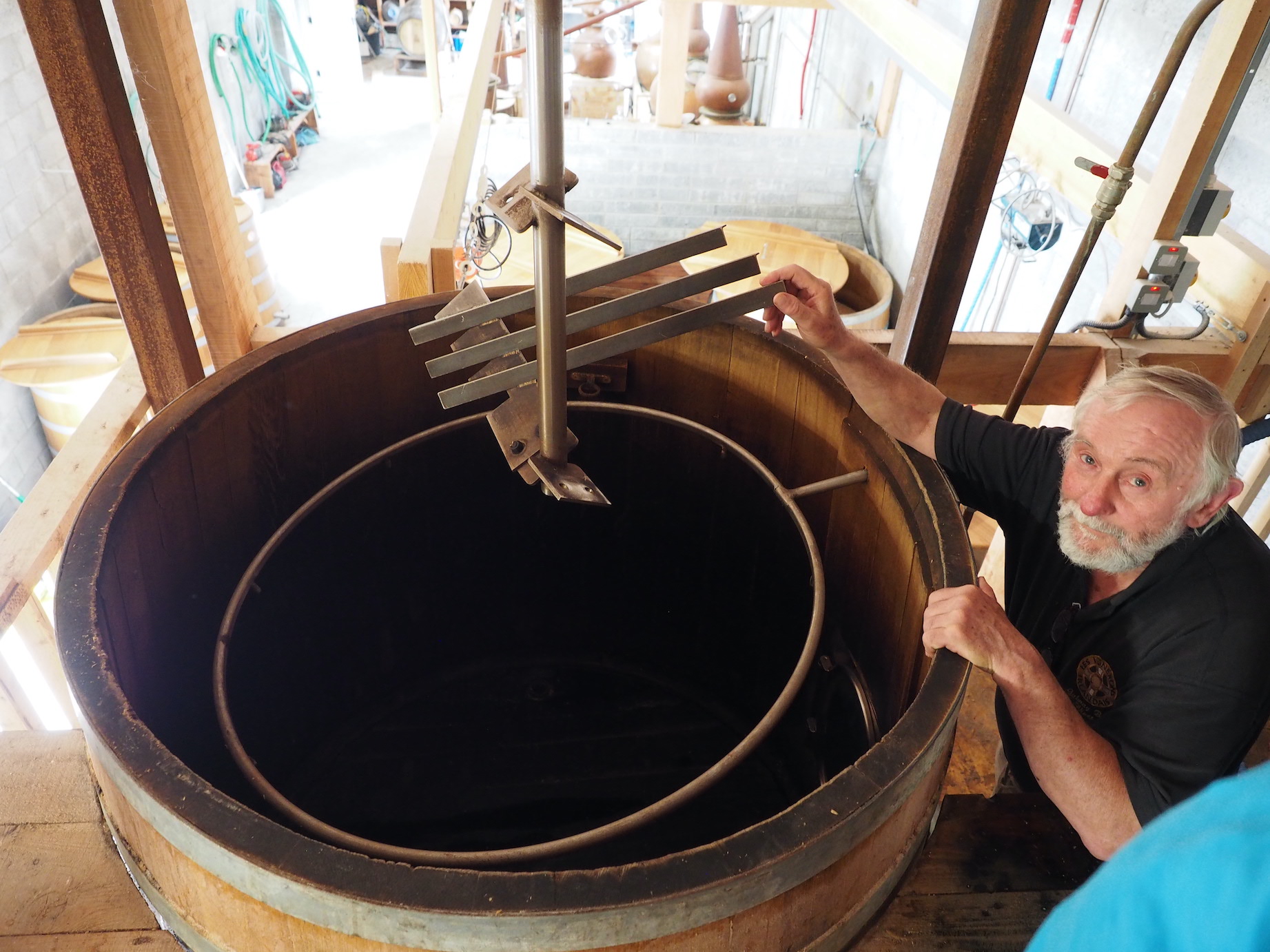

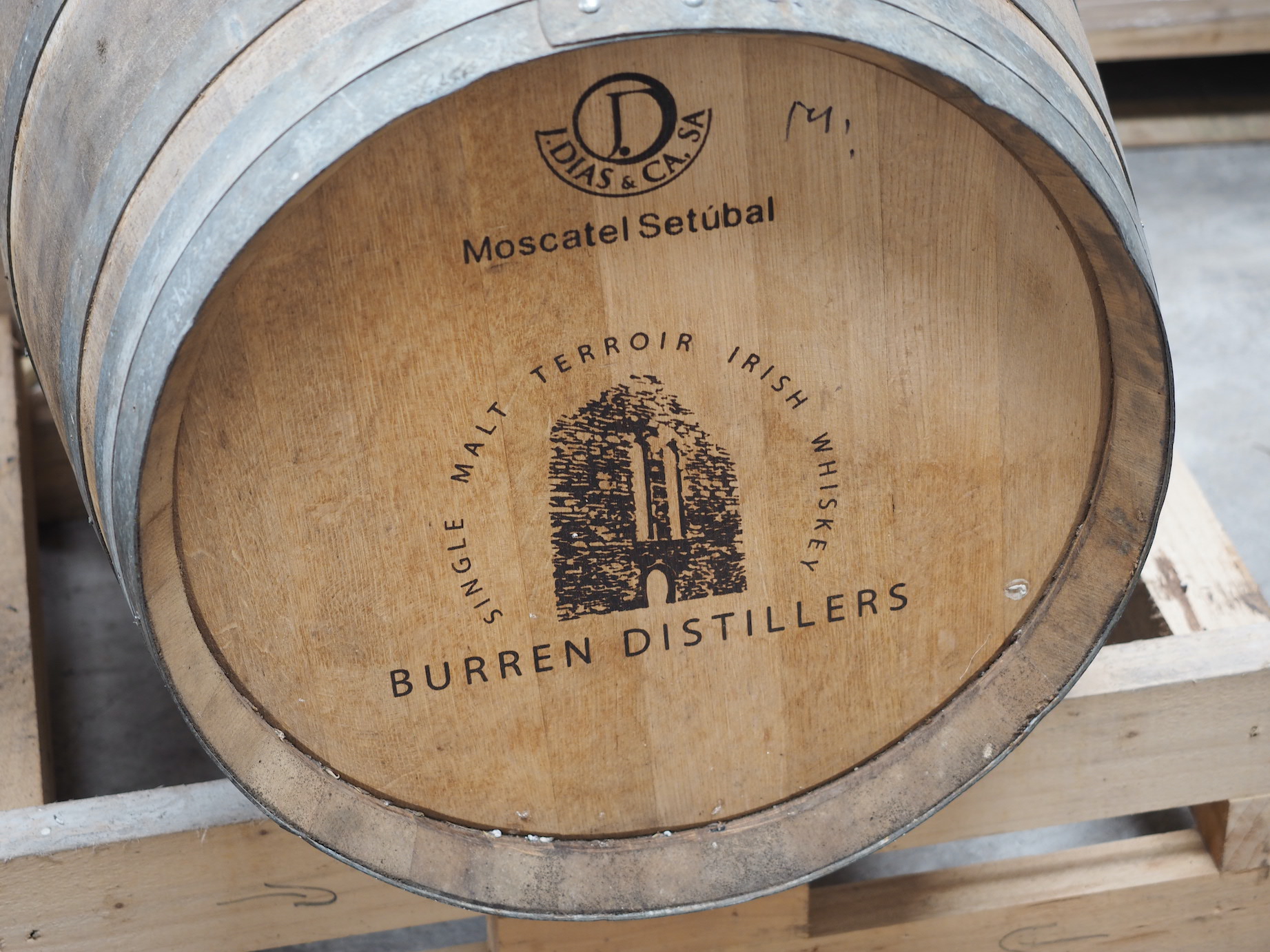
In late 2018 distilling started in Burren Distillers but O’Loughlen says it was 12 months spent ironing out kinks before they produced the soft mellow whiskey he is so proud of. His production schedule shifts with the seasons – a poor harvest affects their output but they average three barrels a week. Initially working with Dr Jack O’Shea, the head distiller at Burren is currently Karen Connole, whose mother Catherine – Noel’s sister – runs the nearby Burren Fine Wine and Food. On what they make, O’Loughlen says it is mainly malt whiskey from their own floor malted barley and occasionally the odd barrel of mixed grain: “Usually 60% malted with 20% unmalted oats, and 20% wheat.”

He calls his spirit a ‘sean gael’ whiskey, which he claims is a more traditional, authentic style, despite the fact there are many others making whiskey in almost the exact same way – small stills, all natural, Irish oak, floor maltings – around the island. It’s not an uncommon claim – many new distillers push the message that their whiskey is somehow the origin of the species, the first, the most pure, the truest Irish whiskey the world has ever seen. Often these claims will contain either direct or indirect digs at larger distillers, implying that their product lacks soul, or craft, or even an authentic Irish identity.
In a recent piece of advertorial in the Business Post newspaper, O’Loughlen claimed that Burren Distillers were ‘not just the only ones to revive and successfully make whiskey according to an ancient, indigenous method, but are also the first to offer an alternative investment opportunity in addition to our barrel investment options’. He also says their whiskey is something ‘more original and refined’, with ‘small yields of barley grown here in Ireland’, over ‘huge amounts of imported barley used by other manufacturers’. Many are making whiskey exactly as Burren Distillers are, many are using more wild and weird mashbills and are resurrecting ancient mashbills, while even the ‘investment’ being offered by Burren is commonplace – advance bottles and casks were also part of the parcel of potential investments offered elsewhere. The first whiskey from Burren Distillers has just been released and it comes with a princely pricetag of €595. I asked if there would be a more affordable release down the road and didn’t get an answer.
This whiskey is the product of an extraordinary landscape but that does not guarantee that it will be an extraordinary drink – a fascinating terroir does not automatically make an exceptional whiskey. If Burren Distillers don’t make their product affordable and accessible, it won’t matter where it is made as nobody will be able to enjoy it, and O’Loughlen’s love for his rocky home will only be celebrated by a select few.
 Triple Distilled Communications