The Indo asked me to write a bit on men’s fashions, so – after a breakfast pint in the wonderful Welcome Inn and on a bus ride to Walsh Distillery in Carlow, I wrote this:
The sight of Bono dining out with the Obamas this week raised some profound questions for the Irish man. Obama was in full style mode, ditching his brown leather bomber jacket and mom jeans in favour of a smart black suit and crisp, open-necked white shirt, offset by his 50 shades of grey hair. Bono, who clearly got a load of All Saints vouchers for Christmas, looked like Bono. But it did make you think – how stylish are Irish men? Back in the Nineties, Paul Costelloe made the shock announcement that Irish women didn’t have style. We were horrified. Apparently A-line skirts and twin sets were not the most fashion forward items one could wear, and there was horror around the country as Irish mammies realised that Paul wasn’t their fashion messiah, but rather a very naughty boy. Things did improve after that, with a steady transformation from ICA chic to MILF (Mammy I’d Like To Fornicate). But their male counterpart has stalled in his fashion evolution. The younger generation has taken a giant leap forward in the fashion stakes, being born in an era with the confidence to wear espadrilles to a ploughing championship, but for many Irish men, we are still making some basic errors. Let’s start from the ground up.
Shoes: In much the same way that sports clothes are really for sports, trainers, as the name suggests, are for training. Despite this we have expanded the concept of exercise to include sitting at our desk in work for eight hours a day, going to the pub, and fine dining on date night.
The average Irish man’s idea of dress shoes are some sort of chunky boot, as you never know when you might need to dig a ditch or cross several miles of rough terrain on foot, even though you are an accountant at a breakfast briefing in a four-star hotel. Our problem with shoes sums up the entire dilemma – not knowing how dressy is too dressy, or what dressy actually is. Do we dress like a slick tech billionaire, like Obama did, or do we just show up to events dressed like a gothic trawlerman, like Bono did? For most of us, the latter is the safer option. You don’t want that most dreaded of reactions – ‘who does yer man think he is?’ Thus you think those Rockports from 2003 are just the ticket for your wedding day, which is why you are still single.
Jeans: Even Obama, America’s Coolest President, makes mistakes in the jean department, having been photographed several times in his mom jeans – high-waisted, shapeless, saggy mom jeans. Irish men would never make such a mistake, wearing as they do a pair of bootcut jeans in the style of 1996. Bootcut jeans, with their slight flare at the end, are a great idea in a country that is 90% puddle. This enables your knees to keep hydrated as the water seeps halfway up your leg. They come in a variety of options, from dark denim – ideal for the afters of a wedding or the funeral of someone you didn’t really like – to the classic stonewashed, which makes you look like a vacationing Russian oligarch (you hope). Most important is that you wear them one size too small, so the world knows that you’ve still got it. ‘It’ being ‘a large arse’.
Belts: You’ve had the same one since birth, and see nothing wrong with the fact the buckle is a confederate flag. So two reasons for you you to not tuck in your shirt.
Shirts: A shiny Ben Sherman shirt is a handy way of telling the world that you are past your prime. Nothing says ‘larging it in 1999’ like a well-washed shirt with flaccid collars, open to the sternum. You call it your lucky shirt, because every time you wore it out you somehow got home safely. You think it makes you look a bit like Gary Lineker, but with its bright colours and your large gut, it really makes you look more like a spinnaker.
Polo shirts: Polo shirts look great on mods, and make everyone else look like a creatine-riddled rugby fiend, who has to pop their collar to show where their neck used to be and thus makes their massive head look a little bit less like a thumb.
T-shirts: T-shirts are for the under-25s and those with superior physiques. For the rest of us they are like the flashing age alarms in Logan’s Run, highlighting our muscle wastage and the grim passage of time since we bought the T-shirt at the Something Happens Irish Tour (it spells a swear word!) in 1991. Something did happen – we got old.
Suits: There is a vast chasm between what the Irish male considers ‘well-dressed’ and ‘actually putting on a suit’. Most of us still suffer from PCSD, or Post Confirmation Suit Disorder, where we will do anything possible to avoid putting on a suit. Heightening this is the modern trend of the fitted suit. Most suits we own are fitted, as we bought them ten years ago and wore them twice – to get a wife and a mortgage, in that order. Fitted suits are great for the fey flaneur, wasting away from galloping consumption as they exist on a diet of free jazz and Proust. The husky Irish male was not born with skinny genes, so when Daniel Craig dons his shiny, tiny suits which look like 007 accidentally washed them at 700 degrees, we are under pressure to try and shoehorn ourselves into a glistening cocoon of polyester. Try to stick with classic fit, which along with classic rock, classic cars and golf classics are all signs that you will soon be dead, and nobody wants to be buried in a suit that makes them look like a black pudding that got stepped on.
Hats: These are varying degrees of ‘no’.
The trad cap: You will either look like a Healy Rae, never taking off the cap even as they battle hordes of Triffid-like rhododendrons, or you will look like a tourist, and thus get overcharged for taxis and pints, which, frankly, is more than you deserve.
The stylish hat: You think you look ‘fedorable’ but instead you look like someone who talks during movies and doesn’t wash their hands after using the bathroom.
The baseball cap: You look like Larry Murphy.
Hopefully trailblazers like Paul Galvin – who show that it is possible to be both brutally Irish and fabulously stylish – will inspire us all to make the grumbling move from pints of porter to pret a porter.
Midleton Distillery Master Of Science Dave Quinn in the lab.
Science is something of a dirty word in the whiskey business. Consider the life and work of Aeneas Coffey. After risking life and limb as a gauger, he applied all he knew about distilling (and a lot of what Scots inventor Robert Stein knew) to a new type of still. It was cleaner and more efficient, and was rejected wholesale by the distillers here. The Scots, however, were more receptive to his more efficient and cost-effective invention, and the rest is history.
In Ireland, Coffey’s still was seen as an affront to whiskey, making silent spirit that had no tongue to speak from whence it came – or, to put it another way, it was so pure that you supposedly had no idea what was in it.
An ad for a Cork distillery rejecting column stills and all their works.
To this day, the spirit produced by the Coffey still is seen by whiskey drinkers as the child of a lesser god, rather than the result of a brilliant invention. Of course, its purity does give it a lighter flavour profile in comparison to single malt or the spicy mixed mash of pot still whiskey, but it’s still an example of how the scientific advancement of distilling is not always welcome.
Modern ‘advancements’ haven’t helped the average whiskey drinker change their quasi-Luddite minds – accelerated aging techniques, which range from spirit mixed with wood pellets, to ultrasound used on barrels, to the oldschool sherry hack of paxarette, are really just ways of cheating time. And time, as any human being will tell you, cannot be cheated.
But what is it that makes a whiskey great, beyond any subjective preferences, beyond any labels or marketing? What is the secret to a great whiskey?
Dave Quinn in the Irish Whiskey Academy during the Method & Madness press trip to Midleton.
If you wanted to ask someone, Dave Quinn is a good person to start with. He was part of that first generation of distillers who focussed on the idea of whiskey as a molecular event that needed to be explored – people who saw distilling as a science as much as an art.
From Longford, he went to college in Galway where he studied biochemistry and then biotechnology. Moving to Cork he started working with Irish Distillers in the 1980s, before transferring to Bushmills – then owned by IDL – in 1996, before transferring back to Midleton in 2002, where he is now their Master Of Science. But what exactly is the science of whiskey?
“Science is just a way of saying we are trying to find a better way of understanding what’s happening right down at the molecular level – understanding the link between what we describe as flavour and taste, and what are the congeners, what are the flavour compounds that actually contribute to that, to what you perceive as taste, flavour, aroma, and we have a certain level of understanding of that but not a complete one by any manner or means,” he says.
Of course, making whiskey isn’t a one step affair – and parts of the process are easier to understand than others, particularly those at the front end.
“It’s easier to understand the biochemistry of brewing and yeast fermentation, what happens to the yeast, the compounds it produces. Where things start to get a bit more tricky is when we get into wood maturation. We have an understanding of some of the wood compounds that contribute but there is a lot of other wood compounds that we don’t fully understand or know about.”
Dave Quinn and Dagmara Dabrowska in a promo image for the Method & Madness range.
But long before the spirit comes into contact with wood, Quinn and his colleague Dr Dagmara Dabrowska have a way of studying distilling. Squirrelled away within the Midleton campus is a pilot plant – effectively a fully functioning scale model of the distillery, in the style of Derek Zoolander’s school for ants. Initially created as part of their proposed energy saving programme, it began life as a 1/2000th version of the grain columns, and it is here that much of their work takes place.
“We have a pilot plant up there, where we have small pot stills and a column still so we can work on them there without even coming down here to the microdistillery. The pilot plant is very much more … automated isn’t the right word, but with more places where we can take samples and monitor a lot of the variables like temperature and pressure. With the energy saving programme we did a lot of that work in the pilot plant.”
The energy saving was one of the most impressive feats of an already impressive operation in Midleton. The pilot plant was commissioned to conduct R&D into the proposals, which saw them shave 20% off their energy use. Dr Dabrowska is credited with much of the success of that project. As Head of Analytical and Technical Development, she helped find new ways to transfer energy between the columns – a piece of equipment that, Aeneas Coffey would be delighted to know, produces more spirit than any other part of Midleton distillery. Their colossal grain output was finally celebrated with the recent release of both the 31-year-old and 11-year-old single grain bottlings, the distillery’s first under their own name (the Irish Whiskey Society released a Midleton grain bottling two years ago).
Launched under the Method & Madness incubator brand – a space for IDL to experiment with their output – the grain whiskeys were a striking departure from the heritage pot-still brands like Redbreast and Yellow Spot to a more modern aesthetic and an embracing of science. But whiskey is all science, despite what the marketing department might tell you. The modern distillery tries to site itself in a romantic pastoral dreamscape, where the distiller hand operates all aspects and divines the perfect cut using only his senses. The truth is rather different. Modern distilleries have more in common with pharma plants than the sort of thatched-cottage scenes on their labels. Distillers are – and always have been – scientists. But it is in the collision between the quantifiable perfection of science and the beautiful chaos of human nature that some of the most interesting interactions take place, as Quinn points out.
“For example, somebody is doing a sensory evaluation trying to use normal everyday words to describe the flavour that they are seeing or feeling, to try and take that – say somebody saying I get a nice hint of floral note, a bit of rose petal and a bit of leather, and cigar tobacco in the background – there is no way that you could say well that is due to ABCD or E, as different people will have different terminology and different language to describe what they perceive as flavour.
“So one of the things we do in our sensory science lab is to try and standardise the language a little bit so that if somebody does say leather or cereal notes or whatever, we try and ensure that everyone uses the same language to describe that particular attribute in the whiskey. And then we might try and see if we can determine what is causing or what is contributing to that.”
But while the pilot plant and sensory science lab may be akin to the Large Hadron Collider, there is no one illusive God Particle that can create a particular flavour.
“Invariably it is not just a single congener – it could be the effect of multiple congeners coming together to give you a single sensory effect. You have some compounds that on their own … – you find a single compound and put it into neutral alcohol and increase its concentration so you get to a point where you could actually perceive it as an aroma , and then if you go below that minimum level and you don’t get it then that is deemed the flavour threshold – in other words, you have some compounds that have very high flavour threshold, in other words you need a lot of them for you to perceive it.
“But then some are very low flavour thresholds, levels that you can barely measure, but you can still pick it up on the nose. And it is those compounds that are the key ones in terms of bridging that gap between identifying the sensory act of compounds and identifying them and relating them to a particular character.
“What can happen is that you can get small individual compounds that might be below the flavour threshold; in other words, theoretically you should not be able to pick them up. But there’s a few of them that are sometimes present together that can almost act synergistically so that individually you wouldn’t be able to detect them but when they are combined together they give you a flavour and perception. And then you are getting into an area that can be very difficult to fully explore.”
That ‘area’ is us. Our perceptions are based on a combination of nature – the senses we are born with – and nurture – the tastes we develop as we grow, which are impacted on by the culture and environment around us.
“Different people will have different preferences, different likes, even different sensitivities to flavors so there will be some elements of flavour that some people will pick up readily and other people cannot perceive them at all.”
Quinn’s work with Irish Distillers is less about stripping the soul from whiskey than it is about understanding how to make the best whiskey possible. It may seem like a eugenics programme, where error and, thus, personality, are eliminated under the jackbooted march of lab technicians in white coats, ruthlessly striving for a dystopian purity. In reality, it is what science always aims to be – about doing better.
“We are trying to understand distilling at a molecular level. The key is – the more you can understand, the more you can make informed decisions about what influences the taste or the character of whiskey. But it is also about what aspects don’t affect it. If you don’t have some level of understanding then you can’t really go and do the same distillation with confidence. You can only do this if you have a good understanding of the technical, science element of what you’re doing, because if you’re just relying on old wives tales and superstitions about not changing anything in the distillery, then you will never be able to develop something unique and interesting.”
Quinn knows a thing or two about doing unique things, given that, along with Peter Morehead, he was one of the chief drivers of the runaway success that is Jameson Caskmates, inspired by a spirit of innovation, experimentation and adventure.
But while the Method & Madness brand has the space for more mad-scientist style experimentation with wood and distillate styles, in both the main distillery and micro distillery, part of Quinn’s work is to ensure that as the Irish whiskey category explodes worldwide, a consistent standard is maintained, not just of quality but also of flavour profile. Distillers used to be full of superstition, where any change to the process – even the cleaning of cobwebs in the stillhouse – was deemed to be bad luck in case it affected the spirit, a culture of what a scientist might refer to as ‘poppycock’.
“You can keep doing the same thing over and over again but if you have a better understanding of what the fundamentals are then you have a much better opportunity of directing your research and your experiments in a path you know will change the spirits, and you can say ‘let’s try it’ and know more or less what the outcome is going to be. You go from a chancing-your-arm, needle-in-a-haystack approach to having a far more focussed approach.”
The distillery in Midleton is one of the most impressive, modern facilities in the world, and it has shown that you can be the biggest and also be the best. While the public facing side may be one of heritage and tradition, scientists like Dave Quinn, Dagmara Dabrowska and the rest of the Masters and their apprentices have shown that they are getting ever closer to unlocking the secrets of a perfect dram and entering a brave new world of truly great whiskeys.
Footnote: There is an excellent interview with Master Distiller Brian Nation in the Engineering Journal, which you can read here. It goes into some depth on the energy saving programme. There is also a recent presentation by Dr Dabrowska which you can read here, which goes into her work on the column stills.
The Cork Whiskey Society were nice enough to have me along on their trip to the Walsh Distillery in Carlow.
The Irish have always been good at booze. Whether making it, selling it, or simply consuming it, we have a national identity that is forever linked to – and somewhat soaked in – alcohol. We may wring our hands over the complexities of our relationship with the demon drink, but we sometimes forget the power of being a nation where craic addiction is seen as a good thing. Brand Ireland is as much about a nice drink, a singsong and good company as it is about poetry, prose, saints and scholars – and our skills with alcohol travel with us. Take Jack ‘Legs’ Diamond.
Born in Philadelphia to Irish immigrant parents from Kilrush in County Clare, he served in the army before deciding military life was not for him. He moved to New York and built an empire by bootlegging liquor during Prohibition. Known as ‘the clay pigeon of the underworld’, he survived many assassination attempts and became a socialite and media darling, a loveable Irish American rogue.
Speaking to Louise McGuane, it’s hard not to hear the ghost of Legs Diamond in her voice. Her accent is a bizarre mix of her native Clare and the flat New York Irish of Brooklyn. Like Diamond, she briefly considered a career in the military, even serving a couple of years in the FCA: “My brother was in the Army, he was a cadet and then a captain in the artillery division, so he would have gone off to the Curragh. I loved the whole idea of the Army, the camaraderie and sense of adventure,” she says.
But instead of heading east to fire shots across the Curragh in the rigid world of the armed forces, she opted to head west to America and fire shots across bars in the slightly more fluid world of high-end alcohol sales.
“Well it was the Eighties and Nineties in rural ireland, this was pre-Celtic Tiger – everybody left, it was a cultural thing. I had two aunts that had gone – there was a lot of emigration to the US in my family, I had cousins over there, so when I emigrated there was a cousin waiting to pick me up when I got off the boat, so to speak, and there was a culture of emigration out west anyway. It was just what you did.
“I just sort of fell into the drinks industry. I did philosophy and literature in college – I’m a big believer that whatever your degree is, unless it is something really technical, it is fairly irrelevant to whatever you go on to. And in America they simply don’t care what your degree is in – they just want to know that you can do the job, you’re not really judged on getting a 2.2 or 2.1 or any of that, or at least back then they weren’t. Kids have it tougher now in relation to that in terms of the competition for jobs.”
America, the land of opportunities for thousands of Irish emigrants in the Eighties, was a very different bureaucratic beast to the old country. When she started to work in the drinks industry in the States, McGuane soon realised that the world in which Legs Diamond and others operated – the dry America of the Volstead Act – still cast its long shadow.
“I was with Moet Hennessy first, doing on the ground sales and marketing work, which is really valuable because the US market is a really tough one to get your head around. Ever since Prohibition all of the individual states set their own liquor laws – so it’s almost like 50 different countries that you have to know individually, and then at county level those laws can change again, as you can have dry counties. You also have state boards that run the liquor so your point of contact for that state in terms of sales would be two guys who work for the state office.”
While the American market is the one she came to know best, she also spent time in Asia, working in the drinks business in Singapore. After spending two decades learning the complexities of the liquor business with luxury brands such as Hennessy and (Tony Soprano’s favourite) Stoli, McGuane had a tough choice to make: Love or career.
“When I was with multinationals I was on the global trek, and you have to move every two or three years, which was great until I got married and then it just wasn’t possible as I didn’t have a trailing spouse, he has a luxury PR business in London so he has to stay there.”
So she quit. But she didn’t stand still for long – and it was a relic from Legs Diamond’s ancestral home that started her on her next adventure.
“It was this one guy, this JJ Corry guy, a Cooraclare native who became a whiskey bonder in Kilrush. I found his label on eBay and I called up the guy with the label and said what do you know about this. I found out all I could about Corry, then I met his great-grand-nephew, and made all these enquiries around his neighbours and the local historical society, and just decided ‘ok, I am going to do this’.
“The initial idea was ‘we’re going to set up a craft distillery, we’re going to set it up on the family farm, it’s going to be great, let’s buy stills’. That was the first idea – but then I thought ‘no we are not doing that’.”
So a distillery was not going to happen – but then McGuane had the crazy notion of resurrecting a long-dead trade. A century ago, the Irish whiskey bonder was a common sight. Grocers and publicans would buy their spirit straight from distillers (who at the time were mere wholesalers themselves) and then age it in their own premises to sell on as they saw fit. Over the decades as the industry contracted and consolidated, distilleries started selling direct to the public, and one by one the bonders disappeared. There are still relics of that time, famously the Yellow Spot and Green Spot whiskeys, but they are as close to bonded whiskeys as birds are to dinosaurs.
So McGuane set to work. After using her extensive knowledge to put together a copper-fastened business plan, she turned to crowd-funding fountainhead Kickstarter to raise equity. She offered a variety of buy-ins, from small gifts aimed squarely at the Irish American market – a packet of shamrock from the Emerald Isle – to week-long stays in her County Clare home (a half-mile from the house Legs Diamond’s ancestors hailed from) which has a backstory all of its own.
“So my grandmother was born in that property. My great aunt died in estate, so my dad had to borrow money from my aunt in Alabama to buy it back – and he did, back in the Eighties. So it’s all part of the family farm, which is dairy and peat. My uncle used to grow barley, so it is barley country – and growing it in the future is something I’m not ruling out, that whole grain-to-glass.”
Louise McGuane in her renovated farmhouse called The Safe House near the village of Cooraclare in County Clare.
But the property was completely transformed under McGuane’s guidance, from a traditional farm cottage to an architecturally designed beauty, all glass walls, brushed concrete and stylish Scandinavian aesthetics. It has become part of the brand for Chapel Gate, as her business is now known, being the HQ for investor meetings and venue for business events.
“With the Kickstarter I sold eighteen stays in my house – I raised 18,000 that way! It’s a beautiful house and it ended up being a really good asset for the business. It’s right next to the rackhouse, on the same plot, and I’ve have a few potential customers come over, a few potential importers too, and it then becomes a really good spot to show people the modern face of the brand and show them how we operate from a design perspective.”
The only possibly downside is that, should it all go south, all her investors now knows where she lives – although McGuane is quick to point out that hers is a pretty solid investment.
“A distillery was the first idea – but then I thought, no, we are not doing that. Maybe in the future-future-future, but who knows. The bonding piece, that is awesome, that’s far more low risk from a business perspective. The assets that I’m acquiring are appreciable assets – so if everything goes horrifically wrong I sell off all of my assets, and everybody gets their money back. The whole buying-a-still, commissioning-a-still – I don’t have that headache, whatever headaches I’ve had are nothing next to the headaches the guys setting up all over the country have.”
But one of the minor headaches she did have was trying to ensure that her investors were the best kind – connected ones.
“The kind of investors you get in this business – you don’t get institutional investors because your break even is about seven years if you’re lucky, and then your payback is if you suddenly sell out to somebody, because there will be a time where nobody is buying Irish whiskey distilleries anymore and what’s gone is gone. And then you have lifestyle investors – maybe ten guys who like the idea of saying ‘I have a distillery in Ireland’ and they come over and they taste whiskey and they have good connections like hotel chains, so you have to figure out who you want to invest, get the right investors for your business and your model. Then when you become a going concern, then you’re into institutional investment, but in the early days you gotta pick your investors really carefully.
“All the investors care about is what’s the downside, if this goes under do I get my money back, and with the bonding model you get your money back, but with the distillery model you won’t because there is all this debt owed on the cap-ex basically. You have to prove to people that the downside is all but zero and then you’re alright.”
Chapel Gate is now officially more than ‘alright’, as McGuane, since mid-December, is Ireland’s first licensed whiskey bonder in half a century. But with resurrecting a lost trade comes the need to resurrect a lost section of State tax law, and with that comes hassle.
When I ask if she has any advice on setting up an Irish whiskey company, she has this tip: “Don’t set up an Irish whiskey company. Definitely don’t do it on your own. It is a terrible idea. Because we are in the resurgence of the industry, there is no living memory, no institutional memory in government bodies.
“So normally the guys at Pernod, they had their revenue officer, they had their HSE guy, they had whoever else they had been dealing with for the last 50 years down in Midleton, and nobody in any of those departments had to even consider these issues. And now suddenly I have my revenue guy in Limerick – who, by the way, is brilliant, shoutout, love him – his name is David Browne and honestly he is fantastic. As a public servant the man deserves a bonus – he is brilliant. The process was new for him, it was new for me, I approached revenue in complete fear, panicking as to what was going to happen, and we worked it all out together, and he was incredibly supportive.”
Supportive he may have been, but her struggle to get the business off the ground was not without it’s difficulties, as catalogued on her blog. McGuane’s knowledge of the industry means she has confidence in speaking out against bureaucracy and what she sees as unfair control of the market by big firms – including her former employers, Pernod, owners of Irish Distillers Limited, the custodians of Irish whiskey.
Her trials and tribulations with her own project were all laid out on her blog, moving from frustration, to anger, to joy – the full rollercoaster of emotions that come with bringing a project like this to life. But while it played out like a sweeping epic, her journey from genesis to licensed whiskey bonder has been rather a short one.
“One year from Kickstarter to bonding; it feels like it has been about a decade. But the blog and social media aren’t just about keeping people involved in the project – it’s also an outlet. I use it a lot to vent, because I am usually just sitting in an office on my own all day, it’s me and Ruby the dog, and that is very difficult, because it feels like forever, and there is no one there to bounce ideas off. So social media is a way to share the experience with people, so people have to hear the sort of nonsense you have to go through. I use it sometimes to make a point as I know the Revenue reads it and I know the local planners read it, so every once in a while I will use it to deliver a barbed question at them on whether or not they want to create jobs.”
In a business like hers, however, the number of jobs is fairly low – although she did advertise for a warehouse cat (one that, presumably, must love dogs).
Because she resurrected a dead trade, she also needed to hire someone versed in an almost dead craft; coopering. Currently there are only a handful of qualified coopers working in Ireland, so she set about finding one with a bit of time on his hands.
“Our cooper Eugene Quinlan is from Midleton, and he worked with IDL up until the 1990s when they got rid of them all. He does that trip now from Midleton to west Clare every couple of weeks, and it is a trek. He comes up every couple of weeks, so if we bring in any casks he can check them over, he comes up and repairs leakages, and also just to keep an eye on the wood, check the casks over, make sure everything is as it should be.
“There are four coopers in Ireland. There’s Ger (Buckley, in Midleton) who has an apprentice now, there’s somebody at Bushmills and an apprentice there too, there’s a guy at Nephin, John Neilly, who is actually Scottish originally.”
The lack of whiskey experience in the job market here – and the abundance of it in Scotland – is another stumbling block to setting up a whiskey business in Ireland.
“Finding staff is a real issue here as almost anyone working within the industry in Ireland right now is working for a massive multinational, so they probably have a pretty sweet package going on and a nice pension – you are not going to poach those older guys away, the really experienced guys, as there is no culture of moving around from distillery to distillery like there is in Scotland. So everybody is looking to America, they are looking to Scotland, they’re looking all over basically. But that is just one of the growing pains of an emerging industry and we are just going to have to go through that for a while.
“You have to go outside the country to look for someone – but I struggle with parts of this. If you’re going to bring in a Scotch whisky expert, their palate is going to be very much in that sphere, technically.
“But there are guns for hire, liquid consultants in Ireland, Scotland and America, and Sweden – mostly women actually – and I work with some of those. Their palates are very wide, so you give them a brief on Irish whiskey and they will get into that headspace. So you have to carefully pick who you work with. I am actually now using a Scottish liquid consultant and he is doing a great job.
The Irish Whiskey Association (IWA) is the body which oversees the category in Ireland – but like everything else here, it is a newborn entity that is going to a mix of very large, powerful firms (Pernod, Brown-Forman, Diageo) and almost micro operations like McGuane’s. So in order to balance this out, the smaller firms are banding together.
“I work very hard to make it happen – on Friday we are having a meeting in Limerick of about eight of us. It’s very informal, just a lunch… but the industry is so new, that all of us have just had our heads down just trying to get through licensing and all that…But I have high hopes that the smaller firms will start to come together. We all have common issues, for example the craft drinks bill affects all of us; the wholesale market affects all of us, the excise and duty – we need relief for that for smaller producers, we have to have that.”
The craft drinks bill is an issue for Irish alcohol producers as a whole so the IWA will be pushing have the law changed so that distillers and brewers and bonder (singular; currently McGuane is the only one) are able to sell direct to the public from their premises without having to fork out 80 grand to buy a pub licence.
“The craft drinks bill is really imperative – I’m just joining the IWA formally, and I went along when they were launching their tourism initiative, which is great. But my concern is this: With programmes like the mentorship, none of those firms are going to be paying 80 grand to get a license to sell direct to customers from their distillery, because the pay-off on an investment like that happens over years and years, depending on where you are and on how you are doing it. Maybe you would get the payback in a year, in areas where there is a lot of tourism, but in rural areas where tourism is seasonal? The crafts drinks bill is, in my opinion, tantamount to the success of those firms and the IWA tourism strategy itself. It wasn’t integrated into the IWA strategy because it came out of nowhere the week leading up to the launch, but Alan Kelly TD (proposer of the bill) was there and he spoke about the bill, and it is really important to the success of us smaller guys.
“And the smaller guys is often where the really interesting stuff happens. It’s nice to visit big massive distilleries, but you’ve been to a million of them, I’ve been to a million of them, it’s the same-old same-old. It’s going to the smaller craft guys that has real value – both for the tourism and for the industry, those rural regions that need it.
“Scotland has the market cornered in whisky destination tourism – but here in Ireland we have the Wild Atlantic Way and a whiskey trail that could piggyback on the success of that, but it will take a lot of close work with Bord Fáilte and with the IWA, to make it happen. It needs definitive timelines and it needs that craft drinks bill to make it happen for the smaller guys.”
Another issue she would like to see the IWA tackle is some of the shenanigans in the independent bottling scene, which is awash with non-existent distilleries, false provenance, and the products of three distilleries being sold by third parties under multiple identities.
“The lack of transparency in the Irish whiskey industry is bullshit, and it needs to be addressed. Even Compass Box had real issues with this in Scotland,” she adds, referring to the brand who fought for the right to tell consumers what was in every bottle on the label. The SWA won that battle, but the new sheriff in town here, the IWA, has a far larger mess to untangle.
“The SWA and the IWA are very different bodies, the SWA is very mature and well-established, while the IWA’s core focus for 2017 is clamping down on labelling, but at the moment they are just on category level – so you can’t call yourself Irish whiskey if you finished your whiskey in Scotland, like (the recently withdrawn) Craoi Na Mona.
“I think there needs to be more transparency – and this is one of the reasons I am so open on social media about what I am doing; there is no bullshit in what I’m doing, I’m really open about where I get my stuff from, what I’m doing with it, although I actually can’t put on my label that it’s from Cooley or GND. I can’t boast about where it’s from as I’m not allowed to, but I will be 100% transparent to anyone at any time if I can.
“I don’t think it’s right that everyone is getting stuff from Cooley and everyone is just banging a label on it and making stuff up and creating false provenance. I appreciate that we are in a weird time, that we are all trying to build brands, but I don’t think anyone is buying it anymore – or at least, anybody in the know isn’t buying it.”
She also practices what she preaches, being incredibly transparent on every aspect of her operation:
Barrels: “I’m not going to tell you exactly where I get my casks from; but I spent about a year looking to get casks as there is a global cask shortage because there is such demand at the moment particularly in the US. But there are key cooperages you go to for ex-bourbon casks, mostly in Louisville Kentucky, there’s a bunch of coopers in Minnesota as well, so the barrels are located in those kind of hubs. I was going to all the big guys and they were all telling me it was an 18-month wait, a two-year wait, just for ex bourbon, so I found a guy in Louisville in the end who only supplies to small craft guys, who gets casks directly off the lines basically, and he has cousins who work at the various distilleries, he is very small scale, has his own little cooperage and if I say ‘go to Jack Daniels and get me so many ex-single casks’ he can do that on a tiny scale. So he is my go to guy for ex bourbon and the scale is perfect for me.
“Then there’s a number of middle-men who sell on ex-port, and ex-Bordeaux, and ex-sherry casks as well. There’s a big company called Shen, based out of France, who bring in new American oak and things like that. So I get bits and pieces from those guys, but mostly I am starting to go direct to distilleries and direct to other wineries in particular. I do this as I am so small scale that I can, and it’s more economical as barrels are very expensive, particularly if you have a middle man, and the places I am going I can hand pick them, if I like the whiskey I can get one of their used casks.”
Spirit: “At the moment I am working with grain and malt, I’m working with John Teeling’s Great Northern Distillery, and they are moving to pot still now as well. The stills they have are fairly steampunk, they are converted kettles basically, so they were ironing out a few kinks, but they are really there now. Alan Anderson is the master distiller there and he is super flexible. Because it is early days for them they are very willing to work with you – if you want to mess about with mash bills and mess about with distillation times, they will do it. Or you can just push the button for you and spit out the usual stuff. But we are now starting to get into the phase where we are getting batches, so my first batch we fiddled about with the mashbill, and batch two was in January, and we started to make that more bespoke, tweaking it here and there.
“I went for grain and malt 50/50 because I think grain is starting to move up the ranks, the Teelings are doing really interesting things with grain, and finishing grain is something that is being played around with massively. But all of that is something that you just have to wait and see with, as you don’t really know what is going to happen in the cask, I can’t really plan until it is ready. But all those variables are one of the nice things about it – you don’t just turn on a pipe and get whiskey. There are many variables.”
Ageing: “We are racking, not palletising, so our capacity is about 550. A good start, and we have 110 in at the moment, with batch two going in May, and another batch by the end of the year so I reckon we will be at full capacity within two years. At the moment I am 100% focused on what I have just done, get a quality source of whiskey, get the right people around me, I have a great cooper and I have some liquid consultants and a really good source of casks from the US, rackhouse sorted, licensing done, boom boom boom, and the next piece is forward planning. So I’ve put together a wood programme where I am chopping down trees to send wood to Spain or Portugal for drying out so that in two years I can put whiskey in my own casks. So in 2017 I’ve had to start planning for three to five years ahead. The same thing goes with supply so I have X amount and while I have a contract for this year and next years I have to think about a decade from now – how much more whiskey do I need to cask for in ten years time? The same goes for rackhouses – I’ve built one now, so do I build another one, do I build a bigger one, where is the next one going, when is it going, I have to apply for planning and so on. So I need to make a firm plan for the next decade. We are playing the long game here.”
On bringing out a sourced blend: “What we are working on at the moment is this: I have my new-fill in cask, and I just have to wait obviously, and see what happens, and then in the interim I have a source of mature malt and a little bit of mature grain as well, so we are working on a very small launch portfolio. So we are going to come out with two …. I’m not even 100% sure yet, a single malt, but that might change, but we want to done very transparently, I mean we all know where the stock comes from….There is actually a smattering of different stocks that I have purchased, with a bit of Bushmills kinda thrown in randomly, and every cask has a really interesting backstory, some casks I’m really trying to dig into a try to figure out how they’re going to end up there. But we are coming out with a very small portfolio so we want to build a brand, get into the US, be very transparent about it. I don’t have enough stock to keep me going very long. I will barely make it to three years and I don’t know if we will be releasing anything in three years, probably not. Really you want to go to eight years, but will I get to eight years? Not now. Definitely not where I am right now.
“The wholesale market for a producer, for someone like me, supply is a massive issue. There is no supply. There’s not mature whiskey out there. Whatever you can get your hands on, you get your hands on it right away, before the price might do up. For me it just made sense to get my hands on what I could and then be transparent about that, and start to use that to start breaking my way into my core markets. I want to have a product that starts to express the style of whiskey that we want to make moving forward as best we can and then when we are ready with our own 100% bonded whiskey that we have aged ourselves and finished ourselves that we can lay more claim to I will have a market ready for that.”
On releasing a gin or vodka: “No, and here’s why. I was at Fortnum & Mason, so I went to the liquor department simply because I wanted to see what was going on. It’s one of those stores that you want to be in, you want your brand in there, no matter how much you might sell you just want to be on the shelf because it is just a great store to be in. And there was shelves and shelves of stock, Mortlach was there obviously behind bulletproof glass, and then there was a craft whiskey section, and there was a small shelf with irish whiskey on it with about eight brands, and then there was a gin section and it was the length of this hotel foyer, a 25 metre long, five foot high gin extravaganza. I love gin, I know gin, I know the category well, I worked with Tanqueray for a number of years, but I just don’t have the capacity to launch a super premium gin product into a very crowded super premium gin category and work it. It needs more PR and marketing, and more people to do those things. So my shtick is – make one thing and make it really well, so I am focussed on whiskey.”
So she is in for the long haul – but is the boom in the category? Can Irish whiskey sustain this incredible momentum?
“Eventually it will plateau but it will keep flying now for quite a while. Look at Asia. I spent a lot of time there, and if you go anywhere in Asia and ask for an Irish whiskey, you will be pointed to Ballantines or something as there is zero category knowledge or impact. Nobody has won there; Pernod has a tough time in Asia generally, but they haven’t launched the category there successfully, so that market is still completely closed, but it is going to open, they are going to start making inroads there. There is interest there now – there are Irish Whiskey Societies setting up in Hong Kong and Macau.”
A key trend she has identified is premiumisation – where a whisky is given a massive price tag due to a combination of age and a marketing department focussed on the super-premium category. It’s also humorously known as ‘Mortlachisation’ after Diageo ramped up the price of the previously accessibly Mortlach.
“I think there is a massive opportunity in ultra premium, which not everybody is going to want to hear, but it is there. The reason you’re going to see it coming out of Ireland is that we have genuine rarity. In terms of older, more mature whiskey in Ireland, you can’t get it. There is no open market, there won’t be an open market for 20-year-old whiskey until 20 years from now, so rarity in Ireland is even more exclusive than rarity in Scotland, where there are warehouses and warehouses of bulk whisky – there are three or four warehouses of that sort of aged stock in Ireland and most of it is accounted for. Ultra premium will definitely happen, based on rarity and based on design.”
Her predictions have already come true, with Irish Distillers recently taking the bold step of releasing a 31-year-old single grain for 1,500 a bottle. However, this doesn’t mean that the average consumer will have to pay more for their standard issue drams.
“It won’t hit consumers as it’s a category in itself. At that level it isn’t even seen as Irish whiskey – it is simply a luxury item. When it’s a 20,000 bottle of whiskey it supersedes the category of whiskey and becomes a luxury item – and that’s all it is at that juncture. But there is a market for that. Scotland, and all the big guys – Diageo in particular – have been playing that game very very well for a long time. You’re starting to see it trickle through here too in duty free, the Teelings have some really interesting releases recently, they started to be a bit more design led, we have something in the pipeline as well coming down the line. It’s an inevitability and I know people don’t like it, but it is more like a luxury product.
“There’s a halo effect – and Scotland does that very well, like Johnny Walker portfolio has whiskies that you can buy for 55,000 pounds, it’s not about how many you sell at that level, and I’m not predicting a 55k Irish whiskey any time soon, but it does become a PR event. But everyone does still want their blended Irish whiskey or their ten-year-old or their 15-year-old – so it doesn’t have to have a knock-on for the average consumer.”
So the boom is getting boomier. And thus it was for Legs Diamond back in the 1920s, and after making his fortune in liquor during Prohibition, he forged out on his own. However, once out of the protection of the syndicates, he was vulnerable, and ultimately someone caught up with the clay pigeon of the underworld, and he paid a supreme penalty. While it seems unlikely that a beret-clad French assassin is coming for McGuane (good luck to them finding Cooraclare), I ask her if it is worth it – forging out on your own, leaving the safety of a giant multinational, to pursue your own dreams, to put it all on the line just to be your own boss.
“By a factor of about 15,000, yeah. Those big multinationals are fantastic in that you learn, you work hard, you are exposed to a multitude of cultures, you get to know markets very intimately, and you get very specific market knowledge. So I could tell you the names of the top five bars in New York or Miami, or Seattle; I know my market down to that level because multinationals expect you to know that from the sales guys on the ground selling a case a week all the way up to category trends and market strategy – all that breadth of knowledge. Some of that information becomes useless when you come out on your own, but it is the confidence it gives you – I can walk into a room full of investors and know my category and my market better than anyone.
“I miss the perks though – the wildly extravagant expense accounts, the business class flying, and all the gold cards I used to have on all the airlines. Now it’s Ryanair, all the time, basically.”
With a growing stockpile of spirit, as well as plans ahead to release a sourced blend, and even a brand celebrating the legend of Legs Diamond, she may be due a seat upgrade to business class sooner than she thinks.
Footnote: There was a great profile of Louise in the Indo which you can read here, and it contains a lot of material I didn’t touch on. Louise’s blog is located here and is really worth a read for anyone interested in whiskey, start-ups or Kafkaesque labyrinths of bureaucracy.
There are two categories in Irish whiskey start-ups – the schemers and the dreamers. The schemers are the ones bottling anything they can get their hands on and pretending the are so much more than they are. The dreamers are the ones who actually went and created something more than just a label – people like Mark Reynier, Peter Mulryan and Louise McGuane. I was lucky enough to interview all three, and while they all have different routes to Irish whiskey, all are striving for the betterment of the category as a whole, and they deserve every support.
My first encounter with Bruichladdich was on a T-shirt. Not one worn by me, but by Joe Clark from The Whiskey Lounge. I spent a while struggling to read what it said, thinking at first it was a Broken Social Scene logo, or possibly some techno label. I was on the Irish Whiskey Academy surrounded by whiskey geeks, and completely out of my element. Then, as now, I know very little about whiskey, so I thought this T-shirt might be a good way to move the conversation towards something I did know about – music – and away from such fascinating topics as the length of Lyne arms and the best wood for a washback. Eventually Dave McCabe – then tutor of the academy and now apprentice master blender – noticed the shirt and chatted to Joe about Bruichladdich.
‘What the fuich is that word?’ was my reaction when I heard the name spoken aloud for the first time. It sounded like sean nós singing, or some Sumerian incantation. ‘I’m never going to get the hang of this whisky lark’, I thought to myself, as they spat out Hebridean placenames. Four years later, I am still fairly clueless about whisky – but at least now I have a better idea how to pronounce Bruichladdich.
As my interest in whisky grew, I started to realise there was something different about Bruichladdich. First there was that striking brand aesthetic – in a scene dominated by marketing that harks back to an utterly fictitious pastoral dreamscape, Bruichladdich really does look like a minimalist techno label. All Helvetica (Fun fact: It isn’t Helvetica – see comments section below) and bold colour, it is safe to say that it does not look like a whisky. Their whisky, on the other hand, is very much like what whisky should be – open, honest, and unafraid of what you think. What they did with the distillery and its output is akin to what punk bands did to music in the Seventies and Eighties – strip it back to the basics, purge the bullshit, make it wild and loud, played by people with such compositional skills that all they needed were drums, bass, guitar and ideas and they could compose a symphony in three chords. Bands like Suicide, much like atonal composer Schoenberg, made music that was about music itself. Bruichladdich is a distillery that is about distilling, and it makes whisky about whisky itself.
The Cork Whiskey Society got to sample some of these self-reflexive experiments on a wet Wednesday night recently in The Roundy. Formerly a classic old-school pub with a plywood counter, shady Coal Quay characters and a jukebox that mostly played Yeke Yeke, The Roundy was gentrified in the Nineties and now includes a compact and bijou upstairs space perfect for intimate acoustic gigs…or a meeting of a splinter cell of whiskey enthusiasts:
Our host for the evening was Abigail Clephane, pictured above, Bruichladdich ambassador and typically unsinkable Scot, who despite nursing a broken bone in her foot (not a drink-related injury, we were assured), still managed to stand and speak for two hours.
First up was the challenge of actually saying the word Bruichladdich. When I met Mark Reynier in Waterford he said one of the reasons they chose the striking blue for the Classic Laddie was that it was the colour of the ocean around Islay on a sunny day. This was proved by Abigail, who brought an iPad with a suitably blue image of the sea off Islay along:
The Laddie sea.
The other reason for the striking appearance was that the name was unpronounceable. Much like Paddy whisky was once colloquially known as Map Of Ireland whisky by a largely illiterate Irish public who simply said what they saw, the Laddie was designed to create a visual title for a whisky that defied pronunciation. I’ve been cajoled, corrected and censured for my attempts at Bruichladdich – some say you go full Scot and do it ‘Brewich-laddich’, others say the more user-friendly ‘Brookladdy’ but that really seems like an oversimplification for non-Celtic markets – I’m looking at you America. The truth, according to Abigail, is that it is somewhere in between – something along the lines of Brewch-laddy. That said, she did get one Celtic word wrong on the night: She pronounced the name of Reynier’s Bruichladdich business partner, Simon Coughlin, as the softened, Anglicised ‘Cofflin’. Coughlin is a Cork name, and any Cork person will tell you that you can pronounce it two ways, neither of which is Cofflin: If you are from the city, it is ‘Cawlan’, if you are from the county it is the more traditional ‘Cocklan’. And there is no amount of soup on god’s green earth that you can take to change that, but it does go to show that pronunciation is a more fluid concept than we like to think.
Abigail talked us through the backstory of Reynier’s insane dream of relighting Bruichladdich’s fires, and his refusal to take no for an answer. His persistence paid off eventually, and once he rustled up a few million in equity, he took an ancient distillery and stripped it back to basics. Abigail proudly told us that in an age that has seen many distilleries claiming to be hand operated (when really they just mean a hand pushing a button on a keyboard) theirs was as oldschool as it gets, with a bit of string and an arrow attached to tell liquid levels being about as modern as they endure.
Once Reynier had taken the distilling technology back as far as it could go, he brought in the cask whisperer Jim McEwan, not just for his production skills but also for his ability to wax lyrical about virtually anything to do with whisky. Mark Gillespie of The WhiskyCast always says that McEwan is a journalist’s dream – ask him what he thinks of barley, or casks, or distilling, and he will proffer a profound meditation on man, nature, time, and life itself. If McEwan was the romantic lyricist of Bruichladdich, Reynier was like Phil Spector – searching for that perfect note, reducing signal to noise and then building massive crescendos of ideas.
If there is a common theme between Reynier’s Islay project and what he is doing in Waterford – apart from the fetishistic obsession with soil and barley – it is the quiet celebration of heritage. In a scene dominated by an exploitative approach to the past, where history and legacy are seen as worlds to be plundered for marketing, Reynier cherishes, preserves and keeps the past’s essence whilst taking a stridently modern, experimental approach to the present. Everything is about progression.
Black Art and Octomore, two heavy metal drams.
Take one of the more prestigious samples on the night, Black Art. Effectively a bit of clever marketing improv using old stock, it is a 23-year-old mix of Lucifer-knows-what (although McEwan does actually know) that comes in at a somewhat devilish price of 240 – startling given that you basically have no idea what is in it. But it is the splendour of its imperial finery that I love. Taking all of its cues from the world of heavy metal, its matt-black bottle is adorned with fonts and symbols worthy of oldschool metal bands like Venom and Bathory.
Some peated malt and a peated dram.
But however smokey Black Art is, it is nothing next to Octomore. Effectively employing the same logic as Nigel Tuffnell’s loudest amp – ‘yes but this one goes up to 11’ – Octomore is the most heavily peated malt in the world. It is a fiery beast, but a lot smoother than I expected, and possibly my favourite of the night. I was expecting that more medicinal note you get from the excellent Laphroaig, but it had a sweetness that softened it. As Eric Ryan of the whiskey society pointed out, there was a smokey bacon element coming through – something that leads me to believe it would make an excellent breakfast dram. Backing this note up was the jar of peated malt, which we got to sniff and even taste – and it was, unexpectedly, like a crunchy, smokey bacon substitute.
A giant nodge of turf.
It was an evening of palate-confounding experiences from a place that confounds the tongue. Full credit to the guys of the Cork Whiskey Society for their organisational skills and for allowing me to be there, getting in the way with my camera as they got set up for the evening. Here are some of the tireless committee, trying not to ask me to move:
Thanks also to Abigail, who was witty, entertaining, full of great facts – many about the local Islay farmer James Brown who calls himself the Godfather Of Soil – and who ignored her smashed foot to bring so many smashable drams to Cork.
The three stills from Forsyths of Rothes sitting on the dock of the bay wasting time today, as they wait for traffic to die down so they can be moved to Midleton to take up residence at the back of the Garden Stillhouse, joining the other three massive stills there. The parking spaces on the streets in Midleton have been coned off to allow for manoeuvring, as this is how tight a turn it was the last time the distillery took an order of storage tanks:
The last time I met Richard Forsyth he told me that when the last trio of stills were delivered, they had trouble finding the owner of one car that blocked the street that runs alongside Midleton College – the narrowest part of the journey. Passing there this evening there was just the one sitting there amongst the cones. Here’s hoping the owner moves it before it gets crushed. They should be passing through town around now (9pm) so hopefully some peeps will get their cameras out and get some pics of them passing, as it may be a while before the boom gets so boomy that we need another three.
Update: Someone there had a camera:
Told you that corner was tight.
Anyway:
Irish Distillers to invest over €10m in production capacity at Midleton Distillery
€10.5 million investment to support the Irish whiskey industry growth target of 300% by 2030
Investment will see Irish Distillers’ single pot still Irish whiskey capacity increase by over 30%
Three new copper pot stills to be commissioned and operational by June 2017
Project to support 60 jobs in Midleton during the construction phase
Dublin, January 19th 2017 – Irish Distillers, Ireland’s leading supplier of spirits and wines and producer of the world’s most well-known and successful Irish whiskeys, has today announced plans for a €10.5 million investment at Midleton Distillery, Cork which will see the company increase its single pot still Irish whiskey production capacity by over 30%. Three new copper pot stills will be installed at Midleton Distillery, ensuring that Irish Distillers continues to lead the global Irish whiskey renaissance and supporting the Irish Whiskey Association’s target of global growth of 300% by 2030. 60 jobs will be supported during the construction phase.
Irish whiskey is the fastest growing premium spirit globally and Irish Distillers has invested heavily to drive this growth. Since 2012, Irish Distillers has invested €120 million in the Midleton Distillery, €20 million at its Fox and Geese bottling facility in Dublin and is currently investing €100 million at its Dungourney maturation site. In August 2016, the company also announced an €11 million redevelopment project at the Old Jameson Distillery in Smithfield, Dublin to showcase the best of Irish whiskey to the 600,000 whiskey tourists that come to Ireland every year.
Commenting on the latest investment, Jean-Christophe Coutures, Chairman and CEO of Irish Distillers said: “Irish whiskey continues to enjoy phenomenal global growth, led by Jameson with sales of 5.7 million cases in 2016. Irish Distillers has been driving the growth of the category since 1988, a commitment further underpinned by investments of over €230 million since 2012. With this additional investment of over €10 million at Midleton Distillery, the home of Irish whiskey, we will ensure that we are positioned to meet growing global demand and support the growth of Irish whiskey in the international spirits category.
“We are seeing growth accelerating across Jameson and the wider Single Pot Still Irish whiskey range, such as Redbreast and Green Spot, and we will continue to direct our focus for growth here. With our increased production capacity, we are confident that the category will hit the ambitious targets set by the Irish Whiskey Association – increasing exports to 12 million cases by 2020 and 24 million cases by 2030.”
Paul Wickham, General Manager of Midleton Distillery added: “Single pot still Irish whiskey is the quintessential style of Irish whiskey which Irish Distillers saved from virtual extinction in the mid-1900s. Since then we have been investing to protect this traditional Irish whiskey style and today’s announcement will help us grow brands such as Redbreast and Green Spot Irish whiskey even further over the next 30 years and beyond.
“This investment will also see us increase our support for the wider Cork economy. All our barley comes from farms located within 100 miles of Midleton Distillery, supporting families who have produced barley for centuries. Using unmalted barley is a long-standing tradition of Irish whiskey and one which Irish Distillers continues, believing it contributes to the smooth characteristics of our products. At present, we spend €60 million annually on cereals, energy, capital projects and payroll in the local economy and this will increase with the installation of these new stills.”
The three copper pot stills, handmade by master coppersmiths Forsyth’s of Scotland and weighing a combined 24 tonnes, were delivered to Midleton Distillery on the night of January 18th. Each still has a capacity of over 75,000 litres. Installation has now commenced and the stills will be operational by June 2017.
Press release ends. Most notable is the fact that they have pushed out the boundaries of their barley sources from the previous 50km to a hundred miles. I’m going to go out on a limb here and say that if all of Ireland was a field of barley that grew non-stop all year round like a magic porridge pot, it would have trouble feeding Midleton distillery. The same is most likely true of the other big distilleries here – there is not enough barley in this country for all of them. The same is also true also of Scotland – and this is what makes Mark Reynier’s operation in Waterford so revolutionary. Of course, this is only one tragic blogger’s opinion and you should probably consume my conjecture responsibly. Or just watch this epicly-scored video of some big-ass pot stills heading east:
“There are two kinds of Christmas people – those who like their Christmas lights to stay on solid and those who like them to blink. As a kid, I always had a thing for sitting in the dark and watching the lights blink on and off at random. In the end, what we have are these little, great moments. They come and they go. That’s as good as it gets. But, still, isn’t that great?”
Mark Everett of The Eels.
This time three years ago I was doing work I loved in a job I hated, with no end in sight and no way out. This time two years ago I was cashing my redundancy cheque and wondering what I was doing with my life, as my wife gave birth to our fourth child a few days later. This time last year I was in the toughest and best job I have ever had (in an emergency department), still wondering what I was doing with my life and, on a secondary note, how much longer my dad was going to be around. Obviously the last 12 months changed a lot of those things. Dad got sick, I left work to care for him, he passed away, I went back to work in a different department, and – one week before Christmas – we moved into the house I grew up in. It’s strange being here with them gone; there were four of us here once. But my own family is big enough now that it doesn’t feel empty, and for once my wife and I are in the unique position of living in a house large enough to be able to ask ‘where are the kids?’, as in our previous home – a three-bed semi – there was never a time when there wasn’t a child in the room with you, sort of like The Grudge, or the end of The Blair Witch Project.
I’m still trying to dig through my dad’s stuff, of which there is tonnes. A lot of it goes back to my great grandfather’s time – books from his time with the RIC in Bantry at the turn of the last century – and some from my dad’s family home in Clonakilty, like these two old pictures.
Of course, it was when I pulled them apart that the real gold was found.
Since then I’ve ripped up every old frame to see if I can find the rest of the George Roe Distillery poster, or more pub posters. Or at least I assume they came from a pub, given the way Ireland was about whiskey they might have been deemed perfectly appropriate for the home. They are certainly going to be for mine, as I’m reframing and hanging them. But the problem I now face is what to keep and what to discard – we are in the position of simply having too much beautiful, historic stuff. We thought we could sell some of it at auction, but incredibly, nowhere would take all my parents’ treasured antiques. We just donated most of the furniture to charity, where no doubt they will get picked up by an antique dealer for a few quid and sold on at auction for profit. Such is life. I just want them to be in a home rather than a landfill.
So 2016 is over. People came and went, lights went on and then went off. I had some highs, some lows, but generally it was all normal, natural stuff. My kids are fine, apart from my daughter having lupus and my three year old son being tested for an intellectual disability, but they are generally healthy, and, as far as I can tell, happy. They didn’t have an easy year, with all the things that happened and me disappearing out of their lives for three months to care for dad. My wife didn’t have it easy either, but now here we are, with a view from Cork city to Garryvoe, in a house with high ceilings, preparing for the rest of our lives. So it’s not all bad.
I rang in the new year with a drop of Ledaig 22 year old via Cadenheads. It was great, incredibly smooth, with an amazing, fruity, pear-drop camphor note. It didn’t have the length I expected, but made up for it in depth. I had plenty great drams in 2016, most of them while I lived here with my dad, all those special occasion bottles I ripped into on a nightly basis. I liked the green-apple freshness of the Hakushu NAS, the sweet, opulent Tyrconnell 10 madeira cask finish, the unfuckwithable sherry bomb that is the A’bunadh, and the oily, velvet smoke of the Laphroaig Quarter Cask. None of them costing a king’s ransom, and all the more enjoyable for it. Given that I now own a money pit that will consume all my meagre earnings like a sarlacc devouring an especially small bounty hunter, all drams from now on will be the best value my shekels can barter for. But you cut your cloth to fit your measure, and there is no way I could justify blowing a couple of hundred euro on a bottle. After all, it’s only booze.
So to the year ahead, and some of my great expectations. I’d like to win the Lotto, or just get more money through normal means, such as hard work or insurance fraud. I’d like to see Bushmills get their shit together and fulfill their potential. I’d like to see more distilleries getting set up here, and less shenanigans by bottlers slinging Cooley as though it were the second coming. If the IWA won’t tackle it, consumer pressure might – after all, one of the oddest things to happen to me during the year was being asked to go on Liveline to talk about one bottler’s spectacular displays of false provenance. When you’re being asked to talk to Joe, it might be time to stop claiming you can get ‘the taste of west Cork’ from something distilled and aged for ten years at the opposite end of the Irish Republic.
I’d also like to see the world not get blown up this year. Trump’s election was the first event to make me think ‘I sure am glad dad isn’t here to see this’. It’s hard to believe that less than a century after the Holocaust we are gearing up to goosestep down the same ashen path. I wrote some guff about him for the Indo, which you can read here, which led to me getting a name drop on the ‘what it says in the papers’ bit on Morning Ireland. So the rise of fascism has had some real positives for me. Sock it to us Quimby!
Trump’s id-driven tweeting also made me realise that I hate exclamation marks, and generally look down on people who use them, even though I chuck them into the odd tweet myself, usually to drive home some attempt at humour on someone I don’t know that well. So for 2017 – fuck exclamation marks. And Nazis, obviously.
Personal goals include getting back into the gym, reading more, writing more, and getting a lot better at photography, specifically night photography. Out here in the hills the night skies are the same awesome celestial panoramas as they were when I was a ten year old amateur astronomer, sitting out the front with my mum, staring up and and incorrectly naming the constellations. My adult attempts at capturing them on camera look like reverse Rorschach test cards. So that needs to improve. Or I just need to give up.
I’d also like not to lose any more people. It seems unlikely, given that some of the people I know are old, but as long as no-one who dies is under, say, 75, I think it will be fine. I’ve said enough goodbyes for a while.
Despite being a terrible writer and Ireland’s worst blogger, I recently managed to get invited to a couple of events. This means I now belong to that vanguard of heroes, The #Influencers. These digital Veruca Salts have redefined what it means to be a spoiled nobody, and I am delighted to finally be able to take my place among them with my paid-for Twitter followers, click-heavy, zero-engagement blog and ego the size of one of Saturn’s more portly moons. So come with me now as I take you on a guided tour of my fabulous fucking social life via the serpentine route of #coverage.
Is there any Irish person who doesn’t love cans? There is virtually nothing in this life that a big bag of cans cannot fix, with the exception of cirrhosis of the liver. I hadn’t been to the Franciscan Well in years, the last time being when an ex-girlfriend worked there and I used to go and mope at the bar and recite Smiths lyrics at her, whilst trying to give myself cirrhosis of the liver. Since then it became one of the first brew pubs in Ireland, before ultimately fulfilling the dream of all craft brewers by selling out to a massive multinational, in this case Molson Coors.
The Well is located a stone’s throw from the gates of the old IDL site on the North Mall (and across the river from the home of George Boole, father of GamerGate). The IDL site was once home to the Wyse family distillery, and the area to the back of it is still known as Distillery Field. If you go in and walk around you can see traces of its distilling past all round you. Fitting then that one of the biggest success stories for the Well has been their alignment with IDL to create both their whiskey-barrel aged stout and the runaway success that is Caskmates, a whiskey finished in stout barrels – although one wag once suggested to me that not even stout is improved by ageing in stout barrels, not to mind whiskey.
And so it was that I found myself at the launch of the Well’s latest experiment in liquid containment – cans. Specifically 330ml cans, the classy ones. The Well still brews some beers on-site, but the bulk of the work goes on down the docks, not far from the iconic dockers pub The Idle Hour. Cork trivia alert: The hot mess that is the nearby Elysian high-rise apartment block is known locally as The Idle Tower because of its sparse occupancy.
I will freely admit that I know even less about craft beer than I do about whiskey, which places me at a solid knowledge level of zero, alongside much of the rest of society. But it’s a movement I can get behind – small firms producing a local drink that eases your emotional pain whilst also tasting nice. The sheer proliferation of craft brewers here has given us a huge variety, so much so that for a novice like me, it’s hard to know where to begin. So I will begin my voyage into craft beer as I begin every journey; with three cans of beer, graciously provided by the good people at the Fran Well and Notorious PSG.
The Well is a great pub with some great products, and is well worth a visit – especially for their Easter beer fest and legendary Oktoberfest – but also to try their Shandon Stout, which , ironically, is not available in cans.
Across the city from the Well, on the south channel of the Lee, sits The River Lee Hotel. Formerly Jury’s – where Jacko stayed, as every Cork person will tell you….repeatedly – the old low-rise hotel was levelled some years ago to make way for this gleaming cube. The Lee is a beautiful hotel, a five-minute walk from the city centre, Fitzgerald Park, UCC and St Finn Barre’s Cathedral.
Here I was treated to an event to celebrate their winter dining experience, with a focus on their bar menu and seasonal treats. We were introduced to the evening by Pierce Lowney, Bar Manager at The River Lee. He has worked with the hotel’s owners, the Doyle Collection, for over six years, travelling the world through his work, but is originally Allihies in west Cork, a place as beautiful and remote as one of Saturn’s more inaccessible moons. Not too far away is the waterfall known as the Mare’s Tail, where Gemma ‘Artery’ Arterton took a blood shower in Neil Jordan’s Byzantium.
Beautiful west Cork there, at its seasonal best.
As we nibbled (or, in my case, inhaled) canapés, we were introduced to Longueville Cider by Rubert Atkinson. Rubert and I went to the same school, and my best memory is of him catching every single throw in Munster Senior Cup lineouts as he was about 6’ 5” – and has possibly even grown a bit more. Longueville House has a great story and their cider and apple brandy are both fantastic winter warmers.
Next up was Ciaran from West Cork Distillers. WCD have been in operation since 2008 and have recently expanded with the purchase of the old fish processing plant in Skibbereen – a fitting move as the firm was started by two former fishermen (and a food scientist). WCD have their own stock maturing which will be ready for market next year, but in the meantime they have sourced stock from Cooley. You can read more about their own output on the Irish Whiskey Society’s discussion board, suffice to say that WCD’s earlier experiments in ‘infusions’ didn’t go over well.
Ciaran was quick to point out that their early output was a revenue generator and simply acted to keep the business alive. In a crowded market, they saw an opening for a lower ABV brown spirit, so they improvised. I would imagine that now their own proper whiskey stock is nearing maturity they are releasing some Cooley to try and establish the brand as one for serious whiskey drinkers. Time will tell. I had the Black Barrel and really liked it.
As we moved from the mezz down to the heated outdoor seating on de banks of de Lee, we were treated to even more treats. At this stage I was starting to feel like Hedonism Bot, adrift in a fog of decadent epicurean delights. In reality, I was a guy with mustard on his tie losing consciousness in a wicker chair. So with a heavy heart (it is clogged with cholesterol) I drifted home, head full of potential ways I could leverage my brand into being more #influency so I could get more and more free stuff that I don’t deserve. I’m sure some quality #content might help, so here are a billion photos from the night taken by an actual photographer, as opposed to the Etch-A-Sketch ones above by moi:
no fee if The River Lee mentioned in caption The River Lee Unveils their Local Taste Toddies on the Terrace Menu at The River Lee’s Local Taste Toddies on the Terrace event -photo Kieran Harnett The River Lee Hotel showcase their special Local Taste Toddies on the Terrace menu to be enjoyed during the Christmas and Winter season, which brings together the best local artisan product offerings across food and drink. Visit The River Lee to enjoy Toddies on the Terrace this winter season. For further information, please contact Donna Parsons, Edelman: Email: Donna.Parsons@edelman.com Phone: 01 678 9333| 087 650 1468
no fee if The River Lee mentioned in caption The River Lee Unveils their Local Taste Toddies on the Terrace Menu at The River Lee’s Local Taste Toddies on the Terrace event -photo Kieran Harnett The River Lee Hotel showcase their special Local Taste Toddies on the Terrace menu to be enjoyed during the Christmas and Winter season, which brings together the best local artisan product offerings across food and drink. Visit The River Lee to enjoy Toddies on the Terrace this winter season. For further information, please contact Donna Parsons, Edelman: Email: Donna.Parsons@edelman.com Phone: 01 678 9333| 087 650 1468
no fee if The River Lee mentioned in caption The River Lee Unveils their Local Taste Toddies on the Terrace Menu at The River Lee’s Local Taste Toddies on the Terrace event -photo Kieran Harnett The River Lee Hotel showcase their special Local Taste Toddies on the Terrace menu to be enjoyed during the Christmas and Winter season, which brings together the best local artisan product offerings across food and drink. Visit The River Lee to enjoy Toddies on the Terrace this winter season. For further information, please contact Donna Parsons, Edelman: Email: Donna.Parsons@edelman.com Phone: 01 678 9333| 087 650 1468
no fee if The River Lee mentioned in caption The River Lee Unveils their Local Taste Toddies on the Terrace Menu at The River Lee’s Local Taste Toddies on the Terrace event -photo Kieran Harnett The River Lee Hotel showcase their special Local Taste Toddies on the Terrace menu to be enjoyed during the Christmas and Winter season, which brings together the best local artisan product offerings across food and drink. Visit The River Lee to enjoy Toddies on the Terrace this winter season. For further information, please contact Donna Parsons, Edelman: Email: Donna.Parsons@edelman.com Phone: 01 678 9333| 087 650 1468
no fee if The River Lee mentioned in caption The River Lee Unveils their Local Taste Toddies on the Terrace Menu at The River Lee’s Local Taste Toddies on the Terrace event -photo Kieran Harnett The River Lee Hotel showcase their special Local Taste Toddies on the Terrace menu to be enjoyed during the Christmas and Winter season, which brings together the best local artisan product offerings across food and drink. Visit The River Lee to enjoy Toddies on the Terrace this winter season. For further information, please contact Donna Parsons, Edelman: Email: Donna.Parsons@edelman.com Phone: 01 678 9333| 087 650 1468
no fee if The River Lee mentioned in caption The River Lee Unveils their Local Taste Toddies on the Terrace Menu at The River Lee’s Local Taste Toddies on the Terrace event -photo Kieran Harnett The River Lee Hotel showcase their special Local Taste Toddies on the Terrace menu to be enjoyed during the Christmas and Winter season, which brings together the best local artisan product offerings across food and drink. Visit The River Lee to enjoy Toddies on the Terrace this winter season. For further information, please contact Donna Parsons, Edelman: Email: Donna.Parsons@edelman.com Phone: 01 678 9333| 087 650 1468
no fee if The River Lee mentioned in caption The River Lee Unveils their Local Taste Toddies on the Terrace Menu at The River Lee’s Local Taste Toddies on the Terrace event -photo Kieran Harnett The River Lee Hotel showcase their special Local Taste Toddies on the Terrace menu to be enjoyed during the Christmas and Winter season, which brings together the best local artisan product offerings across food and drink. Visit The River Lee to enjoy Toddies on the Terrace this winter season. For further information, please contact Donna Parsons, Edelman: Email: Donna.Parsons@edelman.com Phone: 01 678 9333| 087 650 1468
no fee if The River Lee mentioned in caption The River Lee Unveils their Local Taste Toddies on the Terrace Menu at The River Lee’s Local Taste Toddies on the Terrace event -photo Kieran Harnett The River Lee Hotel showcase their special Local Taste Toddies on the Terrace menu to be enjoyed during the Christmas and Winter season, which brings together the best local artisan product offerings across food and drink. Visit The River Lee to enjoy Toddies on the Terrace this winter season. For further information, please contact Donna Parsons, Edelman: Email: Donna.Parsons@edelman.com Phone: 01 678 9333| 087 650 1468
no fee if The River Lee mentioned in caption The River Lee Unveils their Local Taste Toddies on the Terrace Menu at The River Lee’s Local Taste Toddies on the Terrace event -photo Kieran Harnett The River Lee Hotel showcase their special Local Taste Toddies on the Terrace menu to be enjoyed during the Christmas and Winter season, which brings together the best local artisan product offerings across food and drink. Visit The River Lee to enjoy Toddies on the Terrace this winter season. For further information, please contact Donna Parsons, Edelman: Email: Donna.Parsons@edelman.com Phone: 01 678 9333| 087 650 1468
no fee if The River Lee mentioned in caption The River Lee Unveils their Local Taste Toddies on the Terrace Menu at The River Lee’s Local Taste Toddies on the Terrace event -photo Kieran Harnett The River Lee Hotel showcase their special Local Taste Toddies on the Terrace menu to be enjoyed during the Christmas and Winter season, which brings together the best local artisan product offerings across food and drink. Visit The River Lee to enjoy Toddies on the Terrace this winter season. For further information, please contact Donna Parsons, Edelman: Email: Donna.Parsons@edelman.com Phone: 01 678 9333| 087 650 1468
no fee if The River Lee mentioned in caption The River Lee Unveils their Local Taste Toddies on the Terrace Menu at The River Lee’s Local Taste Toddies on the Terrace event -photo Kieran Harnett The River Lee Hotel showcase their special Local Taste Toddies on the Terrace menu to be enjoyed during the Christmas and Winter season, which brings together the best local artisan product offerings across food and drink. Visit The River Lee to enjoy Toddies on the Terrace this winter season. For further information, please contact Donna Parsons, Edelman: Email: Donna.Parsons@edelman.com Phone: 01 678 9333| 087 650 1468
no fee if The River Lee mentioned in caption The River Lee Unveils their Local Taste Toddies on the Terrace Menu at The River Lee’s Local Taste Toddies on the Terrace event -photo Kieran Harnett The River Lee Hotel showcase their special Local Taste Toddies on the Terrace menu to be enjoyed during the Christmas and Winter season, which brings together the best local artisan product offerings across food and drink. Visit The River Lee to enjoy Toddies on the Terrace this winter season. For further information, please contact Donna Parsons, Edelman: Email: Donna.Parsons@edelman.com Phone: 01 678 9333| 087 650 1468
no fee if The River Lee mentioned in caption The River Lee Unveils their Local Taste Toddies on the Terrace Menu at The River Lee’s Local Taste Toddies on the Terrace event -photo Kieran Harnett The River Lee Hotel showcase their special Local Taste Toddies on the Terrace menu to be enjoyed during the Christmas and Winter season, which brings together the best local artisan product offerings across food and drink. Visit The River Lee to enjoy Toddies on the Terrace this winter season. For further information, please contact Donna Parsons, Edelman: Email: Donna.Parsons@edelman.com Phone: 01 678 9333| 087 650 1468
no fee if The River Lee mentioned in caption The River Lee Unveils their Local Taste Toddies on the Terrace Menu Cathal O’Brien at The River Lee’s Local Taste Toddies on the Terrace event -photo Kieran Harnett The River Lee Hotel showcase their special Local Taste Toddies on the Terrace menu to be enjoyed during the Christmas and Winter season, which brings together the best local artisan product offerings across food and drink. Visit The River Lee to enjoy Toddies on the Terrace this winter season. For further information, please contact Donna Parsons, Edelman: Email: Donna.Parsons@edelman.com Phone: 01 678 9333| 087 650 1468
no fee if The River Lee mentioned in caption The River Lee Unveils their Local Taste Toddies on the Terrace Menu at The River Lee’s Local Taste Toddies on the Terrace event -photo Kieran Harnett The River Lee Hotel showcase their special Local Taste Toddies on the Terrace menu to be enjoyed during the Christmas and Winter season, which brings together the best local artisan product offerings across food and drink. Visit The River Lee to enjoy Toddies on the Terrace this winter season. For further information, please contact Donna Parsons, Edelman: Email: Donna.Parsons@edelman.com Phone: 01 678 9333| 087 650 1468
no fee if The River Lee mentioned in caption The River Lee Unveils their Local Taste Toddies on the Terrace Menu Fiona and Eamonn Dillon at The River Lee’s Local Taste Toddies on the Terrace event -photo Kieran Harnett The River Lee Hotel showcase their special Local Taste Toddies on the Terrace menu to be enjoyed during the Christmas and Winter season, which brings together the best local artisan product offerings across food and drink. Visit The River Lee to enjoy Toddies on the Terrace this winter season. For further information, please contact Donna Parsons, Edelman: Email: Donna.Parsons@edelman.com Phone: 01 678 9333| 087 650 1468
no fee if The River Lee mentioned in caption The River Lee Unveils their Local Taste Toddies on the Terrace Menu Hannah Moran and Paula Cogan at The River Lee’s Local Taste Toddies on the Terrace event -photo Kieran Harnett The River Lee Hotel showcase their special Local Taste Toddies on the Terrace menu to be enjoyed during the Christmas and Winter season, which brings together the best local artisan product offerings across food and drink. Visit The River Lee to enjoy Toddies on the Terrace this winter season. For further information, please contact Donna Parsons, Edelman: Email: Donna.Parsons@edelman.com Phone: 01 678 9333| 087 650 1468
no fee if The River Lee mentioned in caption The River Lee Unveils their Local Taste Toddies on the Terrace Menu Ketty Quigley at The River Lee’s Local Taste Toddies on the Terrace event -photo Kieran Harnett The River Lee Hotel showcase their special Local Taste Toddies on the Terrace menu to be enjoyed during the Christmas and Winter season, which brings together the best local artisan product offerings across food and drink. Visit The River Lee to enjoy Toddies on the Terrace this winter season. For further information, please contact Donna Parsons, Edelman: Email: Donna.Parsons@edelman.com Phone: 01 678 9333| 087 650 1468
no fee if The River Lee mentioned in caption The River Lee Unveils their Local Taste Toddies on the Terrace Menu Mike Cronin and Serena Tesei at The River Lee’s Local Taste Toddies on the Terrace event -photo Kieran Harnett The River Lee Hotel showcase their special Local Taste Toddies on the Terrace menu to be enjoyed during the Christmas and Winter season, which brings together the best local artisan product offerings across food and drink. Visit The River Lee to enjoy Toddies on the Terrace this winter season. For further information, please contact Donna Parsons, Edelman: Email: Donna.Parsons@edelman.com Phone: 01 678 9333| 087 650 1468
no fee if The River Lee mentioned in caption The River Lee Unveils their Local Taste Toddies on the Terrace Menu Olivia Stiles and Joseph Harton at The River Lee’s Local Taste Toddies on the Terrace event -photo Kieran Harnett The River Lee Hotel showcase their special Local Taste Toddies on the Terrace menu to be enjoyed during the Christmas and Winter season, which brings together the best local artisan product offerings across food and drink. Visit The River Lee to enjoy Toddies on the Terrace this winter season. For further information, please contact Donna Parsons, Edelman: Email: Donna.Parsons@edelman.com Phone: 01 678 9333| 087 650 1468
no fee if The River Lee mentioned in caption The River Lee Unveils their Local Taste Toddies on the Terrace Menu Orla McConnon and Ali Ryan at The River Lee’s Local Taste Toddies on the Terrace event -photo Kieran Harnett The River Lee Hotel showcase their special Local Taste Toddies on the Terrace menu to be enjoyed during the Christmas and Winter season, which brings together the best local artisan product offerings across food and drink. Visit The River Lee to enjoy Toddies on the Terrace this winter season. For further information, please contact Donna Parsons, Edelman: Email: Donna.Parsons@edelman.com Phone: 01 678 9333| 087 650 1468
no fee if The River Lee mentioned in caption The River Lee Unveils their Local Taste Toddies on the Terrace Menu Sara Daly at The River Lee’s Local Taste Toddies on the Terrace event -photo Kieran Harnett The River Lee Hotel showcase their special Local Taste Toddies on the Terrace menu to be enjoyed during the Christmas and Winter season, which brings together the best local artisan product offerings across food and drink. Visit The River Lee to enjoy Toddies on the Terrace this winter season. For further information, please contact Donna Parsons, Edelman: Email: Donna.Parsons@edelman.com Phone: 01 678 9333| 087 650 1468
no fee if The River Lee mentioned in caption The River Lee Unveils their Local Taste Toddies on the Terrace Menu Cathal O’Brien and Myles McWeeney at The River Lee’s Local Taste Toddies on the Terrace event -photo Kieran Harnett The River Lee Hotel showcase their special Local Taste Toddies on the Terrace menu to be enjoyed during the Christmas and Winter season, which brings together the best local artisan product offerings across food and drink. Visit The River Lee to enjoy Toddies on the Terrace this winter season. For further information, please contact Donna Parsons, Edelman: Email: Donna.Parsons@edelman.com Phone: 01 678 9333| 087 650 1468
no fee if The River Lee mentioned in caption The River Lee Unveils their Local Taste Toddies on the Terrace Menu Clair Kelly, Ruairi O’Connor and Kelly Donegan at The River Lee’s Local Taste Toddies on the Terrace event -photo Kieran Harnett The River Lee Hotel showcase their special Local Taste Toddies on the Terrace menu to be enjoyed during the Christmas and Winter season, which brings together the best local artisan product offerings across food and drink. Visit The River Lee to enjoy Toddies on the Terrace this winter season. For further information, please contact Donna Parsons, Edelman: Email: Donna.Parsons@edelman.com Phone: 01 678 9333| 087 650 1468
no fee if The River Lee mentioned in caption The River Lee Unveils their Local Taste Toddies on the Terrace Menu Diana Baran at The River Lee’s Local Taste Toddies on the Terrace event -photo Kieran Harnett The River Lee Hotel showcase their special Local Taste Toddies on the Terrace menu to be enjoyed during the Christmas and Winter season, which brings together the best local artisan product offerings across food and drink. Visit The River Lee to enjoy Toddies on the Terrace this winter season. For further information, please contact Donna Parsons, Edelman: Email: Donna.Parsons@edelman.com Phone: 01 678 9333| 087 650 1468
no fee if The River Lee mentioned in caption The River Lee Unveils their Local Taste Toddies on the Terrace Menu Donna Parsons and Pierce Lowney at The River Lee’s Local Taste Toddies on the Terrace event -photo Kieran Harnett The River Lee Hotel showcase their special Local Taste Toddies on the Terrace menu to be enjoyed during the Christmas and Winter season, which brings together the best local artisan product offerings across food and drink. Visit The River Lee to enjoy Toddies on the Terrace this winter season. For further information, please contact Donna Parsons, Edelman: Email: Donna.Parsons@edelman.com Phone: 01 678 9333| 087 650 1468
no fee if The River Lee mentioned in caption The River Lee Unveils their Local Taste Toddies on the Terrace Menu Elke O’Mahony and Rubert Atkinson at The River Lee’s Local Taste Toddies on the Terrace event -photo Kieran Harnett The River Lee Hotel showcase their special Local Taste Toddies on the Terrace menu to be enjoyed during the Christmas and Winter season, which brings together the best local artisan product offerings across food and drink. Visit The River Lee to enjoy Toddies on the Terrace this winter season. For further information, please contact Donna Parsons, Edelman: Email: Donna.Parsons@edelman.com Phone: 01 678 9333| 087 650 1468
no fee if The River Lee mentioned in caption The River Lee Unveils their Local Taste Toddies on the Terrace Menu Esther McCarthy at The River Lee’s Local Taste Toddies on the Terrace event -photo Kieran Harnett The River Lee Hotel showcase their special Local Taste Toddies on the Terrace menu to be enjoyed during the Christmas and Winter season, which brings together the best local artisan product offerings across food and drink. Visit The River Lee to enjoy Toddies on the Terrace this winter season. For further information, please contact Donna Parsons, Edelman: Email: Donna.Parsons@edelman.com Phone: 01 678 9333| 087 650 1468
My thanks to Donna from Edelman and Orna from Notorious PSG for allowing me to crash their respective PR parties, and also for helping me to #pivot my #brand from lowly HSE worker to Large Media Presence. Here’s to #influence.
Is there any news softer than rich, creamy advertorial? There is not, and I can write the softest, most meaningless advertorial of all. I got the chance to do some on a few businesses in Midleton, so here they are.
All hail Midleton
Midleton is a prosperous town. You can feel it when you walk down the street – there is a buzz there that many other town of similar size have lost over the past decade. Even in the teeth of the recession, Midleton was doing well. Set in a valley between the low rolling hills of east Cork, the town is surrounded by lush farmland, and has been the marketplace for their produce for centuries – a tradition carried on since the establishment of the local farmers market, the first of its kind in Ireland. Allowing farmers and smaller food producers to sell direct to the public, a visit to the market is a Saturday morning tradition for many locals, picking up delicacies from Belvelly Smokehouse, Ballyhoura Mushroom or Woodside Farm. The market reestablishes a connection between consumer and product – the producers happily chatting with the customers about the food they are offering.
Next door to the market is the town’s multi award winning SuperValu, owned by the Hurley family.
Another key to the thriving main street is the local shopping centre. Rather than locating it out of the town, as has happened in many places around Ireland, Market Green SC is a short five minute walk from the main street, meaning shoppers can easily access both for their weekly shop. This has avoided what is known as the ‘doughnut effect’ – whereby the main street becomes hollowed out as the footfall is drawn to an out of town shopping centre. Market Green sits on the site of the old town mart, and anchor tenant Tesco draws the crowds that keep other outlets on the premises alive – opticians, pharmacies, health shops, barbers, hairdressers and a large branch of Heatons.
East Cork has built a brand around excellence in food and drink – a fact reinforced by the annual food festival, which sees tens of thousands of visitors descend on the town for a day of the best Cork has to offer. One of the main sponsors of the event is also one of the town’s main employers. For the last 200 years there has been a distillery in the town, one that is currently the home of Irish whiskey, producing the vast bulk of what is now the world’s fastest growing drinks category. Jameson, although associated with Dublin, has been flowing from Midleton for 40 years, and the presence of the distillery has contributed much to the success of the region, being an excellent employer. When other towns in the region lost big companies overseas, Irish Distillers committed to Midleton, giving the town confidence in its economic muscle. It’s not hard to see the firm’s influence on the town, from the whiskey displays in the recently opened JJ Coppingers, to the counter made from whiskey barrels in the award winning Sage restaurant.
One example of the distillery’s importance in the community came at a recent auction of farmland close to their current facility. Initially offered in several lots, IDL bought the entire package and then entered talks with the other bidders and a local sports club about disposing of some of the lands to them, showing that the distillery works with and for the local community.
Close to the old distillery, now the busy Jameson heritage centre, lies the recently developed Distillery Lanes shopping complex and multi storey car park. The 30m development is home to a number of retail outlets, as well as Asian street food vendor Ramen, but the largest and best known tenant is party food specialists Iceland – an essential supplier to the Christmas season. East Cork is spoiled for food and drink – from excellent restaurants like Sage, Raymonds and The Granary, to Ballymaloe House and Garryvoe Hotel; there is something to suit all tastes. The town is also home to artisan bakers Cuthberts, and O’Farrells Butchers, a mainstay in the town for more than half a century.
As an indicator of the economic strength of a town like Midleton, their property market survived the recession better than most, with well-known local auctioneers Colbert & Co, Hegarty Properties and Cronin Wall all thriving during some lean years. A sure sign of green shoots is in the opening of Factory Carpets on the main street, while other home improvement outlets such as Lakewood Furniture and Midleton Gates are helping homeowners apply a little TLC to their abodes.
In the 1880s, a British journalist named Alfred Barnard toured the distilleries of Ireland for Harpers magazine. He was very impressed with Midleton, speaking glowingly of the vale as a healthy and fertile country, and the town’s two rivers full of salmon. Two centuries last little has changed – the whiskey still flows, the land is still fertile and the people still as welcoming and prosperous as those who greeted Barnard. The town has a perfect blend of rich countryside, excellent facilities and a population who appreciate the finer things in life: It’s a success story worth toasting – slainte!
Let there be lights
Christmas seems to start earlier and earlier each year – but in Midleton two years ago, there were concerns that it might not come at all. Or rather, the town’s festive lights might not. The local traders group had ordered new street illuminations from a firm in Spain, securing a 50% reduction on a market price of €120,000. However, due to a delay in the order, it was into December before they were up and running. So were they worth waiting for? According to Joe McCarthy, the municipal district officer for the region, they most definitely were. Mr McCarthy is quick to point out that the firm they used for the lights is one of the best in Europe, and many of large European cities use them for their festive illuminations.
But Midleton deserves the best: “Midleton has always been a very strong trading town – the offer in the town is very diverse,” Mr McCarthy says.
To illustrate the town’s draw, he points out that when the town was bypassed, rather than taking business away from the main street, it actually made it a more pleasant experience for shoppers, alleviating traffic woes. Mr McCarthy also says that businesses are helped by the town being in the rare position of having more than enough parking spaces in the vicinity of the street, including two large car parks and a multi storey.
The old lights were a decade old, and had endured the extremes of winter storms as well as the big freeze in 2009 and 2010, so they had served the region well. The new town lights had a similarly rough introduction to Irish weather, having endured the violent storms last January, which saw part of the town flood. Mr McCarthy says they are currently being repaired by technicians from the parent company in Spain, and are due to be in place and ready for the switching on on November 26th, with the lights outside the courthouse and along the Babys Walk already in situ. Mr McCarthy is quick to pay tribute to the town’s traders who helped make the Christmas lights a success, including Fergus McCarthy of McCarthy’s Newsagents and Rachel McCarthy of Ina McCarthy Flowers, who were both drivers of the project.
Mr McCarthy says that a key to Midleton’s success is its sizeable catchment area – stretching from Ballycotton to Dungourney, Leamlara to Garryvoe, people in the region see the town as being theirs – it’s where they go to shop, to dine, to socialise, to spend. Midleton’s economic might is such that Mr McCarthy wants to share their success – as part of the Ancient East tourism initiative, new signage at the entrance of the Jameson Heritage Centre in the town will encourage the tens of thousands of visitors there to explore the region further. Mr McCarthy is also pushing ahead with plans to reopen the Youghal-Midleton rail line as a greenway, as has been done to many rail tracks around the country with great success.
The message is clear – Midleton is a commercial powerhouse in east Cork, and as Ireland emerges from the worst recession for decades, it looks like this could be the best Christmas yet for traders in east Cork; a real light at the end of the tunnel.
Pubs
East Cork owes a lot to the monks. The largest town in the region, Midleton was founded by Cistercian monks, a fact reflected by the Irish name which means ‘monastery by the weir’. Then there was the monks’ love of ale and spirits – they kept the tradition of brewing alive in the dark ages and brought the Moorish practice of distilling back to Ireland, which in turn lead to whiskey production – another factor in the success of Midleton.
Somehow it seems fitting that the place where the monastery by the weir once stood is now a bar named the Mad Monk. And if that didn’t seem serendipitous enough, it also happens to be a bar that specializes in craft beer and whiskey – two of the biggest success stories in food and drink in Ireland in the past decade.
Manager Joe Philpott is quick to point out that they can’t simply rest on their laurels – they host guest beers from around the country and around the world, and also are one of the few pubs in the town serving food in the evenings. After 35 years working in the trade, Joe has seen the changes the last 20 years have brought and know that there has to be something more than just a pint – even if people are slow to change their perceptions of what a pub should be. During the summer months they hosted live music four nights a week, and they also cater to a large Czech population living locally, importing the best beers from their home country and posting updates on social media when a new beer has arrived from Eastern Europe. They also stock many Alltech beers, and even received a visit from Alltech’s founder, agritech billionaire Pearse Lyons, at the start of the summer.
There is also a craft beer link to the town’s newest pub, located at the other end of the main street. Owned by the family behind the famous craft beer pub The Cotton Ball, JJ Coppingers is named after a local man who fought in the American Civil War, whose family owned a brewery next door to where the pub now sits. The building itself has quite a history, having been designed by Gothic Revivalist architect AW Pugin, who designed much of the interiors of the British Houses Of Parliament.
Although owned by the Lynches, Coppingers is run by the same team behind The Castle in Glanmire and The Elm Tree in Glounthaune. A surprisingly cosmopolitan bar, no expense was spared in renovating the premises earlier this year. Set for their first festive season in the town, the venue has a packed schedule of live gigs to keep the punters happy – reflecting the modus operandi of all business owners in the town; you have to diversify. In fact, Coppingers also has an upstairs space that has the potential to offer space for a full kitchen down the road.
Across the street sits Wallis’s Town Hall Bar, the other late bar in Midleton. A staple of nightlife in the town for decades, it boasts a booming daytime and nighttime trade, with the late crowds drawn in by a commitment to live music – from DJs to rock bands to string quartets on Sunday afternoons – owner Seamus Cunningham has diversified to suit a changing market and changing tastes.
Across the road is another business that has changed many times – McCarthy’s Newsagents. Originally a grocers back when it opened in the 1960s, it later became solely a newsagents and book store, but owner Fergus McCarthy knows that you cannot rest on your laurels; they branched out to offer coffees and ice creams in the shop and have seen great success. However, however they have modernised the business, the family still carry on one old tradition – that of living over the shop, making them about the only trader in the town who does so. An enthusiastic ukulele player, Fergus organised the music for the switching on of the Christmas light last year, while his wife Susan is also heavily involved in the community, as she is the local county councillor. They prove that in business as in life, the key to success is having more than one string to your bow – or ukulele.
Midle chords
The hills of east Cork have long been alive with the sound of music. Back in the heyday of Tony and Charlie Moore’s iconic Meeting Place bar, musical icons like Christy Moore used to come play candlelit gigs to a rapt audience. In more recent times local viral sensations Crystal Swing rocketed to fame and a guest spot on Ellen thanks to their star quality. The town also boasts a very active brass band, officially titled the Midleton Holy Rosary Brass & Reed Band at their outset in 1951, they now operate as Midleton Concert Band, and have a busy festive schedule ahead.
But there is one music group in Midleton that sums up the best in both community and festive spirit – the East Cork Music Project. Started in 2011 by youth worker Claire Seymour, the courses they run have helped more than a hundred kids in the area express their creativity through art and music whilst also building important life skills.
Ms Seymour’s background was with another socially aware music project, the Cork Academy Of Music, where she saw how young people who might not necessarily be the sporty type, or the academic type, or might struggle to fit in, were able to find their voice through music. Inspired by this, she decided to bring a project to Midleton that would offer formal and informal training to young people, to keep them off the streets and out of harm’s way. So she applied for funding – and things happened faster than she thought.
“Our funding comes from Cork Education Training Board and our sponsors are Cork Diocesan Youth Services. Before I had a premises or anything I applied for funding, so I was in for a shock when a call came through telling me I had two weeks to get a space for classes – and pupils.”
Ms Seymour started with the basics – just asking young people if they would be interested in learning a musical instrument. Soon she had her first class, and after a move or two they found a home in Midleton Community Centre. There she and other tutors teach 25 kids in two music centred programmes – a FETAC Level 4 and a Level 5 that also teach employment skills and personal development. The skills learned in these courses have helped graduates go on to study music further in Cork’s School Of Rock, Coláiste Stiofáin Naofa, and to gain employment in Midleton. The project gives them a chance they might never have had otherwise – as exemplified by a recent trip to Sweden, when Ms Seymour took 25 of her students on a cultural exchange programme to a similar group of students. The two groups came together and created music and art over five days under the auspices of Léargas – a trip of a lifetime for many of the participants.
The students also share their creativity with the local community in east Cork – they recently engaged in an art project with residents of the community hospital to create a large scale mural in the grounds of the community garden. The project’s contribution to the town has not gone unnoticed, with people in the locality donating musical instruments to the students, whilst a former janitor of Midleton Community Centre donated a car to the project. There has also been fund-raising for them – An Teach Beag pub, known locally as Banners, held an all day music marathon for the East Cork Music Project, raising €2,500, while a local choir has donated €1,000 raised through concerts they held.
But for all the musical creativity the project has inspired in the participants and the wider community, Ms Seymour says that the real rewards are seeing the kids communicating: “What we do here is create a space for the students to communicate and participate in something creative. It helps teach them to find their voice – to express how they are feeling. The greatest reward at the end of each term is seeing a student who has found some self belief, who has found some confidence in themselves and their own abilities and creativity.”
The East Cork Music Project is an example of the best of community spirit – creative, inclusive, educational, enriching. Plato said “I would teach children music, physics, and philosophy; but most importantly music, for the patterns in music and all the arts are the keys to learning.” At a time of year when people celebrate the child, Ms Seymour’s project and its participants are a shining beacon of hope for a better tomorrow – where no child is left behind.
-To donate to the project, or to just see some of their work, you can contact them on eastcorkmusicproject@gmail.com, or at https://www.facebook.com/Eastcorkmusicproject/.
Is there any news softer than rich, creamy advertorial? There is not, and I can write the softest, most meaningless advertorial of all. I got the chance to do some on a few businesses in Midleton, so here they are.
All hail Midleton
Midleton is a prosperous town. You can feel it when you walk down the street – there is a buzz there that many other town of similar size have lost over the past decade. Even in the teeth of the recession, Midleton was doing well. Set in a valley between the low rolling hills of east Cork, the town is surrounded by lush farmland, and has been the marketplace for their produce for centuries – a tradition carried on since the establishment of the local farmers market, the first of its kind in Ireland. Allowing farmers and smaller food producers to sell direct to the public, a visit to the market is a Saturday morning tradition for many locals, picking up delicacies from Belvelly Smokehouse, Ballyhoura Mushroom or Woodside Farm. The market reestablishes a connection between consumer and product – the producers happily chatting with the customers about the food they are offering.
Next door to the market is the town’s multi award winning SuperValu, owned by the Hurley family.
Another key to the thriving main street is the local shopping centre. Rather than locating it out of the town, as has happened in many places around Ireland, Market Green SC is a short five minute walk from the main street, meaning shoppers can easily access both for their weekly shop. This has avoided what is known as the ‘doughnut effect’ – whereby the main street becomes hollowed out as the footfall is drawn to an out of town shopping centre. Market Green sits on the site of the old town mart, and anchor tenant Tesco draws the crowds that keep other outlets on the premises alive – opticians, pharmacies, health shops, barbers, hairdressers and a large branch of Heatons.
East Cork has built a brand around excellence in food and drink – a fact reinforced by the annual food festival, which sees tens of thousands of visitors descend on the town for a day of the best Cork has to offer. One of the main sponsors of the event is also one of the town’s main employers. For the last 200 years there has been a distillery in the town, one that is currently the home of Irish whiskey, producing the vast bulk of what is now the world’s fastest growing drinks category. Jameson, although associated with Dublin, has been flowing from Midleton for 40 years, and the presence of the distillery has contributed much to the success of the region, being an excellent employer. When other towns in the region lost big companies overseas, Irish Distillers committed to Midleton, giving the town confidence in its economic muscle. It’s not hard to see the firm’s influence on the town, from the whiskey displays in the recently opened JJ Coppingers, to the counter made from whiskey barrels in the award winning Sage restaurant.
One example of the distillery’s importance in the community came at a recent auction of farmland close to their current facility. Initially offered in several lots, IDL bought the entire package and then entered talks with the other bidders and a local sports club about disposing of some of the lands to them, showing that the distillery works with and for the local community.
Close to the old distillery, now the busy Jameson heritage centre, lies the recently developed Distillery Lanes shopping complex and multi storey car park. The 30m development is home to a number of retail outlets, as well as Asian street food vendor Ramen, but the largest and best known tenant is party food specialists Iceland – an essential supplier to the Christmas season. East Cork is spoiled for food and drink – from excellent restaurants like Sage, Raymonds and The Granary, to Ballymaloe House and Garryvoe Hotel; there is something to suit all tastes. The town is also home to artisan bakers Cuthberts, and O’Farrells Butchers, a mainstay in the town for more than half a century.
As an indicator of the economic strength of a town like Midleton, their property market survived the recession better than most, with well-known local auctioneers Colbert & Co, Hegarty Properties and Cronin Wall all thriving during some lean years. A sure sign of green shoots is in the opening of Factory Carpets on the main street, while other home improvement outlets such as Lakewood Furniture and Midleton Gates are helping homeowners apply a little TLC to their abodes.
In the 1880s, a British journalist named Alfred Barnard toured the distilleries of Ireland for Harpers magazine. He was very impressed with Midleton, speaking glowingly of the vale as a healthy and fertile country, and the town’s two rivers full of salmon. Two centuries last little has changed – the whiskey still flows, the land is still fertile and the people still as welcoming and prosperous as those who greeted Barnard. The town has a perfect blend of rich countryside, excellent facilities and a population who appreciate the finer things in life: It’s a success story worth toasting – slainte!
Let there be lights
Christmas seems to start earlier and earlier each year – but in Midleton two years ago, there were concerns that it might not come at all. Or rather, the town’s festive lights might not. The local traders group had ordered new street illuminations from a firm in Spain, securing a 50% reduction on a market price of €120,000. However, due to a delay in the order, it was into December before they were up and running. So were they worth waiting for? According to Joe McCarthy, the municipal district officer for the region, they most definitely were. Mr McCarthy is quick to point out that the firm they used for the lights is one of the best in Europe, and many of large European cities use them for their festive illuminations.
But Midleton deserves the best: “Midleton has always been a very strong trading town – the offer in the town is very diverse,” Mr McCarthy says.
To illustrate the town’s draw, he points out that when the town was bypassed, rather than taking business away from the main street, it actually made it a more pleasant experience for shoppers, alleviating traffic woes. Mr McCarthy also says that businesses are helped by the town being in the rare position of having more than enough parking spaces in the vicinity of the street, including two large car parks and a multi storey.
The old lights were a decade old, and had endured the extremes of winter storms as well as the big freeze in 2009 and 2010, so they had served the region well. The new town lights had a similarly rough introduction to Irish weather, having endured the violent storms last January, which saw part of the town flood. Mr McCarthy says they are currently being repaired by technicians from the parent company in Spain, and are due to be in place and ready for the switching on on November 26th, with the lights outside the courthouse and along the Babys Walk already in situ. Mr McCarthy is quick to pay tribute to the town’s traders who helped make the Christmas lights a success, including Fergus McCarthy of McCarthy’s Newsagents and Rachel McCarthy of Ina McCarthy Flowers, who were both drivers of the project.
Mr McCarthy says that a key to Midleton’s success is its sizeable catchment area – stretching from Ballycotton to Dungourney, Leamlara to Garryvoe, people in the region see the town as being theirs – it’s where they go to shop, to dine, to socialise, to spend. Midleton’s economic might is such that Mr McCarthy wants to share their success – as part of the Ancient East tourism initiative, new signage at the entrance of the Jameson Heritage Centre in the town will encourage the tens of thousands of visitors there to explore the region further. Mr McCarthy is also pushing ahead with plans to reopen the Youghal-Midleton rail line as a greenway, as has been done to many rail tracks around the country with great success.
The message is clear – Midleton is a commercial powerhouse in east Cork, and as Ireland emerges from the worst recession for decades, it looks like this could be the best Christmas yet for traders in east Cork; a real light at the end of the tunnel.
Pubs
East Cork owes a lot to the monks. The largest town in the region, Midleton was founded by Cistercian monks, a fact reflected by the Irish name which means ‘monastery by the weir’. Then there was the monks’ love of ale and spirits – they kept the tradition of brewing alive in the dark ages and brought the Moorish practice of distilling back to Ireland, which in turn lead to whiskey production – another factor in the success of Midleton.
Somehow it seems fitting that the place where the monastery by the weir once stood is now a bar named the Mad Monk. And if that didn’t seem serendipitous enough, it also happens to be a bar that specializes in craft beer and whiskey – two of the biggest success stories in food and drink in Ireland in the past decade.
Manager Joe Philpott is quick to point out that they can’t simply rest on their laurels – they host guest beers from around the country and around the world, and also are one of the few pubs in the town serving food in the evenings. After 35 years working in the trade, Joe has seen the changes the last 20 years have brought and know that there has to be something more than just a pint – even if people are slow to change their perceptions of what a pub should be. During the summer months they hosted live music four nights a week, and they also cater to a large Czech population living locally, importing the best beers from their home country and posting updates on social media when a new beer has arrived from Eastern Europe. They also stock many Alltech beers, and even received a visit from Alltech’s founder, agritech billionaire Pearse Lyons, at the start of the summer.
There is also a craft beer link to the town’s newest pub, located at the other end of the main street. Owned by the family behind the famous craft beer pub The Cotton Ball, JJ Coppingers is named after a local man who fought in the American Civil War, whose family owned a brewery next door to where the pub now sits. The building itself has quite a history, having been designed by Gothic Revivalist architect AW Pugin, who designed much of the interiors of the British Houses Of Parliament.
Although owned by the Lynches, Coppingers is run by the same team behind The Castle in Glanmire and The Elm Tree in Glounthaune. A surprisingly cosmopolitan bar, no expense was spared in renovating the premises earlier this year. Set for their first festive season in the town, the venue has a packed schedule of live gigs to keep the punters happy – reflecting the modus operandi of all business owners in the town; you have to diversify. In fact, Coppingers also has an upstairs space that has the potential to offer space for a full kitchen down the road.
Across the street sits Wallis’s Town Hall Bar, the other late bar in Midleton. A staple of nightlife in the town for decades, it boasts a booming daytime and nighttime trade, with the late crowds drawn in by a commitment to live music – from DJs to rock bands to string quartets on Sunday afternoons – owner Seamus Cunningham has diversified to suit a changing market and changing tastes.
Across the road is another business that has changed many times – McCarthy’s Newsagents. Originally a grocers back when it opened in the 1960s, it later became solely a newsagents and book store, but owner Fergus McCarthy knows that you cannot rest on your laurels; they branched out to offer coffees and ice creams in the shop and have seen great success. However, however they have modernised the business, the family still carry on one old tradition – that of living over the shop, making them about the only trader in the town who does so. An enthusiastic ukulele player, Fergus organised the music for the switching on of the Christmas light last year, while his wife Susan is also heavily involved in the community, as she is the local county councillor. They prove that in business as in life, the key to success is having more than one string to your bow – or ukulele.
Midle chords
The hills of east Cork have long been alive with the sound of music. Back in the heyday of Tony and Charlie Moore’s iconic Meeting Place bar, musical icons like Christy Moore used to come play candlelit gigs to a rapt audience. In more recent times local viral sensations Crystal Swing rocketed to fame and a guest spot on Ellen thanks to their star quality. The town also boasts a very active brass band, officially titled the Midleton Holy Rosary Brass & Reed Band at their outset in 1951, they now operate as Midleton Concert Band, and have a busy festive schedule ahead.
But there is one music group in Midleton that sums up the best in both community and festive spirit – the East Cork Music Project. Started in 2011 by youth worker Claire Seymour, the courses they run have helped more than a hundred kids in the area express their creativity through art and music whilst also building important life skills.
Ms Seymour’s background was with another socially aware music project, the Cork Academy Of Music, where she saw how young people who might not necessarily be the sporty type, or the academic type, or might struggle to fit in, were able to find their voice through music. Inspired by this, she decided to bring a project to Midleton that would offer formal and informal training to young people, to keep them off the streets and out of harm’s way. So she applied for funding – and things happened faster than she thought.
“Our funding comes from Cork Education Training Board and our sponsors are Cork Diocesan Youth Services. Before I had a premises or anything I applied for funding, so I was in for a shock when a call came through telling me I had two weeks to get a space for classes – and pupils.”
Ms Seymour started with the basics – just asking young people if they would be interested in learning a musical instrument. Soon she had her first class, and after a move or two they found a home in Midleton Community Centre. There she and other tutors teach 25 kids in two music centred programmes – a FETAC Level 4 and a Level 5 that also teach employment skills and personal development. The skills learned in these courses have helped graduates go on to study music further in Cork’s School Of Rock, Coláiste Stiofáin Naofa, and to gain employment in Midleton. The project gives them a chance they might never have had otherwise – as exemplified by a recent trip to Sweden, when Ms Seymour took 25 of her students on a cultural exchange programme to a similar group of students. The two groups came together and created music and art over five days under the auspices of Léargas – a trip of a lifetime for many of the participants.
The students also share their creativity with the local community in east Cork – they recently engaged in an art project with residents of the community hospital to create a large scale mural in the grounds of the community garden. The project’s contribution to the town has not gone unnoticed, with people in the locality donating musical instruments to the students, whilst a former janitor of Midleton Community Centre donated a car to the project. There has also been fund-raising for them – An Teach Beag pub, known locally as Banners, held an all day music marathon for the East Cork Music Project, raising €2,500, while a local choir has donated €1,000 raised through concerts they held.
But for all the musical creativity the project has inspired in the participants and the wider community, Ms Seymour says that the real rewards are seeing the kids communicating: “What we do here is create a space for the students to communicate and participate in something creative. It helps teach them to find their voice – to express how they are feeling. The greatest reward at the end of each term is seeing a student who has found some self belief, who has found some confidence in themselves and their own abilities and creativity.”
The East Cork Music Project is an example of the best of community spirit – creative, inclusive, educational, enriching. Plato said “I would teach children music, physics, and philosophy; but most importantly music, for the patterns in music and all the arts are the keys to learning.” At a time of year when people celebrate the child, Ms Seymour’s project and its participants are a shining beacon of hope for a better tomorrow – where no child is left behind.
-To donate to the project, or to just see some of their work, you can contact them on eastcorkmusicproject@gmail.com, or at https://www.facebook.com/Eastcorkmusicproject/.


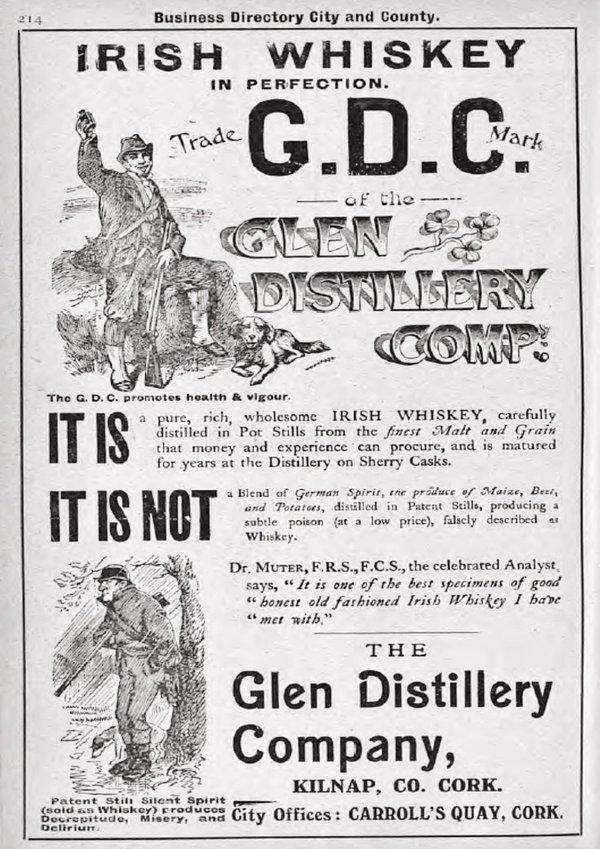

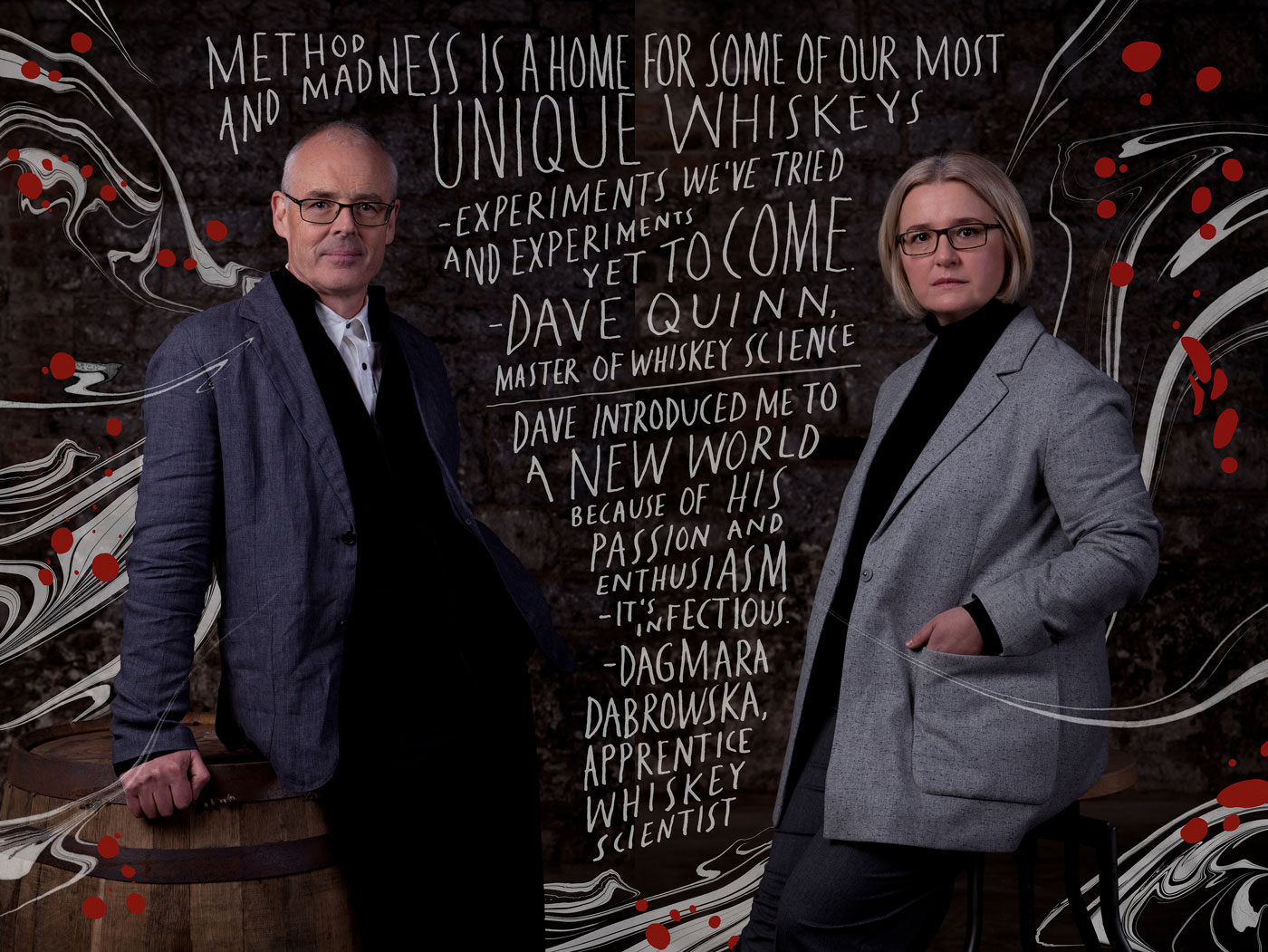


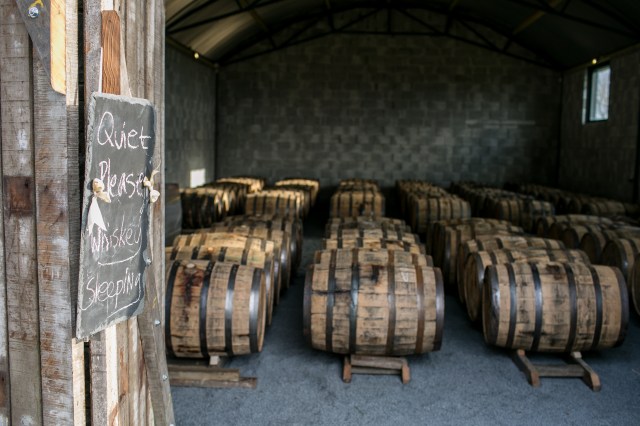
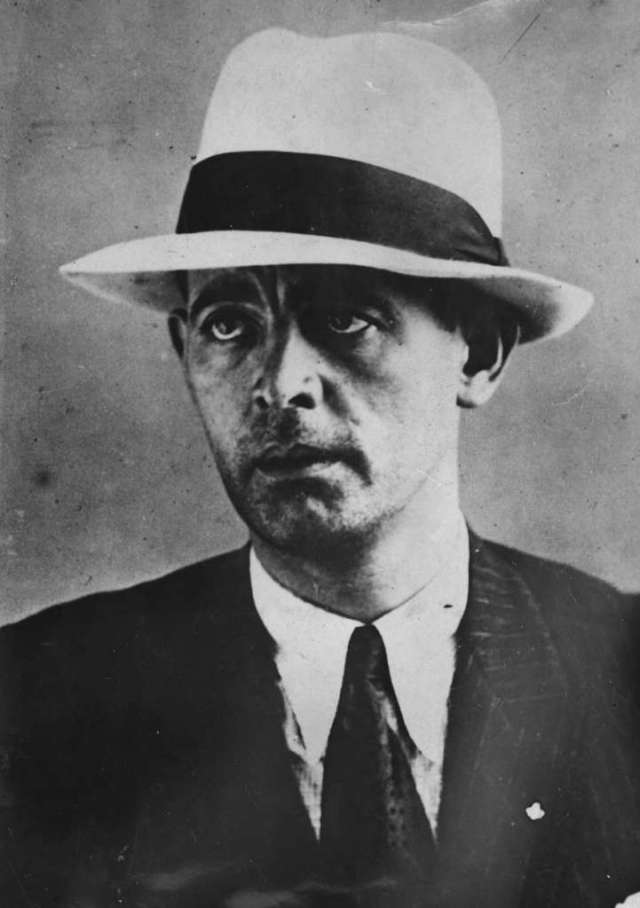
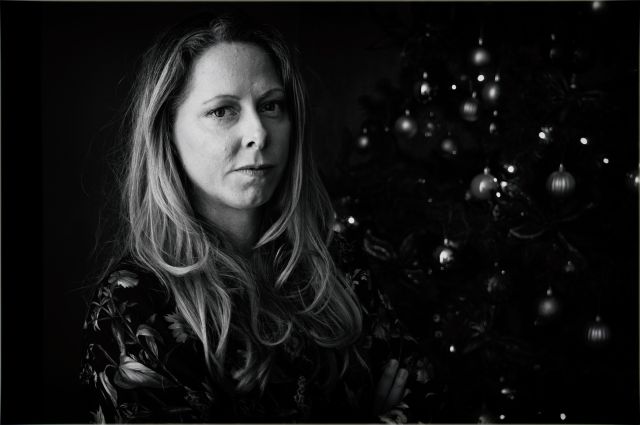
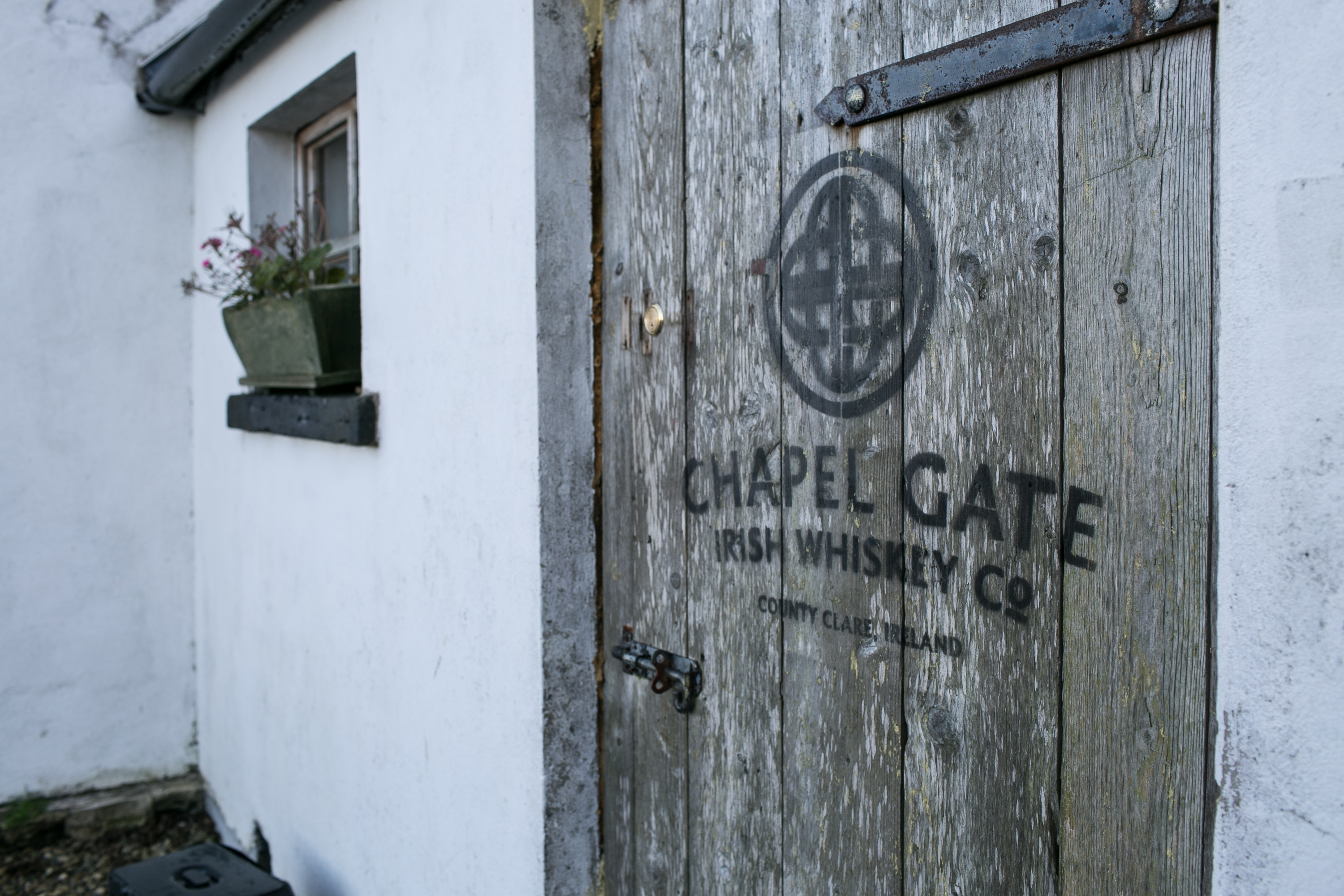
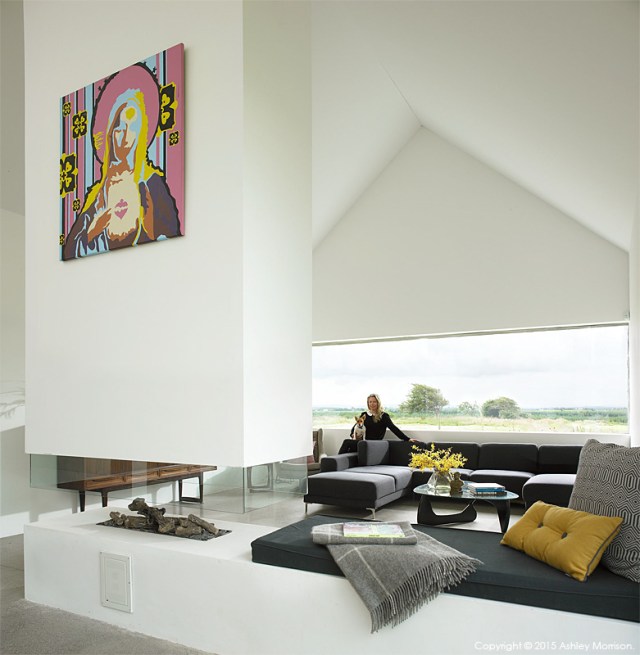

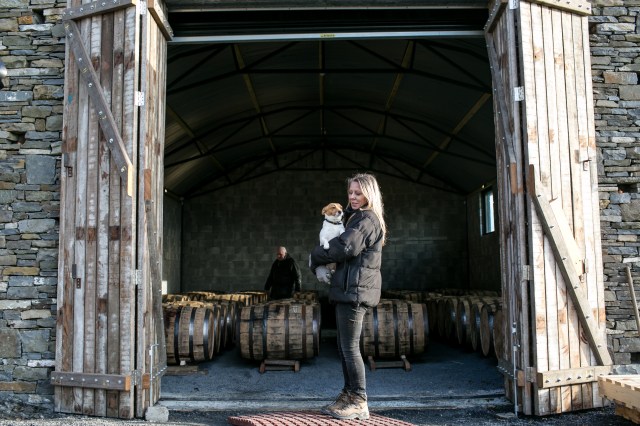
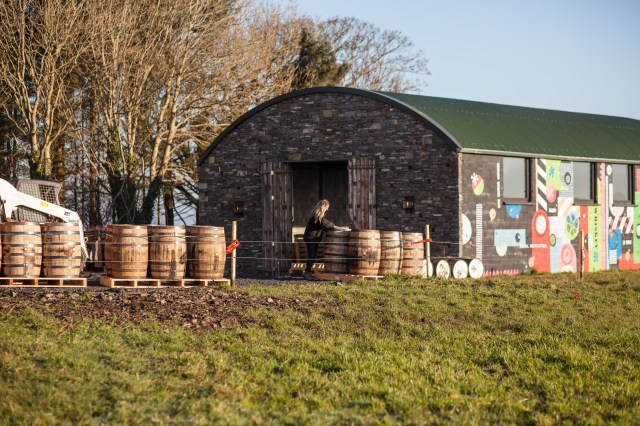
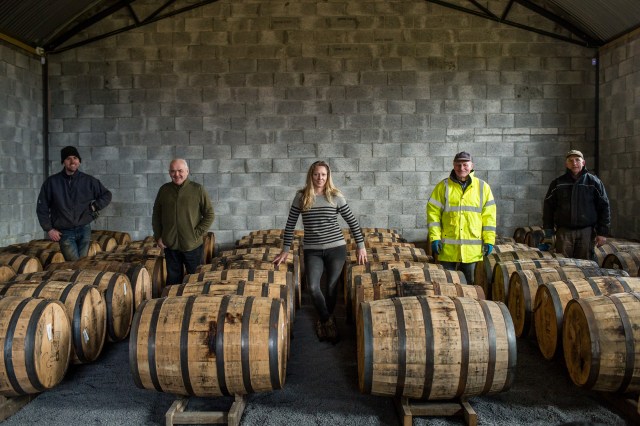


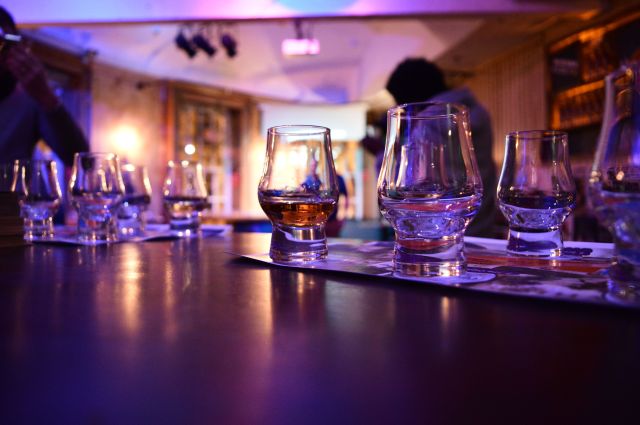
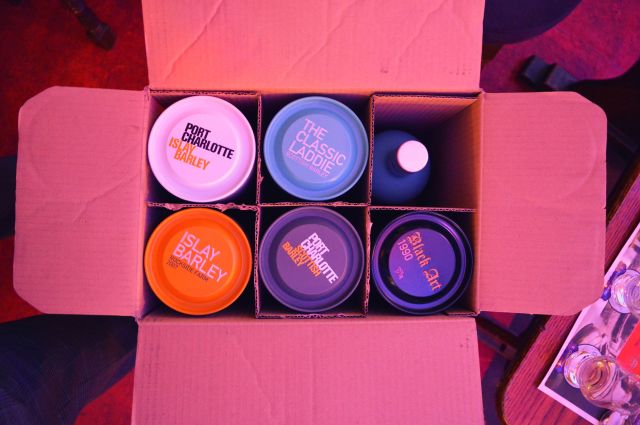
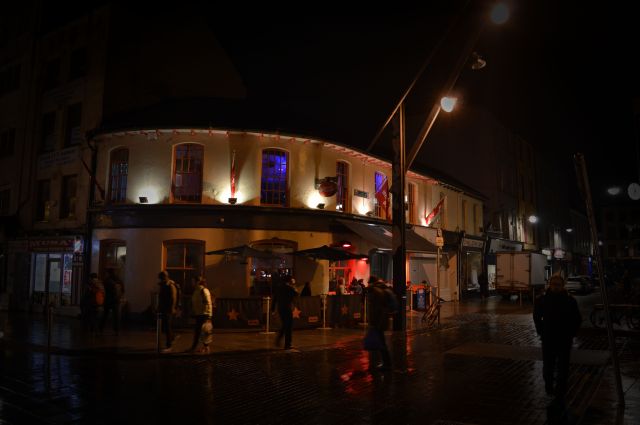
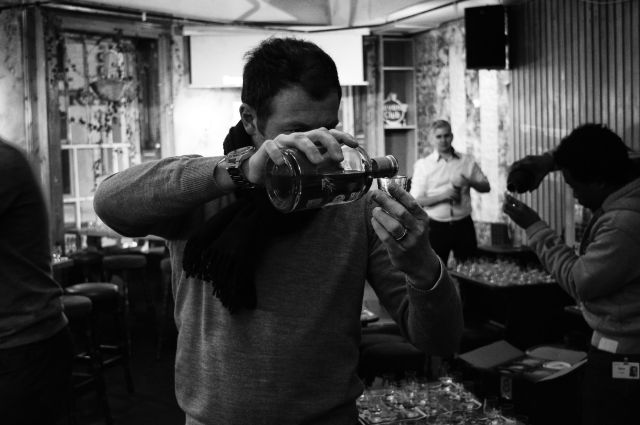
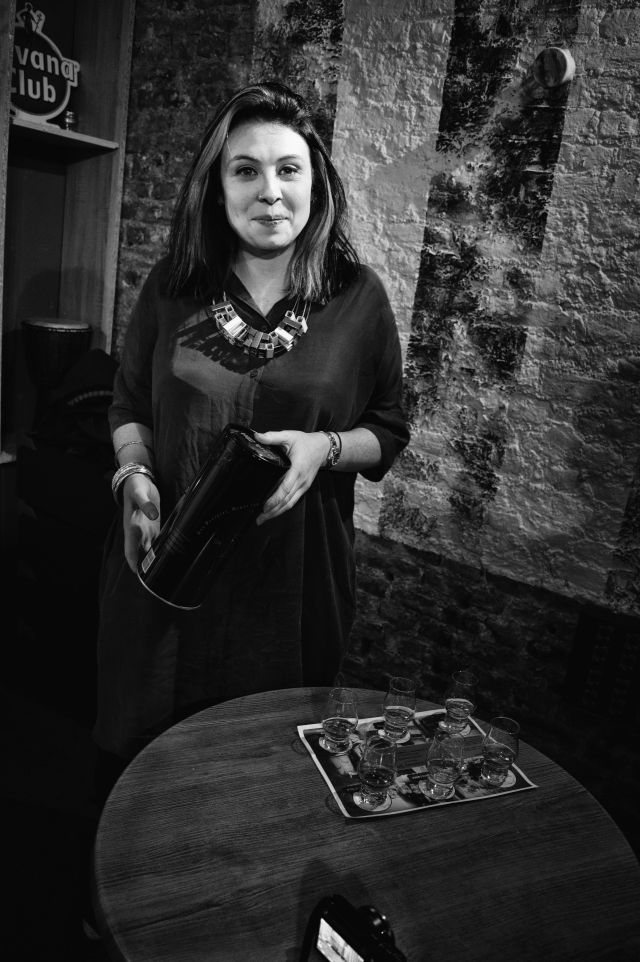
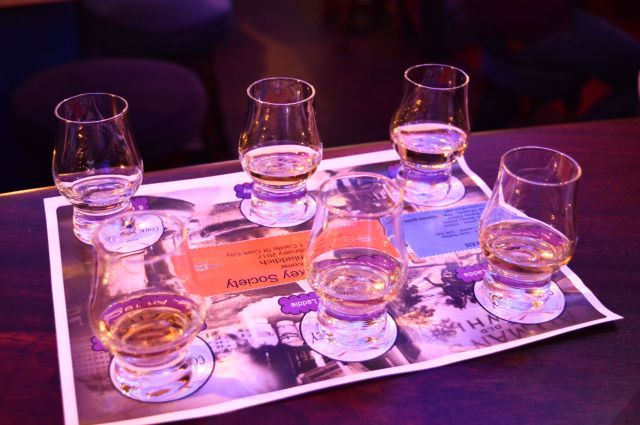
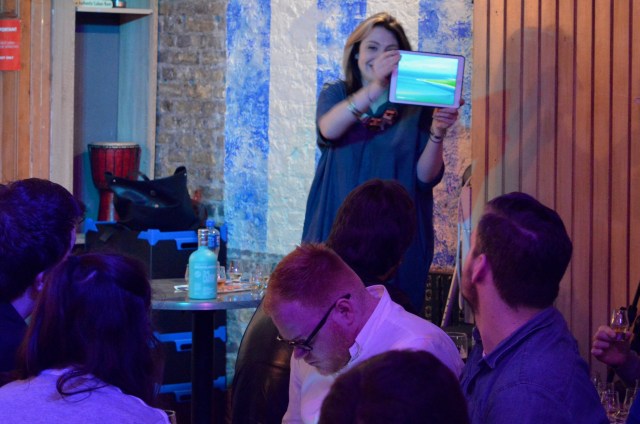
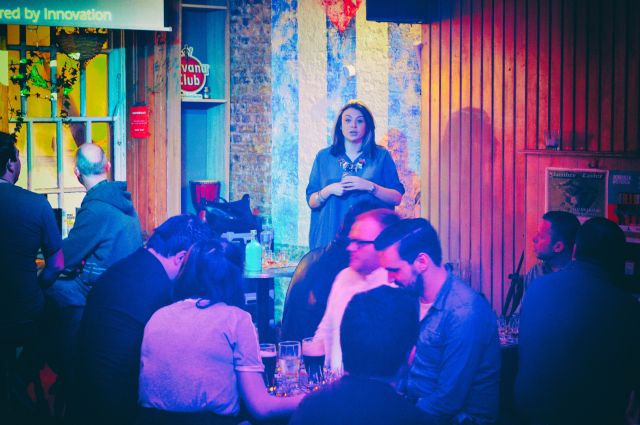
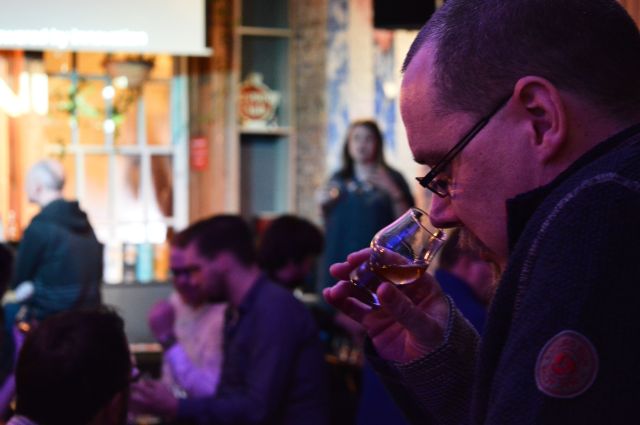
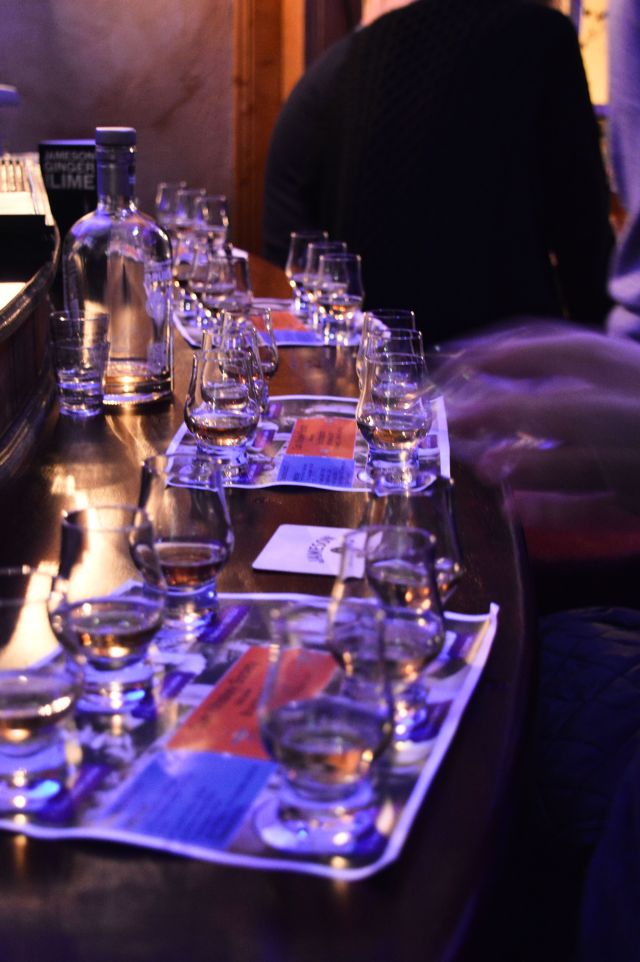
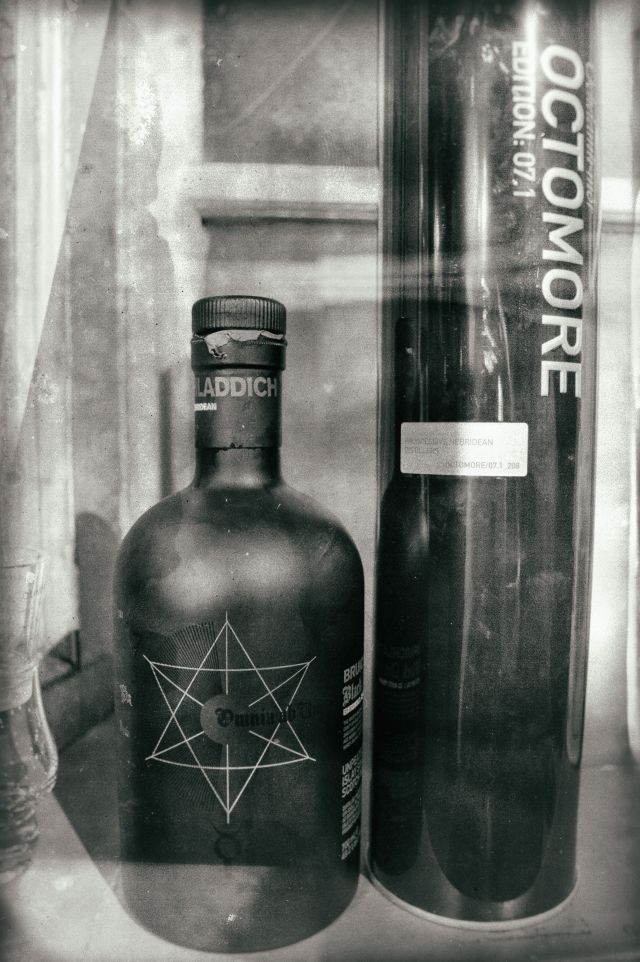
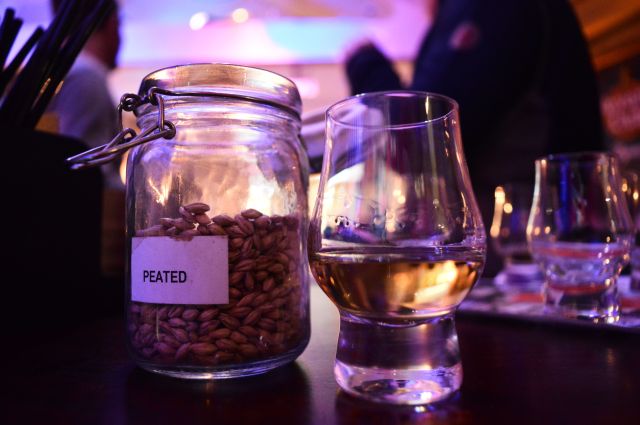
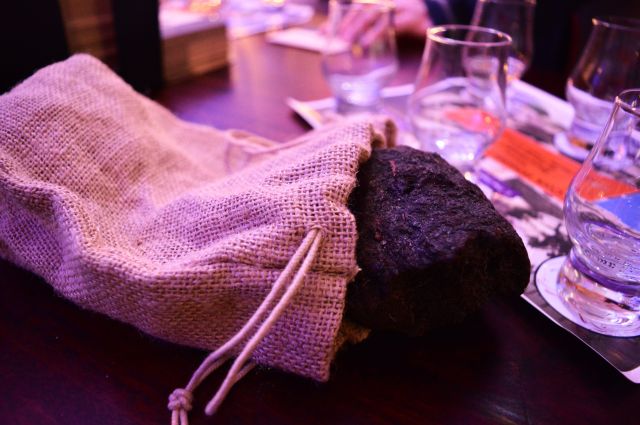


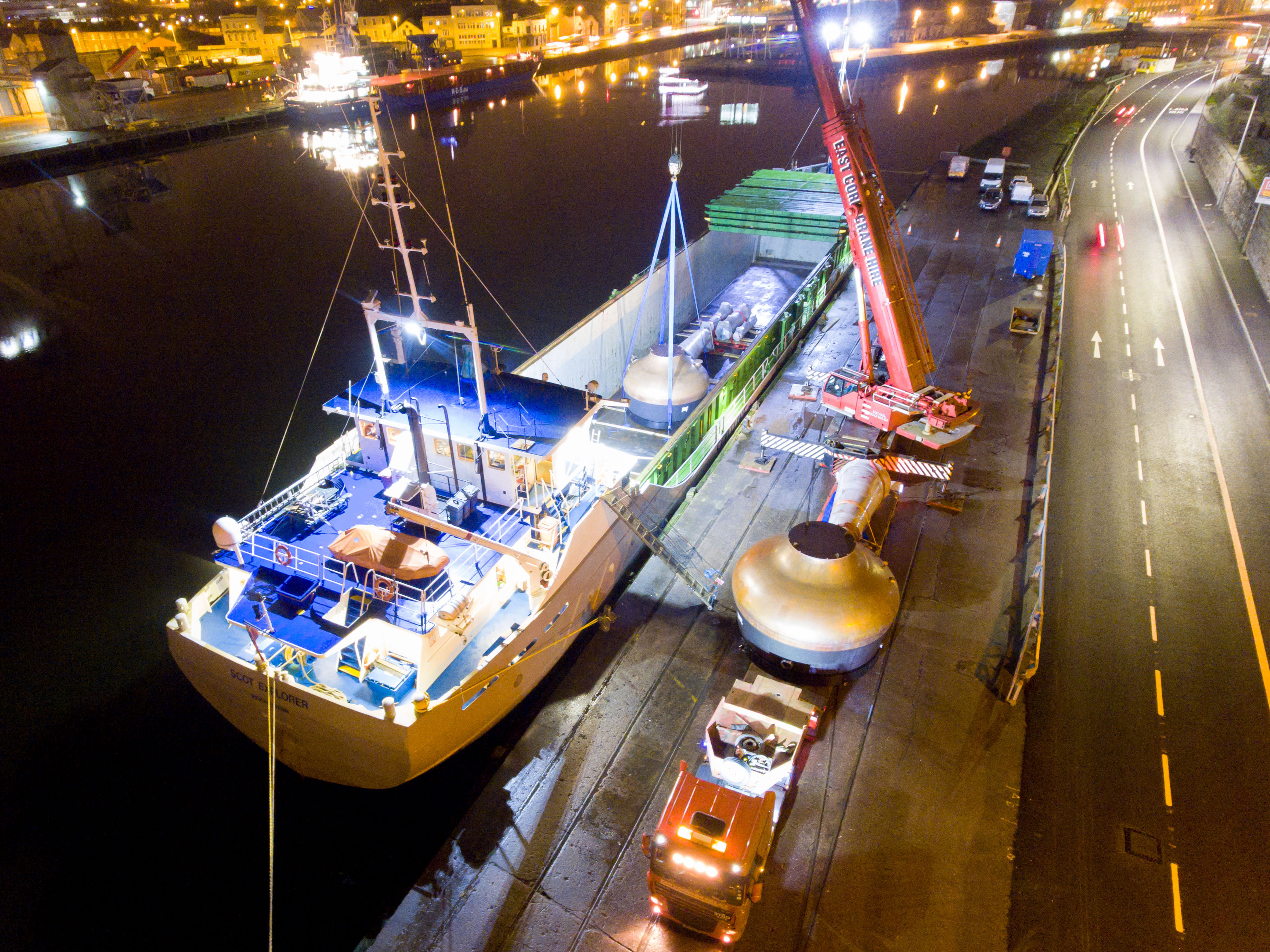
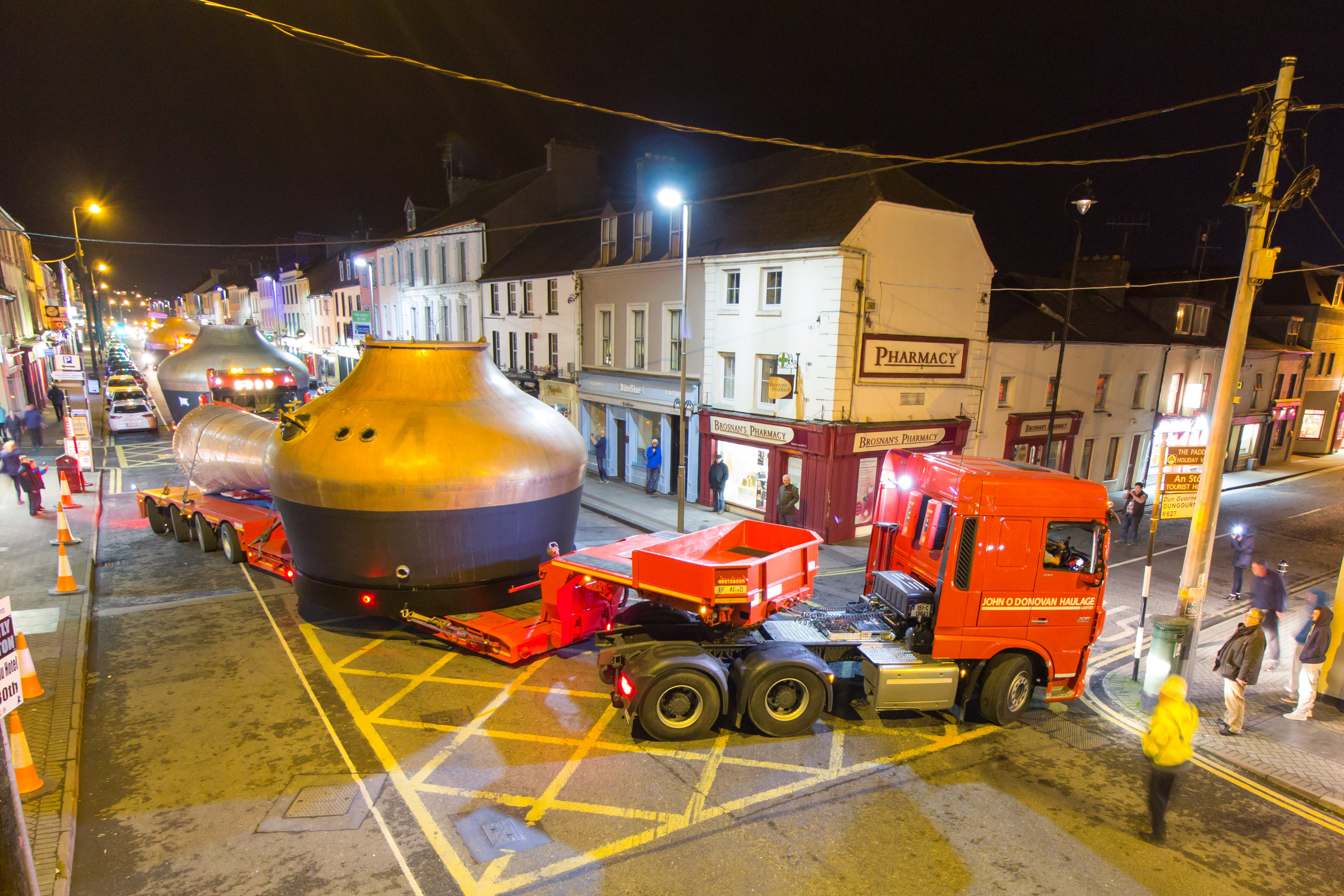
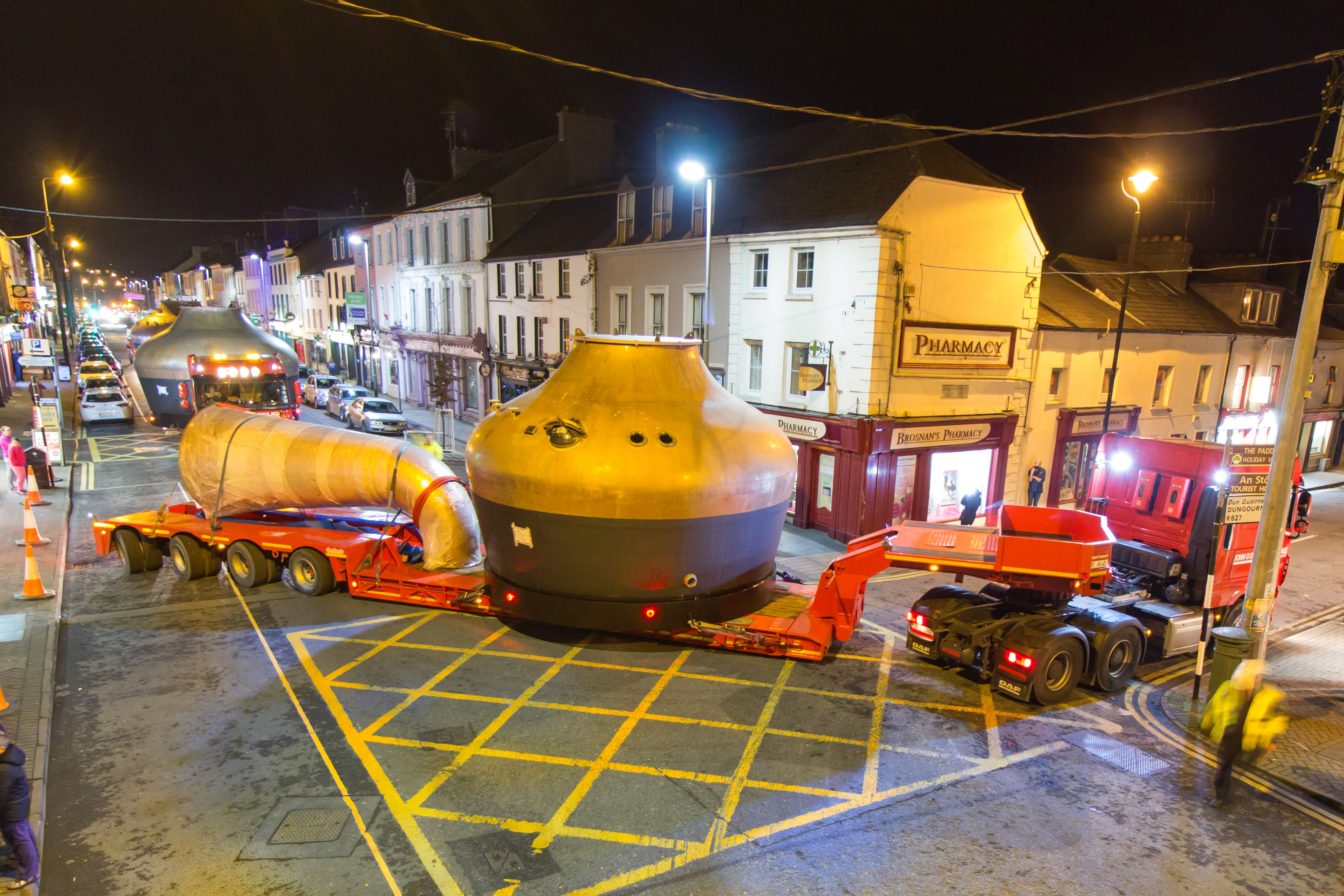
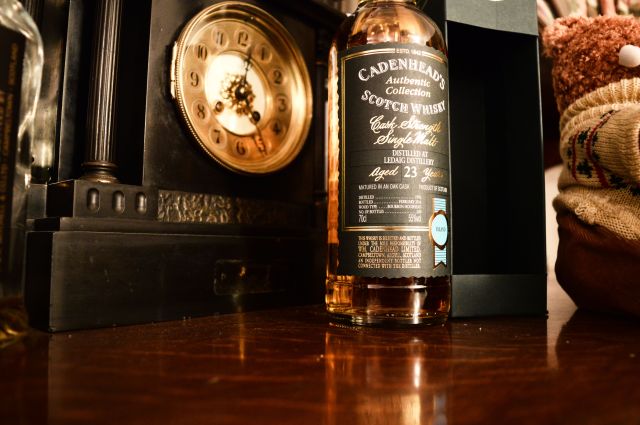
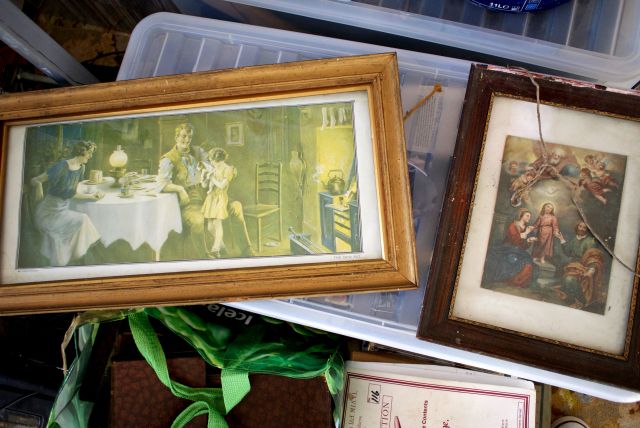
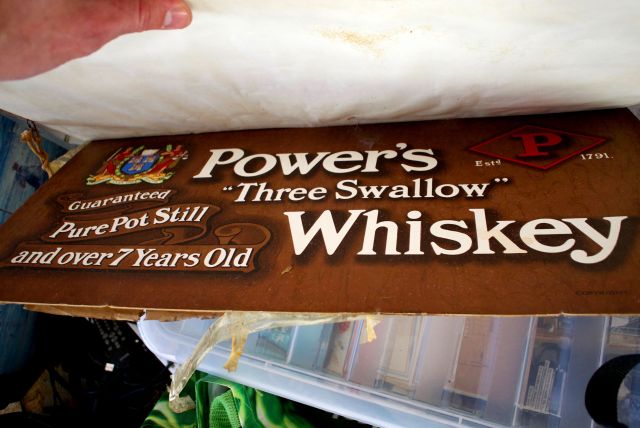
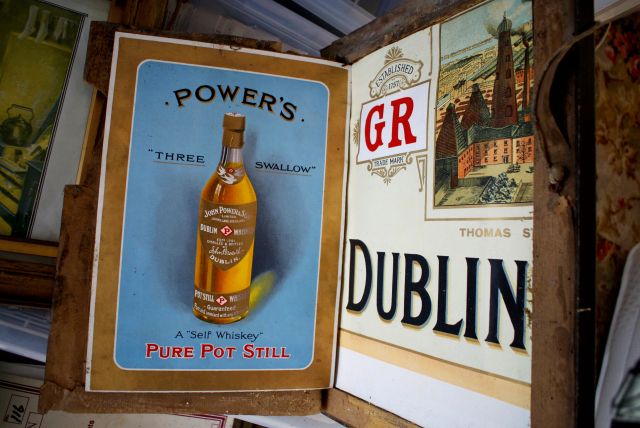
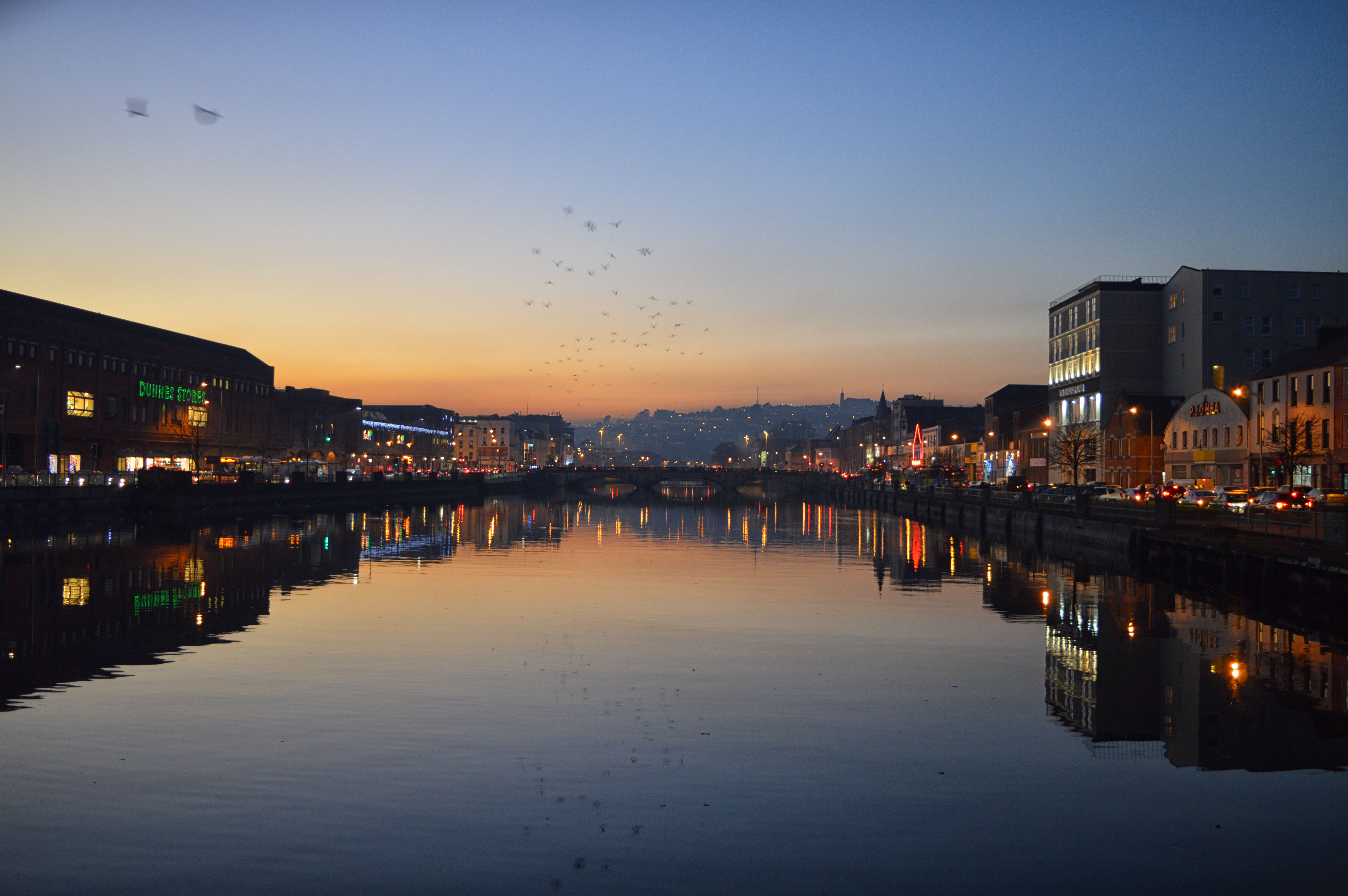
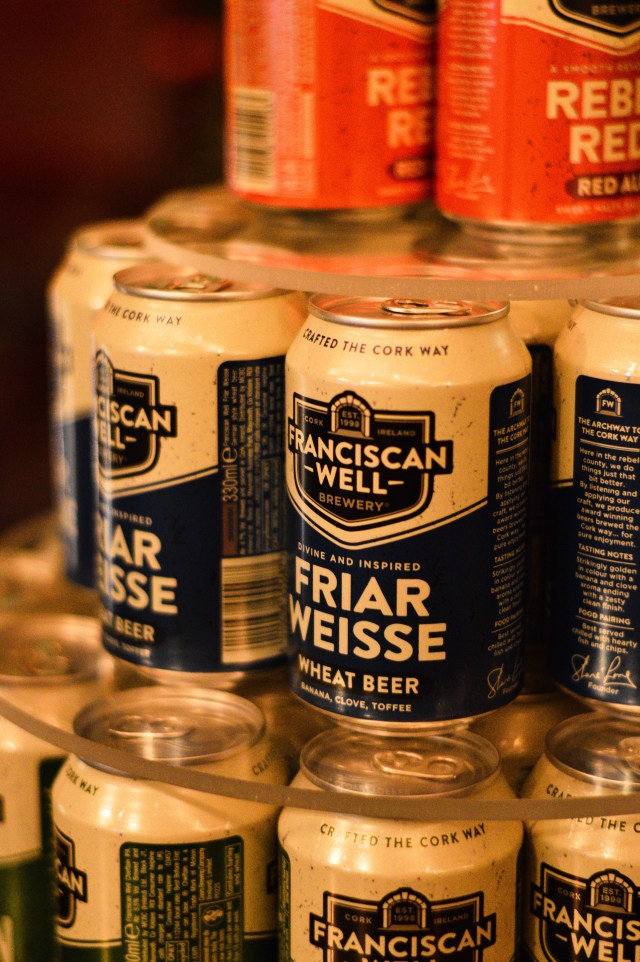
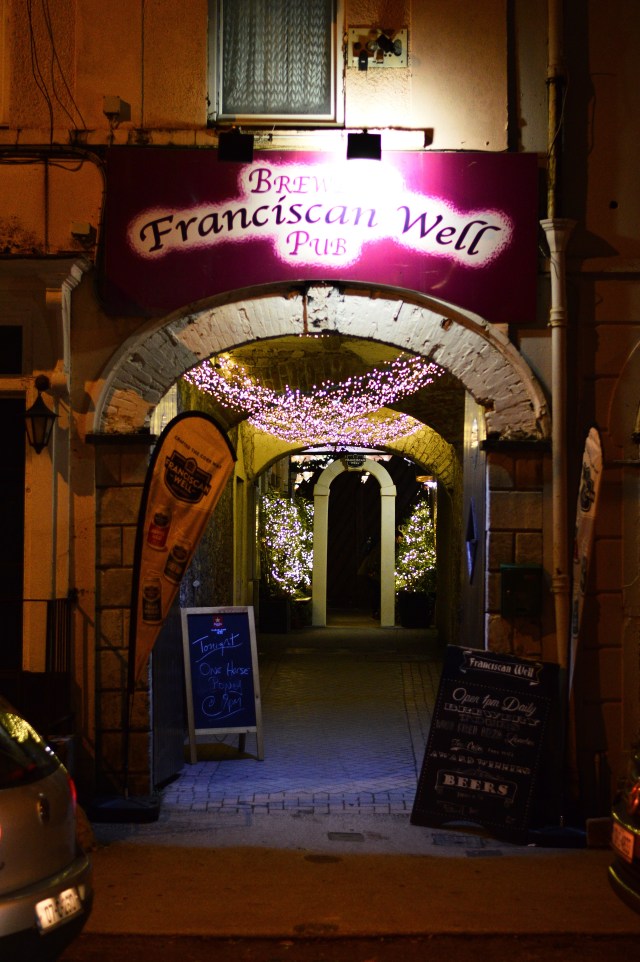
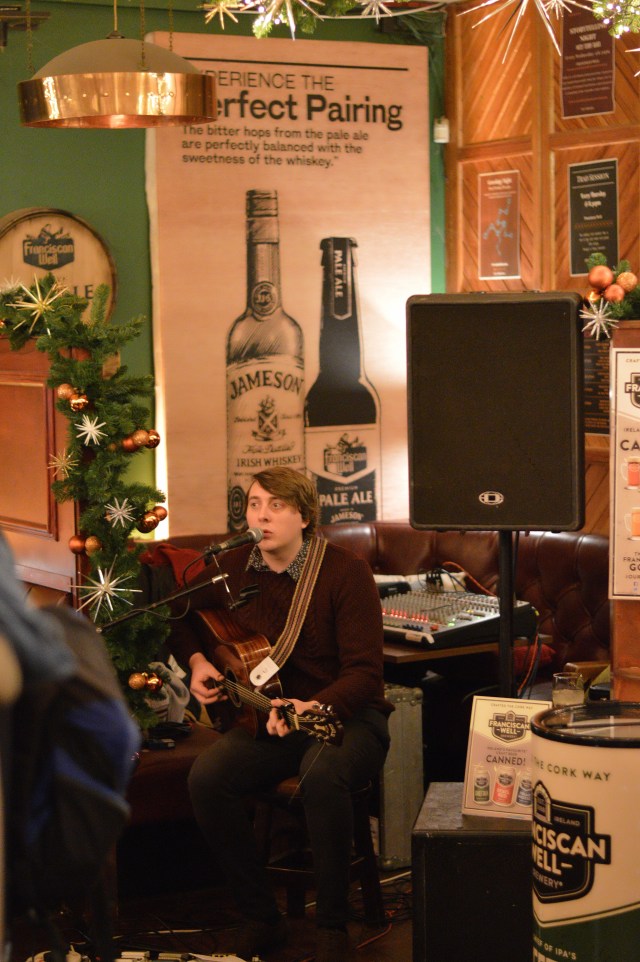
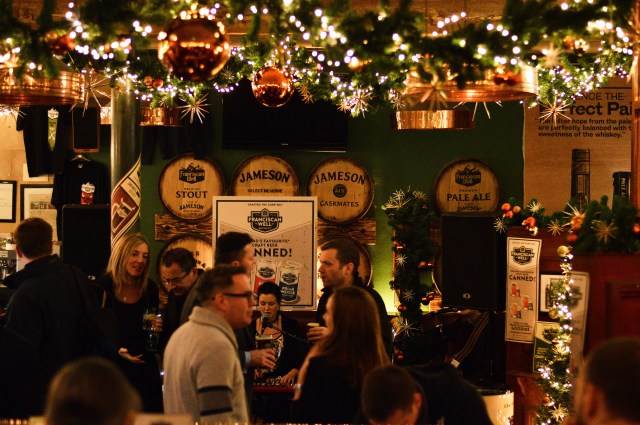
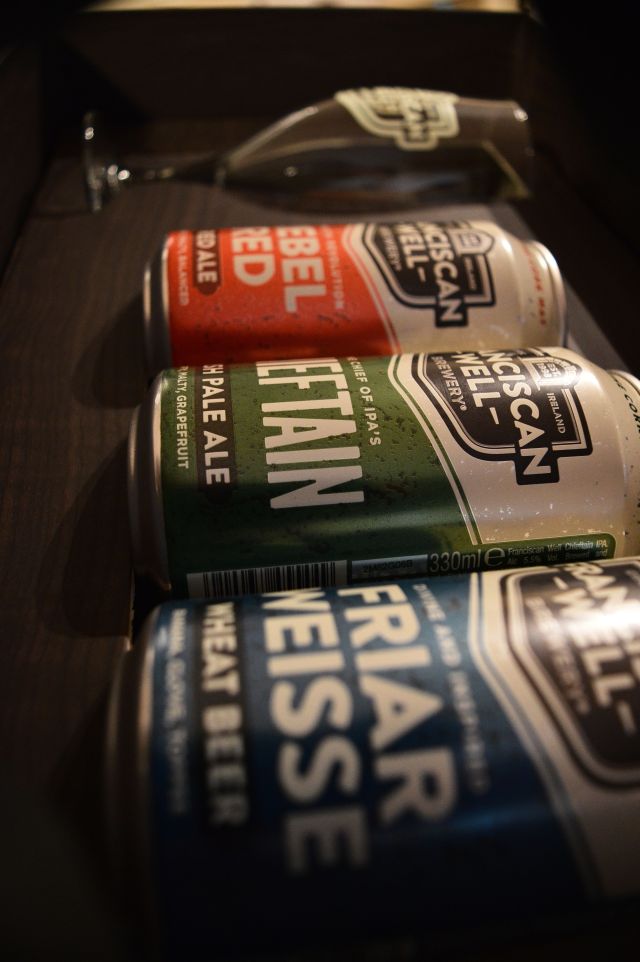
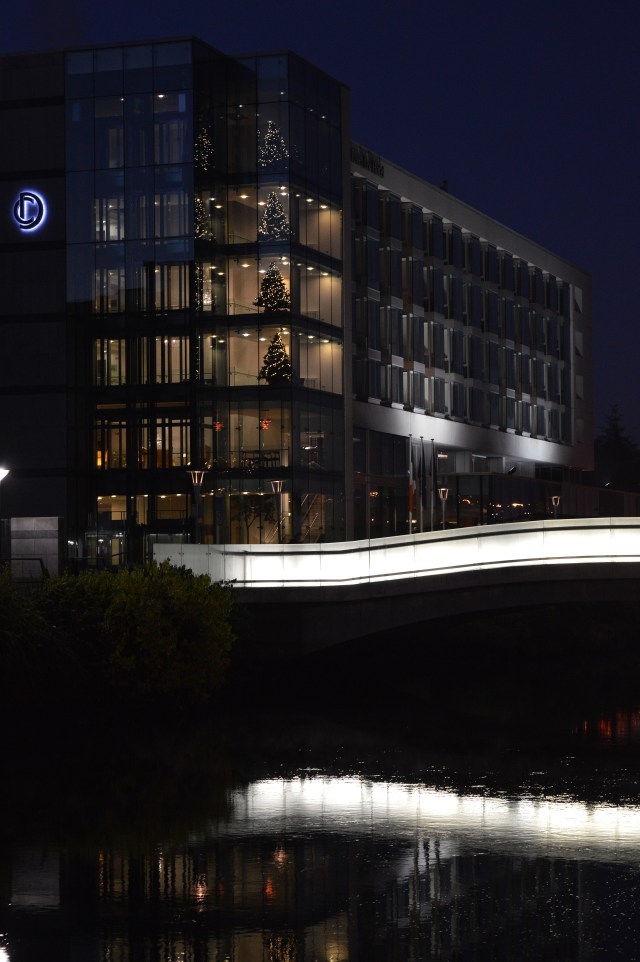
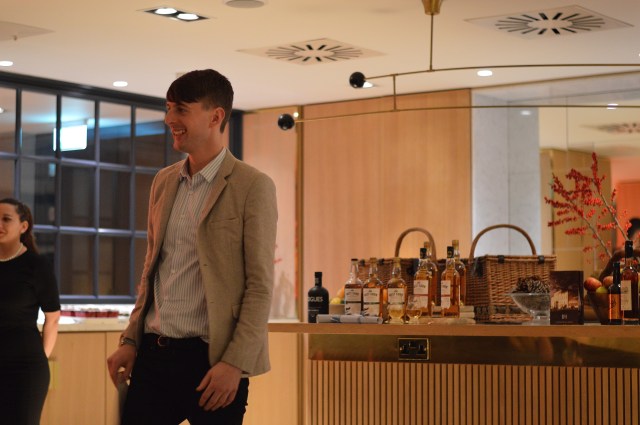
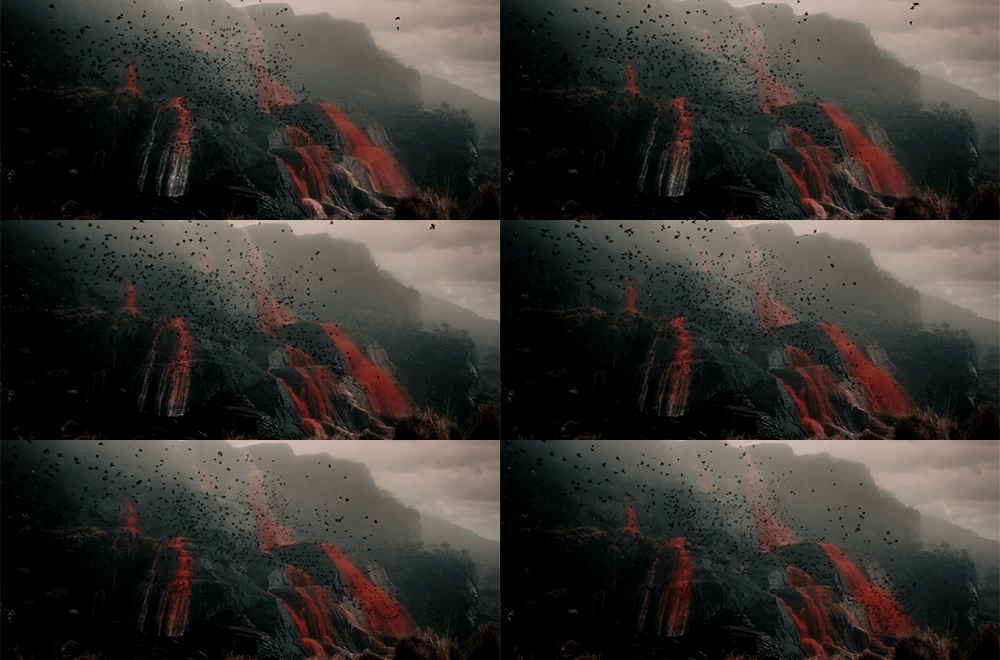
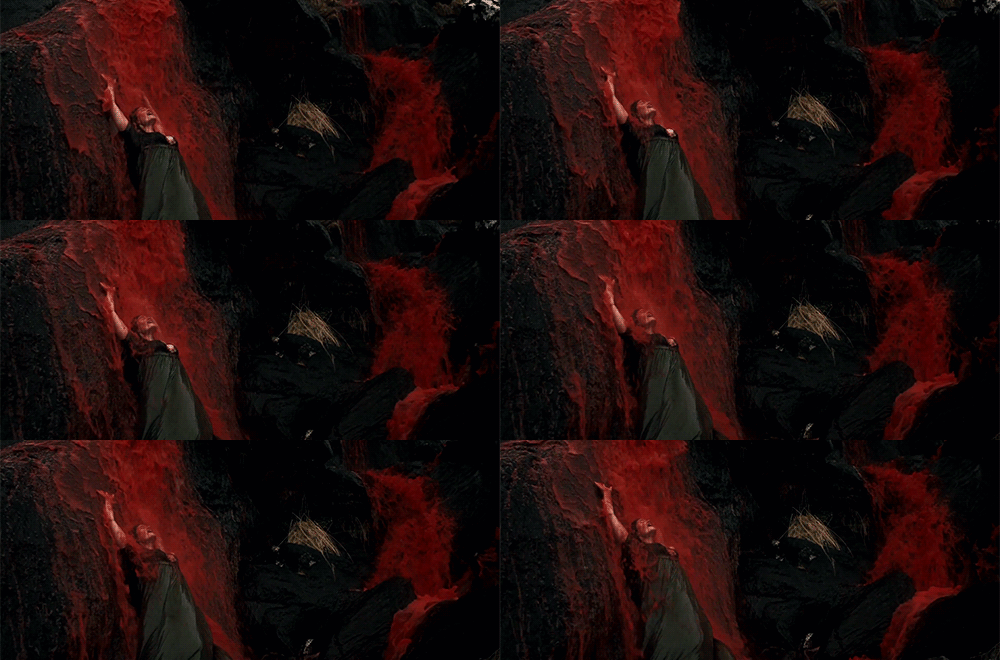

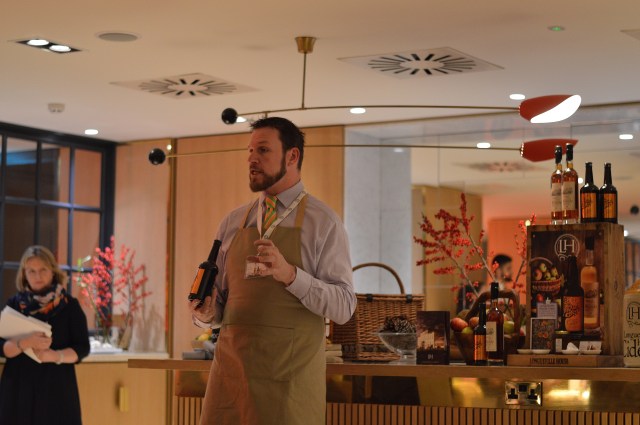
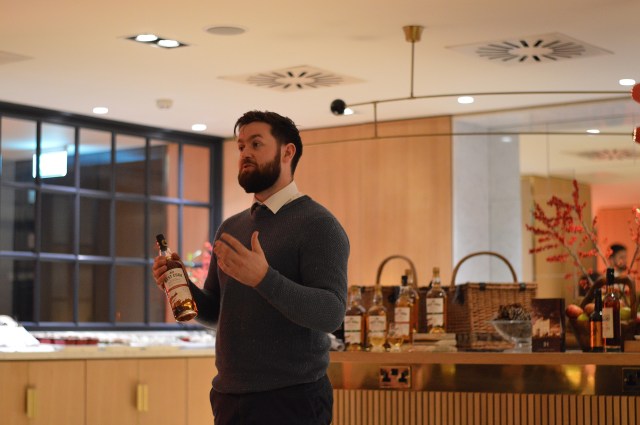
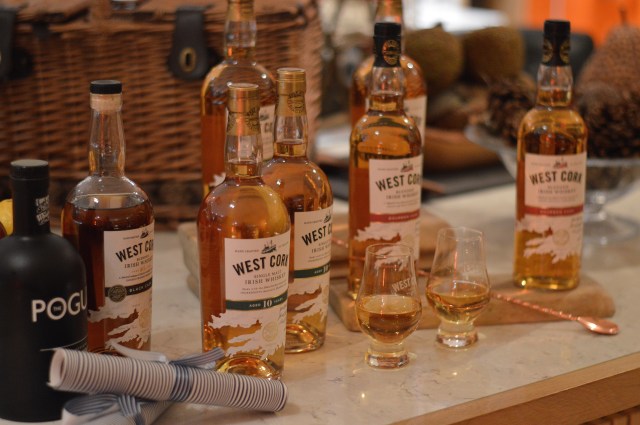


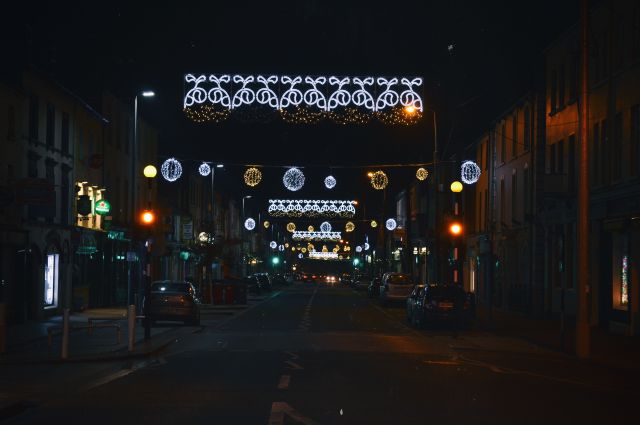
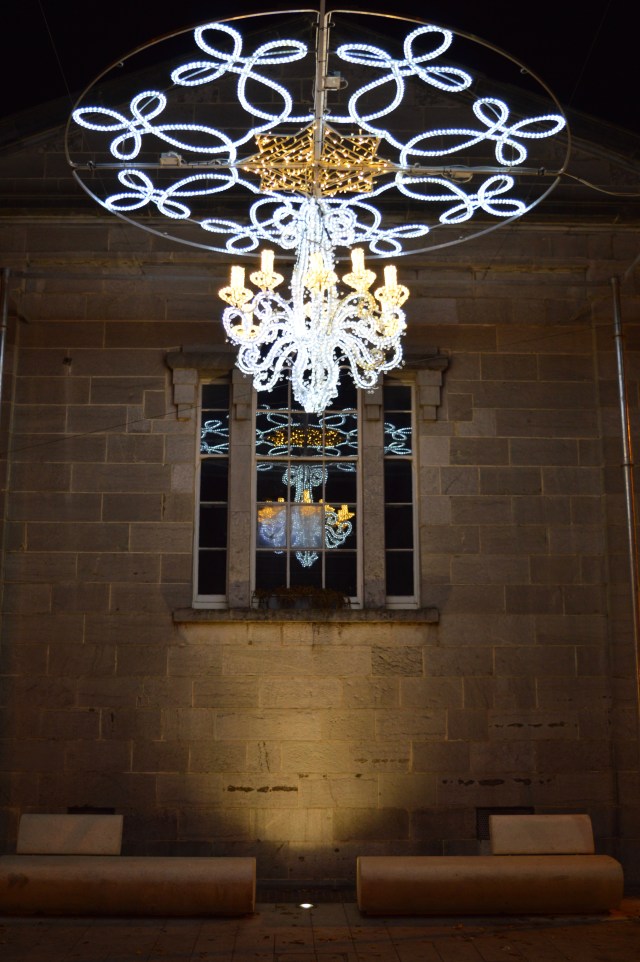
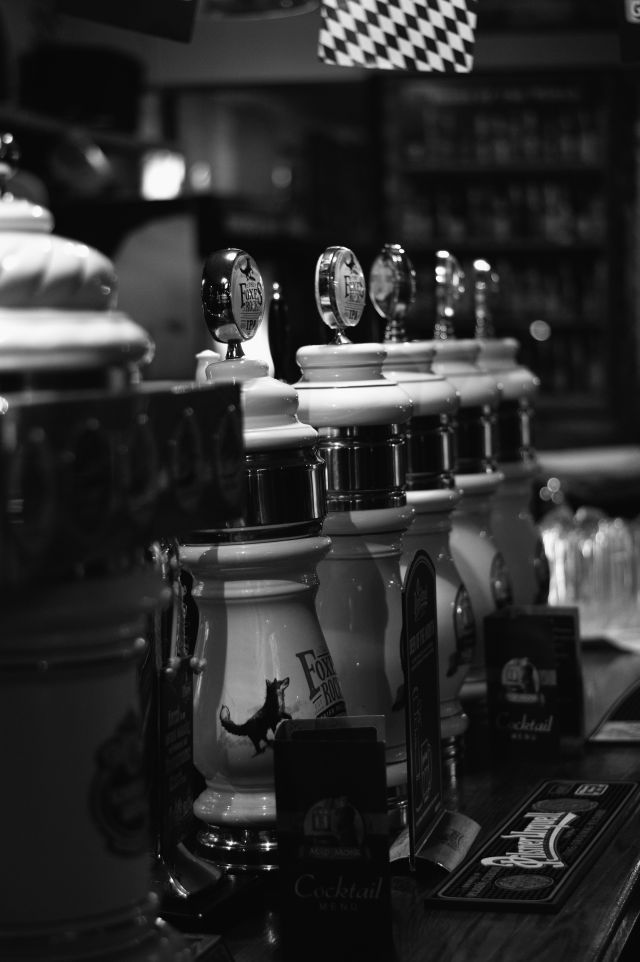
 Triple Distilled Communications