

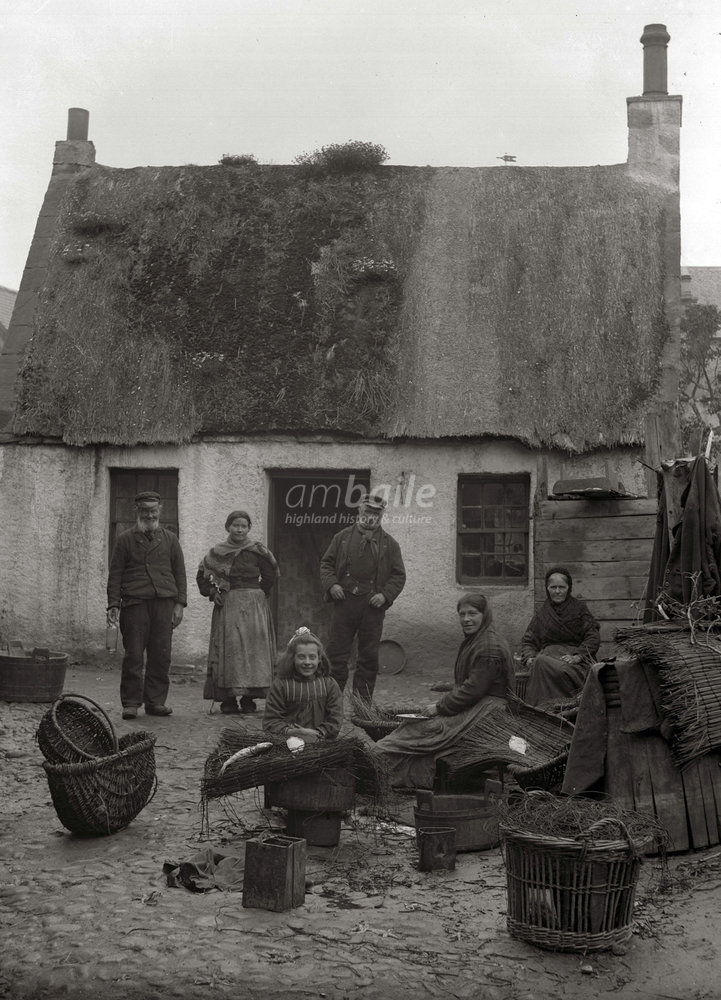
In the autumn of 2012, a 92-year-old retired engineer named Bobby Hogg passed away, and with him went a little piece of Scottish culture. Hogg was the last native speaker of a Scots dialect spoken by the fisherfolk of the isolated Cromarty community, the only other native speaker having been his brother, Gordon, who had passed away a year previous. Fortunately, researcher Janine Donald of online cultural archive Am Baile recorded the two brothers chatting in the language and used the sessions to compile a dictionary of their phrases and fables. You can read the booklet here, while the site also has transcripts of recordings of the brothers speaking in the dialect. You can hear two of the Hogg family singing a traditional song here. The dialect is believed to have been handed down from Norse and Dutch fishermen who settled in the area in the 16th century, and while elements of the language remain in the everyday speech used in Cromarty, the passing of the Hogg brothers saw the end of the language being used in its natural, organic state. Here are a few samples:
Ah ken the cutyach ye belang taeI – I know where you’re from (derogatory)
At a grandeur! – What a show off!
At now kucka? – A friendly greeting
Blussing o tattas – A large amount of potatoes
Boors n boors – Lots and lots
E rose from his mate lik a potye – He got up from his meal like a pig
Ee’s a boshach-skeyter – Contemptuous expression for a miserable, mishapen creature
E’s as prood as Bubba – He’s as proud as the devil
Gaen clean tae the tootrach – Away with the fairies, or having become disreputable through drink
Holl toll – Very drunk
Whelp o’ darkness – An individual who was prone to anti-social behaviour
Part of the reason the dialect survived as long as it did is because of where the tiny village of Cromarty is located – perched on the northern tip of the Black Isle in the Highlands, with little of note about it apart from the dialect and the fact they owned Britain’s smallest vehicle ferry, the Cromarty Rose, which ran across the forth to Nigg.
However, the community isn’t quite as isolated as you would think, as the Black Isle isn’t actually an island. One of the peculiarities of Scots gaelic is that there is no differentiation between peninsula and island; perhaps they just got tired of keeping track of which is which – after all, they do have 790 actual islands and a coastline that looks like shattered glass. Perhaps they just felt that The Black Peninsula sounded less dramatic.
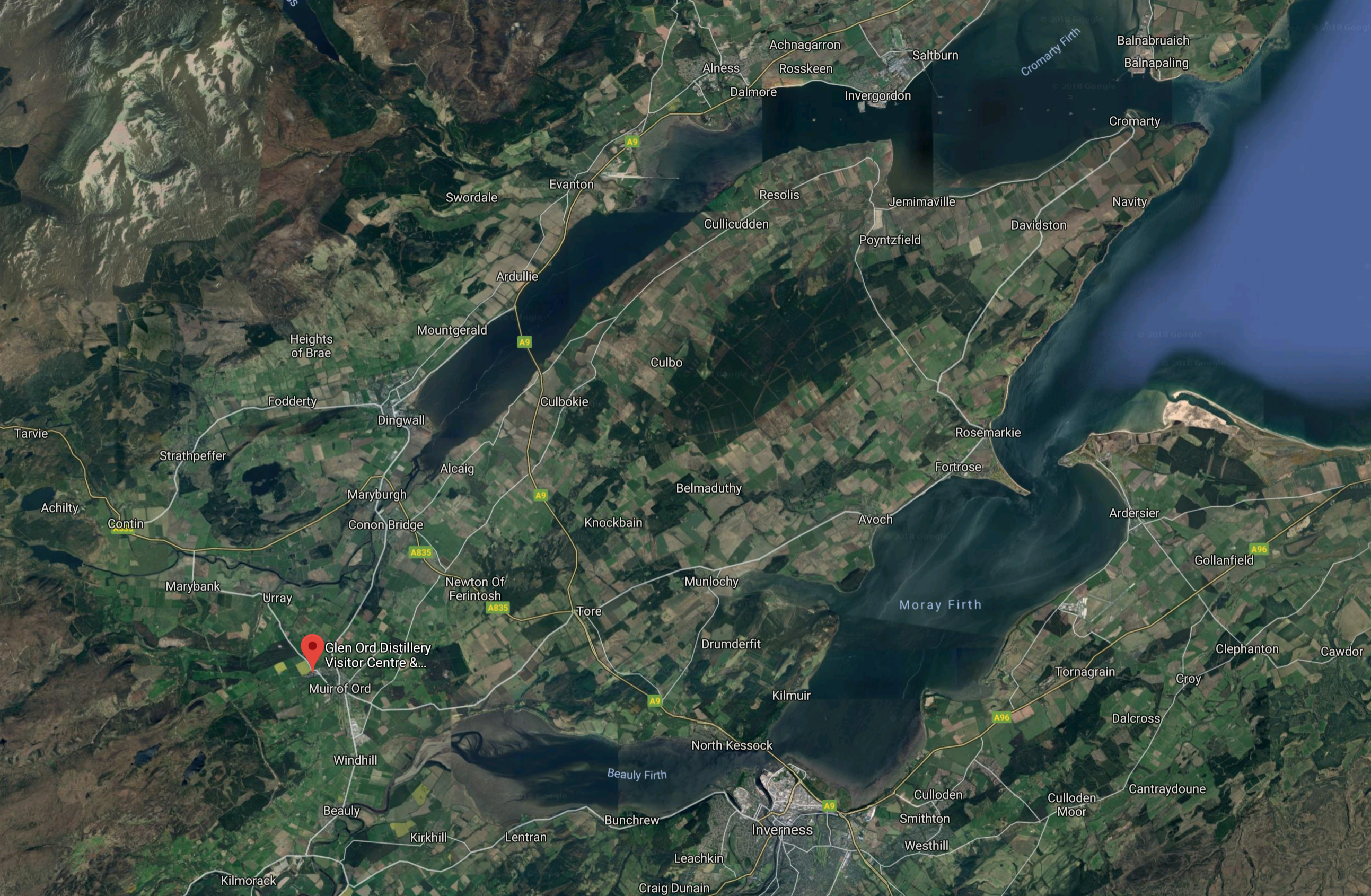
The Black Isle also happens to be home to Glen Ord, a Diageo distillery that makes malt for the Johnnie Walker and Singleton brands. Frankly, looking at a map you would struggle to say the distillery is actually on the Black Isle, given that it is at the absolute opposite end from Cromarty, but as it sits in the Muir Of Ord, it can thus can make the claim.
The older I get, the more I like the whiskey’s temporal dimension – beyond the core ingredients of barley, teast, and water, or even transformative elements like copper and wood, it is time that ultimately defines whiskey. Ingredients and vessels give it nature, but is time that nurtures it. It rolls of the stills as new make spirit, with a unique personality of its own, but it is nothing until you add three years in a cask. Add more years and its value increases. Time stops when you rip it from the cask and put it in a bottle, placed into cryosleep, only to finally fulfil its destiny once you pour it into a glass and consume it. I am at the upper limit for aged whiskey – 43 – I am finally starting to understand just how finite my time is. The end of the Cromarty fisherfolk dialect is a reminder that time devours everything, no matter how we fight it.
Cadenhead are the oldest independent bottler in Scotland. They have a lovely website where you can read their storied history, find out what they do, and ultimately not purchase anything, as they don’t do online shopping. Even when you go into their Edinburgh store, your purchases are worked out with a pen, paper and a calculator. If they could fit an abacus on the desk, they probably would. For a store that deals in capsules filled with time, they are adamant that they won’t march to its merciless beat.
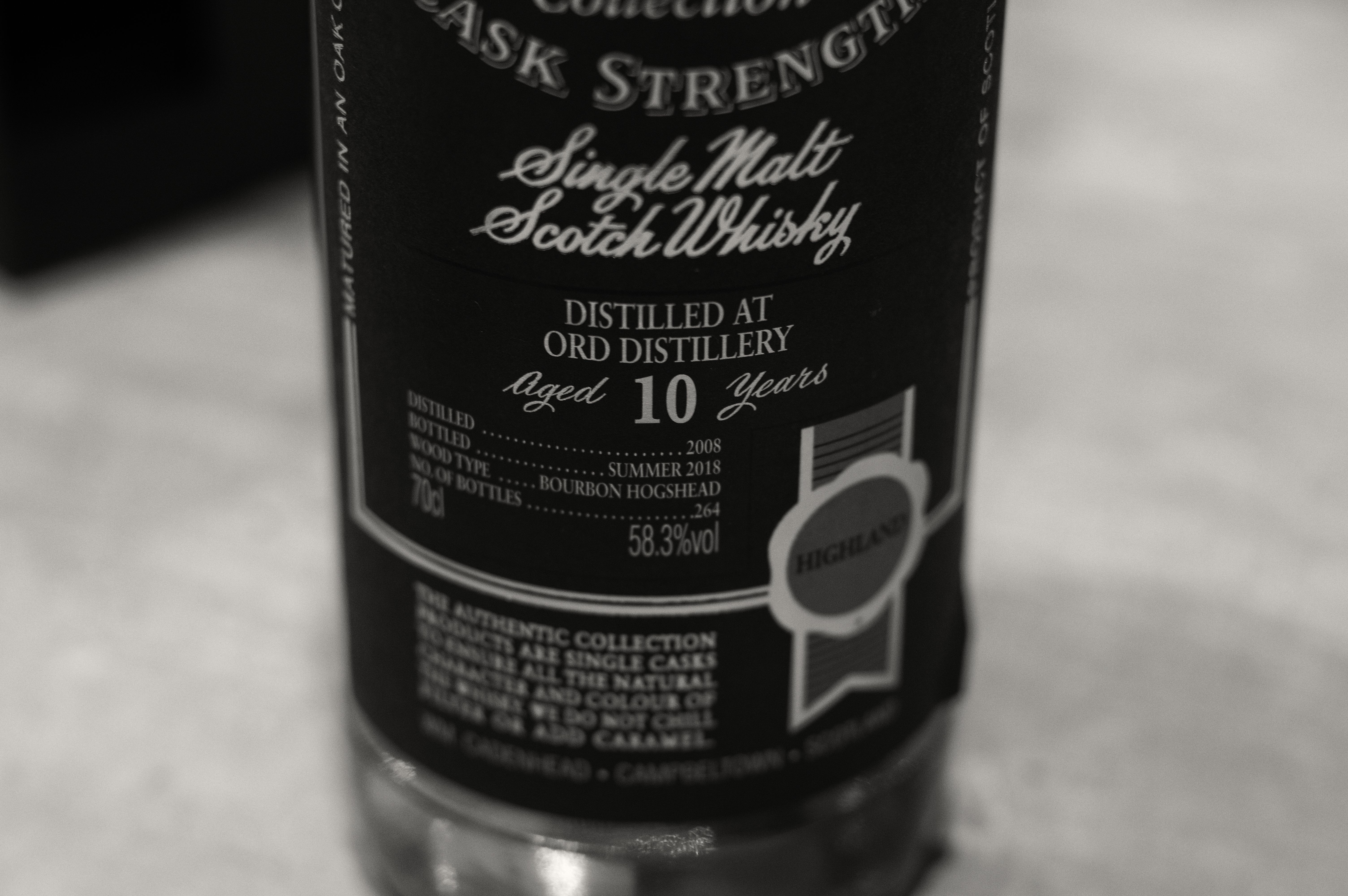
I bought a ten-year-old Glen Ord, a Kilkerran 12, an unnamed Islay eight-year-old and a Teaninch. The Ord came on the recommendation of staff, who pushed it over another, older bottling from the same distillery. So what of this entry-level whiskey from the last distillery standing on the Black Isle: On the nose it is waxy, with green apple, a pleasing whiff of gasoline, pepper, but with sweetness, spun sugar, wine gums, brown sugar cubes. On the palate there is that waxy feel, with a little aniseed, and a fresh zesty element that sizzles on the tongue. It’s smooth, with the right depth for a whisky this age, but just lacks that little something odd that I was hoping for. The finish doesn’t overstay its welcome, and leaves traces of pear drops and marmalade. Overall a solid purchase, and a handy reminder that one day we will all be dead, but then I would say that as I am a whelp o’ darkness.
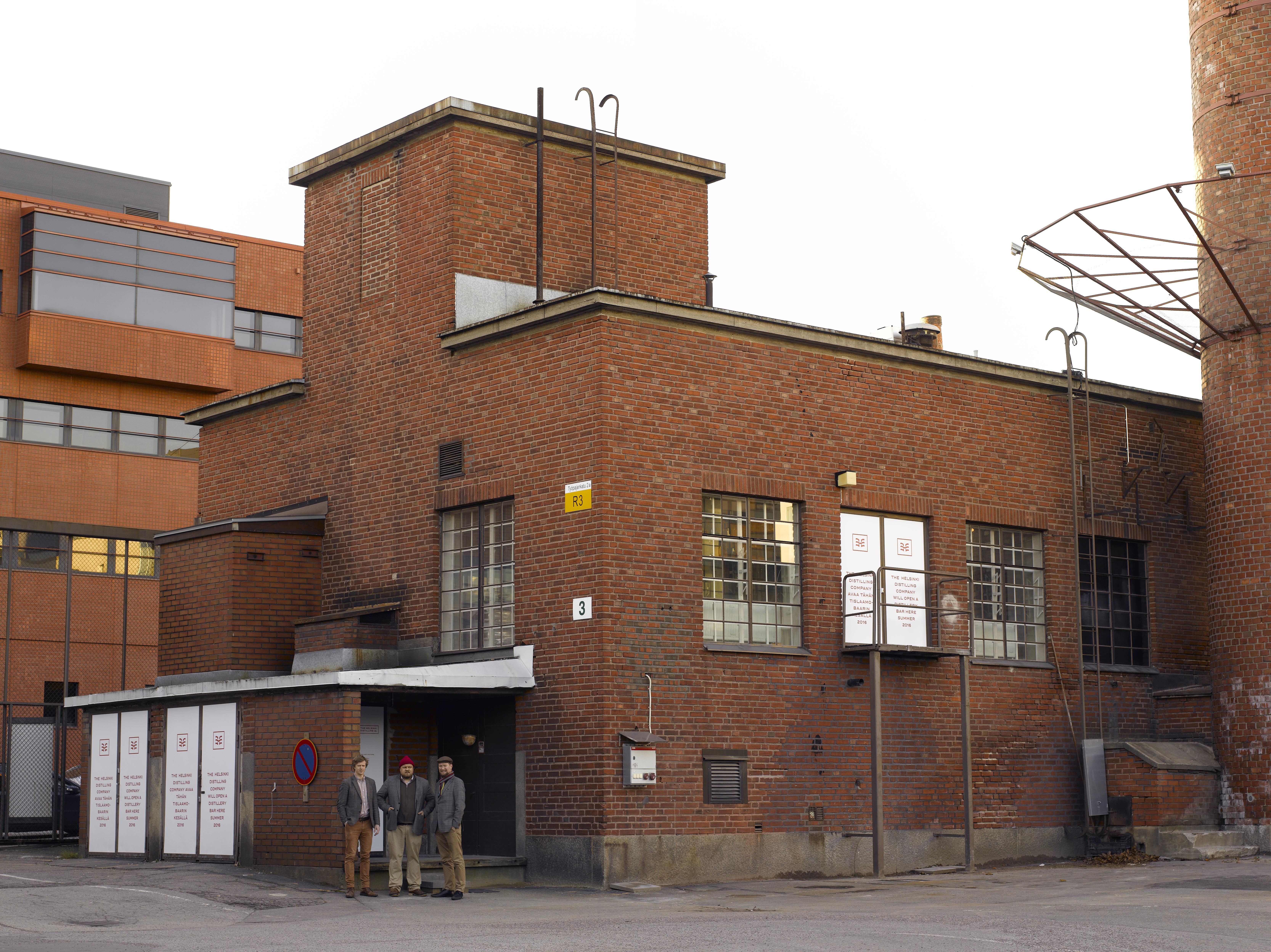
Four years ago I interviewed a Corkman making whiskey in Finland – this originally ran in the Evening Echo in 2014, but as their whiskey is hitting the market I thought I’d dig it out.
IRELAND and Finland have more in common than you’d think. Despite being on opposite sides of the European Union, we both punch well above our weight culturally — they gave the world the great composer Sibelius (and Eurovision metallers Lordi), we gave the world James Joyce (and Johnny Logan). And we both enjoy a warming drink during those long winter nights; we have whiskey, they have vodka. But one Corkman is about to change that, as he brings Irish distilling wisdom to what will be Helsinki’s first whiskey distillery in more than 125 years.
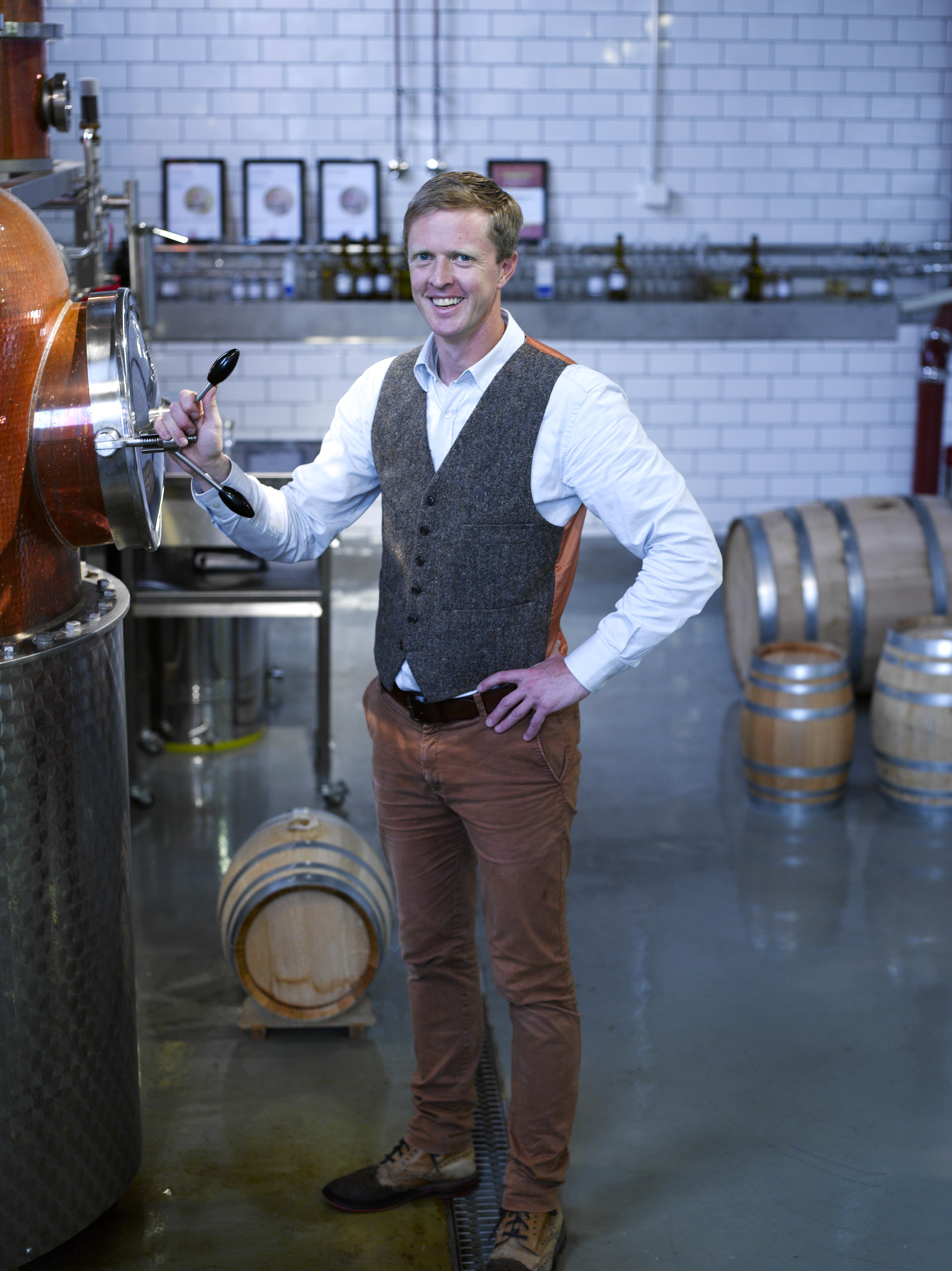
Séamus Holohan is one of three people behind The Helsinki Distilling Company, and he, along with two Finns, is bringing one of Ireland’s oldest traditions to the far edges of Europe. So how does a man from Mitchelstown end up across the continent?
“I’ll cut a long story short here but it was basically that I met my future wife in Paris many years ago, while studying and working after graduating from UCC with a BComm degree. When I finished studying in France, I wanted some more adventure and Sigrid, a Finn, had moved to Stockholm to study. So I headed up there with the intention of seeing what it would be like for six months or so. Eighteen years later — having started and sold three IT security companies — and after having three kids, I felt like it was time for something new.”
That something new was a world away from IT — the ancient art of distilling whiskey.
“For the past 10 years, I had a running discussion with two Finnish friends regarding starting a distillery and now it was good timing for all of us. The idea progressed from a fun idea to a concrete plan over the years. Eventually, having found a building to house the distillery, I moved over to Helsinki with my family and we started the business over a year ago.”
Séamus’s own interest in distilling was part inspired by another Corkman who left Ireland and created a drinks empire. In 1765, Killavullen mercenary Richard Hennessy founded Hennessy Cognac in France.
“My own interest in distilling started on a trip to Cognac during a summer holiday break during secondary school. With some friends, we visited the Hennessy factory and then went to see a small producer. The small producer, Balluet, was fascinating — everything from the raw materials to the distillation equipment, I found extremely interesting. And just as interesting was the manner in which the owner was really proud of what he was doing. To me, it seemed like something that would be great to do — to produce something concrete, a real product that you could take pride in. That desire never left me.”
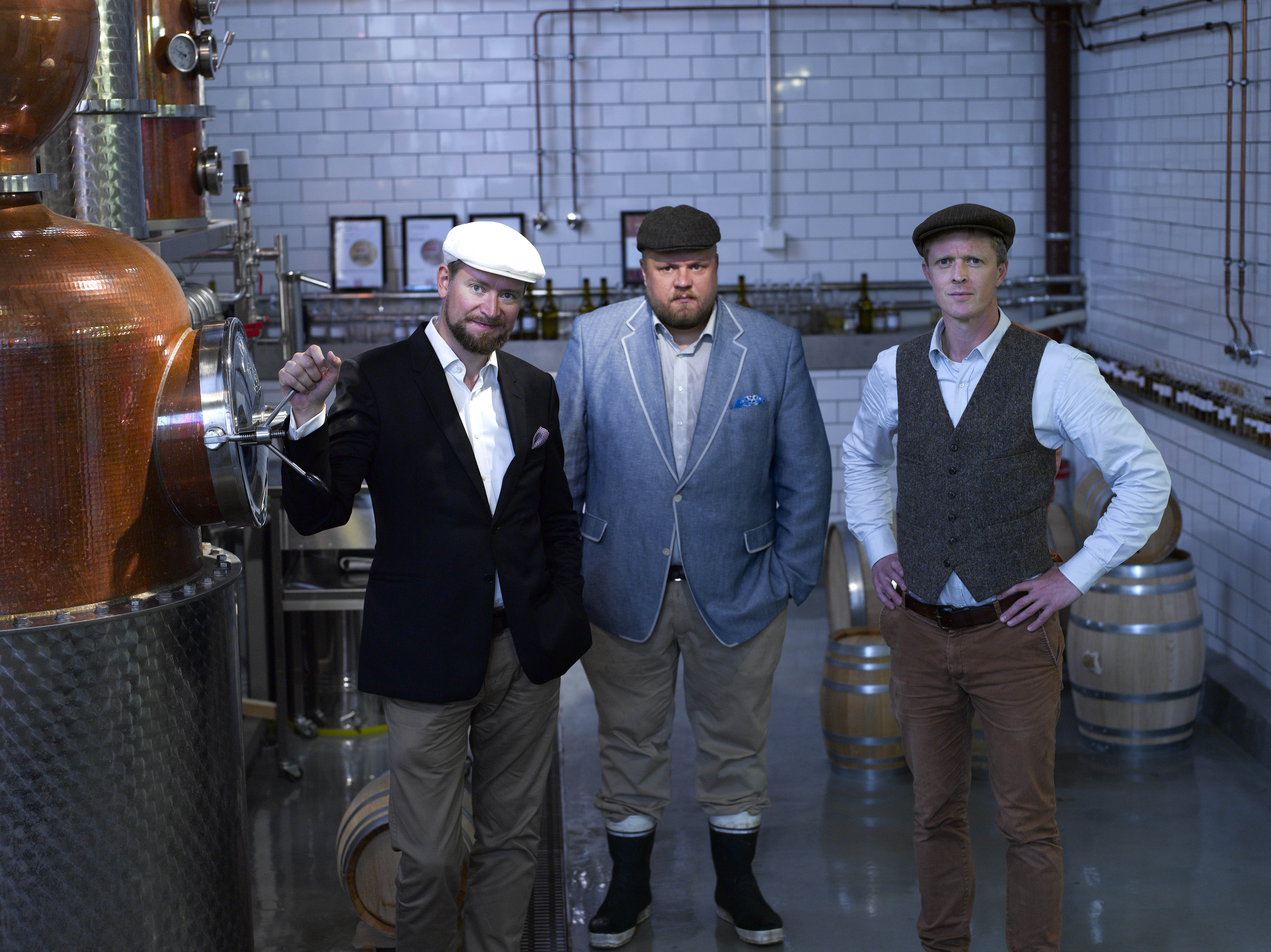
But this isn’t the reckless pursuit of a dream — Séamus and his two partners have put a lot of work and research into this venture: “Mikko Mykkänen is our Master Distiller and has been involved in the production of alcohol for many years. I have experience of starting companies and we have a third partner, Kai Kilpinen, who is helping on the marketing side. Before launching The Helsinki Distilling Company, Mikko and myself embarked on a road-trip in Sweden to see many of the small distilleries that have appeared there making whisky over the last decade. It was inspiring to see the amount of energy that the owners had and it confirmed for us that there is a viable market for premium craft distillates.”
The whiskey renaissance back home also fuelled the vision: “I was also inspired by a radio interview on RTÉ that John Teeling gave a number of years ago, where he said many interesting things about the global whiskey industry, and also the Cooley distillery was a fantastic story.”
Despite the renewed interest in whiskey back home, Séamus knew that his family now had their roots down in Scandinavia: “It was never really considered to start the distillery in Ireland for family reasons.My kids love going to Ireland and have even spent some time attending school in Ballygiblin, but are more accustomed to Sweden and Finland. And since I have been working in the Nordics for so long, I know more about doing business here than at home.
“In addition my partners are Finns and living here. Finland has very few distilleries so it is something new and exotic for the Finns to have one producing whiskey and gin in the capital. In Ireland, we would be one more distillery in addition to those already in existence and starting up. I’m sure it would have been easier to complete the administration in Ireland, as there is more distilling knowledge there and we did have to cope with a good deal of scepticism and red-tape before starting the distillery. But now we have it running and have been producing premium gin and our whiskey is starting its maturation.
“We are also lucky to have the distillery very close to the city centre and in the middle of the food culture capital of Finland, Teurastamo, which means ‘abattoir’ and is the old slaughterhouse area for Helsinki.”
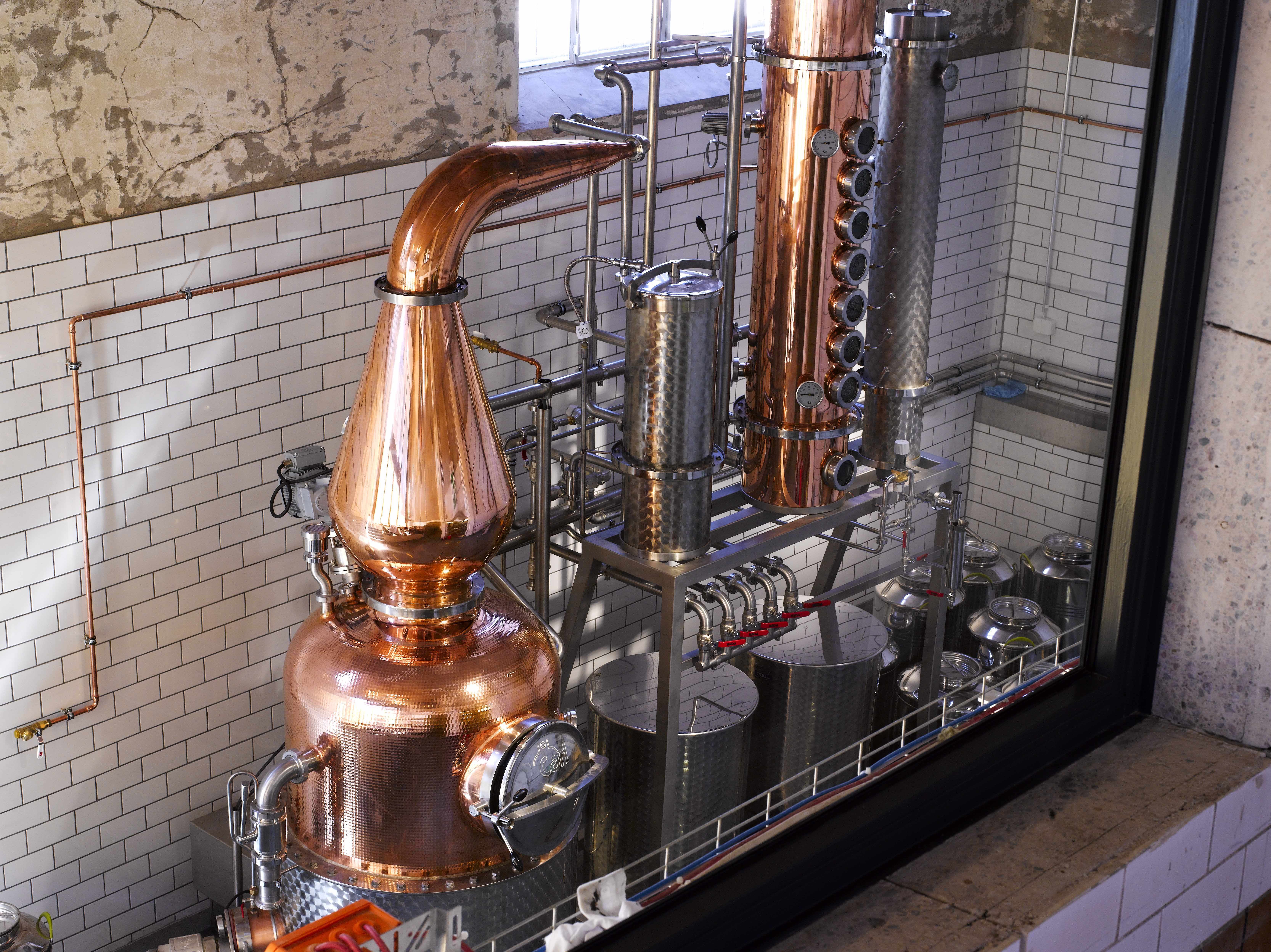
Setting up a distillery here in Ireland is more straightforward, but so is our language — Finnish is notoriously difficult to learn. So did Séamus struggle with it?
“Coming from Sweden, I suppose it wasn’t as much of a culture shock as coming directly from Ireland. I had visited Finland many times with my wife during the years and have many friends here. Having said that, it is one thing to visit somewhere and another to live there.
It is true that you can get by quite well with English and Swedish here, but it would be great to speak some Finnish.
“However, Finnish is a fenno-ugric language, quite difficult to learn, and there are very few similarities with any of the Indo-European languages. My aim is to start a night course next year and, hopefully, pick up enough to get by doing everyday things — that will be the fourth time I have started a Finnish course and I hope I make more progress this time. Our kids attend Swedish school as Finland is officially a bilingual country. This makes it possible for me to help with homework, attend parent-teacher meetings and the like.”
The language wasn’t the only stumbling block: “On the cultural side of things, Finland is very different to Ireland. But I really like the sauna culture. I’m no longer amazed at people being naked, hitting themselves with birch twigs, while sweating profusely in really hot saunas, before running outside to temperatures of less than -25°C, to roll in the icy snow, or take a dip in a hole in the ice. And it’s a good idea to take up winter sports here, to help get you through the long, cold and dark winters.”
Those long, dark winters are contributory factors in the regulation of the drinks industry in Finland — to the point that the state actually controls the sale of liquor.
“Yes, the government does really control the alcohol industry. Until 1995, it was illegal to have a distillery with the distilling only done by the state monopoly of Altia. Today, Alko is the state monopoly for the sale of stronger alcohol (above 5% vol.) to private persons. It is now possible to sell directly to restaurants and bars, however. And the prices are kept high with duty and taxes.”
So that much we have in common — in Ireland about €17 of the cost of a bottle of whiskey goes to the taxman, and while the Government here hopes to crack down on below-cost selling by the large retailers, the Finns found another way to bypass the excise and get cheap booze — the ferry to Estonia. Although Séamus is quick to point out that this practice is dying out.
“People still get on the ferry to Estonia but perhaps not as often as they used to, due to some price harmonisation taking place some years ago.”
As for the whisky they are making: “As elsewhere, there is a growing number of people who are willing to pay more for better quality products and also there is a growing interest in locally produced goods. We are making gin, whiskey and apple- jack. Where possible, we are using local ingredients so our gin, for example, has a Finnish lingonberry twist. Our applejack is made from apples from Salo, which is about an hour’s drive from Helsinki.”
As for the market, it seems like there is an appetite there, despite a crowded market: “The Finns consume approximately two million litres of whiskey per year — 1.7 million litres is sold through Alko. Most of the whisky consumed is Scotch blends, with Canadian whiskies in second place. Irish whiskey is sold to the tune of 145.000 litres through Alko.
“Other whiskies, including Finnish, amount to less than 6,000 litres so there is some room for growth. There is a growing interest in whiskey in Finland. And, as in Ireland, the Finns are looking to try new products and the product range is excellent in many bars and restaurants.”
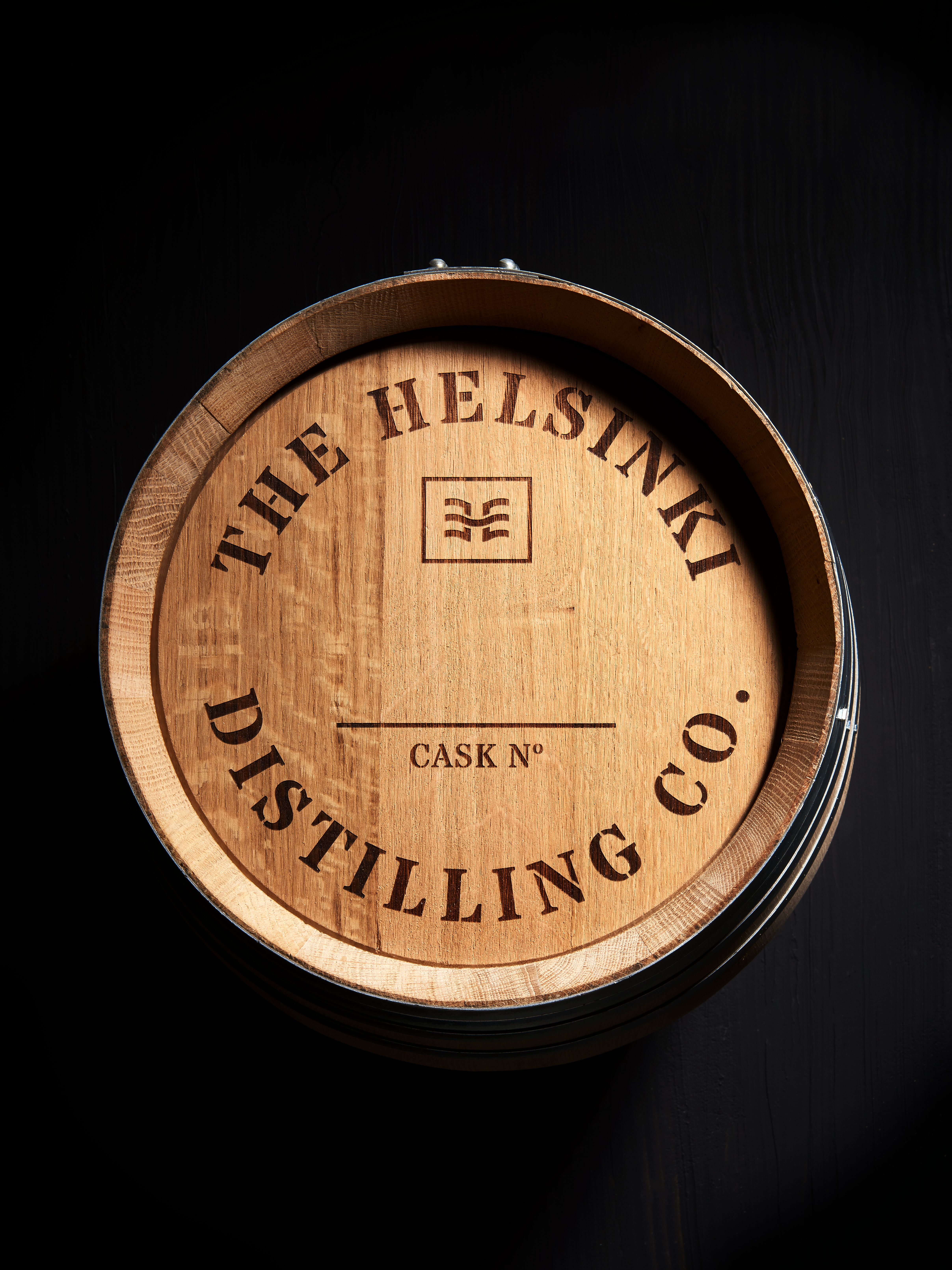
Seamus reveals what Finland — and the world — can expect from the Helsinki Distilling Company: “For our whiskey we are using Finnish malt from Lähti. The malt is not peated but we may experiment in the future with peated malts. Some of the best rye in the world is grown in Finland so, from the start, we were determined to make a Finnish whiskey and use Finnish raw materials without simply trying to copy an Irish whiskey or to make Scotch.
“There is no reason why excellent whiskies cannot be made here. For the rye whiskey, we include some barley in the mash, to help with the process. “Our ingredients are chosen from the best local ingredients available, with the rye being custom malted for our requirements. We are using both American and French new oak barrels that are medium-toasted. The French oak comes from the areas of Alliers and Limousin. Both American and French are offered to cask-owners and, so far, the French have proven more popular. Later on, we will be using different barrels, including old sherry and port casks, for finishing. We are working with a local cooper from outside Turku to source the barrels.
“We are using a pot-still that has an attached column. This allows us to use either the pot-still and produce that kind of whiskey or to use the column. Our final products will resemble more American Rye whiskies than Irish or Scottish.”
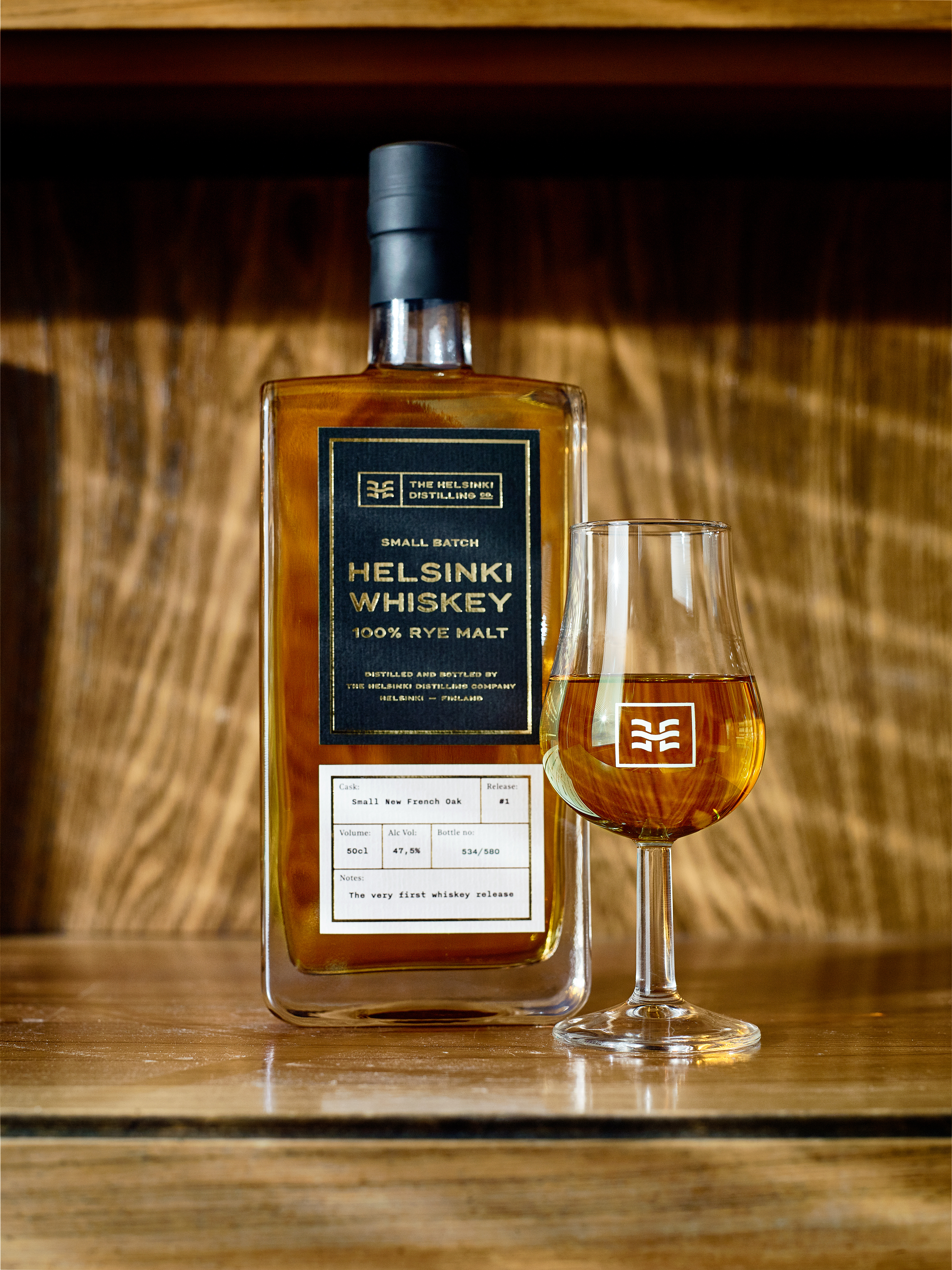
So that was four years ago – and now their whiskey is ready. Made from the finest Finnish rye, the Helsinki Whiskey prelude was awarded 92.5 points in Jim Murray’s Whiskey Bible 2017. Up Cork.
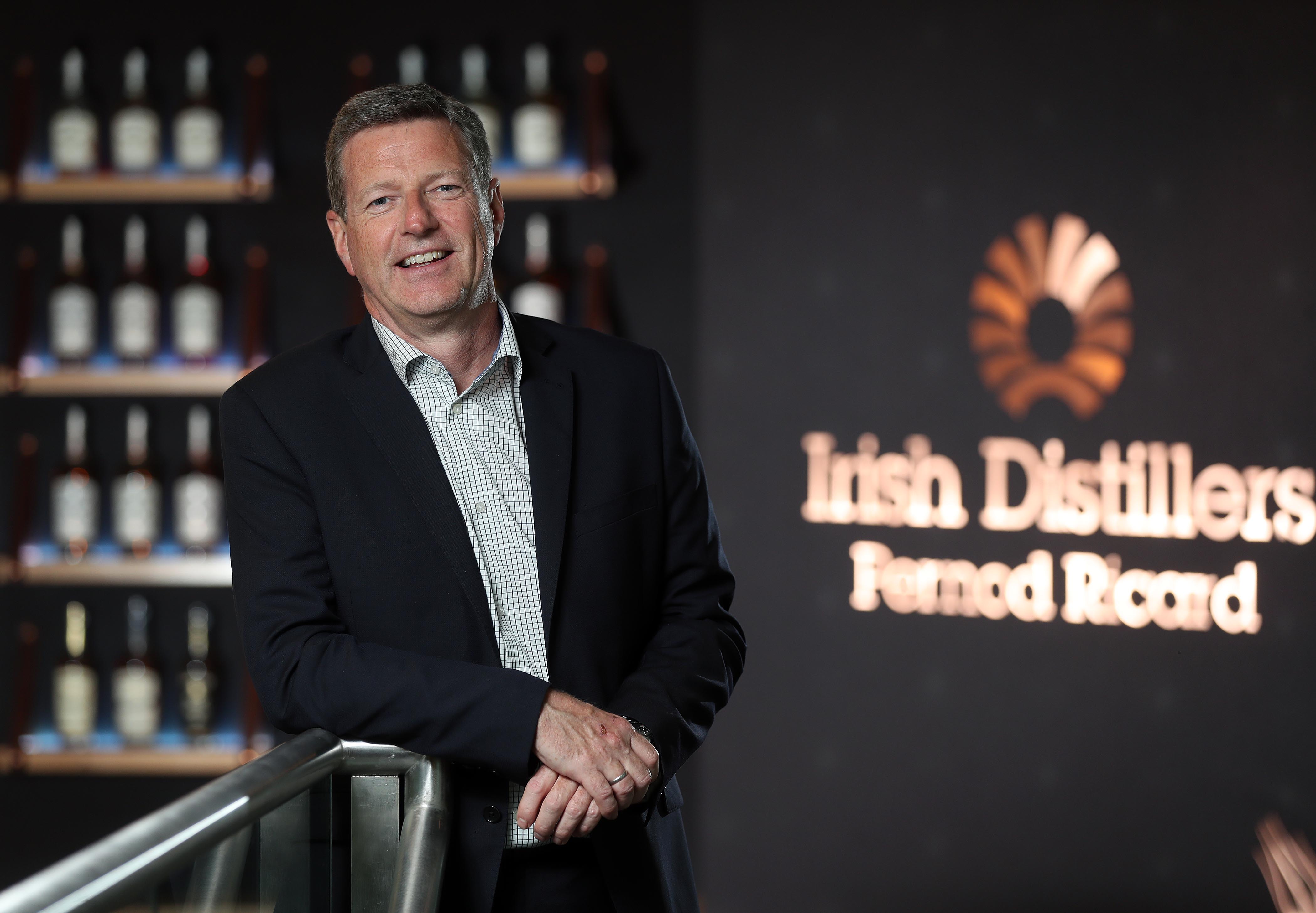
Local mom-‘n’-pop operation Irish Distillers have released their results, sans mention of the alleged new plant they are planning. However, you can see from the figures that they are going to struggle to keep up with the demand at this rate, so it would suggest to me that they need to expand beyond Midleton. All idle speculation on my part of course. Anyway – here are the stats:
Irish Distillers Results Year ending 30 June 2018
Wednesday, 29th of August 2018: Irish Distillers, the makers of the world’s most enjoyed whiskeys and Ireland’s leading supplier of spirits and wines, experienced another strong financial year in 2017/2018, accelerated by the continued growth of Jameson Irish whiskey which is now in double or triple-digit growth in more than 80 markets across the world.
Jameson is one of Ireland’s most recognised brands worldwide, enjoying years of exponential growth with 7.3 million cases sold in 2017/18, up from 500,000 cases during the mid-90s. As these results demonstrate, Jameson continues to spearhead the renaissance of the Irish whiskey category with the brand reaching its 29th year of consecutive growth with value growth of +14 percent and volume growth +12 percent.
Irish Distillers has a long history of innovation within the Irish whiskey category, and its commitment to creative experimentation has been key to the company’s sustained growth. In 2017/2018 sales of Jameson Caskmates reached 300,000 cases. This was primarily driven by the launch of the latest addition to the range, Jameson Caskmates IPA Edition in the United States, supported by strong performances in duty free and travel retail in Europe as well as growth in South African and Irish markets.
Commenting on the performance of Irish Distillers’ 2017/18 results, Conor McQuaid, above, Chairman and CEO said: “Irish whiskey is the fastest growing premium spirit in the world. Sales of Irish whiskey now account for more than one third of all Irish beverage exports, and we are immensely proud of the strong performance of our full portfolio of Irish whiskeys cementing our position as the makers of the world’s most enjoyed Irish whiskeys.
“Our continued dedication to innovation has allowed us to penetrate markets and grow Irish whiskey sales across our portfolio. The continued global growth of Jameson Caskmates is testament to this, with +86 percent growth in the US market compared to last year. Growth of our prestige range led by Redbreast which grew by +14 percent in volume, reflects the growing consumer appetite for premium Irish whiskeys and the resurgence of the time-honoured single pot still Irish whiskey. Powers, regarded as the classic and quintessential Irish whiskey, had a strong year with value growth of +8 percent.
“Our largest markets continue to be the USA, South Africa and Russia, followed by Ireland and the UK. It is very positive to see Jameson starting to generate interest in markets such as Nigeria, India and China.
“The Republic of Ireland spirits market generated volume growth of +6.1 percent and value growth of +4.9 percent. Against this backdrop, our premium spirits brands have recorded strong net sales growth during 2017/18: Jameson (+9%), prestige Irish whiskeys (+23%).
“Growth of Irish whiskey sales in Ireland is in part due to increased interest in Irish whiskey tourism. As Jameson continues its phenomenal growth story, with 29 years of consecutive growth, the redeveloped Jameson Distillery Bow St places storytelling at the core of the visitor experience bringing the 230-year history of Bow Street to life. As is evidenced by the incredibly strong visitor figures recorded over the past year, the new-look Jameson Distillery Bow St has fast become the must-visit whiskey destination in the world. When combined with the Jameson Experience Midleton, we welcomed over 475,000 from more than 70 countries to our brand homes.
“The growth of Irish whiskey on the global stage could not have happened without the investment and focus brought by Pernod Ricard. This year, we are celebrating 30 years since joining the Pernod Ricard family and it is no coincidence that Jameson is also nearing 30 years of consecutive growth, experiencing double-and triple-digit growth in 80 markets across the world since gaining access an extensive global distribution network.”
*Nielsen June 2018 figures


Wrote this for the Indo about getting druunkish on cake –
The Kerry TD Danny Healy Rae once said that eating a big meal before driving could be a factor in causing accidents. It came as a surprise, not only to the scientific and medical community, but also to the people he was addressing at the Oireachtas Committee on Transport,as they were discussing drink driving, not dinner driving. Deputy Healy Rae – who is a publican – said that after he finishes work he won’t eat a large meal because he knows it would make him sleepy on the drive home.
There is, however, a perfect storm brewing between both the facts on alcohol – it is a factor in 38% of all road fatalities in Ireland – and Deputy Healy Rae’s folksy musings: What about food with booze in it? Granted, cooking removes most of the alcoholic content in food, but there is one course that is the final bastion of boozy dining – dessert. Desserts like tiramisu or sherry trifle are famous for their drink content, so the question posed here is – can eating desserts put you over the drink driving limit? According to a study by All Car Leasing, the answer is yes – two portions of tiramisu can put you over the limit. Their study also covered lesser known foods like orange juice, which can contain tiny amounts of alcohol which is produced as the orange ferments – but boozy desserts are the most direct way to inadvertently go over the line. So this was the test – just how easy is it to get over the drink driving limit by eating treats?
The initial step in any scientific endeavour is to seek the advice of an expert. The first warning sign that this might not be the most important piece of investigative journalism since Watergate was that the medical expert I consulted didn’t wish to be named. “I just don’t see the merit in what you’re doing,” they said. I took this as a sign that I was on the right track – if the medical community was against me eating desserts until I was hammered, then there was something here that was just waiting to be blown wide open, either a looming war on liquor-laden desserts from the neo-prohibitionists, or possibly just my belt. My so-called medical advisor pointed out that as I am six foot and weigh 13 stone, I would need to consume a very large amount of dessert to actually get that much alcohol in my system, and would possibly just make myself sick in trying. Challenge accepted.
The first time I got drunk, it was on sherry trifle. The story became family lore, of how after my dessert I was singing, waving out the window and trying to open door while the car was moving. I was 11. The lesson I took home from this is that sherry trifle is wonderful, and that booze makes me hilarious. So I set about finding a sherry trifle with which to start my test. It turns out that most modern sherry trifles now don’t have sherry in them, but rather have sherry flavouring. After a pathetic trek asking various supermarket staff if any of their desserts had booze in them (‘I’m a journalist’ I told them, as if this explained my tragic quest), I tried Midleton’s The Farm Gate, where the local petit bourgeoisie go to get sozzled on cake. I was relieved to find they had a delightful sherry trifle which had a decent whack of sherry. After that it was off to Aldi and Lidl – the Germans know how their booze, and they also know their desserts, and there I picked up any dessert that had an alcohol warning on the front label. Then it was off home to gorge.
First up was the Aldi Irish Cream Liqueur Cheesecake, which contains an impressive 15% of Irish cream liqueur. It’s meant to serve four to six people, but as I hadn’t eaten all day, I downed it all in about five minutes. I used my AlcoSense breathalyser – which, at 80 euro from Boots, is a solid purchase for any dessertaholics – and it told me I was still well under the limit for learner or new drivers, which is 0.02% blood alcohol concentration (the level for full license divers is 0.05%BAC).
So it was on to two portions of Aldi profiteroles, which still failed to take me over the lower limit. It was time to take a more direct route – a box of Aldi Mister Roth Whiskey Truffles, eaten in the most joyless way possible. At this stage I was wondering if this was all a terrible mistake, but I knew that this was being done in the name of science. I waited half an hour and tried the breathalyser – I was at a solid 0.029%BAC, easily over the limit for learner drivers. I didn’t feel especially under the influence of anything other than the sugar screaming through my bloodstream, but the breathalyser doesn’t lie – I would have been unfit to drive.
I knew that if I was to cross the upper limit, I would need to go to Defcon One – with a Marsala wine-soaked tiramisu from Aldi. Meant to serve four to six people, I sat there alone, forcing down its rich creamy goodness as I broke a mild sweat. I waited, puffed into my breathalyser and saw that I had pushed myself to 0.037%BAC, a worthwhile return for the horror of gulping down a platter of tiramisu. Next was a box of Lidl Deluxe Cocktail Truffles, ten chocolate malty balls infused with spirit. Eating them was akin to the boiled egg challenge in Cool Hand Luke, but I got there in the end, and while I was still able to sit upright in my chair, I shoved a number of Marc De Champagne truffles down my throat, and another portion of Aldi profiteroles just to be certain. With the last wheeze left in my bloated, corpse-like form, I huffed into my breathalyser, which gave me the warning beep I was praying for – I was at a decadent 0.058%BAC, over the limit for driving in Ireland. I was also yearning for the cold embrace of the grave due to the amount of treats I had consumed, but the facts were clear – it is possible to get over the drink driving limit by eating a large amount of desserts.
There were two take-homes from this – one is that the majority of Irish people understand that drinking and driving is not acceptable. The staff in The Farm Gate said that many diners will deliberately avoid any dessert that has alcohol in it, so the days of getting trolleyed on desserts appears to be disappearing fast. Alcohol is rapidly becoming an indulgence that we enjoy in the comfort of our homes, and there is nothing wrong with that.
The second takehome was that it was easier to get over the limit than I thought – I never would have considered tiramisu was being something that could possibly influence my ability to drive, or to consider it as a potential unit of alcohol – but it is. There are, as Deputy Healy Rae pointed out, many factors that can influence our ability to drive safely – tiredness being one of them – but the days when we can pretend that consuming alcohol in any form and getting behind the wheel is an acceptable practise are gone. Anyone who does it and ends up in a motoring mishap of their own creation is simply getting their just desserts.

Wrote this feature for the Indo –
It’s the greatest tournament on the planet – we’ve waited and waited for it to come round and now here it is, and it is better than we could have anticipated. We may not have a representative of our country at it, but we are all there in spirit, as this is about skill, determination, passion and the strength of the human spirit. I speak of course of Love Island, the reality show that dropkicks a dozen failed eugenics experiments into a sunny Mallorcan villa in a sort of Battle Royale where you have to shift your way to being last couple standing. The sole aim of the show is to get the young lovelies hooking up with each other and winning 50k, or possibly just some notoriety, which in today’s world of micro-celebrity is almost better than the prize money. Who knows what commercial opportunities await the contestants after they leave the island – who will land that lucrative deal as the face of Canesten, who will end up flogging off-brand vodka in the drinks aisle of their local Tesco, who will be forced into shame-filled public appearances in nightclubs in hotspots like Manorhamilton or Fermoy? Basically, all of them, because a fame based on embarrassment only lasts so long. Just ask Donegal’s Bernard McHugh, who touched hearts when he went on Blind Date, and then went on to become a stripper, albeit a very Irish one who never took his trousers off.
Love Island, much like the World Cup, is one of the few things that will get the teens back watching terrestrial TV. The football is just like FIFA 18 only the players look less realistic in real life, while Love Island is like Call Of Duty, only it’s the call of booty that is being answered by the players on TV3. Some would say that the idea of strategic, competitive romance on a reality TV gameshow is a further sign of the decline of western civilisation, but it really is no different to Les Liaisons Dangereuses: The cast of too-perfect, allegedly 20 somethings all try to seduce their way to becoming the perfect TV couple, winning hearts, minds and other organs, and hopefully then going on to win the public vote. Along the way there has been subterfuge, deception, manipulation, and a lot of very tanned people telling each other that they ‘really rate each other as people’ when actually they mean to say that they want to get freaky naughty.
In between all this are odd party games, like the one where they had to smash watermelons with their arses (a slow-motion montage that made VAR look like a functioning system), or challenges like the time they had to pass ingredients for cocktails through each others mouths. Anyone from a medical background watching the show – including contestant Dr Alex, an emergency doctor who you would hate to have dithering in the resus room during an actual emergency) must be counting down the minutes until there is an outbreak of conjunctivitis or scabies.
But part of what makes the show so watchable is just seeing how terribly awkward we are as a species. These people are mostly great looking, young, fit and healthy, and for the most part they are intelligent human beings. However, the fact they are what we would consider to be perfect people is in stark contrast to how bumbling they are when trying to mate. It’s bliss to watch them fail and to feel better about yourself as a result. Consider Adam Collard, who looks like a Greek god, yet here is his profile quote: “I would say I’m a ten out of ten. Maybe a nine out of ten… I’m not good at washing the dishes.” It’s like Bret Easton Ellis scripted an episode of Eastenders.
Love Island is the perfect companion piece to the World Cup: Drained by all the intrigue, big name clashes and shameless overacting/fake crying on one channel? Why not tune into the exact same format on another? Enjoy knockouts (all of them), fit tanned people running rings around each other (Megan’s nimble dance around the blokes), spectacular own goals (Wes’s series of unfortunate events), fouls (Dani being shown the footage of Jack’s ex entering), maybe even some hand ball (all the various episodes of duvet twitching)? Then Love Island is the perfect place to find your comfort zone during those brief interludes when the footie isn’t on.
Indo col 69
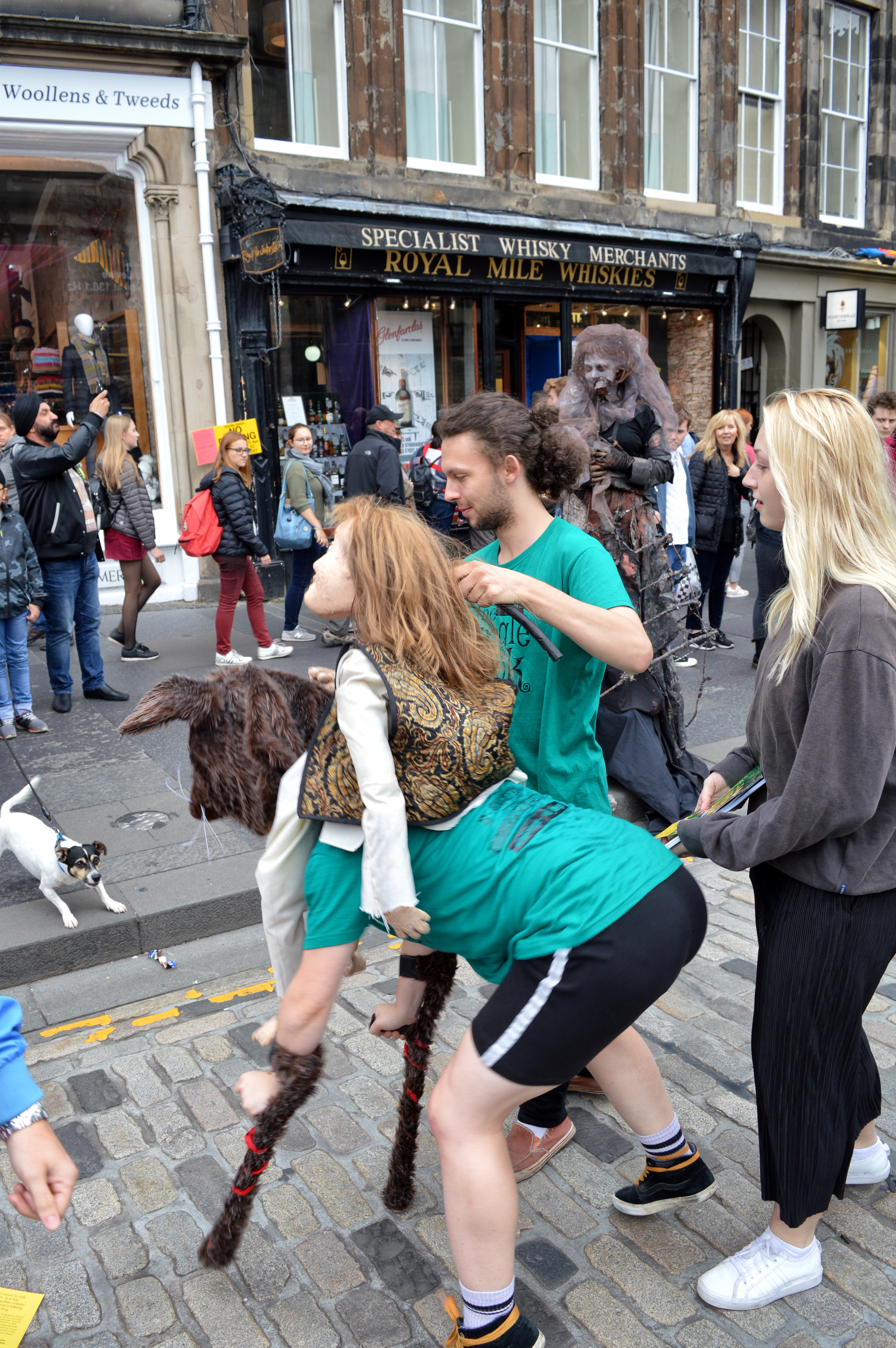
The Scottish art historian Murdo Macdonald describes Edinburgh as a city that forces you to think about what a city should be. It is an extraordinary place – on one side sits Edinburgh’s Old Town, the Athens of the north, which looks like it was picked up by a vengeful god and flung down the side of a volcano. Its medieval street plan and reformation-era buildings give the feeling of being trapped in an MC Escher etching, as its streets double back and loop across each other, a city upon a city, a baroque game of snakes and ladders. Edinburgh is, as native son Robert Louis Stevenson said, what Paris ought to be. I’ve spent the best part of two decades visiting the city, trying to solve the puzzle that is the Old Town; this is partly thanks to its labyrinthine layout, partly due to its beauty, and partly due to being hammered, because Edinburgh is both a city of thinkers and a city of drinkers. Once a year these two worlds collide as the city’s Dionysian festival of festivals erupts into life.
Walking the Royal Mile – the Old Town’s main thoroughfare – during the festival is an incredible experience, as every would-be starlet, comedian and artist tries to get you to attend their festival show. Up and down the Mile flybills float on the wind, stages are set up for impromptu performances, and every two steps you are confronted with someone else’s dreams of stardom – would you like to see a Disney themed burlesque show? Would you like to see a troupe of stand-up comedians who used to be secondary school teachers? Would you like to see a kids’ musical about Brexit? The Royal Mile has them all: Singers who can’t sing, actors who can’t act, unfunny comedians and all the other stars of tomorrow, watched over by the sour bronze gaze of Adam Smith, the original Inequality Bae.
Of course, to get to the city this year I had to confront another city that forces you to think about what a city should be – Dublin. Our odyssey to Dublin Airport was hampered by roadworks on the M7, but the real treat was seeing the M50 in inaction, lane upon lane of unmoving traffic as far as the eye could see. The time I spent living in Dublin was pre-boom and bust, having upped sticks and moved back to the actual sticks in 2003, so it is a rare occasion that I get to see just how coagulated the city becomes at rush hour. It was so bad that I asked the bus driver if there was an accident; no, he replied, it’s the M50, in much the same as if he was saying forget it Jack, it’s Chinatown. There have been times when I have wondered if I should have stayed in the city, but each time I return I am convinced I did the right thing by leaving; Dublin feels like it is slowly smothering itself. Beyond all the questions about what gives a city soul, or the fact that the city brings to mind Joan Didion’s description of New York – a city of the very rich and the very poor – Dublin feels broken.
Clearly there are similar problems in other cities – any Cork person will tell you about the horror of the Jack Lynch Tunnel at rush hour, being trapped like the rabbits of Watership Down as their warren was collapsed in on them, going thairn at the Dunkettle Interchange. Edinburgh, despite its remarkable beauty, is also far from perfect, but it was once far worse, and it took a six-story tenement building collapsing in 1751 to focus energies on how to improve the city. At that stage the Old Town was the town in its entirety, and it was in reaction to its poverty and decay that a plan was created to build the New Town, a visionary document which noted: “Wealth is only to be obtained by trade and commerce, and these are only carried on to advantage in populous cities. There also we find the chief objects of pleasure and ambition, and there consequently all those will flock whose circumstances can afford it.” The New Town, built in seven stages, is mostly Georgian and neoclassical in style, and has a remarkable blend of form and function – beautiful buildings, wide open thoroughfares, and a sense of cohesion that any urban space would rival. Edinburgh as a whole has the usual urban problems – poverty, homelessness, rising property prices, rocketing rents, congestion – but it still allows you to see what a city could be, while our capital makes you realise what a city needs to become, and to ask just how bad it needs to get before action is taken to address it.
Indo col 68 –
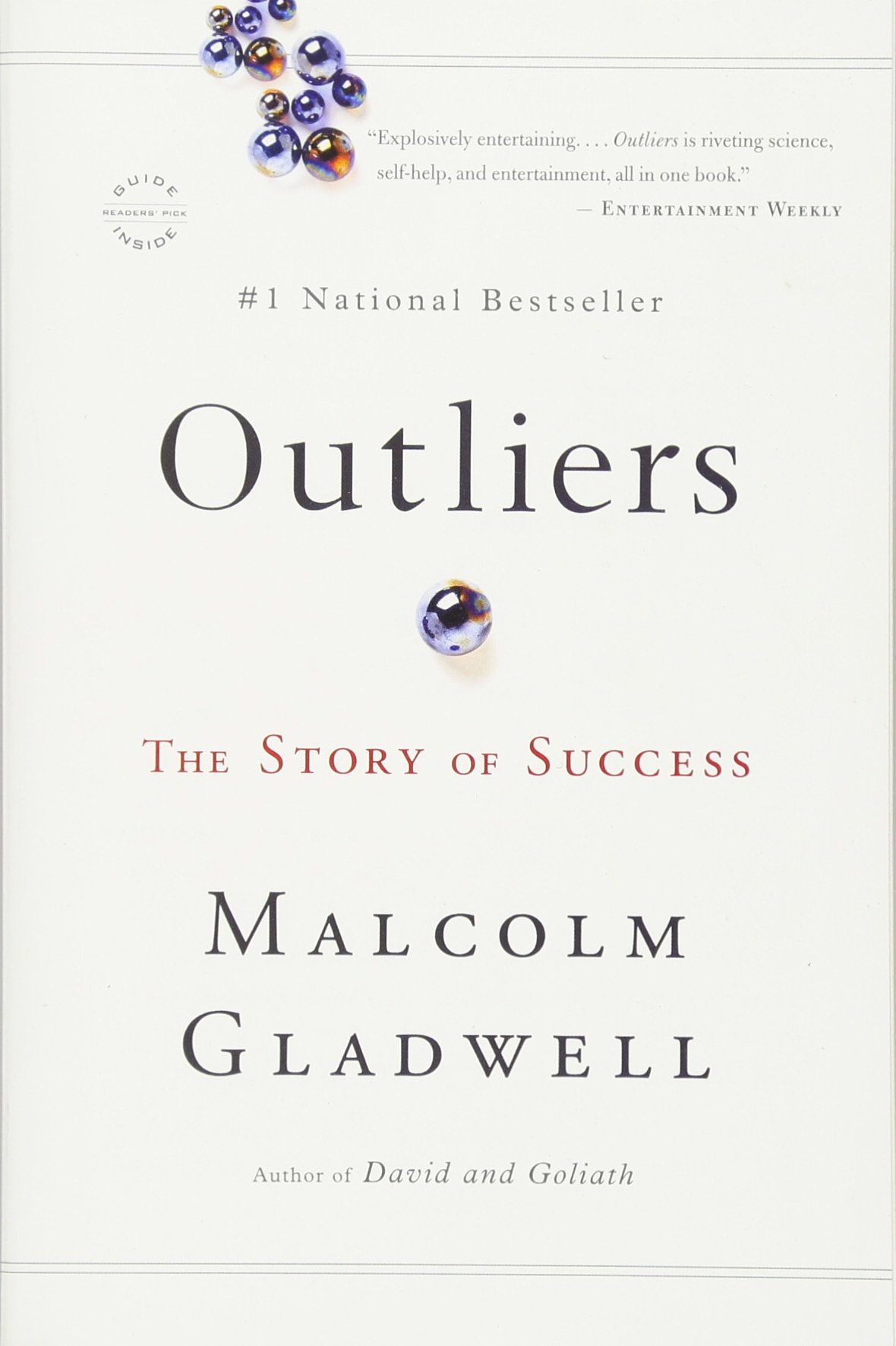
Malcolm Gladwell understands success. Growing up with a mother who was a psychotherapist and a father who was a professor, Gladwell wanted to become an academic, but soon realised he lacked the discipline. So he decided to be the least disciplined creature of all – a writer. Aged 20 he took a job at a magazine in Indiana, but after two months of showing up late for work, he was fired. Undeterred, he took a job with the Washington Post, then with the New Yorker, and then wrote two bestsellers, Tipping Point and Blink, which packaged his big ideas into easily digestible soundbites. He became a sort of pop-intellectual, a man who broke down big theories into the plain speech we all use. He was soon more successful than either of his parents, so naturally he started to examine what makes people successful.
In Outliers, Gladwell used case studies to break down the unique environment that create the highest achievers in a range of spheres. He came up with variables that need to align for people like Bill Gates, The Beatles or Steve Jobs to break the mold as they did – opportunity, timing, upbringing, effort, and finding meaning in work all contribute to the creation of an outlier, not to mention the small matter of ten thousand hours spent working at the thing they succeeded in. In short, there were no shortcuts. But there were other factors in the favour of the outlier.
Gladwell’s book is a comfort to us also-rans in life – it’s not that we lack the brilliance or the talent to take on the world, but rather that we weren’t born in the right place, at the right time. Outliers shows that the myth of the self-made man is just that – a narrative built up around a profoundly capitalist cult of personality, where the rich are special and the rest of us are not. Gladwell said he wrote it as an anti-self help book, a counterpoint to all those books telling you that you can be whatever you want to be. Gladwell bluntly told New York magazine “Well, actually, you can’t be whatever you want to be. The world decides what you can and can’t be. And the appropriate place to provide opportunities is at the world level, not the individual level.”
Of course, the greater the success, the greater the failure. Here in Ireland we had our own reckoning with the fluid concept of success back in 2008 when the economy collapsed and suddenly all the beautiful, wealthy people who were lighting up our social and business pages came undone. Like Cnut The Great, they screeched at the incoming tide as their papier mache empires dissolved, and we asked ourselves – who were they, after all? What soon became apparent about so many of them was not that they were the smartest, nor the best, but rather that they were just in the right place at the right time, and that they were cruelly burdened with an unhealthy amount of self belief, one that blinded them to their own limitations and – more importantly for those of us left to pick up the tab – to risk.
A while back I met an old friend. He is one of the most successful people I know, and in the opening five minutes of our chat he managed to ask if I had all my children with the same woman, and then if my wife and I were still together. He then went on to bemoan that he was never asked to speak at his old school, as he had so much to teach the children about how to be successful like him. When I pointed out that he happened to be blessed with a very wealthy family, who paid for him to be privately educated and then sent to university, he said that in reality, he did it all on his own, and if anything, they stood in his way. I was terribly impressed by all this, as it was like meeting the ghost of Shelley’s mythical buffoon Ozymandias. It struck me not just that my friend thought he was great, but that he thought that I was not, and that my life was an extended episode of the Maury Povich show, having paternity tests read out and jumping up and down in delight at various points in the proceedings. As we parted, I breathed a sigh of relief that I will never be successful, as I quite like having simple things like gratitude, self-awareness and humility.
Back in the 1990s and 2000s, founder of the Irish Management Institute Ivor Kenny wrote a series of books about successful people. Out On Their Own, Achievers, Leaders, and In Good Company all featured extended interviews with business leaders and successful people from Ireland. Some are still in business, some have gone the way of Ozymandias, and some simply turned their great success into even greater failure. But all those featured in Kenny’s books had something in common – work. They worked so hard that they often sacrificed their personal lives, echoing what Monty Burns told the children of Springfield: “Family, religion, friendship: These are the three demons you must slay if you wish to succeed in business. When opportunity knocks, you don’t want to be driving to a maternity hospital or sitting in some phony-baloney church.”
I didn’t work for the Leaving Cert, and pay the price for it now, a thought that comes to me as I pay for milk and bread with a credit card once a month. However, I would say that my failures, mishaps and mistakes have been my greatest education – that, and the value of hard work. I tend to sound like a Soviet-era poster glorifying toil when I talk about work, but can be a tonic for the soul in times of distress. Professional success these days is to have a home, your health, and a job you enjoy. To quote Gladwell: “Hard work is a prison sentence only if it does not have meaning. Once it does, it becomes the kind of thing that makes you grab your wife around the waist and dance a jig.”
Indo col 67 –
The American film director Richard Linklater seems to like making films that take place in a single day. Slacker, Dazed and Confused, Before Sunrise, Before Sunset, and Before Midnight all spanned a single 24 hours, and told various tales from the suburbs about the existential crises of the American middle class.
Curiously, despite the critical acclaim heaped on his one-day wonders, his biggest success came from a film that spanned more than a decade, cinematically and in real-time. Filmed at different periods from 2002 to 2013, Boyhood follows a young man through his childhood until the point where he leaves home for college. The film won many awards, but one of its highest accolades went to Patricia Arquette, who took the Oscar for best supporting actress for her role as the struggling single mother trying to coax her son from boyhood to manhood. In one of the film’s best scenes, as her son gets ready to leave for college, she breaks down and asks what it’s all about – if all those moments we have as parents are just milestones along our own path to oblivion. “I just thought there’d be more,” she sobs in a moment of crushing honesty.
It’s a scene I think of often. I ask myself – is this all we are meant to be as parents, a chrysalis for our children as they grow, before they depart and we are left a dried out husk? My wife and I both threw ourselves into parenting believing that this was who we were now – our job was to parent, and everything else came second to that – it was selfish to want time for us, to have hopes and dreams beyond the kids, everything had to be for them. The end result of this strategy came a year or so ago when I was finally able to admit that while I love my children very much, there are times when I don’t especially like being a parent. I felt ashamed at this revelation, as though I was akin to Eva Khatchadourian, the selfish monster of a mother in Lionel Shriver’s We Need To Talk About Kevin. However, in our particular circumstances, part of the challenge is the number of children we have, and it is at this point that we need to talk about another Kevin – Kevin Doran, the Catholic Bishop of Elphin.
Hearing the thoughts of a childless, unmarried member of the clergy on how to enjoy a happy marriage and raise a family is always special. At least when the tut-tutting seniors in the queue behind you in Tesco chime in with some parenting tips about how to manage a screaming child, it comes from their personal experience. The Bishop, speaking about Pope Paul VI’s 1968 encyclical Humanae Vitae – a treatise on sexuality which today reads like something you would find posted in the darker corners of Reddit – said that the Pope’s work ‘teaches us that every act of intercourse should be open in principle to the gift of life, but also that it’s perfectly legitimate for married people to make use of the married cycle both to achieve pregnancy and to avoid it’. While not exactly at the Fifty Shades standard of erotica, it’s easy to see that he speaks here of good old unprotected sex. Much of the media focus was placed on what else he said – that the contraceptive mindset somehow leads to gay marriage, abortion, euthanasia and women being unable to avoid ‘unwanted sex’ – it was his resurrection of the rhythm method as a concept that caught my eye.
Wherever you live in Ireland, you will know at least one family who have too many children. That measurement will vary from case to case, be it economics, emotional capacity, or just seeing them all crammed into the back of a Fiat Punto, faces pressed against the glass like General Zod in his single-pane prison from Superman II. My wife and I have too many children – four to be precise. I love them all very much, but I can see the impact of our choices on them – each little person we created took up a bit more space, a bit more time, and a bit more love that the others could have had, because all of these resources are finite. For me it seems a strange notion that we can just randomly generate love, like a dog does with Vitamin C.
My family are comfortable, in that we don’t live in debt, but it is the time and love that is hardest to spread around. You measure out your life with coffee spoons and broken sleep, endlessly worrying about your kids, slouching towards Gehenna as your unresolved problems become their unresolved problems. Part of my mistake was to believe that being a parent was all that mattered – that, like Patricia Arquette’s character in Boyhood, that this is all there is. To worry about anything else was selfish, and if you don’t think of yourself as blessed, you were an ungrateful monster – after all, we were the ones who decided to have four children, and the oft-ridiculed rhythm method had nothing to do with that. I neglected many things – my friendships, my marriage and my own personal development. I got to the point where I felt guilty going to the gym, because it was time I should spend with my family, despite the sheer joy of just being alone.
Bishop Doran topped off his talk by adding that it was lopsided to think of marriage as a loving relationship where procreation was ‘an optional extra’. I would suggest the opposite – any newlywed will tell you of the expectant questions they get asked about when they are going to start a family, as this is how it works – the expectation is that you mate, you spawn and you die. Procreation should be an optional extra, one where you take a long hard look at yourself and ask; am I ready, are we ready? I never stopped to ask myself if I was the best person I could possibly be and so I just went ahead and became a parent instead. I am better for it, but it is a long transformative process that may happen too slowly for my children. My best hope is that in whatever secular dystopia awaits us all, my children forgive me for my failings, or that they at least send me to a half decent euthanasia clinic.
 Triple Distilled Communications