There is massive potential for peat in Irish whiskey. The new breed of distillers recognise this, that the great taste of immolation is precisely the flavour that our over-heated planet deserves. I kid, but there is a space within our category for peated Irish whiskey. Unless you read the technical file, the document governing the entire category, in which there is no specific category for peated Irish whiskey.
This all came to a head of late when someone somewhere queried why Beam’s Connemara brand was able to call its liquid peated Irish single malt whiskey on its labels when there is no such category. So once again something that possibly should have been foreseen back when the TF was being written has now come to a head with much internal wrangling over the simple question – should peated Irish whiskey be a category of its own, as is grain, blended, single malt and single pot still, or should it simply exist within those four.
According to sources, there are two schools of thought within the Irish Whiskey Association on this – on one side, let’s be as the Scots; they don’t have a separate category. Some whiskies have peat, some have none, some tell you on the label when they bring out a peated expression and the rest of the core range is unpeated, some do not. Bully for them, but over here we have had decades of Jameson branding largely based around peat as a key differentiator – ‘the scots do peat and we don’t’. This was then picked up by others as being how you discuss Irish whiskey.
So there is an assertion that Irish whiskey is unpeated, something that we somehow managed to tie to our obsession with smoothness, as though you might find a lump of charcoal in your peated scotch (even the Irish Whiskey page on Wikipedia perpetuates this myth). The irony of this being that for young distilleries with whiskey aged around the three to four year mark, peat can really soften some of those rough edges, when used right – Great Northern being a good example.
On the other side of the argument is one of possibilities – peat is another string to our bow, another flavour to be explored, another way to celebrate our country and its delicious bogs. It deserves a category.
Or not, depending on who you ask – apparently there is a relatively even split on this topic within the IWA, but the biggest stumbling block is not whether or not peated deserves its own space, but the concept of re-opening the technical file to edit it, for it has become something of a Pandora’s Box for the IWA.
Back when it was written there were not so many voices and writing it to suit the titans was a relatively straightforward task. Now, not so much, where it has been decried as either ahistorical bunkum, a mission statement from Irish Distillers Limited, or both. Without being any kind of an expert, I would say that it is a product of its time. Big players had all the cards, and being realistic, not much has changed. They are the ones opening new markets and throwing their sizeable shoulders to the wheel in order to make Irish whiskey sales great again.
But to re-open the file for addition of peat would send a message to the various factions advocating for mashbill changes, or less of the oedipal focus on massive stills, that the gates are open, so come on down with your edits and let’s drag this tedious document through the wringer for another few years.
And this is without even contemplating the ruckus that would erupt when the concept of a peated single pot still category would be tabled. Unpeated smelling salts for IDL! Or, maybe not. There is being protective of heritage and then there is commerce.
Beam, as owners of Connemara whiskey, are presumably down with peat, as are GND. IDL recently released a peated old Midleton for the super-duper premium market, Bushmills used to peat, but who knows – as two key authors of the tech file, and with IDL dreading demands to change their beloved single pot still category, they may well resist. I have heard mixed reports about who is advocating what, but it appears that the big guns are just as split as the indies.
I can see both sides – does it really need a category of its own? Is there another way to tell the consumer they are about to drink a peated Irish whiskey? Do we really want to re-open the file and enter some sort of People’s Judean Front situation? The IWA are meeting about this tomorrow, but as this relates to the tech file, the decision ultimately lies with the Department of Agriculture.
But above all this is this question – if you were going to question the labels on a bottle of Connemara peated single malt Irish whiskey, surely you would ask about the fact it has nothing to do with Connemara?
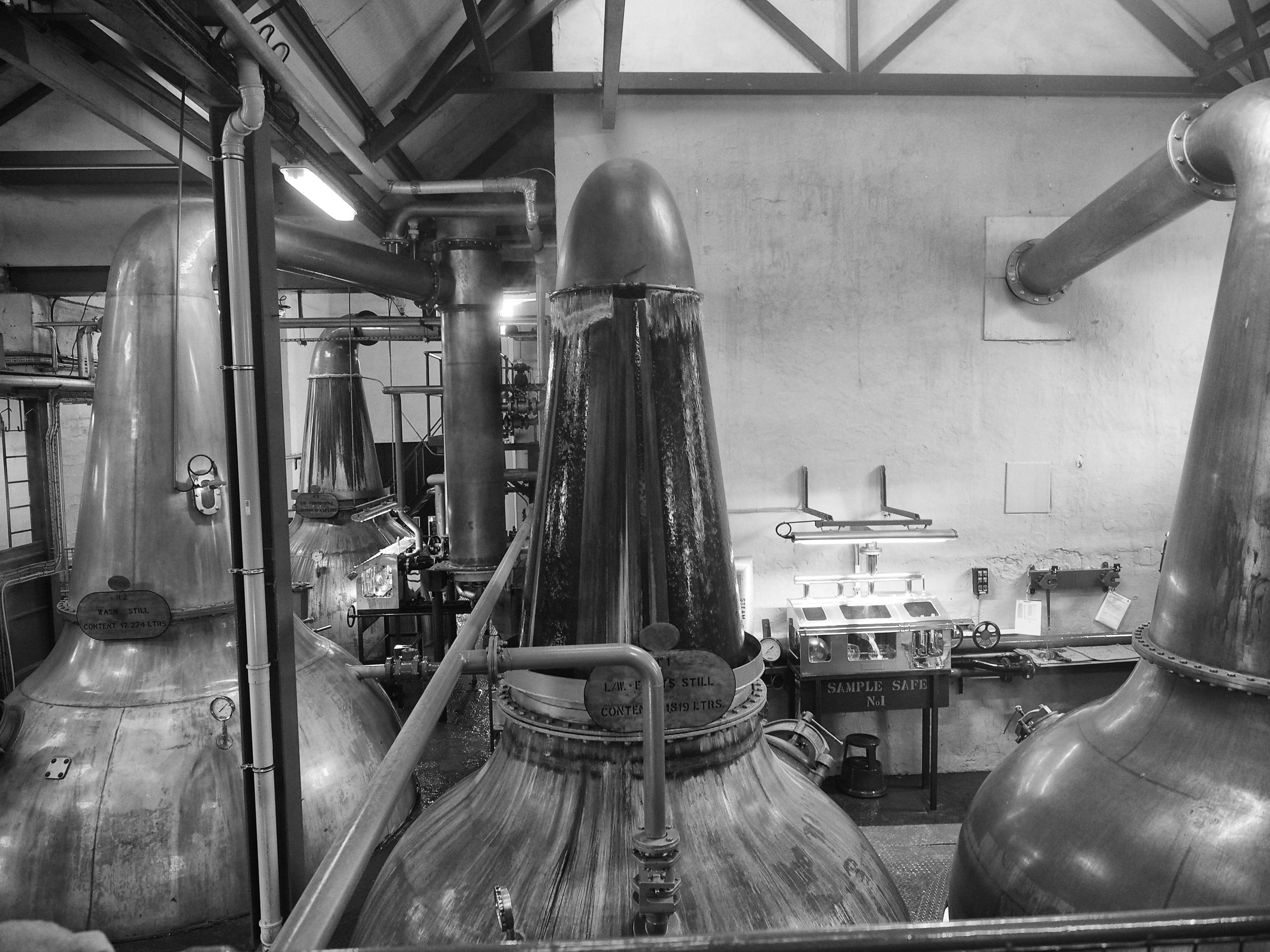
If you have very tall, narrow-necked stills, you will produce a very floral, elegant spirit. If you have very short, dumpy stills you will have a heavy, oily spirit – and there is nothing you can do about it. Laphroaig, for example, can never ever ever produce a light, floral spirit because they have short, dumpy stills. You can’t change it. That is how it’s going to be. We know that these Inverleven stills are going to produce a floral spirit, because of their shape.
Mark Reynier of Waterford Distillery speaking in 2016
How much thought do we want to put into our whisky? How far down the rabbit hole of chemistry and engineering do we need to go to make sure that we fully know a whisky? Waterford is already pushing the terroir debate – that the location barley is grown in plays a part in the flavour of whisky – centre stage, so that is their focus. But what about stills – if you can argue that barley retains a unique geographic identity, even after enduring the various tortures of malting, milling, brewing and distilling, not to mind X number of decades in wood, then surely you can claim that stills play just as central a role. Or, maybe you don’t. Maybe it simply doesn’t matter, and that this is the great thing about whisky – without wanting to sound pretentious, it is a drink for thinkers, but it is also a drink for drinkers; you don’t need to lose yourself in some desperate search for meaning when you can just drink it and get pleasantly toasted.
It’s like Johnny Cash. You can love him for his music, or you can love his music for him – love it that little bit more because you understand the myth and the man, the outlaw – all his songs then take on deeper meanings, about growing up poor, the desperation and anger. Consider his cover of NIN’s Hurt – a song written about self loathing, isolation, and living with trauma – which he transformed into a song about regret, sorrow, loss, and frailty. You can just turn up the radio when it plays, and as a bonus you can spend the ensuing ten minutes thinking about your own mortality.
Whisky, in the end, only has meaning because of us – we make it, we drink it, we write about it, we dream it into being; until that bottle is opened and consumed it is Schrödinger’s stupid cat. So you can argue about agronomics, still design, yeast and all that glorious technical detail, but we are the ghosts in the machine, bringing our unique tastes and thoughts and meaning to every drink.
So a brief history of the Inverleven stills – tucked away inside the vast Dumbarton grain distillery, they became redundant in the early Noughties and Dumbarton was set for demolition. Enter Demolition Dave, who spotted the stills, told Mark Reynier, who then bought them. The stills – wash, spirit and a Lomand known as Ugly Betty – were dismantled and shipped to Islay, where Betty made The Botanist gin and the wash and spirit became garden ornaments.
Reynier then sold Bruichladdich, bought Guinness’s Waterford Brewery, and after a quick polish, the Inverlevens became the Waterfords, the brewery became a distillery, and Demolition Dave became Dividend Dave, as he is now an investor in Waterford. So the question is this – will Inverleven spirit taste in any way similar to Waterford? Will those stills create some kinship between the vast Dumbarton and the bespoke Waterford? Probably not, as Reynier continued that quote I opened with thusly:
So then the question is – how are you going to run them? And we have the facilities here to produce very, very good-quality wort and wash, clinically the best – you can’t do anything better. So then it is a question of how slowly we run those stills, and because we have all this space and the control we can run everything exactly as we please.
So I can drink this and try to trace some parallels to the samples from Waterford that I have, or I can abandon my romantic notions and stop trying to forge connections that only exist in my imagination. I’m sure still shape and design plays a role in flavour, but I would imagine it to be considerably less than inelegant elements like yeast.
Anyway – to the whisky. Distilled in 1987, casked in Bourbon hogsheads, disgorged into 240 bottles in July 2015 at a healthy 53.9%. On the nose it is spicy and sprightly, the official notes speak of tropical fruits but I get more vanilla, spice, biscuit, mace and its more popular cousin nutmeg. On the palate; dry, then lots of honey, custard creams, but the heft of that strength has me adding water to a whiskey for what actually might be the first time in my life. Manuka honey, mead, meadows, liquorice. On the finish – long, possibly longer with the water added, but with that spice element all the ways through. More biscuit, malt, a whisper of summer fruits.
I honestly didn’t know what to expect with this whisky – it’s worth a few quid and was given to me as a gift by a very old friend, so I could never sell it. I planned to open it for the launch of Waterford Distillery’s prog-rocking new release, but the plague put an end to that.
— Waterford Distillery (@WaterfordWhisky) May 14, 2020
So here I am on World Whisky Day, sipping it instead. It has meaning to me – it symbolises friendship, kindness, love. It’s greater meaning stretches beyond that – that something beautiful and special can thrive in an ugly place, persevere, and then return to life in another world. The Inverleven stills are dead, long live the Waterford stills, and here’s to the resurrection.
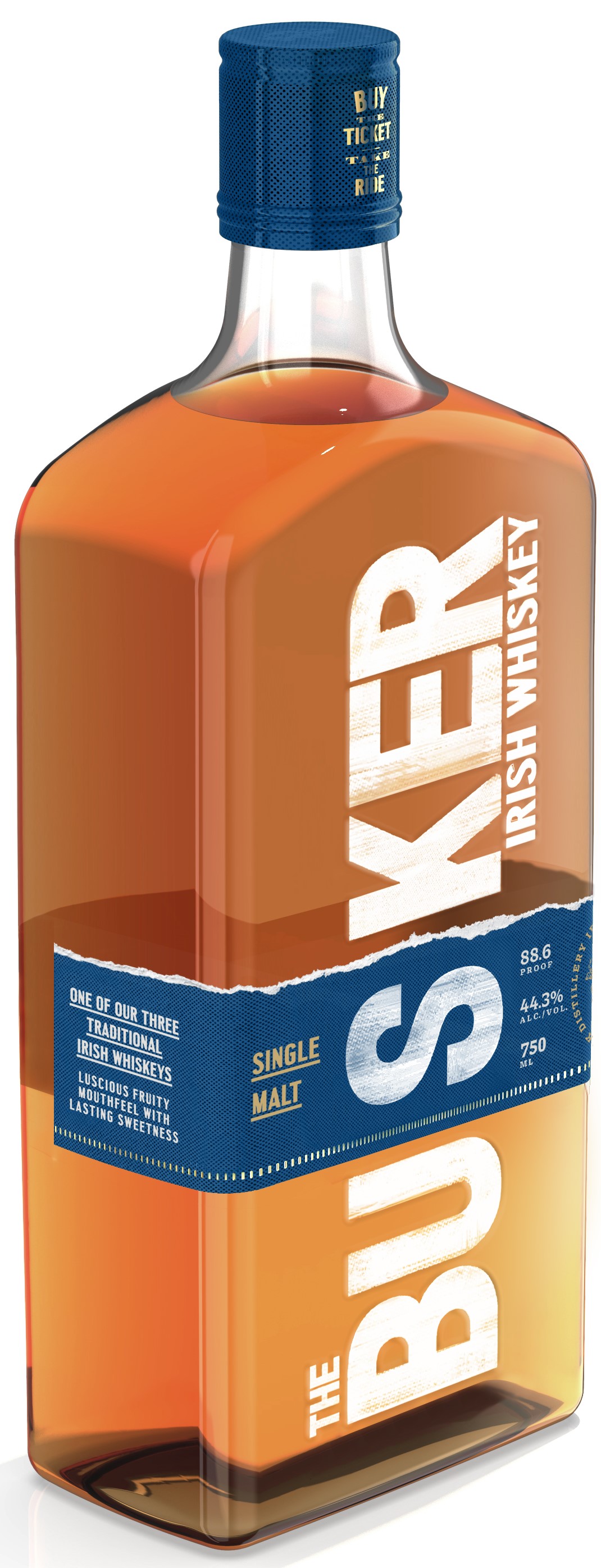
There is a feeling you get after the break up of a relationship and you pass you ex in the street and see that they have, in fact, gone to shit. It’s a strange mix of pity and schadenfreude that comes over the one who has moved on. I wonder if anyone from the Walsh Whiskey team felt that way when a provisional Royal Oak whiskey label was submitted to the American Alcohol and Tobacco Trade and Tax Bureau (TTB), as spotted by whiskey sleuth Charlie Roche:
Royal Oak is a beautiful distillery, and to see this label – which may only be a very early draft or just a placeholder – comes as something as a shock.
Or perhaps it doesn’t – perhaps the split between Bernard Walsh and the Italian drinks group Ilva Saronno was over this precise thing; whether to go high or go low; whether to keep that premium branding on a premium sourced product, ie, Writers Tears/The Irishman, or to put out an indigenous, young and potentially fiery whiskey under basic-ass branding. There are, obviously, plenty of spaces for all kinds of brands; the quality and quantity of output from Great Northern means that we will have an array of good quality whiskeys coming in often low quality branding. Not everyone wants something as elegant as Writers Tears, sometimes you just want a smashable dram that you can drink without any reverence. But The Busker? Aside from the label, isn’t the name a tad close to The Whistler?
Meanwhile, Walsh Whiskey continues to go from the strength to strength as a standalone brand, with the release of their latest collaboration with Dick Mack’s.
Carlow & Dingle, Ireland – 15th May 2020: Walsh Whiskey has released the second in a series of collaborative experiments with the legendary Dick Mack’s Pub & Brewhouse in the seaside town of Dingle in County Kerry, Ireland. Writers’ Tears – Seaweed IPA Cask Finish is a truly exceptional creation that brings together an old Irish whiskey recipe of Single Pot Still and Single Malt whiskeys, finished in a unique cask infused with the flavour of an 8% IPA beer laced with a seaweed harvest from the nearby Atlantic Ocean.
Bernard Walsh started this ‘spiritual’ adventure in 2018, when Finn mentioned Dick Mack’s newest creation – a Seaweed IPA. A barrel used in the creation of several batches of Dick Mack’s Tóg Bog É Seaweed IPA was sent on the 298 kms/185 miles cross-country from Dingle in County Kerry to Walsh Whiskey in County Carlow. Tóg Bog É (pronounced Toag Guh Bug Ay) is a Gaelic expression meaning ‘Take it Easy’ which has come to identify Irish people’s traditional outlook towards how best to live life.
Dick Mack’s Tóg Bog É Seaweed IPA was brewed with no less than 5 kilos/ 11 pounds of kelp seaweed harvested from County Kerry’s nearby Ballybunion Beach.
On Saint Valentine’s Day 2019 the barrel was filled with the award-winning Writers’ Tears – Copper Pot, triple-distilled, premium blend of Single Pot Still and Single Malt whiskeys and laid down for 14 months to finish. It was bottled naturally, non-chill filtered, at high strength.
The single cask (numbered ‘Batch 56’) has now yielded 306, individually numbered, bottles of Cask Strength (56.3%) super-premium whiskey. The Recommended Retail Price of this unique expression is €82/ US$89/ £72, however many bottles have already been snapped up by members of The Irish Whiskey Society and frontline workers of the Dublin Fire Brigade Whiskey Club. This unique expression is already a collector’s item.
Notes re Writers’ Tears – Seaweed IPA Cask Finish:
Laid down on St Valentine’s Day 2019 for a 14 Months Finish
Natural Non-Chill Filtered
Bottled at Cask Strength (56.3%)
Barrel: Bourbon, Seasoned with Seaweed IPA (8% ABV) brewed at Dick Mack’s, Dingle in Ireland’s Kingdom of County Kerry
Colour: Golden mustard
Nose: Deep butterscotch, autumnal/mature bramble apple
Taste: Salted caramelised fruit sugar’s syrup, a touch of liquorice
Finish: Creamy mouth feel
A webcast to taste and discuss the creation of Writers’ Tears – Seaweed IPA Cask Finish, will be held on Facebook at 8pm (Irish Summer Time) on 27th May, 2020 between Writers’ Tears creator and Walsh Whiskey Founder, Bernard Walsh; Finn MacDonnell, Proprietor & Great-Grandson of Dick Mack himself; Serghios Florides, Publisher & Editor of Irish Whiskey Magazine and Peter White of the Dublin Fire Brigade Whiskey Club.
Well, at least they didn’t tell us it was hadngrafted:
Think of Scotch whisky as music, and the regions are genres – Speyside is pop, Islay is heavy metal, Islands are Soundcloud rap, Campbelltown is folk, Lowlands are classical. What then of the Highlands? Their particular ouvre lies somewhere between Wagner and polka – lots of deep bass, robust melodies – this is a region that marches to the beat of an ancient drum. But of course, this is seeing the area as a group, rather than as individuals within a genre. And what if one of those individuals suddenly started making a solo album – one with steel drums and island rhythms? Now imagine one of them was Einsturzende Neubauten crossed with Jackie Mittooo – strange instruments and tropical notes.
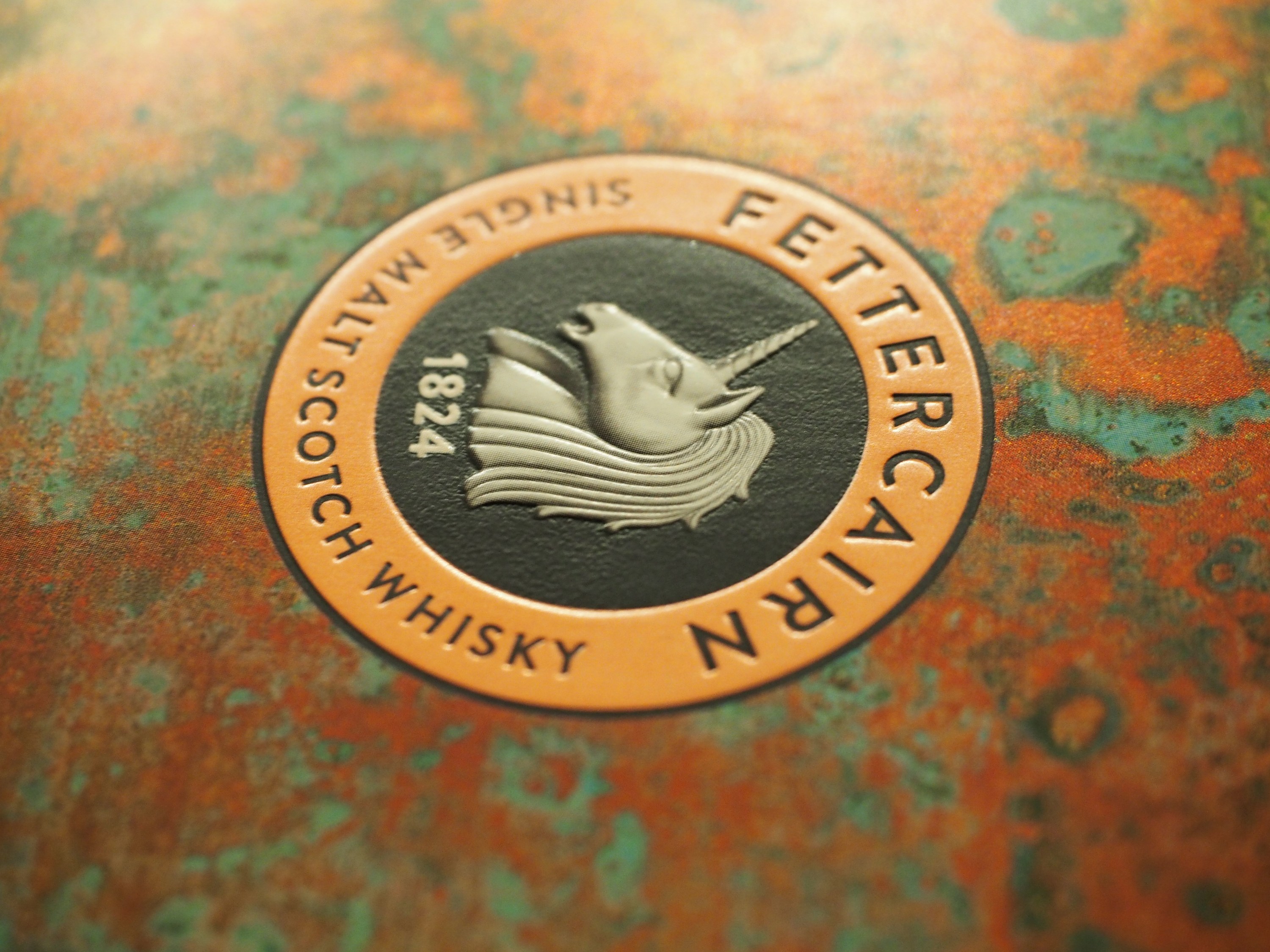
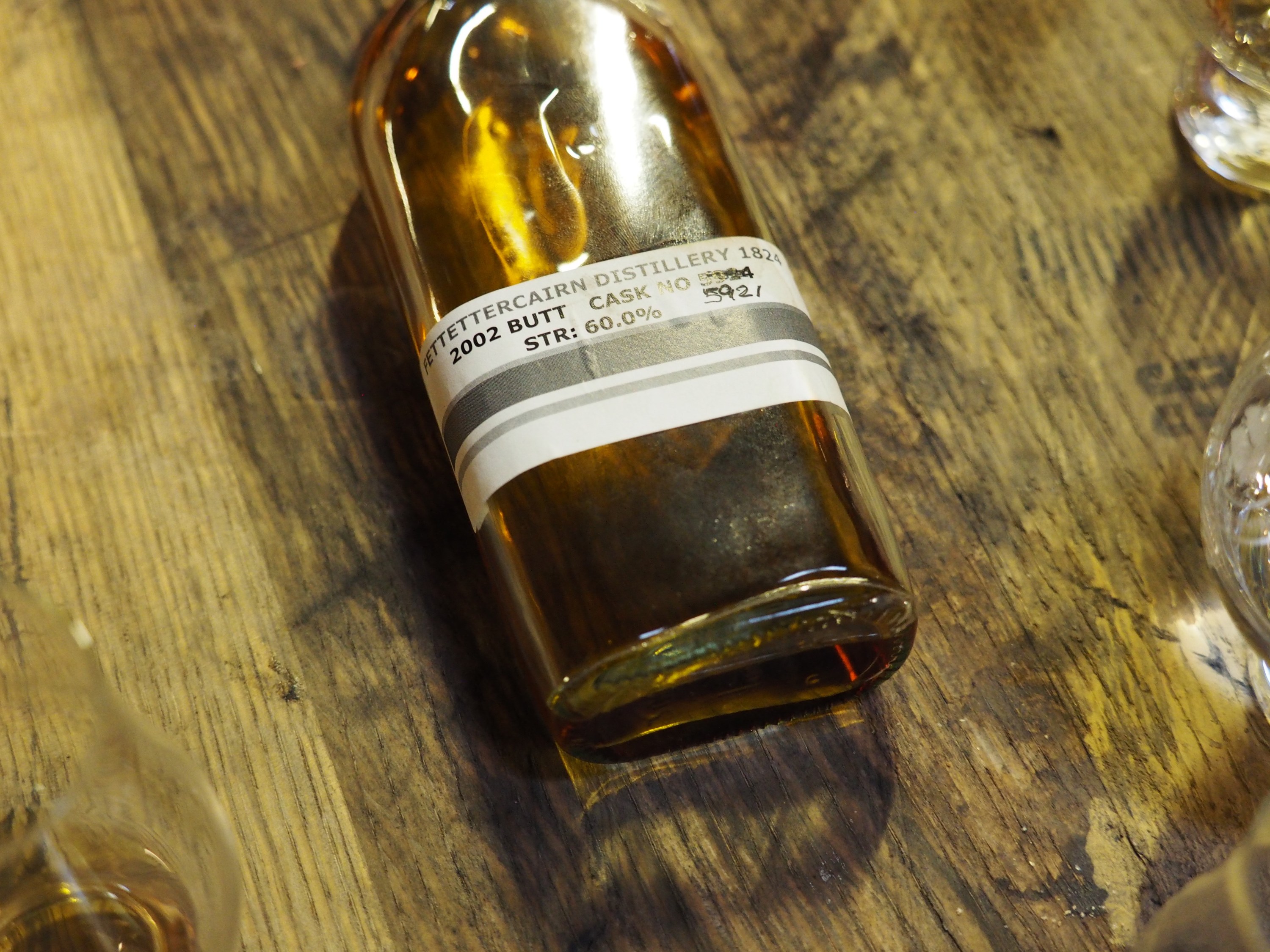
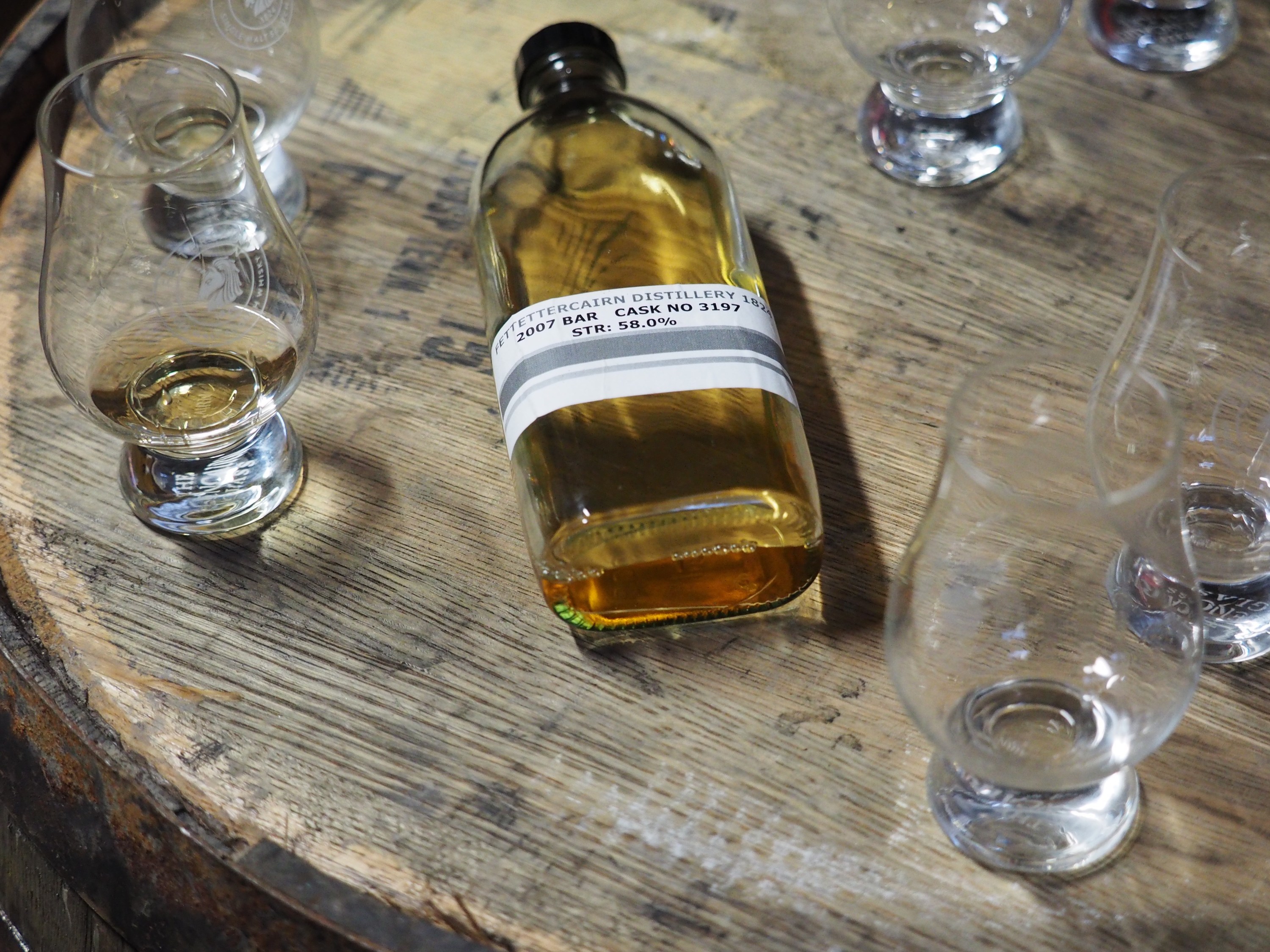
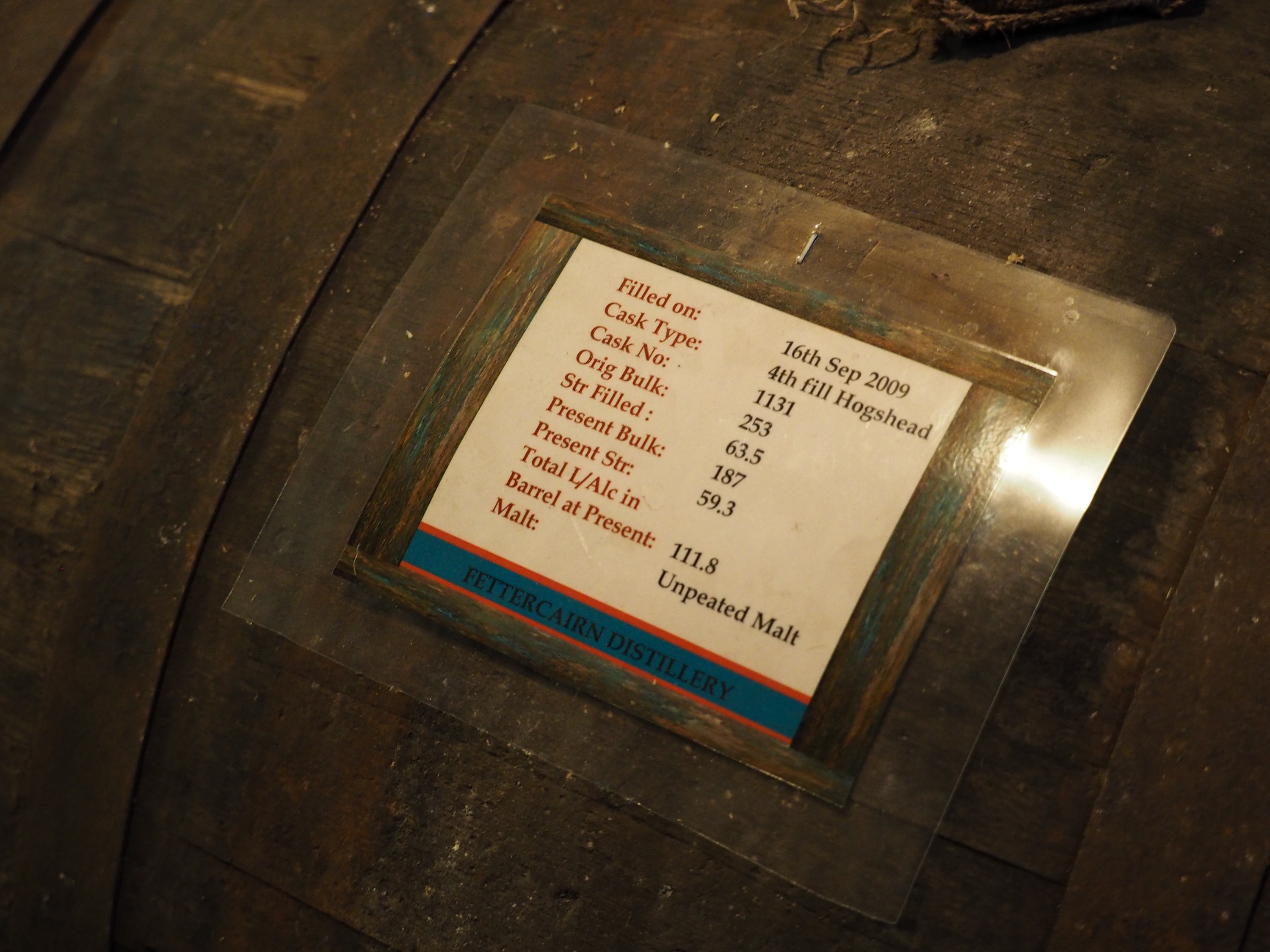
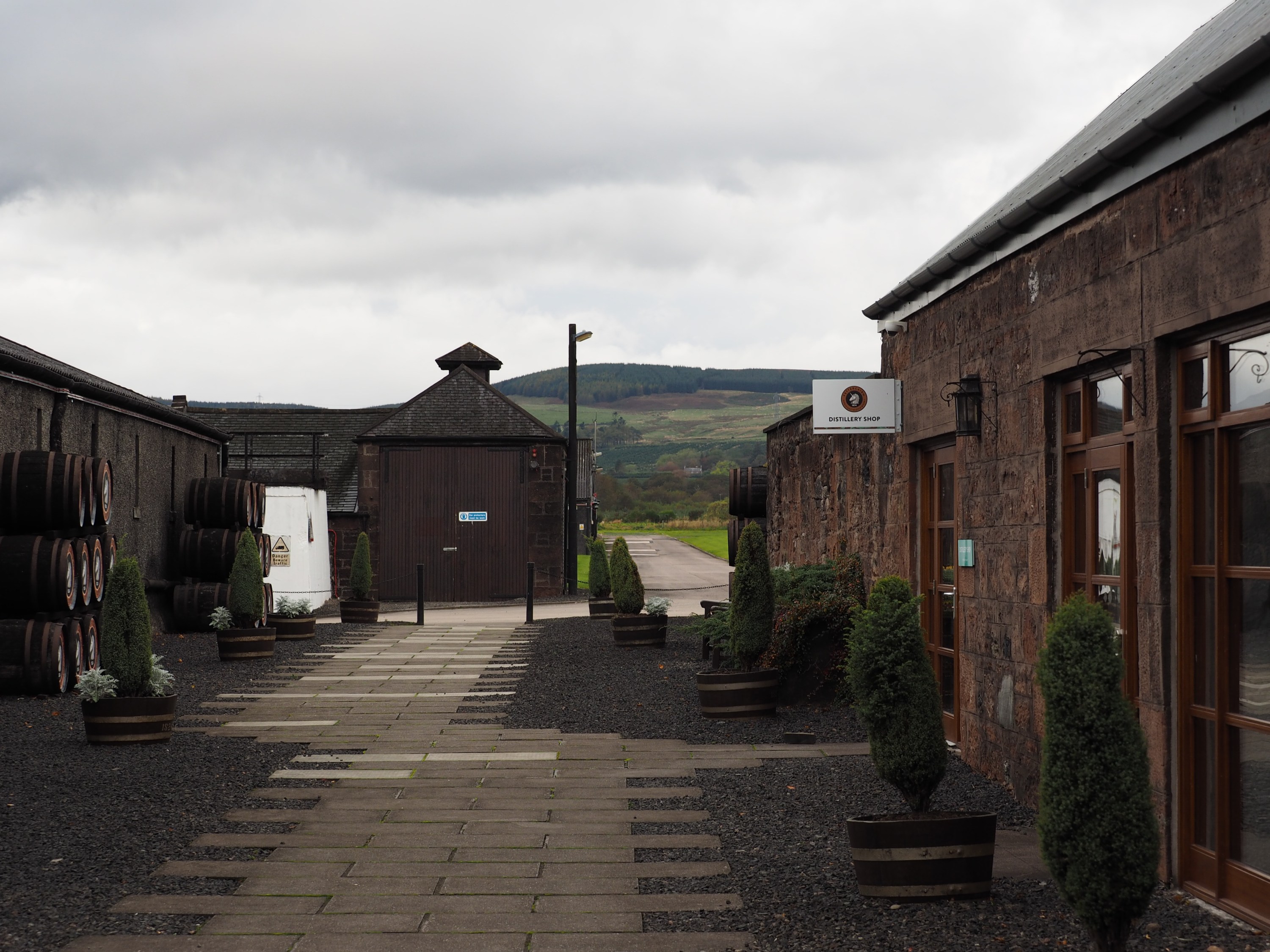
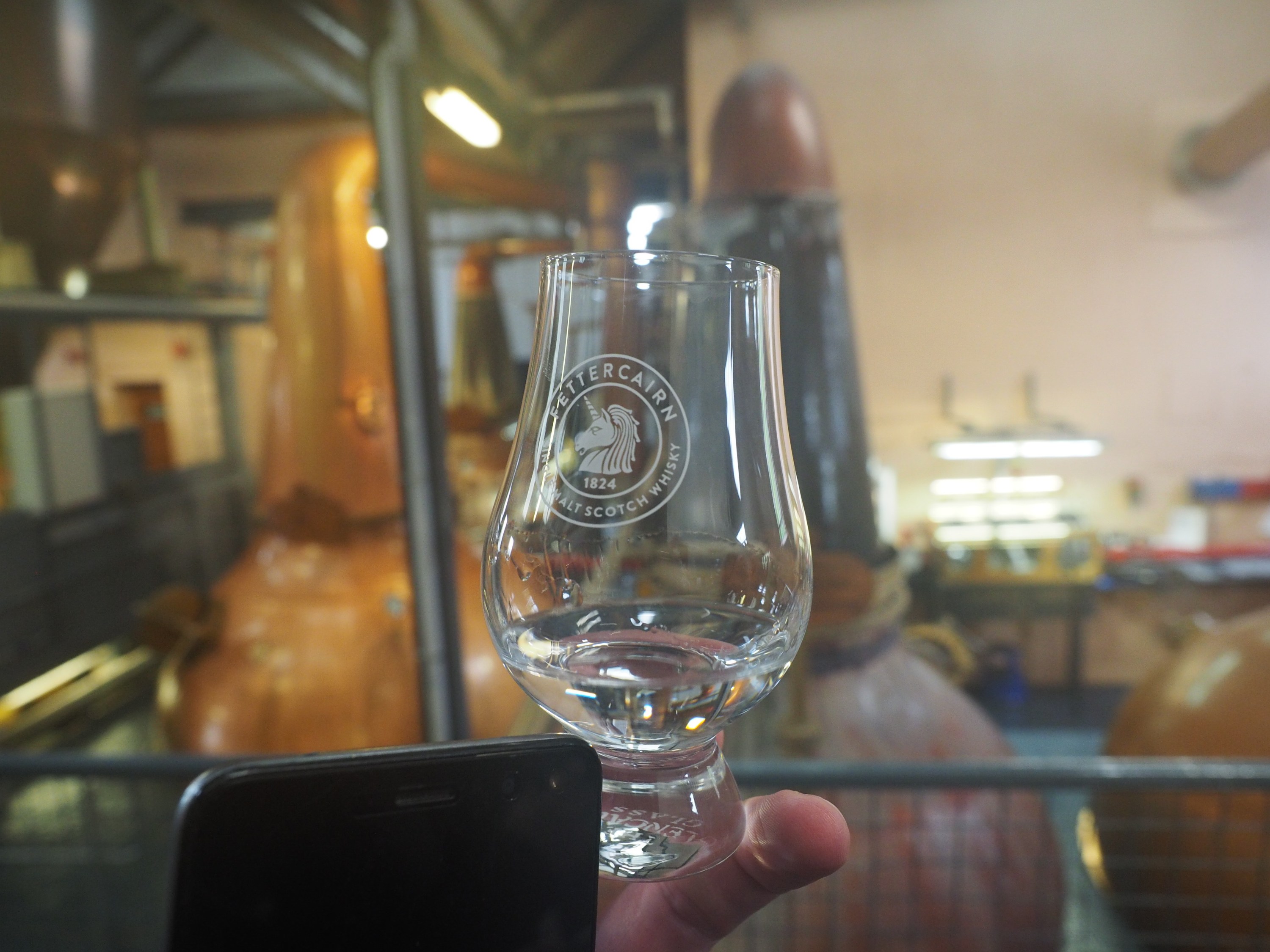
It has taken Fettercairn quite some time to get its moment in the spotlight – 195 years to be precise. Its founder, Sir Alexander Ramsay, was one of the first Scottish landowners to campaign for the making of whisky to be licensed, and in 1824 was one of the first to be granted permission to make whisky. Obviously, distilling had been taking place across the highlands for some time – all around the flat farmlands of the Mearns, upon which Fettercairn Distillery sits, there are valleys and nooks ideal for setting up an illicit still. It was to these highland foothills with their secret bothies that Ramsay turned for his staff, hiring the stillmen to run his new distillery. Ramsay also built a vast mansion, Fasque, which ultimately dragged him into debt, and Fettercairn was sold to a Liverpudlian merchant family named Gladstone in 1829. If that name sounds familiar, it should – one of the sons, William Ewart Gladstone, went on to be prime minister of the United Kingdom four times. Gladstone abolished the taxes on malt and the angel’s share, and allowed scotch to be sold in glass bottles for the first time.
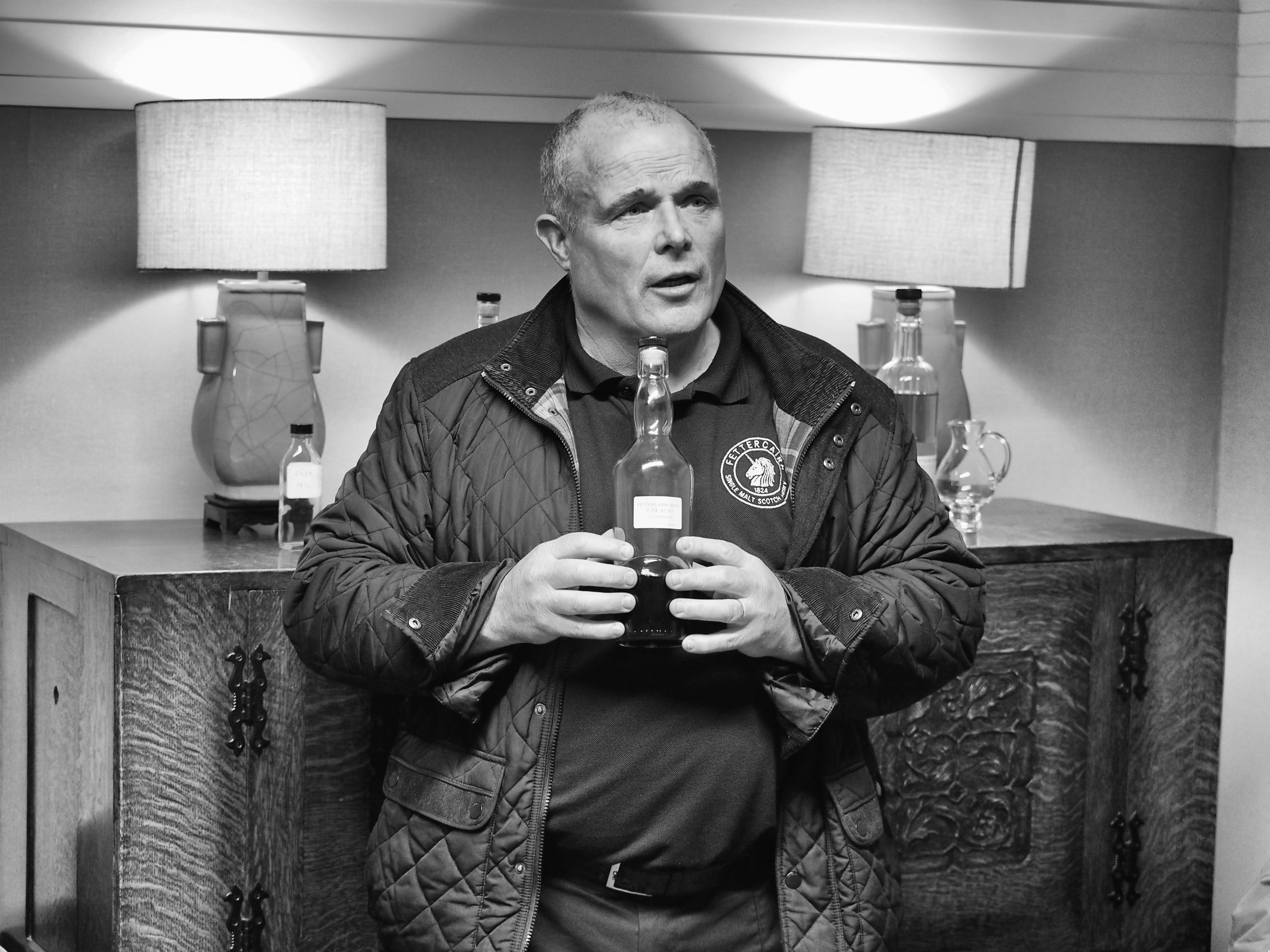
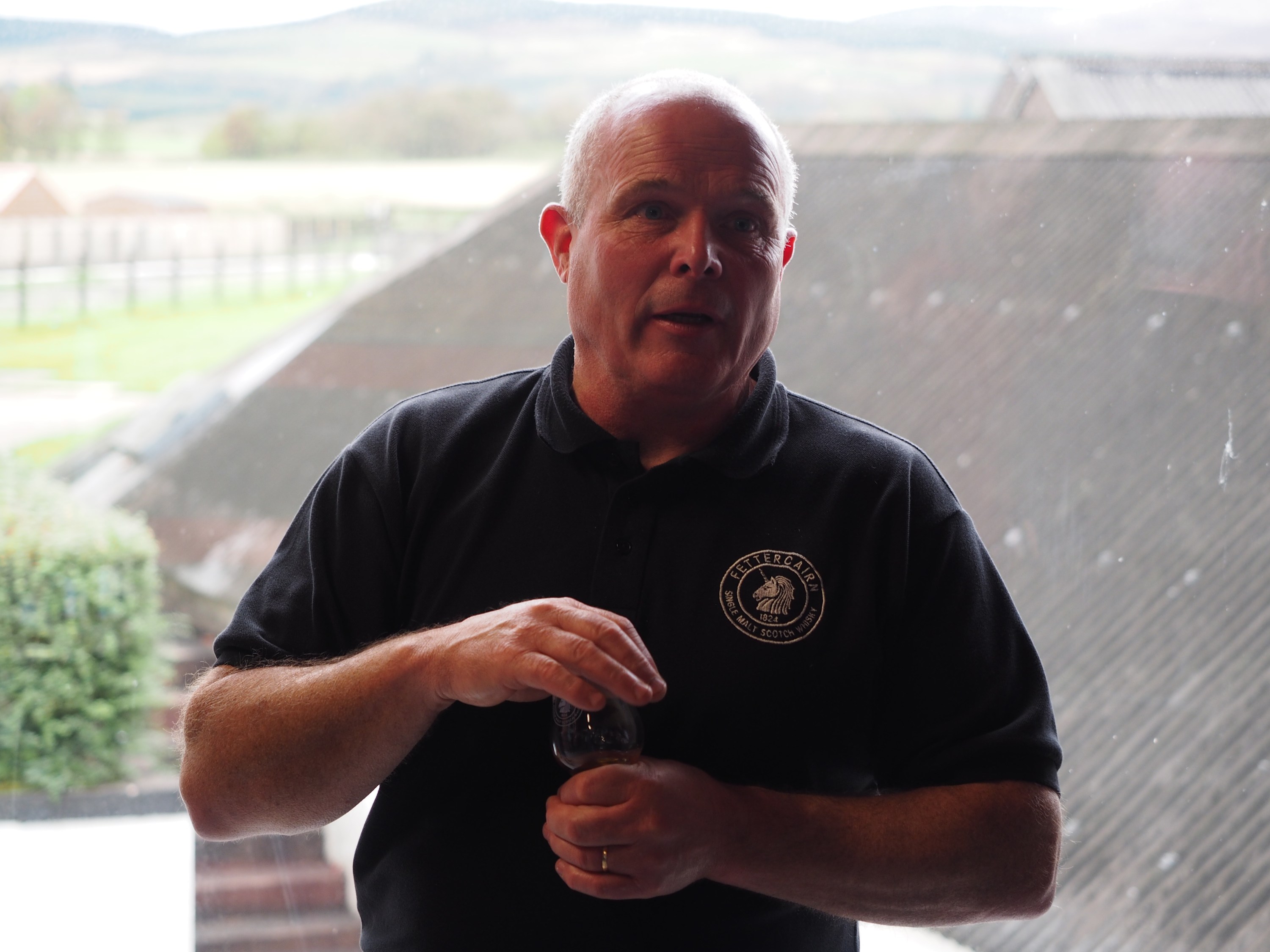
Fettercairn changed hands many times over the years, was razed by fire, shut in 1926 as the postwar lean times bit, reopened 13 years later, doubled capacity in the 1960s, and is now owned by Whyte and Mackay, where thus far it was mostly used for blends. As an Irish whiskey lover, most of this seems completely bizarre – to have all that history and heritage just waiting to be put into action as part of a brand. They have so many stories just waiting to be told – even their distillery manager, Stewart Walker, seems like he was born for the distillery’s solo run. Walker is a native of the village and a born communicator; he says he is delighted to see the distillery he has worked in for three decades be celebrated for its many merits. After all, it is as unique as the unicorn crest suggests.
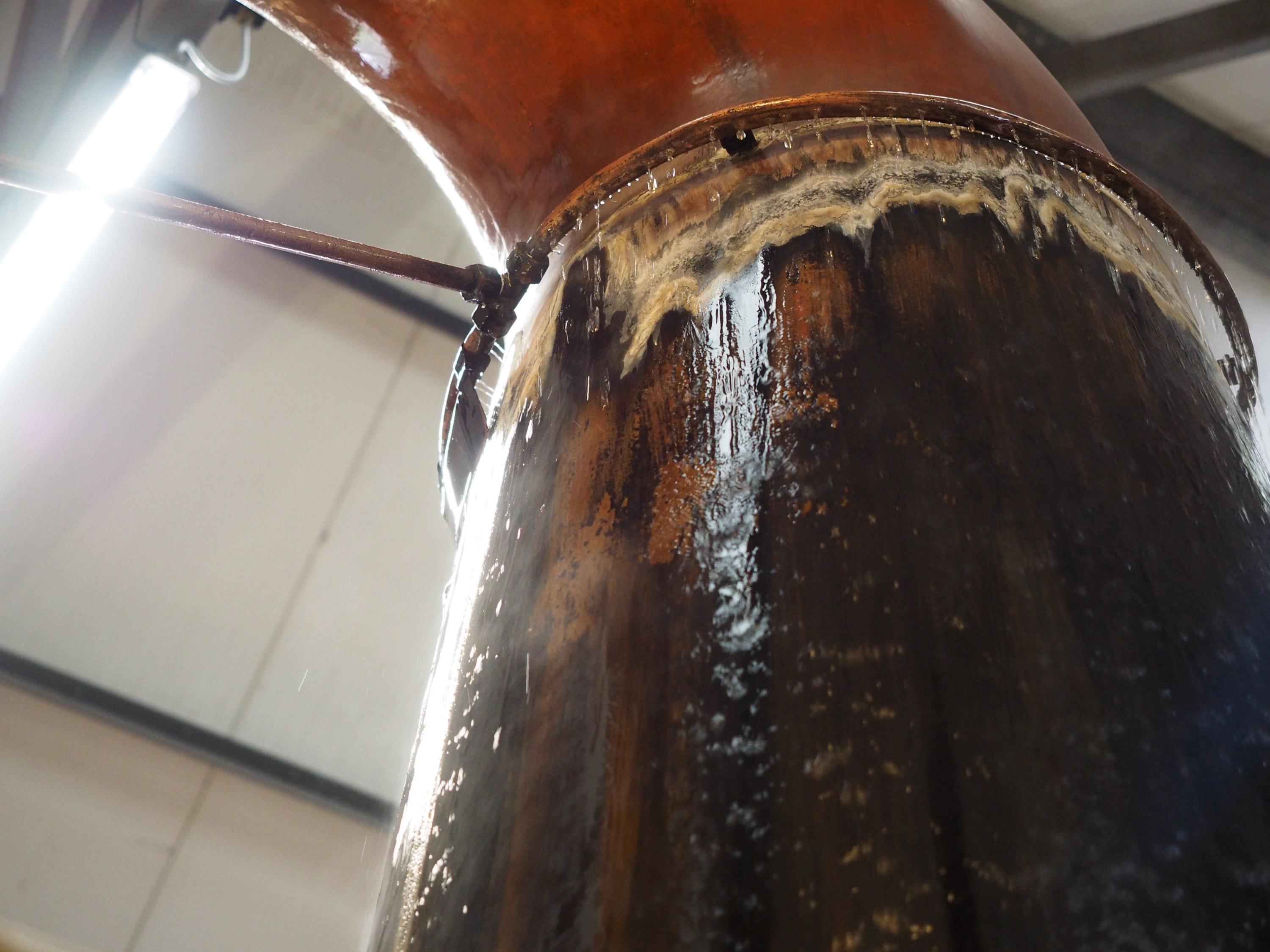
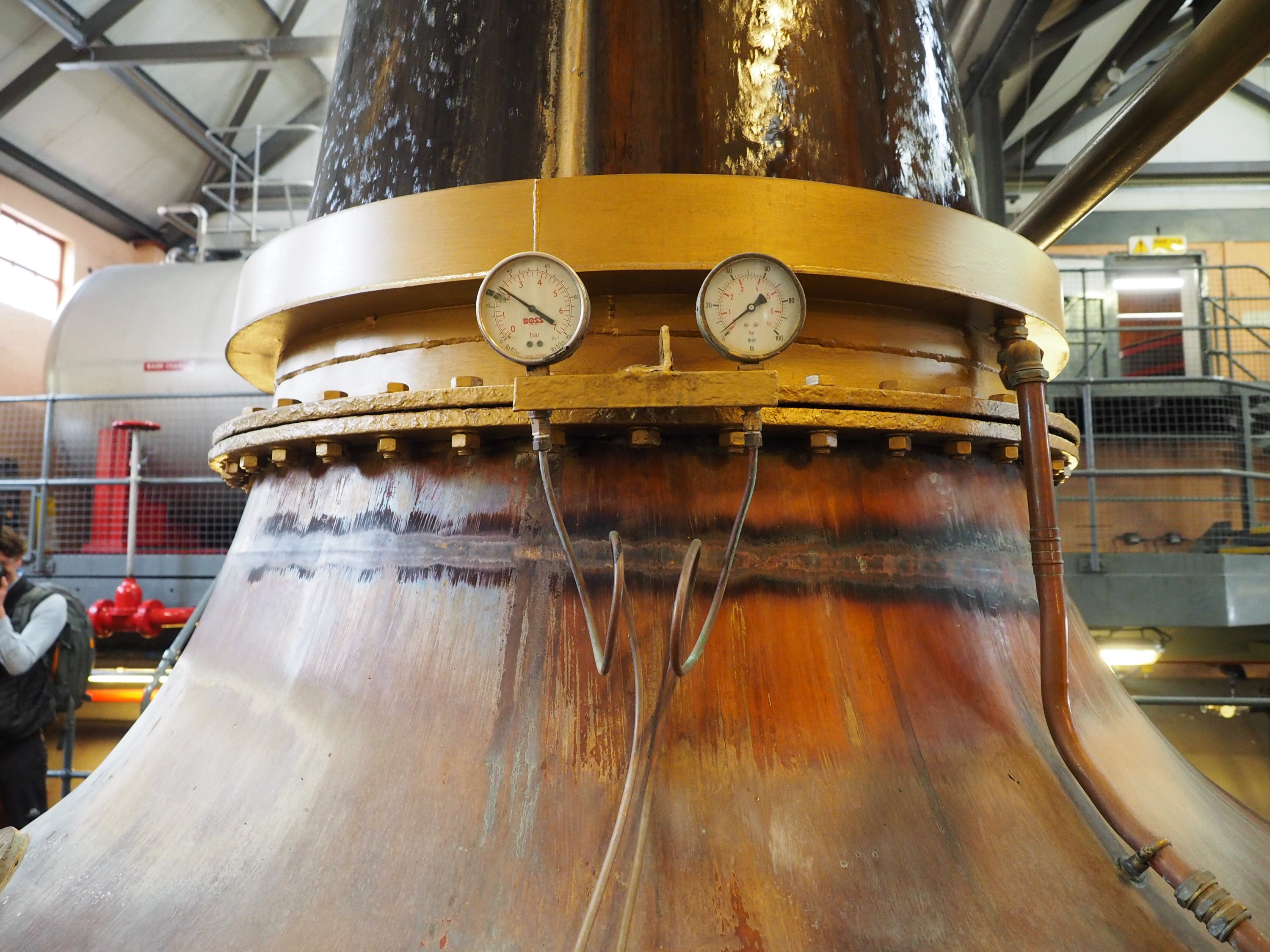
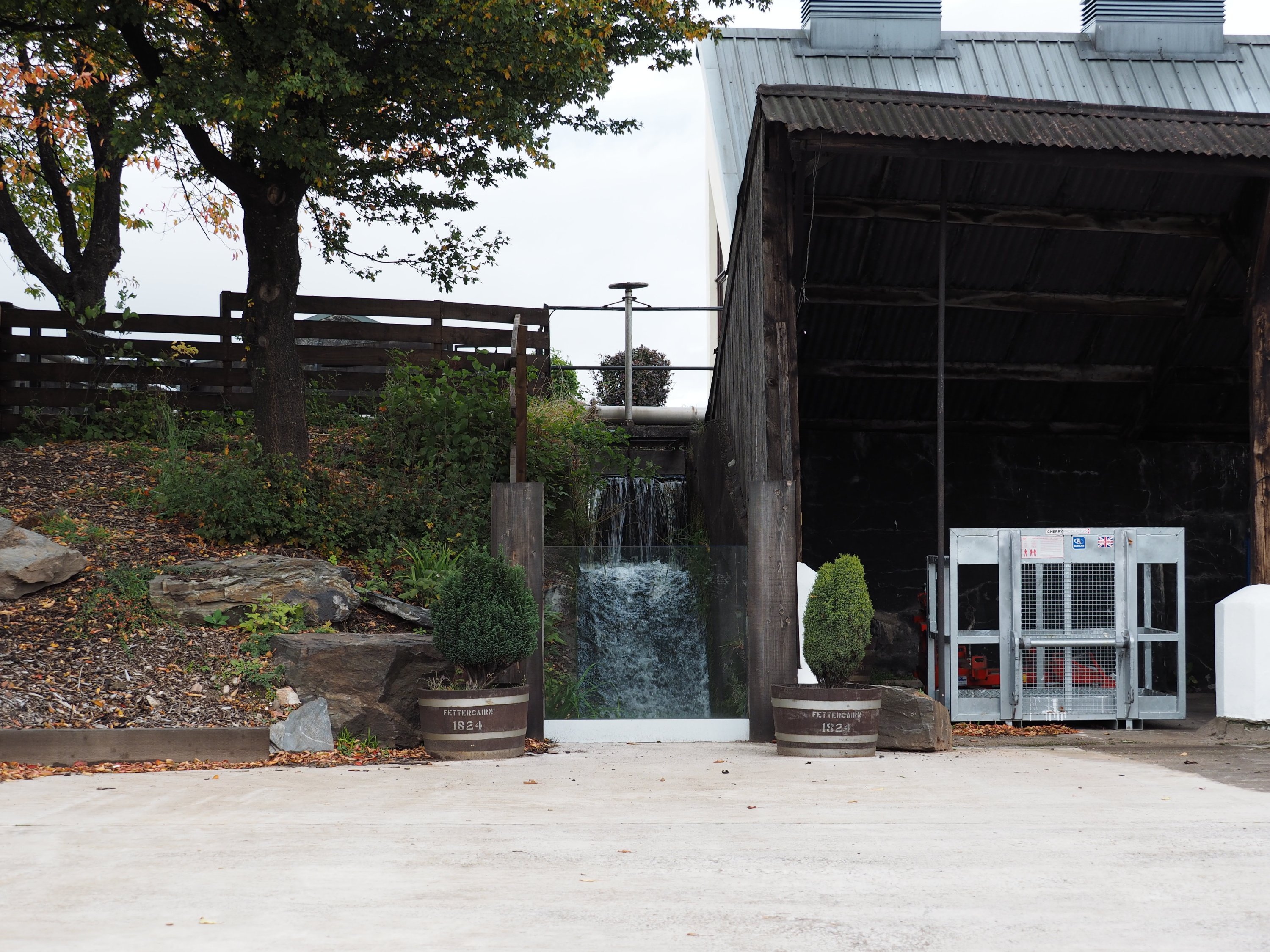
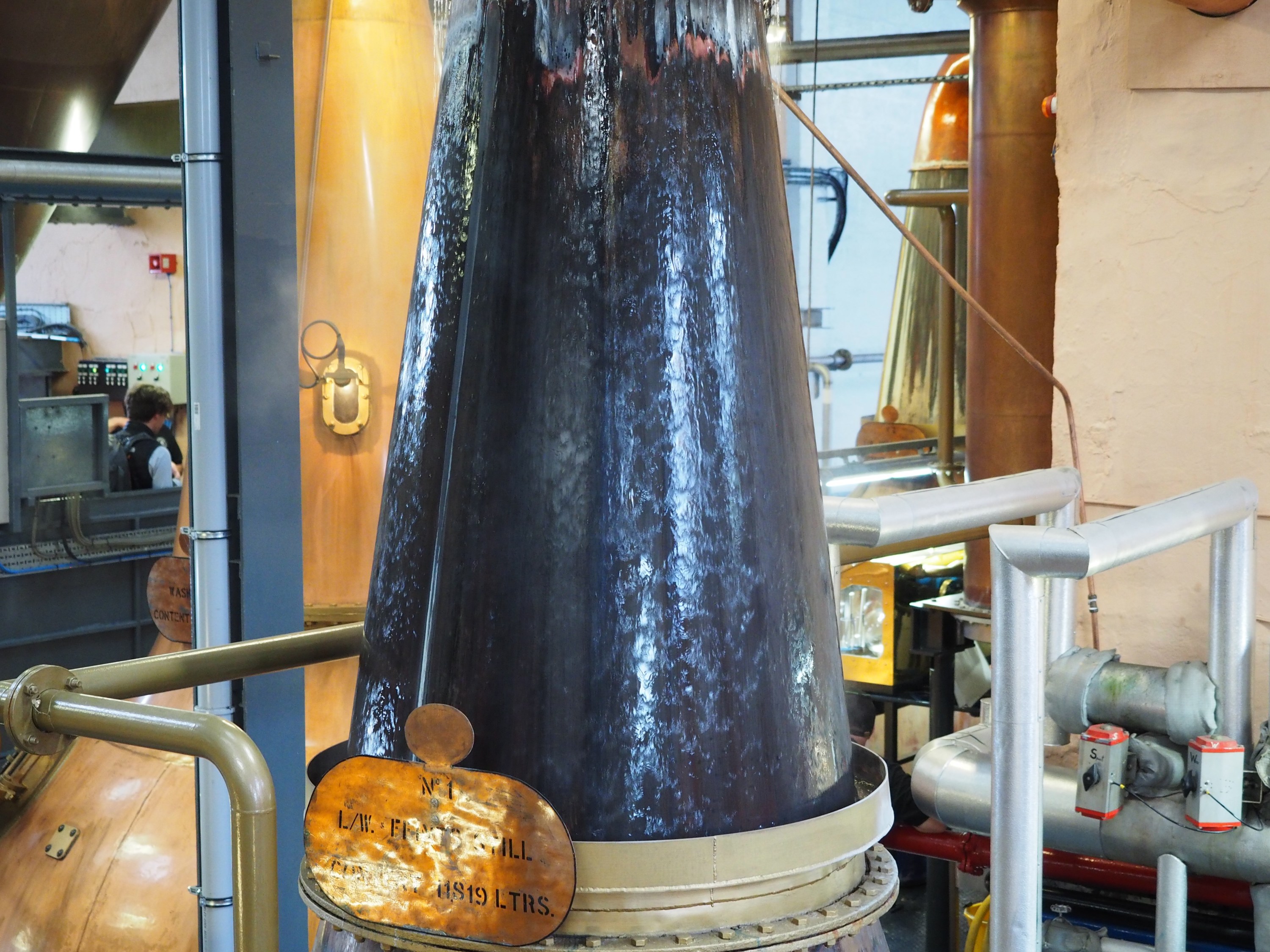
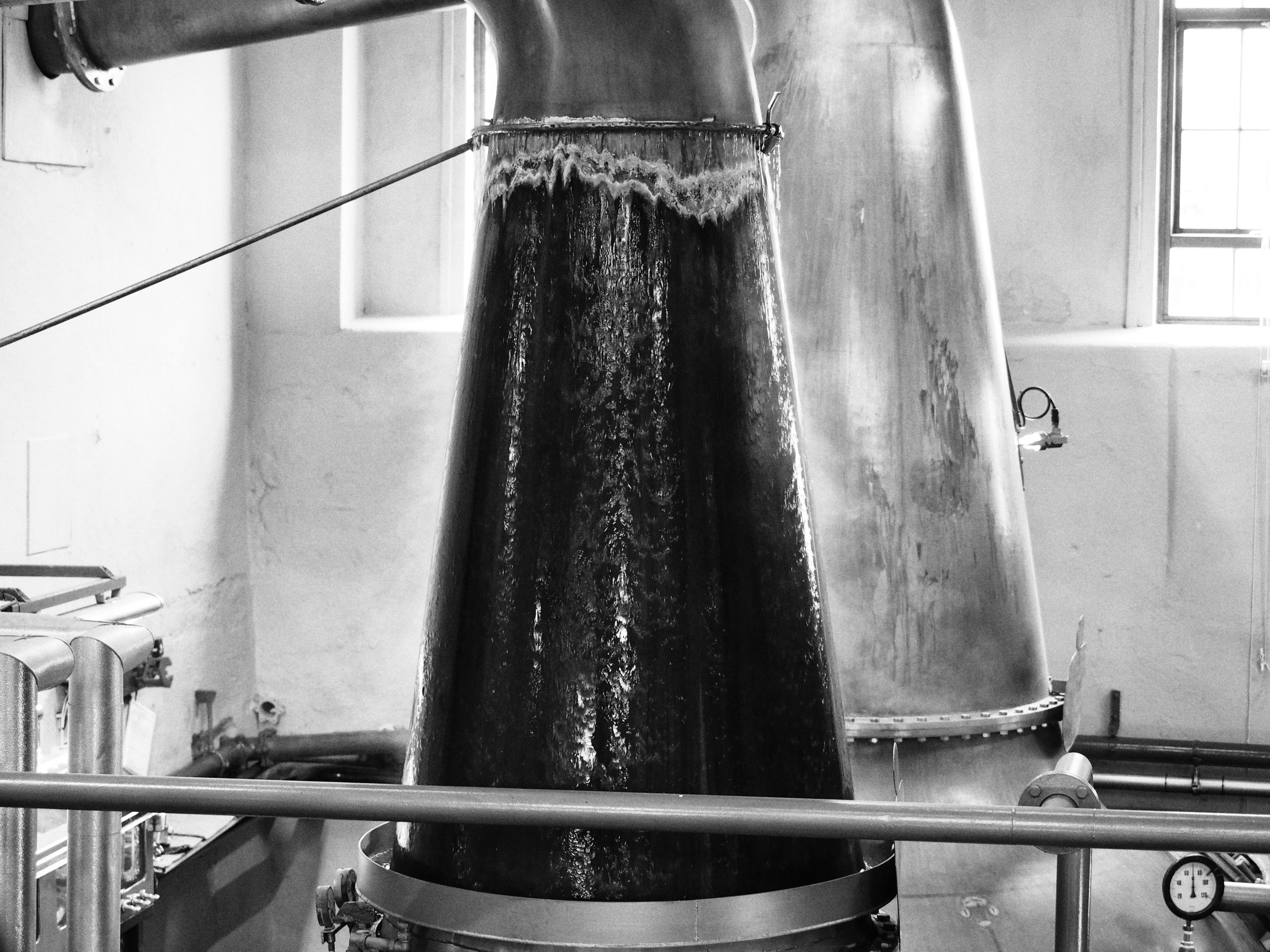
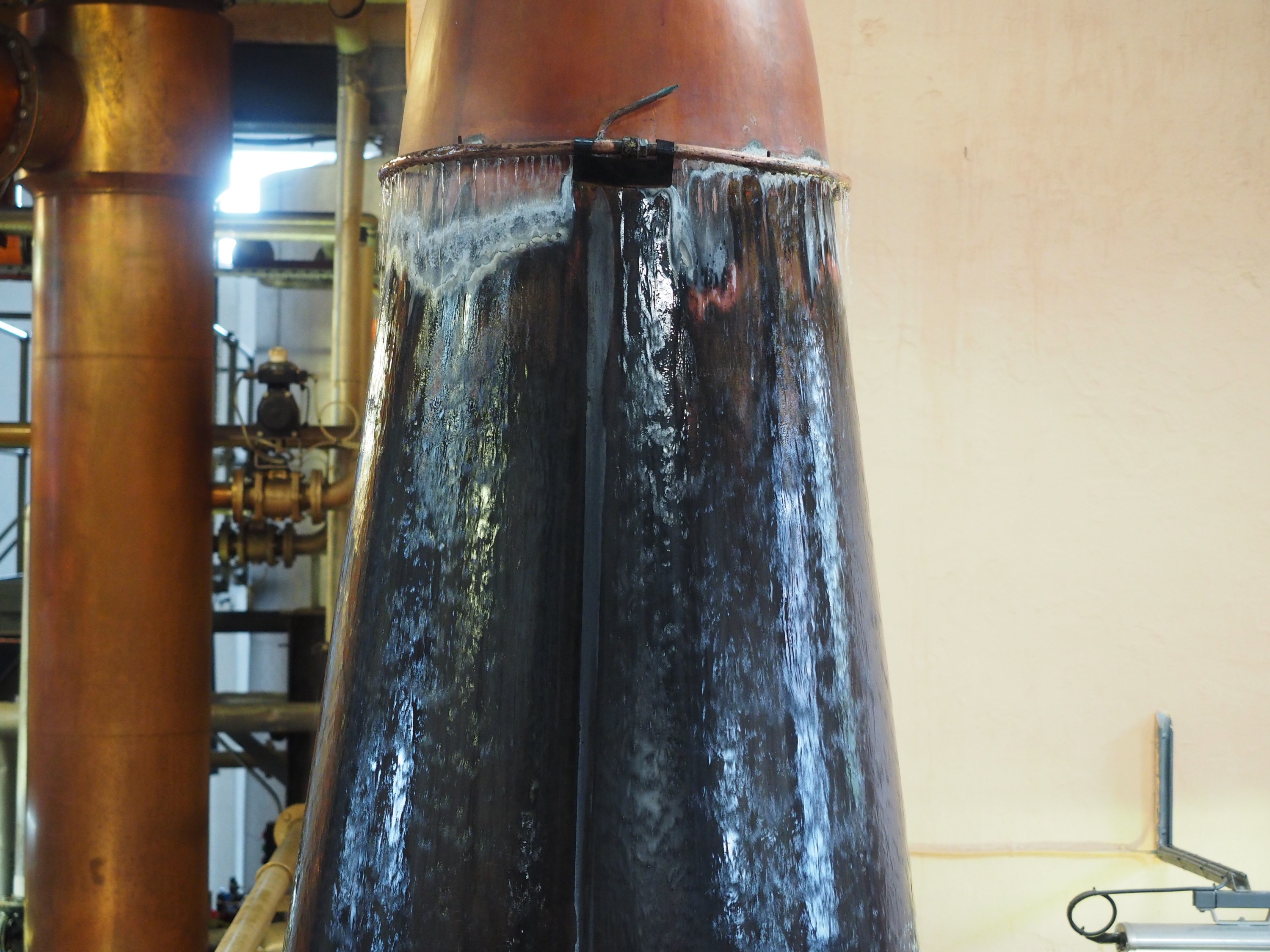
In the 1960s, workers were hosing down the stills when they realised that their work was affecting the spirit, adding an extra layer of reflux. So they had the bright idea of adding a water feature to the neck of the spirit stills. It is quite the sight to behold – water being brought in from a small reservoir of water collected from a local burn, piped into the still house, then coursing down the outside of a still neck from a brass ring, being collected and then sent back to the reservoir. According to your hosts, the only other still to feature such a bizarre contraption is fellow Emperador/W&M stablemate Dalmore, which at least had the decency to hide its strange feature under a layer of copper. Temperature controls on the neck of a still are not unknown – Blackwater Distillery in Ireland has still what are effectively grappa stills, with internal temperature controls on the neck. But Fettercairn brandishes its steampunk water feature like a body modification, out there for all to see.
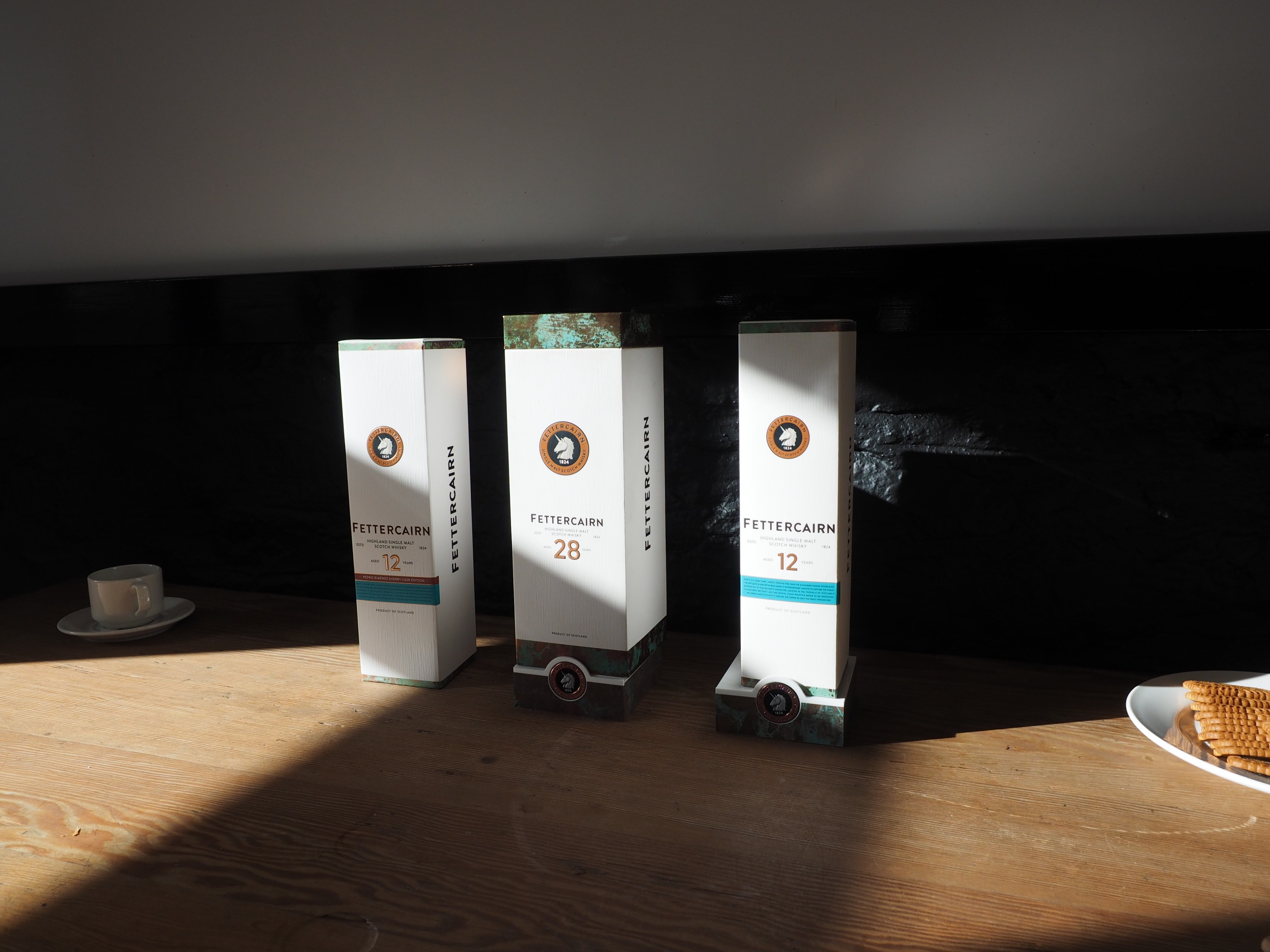
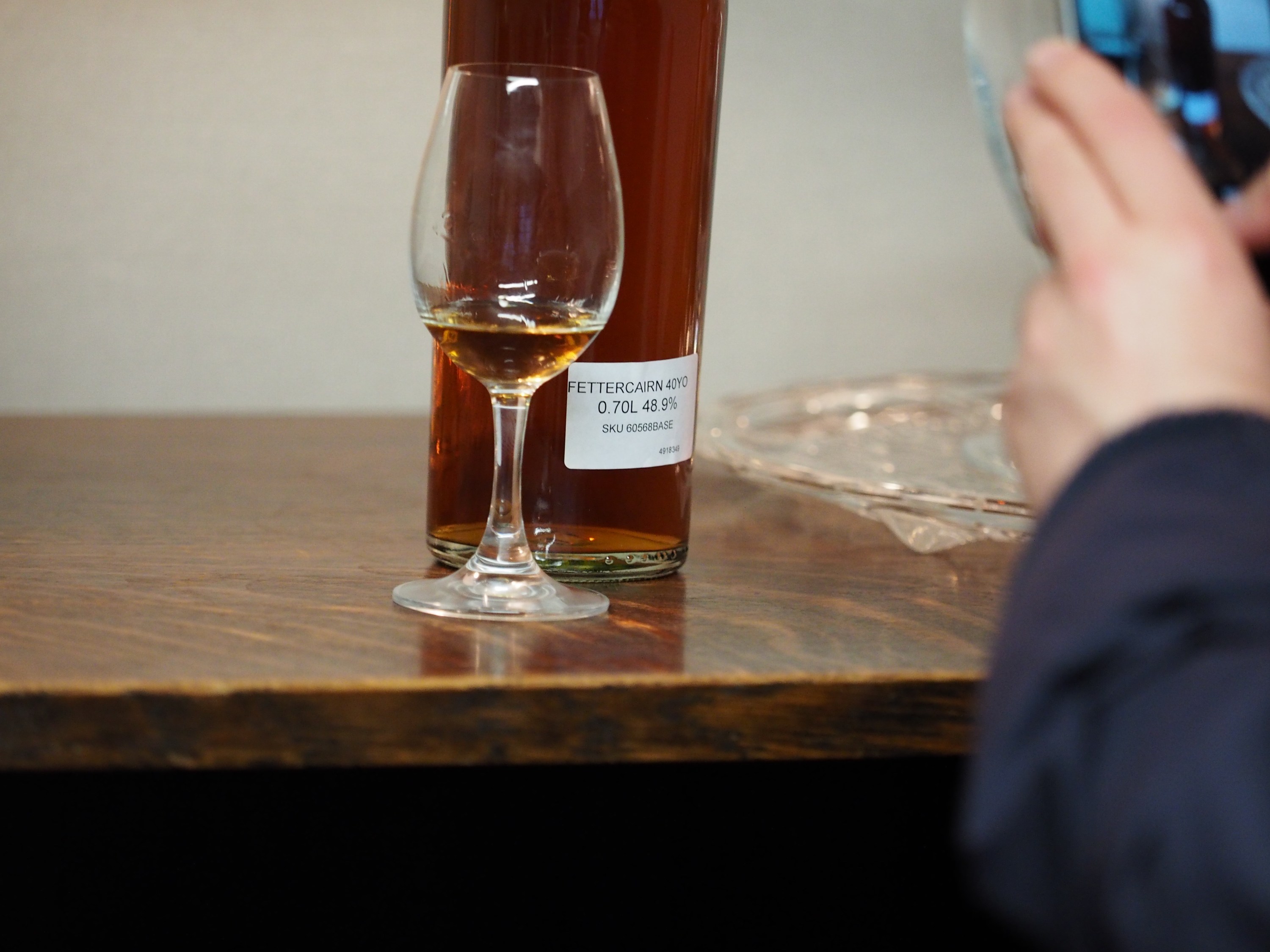
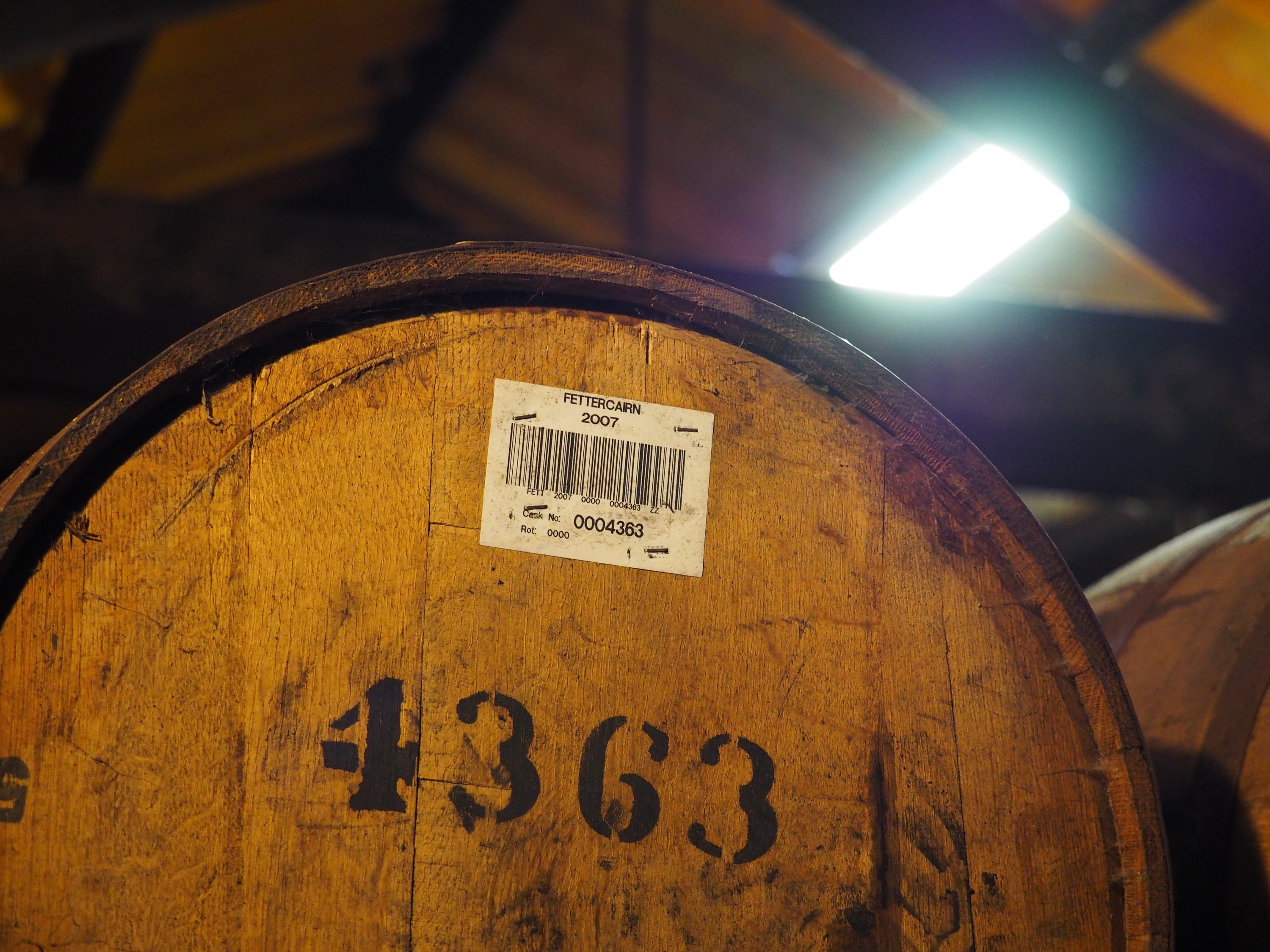
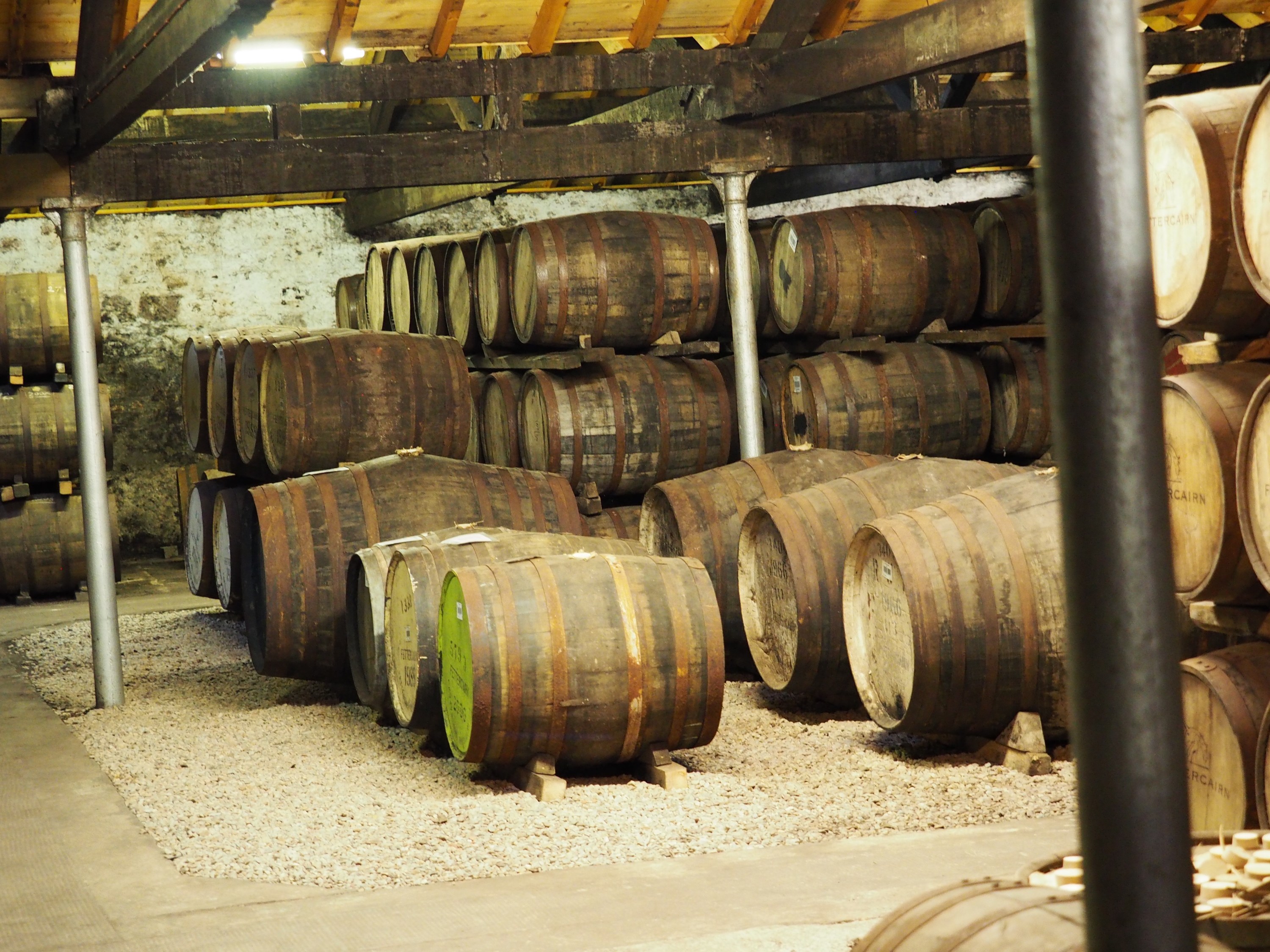
Fettercairn had a stab at a solo career in the last few years – Old Fettercairn was a NAS bottling in the 1980s, and a 12-year-old single malt was released as ‘1824’. Fior and Fasque appeared ten years ago, opting for a more sleek and elegant look. But they also failed to set the world alight. Aside from these there were the usual peppering of indie bottlings, but it is only in the last 18 months that the distillery has been given a more complete offering. That said, there are gaps in the portfolio. The range jumps from a 12 year old to a 28 in the blink of an eye, then scales the giddy peaks of premiumisation with a 40 year old finished in an apostoles Sherry cask and a 50, finished in a tawny port pipe. These ring up at a challenging stg£3,000 and an eye-watering stg£10,000 respectively. But it is the space between the stg£50 12-year-old and the stg£500 28-year-old that needs to be filled – and Fettercairn has plenty of tricks up its sleeve, with warehouses on site filled with dusty casks just waiting to be discovered (even though the plundering of those same warehouses for blends is why the gap exists).
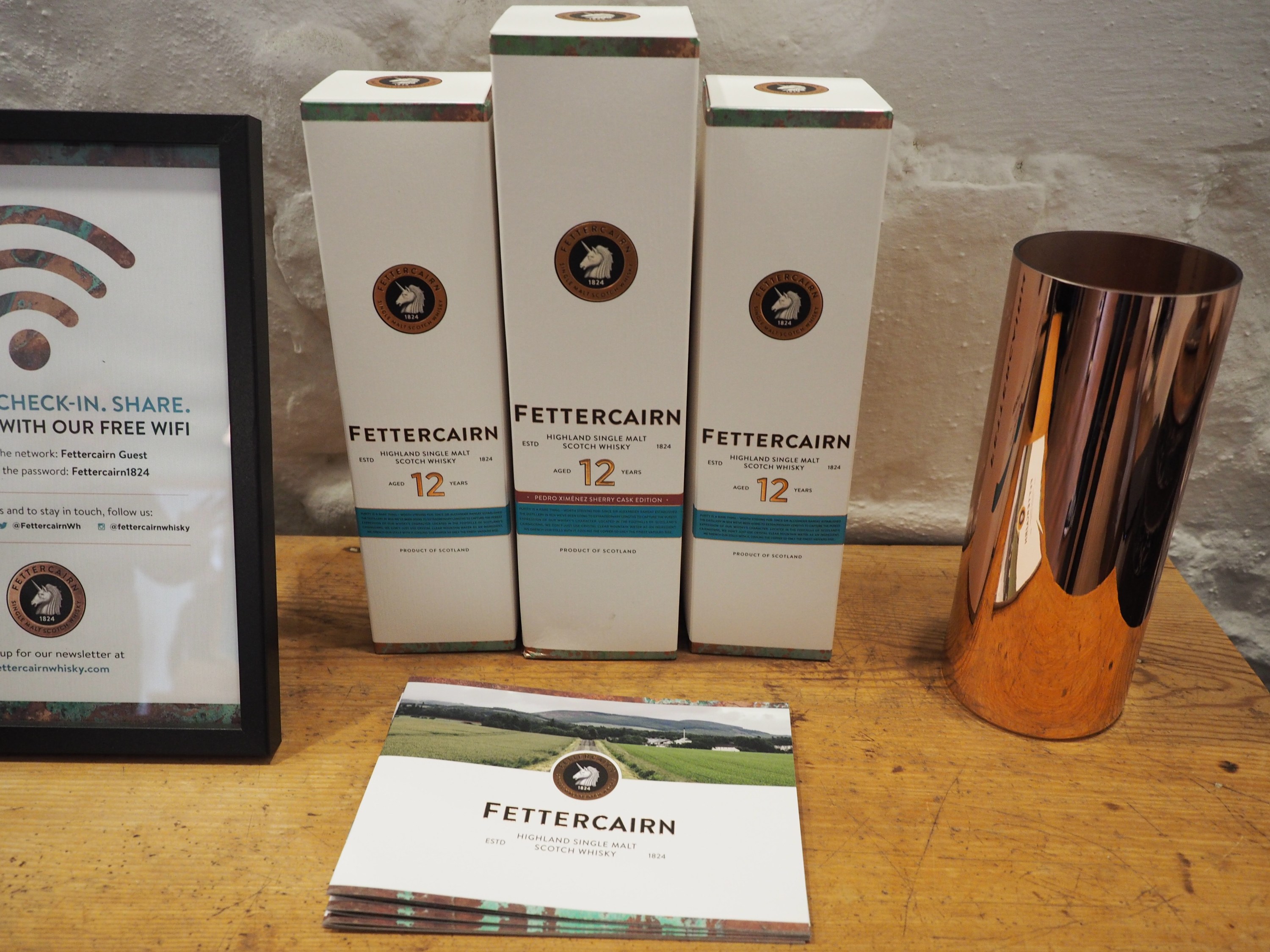
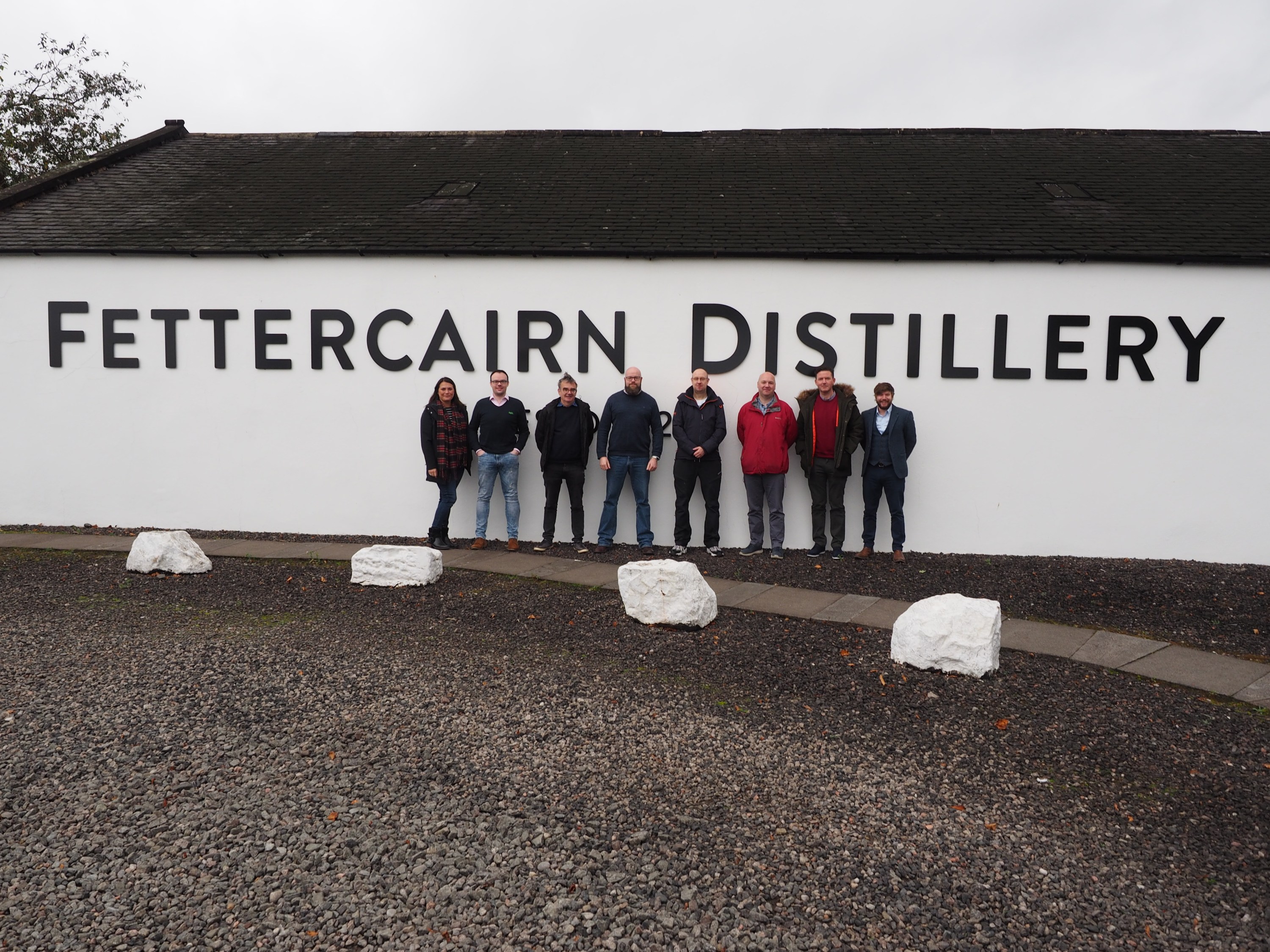
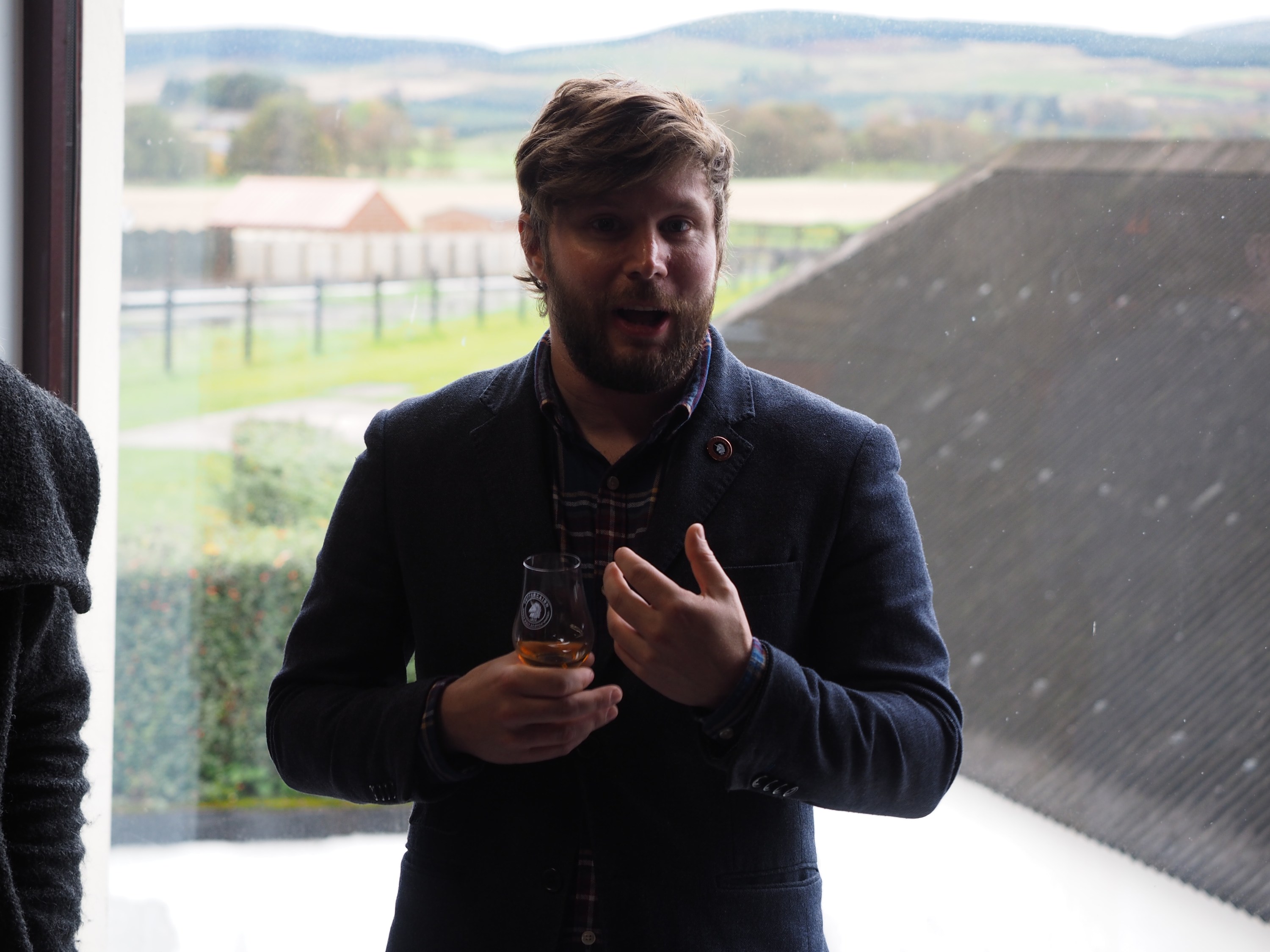
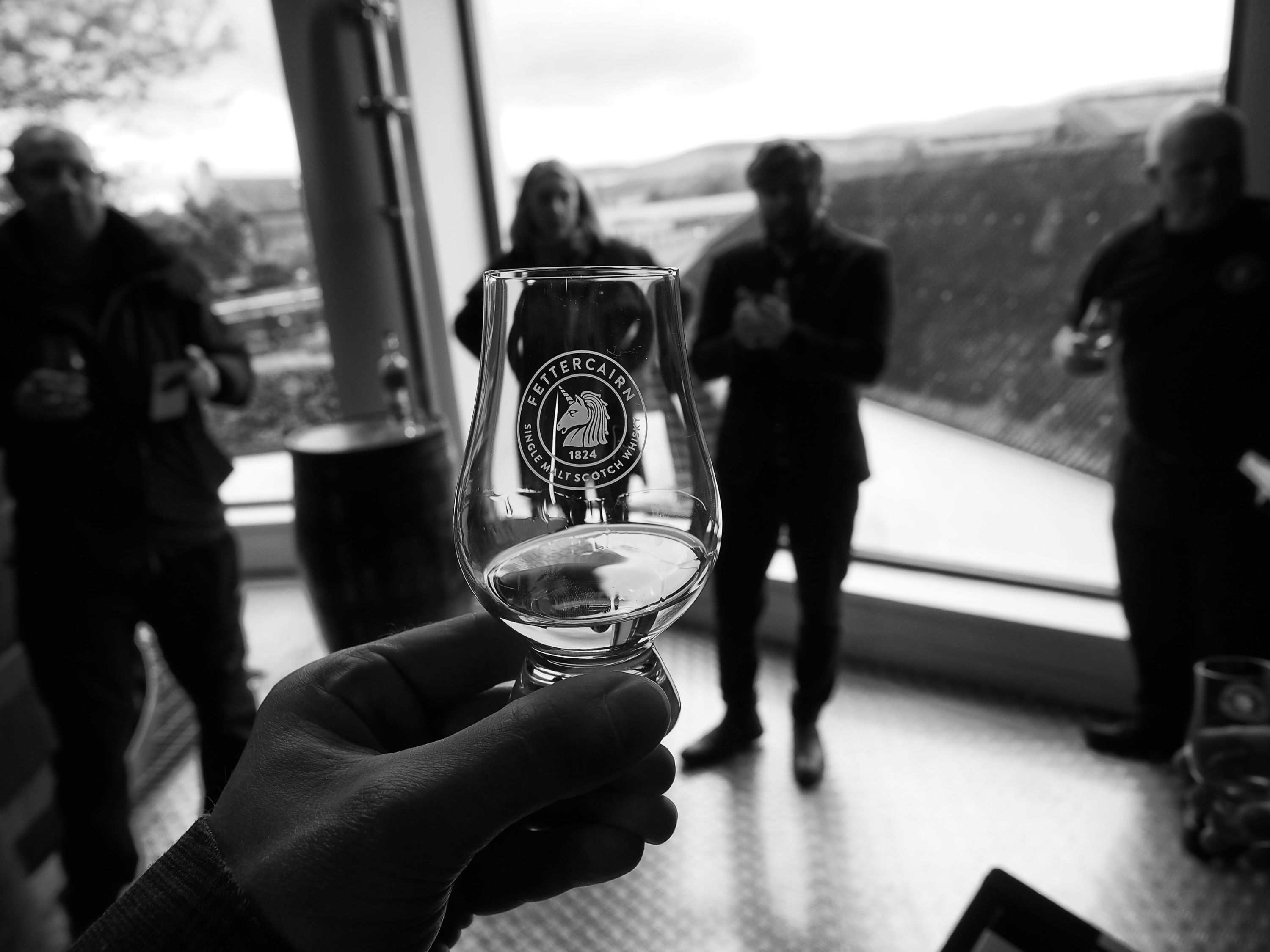
So they have the past, they have the future, they have the plans, and crucially, they have the financial backing. But how do you get folks to sit up and take notice? How do you catch the attention of whisky lovers? How do you gain purchase in the crowded hearts of the malt masses? Well, you can invite a few of them round, which is where this moves from talking about whisky to talking about talking about whisky. Please join me now as I draw back the velvet drapes and invite you into the gold-gilt world of the influencer as I enjoy 36 hours of corporate seduction in a suprasternal notch of the Scottish highlands.
Ah Nethermill House, a place trapped in time. While considerable amounts of money have been spent on the distillery visitors centre for their brand reawakening, the sizeable house adjacent to the facility itself is as yet untouched. It’s hard to put a year on exactly when it was last done up, but I would hazard a guess that it is somewhere in the late Seventies or early Eighties. As a result it is a glorious time capsule – bedrooms are done out in colour schemes, one is a pastel moss green, another is mauve, the kitchen has a serving hatch, and the loft has been converted into a games room, complete with snooker table. It is like the set of a BBC Play For Today, and as I waited for the rest of the guests to arrive I half expected Beverly Moss to sashay in and stick on some Demis Roussos.
One by one the rest of the guests arrived, and this part of junkets is always the best – meeting people whose work you admire, who you have chatted with online, but there, in real life, and now you have to talk to them despite being socially awkward anywhere but the internet. Add to that the anxiety of having to eat in front of them, as we were all whisked off to the former maltings for a posh picnic. I hadn’t eaten since a sleepy airport muffin at 5am, so I tried to control myself and descend into full wolverine mode, but after realising that I couldn’t chat amiably and eat at the same time I just focussed on the latter, with my head down, like a rodent.
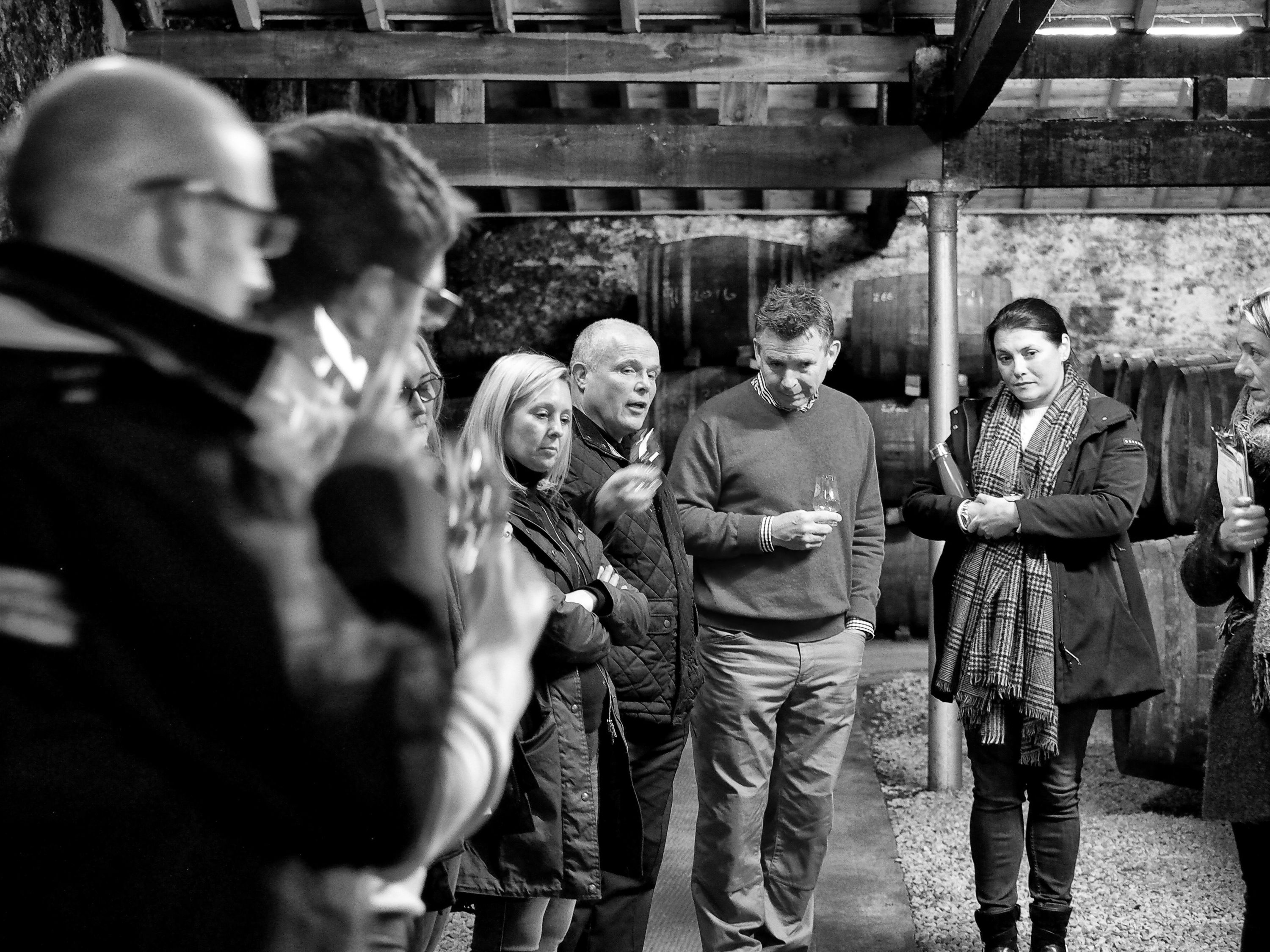
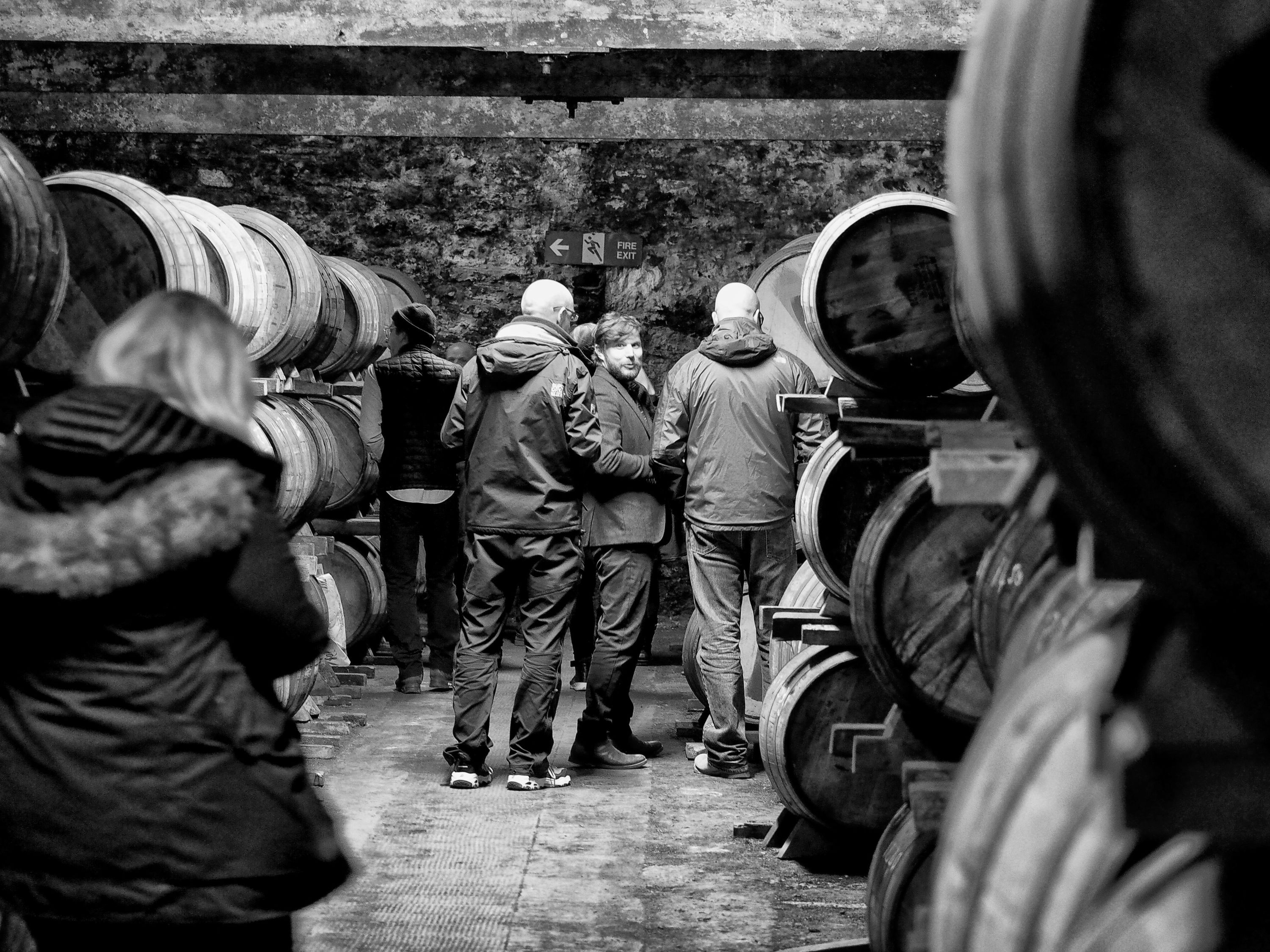
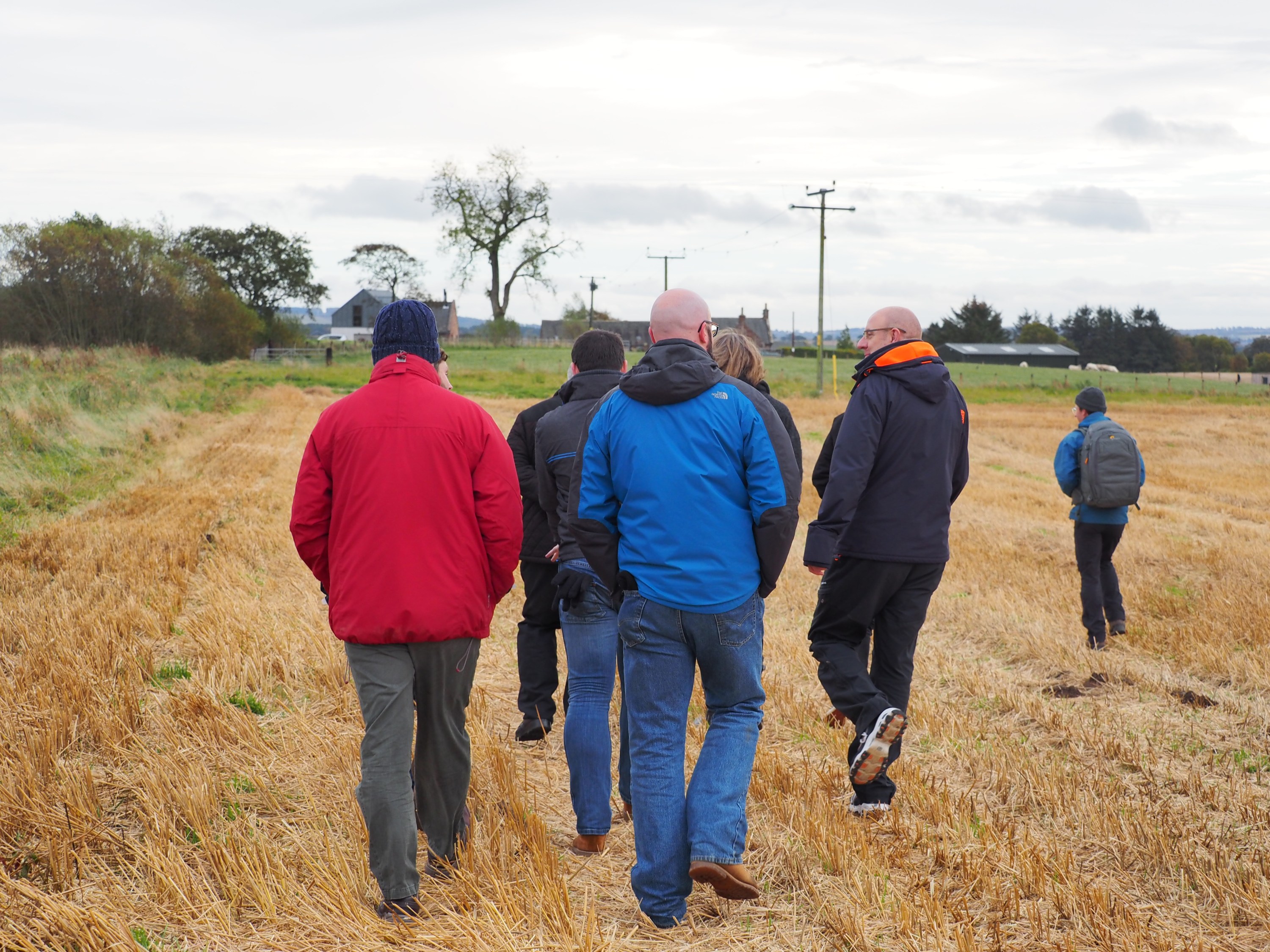
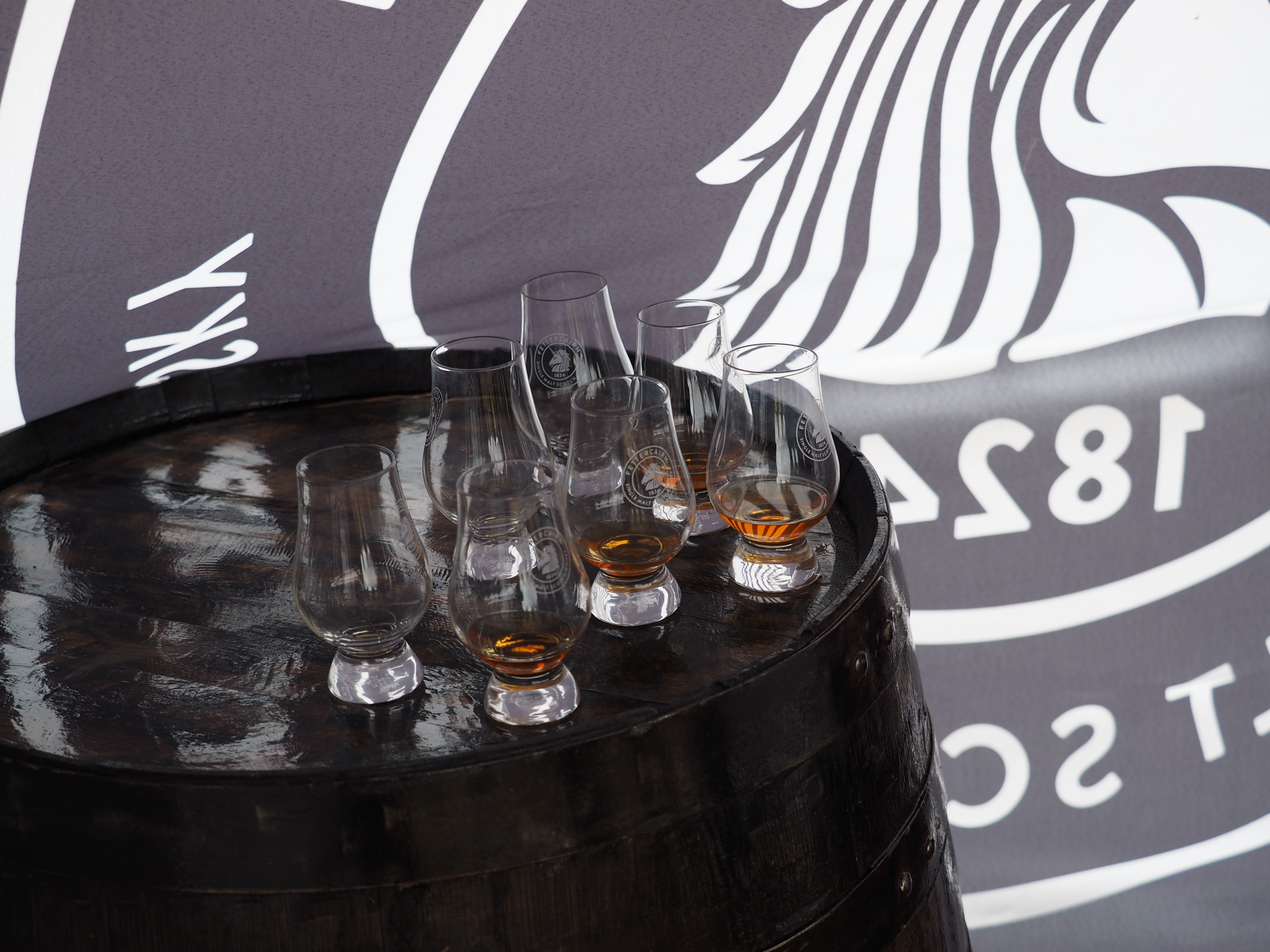
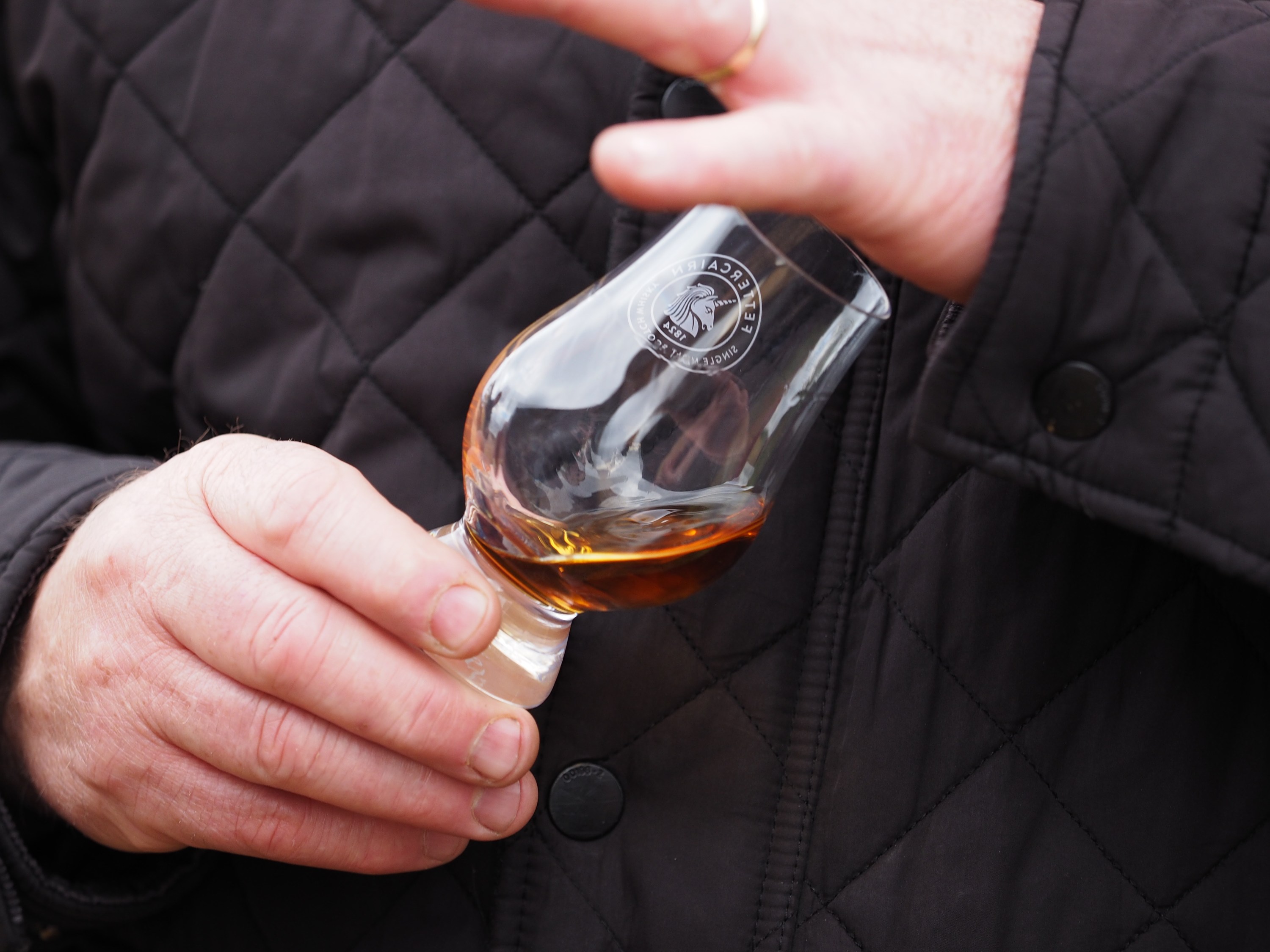
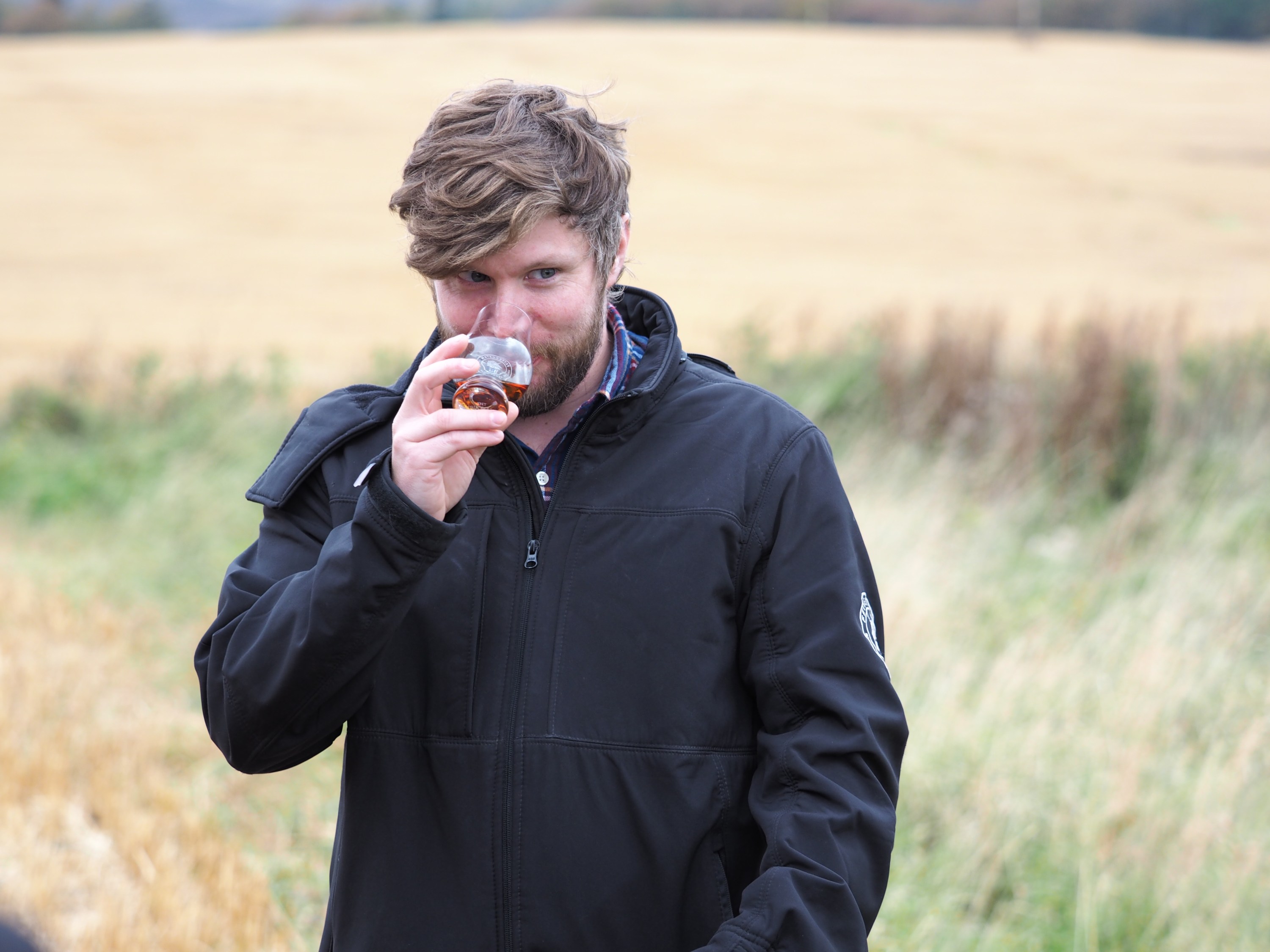
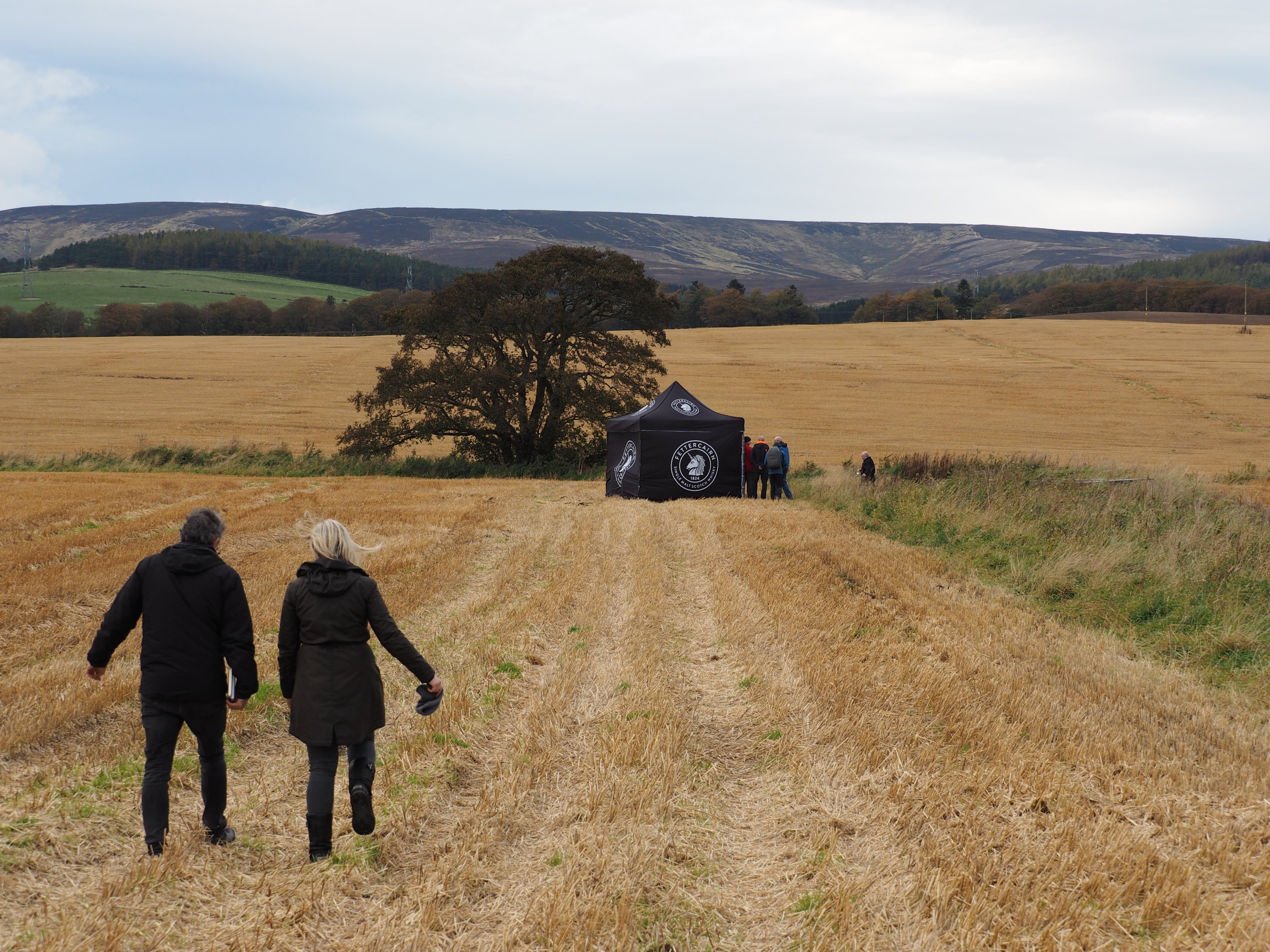
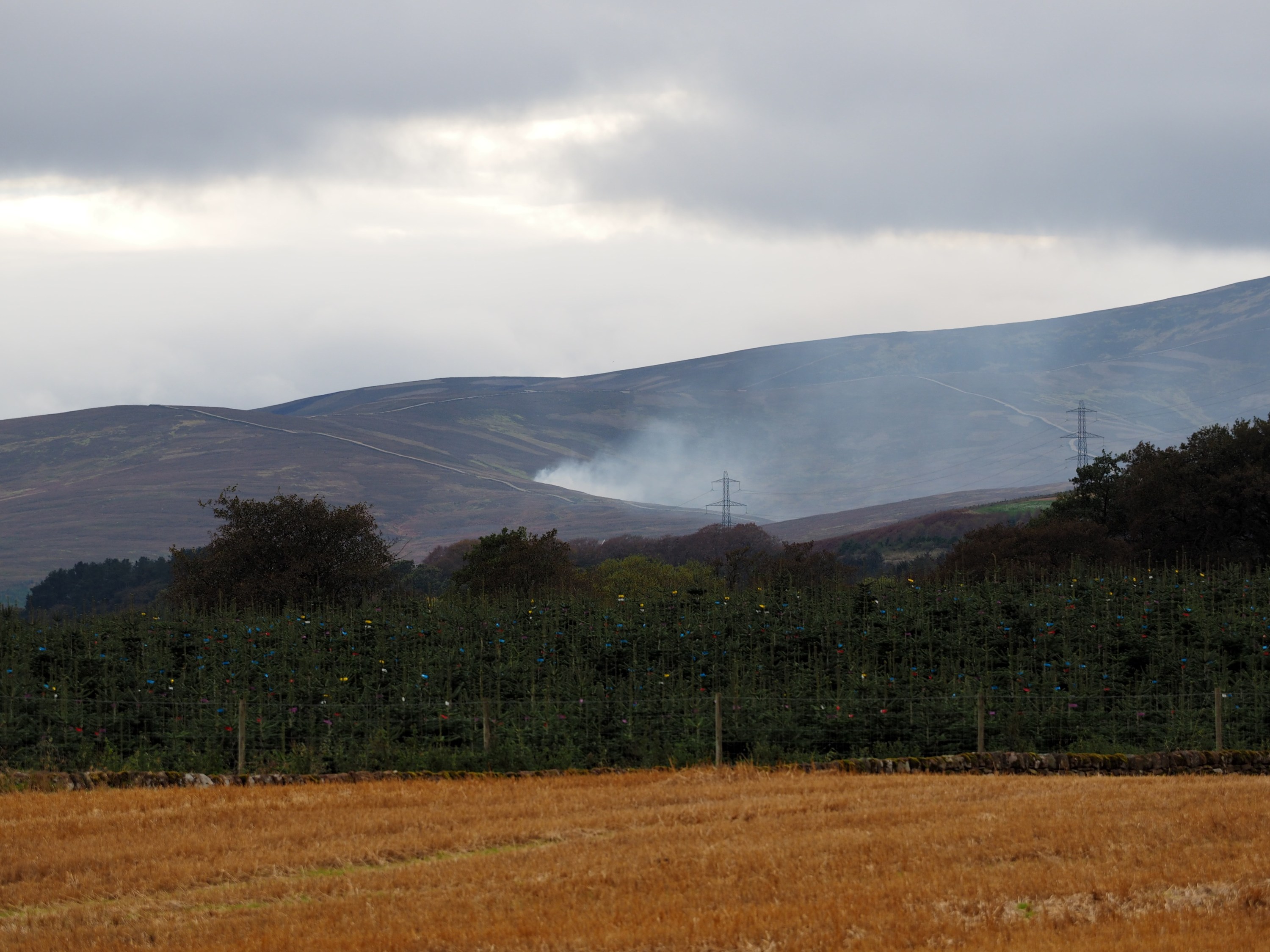
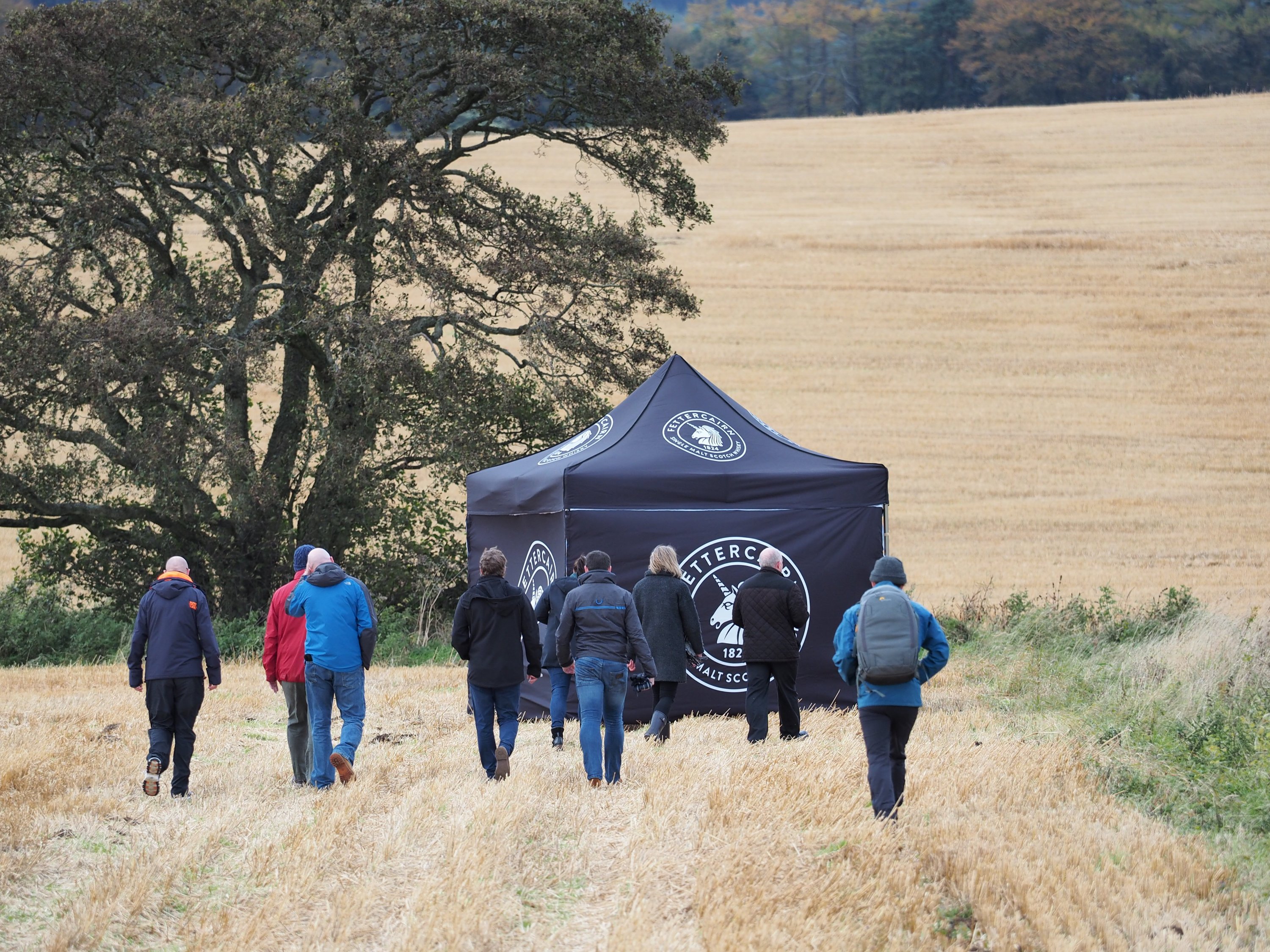
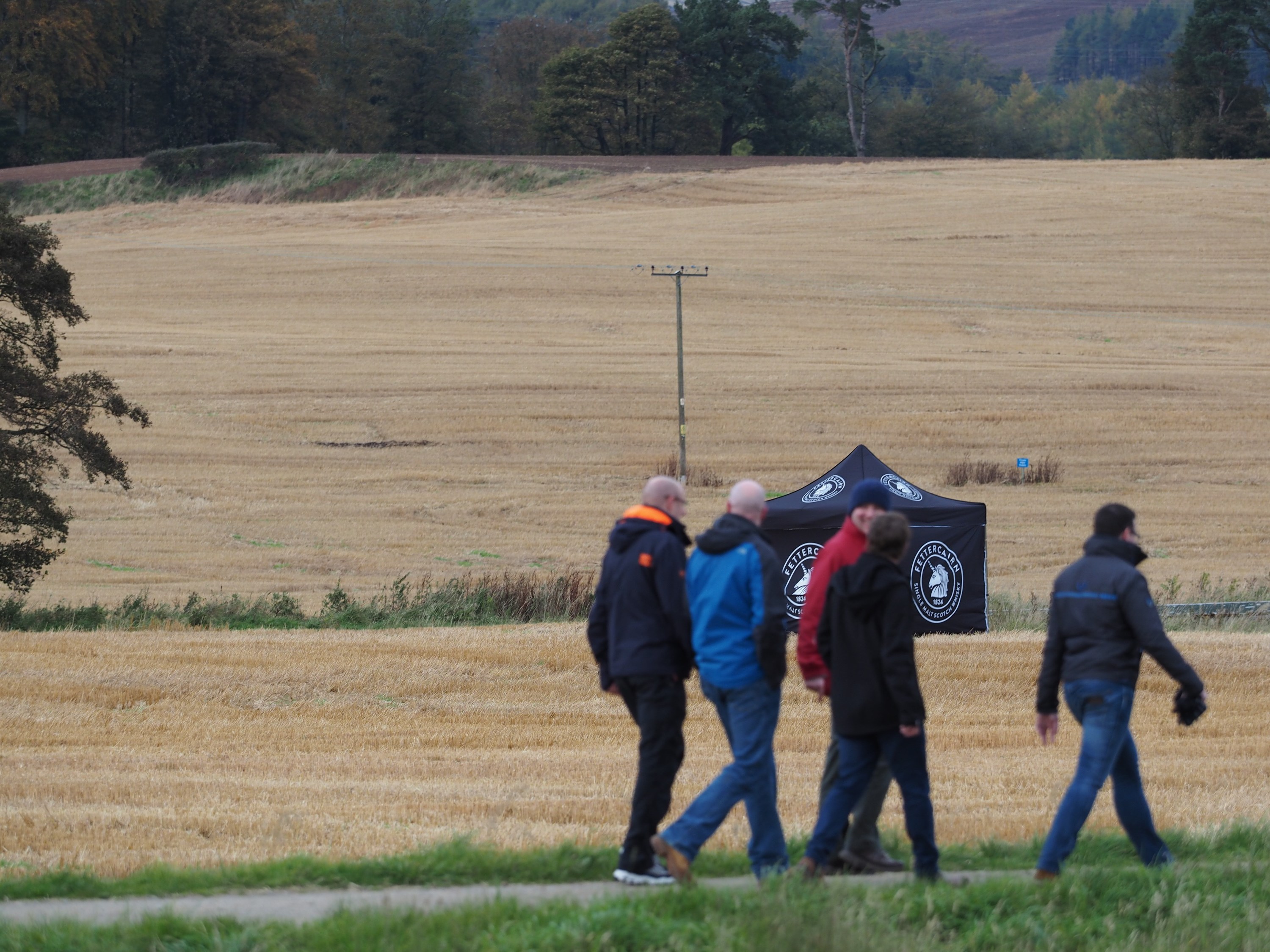
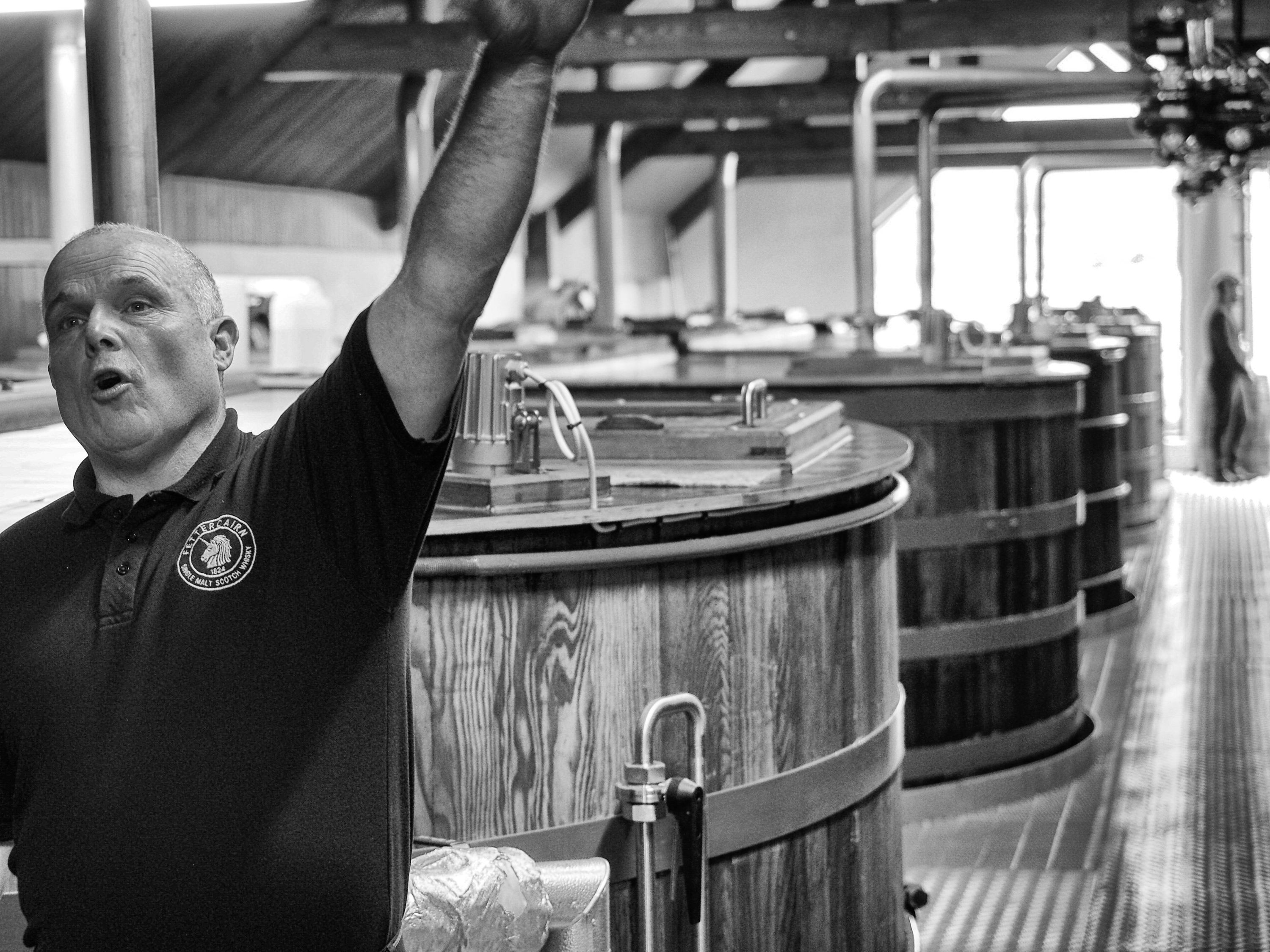
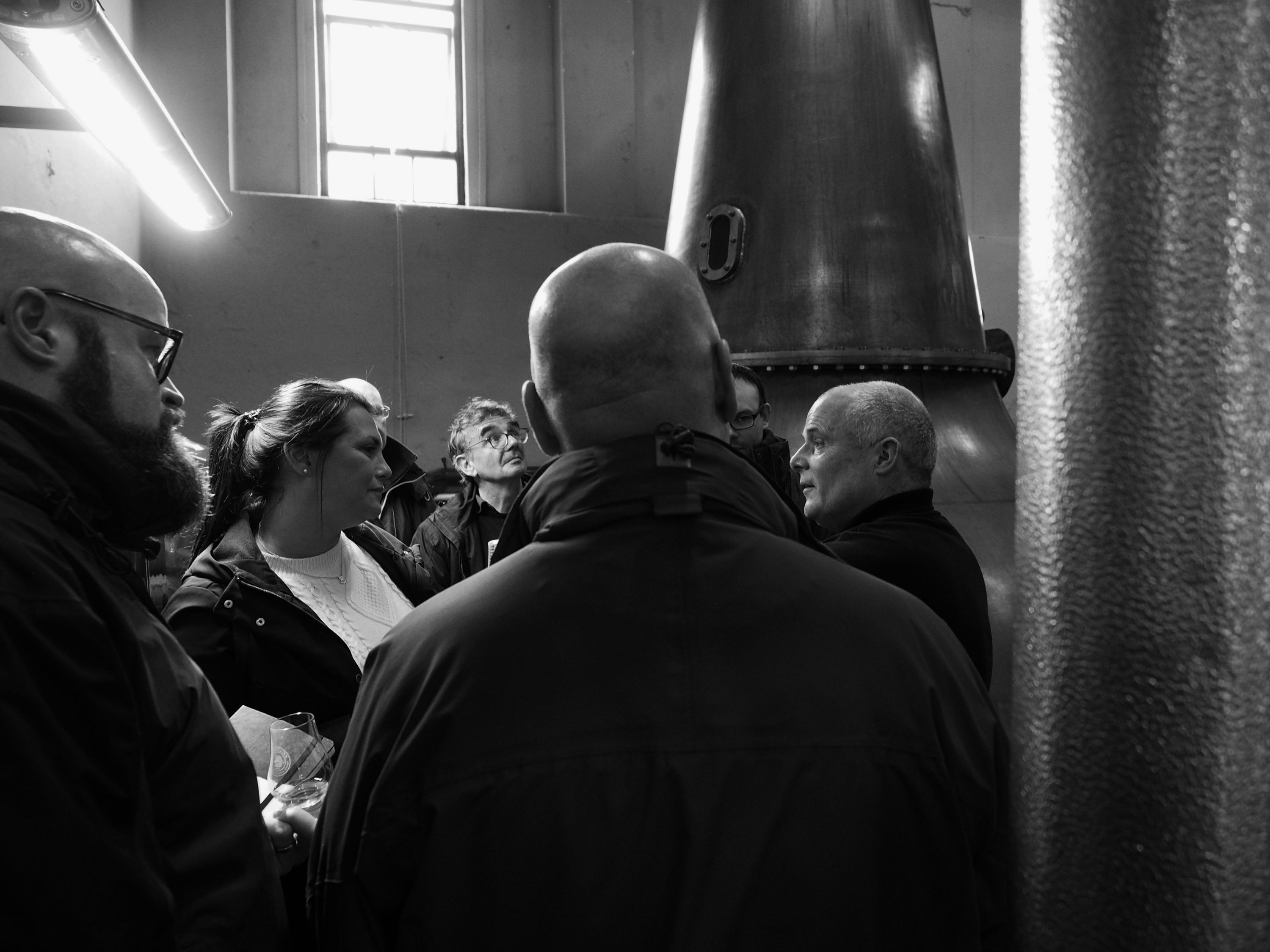
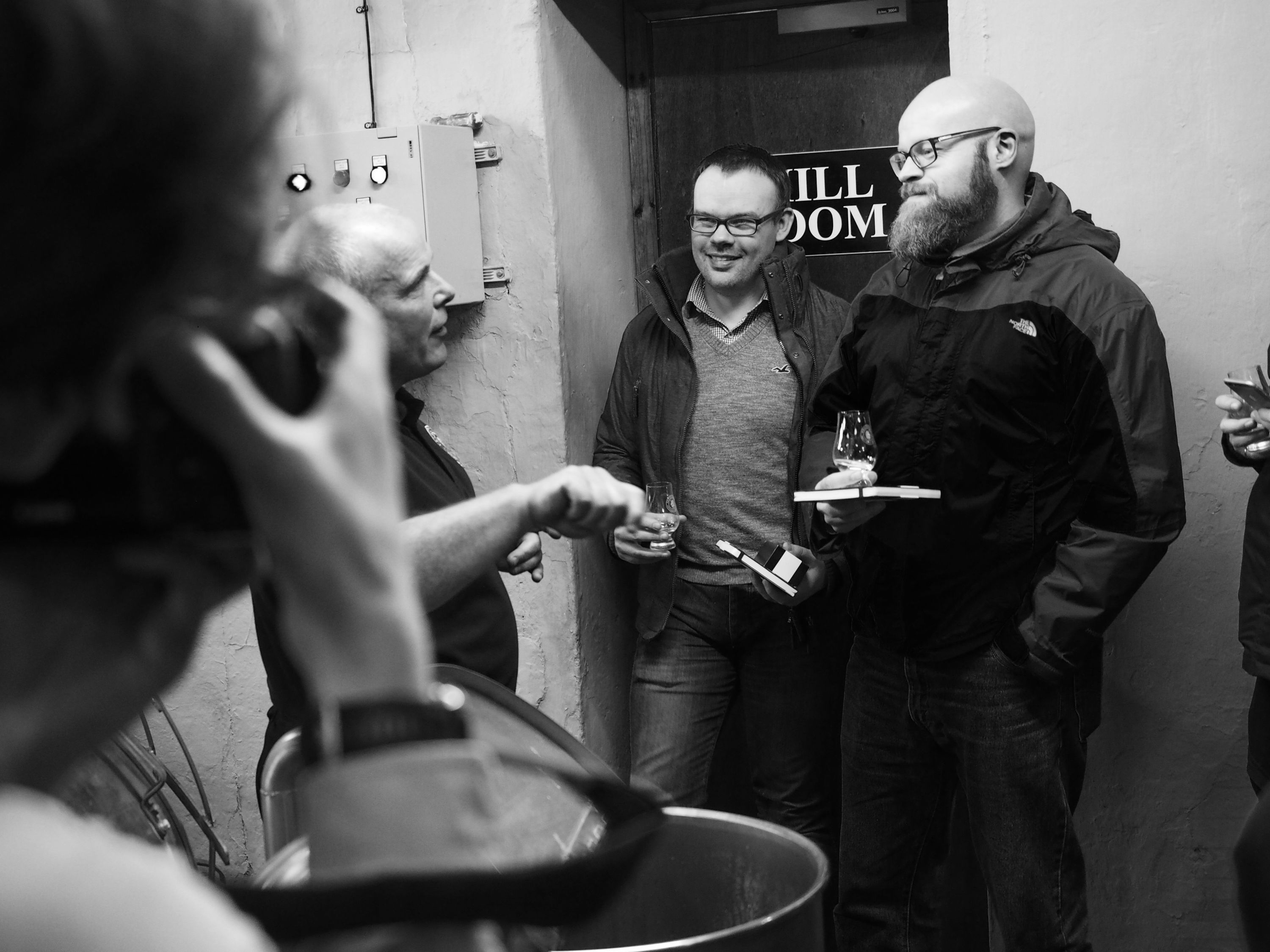
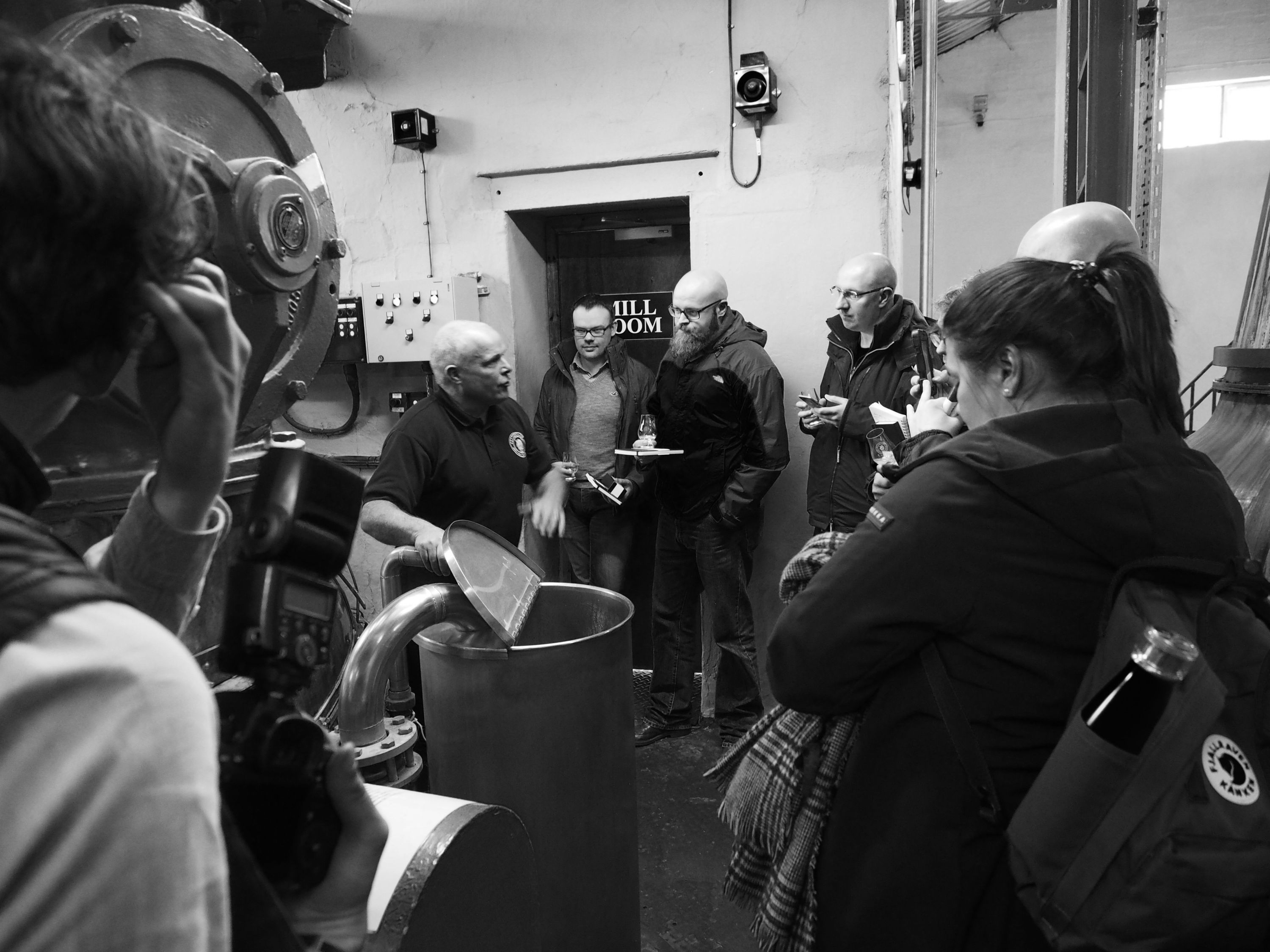
After that we had a tour of the distillery itself with Stewart Walker. We strolled up the fields to visit the water source, had a ramble around the warehouse and tried some magnificent drams, and got to pick up some quality lore. One cask was bought decades ago by a Japanese couple with a view to opening it on their 40th wedding anniversary. They divorced on their 38th. The cask still sits there, now destined for their kids. Life comes at you fast, but in whiskey, it comes at you slow.
In the afternoon we had a talk from David Farquhar of IGS Vertical Farm. It might seem like a random thing to happen on a drinks junket, but in many ways it isn’t – whisky is an agricultural product, after all. Farquhar talked us through what Intelligent Growth Solutions do – they build vertical farms, effectively tray upon tray of crops all tended to by robots, all with a unique digitally monitored ecosystem guided by the gloriously dystopian sounding ‘weather recipe’. Obviously the first question asked was – does this work for barley? My inner luddite was delighted to learn that no, it does not – it works primarily for physically smaller crops. It’s an interesting concept when you consider the debates around terroir – will crops from these floating farms have less soul than those from the soil? Maybe, but if you’re starving to death, you won’t really give a fuck about what soil types it grew in.
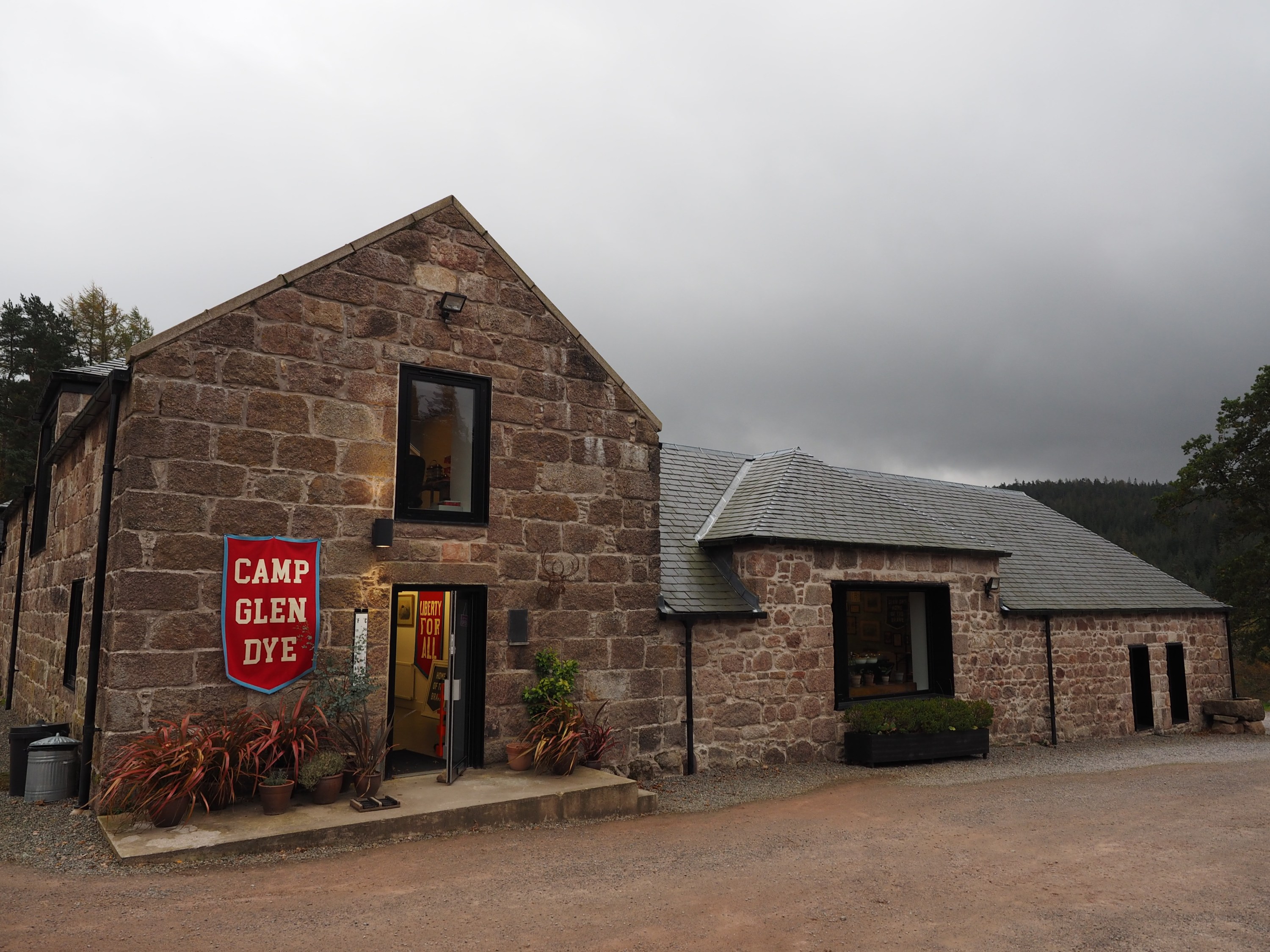
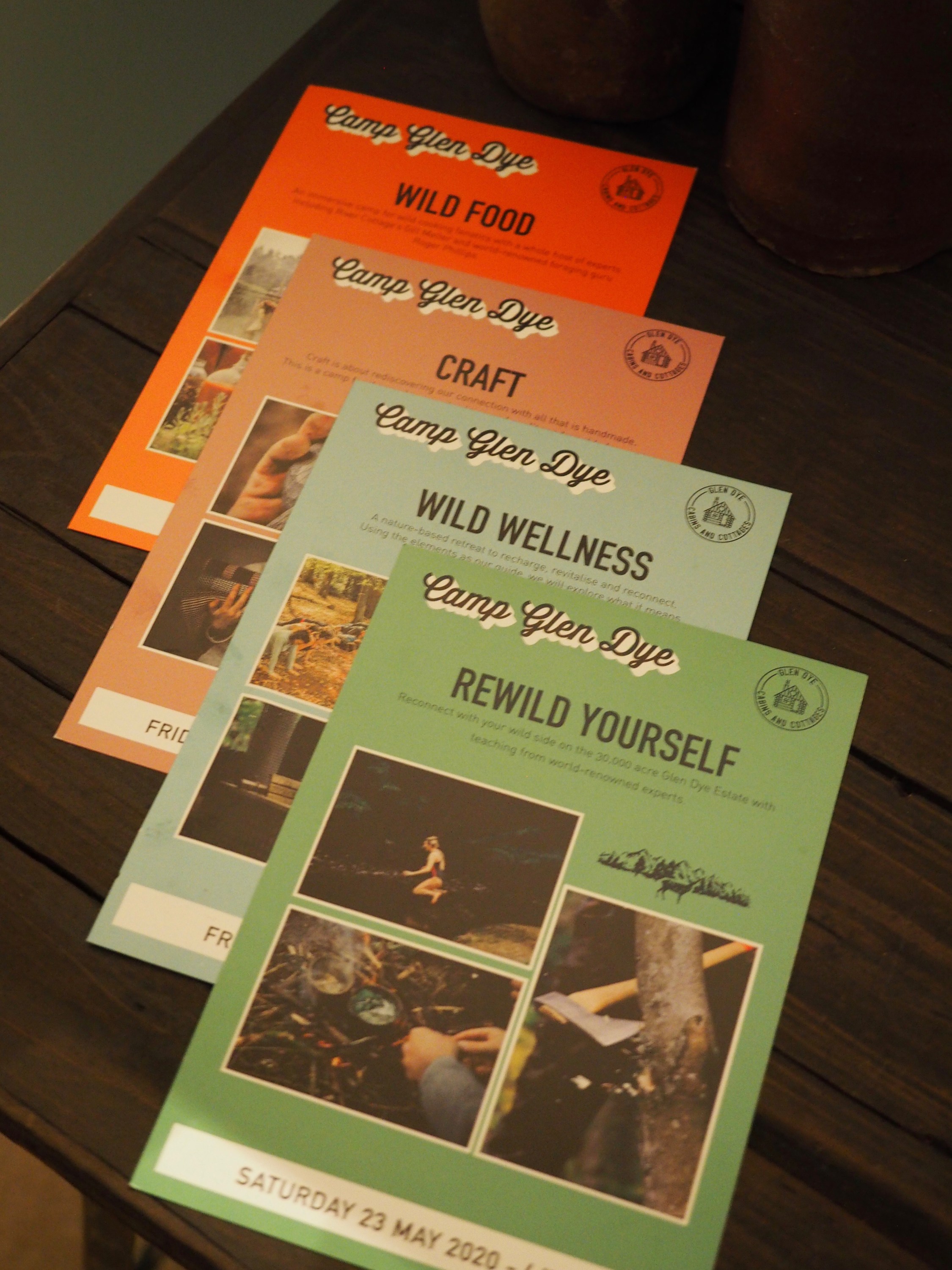
Then we were off to Glen Dye, a series of beautiful old stone cottages which are run as holiday homes by descendants of the Gladstones. There we dined some more, drank some more, and at some point I collapsed into bed, for the following day we were to earn our keep.
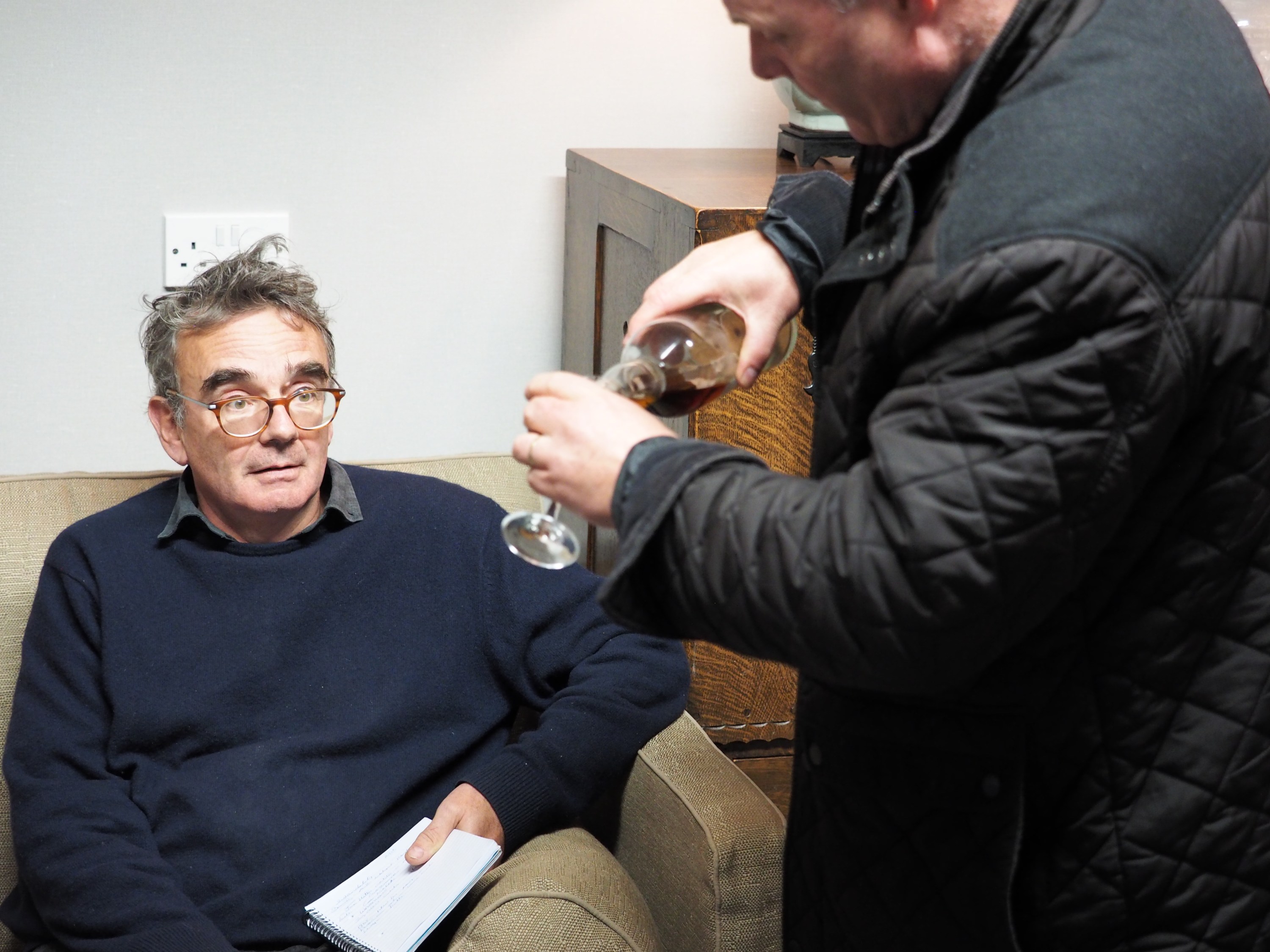
What made this trip interesting was that the brand, whilst fully formed, is still in a relative infancy, so it was a rare treat to take part in a focus group. We were talked through plans for the brand, for bottlings within that 12-20 gap, and just terms and phrases within the industry – is small batch meaningless, how rare is rare, that sort of thing. I just sat there quietly, as I genuinely don’t know much about whisky, especially compared to the folks in that room – I am Jedward to their Schoenberg.
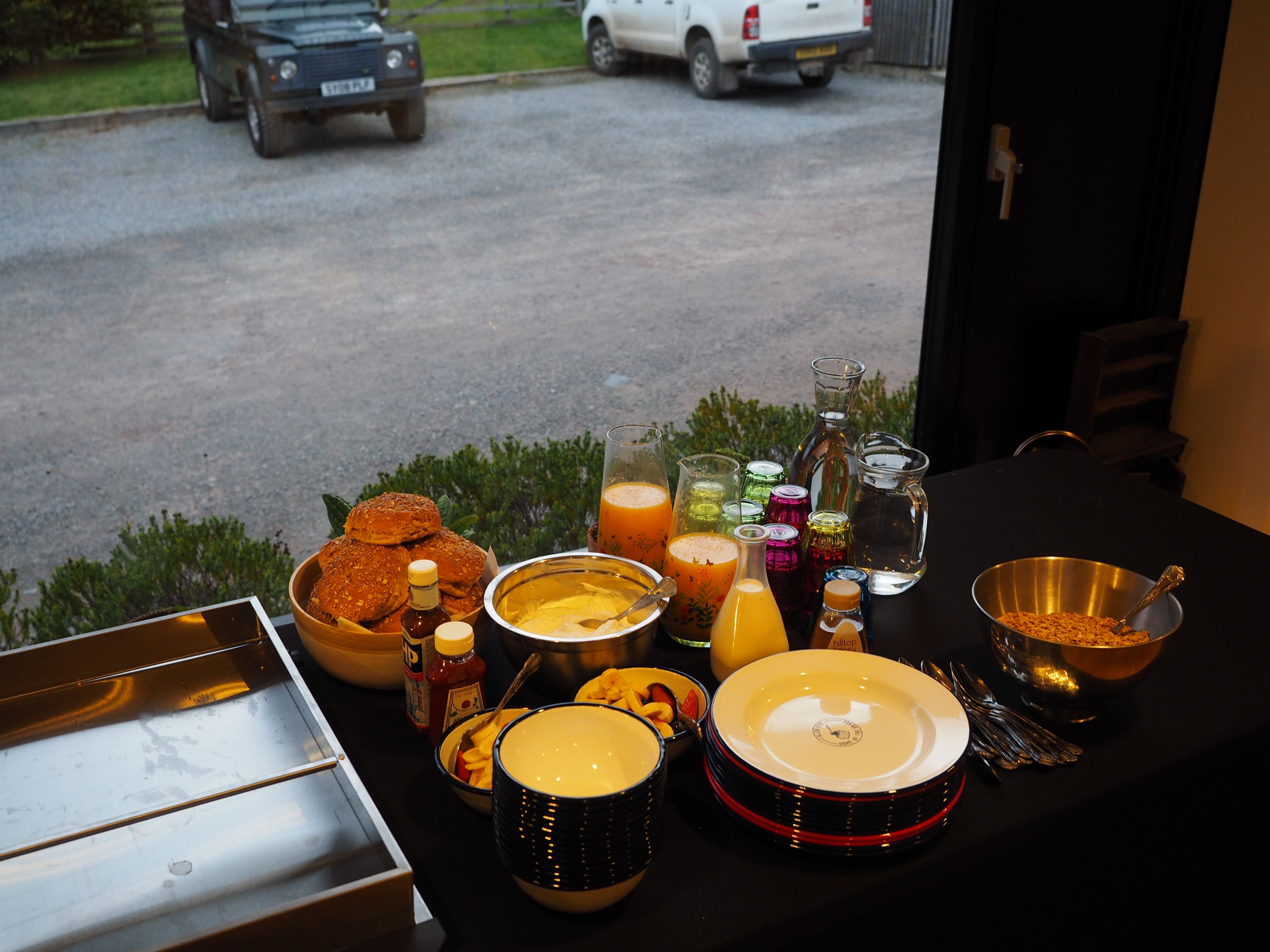
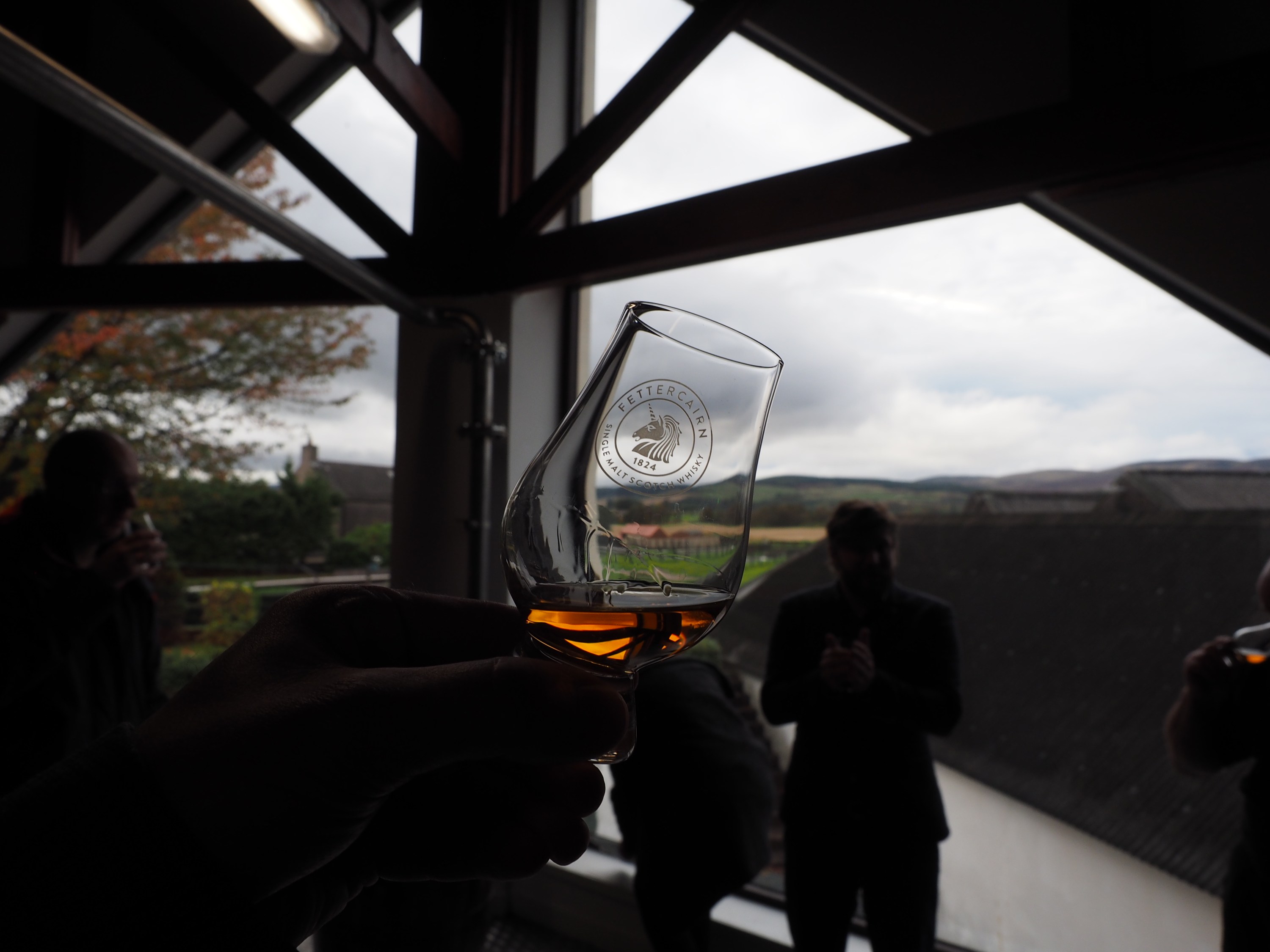
After that it was more amazing food, and off to the airport. It was a whirlwind 36 hours, but one that I have thought of often in the last few weeks as isolation and quarantine took hold. As an Irish whiskey lover, one my takehomes from the trip (apart from an insanely generous swagbag) was this: There are distilleries like Fettercairn all over Scotland, with mountains of excellent mature stock, so many that they sometimes struggle to find their voice in the market, a spot on the supermarket shelf or a place in our hearts. Irish whiskey has a long way to go to catch up; the power of the industry, the ability to hire PR firms, marketing experts, specialists in whisky comms and branding to help create these remarkable events, these remarkable identities for products. There is a massive industry in Scotland based around all this, and that is what we need to look towards – a fully functioning whisky ecosystem that creates and sustains jobs across the sector. In the meantime, feel free to live vicariously through these ten million photos I took:
When I tell people how much I spend on whiskey, they are horrified. You mean you can spend upwards of sixty euro on a bottle? they gasp. It usually leads to more questions – what is the most you would spend on a bottle, how much do you earn, what makes it so expensive? All great questions that I’m happy to answer – the most I would spend is about 120 euro; I earn somewhere around the 50k mark each year, and as for what makes good whiskey expensive, that is a heady brew of real-world elements – age, rarity, source – and more ephemeral ones – legacy, branding, prestige – all of which combine to create that most elusive of things; aura.
Super-premium is not a mode of production. It is a price category, and perhaps more importantly, it is a demographic, one which Irish whiskey has only just started to explore. Midleton Pearl was an early foray into the field in 2014, with a six grand price tag – a figure that seems modest when you consider what was coming next.
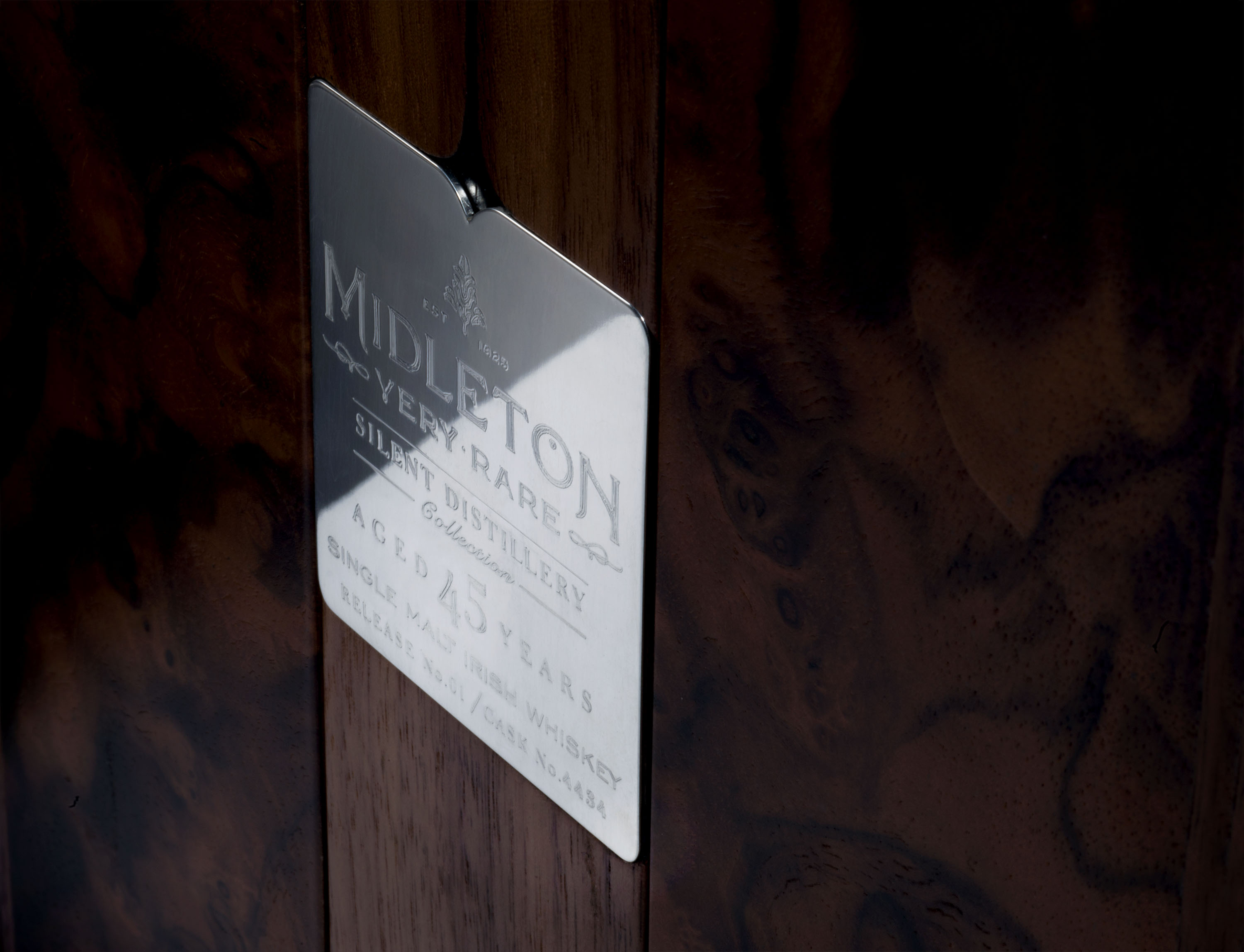
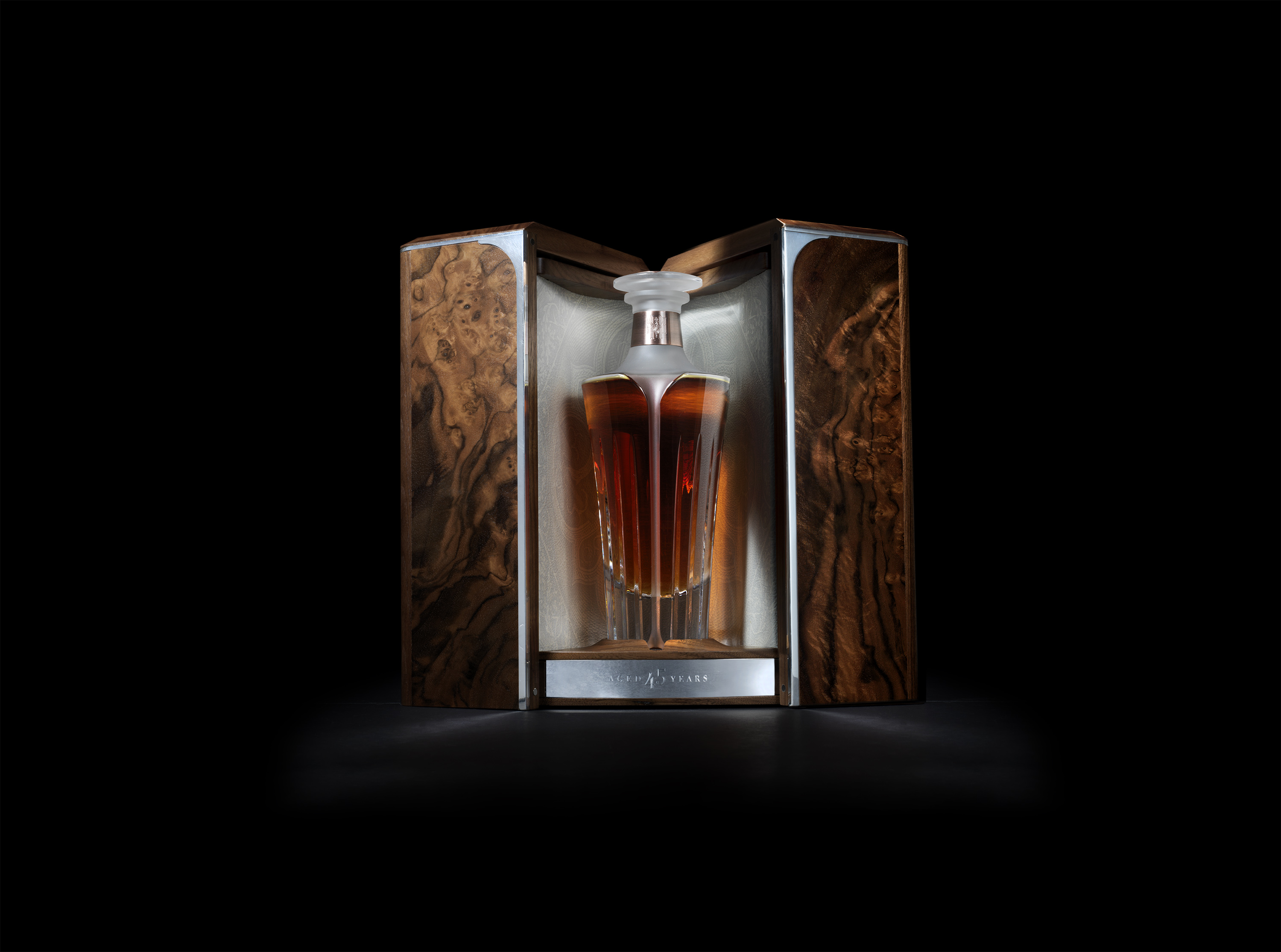
This has been eclipsed by Midleton Very Rare Silent Distillery Chapter One, which smashed into the sector this week with a price tag affonting heaven – 35,000 euro.
Midleton Very Rare introduce the oldest ever Irish whiskey collection, Midleton Very Rare Silent Distillery Collection. A new chapter for Irish luxury. pic.twitter.com/KDXQLaUWpL
The launch in London was a VIP affair and the press release and accompanying visuals were typically slick (and typically po-faced, given the brief), all striving to create the required aura.
A price tag like this may seem offensive to us mere mortals, but if you earn half a million a year and want to invest, or if you earn millions and want a treat, the price tag is not that outlandish. Yes, it’s obscene, but that’s capitalism, baby – my purchase of a Redbreast 21 for 180 would be seen by many as completely over the top, so it’s all a question of perspective.
As for the 35k tag, it doesn’t even come close to what the exclusive releases from the Macallan command; nor does it even qualify for this list of the top ten most expensive whiskies. The Scots have been doing super-premium for years, and doing it well – so why not us? And if Midleton are doing it, why not Bushmills?
And so to the liquid itself; John Wilson of the Irish Times has a review of it. It’s a nice bottle, a nice box, and I’ve no doubt it is a nice liquid. Not that this matters, because all anyone needs to know about this is the price. That is the defining factor.
The series opens with a peated single malt from old Midleton. It is worth remembering that there are other bottles of old Midleton out there which you can grab at auction for less than a grand, albeit none of it malt and none of it peated. In fact, this is the first official single malt from old or new Midleton (the Method & Madness one is distilled at Bushmills), and a peated one at that. So it is something of a unicorn. I have no doubt it will sell, because, as McGuane pointed out, we need this offering.
But back to MVRSDCO, and the salient points:
Six releases. The first is a 45-year-old Irish single malt. There will be one release annually until the year 2025, ranging in age from 45 to 50 years old, all from Old Midleton Distillery (1825-1975).
The last release will coincide with Old Midleton Distillery’s 200th birthday, while Chapter One will be the first official release from Old Midleton in 16 years.
Midleton Very Rare Silent Distillery Collection Chapter One is the only release in this collection that is a peated single malt – it has been in a third-fill sherry cask cask for 45 years.
RRP: €35,000 £32,000 $40,000; ABV 51.2%; 48 750ml bottles in Ireland, UK, France and US; two bottles will be sold via ballot system on The 1825 Room, the Midleton Very Rare online members’ programme. Whiskey lovers can register their interest to be entered into a lottery to purchase a bottle from 9pm on 18th February for one week.
You can say that the price is obscene. Many would say the money we, as whiskey lovers, regularly spend on a bottle is obscene. There are people out there who are immensely wealthy, and they want a drink that reflects their status. Super-premium has little to do with how it is made and much to do with how it is sold, and who it is sold to – and in this case, it’s not you, not me, and most likely not anyone we know.
So, in summary – capitalism is bad, whiskey is good, and time is the only commodity of any value.
Carol Quinn is incredibly pragmatic – a couple of years ago during a chat about the lost distilleries of Cork, I lamented that they were knocked to make way for roads and duplexes and various other developments. Carol – IDL’s archivist – pointed out that unless buildings are being used, they no longer serve a purpose. I feel the same way about brands – which awkwardly brings me to the latest Powers rebrand. It seems like only a short while ago that Powers was reborn with a new, more modern label (it’s a little over four years) and here we are again with another, considerably less subtle makeover. I’m going to let the press release do some of the explaining here:
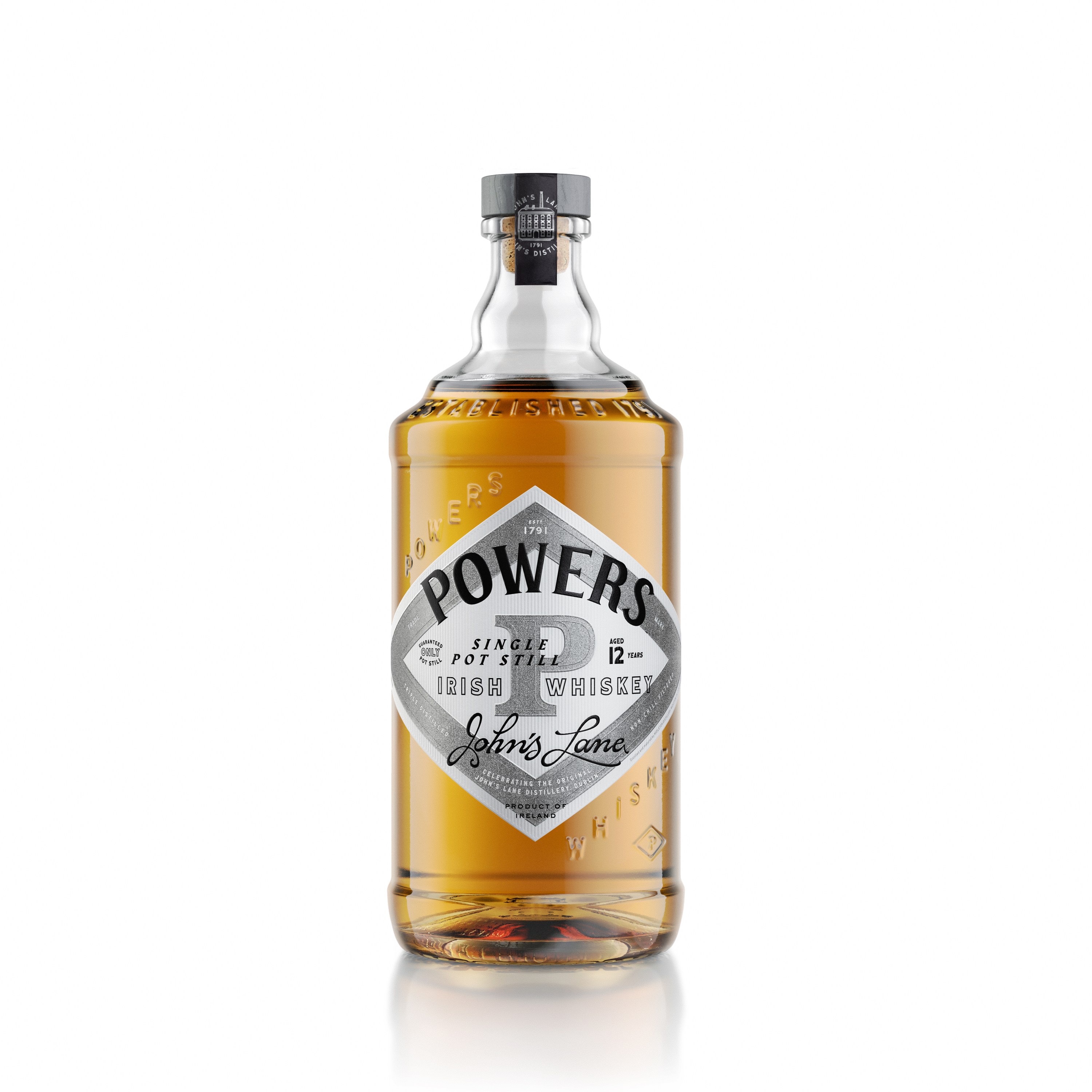
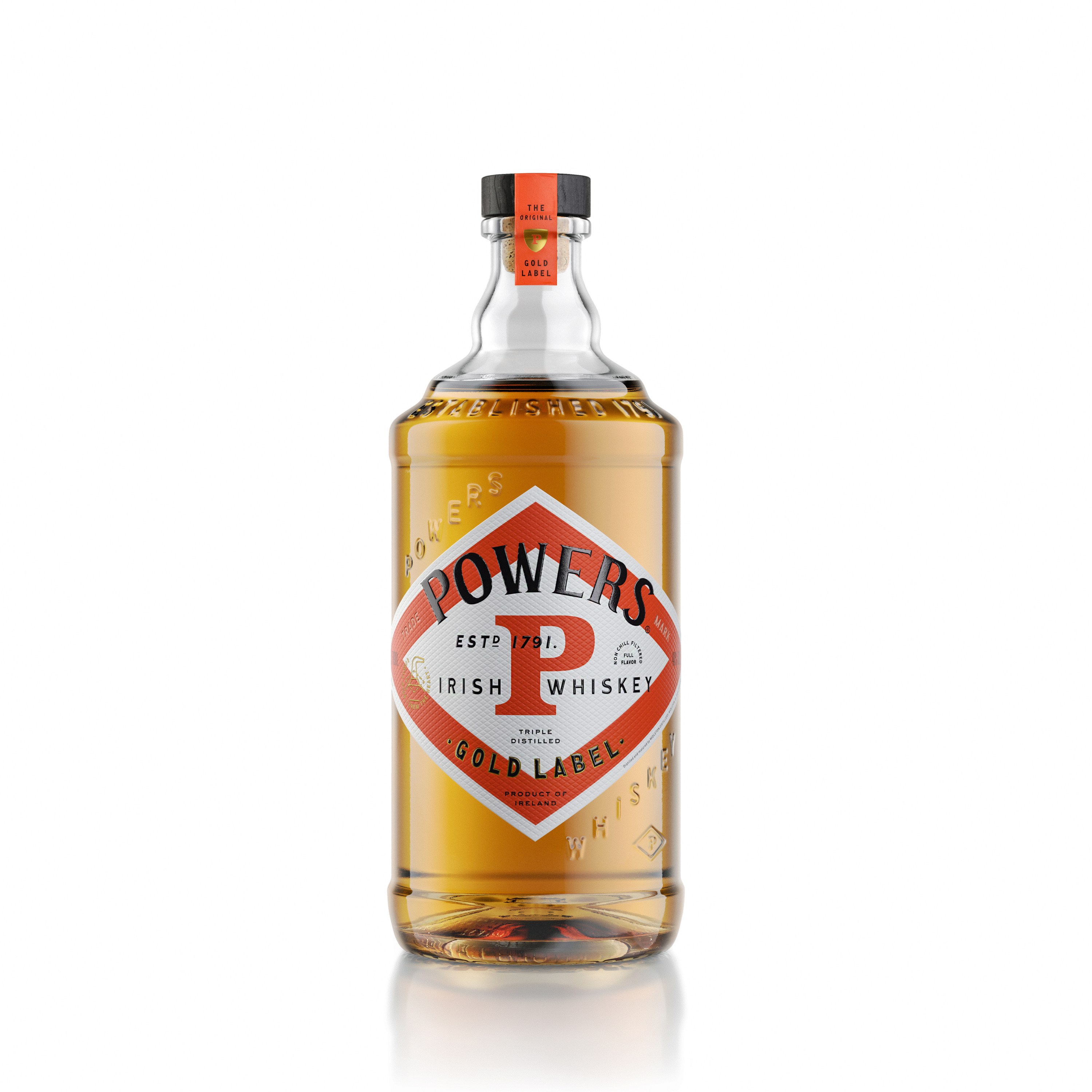
Powers Irish Whiskey, which is made by Irish Distillers in Midleton Distillery, has unveiled a bold new bottle design for its range of premium Irish whiskeys. Debuting on core expression Powers Gold Label in the USA from March 2020, the dynamic new look is set to attract a new generation of drinkers to one of Ireland’s most loved whiskey brands.
The design features a new bottle shape which has been inspired by the distinctive pot still silhouette from the brand’s historical home at John’s Lane Distillery. Another striking aspect of the new design is the label which is styled on the iconic Powers ‘diamond P’ – one of the first ever trademarks registered in Ireland and a link to the legacy of Powers and Irish whiskey history all over Ireland. Each whiskey in the Powers range is presented with a label in a different colour to bring to life its unique story; Powers Gold Label in red, an homage to the original red Powers diamond marque; Powers Three Swallow in blue, a nod to the feathers of the graceful bird; and Powers John’s Lane Release in metallic ink, to reflect the industrial innovation that the Powers family demonstrated at the original distillery established in 1791 on John’s Lane, Dublin.
Carol Quinn, Archivist at Irish Distillers explains, “Powers sense of identity has always focused on the diamond P; that became very clear to me as I worked my way through the historical archive. The diamond P was everywhere; on the casks, stationary, on bills and receipts, emblazoned on everything that left the distillery, and notably on the wonderful Powers mirrors that still hang in Ireland’s pubs today. Workers at the old John’s Lane distillery even took to wearing a diamond P pin on their lapel, such was their pride to be part of the Powers family. For me it’s wonderful to see the diamond P front and centre on this new label, symbolising all the history of this great whiskey since 1791.”
Following the launch of the new-look Powers Gold Label in March 2020, the new design will be introduced across Powers Three Swallow and Powers John’s Lane from mid-2020 in the USA and the rest of the world from late-2020. In Ireland, Powers Three Swallow and Powers John’s Lane will be released in March 2020, with Powers Gold Label to be reviewed in due course.
Conor McQuaid, Chairman and CEO of Irish Distillers commented: “Powers has been famous for its bold taste profile and character since the family distillery was established in 1791. We are excited to introduce this new look to the world and inspire a new generation with the unique history and personality of Powers. At Irish Distillers, we have pride in Powers as one of the world’s leading Irish whiskeys and we welcome this dynamic new chapter for the brand as we seek to continue the Irish whiskey renaissance around the world.”
New packaging for Powers Irish Whiskey underpins recent innovation for the brand as it seeks to reach and inspire whiskey drinkers including; the release of Powers Old Fashioned, the brand’s first ever pre-mixed classic cocktail; and the Powers Quarter; a collaboration between six Dublin bars to tell the story of Powers and its illustrious Dublin history.
IDL are looking for the next Jameson. They sold Paddy to Sazerac so that’s out, Redbreast and the Spots are too premium, and thus it falls to Powers. Powers has a more robust profile, far moreso than Jameson, which many of us here in the rebel county would describe as mockya. A bold liquid deserves a bold look. That said, I hope they keep the single casks in their current format – there are many collectors out there who will be hoping the same thing.
The new bottle is akin to the beautiful Chinnery Gin, while the labels are modern and fresh. The Gold Label may no longer have a gold label, and the John’s Lane release may look a little downgraded by its update, but overall, if this keeps Powers alive for another few decades, then it shall be worth it. All the heritage in the world is meaningless if clinging to it condemns a brand to death.
Sam Black says his firm’s logo has no real meaning. “It’s what the designer gave us,” he says bluntly when asked about the origins of the silhouette of a crow in flight. When pressed he admits that the image does conveniently tie his story together; he is the Black, while his wife’s maiden name was Crowley. It’s a far more fitting explanation – after all, without his wife Maud, there might not be a brewery.
Originally from the UK, Sam Black was travelling in Australia in 2001 when he met West Cork native Maud, an ortho theatre nurse. Sam, an engineer, always had an interest in brewing but it was the gift of a homebrewing set from his future wife one Valentine’s Day that made him rethink his career choices. Returning to live in Ireland in 2003, the brewing bug took hold and in 2013 they opened Blacks Brewery in the picturesque Cork seaside town of Kinsale. It was close to Maud’s home in Ahiohill near Clonakilty, while Sam – the son of a Scottish Baptist minister – had moved around a lot during his childhood and found it easy to settle almost anywhere.
The location was a smart one – as the southern start point of the Wild Atlantic Way, Kinsale has a steady tourist trade. Kinsale also harbours a thriving foodie culture, and their brewery was able to tap into both of these in its early days, when there were relatively few craft brewers in Ireland. The first few years were hard – there were no investors or backers, just their own money and determination. But it got off the ground at an ideal time as there were few competitors. In the last few years this has been reversed, with a wide array of craft brewers, as well as macro breweries pushing brands that ape small-scale operations but are not. But Blacks Brewery products are on all shelves – Tesco, Musgraves etc all carry their wares.
Then they started making poitín on a stainless steel iStill, but the rules changed, meaning you had to distill in a pot, column still or hybrid still. So they moved on to gin, and even made a spiced rum, which they make entirely in-house. But the time had come for whiskey.
Initially, Blacks released a sourced Cooley 12 year old whiskey, which they announced with zero guff:
We could have pretended that it was distilled here or even just matured here giving it some magical Kinsale provenance. We could have even created from a tale of some ancient Kinsale recipe or that it used ingredients foraged in Kinsale. But we would rather just be honest … It’s simple, it was distilled elsewhere.
They then used the whiskey casks they had after they bottled the sourced 12-year-old single malt to finish their rum in, and have since released Black Ops, a blend of malt and grain. They are currently waiting on stills – a 2,400 litre wash and 1,500 litre spirit still – from Frilli in Italy. The stills will be like Teelings’ ‘but smaller’ according to Sam. But even small stills are not cheap, so they are looking for funding through a cask programme.
There are two schools of thought on cask programmes – one, the average founders club price tag of anywhere between 5k and 7k is crazy, and not worth the money.
The second aspect to founders clubs is that they aren’t about investing in a cask, they are about investing in a dream – to feel like you are part of a distillery. This is what Dingle did so well with their Founding Fathers programme; members feel a sense of ownership. So for every person who buys one of those not-entirely-cheap casks, you have a brand ambassador who has your back. If you are looking for a financial return, whiskey probably isn’t the greatest way to get it, especially given the rate at which distilleries have been popping up here and a market that will be, if not flooded, then certainly well lubricated with whiskey casks in ten to 15 years’ time. So if you are going to pitch a founders club, make it a modest proposal, like Blacks:
We realise that many investors may not have ready funds to invest in this scheme and have developed a win- win scenario for people who still wish to be involved. We have partnered with Flexi-Fi Finance company with an exclusive offer. For example investors can take the package option for €6500 Bourbon cask. If you choose to invest this way you will of course have to pay interest on your loan from the finance company but you will still gain some cash if you exit via the Buy Back Scheme.
Package cost €6500. Total amount repayable with FlexiFi over 36 months is €7,493.12
Representative example Total Amount of Credit: €6,500 over 36 month term with 7.99% interest rate. €35 application fee, €3.50 monthly account fee. APR of 9.95%. Total Amount Payable: €7,493.12. The Buy back scheme offers a Guarantee min value via buy back scheme €7910 equal to a cash gain of €426.88.
The €426.88 is the minimum return via the buy back scheme you may also avail of any of the exit options available and maximise the potential of your investment in 5 years time.
Their stills are in the final phase of construction at the moment and are due on-site soon – once commissioned, maturation will take place at West Cork Distillers sprawling facility down the road in Skibbereen. Sam plans unusual mashbills and casks, and hopes to offer an array of releases, just as he did with his beers.
He is philosophical about the next stage: “We’re not trying to change the world, we just want to make products that people will enjoy and engage with, and stuff that we can enjoy and have fun with. We’re never going to hit Jameson levels of sales.”
We all have a journey to whiskey, but for some, it is a more winding path that guides us here. For Daithí O’Connell, sailor, pilot, and founder of WD O’Connell independent bottlers, the journey was geographical as well as spiritual.
The 40-year-old Carlow native started his career in hospitality aged just 15, working in a local hotel. Four years of that taught him that the 24/7 aspect of that was quite the burden – a 60 hour week commanded the princely sum of thirty púnts, with rent and other expenses on top of that – so he moved into the bar side of hospitality, focussing on the late bar and nightclub scene in McSorleys in Killarney. He then shifted to auctioneering, studying property management and valuation in the College Of Commerce in Cork city. He completed his studies, and found himself working in Mulligans in Cork city. Shortly after he went travelling in Australia, then moved to Denmark and worked in a concrete plant. Meanwhile, back in Ireland, the era known as the Celtic tiger was shifting into top gear – the owners of Mulligans, the Rebel Bar Group, were looking for someone to come on board as a partner in one location. O’Connell started back in Ireland with Oscar Madison’s in Kinsale, then Redz in Cork city, and then the Savoy nightclub, which he ran for four years during its heyday. In 2008, Ireland started to change – the Celtic Tiger was ailing and the economy was about to descend into a crushing recession. The Savoy hosted their last gig under his stewardship on New Year’s Eve 2008 and he moved to Australia with his partner 13 days later. Over the next four years his homeland would suffer the worst recession in the history of the state.
In Australia he trained to become a pilot, and was just shy of his commercial license when he moved to Hong Kong in 2010, where he was lured with the prospect of opening a bar with a group of Irish entrepreneurs. He spent five years there – running bars, setting up a boat hire business, and moving into prepay card systems (HK’s Octopus Card being a template). On the back of the latter business he relocated to Dubai, where his firm managed the payment systems for the Sevens, serving more than 150,000 punters across three days.
After building up that business he started looking for a new project, and whiskey was in his sights – 2012 saw the sale of Cooley to Beam and Dingle Distillery firing up the stills. By late 2015 he had a site sorted and was ready to sign contracts with distillers, still makers, maltsters and all the key components of the project. But the globe-trotting and relentless work took its toll. His marriage disintegrated, and he was forced to reassess everything he knew. He moved back to Ireland and shelved the distillery plan. Then came a succession of events – he met a half-Irish German girl named Alina and fell in love, they became parents, his father died after a short illness, and he turned 40. He started working as a consultant with firms looking to upscale, but whiskey was still on his mind. His partner encouraged him to take the risk and follow his passion. In April 2019, he quit his job and threw himself completely into becoming an independent whiskey bottler.
Bottlers are something of a rarity in Ireland – much of this had to do with the scarcity of distilleries. Bottlers need a diverse range – not just of whiskey styles and casks, but of sources. An indie bottler here over the last 20 years would be offering you the products of three distillers – Midleton, Bushmills and Cooley, and that was only if they were able to get access to stock from those three.
But in Scotland, indie bottlers are revered as being able to offer unique offerings from well-known, lesser-known and long-dead distilleries. In fact, indie bottlers are so important to Scotch whisky that the late, great whisky writer Michael Jackson said of bottlers Gordon & MacPhail that if it were not for this firm, single malts as we know them would not exist today.
It is in this mould that O’Connell sees his firm – to be the biggest indie bottler in Ireland by 2035. Working with support from Bord Bia he hired a creative agency to design his brand – with his love of flight and sailing, a compass rose forms a central part of the brand, while the rest is based around family.
Now all he needed was some stock, and this is where Dr John Teeling comes in. Dr Teeling was the original disruptor in Irish whiskey – at a time when Bushmills and Midleton were the only whiskey makers on the island, he opened his warehouses to buyers. He forced the other two giants to up their game and watch their corners, and is still doing the same with Great Northern Distillery.
O’Connell has something old and something new from Dr Teeling’s stable – a 17-year-old double-distilled Cooley single malt and a youthful, peated, triple-distilled GND single malt. The 17 was matured in first-fill bourbon for 17 years, then in Pedro Ximénez sherry casks, bottled at 46%, non-chill filtered and limited to 370 bottles. It is the first ‘PX series’ release, the beginning of a limited series of PX-finished single malt Irish whiskeys.
The GND single malt is a single cask of triple-distilled, peated single malt, matured in first-fill bourbon barrels and bottled at 47.5% ABV, non-chill filtered and limited to 306 bottles.
It is the first ‘Bill Phil’ release, the start of a series of triple distilled, peated single malt Irish whiskeys. The O’Connells hail from Mountcollins in west Limerick, a small village which has a surprisingly large number of people named O’Connell, so nicknames were required to distinguish between the different families; Dáithí’s ancestors were the Bill Phils, and they specialised in a type of turf-cutting implement named a sleán. Thus, a peated expression was the perfect way to celebrate this heritage.
So O’Connell has some stock, but an indie bottler needs more than Cooley or Great Northern to offer the punters. O’Connell’s model is a surprisingly new enterprise – there are many, many Irish whiskey brands out there which are effectively just indie bottlings – sourced whiskey released under another label. However, many are either released under the name of an as-yet unbuilt, partially built, or operational but sub-three years old distillery, or are bottlers without telling you that this is what they are. There is a paucity of brands who plainly state they are indie bottlers, who offer full info on the liquid within the bottle, where it came from, who distilled it, and how old it is. But bottlers are meant to be curators – they provide a vital piece of infrastructure in Scotland, and will be required to do the same here.
WD O’Connell Whiskey Merchants comes with a clarity and simplicity in its message – that they are going to source stock from distilleries and bottle it in small batches. The Bill Phil is a light gold liquid, with a bright, medicinal tang on the nose – light but succulent sweetness. On the palate – the youthful heat is balanced by sweet smoke, and for a barely legal dram it is incredibly smooth. O’Connell is quick to point out that the Bill Phil isn’t some smash and grab, where he releases a well-aged 17 and then throws out some firewater as a money spinner. Bill Phil was released because it is quality liquid – and because it shows the power of peat, something O’Connell is keen to explore. The PX is a counterpoint to Bill Phil – mature, deep, heavy with red fruits and dark chocolate. Both were released in tiny batches and are stocked in specialist outlets – Fox, Mulligan’s, Bradley’s – as these are specialist offerings.
Right now, O’Connell is a one-man show, chasing the highways and byways to get his product and his brand out there. Next year he is considering a March release for another Bill Phil, followed by an 18-year-old version of the PX in June, complimented by a small batch cask-strength edition. He is assembling casks from Irish distilleries, especially the smaller start-ups. Beyond that, he is envisioning a central hub, akin to Gordon & MacPhail’s Elgin headquarters, which would operate as a home for the brand. Settled for the moment on Waterford’s Copper Coast, he is still looking for the right place for a brand home. It may well be a long road ahead for Daithí or any indie bottlers – Gordon & MacPhail were founded 123 years ago, Cademhead’s 148 years, but O’Connell is looking to build something that will outlive and outlast him.
Ever the navigator, one of the reasons O’Connell loves the indie bottling model is because of the sense of adventure – finding new distilleries to source stock from, new worlds to explore, and a new chapter in his whiskey journey.
Salou looks like it was designed for the social media age – all wide boulevards, parrot-populated palm trees, mountainous horizons, historical buildings, and multicoloured, interactive fountains. Everywhere you look there are stunning foregrounds and backdrops for those Insta moments. Even as you walk along the coast to where Salou ends, there are platforms on the rocky outcrops for you to take those all-important selfies.
My sixteen year old was delighted – every day we would go for a stroll for her to source content for her social channels, and we weren’t the only ones – everywhere there people waving their phones, filming, snapping and posting. But while Salou had a few wannabe influencers waving selfie sticks, the surrounds of La Sagrada Familia in Barcelona was like a particularly chilling episode of Black Mirror – it was like social media had become a virus, transforming people who should be awed by the staggering beauty of the building into witless goons who just want to use it as a backdrop. We even saw one couple standing in the middle of the road in the face of oncoming traffic in their attempt to get the perfect angle on their shot.
Holidaying in Spain makes economic sense, as certain things are cheaper there than here; food, accomodation and medicine to name but three. This meant that I came home with 20 packs of Avamys sinus spray (11 euro over the counter there, thirty euro on prescription here) and some booze. Lots of booze, thanks to this gent on Twitter, who upon hearing I was going to Salou, informed me that the must-see spot in the area was not Gaudi’s beautiful architecture, or the stunning coastline, or even the colossal amusement park, but was in fact the local offie. And lo, so it was that I found myself on more than one occasion in the Wine Palace Salou, enjoying their air conditioning and their remarkable selection of spirits, meats, beers and friendly staff. They have very few Irish whiskeys, but to give an idea of the prices they charge, they had the WCD ten year old for 19.99. Why can’t we have this in Ireland, we cry! I have no idea, but I am generally of the belief that you can never understand a country’s economy without working there – then you get to see what is and is not working, and most importantly, how your taxes are collected and how they are being spent. The average industrial wage is higher in Ireland than it is in Spain, so life here costs more than it does there. As for alcohol, it is taxed at a high rate in Ireland, as the Drinks Industry Group of Ireland recently pointed out, noting that 25 EU member states pay less excise tax on Irish whiskey than Ireland:
A new Drinks Industry Group of Ireland report, Excise Tax Rates in Europe: How Ireland Compares in 2019, authored by Dublin City University economist Anthony Foley, shows that Ireland continues to have the second-highest overall excise tax on alcohol in the EU, the highest excise tax on wine, the second highest on beer, and the third highest on spirits.
Despite Ireland’s renown for the production of some of the world’s most popular drinks products, the Irish government levies a tax bill of €12 on a bottle of off-licence-bought Irish whiskey and 54 cents on a pint of Irish stout served at a pub, restaurant or hotel.
In terms of excise tax, Italian tourists pay four times less excise on a bottle of Irish whiskey in an Italian supermarket than they would if purchasing it for the Irish distillery that produced it.
In France and Germany, countries equally renowned for their drinks industries, excise tax rates on wine and beer are far lower. A shopper in France pays just three cents in excise on a bottle of Cabernet Sauvignon, while a patron at a German beerhall pays five cents in excise on every pint of lager.
It is a common theme – why come to Ireland to buy whiskey when it is cheaper back home? And therein lies a bigger question about Irish whiskey – why is it so expensive? Partly it is through strategy – it was framed as a premium product almost from day one, and those notions never went away. Smooth, triple distilled, luxuriant. But high taxation domestically ought to be of little concern to producers when the vast majority of it is being sold in export markets and thus beyond paddy taxman’s reach. Just look at the stampede into the sector – surely they aren’t all terrible accountants who grossly misread the Irish tax code? Clearly there is profit to be made.
Taxes on drink here are high and sales of drink are high, and even though those sales are falling, the cost to society and public health from abuse of alcohol has also been high. In fact, the WHO recommend high taxes as a way of negating the ill effects of abuse.
Alcohol deserves a high price because it deserves our respect. Neither should alcohol be seen as a basic human right – perhaps we should reframe our thinking on it and see it, not as one of the central struts of Irish identity, but as a decadent, occasional pleasure. Personally, I cannot imagine my life without it, but I have to accept that no matter how I try to rebrand that, it is still a drug and my love for it makes me an addict, albeit an incredibly pretentious one.
In Salou I bought two Spanish brandies, then when I came home I ordered another, and my general take on the products is that they are excellent – incredible liquid, exceptional value and a welcome counterpoint to my whisky obsession. Sometimes you just need to recalibrate those taste buds by diving into another spirit altogether. I still love whisky, but even your mouth needs a holiday from time to time. But the bottles I bought were not just Spanish brandies, they were Catalonioan – like any sophisticated pisshead, I like to imbibe some local gatts on my hollibobs. If you want to know more about these brandies, there is an excellent piece here by Joe Micallef which goes into how they are made. Micallef is the chap who wrote of the Irish government’s ‘schizophrenic’ attitude to alcohol in Forbes, an article appeared to earn him some favour with the IWA parent group Drinks Ireland, who hosted him in Dublin a few months later.
It’s worth pointing out that A) using the term ‘schizophrenic’ with such negative connotations, utterly unrelated to any discussion of mental health, is generally to be avoided, and B) governments have always struggled with the dilemma of massive tax gains from the sale of alcohol, and the enormous cost to public health, law and order and society at large from the abuse of it. All nation states struggle to balance this equation – Soggy Sweat’s If By Whiskey still captures the essence of the dichotomy, many decades after he spoke those words.
So booze is cheaper in Catalonia. You know what else is cheaper? Human rights. The images from the marches in Barcelona do make for easy viewing; ludicrous jail sentences being handed down for ‘sedition’, ie, holding a referendum. It cuts to the bone of our approach to ‘cheap’ hols and ‘cheap’ booze – a price is always paid somewhere, and not by us.
Ireland is a progressive, wealthy country. I am happy to live here and to pay taxes here. Certainly there are ways that those taxes could be collected in a fairer manner – don’t treat tiny producers the same as massive transnationals – and spent more wisely – infrastructure, modernisation, etc – but generally I am ok with taxes as long as we don’t see riot police baton-charging citizens. I paid more than thirty thousand euro in taxes last year, this year will be slightly less than that, and I am happy to do it. I’ve lived a life of almost relentless privilege, but when I needed State support, it was there for me. That said, The Wine Palace does ship to Ireland.
“We’re all going on a summer holiday” was the cry in 218BC as Hannibal led his troops through a high alpine pass to attack Rome in what was the first recorded package holiday. Things have changed since then; instead of elephants we have airplanes, and instead of meagre rations of salted meat we have 15 kilo suitcases stuffed with clothes that we won’t be wearing, but the objective is still the same – cross Europe to get some sun, have some craic and perhaps level a European capital. But the key to Hannibal’s success is much the same then as now – prepare, prepare, prepare, and try to leave the under twos at home.
There are two options – the package and the self-book. We opted for package as we had to weigh up the intense hassle of trying to organise flights, transfers, accommodation and all the rest for the six of us, knowing full well that we would make a mess of it and end up Home Alone-ing one of the kids (bad) or one of us (good). You can save quite a bit of money by spending hours of your short life on Booking.com and Ryanair, but there is always the fear that you will book one bag too few, one child too few, or an apartment that is 400 nautical miles from the airport. The package deal is the path of least resistance, a hedonistic luxury, like clicking your fingers and being magicked away, along with much of your annual income. But if there is one thing I learned from going on holiday with four kids, it is that there is no cheap way to do it.
Travel light: Everyone overpacks, especially if you are on a package holiday where you are unlikely to get hit with fines for overweight bags. You think you will need a different ensemble for every night you are there, but once you are there you realise that actually you don’t really care if you wear the exact same outfit to the buffet every night, as many of the other residents are bedecked in vests and swim trunks, making you look like Coco Chanel by comparison. If you spill gazpacho on your shirt, either the hotel or its environs will have a launderette. This means you can also clean your clothes before going home, thus avoiding clogging your washing machine filter with sand and seashells. Save also on luggage weight and space by leaving the aspirational items, such as books and gym clothes, at home. If you are travelling with kids you won’t have time or exercise to read as you will be gazing, unblinking, into the paddling pool to make sure you know exactly who hit whose kid first.
Screentime: You may have some notions about forcing the kids through some sort of digital detox and leaving all their devices at home. We went the other way, making sure that we had every form of electronic entertainment fully charged and ready to go before we left home. You can say, well screen time is the opiate of the tiny masses, but when you have three boys aged four to eleven ruining dinner for you and everyone else in the resort, some sweet sweet opiates are just what is needed – get ‘em doped up on YouTube and stuffed with patatas fritas and you might actually be able to enjoy your food, as opposed to the panicked trolley dash along the buffet with a screaming child in tow.
Plan activities: We tried to go places every second day. A day trip to a city or nearby fishing village, and then a day off from being cultured when you can just sit by the pool and do nothing except damage your skin.
Unless you are going off grid, TripAdvisor will be able to point you in the direction of local sites of interest, so at least you can come home and say you got some sense of the region. If travelling with smallies, bring a stroller, or hire one out from the hotel. We did this for our corpulent four year old, which led to us shamefacedly breaking two of them trying to lug him around. But it was worth it, as being trapped by the pool for more than a day really starts to feel like you’re in a display in the reptile house of Dublin Zoo.
Try somewhere new: When we only had two kids we used to go to the same resort in Lanzarote year after year. The reasoning was that it made settling in easier, but it became a sun-baked Groundhog Day. If you are booking a package holiday, it is unlikely that you will be more than a few minutes walk from all the amenities you will need, but a new location means new things to see – there are only so many times you can experience the wonder of Timanfaya National Park before you start yearning for another volcanic eruption just to liven things up. Also, two weeks anywhere is too long. Nine or ten days is loads, seven is just short enough that you want more. No holiday should end with someone muttering that they can’t wait to get home, although there is a great joy in flopping into your own bed after two weeks of weird springs and noisy air con.
Don’t drink: This, clearly, is not for everyone. Until this year I had never been on a holiday where I did not drink – in fact, like a lot of holidaymakers, I consumed more drink than I would at home. On this trip I found myself asking – why? A holiday is meant to be a break from the norm, and my norm is having a drink. So I didn’t drink – I had more energy, more focus, and more money in my pocket. Granted, I then spent that money on ten bottles of spirits that pushed my luggage into the Heavy Bag sticker category, but I found the break far more pleasant for not drinking. My kids would probably say the same, which is the aim of family holidays – in many respects, I am just a tour rep for them, making sure they have a good time and that they don’t get burned, or lost, or bitten by a rabid cat. Our memories of the holiday are as clear as they can be, free from the haze of alcohol, and beyond the duty free and tatty clothes we lugged home, it is only the memories that last.


































 Triple Distilled Communications