• Scottish Fiction

    I have a thing for Scotland. I’m not sure where it came from, but my dad probably had a lot to do with it. He loved history, especially Irish and Scottish, and would often talk about the general injustices meted out to the Scots by our common enemy. He viewed Scotland as being another Ireland (but never saw Ireland as another Scotland) and fostered in me the improbable notion that there is an unspoken kinship between our people, some ancient celtic bloodline that bound us. In retrospect, I think at least some of his affinity for the Scots was their Not-Englishness – born in the early years of the Irish state to the children of Famine survivors, he was a product of his times. But he also just liked the Scots. It was as simple, pure, and utterly nonsensical as that; all natives of Scotland were deemed to be ‘good eggs’ by him. Dennis Nilsen, Ian Brady, Edward Longshanks, The Scunner Campbell – a great bunch of lads. 

    So I grew up with a fondness for Scotland that was firmly in place long before I first visited the country in the Nineties. I’ve eulogised Edinburgh on this blog many, many times, but my love for the city isn’t based on any real understanding of it. It’s a series of brief encounters with the place, spread over several decades. I show up, eat, drink, and be merry, then leave. The roadworks never bother me – although I would question why they appear to be taking longer than the completion of La Sagrada Familia but with less impressive results – and neither does the high cost of living. I’m just a tourist, there for a good time.

    So while I always jump in with a frighteningly enthusiastic ooooh I love Scotland any time the country gets mentioned, the fact is I know almost nothing of the place. In my mind I have a showreel of things I love about it – highlands, islands, castles – with a soundtrack by Idlewild, Twilight Sad, Mogwai, Glasvegas. Throw Ratcatcher, Braveheart, Local Hero into the pot too. It’s like a weird fetish. Even my rhapsodising about How Late It Was How Late or Edwin Morgan makes me sound like the banter boys from Chewin’ The Fat. The Scotland I love doesn’t exist anywhere outside my head. It’s a vague notion of a place built from books, films, TV, and occasional flaneurial sojourns to the country.

    My love of whisky has only made this condition worse, and has also turned me into something of a Quisling, crowing about the greatness of Scottish whisky whilst occasionally pouring scorn on our domestic product. But a healthy domestic whiskey scene is one that can take the hits, that can withstand scrutiny and is one which has nothing to hide, not least in terms of where the stuff is actually being made.

    This is Irish whiskey’s year zero. The old order, the great houses, the romantic icons and legends of yore are dead and gone, they are with with O’Leary in the grave. We had a rich prehistory of distilling, and then a long, sad decline. Much of the last century was spent trying to simply survive, with only Bushmills, Cooley and Midleton left to keep the flame lit. In that period, everything changed – a lot of our heritage and tradition was effectively forgotten, or lost. The past decade has seen a reversal of our fortunes (largely due, ironically enough, to one of the last great houses – Jameson) but for the vast majority of the Irish whiskey scene, there is little direct lineage back to the olden times. You can mourn the loss, or see this as an opportunity to start anew, unburdened of history. So we can build this as we go, and our friends across the water can be a blueprint on how to elevate whisky to the point where it is part of our identity. Whisky is Scotland’s national drink – they have an entire category that is synonymous with their country, and their people, whereas we only have one brand, one style, as our national drink – Guinness. 

    Anyone who has been on whisky trips will tell you just how ingrained in the culture whisky is in Scotland. This aura of whisky is captured in the documentary The Amber Light, which explores Scotland through the prism of their national drink and how it has permeated music, art, culture, and memory, with whisky writer Dave Broom as host, guide and subject. 
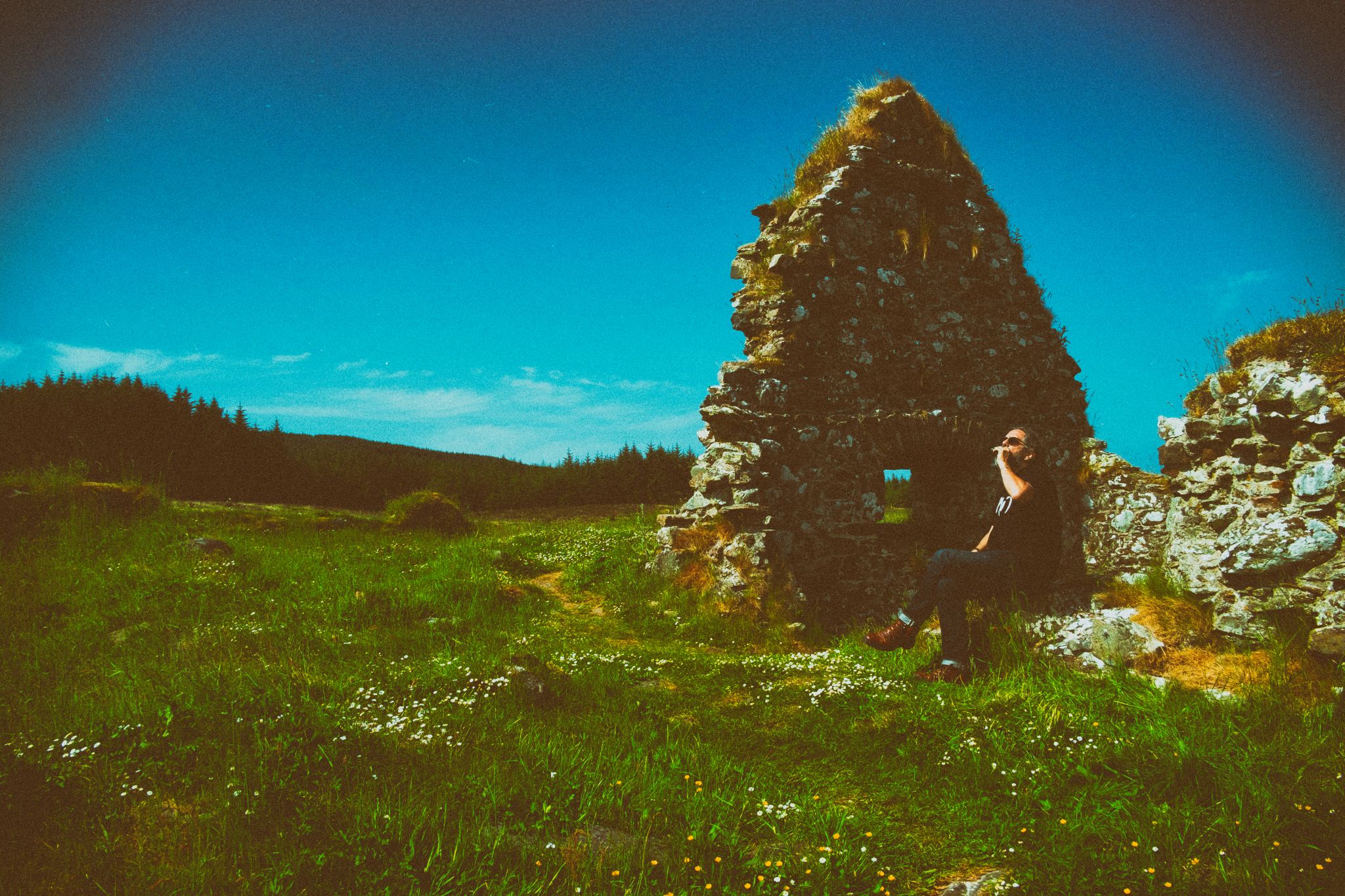
    Dave Broom in a still from The Amber Light.

    The director of The Amber Light is Adam Park, so as the film landed on Netflix this year, I thought I would ask how it came about, starting with his own history:  “I bounced around quite a lot as a kid but moved to Dublin from South Africa when I was 11 or so, and lived in the city until I was 22. Mostly hanging out and DJ-ing at clubs like the Funnel and Switch, heavily into music and making videos. Those are my two loves. So I moved to London to study film, started at the bottom and worked my way up, really.” 

    The making of The Amber Light was fuelled by crowdfunding, something which Park says was the plan from the beginning.

    “It served a number of functions; not just to raise cash but also to build an audience and act as a bit of marketing to get the word out. A sort of built-in PR story. As challenging as it was, I’d not entirely dissuade people from going down that route, depending on the project. 

    “Then the rest of the budget was pulled together from a few other sources, mostly private, and there’s the BFI tax credit for production which comes in once the film is finished to hopefully fill in some of the gaps. 

    “It’s not impossible to get funding, but yes it’s pretty hard. It’s very chicken-and-egg. There are pockets of money and it’s accessible with a combination of access, luck, experience and having the right project. It’s a little easier from country to country, some cultures place more importance on this kind of stuff than others, so it can become a political football.”

    And despite the well-documented difficulties in getting funding for film – or simply getting a film made – Park and his team did not want to take money from the whisky industry itself. 

    “We were very careful from the beginning not to take booze money, for editorial reasons. We tried very hard to ensure the film was brand agnostic, which I think we succeeded in. Obviously we couldn’t do it without mentioning the big whisky firms, but I’m happy with the balance we achieved.”

    So what lessons, if any, does Park think we could learn from the Scots on whisky, given that we are effectively at the start of our journey whereas the Scots are two centuries into theirs.  

    “I’m not entirely sure how much Ireland should learn from Scotch whisky, to be honest. If there is, it’s mostly a question of perspective. And I’m not sure I agree that Ireland is at the start of its journey. Jameson and Bushmills, for example – an interesting dichotomy there, that touches on so much of Irish history, even ignoring the sometimes odd mythology that has built up around it. 

    “I am no expert on process and the actual making of the spirit, but it strikes me that there’s as much richness in story in Ireland as there is in Scotland. Anywhere that has a strong cultural connection to spirits, like Mexico, Caribbean, Kentucky, it’s going to touch on all sorts of things because it’s been there so long, and it’s been bringing people together for so long, helping to build community and become part of the culture. 

    “There’s also so much that Ireland and Scotland share; not just whisk(e)y, but culturally, in language, music, and so on. Literature. Poetry. A love of self-flagellation. It is an interesting point that Ireland’s drink really is Guiness rather than stout, which maybe it should be. But that as in most things is down to clever branding people somewhere along the way. As ever, business decisions can be fundamental to success (though not always – Scotch has had ups and downs and circumstance can take a lot of credit for where they sit today), no more so than in Irish whiskey. And at the moment where the Scots got it right, the Irish didn’t, but are now going through a bit of a renaissance.” 

    There are a few films about whisky – documentaries which veer from the po-faced, hyper-reverential visual essays to Brigadoonesque, tartan-soaked sales pitches. Dramatic films usually only feature it as a flimsy narrative device that offers little to the true nerd. The Amber Light is a film on whisky as much as a film about whisky – it frames Scotland’s national drink as muse, as landscape, as sound. Is it an accurate portrayal? This I could not say – it feeds into my amber-tinted views of the Scotland I claim to know, but show it to an actual Scot and they may see a completely alien place. 

    The question it left me with was how long will it take before Ireland could make a similar film; how long before the words national drink bring to mind something other than a big black and white pint; how long until Irish whiskey has soaked down into art and literature in the same way it has in Scotland? And what will it take to achieve that? 
    The Amber Light is available on Netflix now

  • The Quiet Corner

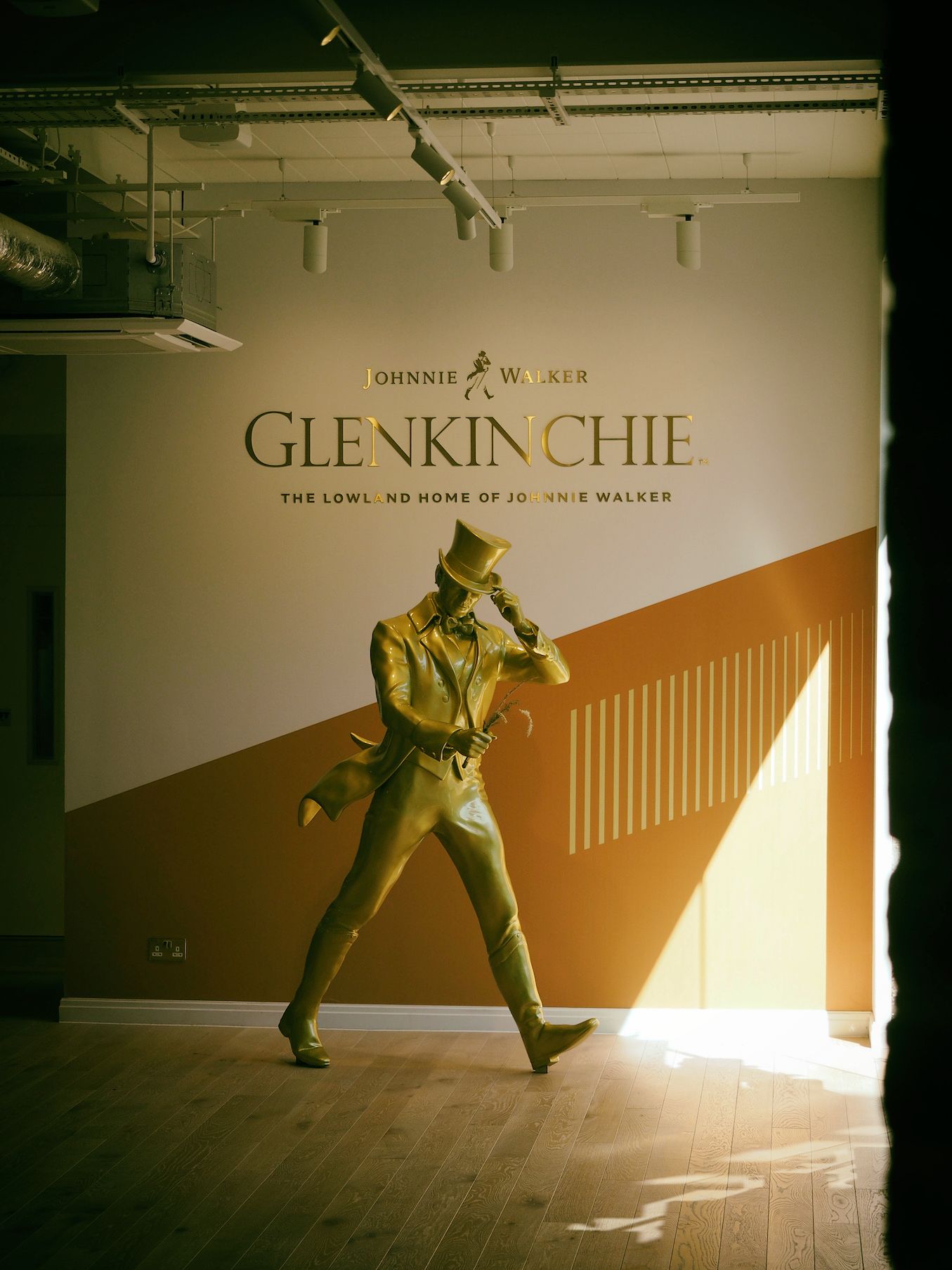
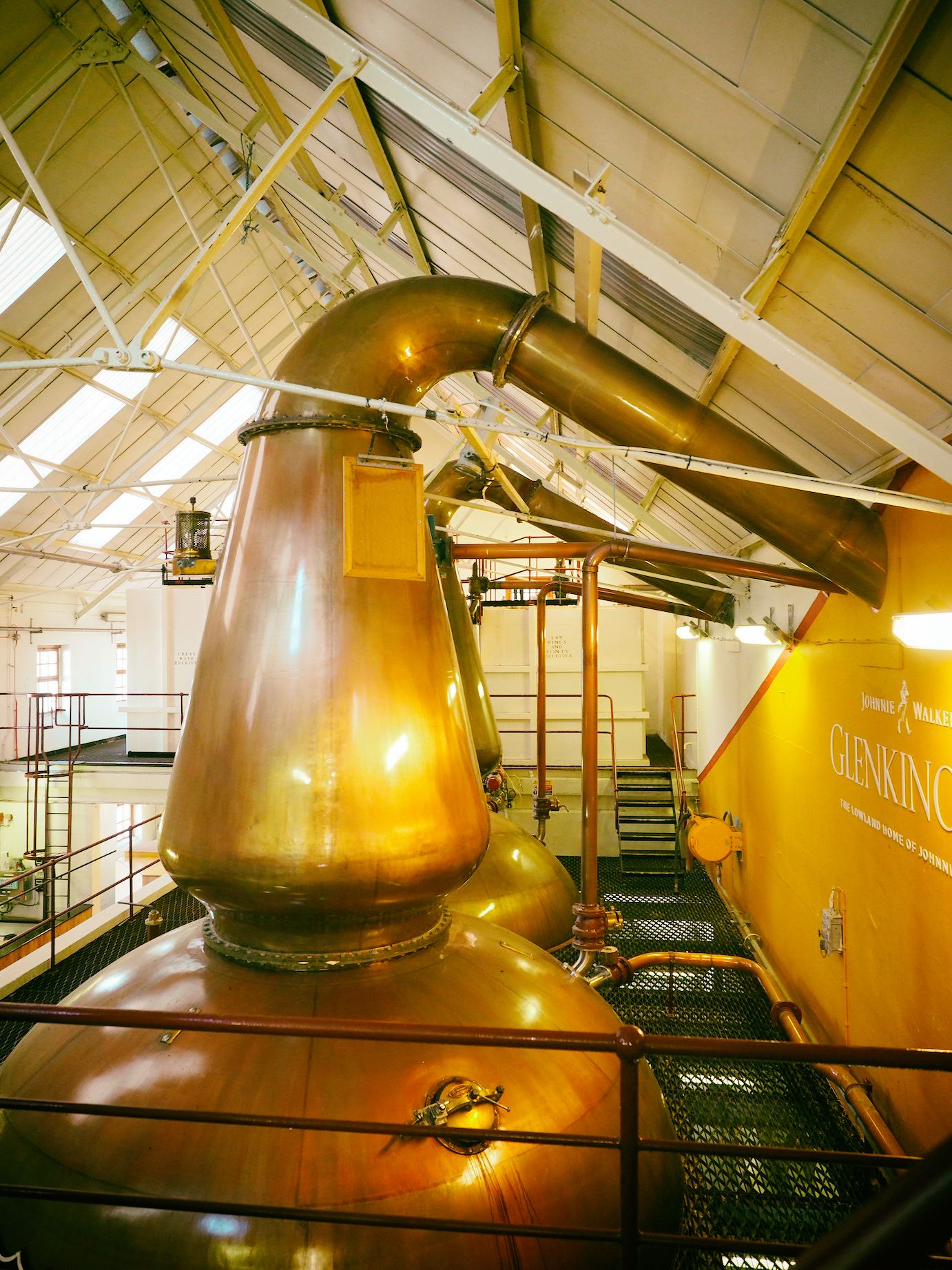
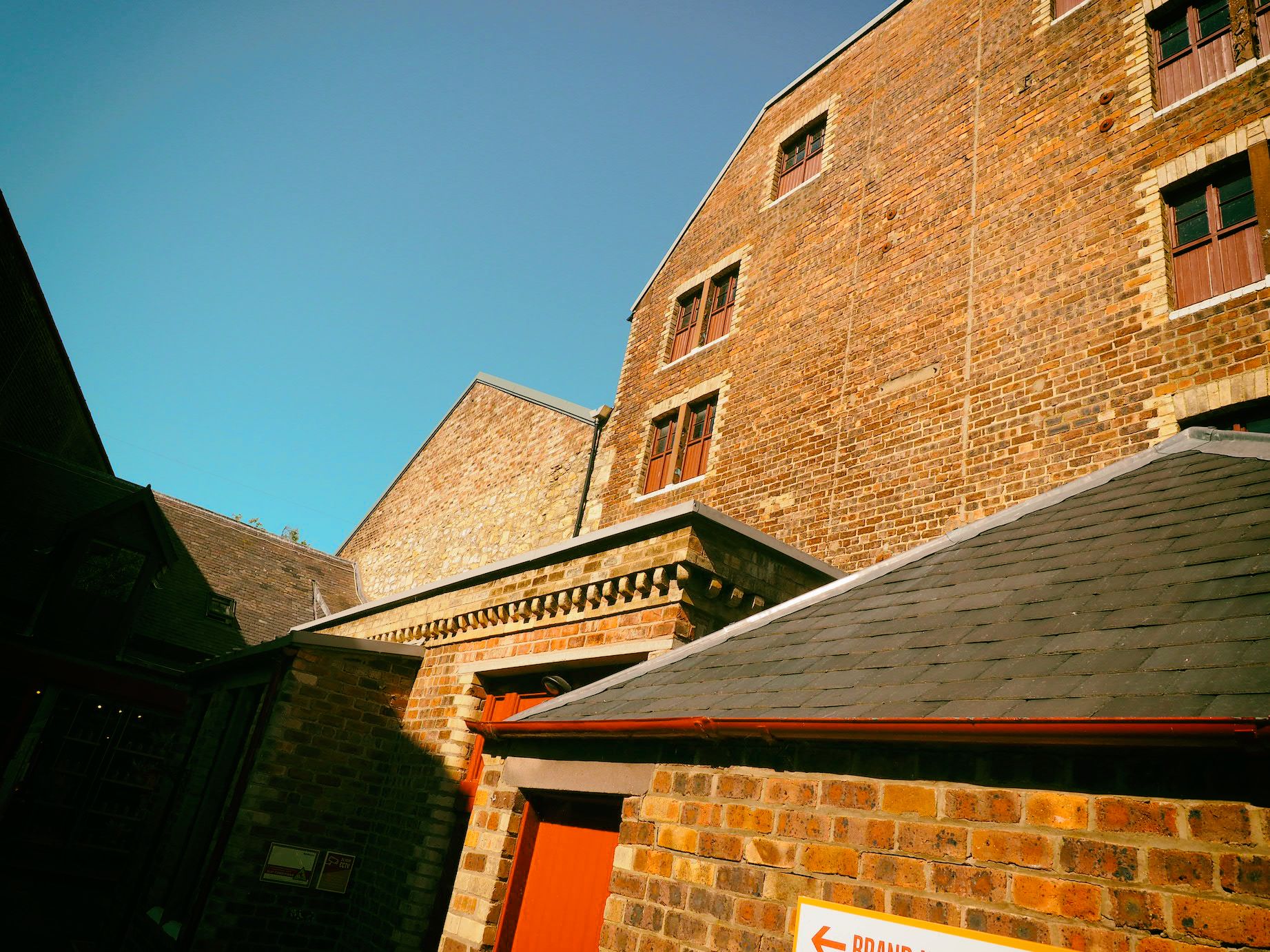
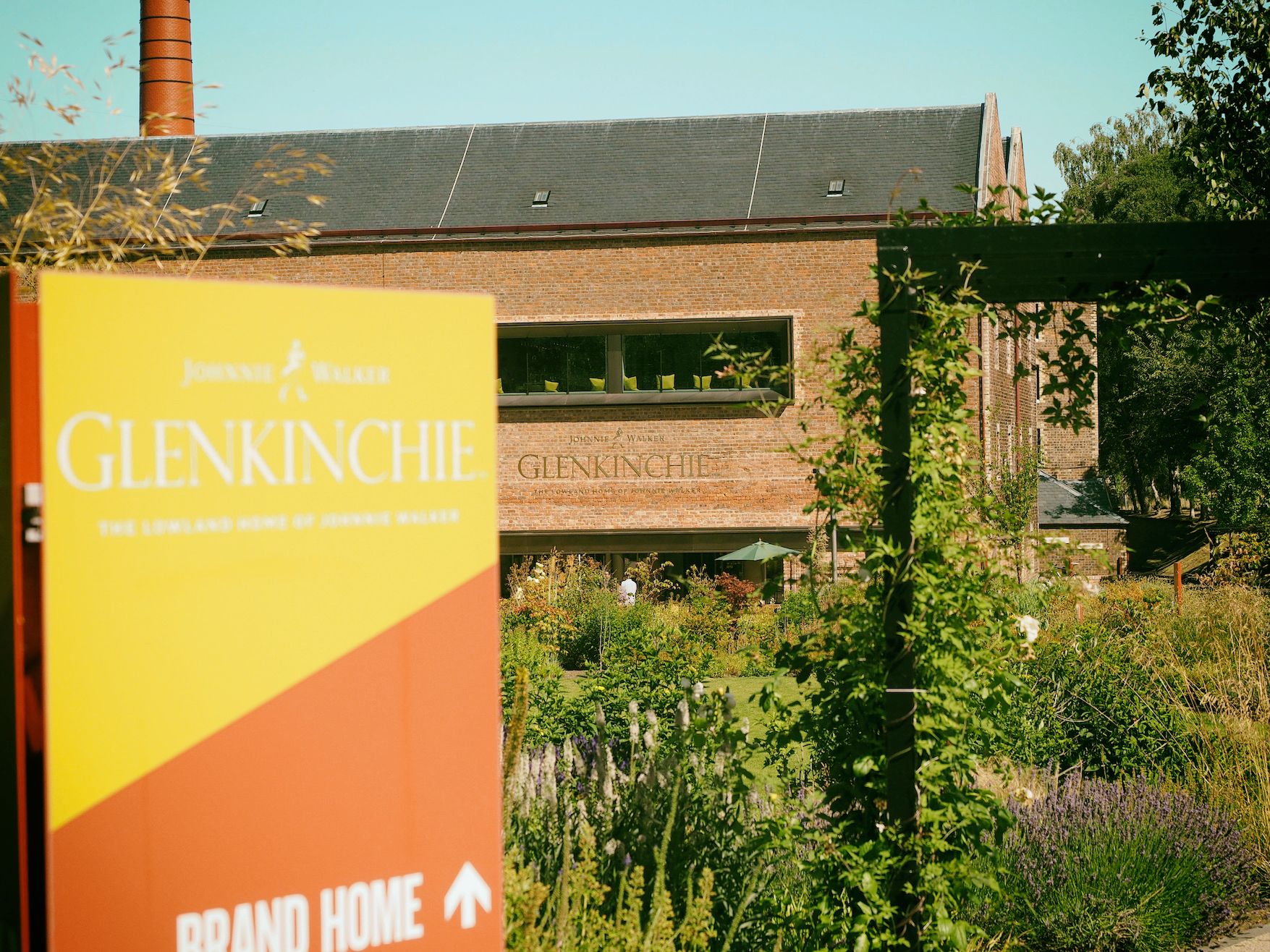
    Just outside the small Scottish village of Pencaitland, nestled in a pleasant green valley, lies Glenkinchie Distillery. It’s not an especially well known distillery, nor does it have much in terms of underground cred; I’ve never heard anyone speak in hushed tones about any bottlings, indie or otherwise, from there. It seems odd that for a distillery with a capacity of more than two million litres of pure alcohol per annum, you hear so little about it. Perhaps hoping to rectify that – or to simply pull in more tourism from Scotland’s capital Edinburgh which lies about 20 kilometres to the west – the distillery has recently been anointed as one of the ‘four corners’ of the Walker brand. Rebranded as ‘the lowland home of Johnnie Walker’, Glenkinchie recently underwent a multimillion pound revamp of its tourism offering, as did the other three corners – Caol Ila on the island of Islay, Clynelish in the Highlands, and Cardhu on Speyside. Glenkinchie is, to my mind, the least well-known of all these – it’s like the bass player in the band; nobody raves about them until they get killed in a bus crash. Most of the time you would barely know they were there, but take them away, and an absence is felt. This is Glenkinchie’s blessing and curse – essential and taken for granted all at once. One of the first Scotch whiskies I tried was the ubiquitous Glenkinchie 12 year old and I always found it to be a delightful, good value, easy drinking whisky. But aside from that, I knew almost nothing about the distillery, save that it was the closest distillery to the home of an old friend who lives in Tranent. 

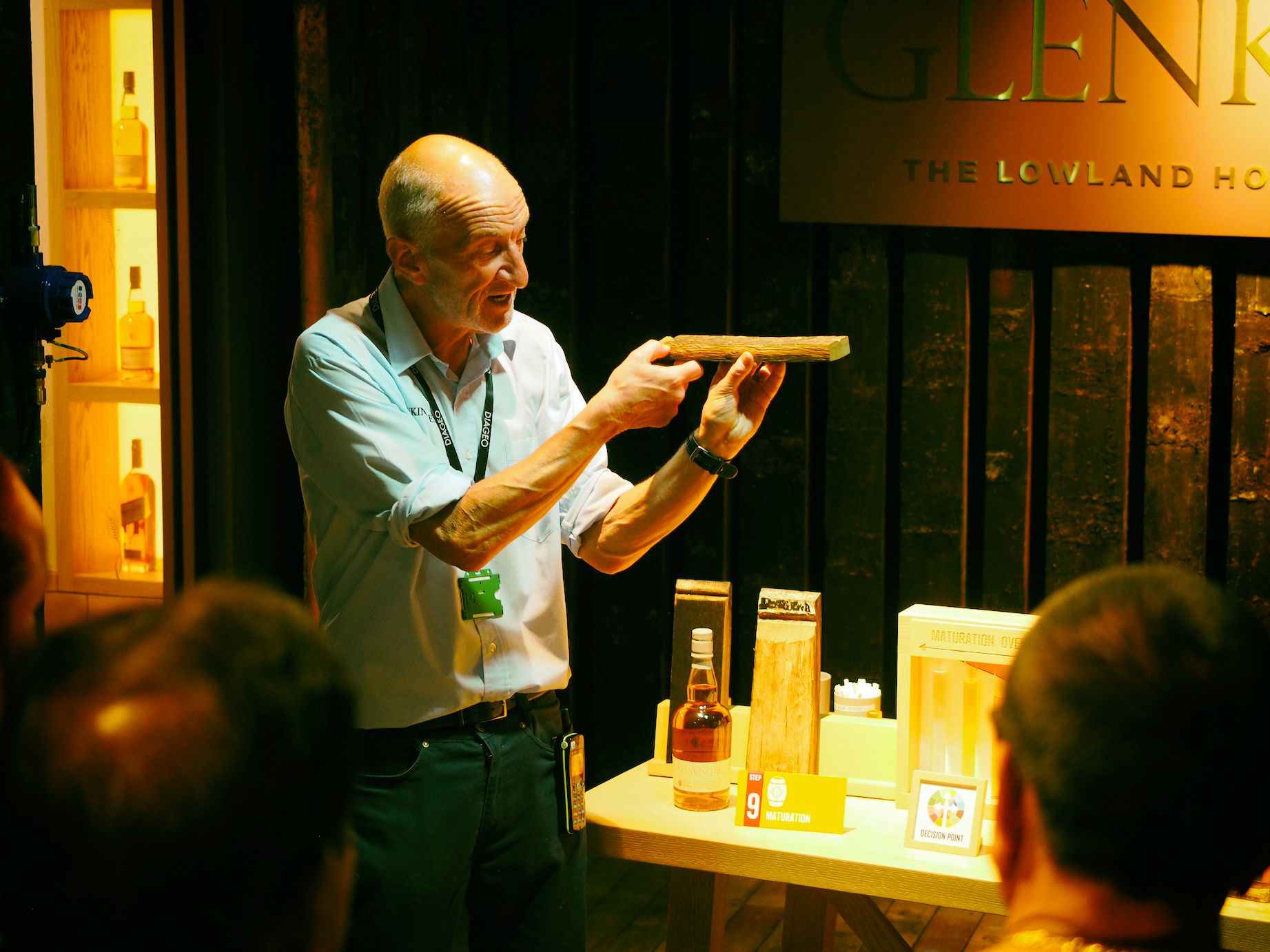
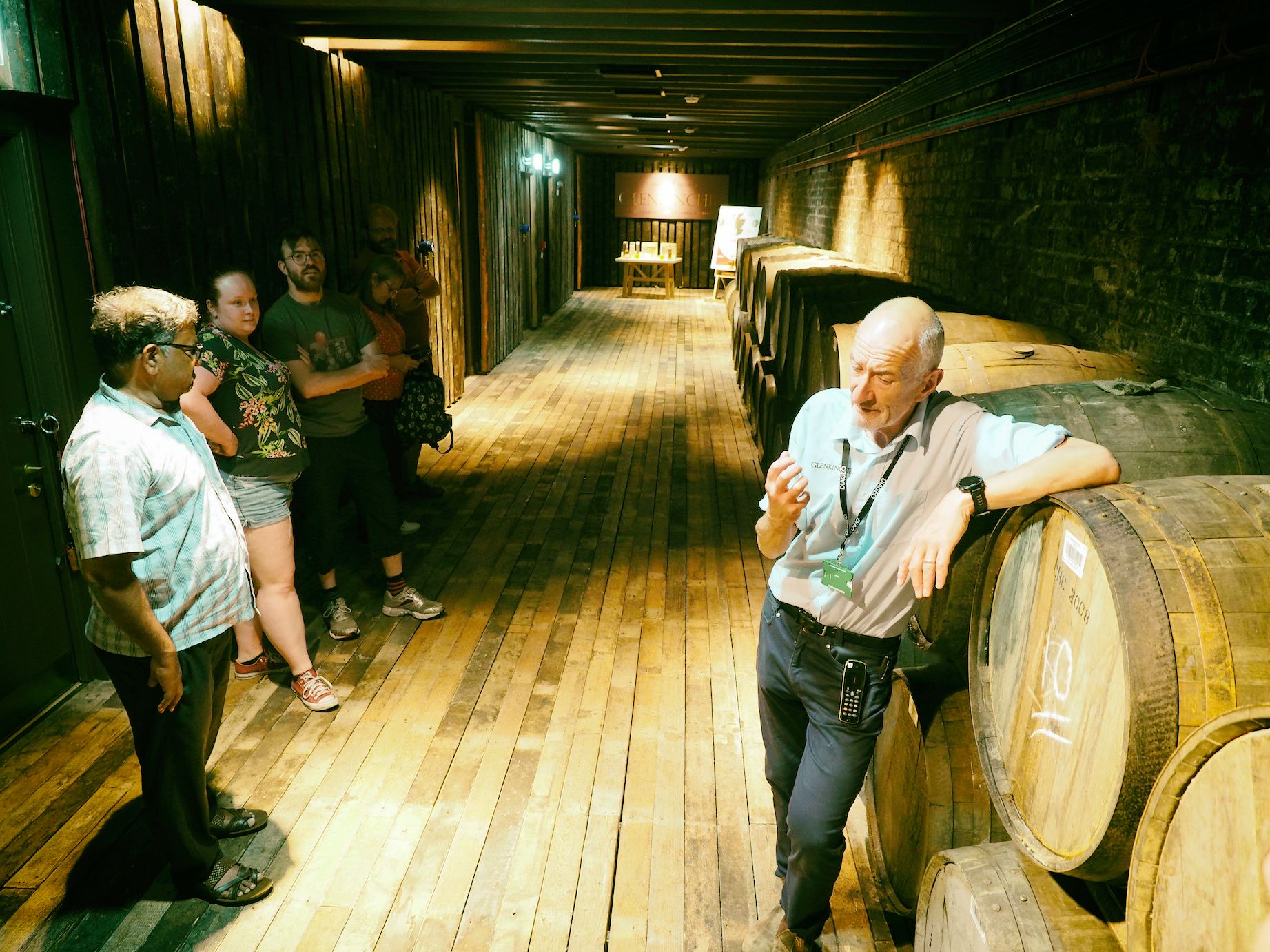
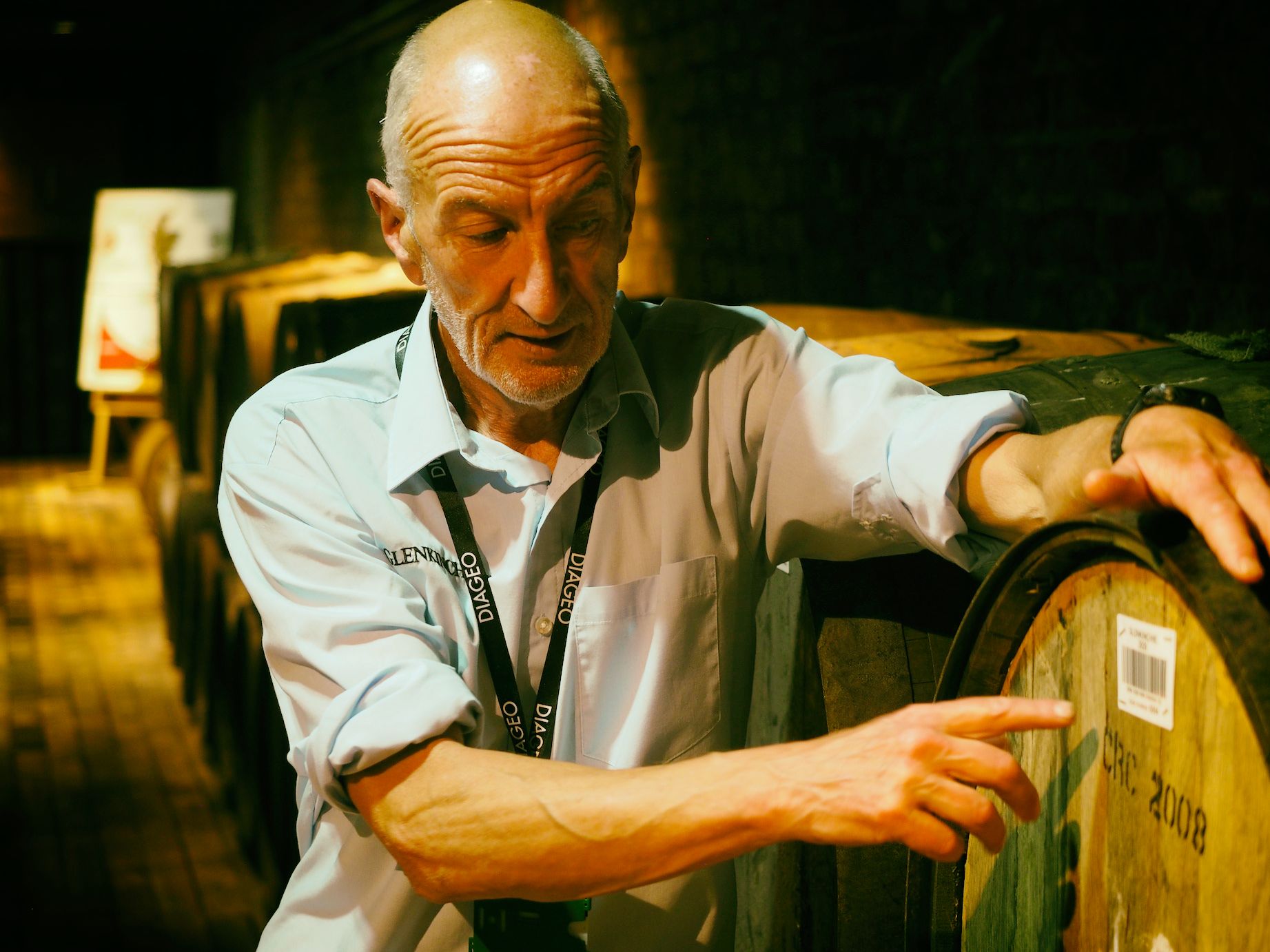
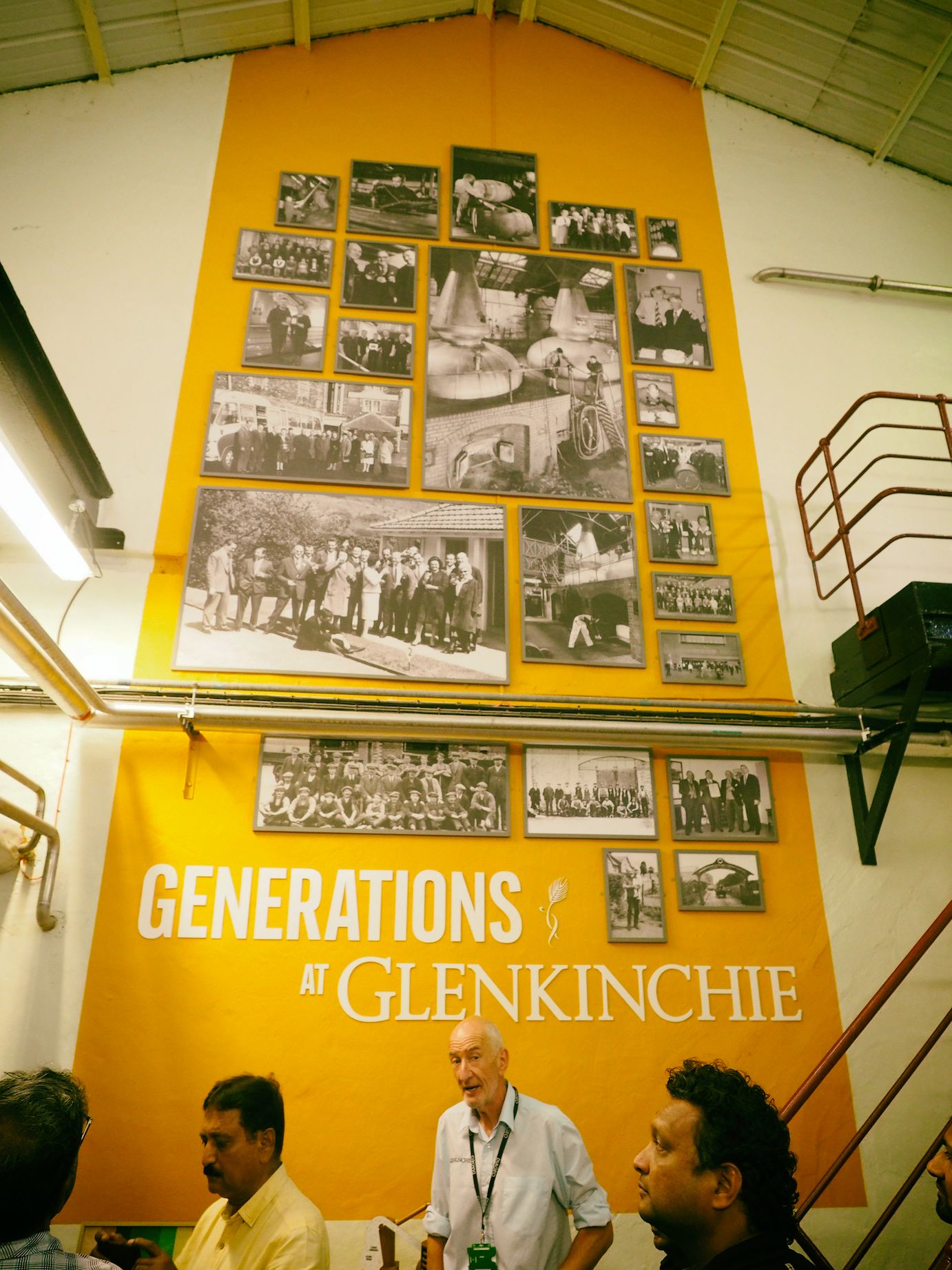
    I had briefly considered a tour of the distillery five years ago, but arriving on a crowded day to a very stressed staff member who seemed not best pleased to see more cats to herd through the site, we thought it best to leave it to another day. My recent trip could not have been more different – our guide, John, knew the names of all 12 people on the tour, chatted to us all one by one, and was affable and genial throughout. He was born in the area and had worked at the distillery for about 12 years and his family’s links to Glenkinchie went back a few generations. He told us that what made Glenkinchie unique was its people and its place – East Lothian is known for its fertile land and if you come to the area at the right time of year you will see miles and miles of golden barley fields. Some 80% of the barley used at Glenkinchie comes from the surrounding farmland, according to our guide.

    The tour starts with the ringing of a bell, previously used to signal the start of the working day and to call the workers to a morning dram. I’ve heard various accounts of the old practice of dramming in distilleries but few have stuck in my head like one delivered by a distillery manager on Speyside in 2015, who gave a scathing interpretation of what is often portrayed as a cosy bit of lore. He told us that workers in those days were effectively addicts, enslaved to the product they were making, as it dulled their minds and often broke their spirits. He said that workers did not fight for their rights as they should have because they were alcoholics. It was a rare moment of clarity about dramming, but not the sort of message you’d want to start a tour with. Our guide in Glenkinchie made brief mention of the practice, with no moral judgement, how it ended in the 1970s, and we moved on to a history of the distillery.

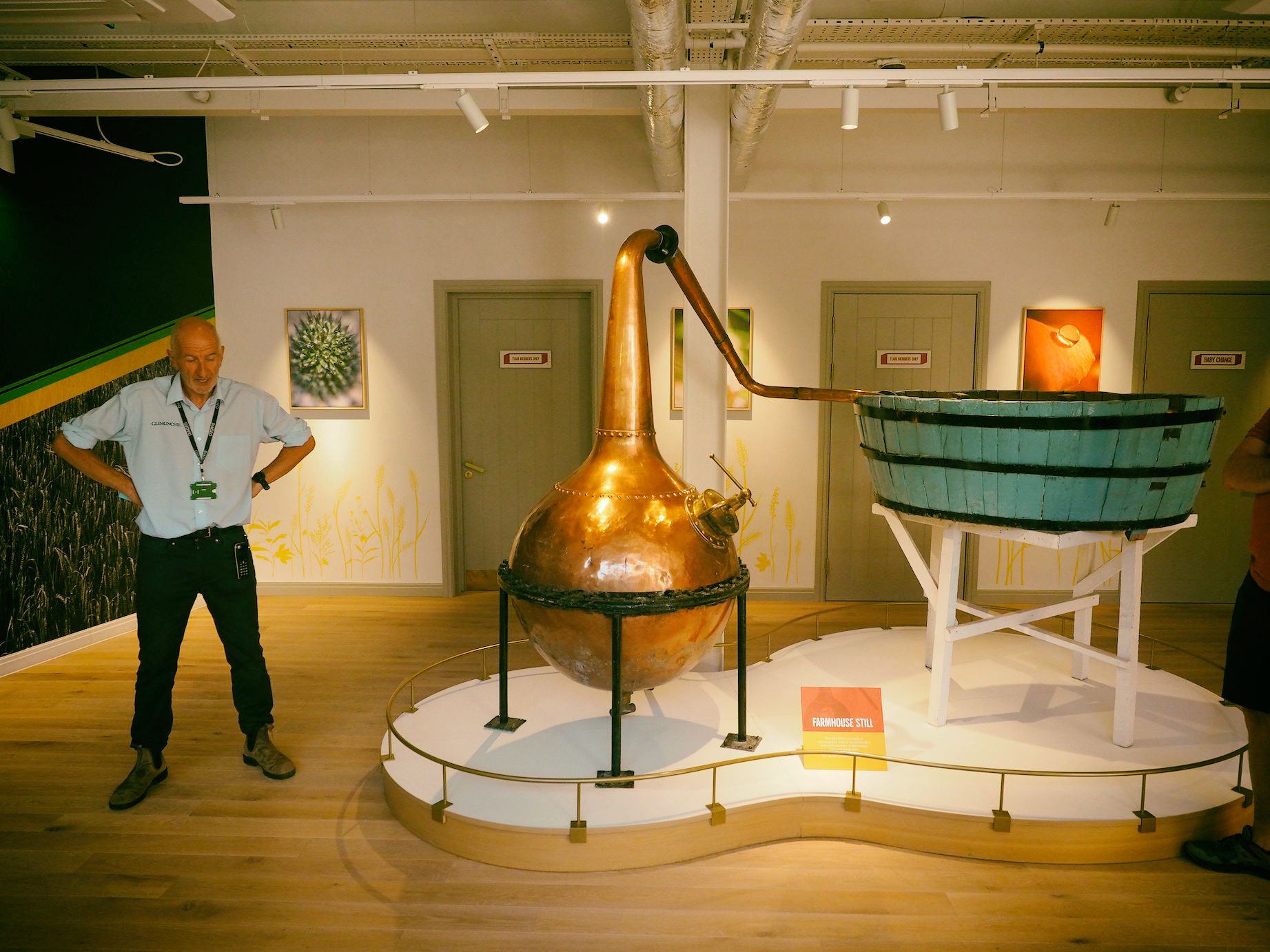
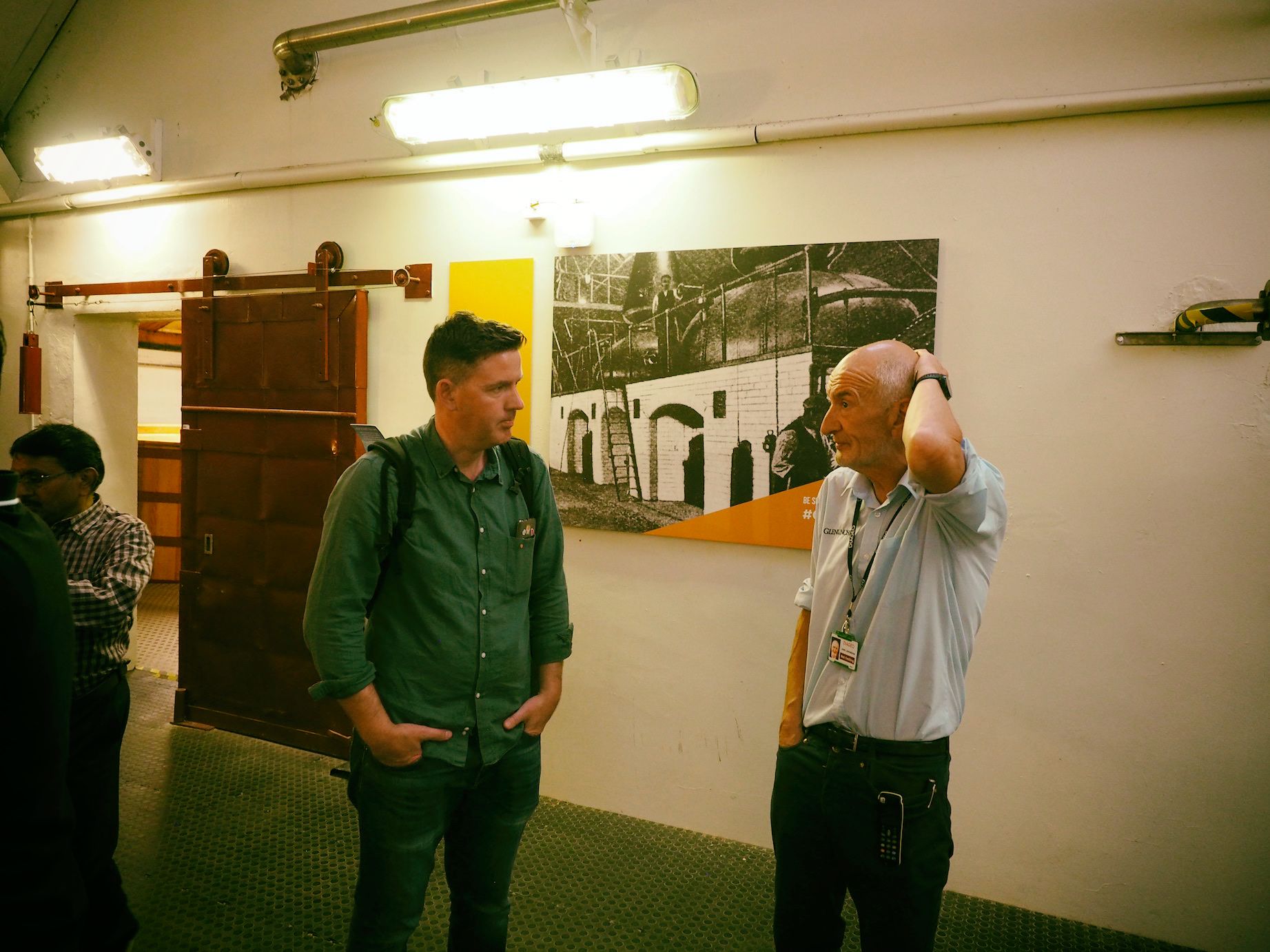
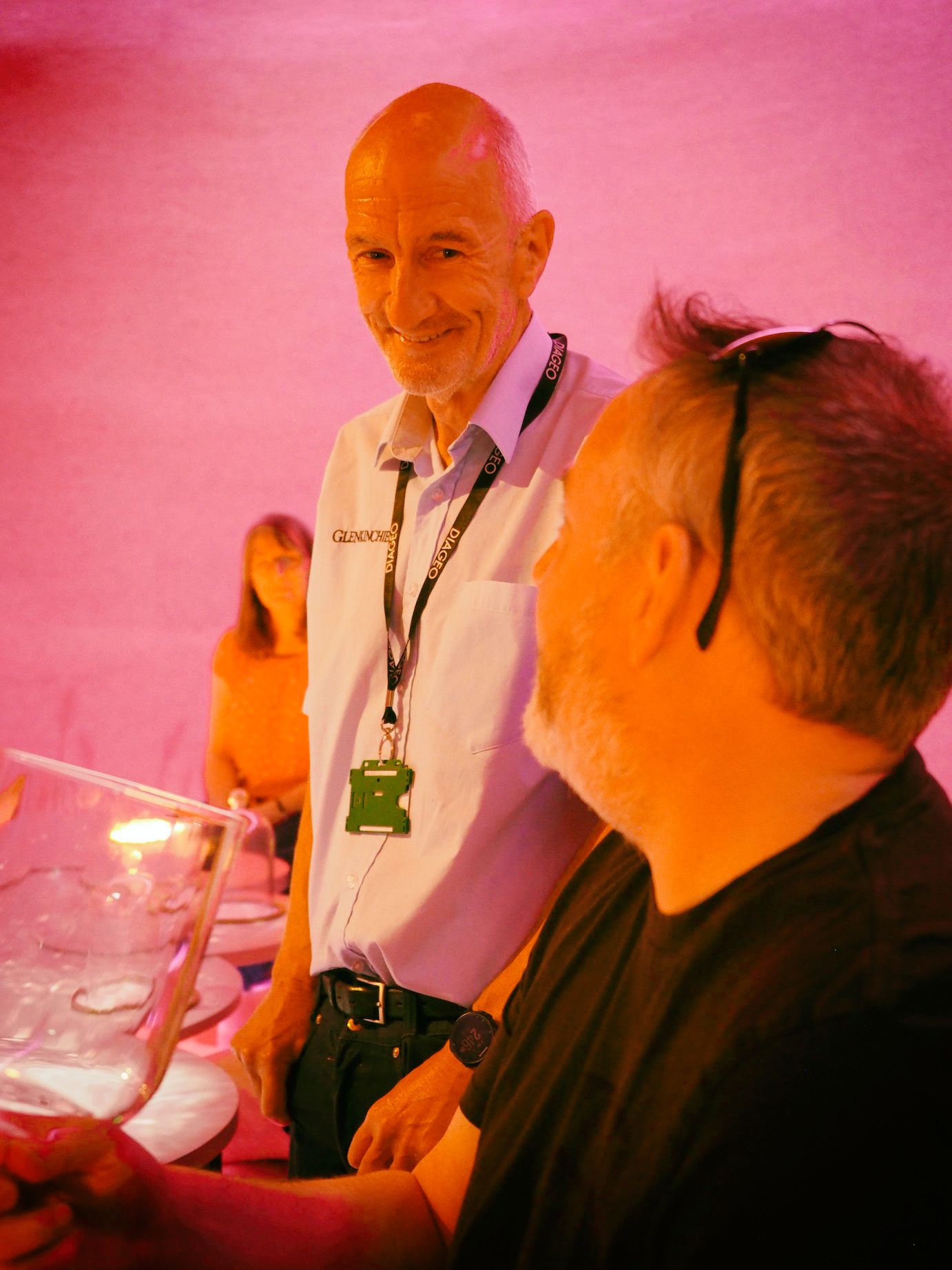
    John Johnstone, our tour guide, with a farmhouse still at the start of the Glenkinchie tour.

    Founded in 1825 by farmers John and George Rate, Glenkinchie started life as Milton Distillery until it was licensed and renamed in 1837.  In 1853 they were bankrupted, the site was converted to a sawmill, and then later turned back into a distillery. There is an excellent in-depth history on the oft-lamented ScotchWhisky.com which covers most of the two centuries Glenkinchie has been pumping out malt which rolls off the stills with a sulphuric element likened to ‘over-boiled broccoli’ but which softens in cask to a biscuity, floral number. 

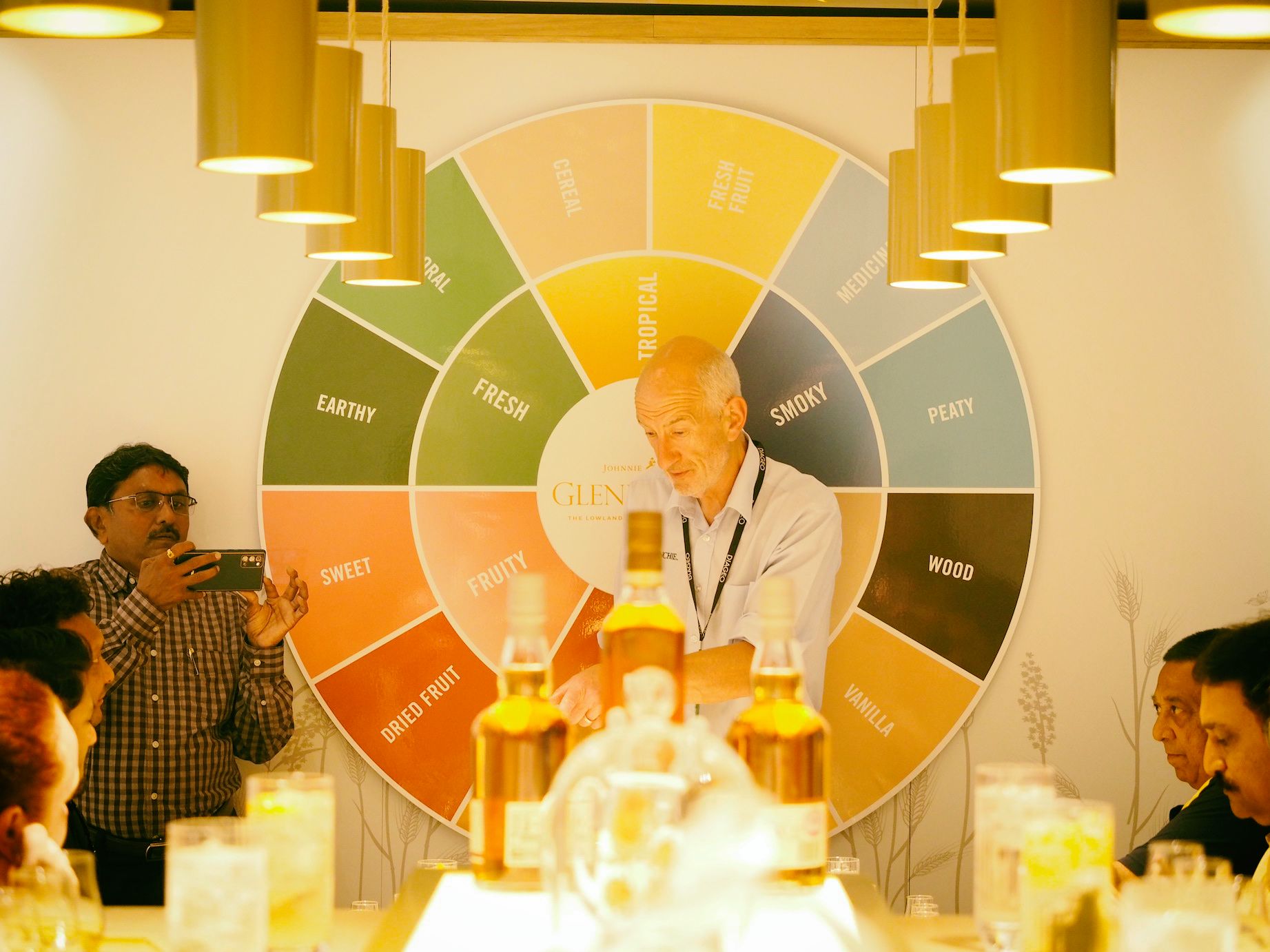
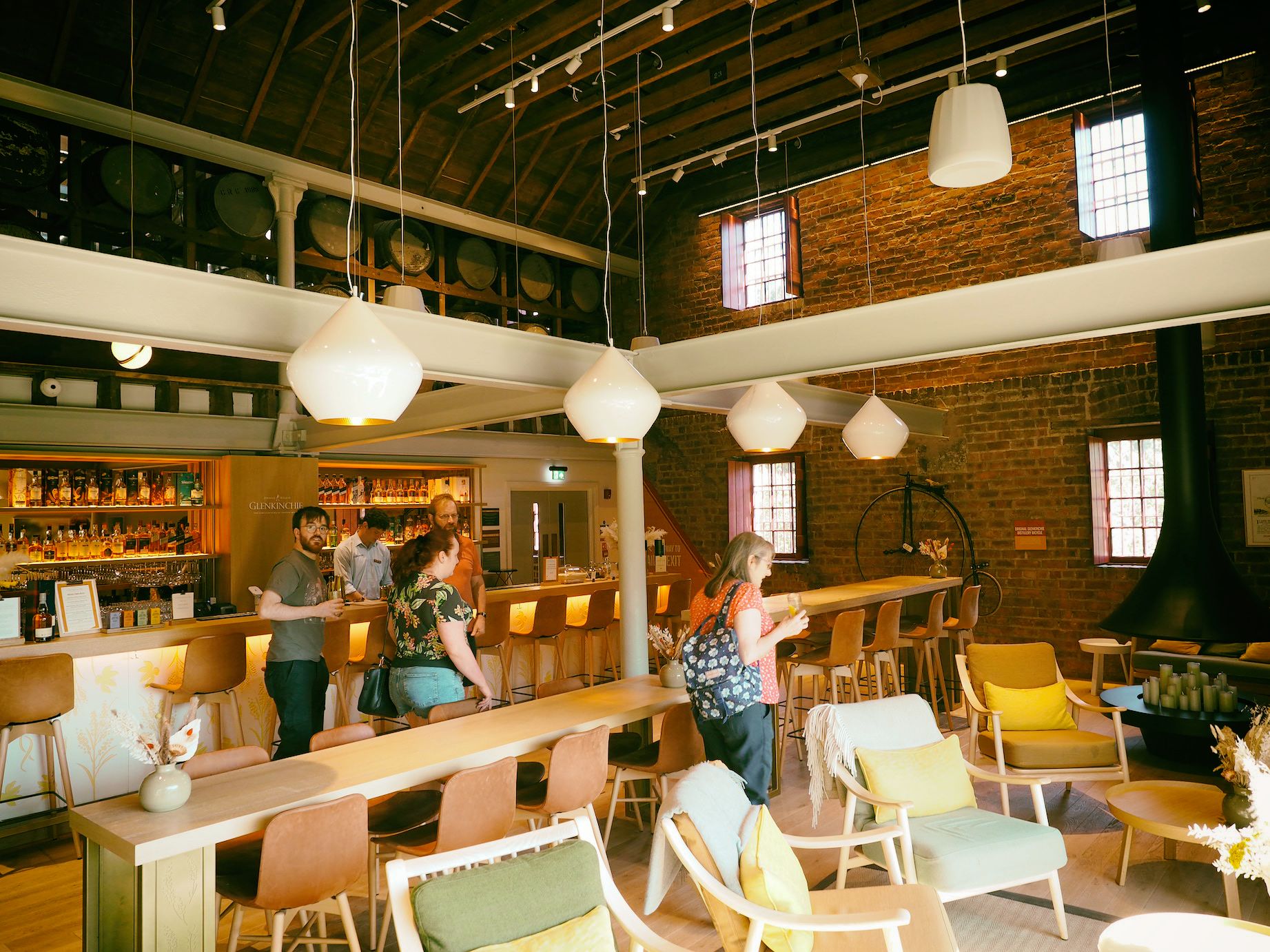
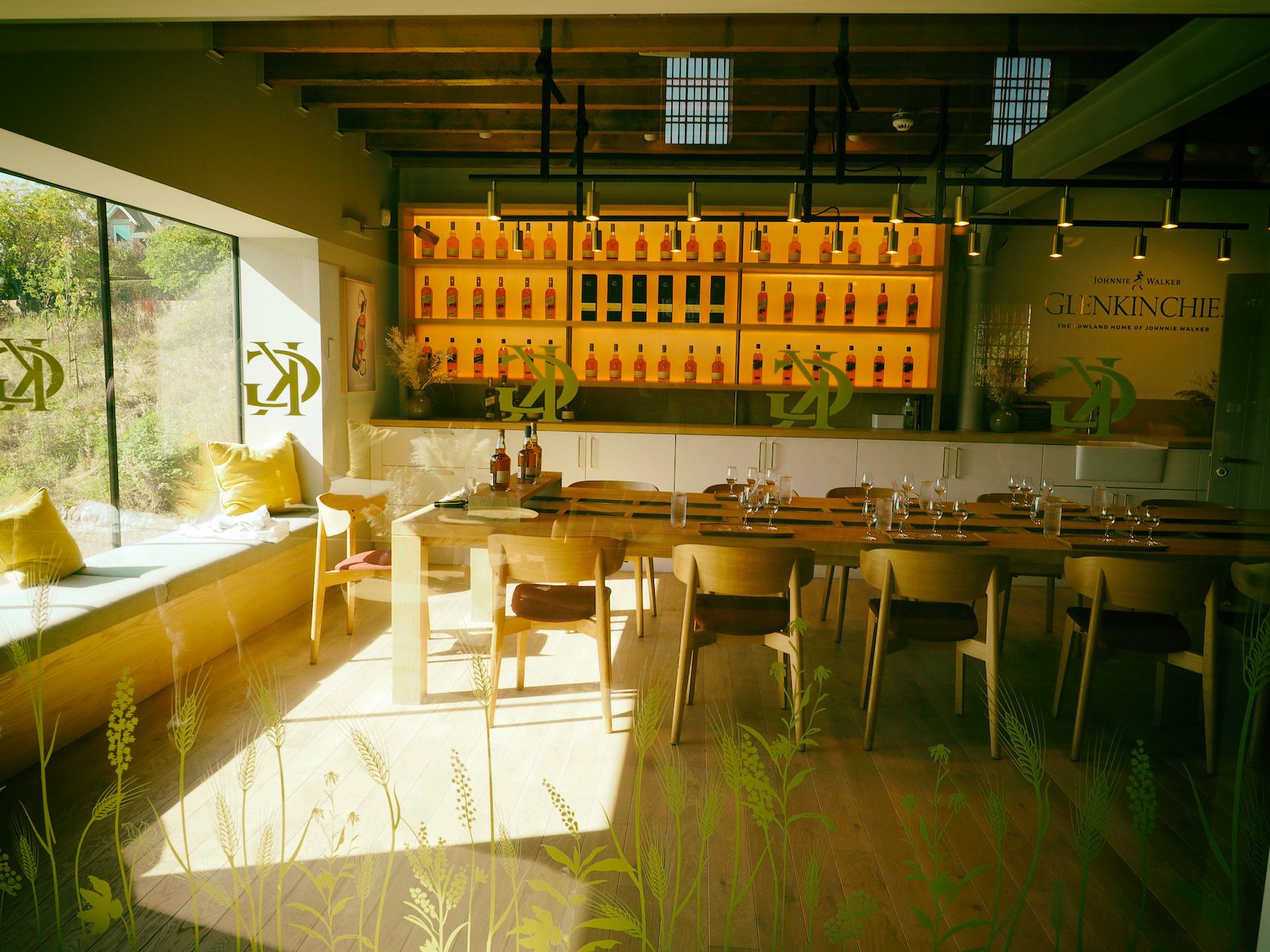
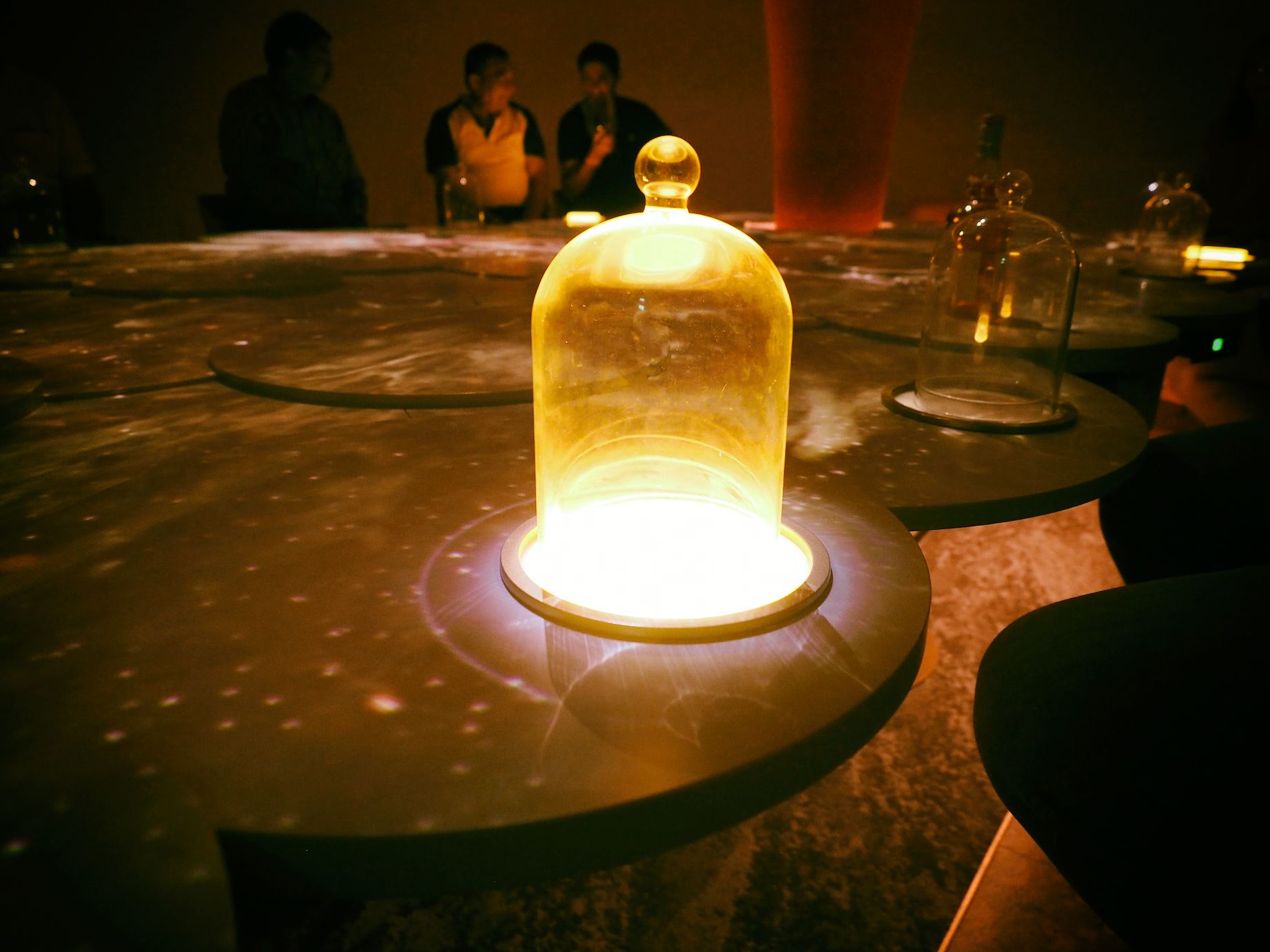
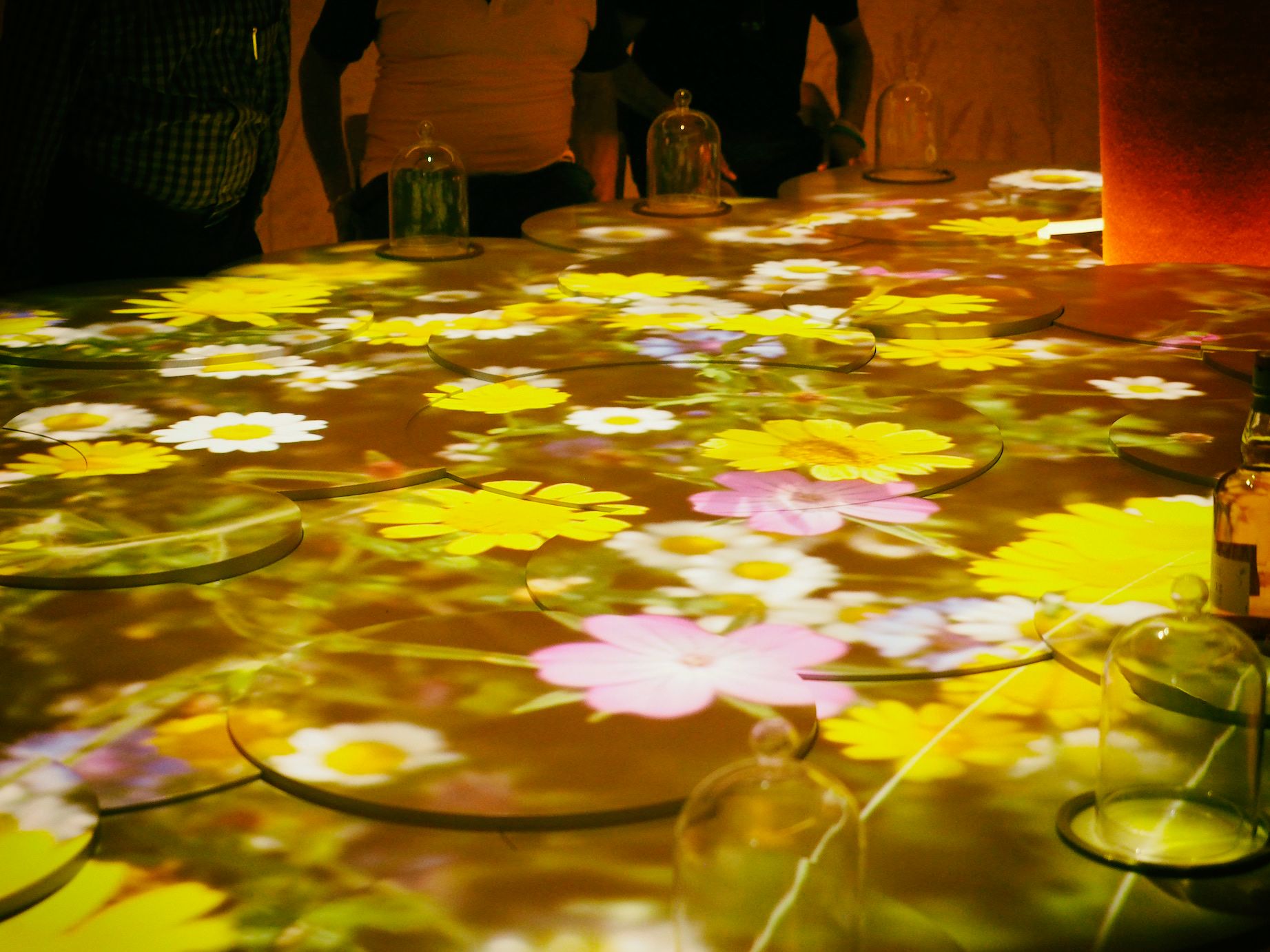
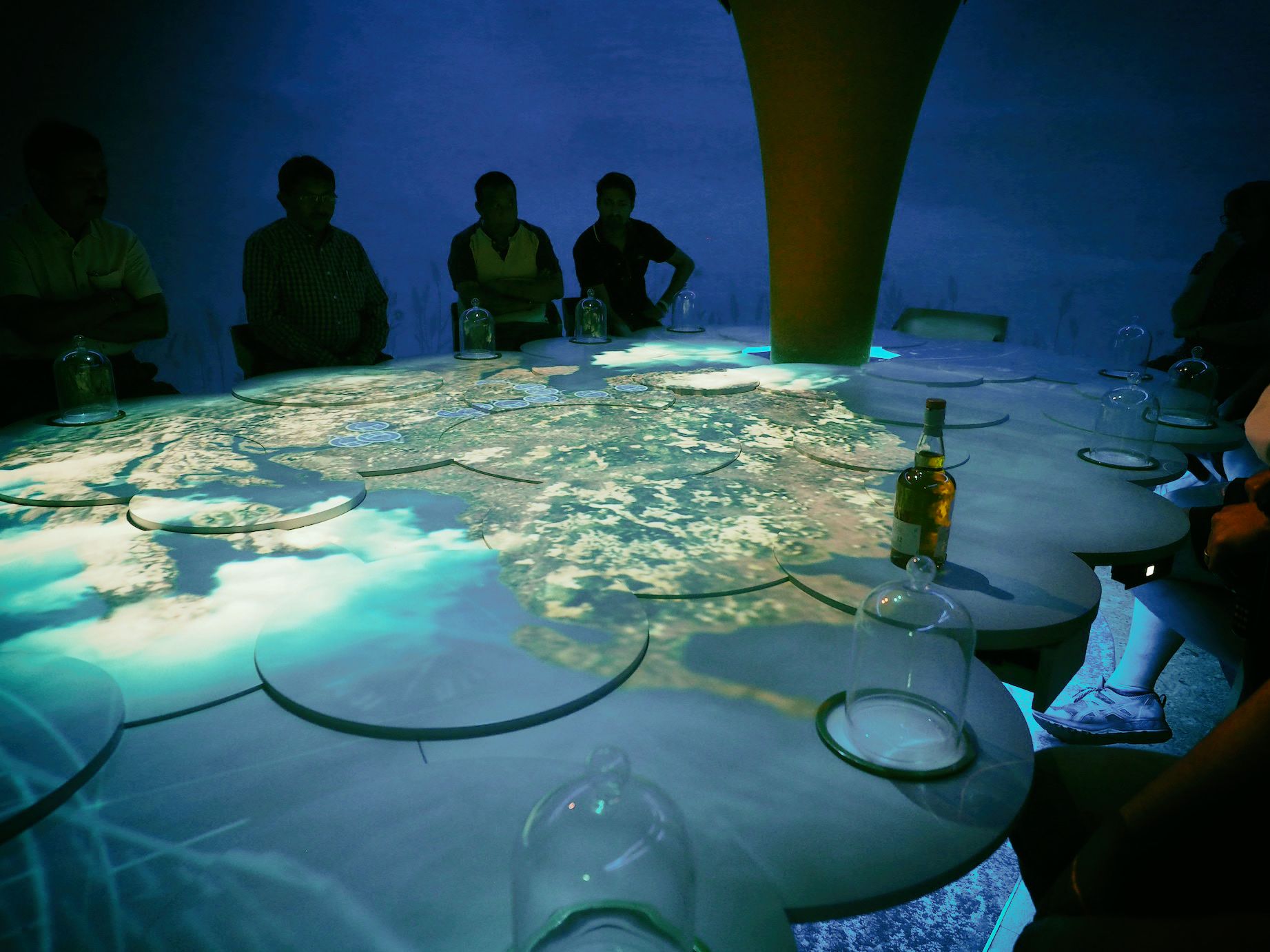
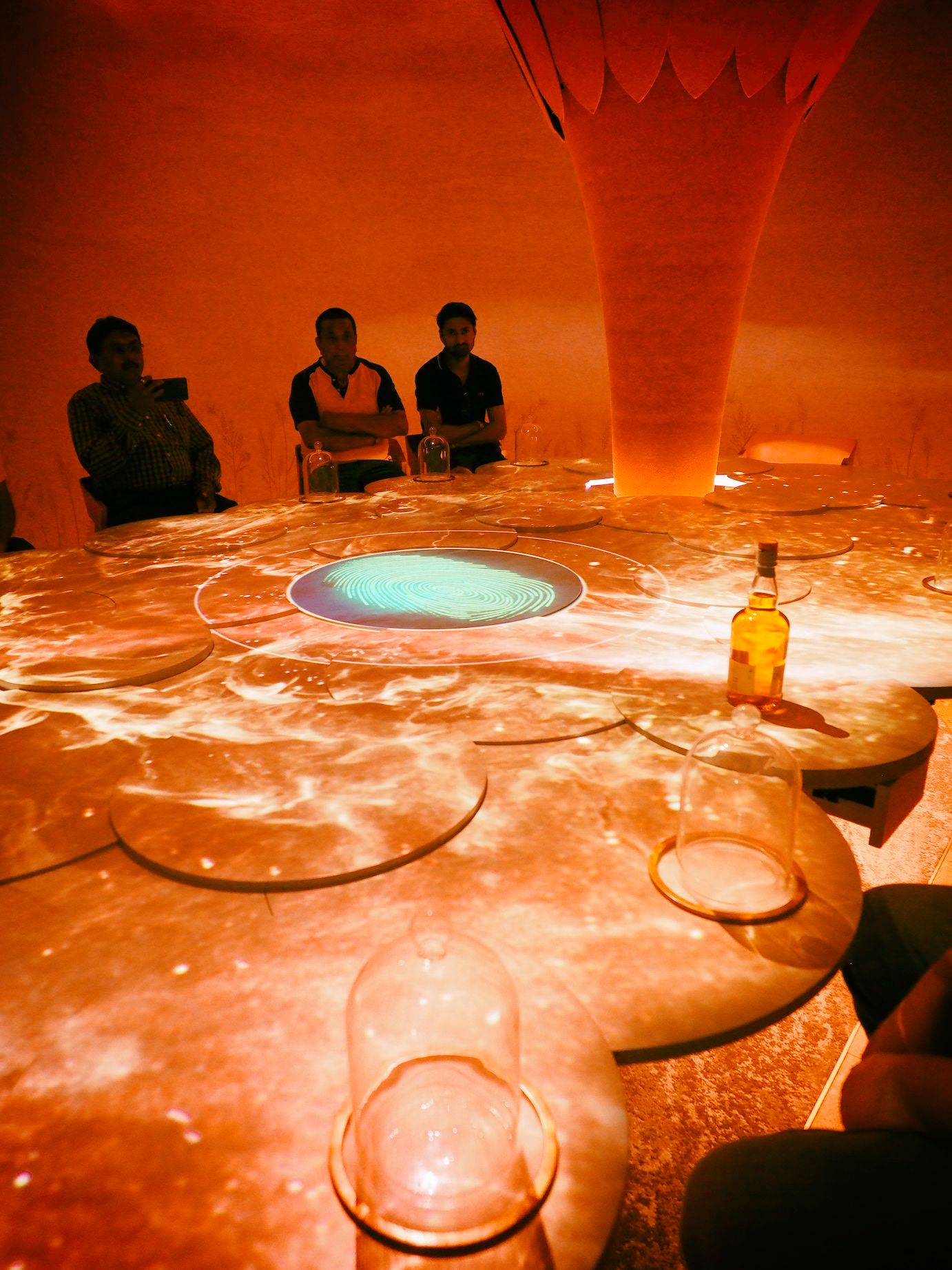
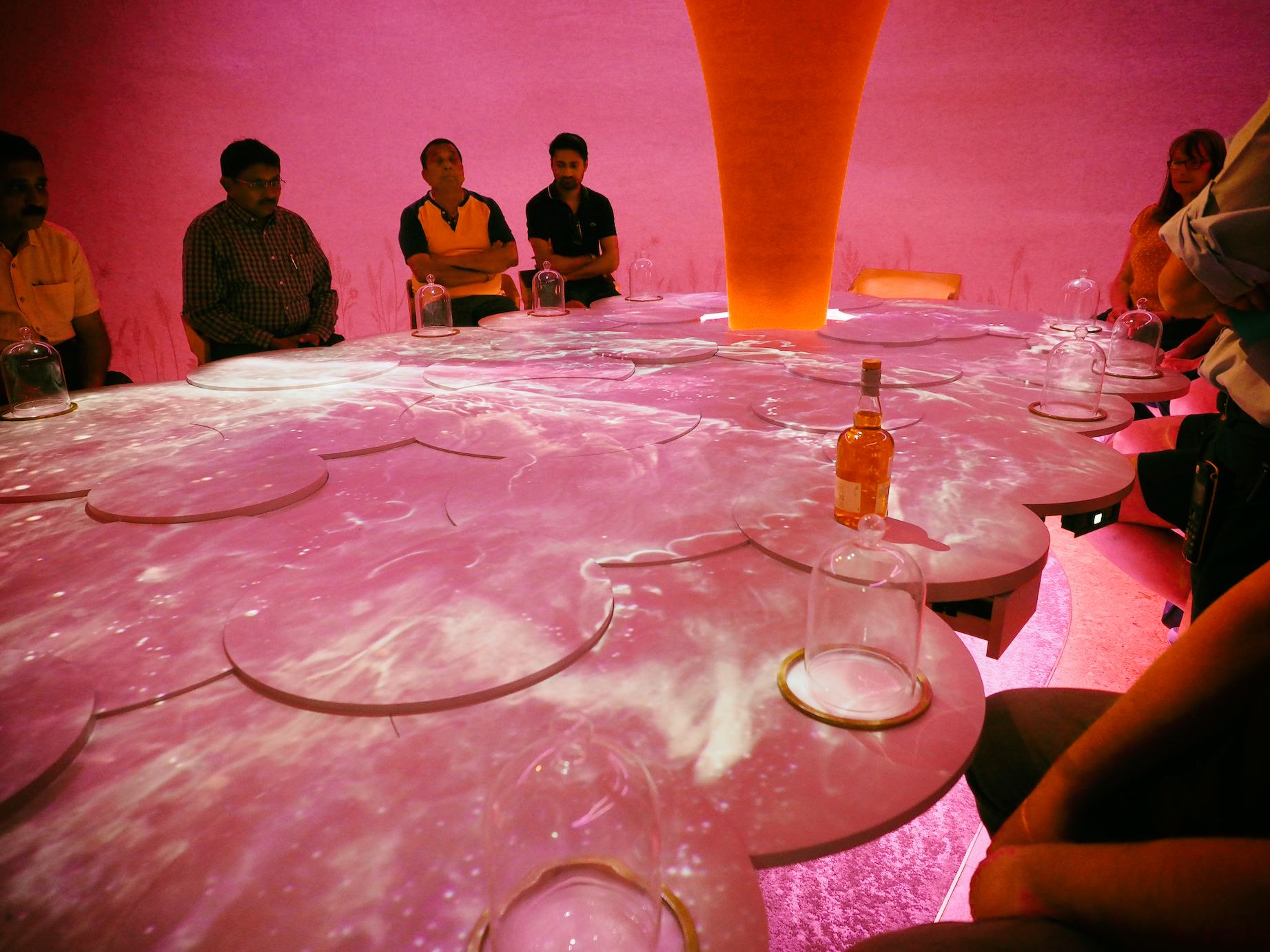
    After a brief history of both the distillery and the Johnnie Walker brand itself, it was time for what one might call the experiential part of the tour. You can revamp a distillery, rebuild it all in exposed brick and beam and have the best tour guides in the world, but in a world where aesthetics are becoming more and more a part of drinking culture, you will need something more. Hardcore whisky fans tend to roll their bloodshot eyes at the more showbiz elements of modern distillery tours, but I love them. Blending light and sound with flavour is a fantastic way to deliver a message to newcomers, and the Glenkinchie tour was no different. In a room designed to look like a fairytale bower we sat around a large table; in front of each pair of us were three bell jars, and under each were three key scents of the distillery’s malt. One by one we were asked to raise the jar and identify the scent, all the while being entertained by synchronised video projections onto the table, lights underneath it and ambient music. It created an experience that was immersive and memorable. Most importantly, it was something that has to be experienced – photos, videos, and my inept descriptions will not do it justice. You have to be there.   

    Visuals illustrate the grassy notes in Glenkinchie whisky.

    I had a similar experience in Strathisla where tubes of light were used to illustrate a message about flavour (or to represent the firing of the synapses in the brain, take your pick) and I loved that too. All of these devices are about entertainment and storytelling, and while they may seem frivolous to some diehard fans who want to talk copper and yeast, they have a hugely important role to play in engaging newcomers to the category. The Walker four corners all have had revamps in this style, which only give a taste of the brand HQ in Prince’s Street in the former House Of Fraser building. It is a sight to behold, offering five floors of Instagrammable splendour. If the four corners are the satellites of the Walker empire, Princes Street is the mothership. Again, hardcore whisky fans might say that the HQ is utterly detached from the reality of production and as such has nothing to do with whisky. Without branding, without marketing, without various forms of commercial storytelling, whisky is nothing. It would be an inert liquid sold in unmarked bottles. Where is the joy in that? Johnnie Walker himself was not a distiller – he was a salesman, a shop owner, who understood that appearance is important when selling goods, be it his natty attire or his shop window. We covet first with our eyes. 

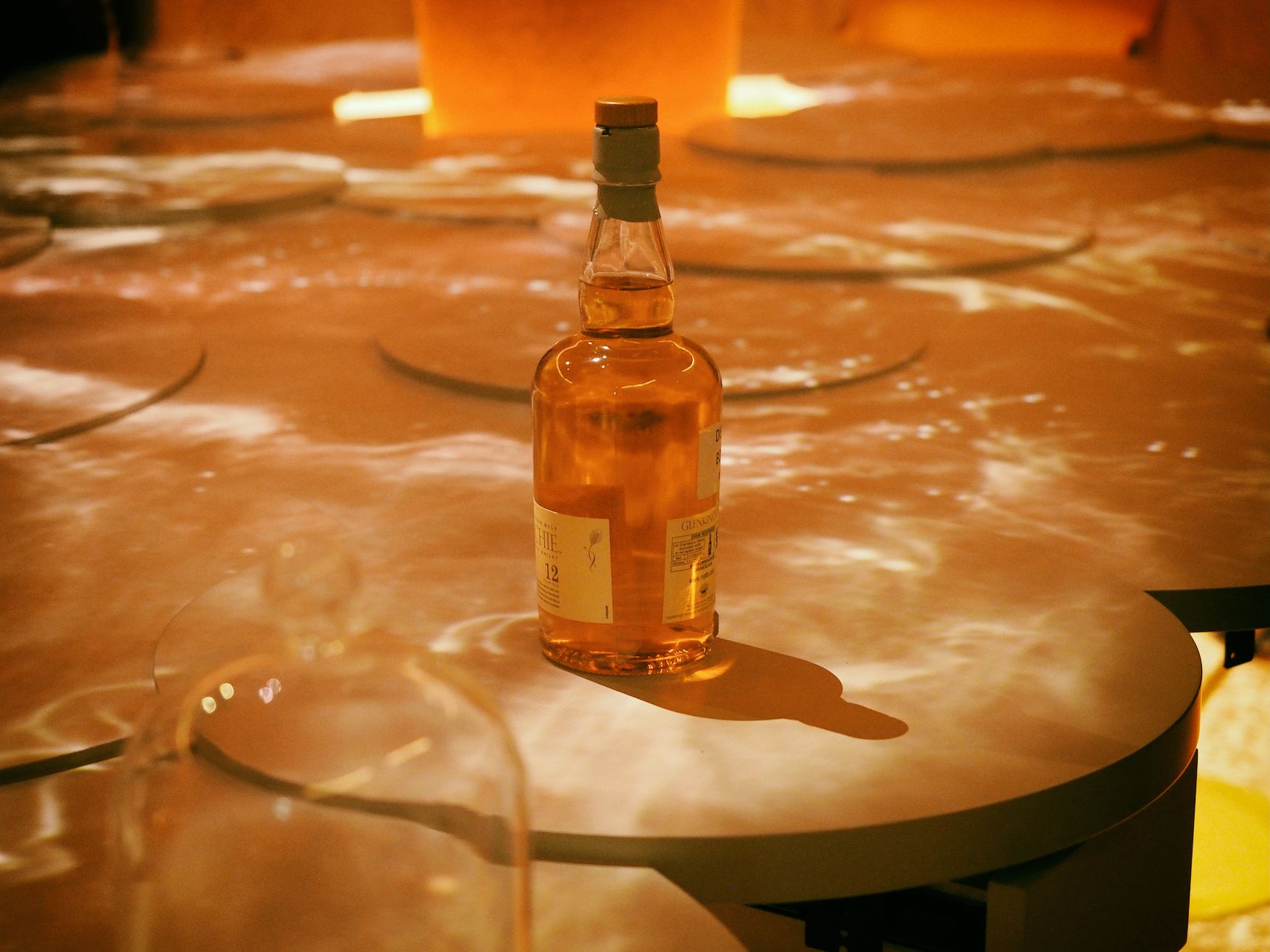
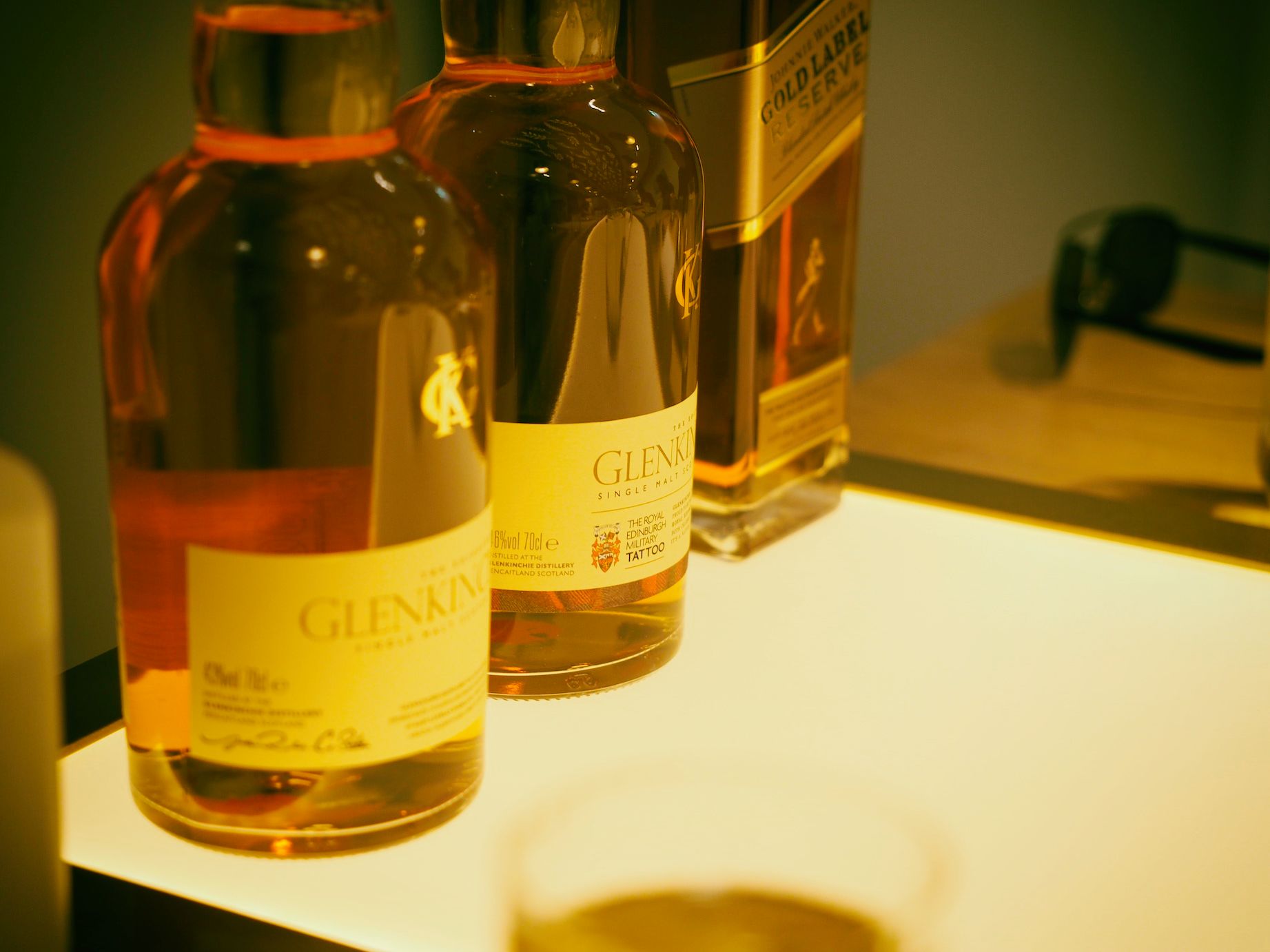
    The standard 12-year-old release from Glenkinchie.

    The company that oversaw the recent redesign of the Diageo visitors centres is BRC Imagination Arts – they were also behind visitors centres at NASA Kennedy Space Centre, the Rock and Roll Hall of Fame, the new Las Vegas Raiders tour Experience at Allegiant Stadium, The Grand Ole Opry Backstage Tour, and The Henry Ford Museum of American Innovation, along with the Guinness Storehouse (the biggest tourist attraction in Ireland) and the rebooted Jameson Heritage Centre at Bow Street. In operation for four decades, they are masters of the experiential tour. According to our guide, the four corners all have elements of their tours which link them but this was not a copy and paste – each one has moments that make it unique and which speak to the distillery’s unique heritage. 

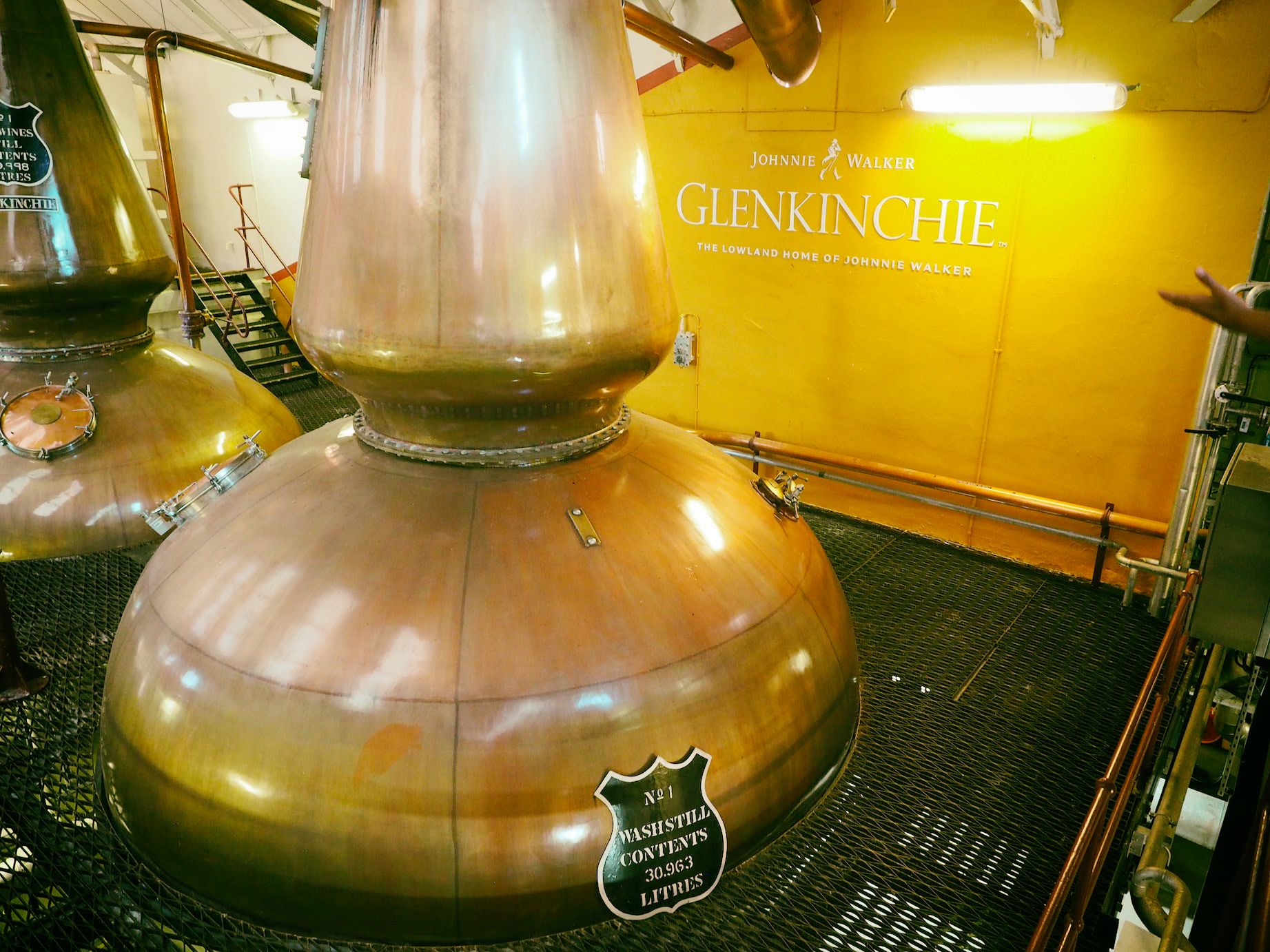
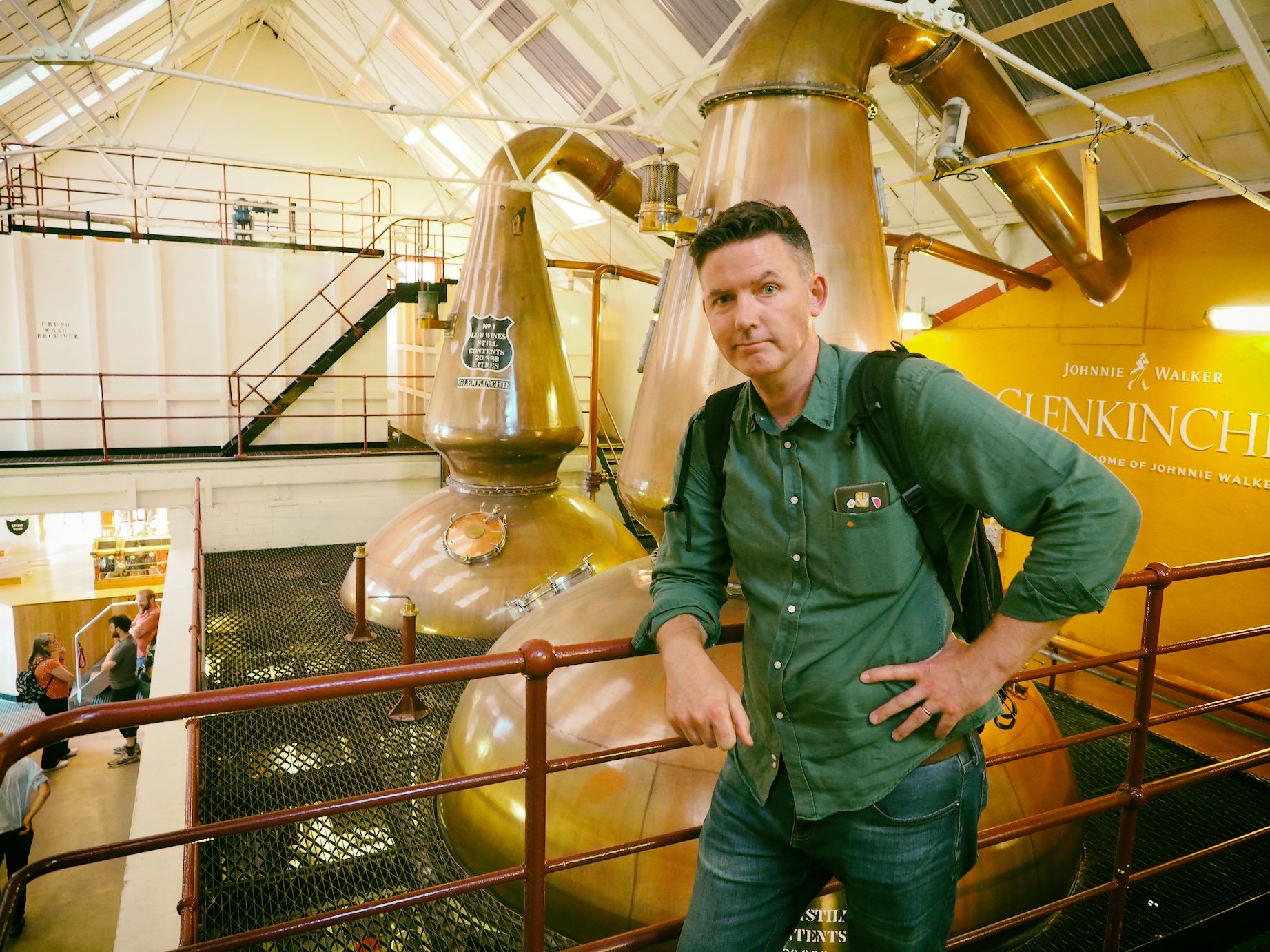
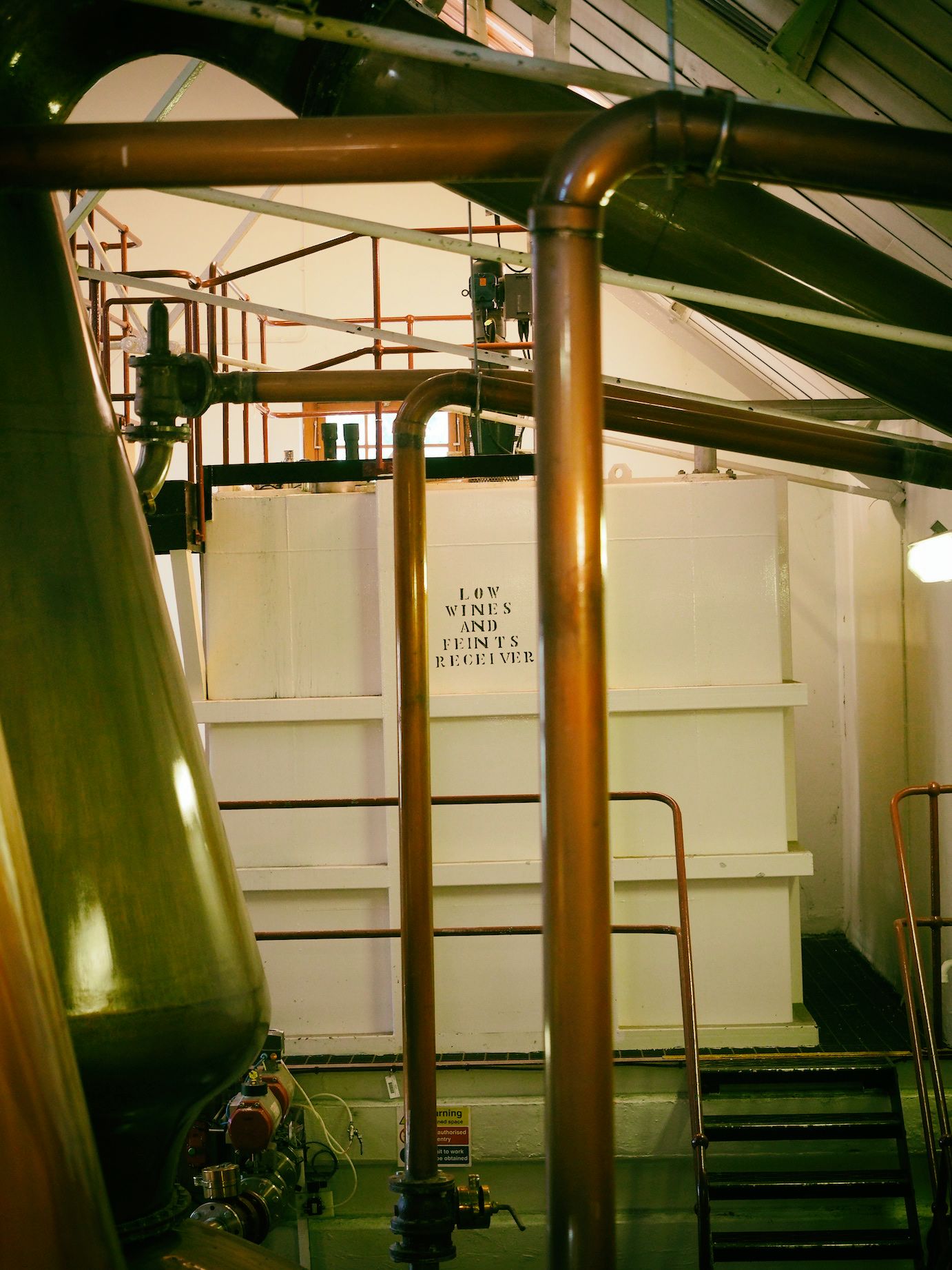
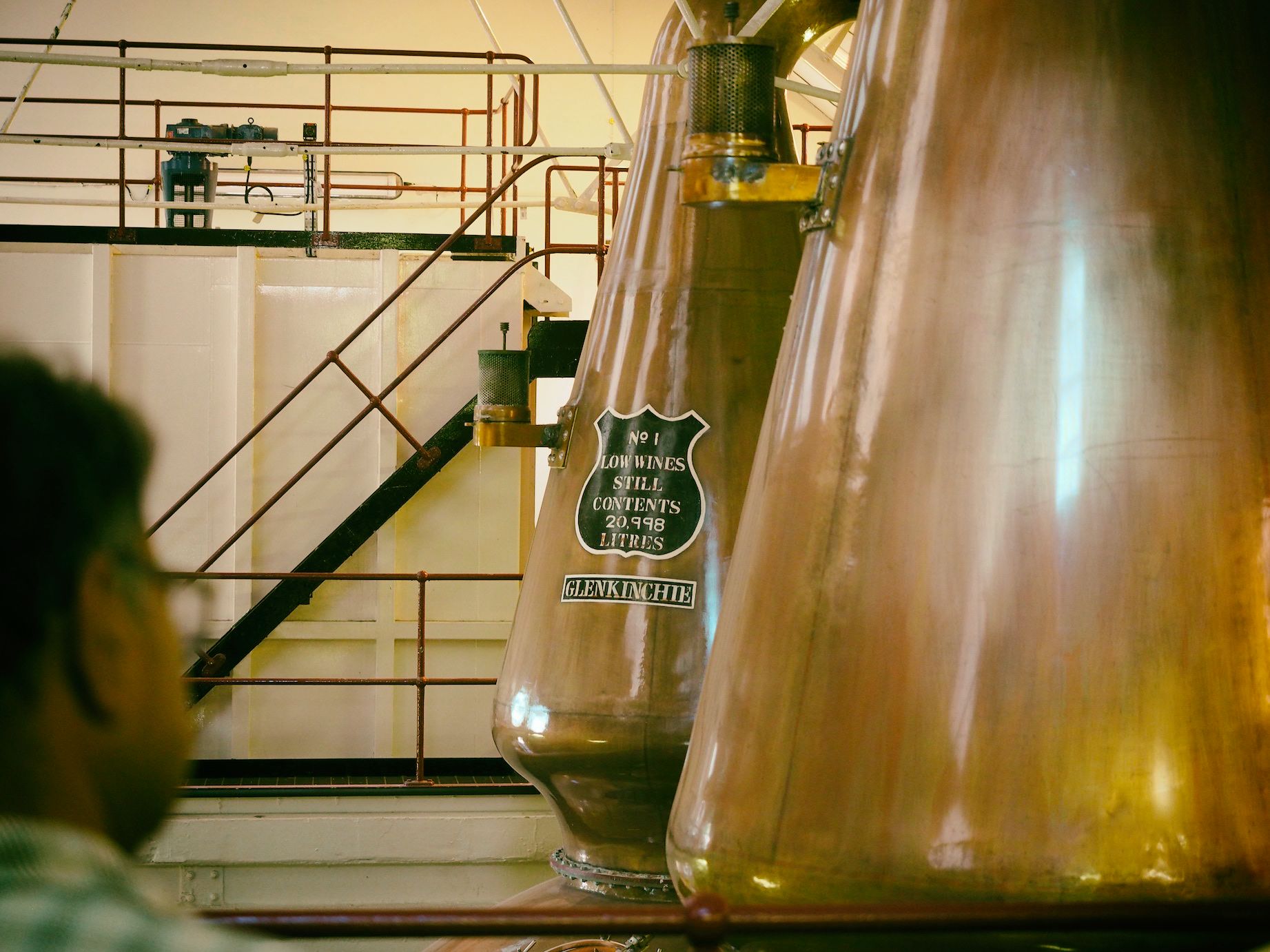
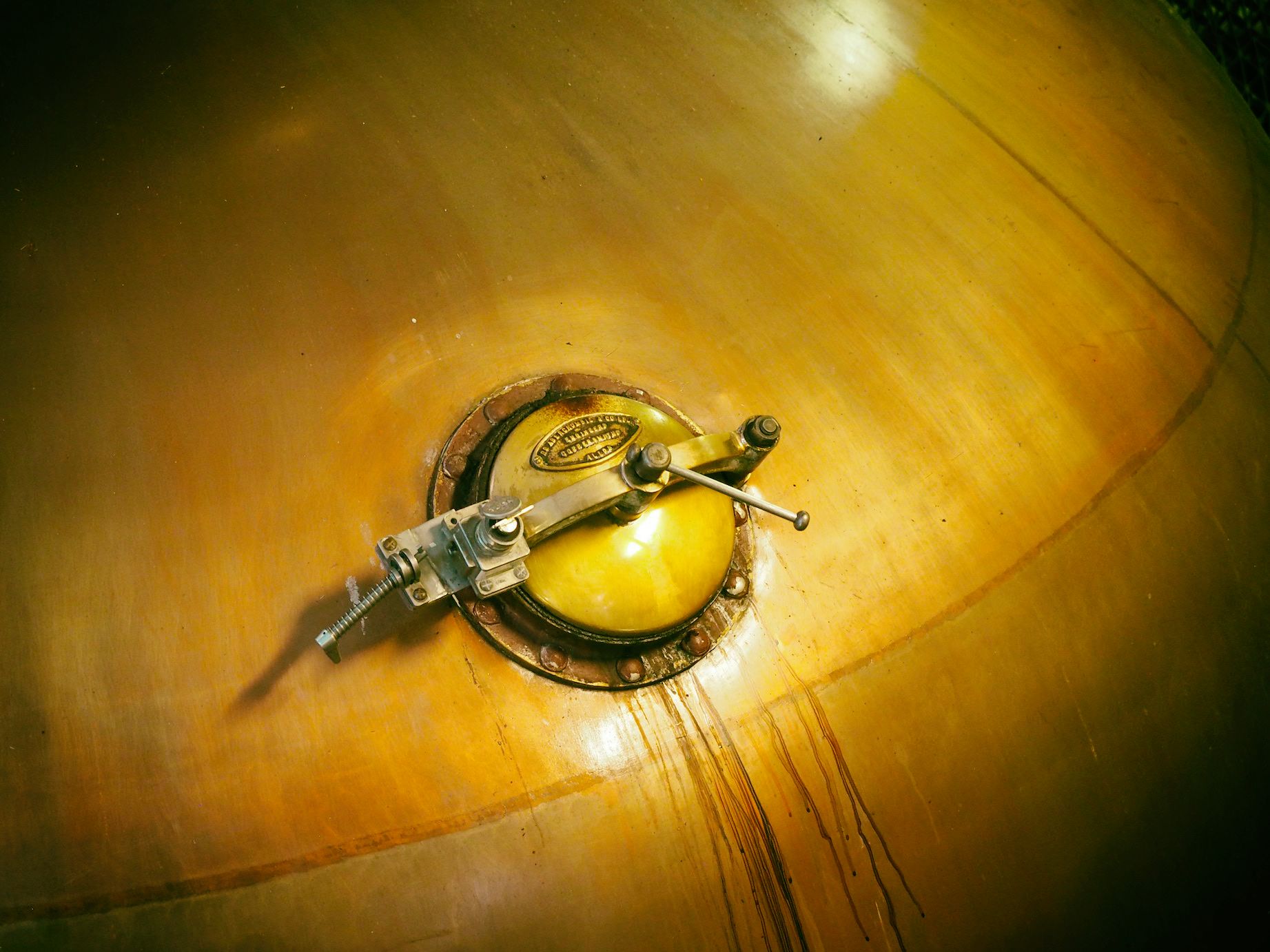
    Two massive stills.

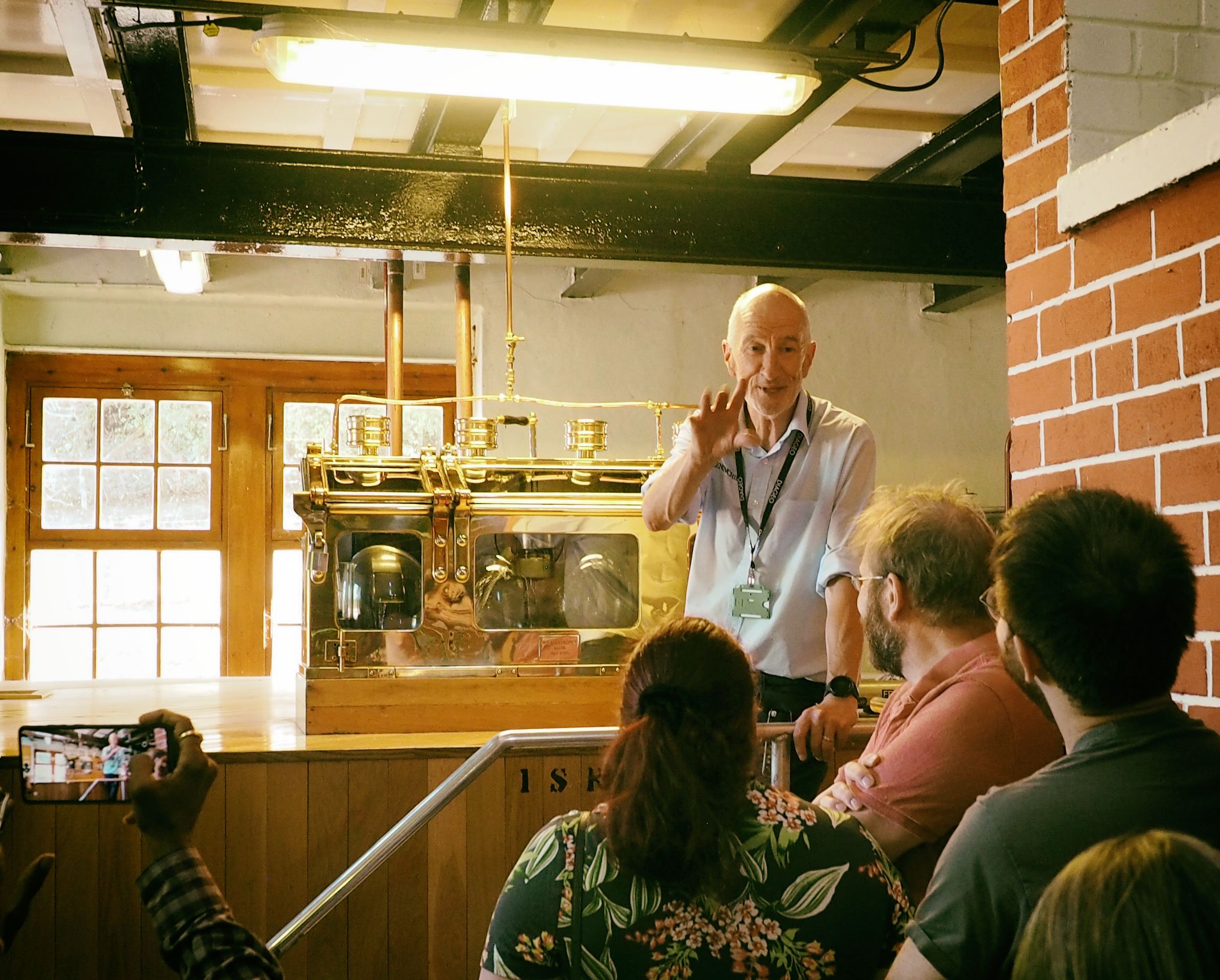
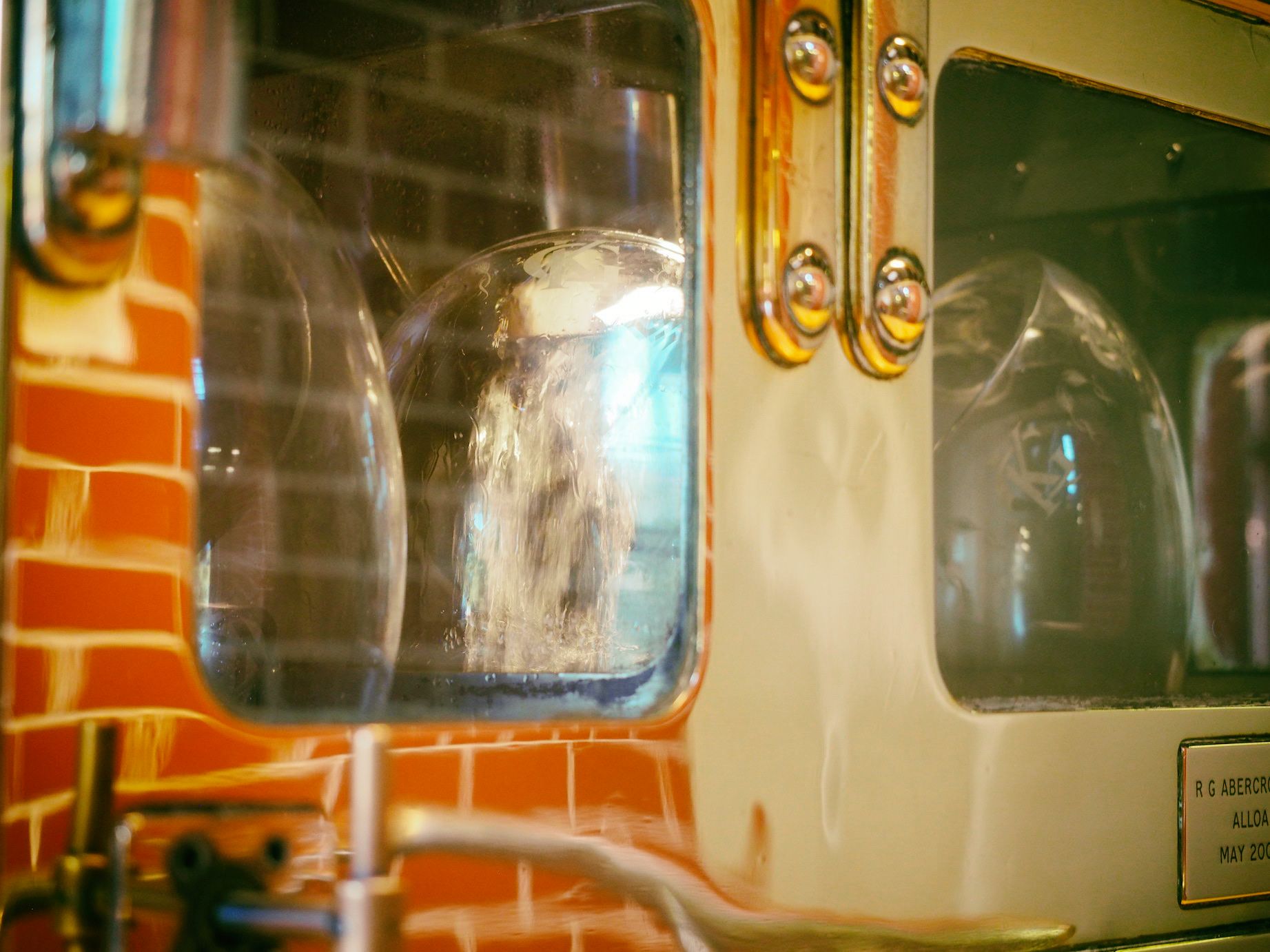
    Back to Glenkinchie. There are two items of note in the distillery – one is the largest wash still on mainland Scotland – the spirit still has a capacity of 17,200 litres, while the wash still holds up to 30,963 litres (Islay’s Bunnahabhain Distillery boasts two wash stills with a capacity of 35,386 litres each). This monster was replaced in 2008 and the roof had to be taken off and the new still hoisted into place, as it was too vast to enter any other way. 

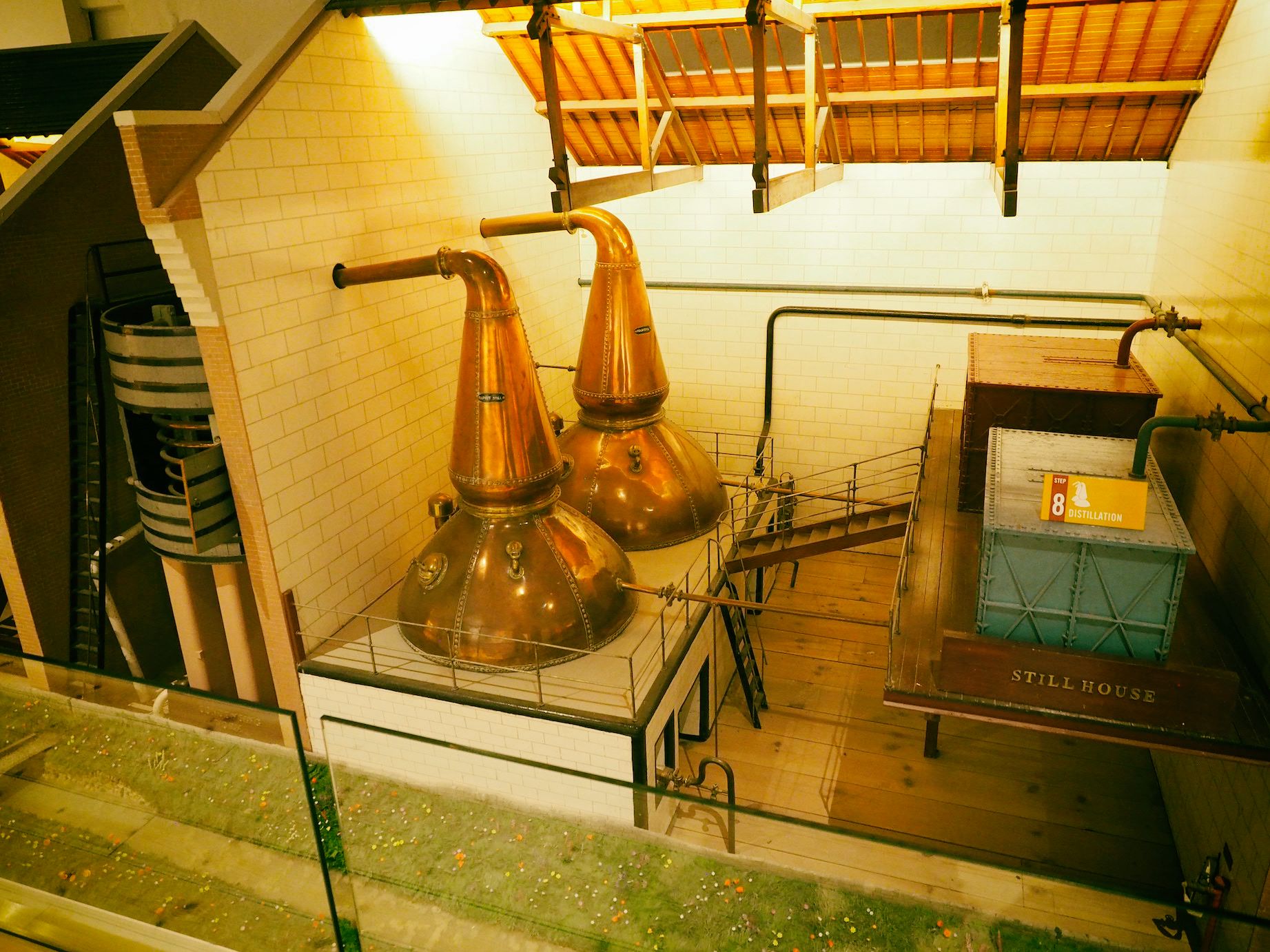
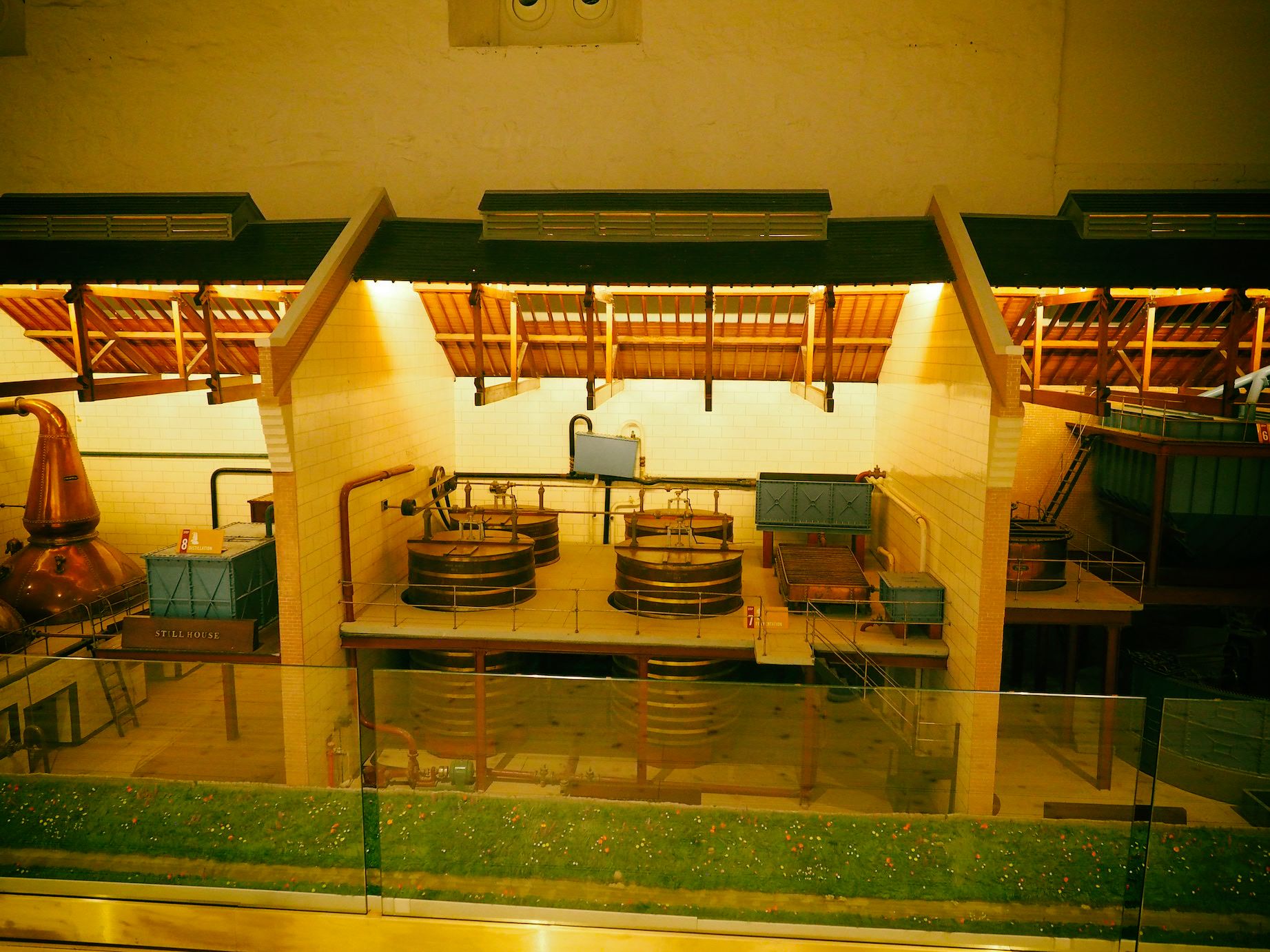
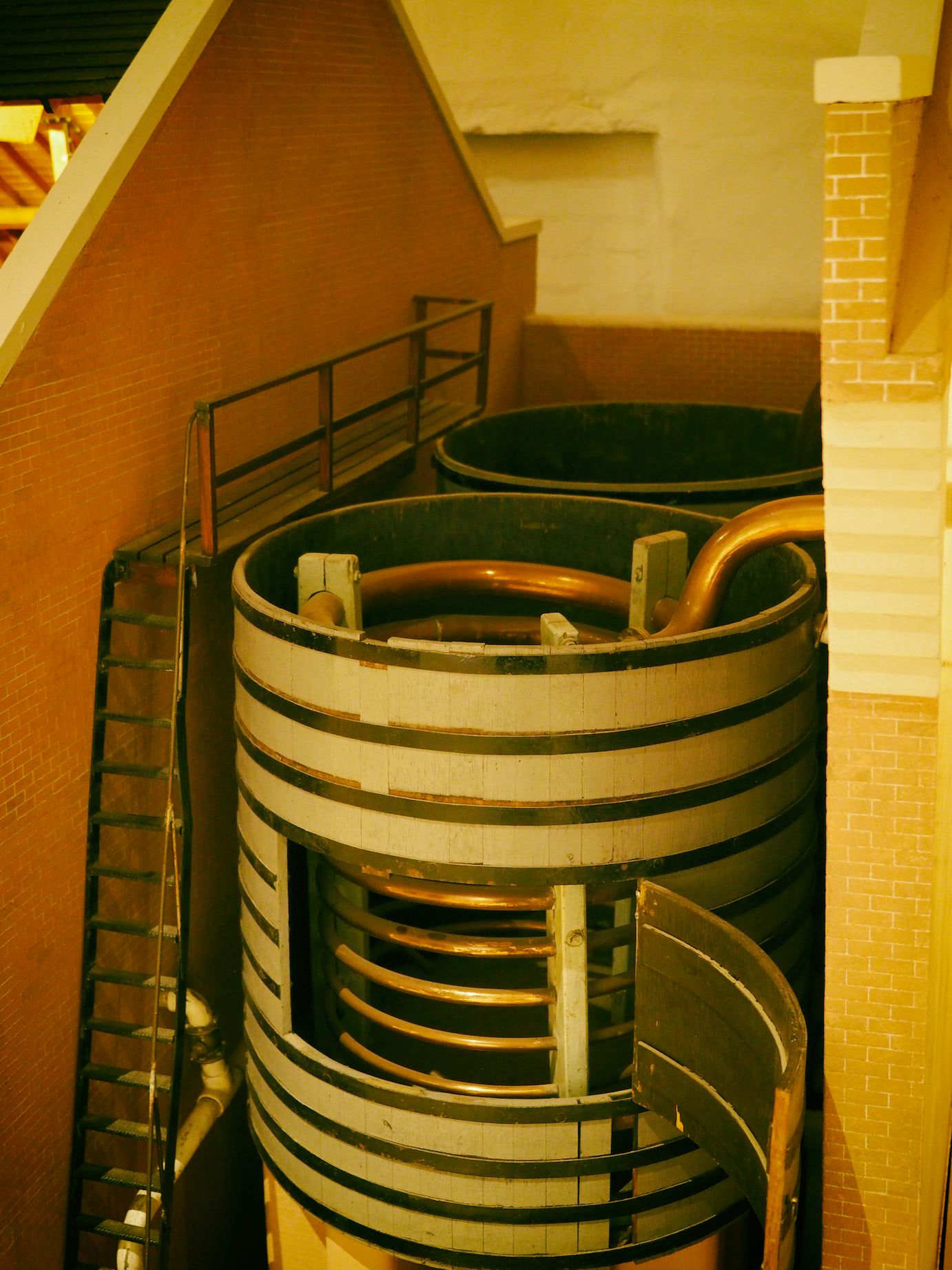
    Two tiny stills.

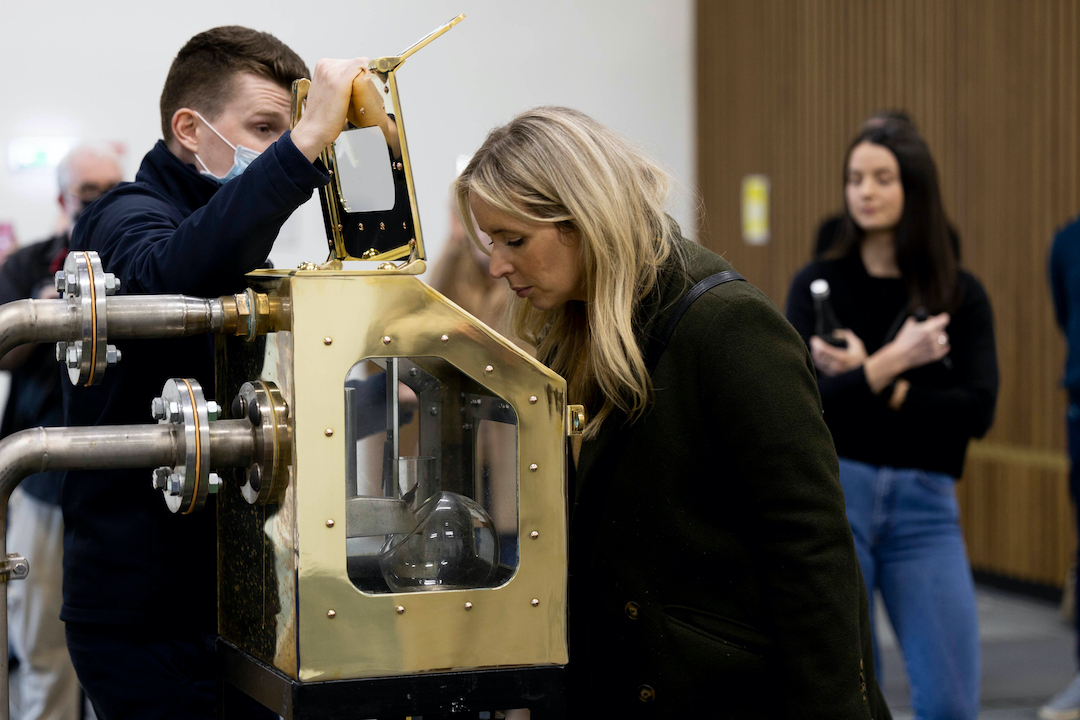
    The second item of note is that the distillery is also home to two of the smallest stills in Scotland, just part of a one-sixth size model of a malt whisky distillery built by Basset-Lowke of Northampton for the British Empire Exhibition, Wembley, of 1924-25 (there is a video of it here). According to our guide, excise gaugers used to check the tiny stills annually to make sure they were not in use. 

    At one point during the tour, our guide told us about a young physics student who took an interest in whisky, starting with the tourism side then moving into production before going to work in a distillery in Tasmania. He then returned home where he continued to work in the industry and is now master blender with Edrington’s The Famous Grouse. This, our guide told us, was his son, Craig (who featured on a BBC documentary series a couple of years ago when he was working at Lark). So despite the vastness of the Scotch whisky industry, at its core is a relatively small community – from those who make it to those who drink it and everyone in between. But it also gave us a really human moment on the tour – a father, speaking with immense pride of his son, and the career he had forged in the industry. Frankly, no amount of chemistry chat or distillery spec can compare. That said, here’s some distillery spec: 

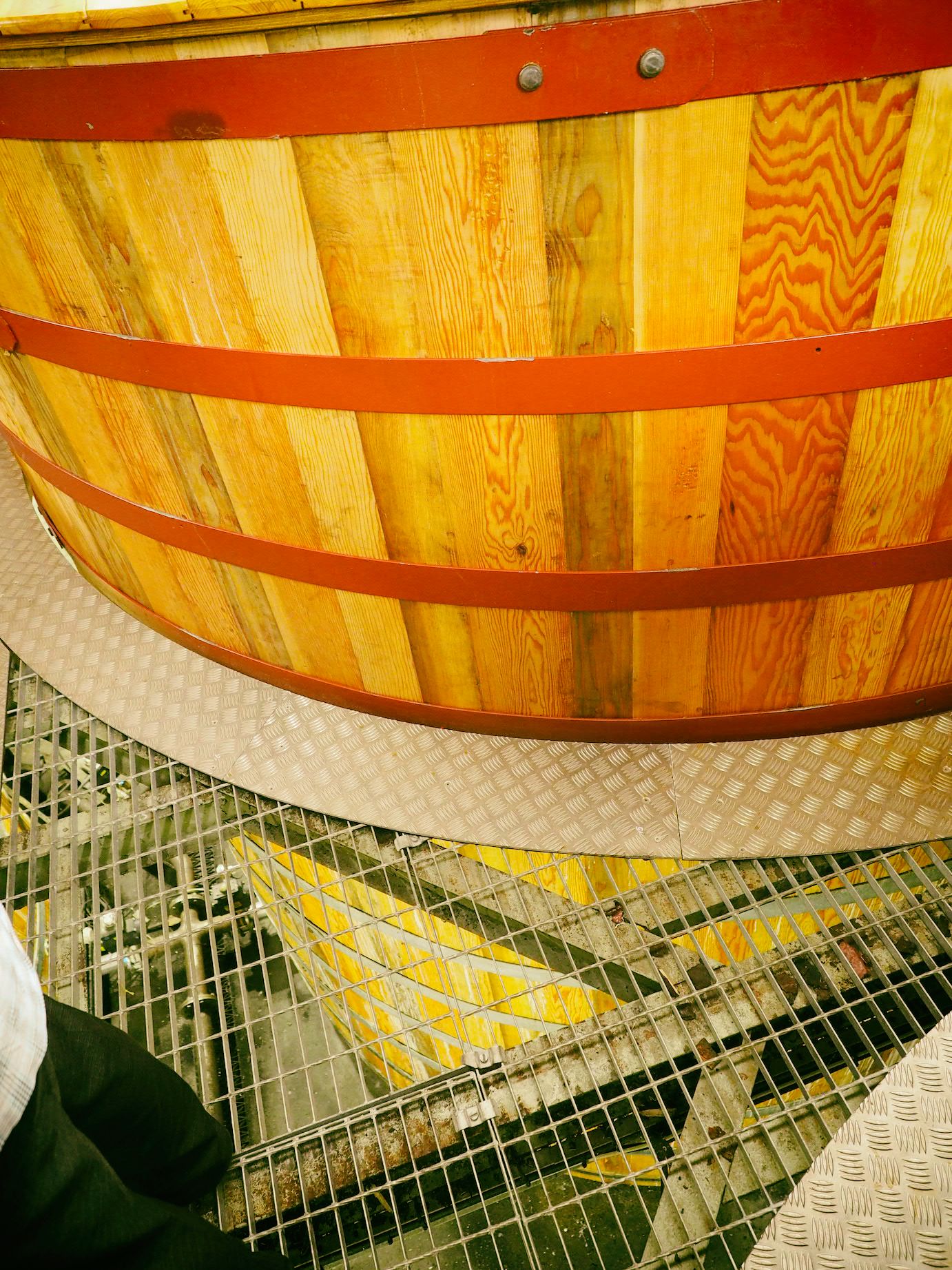
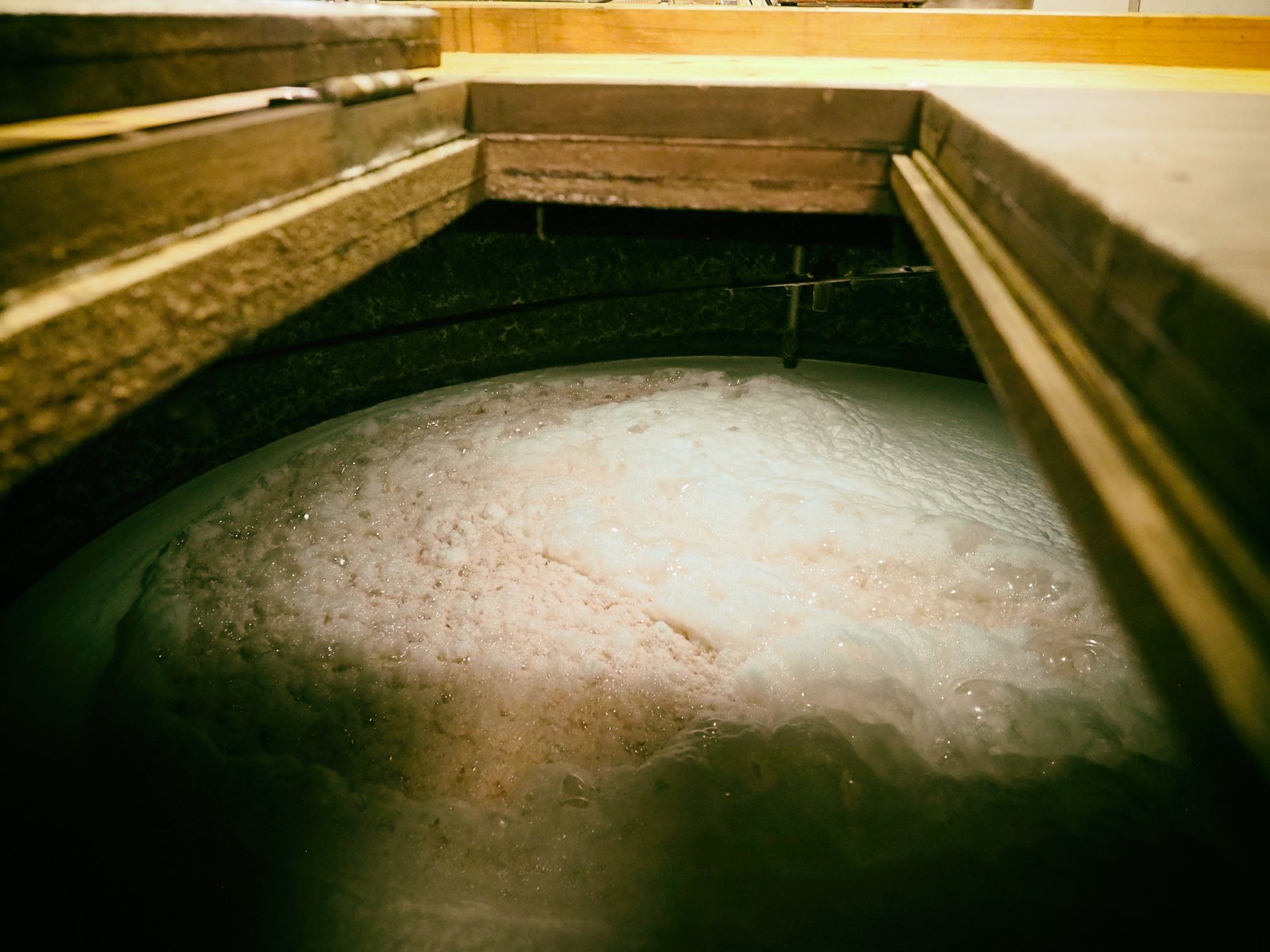
    • The washback woods are mixed – some made from Oregon pine, some from Canadian larch, and they range from a few years old to a staggering 40 years of service. 
    • Glenkinchie used to do a peated ten year old single but stopped in 2005 and peat has not played a role there since. 
    • The maltings – out of use since 1968 in favour of Roseisle – predate the Victorian red-brick of the distillery, as can be seen in photos. 
    • Only 250,000 bottles of Glenkinchie are sold in a year, which means their bottling output – as opposed to their far more significant blending output – can be distilled within a three-week period. 
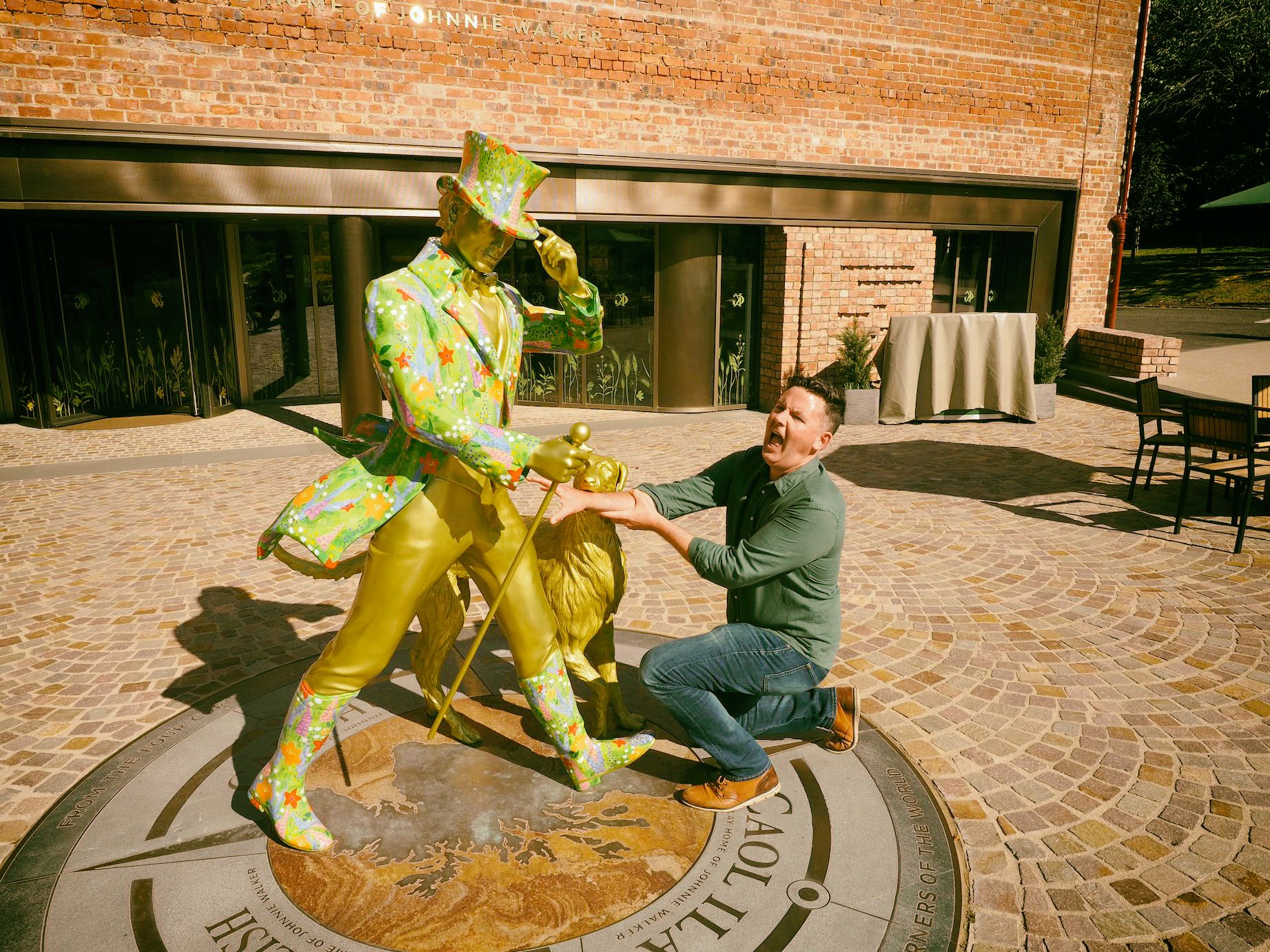
    • Unlike other distilleries that had a cat to keep the moose unloose aboot the hoose, Glenkinchie had a dog (photo from c. 1900 of the workers and dog here). The dog has been immortalised in statue form with the striding man to the front of the building. 
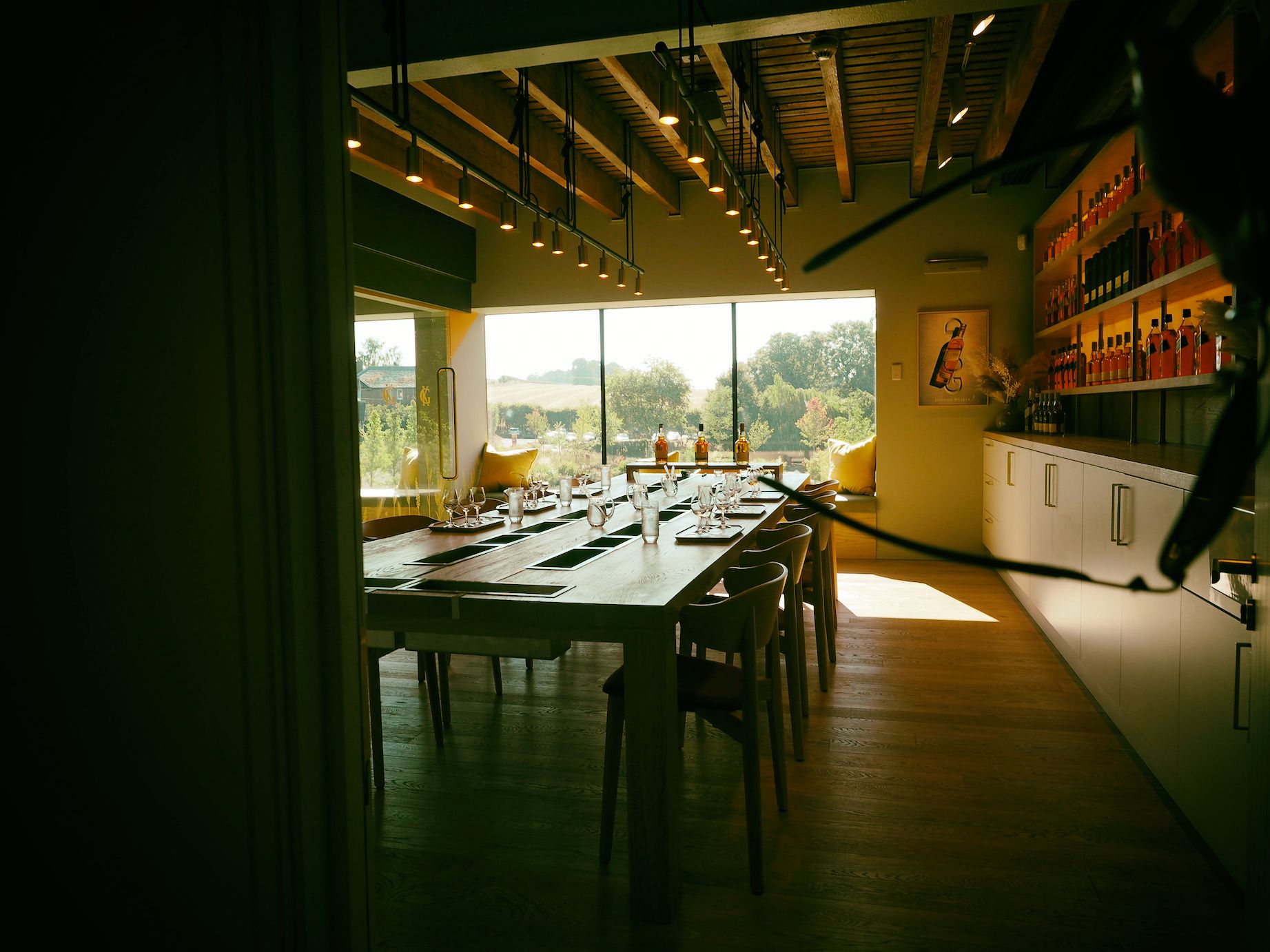
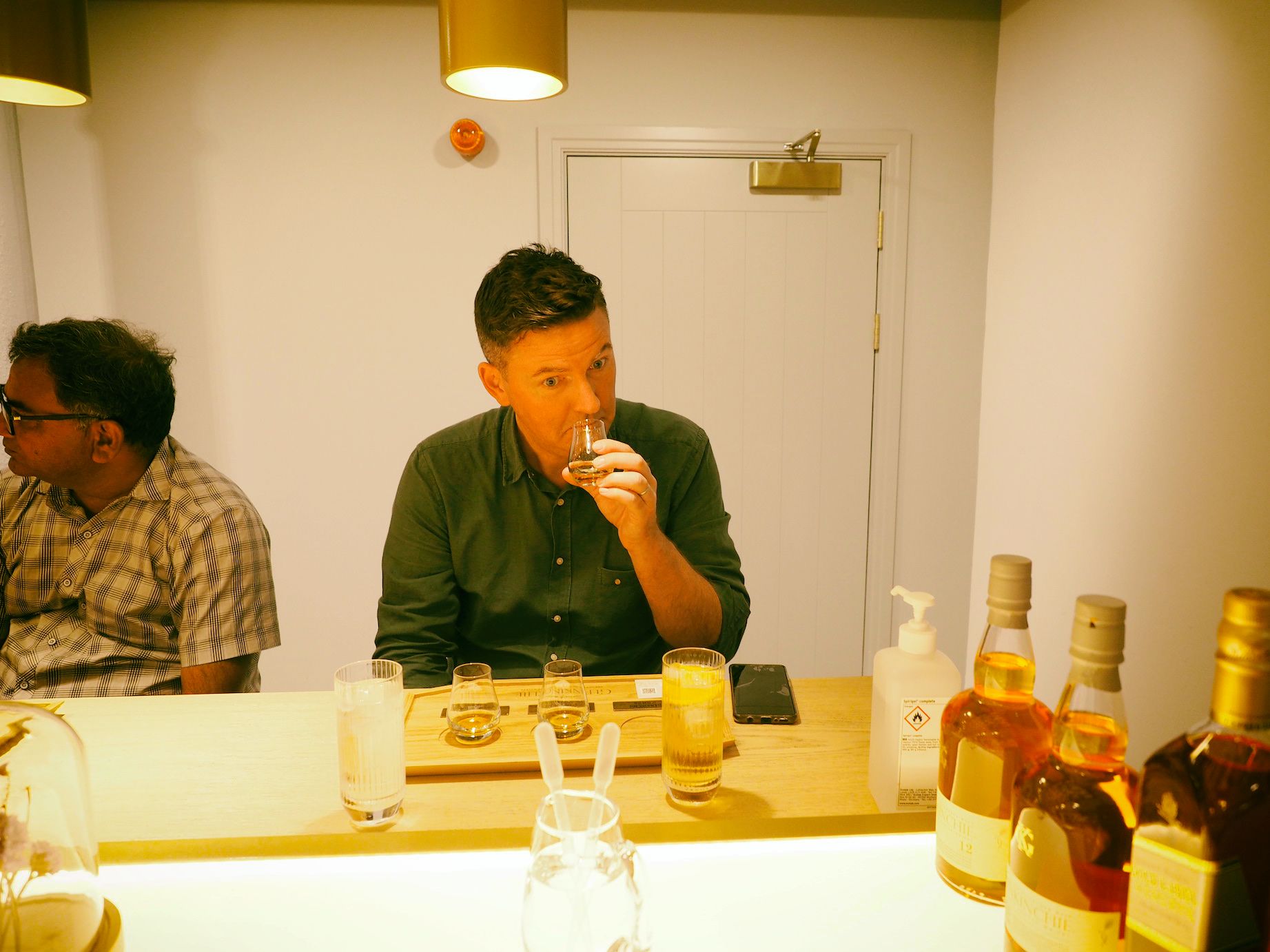
    Our guide gets us seated in the tasting room.

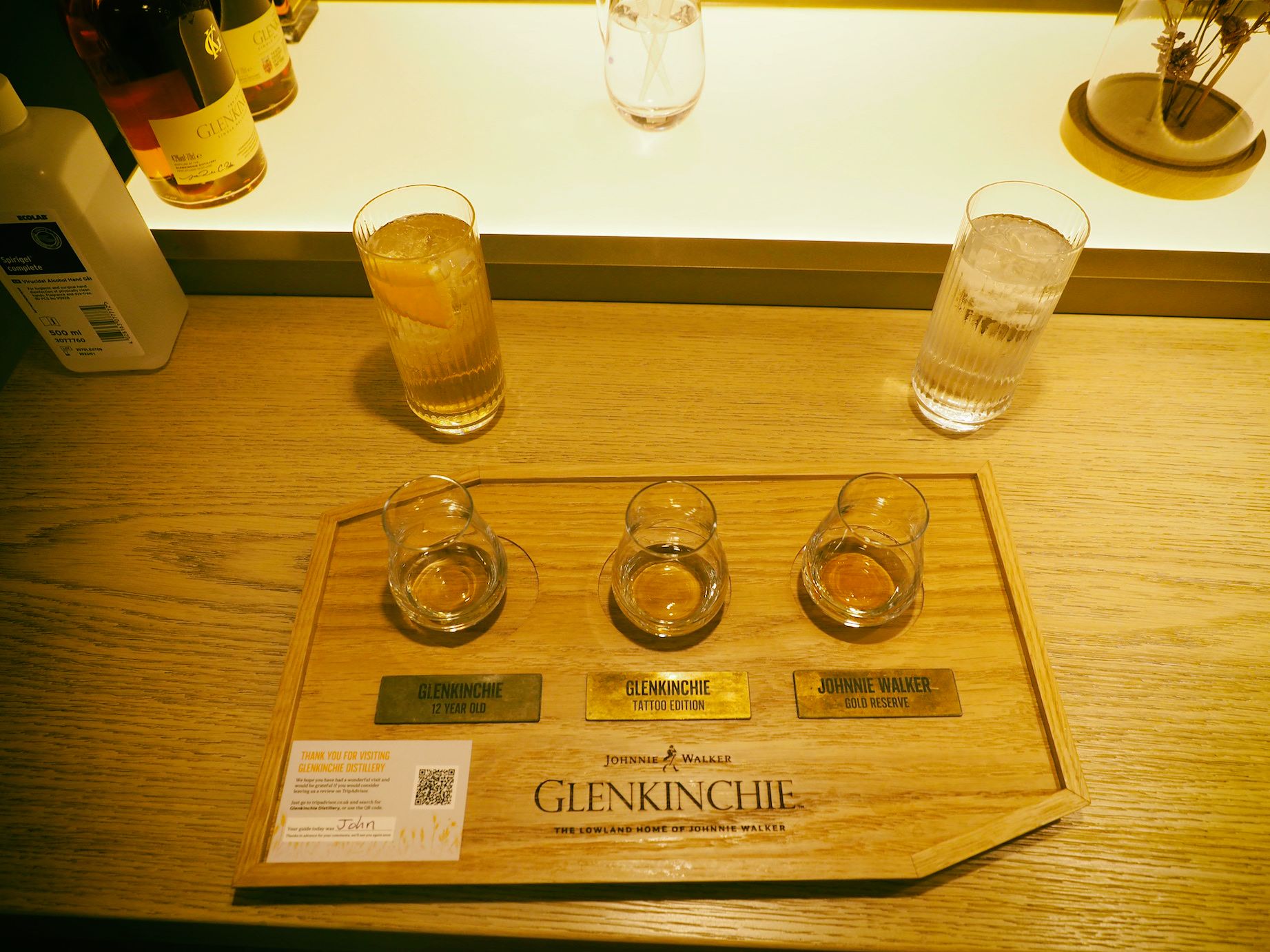
    The close of the tour was the tasting, where we were given the 12 year old, the 2022 Tattoo release, Johnnie Walker Gold Label Reserve, and a highball for good measure. My personal favourite was the 12 – I felt the Tattoo lacked depth and the Walker, while showcasing Glenkinchie’s role in the brand, felt mildly irrelevant. The highball was great though. My friend – and designated driver – was given a nifty box with three sample bottles in it to decant his samples into. This should be on offer at all distilleries – there will come a time when takeaway samples from distillery tours will be the default so you might as well start getting ready for that day. 

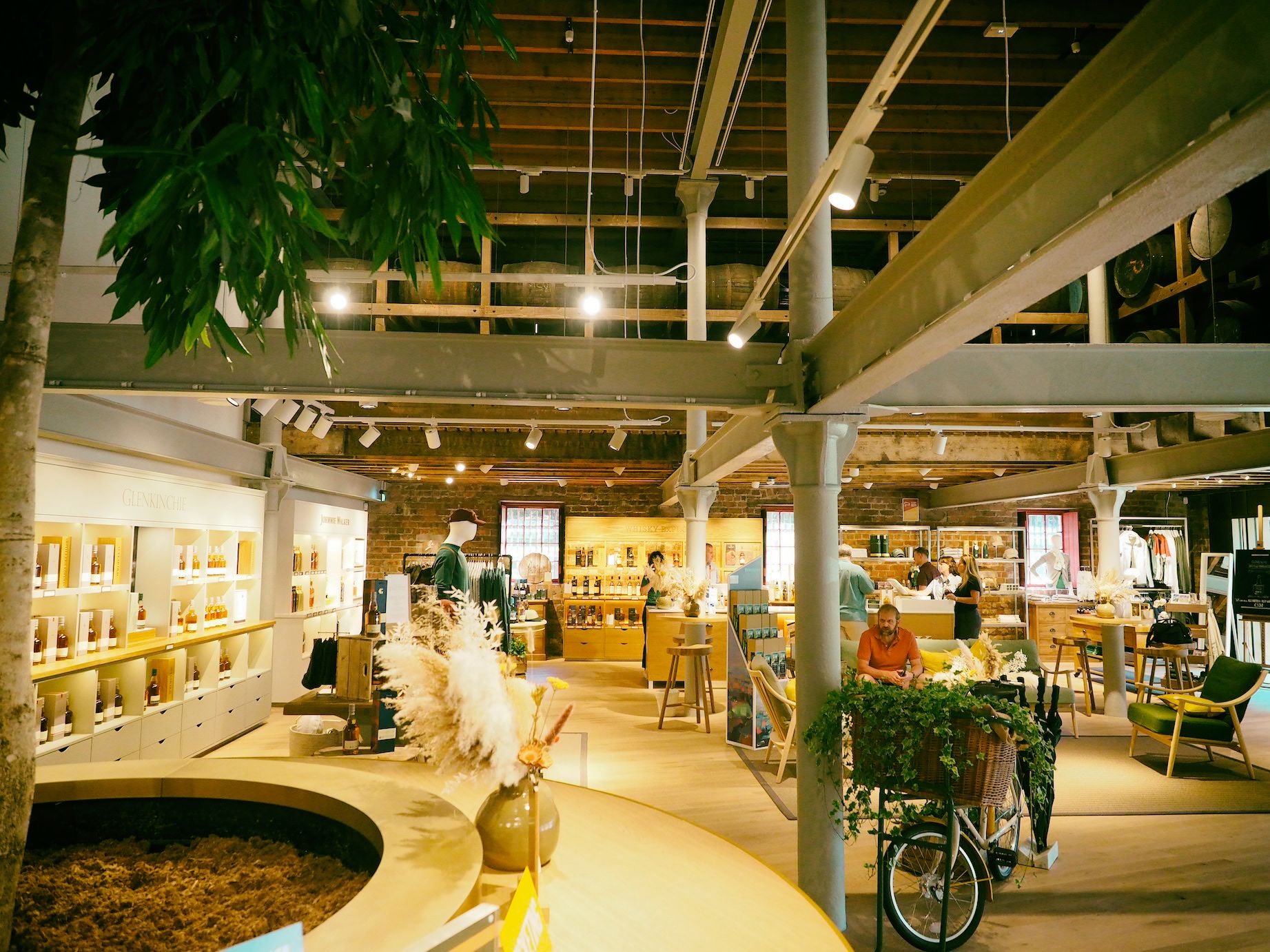
    So in summary – is it worth a trip? If you are in Edinburgh or its environs, yes. If you are in the Outer Hebrides, perhaps not. It’s a great tour, and we were very lucky to have such a great guide, but this is not a pilgrimage distillery – not a sacred site, a place of holy worship. It’s a grunt. It would be nice to see that change, for there to be more accessible bottlings than the 12 (there are older expressions in the gift shop but these all sit in the premium range and as such are invisible to me). Perhaps that will happen – the rest of the four corners all have their space on the shelf, so surely there is room for the Edinburgh malt?

  • To Those Who Wait

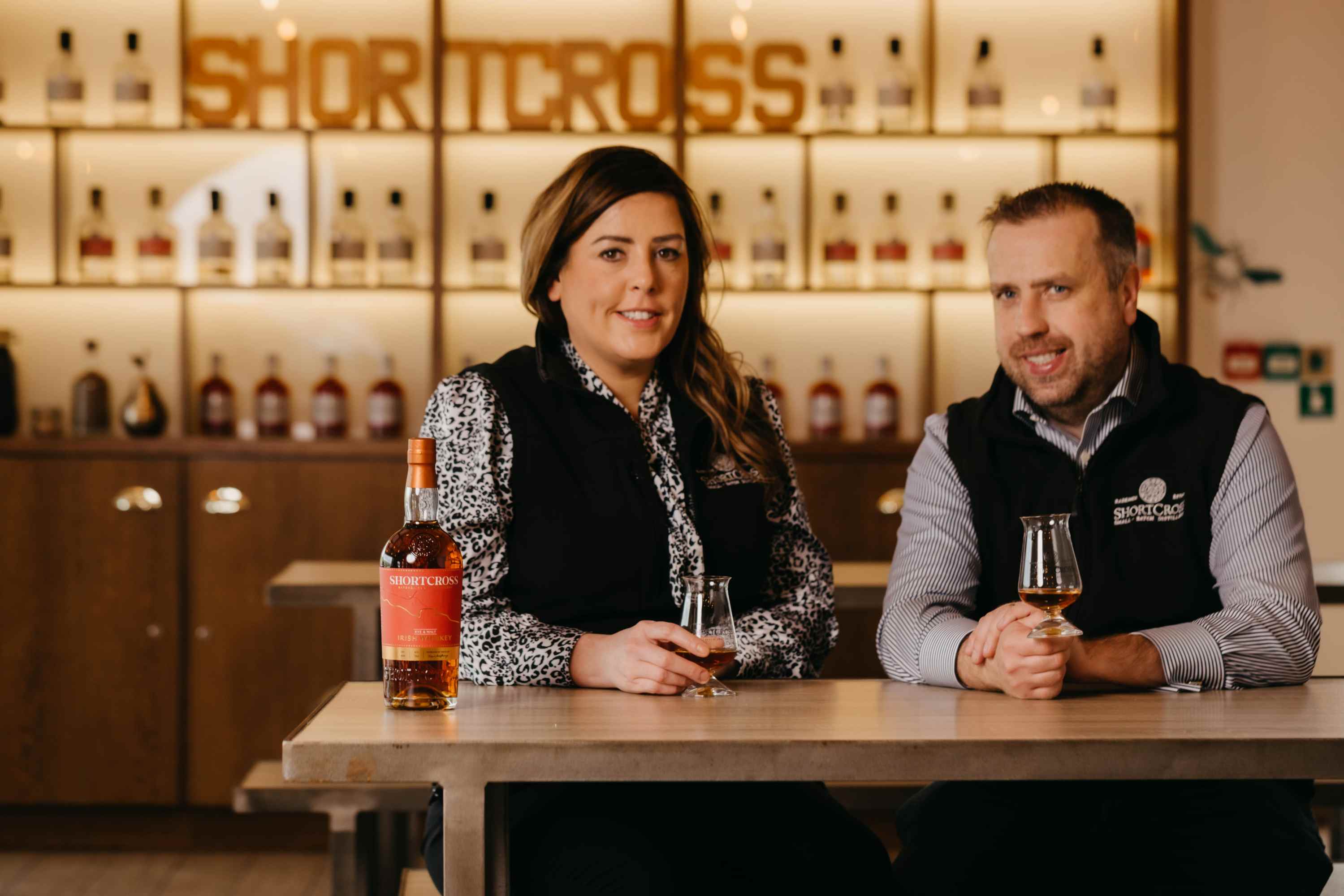
    The dancefloor of Auntie Annie’s indie club in Belfast seems like an unlikely setting for the start of a Northern Irish distilling success story, but it was there in 2006 where David Armstrong and Fiona Boyd first locked eyes. David, an aerospace engineer, and Fiona, a property surveyor, connected immediately over their shared love for all things food and drink, but it was Fiona who dreamed of starting a distillery, as David explains: “The idea for the distillery belongs wholly to Fiona.  Fiona had been reading about the lost distilleries of Ireland, I think it was the Townsend book, around the time her family took on Rademon Estate and at that time she had mentioned to her father about building a distillery. He immediately dismissed the idea, told her she was crazy and to keep doing what she knew. 

    “But Fiona, just like her father [Northern Ireland property developer Frank Boyd], knows her mind and some years later when we got married in 2011 we both knew we wanted to own and manage our own business.  We are both so passionate about food and drink, the food scene on the island of Ireland and, locally for us in County Down, is world class.  Ideally, we would have loved a vineyard in France but as we live in County Down and not Bordeaux, Fiona again suggested a distillery and I naively said yes. 

    “From 2011 to 2013 during every holiday and weekend we travelled the world doing distilling classes and visiting distilleries; we ordered our first still in January 2013, it arrived summer 2013, then we undertook recipe development whilst continuing in our day jobs, eventually we both left our jobs in 2014 and we launched Shortcross Gin in April 2014, so we celebrated eight years as a distillery this April.”

    If that makes it all sound easy, it isn’t; while many distilleries built on the island of Ireland in the past decade use sourced stock as a revenue generator, Rademon opted not to.  

    “To be honest, if you asked me in 2014 to go out and source an Irish whiskey I don’t feel I would have been the right person to do it.  We always believed that you need to learn your trade, this is important for me personally having served an apprenticeship, so we focused on learning how to make and understand our own whiskey in the first instance.  We are at heart a craft distillery – we only sell what we produce, and that is an important ethos for us.”

    Fortunate then that their gin was such a success, winning multiple awards and spreading out to sizable markets such as the US and Canada. The distillery even produced a special limited edition gin with a royal touch – Hillsborough Castle and Gardens Shortcross edition features rose petals handpicked from Queen Elizabeth II’s Granville Rose Garden at Hillsborough Castle – the queen’s official residence in Northern Ireland. Shortcross is also the official gin of Royal Down Racecourse (Fiona’s mother Rose is well known in equestrian circles as the co-owner of the legendary Hurricane Fly). 

    But their gins aren’t simply a money-spinnner for Rademon while they wait for the whiskey to mature.

    “Gin has become a byword by the media as a means to an end for new distilleries, we would love to invite those people to come and work at the distillery for the day to see the effort that goes into creating Shortcross Gin.  We love gin and to make a great gin you need to be passionate about it.  

    “The skills we have learnt from gin have been key to creating our whiskey, namely the ability to nose and taste flavours and put them all together.” 

    As the gin became a success in its own right, they started to look into making whiskey. 

    “In 2014 we were in the US and visiting distilleries when we had the realisation that to grow the distillery we would need to look at other categories.  Now, one thing about both of us is that we believe you should only make what you love, and over the previous two years I had started to get into whiskey, particularly malt whiskey, following a tasting of Connemara Turf Mór at Belfast International Airport.  That tasting blew my mind and I was determined that we should make malt whiskey and with that, some with plenty of smoke too. We began distilling whiskey in our 450-litre copper pot still in 2015 and filled our first casks in August 2015 and continue to do so today.”

    The inaugural Rademon Estate Distillery whiskey was released late last year – Shortcross Irish Whiskey, a double-distilled, five-year-old single malt, matured fully in Grand Cru Classe Bordeaux Red Wine casks before being finished in chinquapin oak – the first time this cask combination was used in Irish whiskey. It takes a patient person to wait to the five-year mark when it could legally be sold at three, but David felt it was worth it (and there was the small matter of a global pandemic). 

    “If Covid hadn’t arrived, we would have done something in 2020 but having the space to let things mature a little longer has allowed us to craft a release we can really be proud of.  Personally, we thought the five-year mark, well actually it’s almost six years, was a good point to release this.  The balance was just there in the whiskey and we knew it was good, so Fiona and I knew it was the right time to go for it.  You have to believe in yourself and the liquid, bringing together the joy of seven years’ hard work of getting to this huge moment in time of releasing your very own whiskey.”

    Obviously there was a lot of excitement for whiskey lovers – this was a release that was a long time coming – and then it won Best New Irish Whiskey at the Irish Whiskey Awards last year. 

    “To win the award was mind blowing. I was also known to have shed a tear that evening, it was the culmination of seven years hard work to put our very own Shortcross whiskey out there, that I single handedly worked on from mashing in, fermenting, distilling and filling the casks. We entered the awards without anyone having tasted it or giving us a nod that we were on the right path. We were overwhelmed by the positive response and support we received following the award.” 

    But along with the giddy highs, there was the reaction to the price – stg£300 – in the whiskey community.  

    “There was a small collective of negativity on social media, that just did not give up and became so vitriolic. I don’t think you could ever please these people and that says more about them than it does about us. Our first ever release was a small, limited release of less than 700 bottles, 656 in total. Two casks. It was a momentous and historic moment, Shortcross was the first Irish whiskey to be wholly distilled and released by a new Irish whiskey distillery in Northern Ireland since the 1920s and the first new Irish whiskey to be released outside of the Old Bushmills Distillery since the closure of Old Comber and Coleraine distilleries.  It breaks the chain of Bushmills-only releases and that is something really important in the rebirth of the industry in Northern Ireland.”

    But while the first release was limited and had a pricetag to reflect that, their next release is both affordable, available, and intriguing, as David explains.  

    “We like to do things a little differently so our second release is something completely different – Shortcross Rye & Malt Irish Whiskey. This coincided with a couple of things that happened in 2017 and then ultimately ended up with us visiting rye whiskey distilleries in Maryland, which is the birthplace of American Rye whiskey.

    “When we got back to the distillery we began to explore how we could create a rye-influenced Irish whiskey, after many iterations and failings along the way we found that the best way for what we wanted to achieve this was to use malted rye rather than raw rye to amplify the fruit notes and tame the spice.

    “The whiskey starts life with a mash bill of 30% to 50% malted rye and the remainder malted barley.  The wash is fermented for 140 to 160 hours, allowing time for a secondary fermentation to kick in.  This helps create flavour from the very start of the process, through distillation and on to maturation.  We then double distil the spirit on our 450L and 1,750L copper pot stills, with the 450L being one of the smallest stills used for whiskey on the island of Ireland.

    “For maturation we used a combination of first fill ex-bourbon casks and also virgin chinkapin oak casks, which create rich flavours of fudge, stem ginger and spice.

    “It’s a great whiskey and one we are seriously proud of.  We can’t wait now to see it in the wild and in the hands of whiskey drinkers.”

    Thanks to the generosity of Rademon, a bottle of it is now in the hands of this whiskey drinker. So what to think: All of the above, nutmeg, spice, hints of mace and whispers of aniseed; heather and manuka honey. Sweet, smooth, spicy. For a first release it holds excellent promise, although that is probably damning it with faint praise. But it is an important whiskey, for all the historic and cultural reasons listed above.   

    There are distilleries all over the island of Ireland that get a lot of attention – some spend a fortune on PR, some are controversial, some are just loud. There are others who are quiet. This, for me, has been part of the intrigue with Rademon – a distillery that is just quietly working away, with no fuss. The fact they never released a sourced whiskey just adds to their mystique; no resurrected brand from the days of yore, no press releases spoofing on about heritage, just a distillery quietly making gin and whiskey – new, fresh, interesting. The fact they opted to release a rye and malt whiskey as their first widely available release shows a confidence – they also have a peated 50PPM whiskey so they don’t seem overly concerned with creating a potentially polarising product. 

    The rye and malt more than lives up to my expectations – it’s an interesting, easy drinker, but more importantly it is something new; this isn’t some murkily rebranded West Cork Distillers/Great Northern/Bushmills/Cooley whiskey that somehow, no matter the finish, always tastes more or less the same. This is a new sensation – a new Irish whiskey, a new Northern Irish whiskey, and one that was worth the wait. 

    • Rademon Estate Distillery’s Shortcross Rye & Malt Whiskey is available from their webshop – 46%, non-chill filtered and all natural colour, it is priced at stg£65.
  • Prologues and epilogues

    “We have always been storytellers” – Kevin Keenan, Glendalough Distillery co-founder

    Glendalough Distillery is one of the success stories of the Irish whiskey resurgence. Founded in 2011 by a group of friends, their prominence in the media came from a combination of being early adopters of an exciting new trend and some high profile investors. One could also say that the business’s proximity to the Dublin media bubble helped (along with the team’s own media savvy), but their brand and their story was always strong – little wonder, given that several of the founders worked in branding, marketing, and advertising for some heavy hitters like Tullamore DEW and Jameson (another two of the founders were data analysts for Davy Stockbrokers). But beyond the brand, and the narrative, I knew little of Glendalough, but here is what I do know: 

    Founded in 2011, they didn’t start distilling until 2013 when they made their first gin (which means they are far from being Ireland’s oldest craft distilleryLongueville House was making apple brandy in 1985). They distilled some whiskey in 2015 before the technical file outlawed bringing in the wash from elsewhere. Also, one factoid that always stayed with me was that all of the founders happened to have the same favourite monk.  

    I’ve never been clear about the rest of the Glendalough story, despite co-founder Brian Fagan getting in touch in 2018 to explain a bit about where they were in their journey. He told me that they bought a site on Glendalough Green in 2016 and were considering their options about what size and style of distillery to build there. He said that they would have planning in place by the end of that year, but that in the meantime they were ordering more Holstein stills and would be distilling whiskey from their current site (an industrial estate in Newtownmountkennedy) by autumn 2018. In January 2019 Fagan emailed to say their new stills were in situ and were waiting to be commissioned, and that he would give me an update on their plans that I could feature on my blog. I haven’t heard from him since, but then 2019 was something of a momentous year for the firm so maybe it slipped his mind. 

    Canadian drinks firm Mark Anthony Brands invested €5.5 million in Glendalough in 2016, and then, in 2019, they bought out the rest of the company, giving shareholders a €12 million euro windfall. Brian Fagan moved on and started another drinks firm into which rugby legend Brian O’Driscoll again ploughed some money, so when I was sent a bottle of the new Glendalough seven-year-old single malt finished in a Mizunara cask, I asked the PR firm for that long overdue update. Firstly, I asked where they were on the planned purpose-built whiskey distillery which had been a feature of their soundbites for more than a decade. This was their response: 

    “In line with the continued growth in our gin and whiskey portfolio, our ambition remains to develop a new brand home for Glendalough. Plans are progressing well.”

    Eagle-eyed readers will note the word distillery does not feature there. And while plans for whatever a ‘brand home’ constitutes may be progressing well, a quick search on the Wicklow County Council planning website shows there have been no plans submitted by Glendalough Distillery or Mark Anthony Brands for either a distillery, or a brand home, or anything, ever. 

    I also asked them about their distillations of whiskey in the past, and what amount they were distilling now –  ie, casks per week – and what age the oldest stock they have of their own whiskey. This was the response: 

    “We set up whiskey stills a number of years ago, and have ambitious plans for our own liquid. Watch this space…but it takes time and we are patient.”

    Again, a swerve. Setting up whiskey stills and distilling whiskey are not the same thing. From that response I can only assume they never actually got around to distilling whiskey after their initial attempts in 2015. Even the BBC Good Food website seems confused about Glendalough, saying in February of this year that their distillery was still being commissioned.

    I also asked what percentage of the whiskey sold under the Glendalough Distillery brand worldwide was actually distilled in Glendalough distillery, and if there was a plan to phase out sourced stock, and if so, when would that happen. This was their response: 

    “While we continue to distil our award winning gins in Wicklow directly, our Single Malts, Single Grain and Single Pot Still are currently distilled elsewhere in Ireland to Glendalough’s specification. We are happy to be transparent about that and this is stated on our back labels. As mentioned above, we have our own whiskey liquid in the works. We plan to continue to source stocks while waiting on our own whiskey, distilled in Glendalough Distillery in the future. Between now and then, we will continue our relentless search to find the world’s best, rarest, most flavoursome oak to age and finish our whiskeys.”

    Frankly, I am no wiser as to what the Glendalough brand is – indie bottler? NDP? ‘Brand’? Their pot still release from a couple of years back was meant to be the start of a transition to their own stock – the reason it’s not single pot still is they hoped to blend their own with it over time. I’m going to assume that transition never happened. 

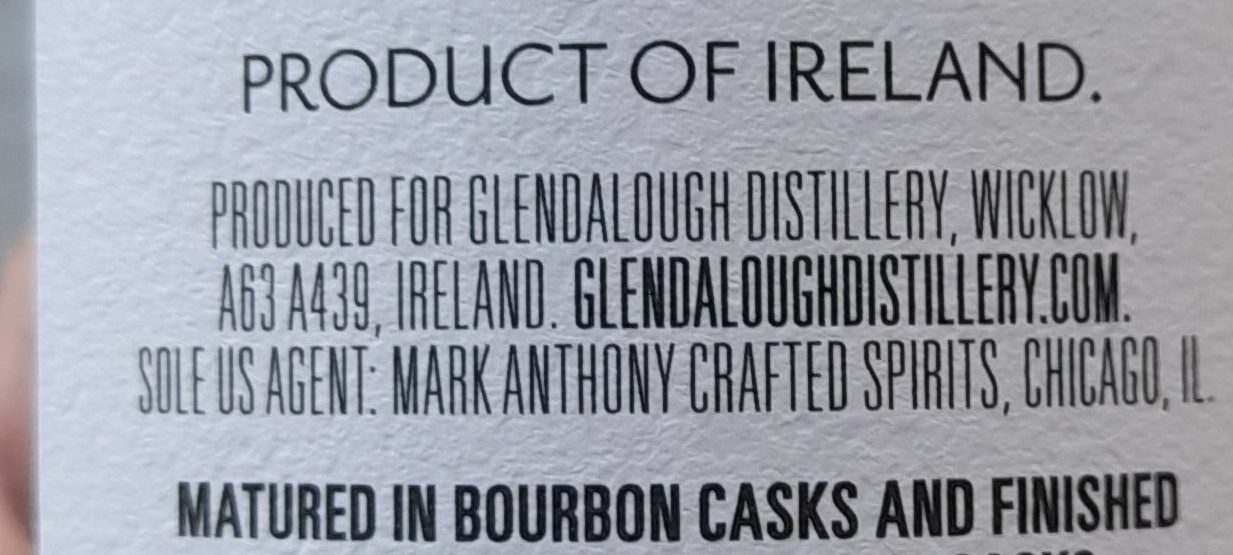
    As for their claim about how the sourcing of their whiskey is clearly stated on the labels, this is what they were talking about:  

    Squint hard, gentle reader, and you will see that it does indeed say ‘produced for Glendalough Distillery’ in there among the jumble of info that nobody ever reads. But another thing I noticed about the bottle is that it no longer has Glendalough Distillery embossed on the glass. 

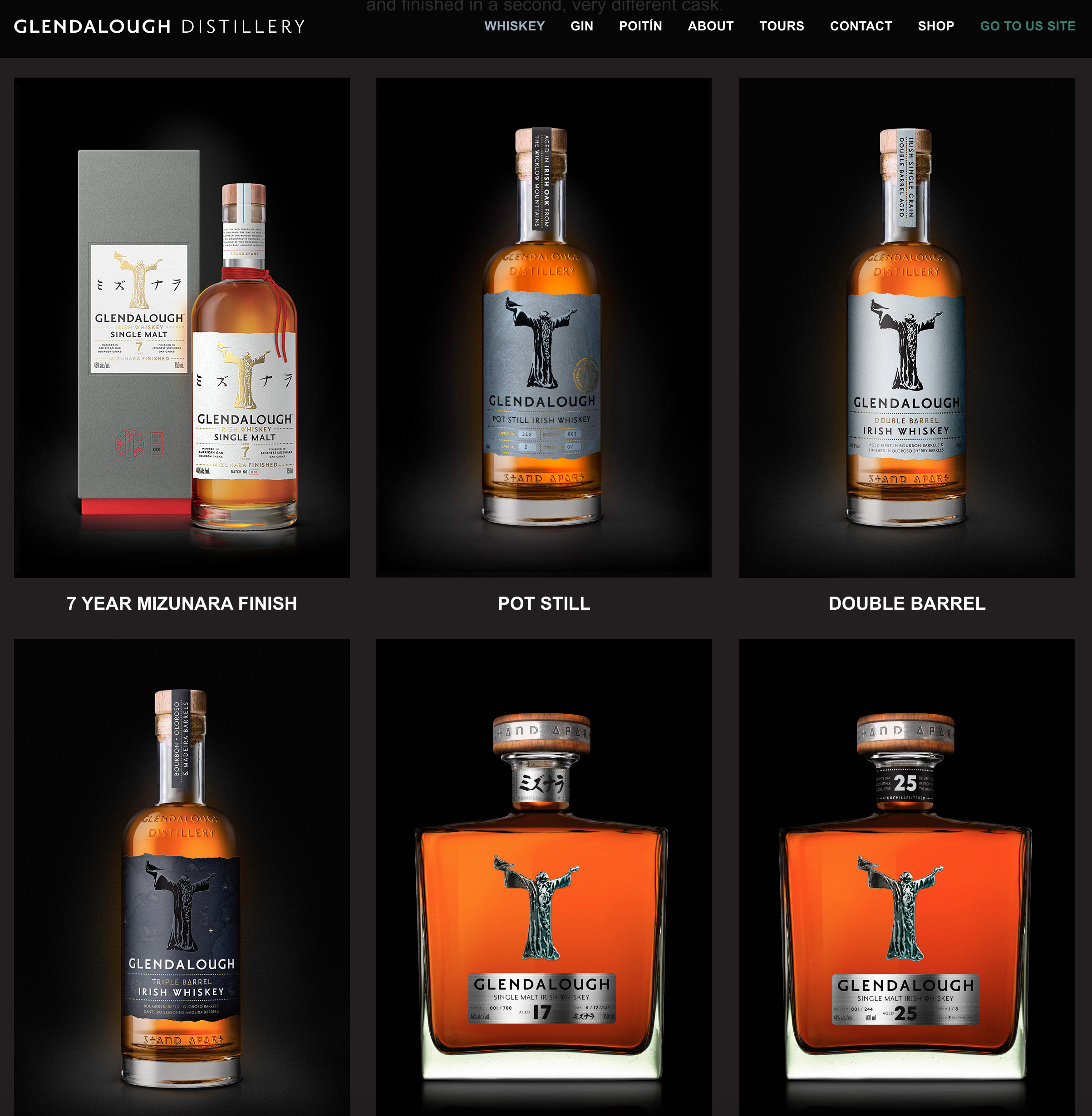
    A screenshot of the Glendalough whiskey webshop showing the new bottle without the words Glendalough Distillery printed on the glass.

    Perhaps this is a sign that they are preparing to transition from aspirational whiskey distillers to a simple whiskey brand. Nothing wrong with that, and I’m not saying the founders are the boys who cried distillery but it does feel like a can was kicked far past the point of reason. I can tolerate whiskey being sold under the brand of a planned distillery, but only for so long. There comes a point where I expect you to piss or get off the pot still, and that point was several years ago.

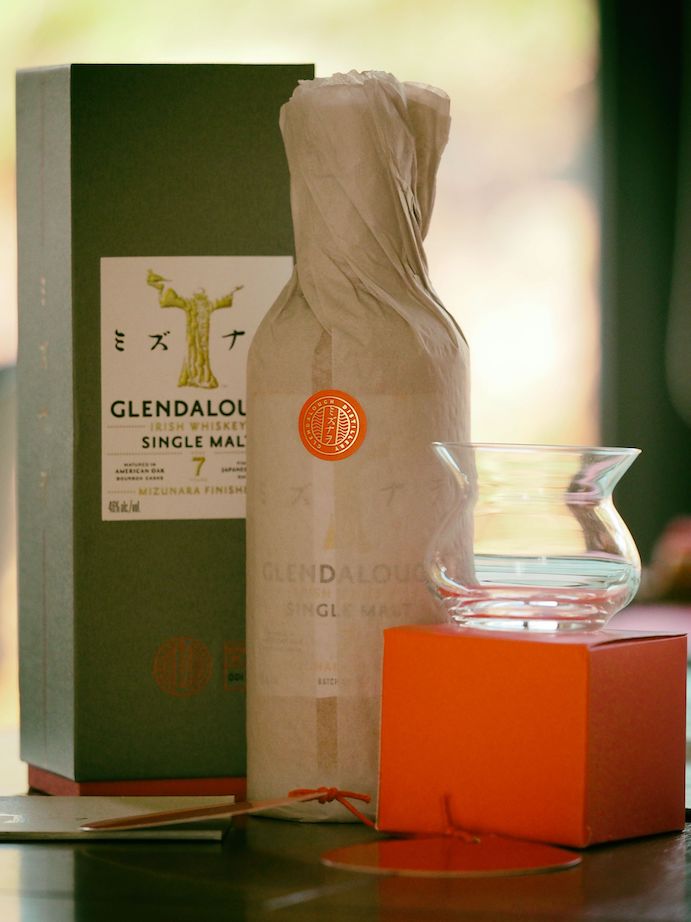
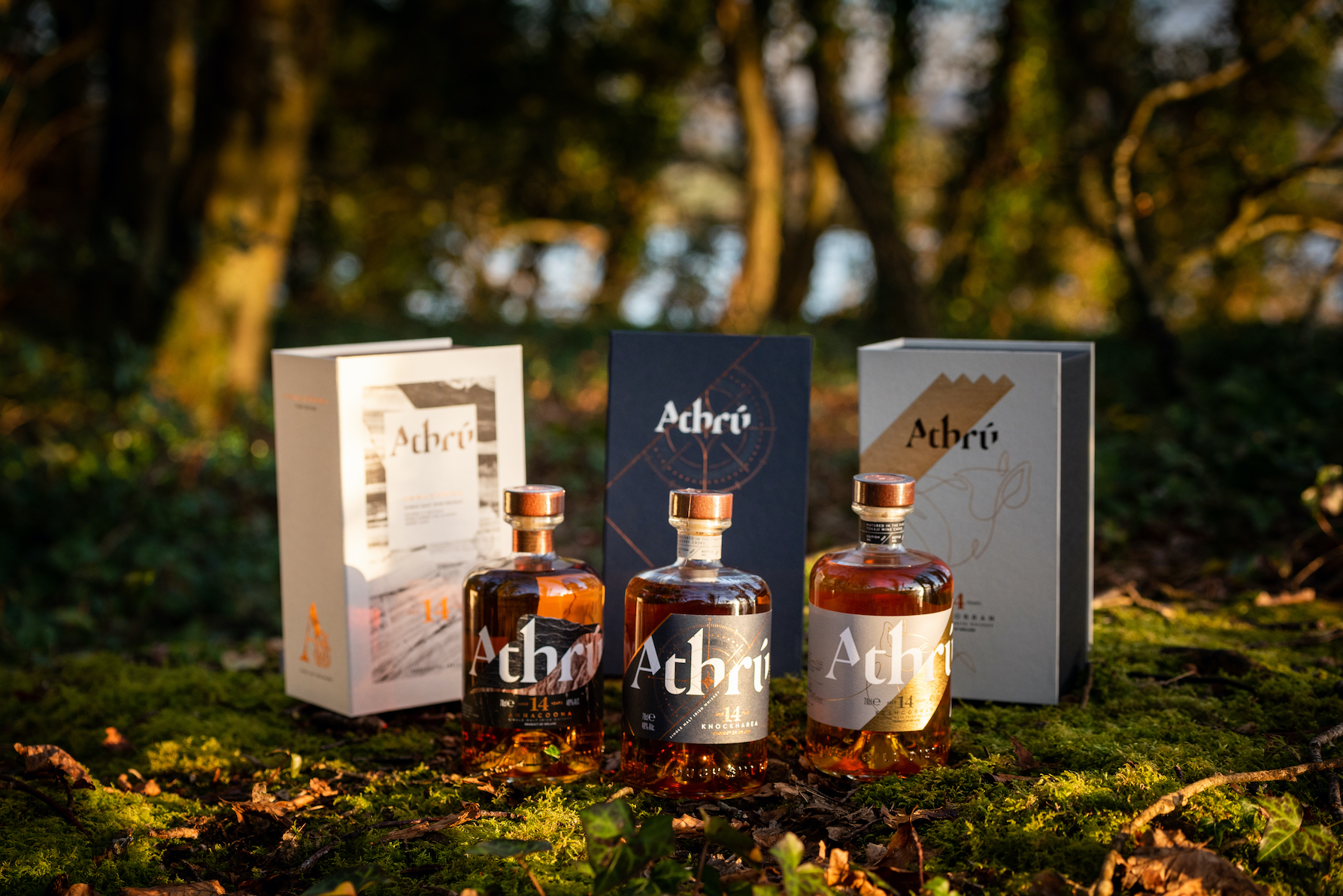
    As for the whiskey within – I had a bottle of the old Glendalough seven a few years back and it was a cracker –  very similar to the cask strength Whistler Blue Note. But this Mizunara finished one is a completely different animal – I’m going to assume a different distillery was the source for this. It’s good, odd, not sure I’d be racing out to get myself any other whiskey anointed by the famously awkward Mizunara wood, but it’s a pleasant diversion. A similar price point to the Athru I reviewed recently and I would favour that over this, despite my preference for age statements over NAS. The packaging here is beautiful, but as I said at the start, the branding was always solid – although the Gandalf-esque image of St Kevin is, in fact, crap. A shame really, given that he was their favourite monk.

  • The Aesthetics of Industry

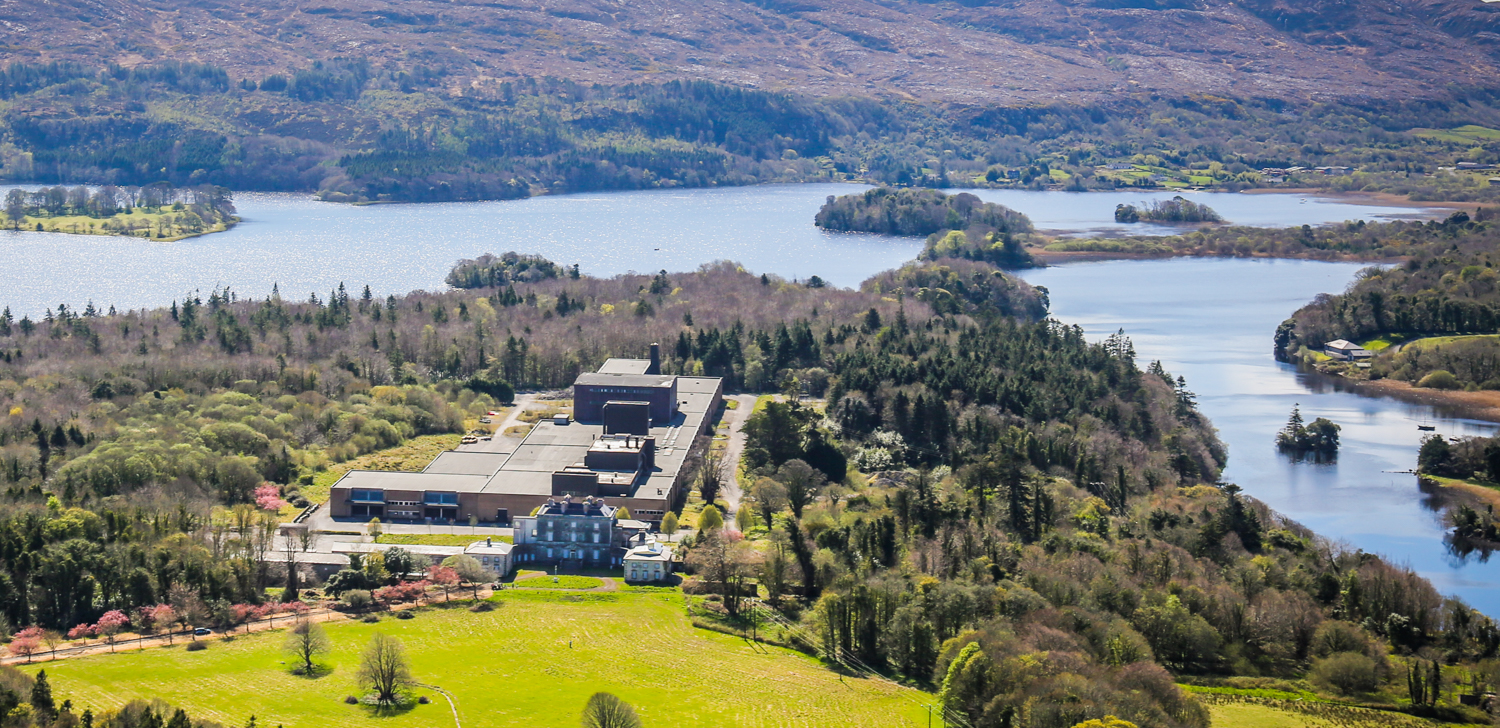
    Most of Ireland’s distilleries were built in the last decade. We don’t really have beautiful historic distilleries like Scotland does. Not that their distilleries are all postcard scenes from the days of yore – for every chocolate box distillery like Strathisla there is a more utilitarian operation like Tamdhu. But Ireland has an amazing array of buildings housing distilleries – from Dingle, housed in a steel shed built onto a historic sawmill, to the farm distilleries in what looks like a haybarn, to the purpose built compact and bijou ones like Connacht, we have a bit of everything. While there are some curious distilleries built in curious places, few compare to the setting of Lough Gill Distillery. 

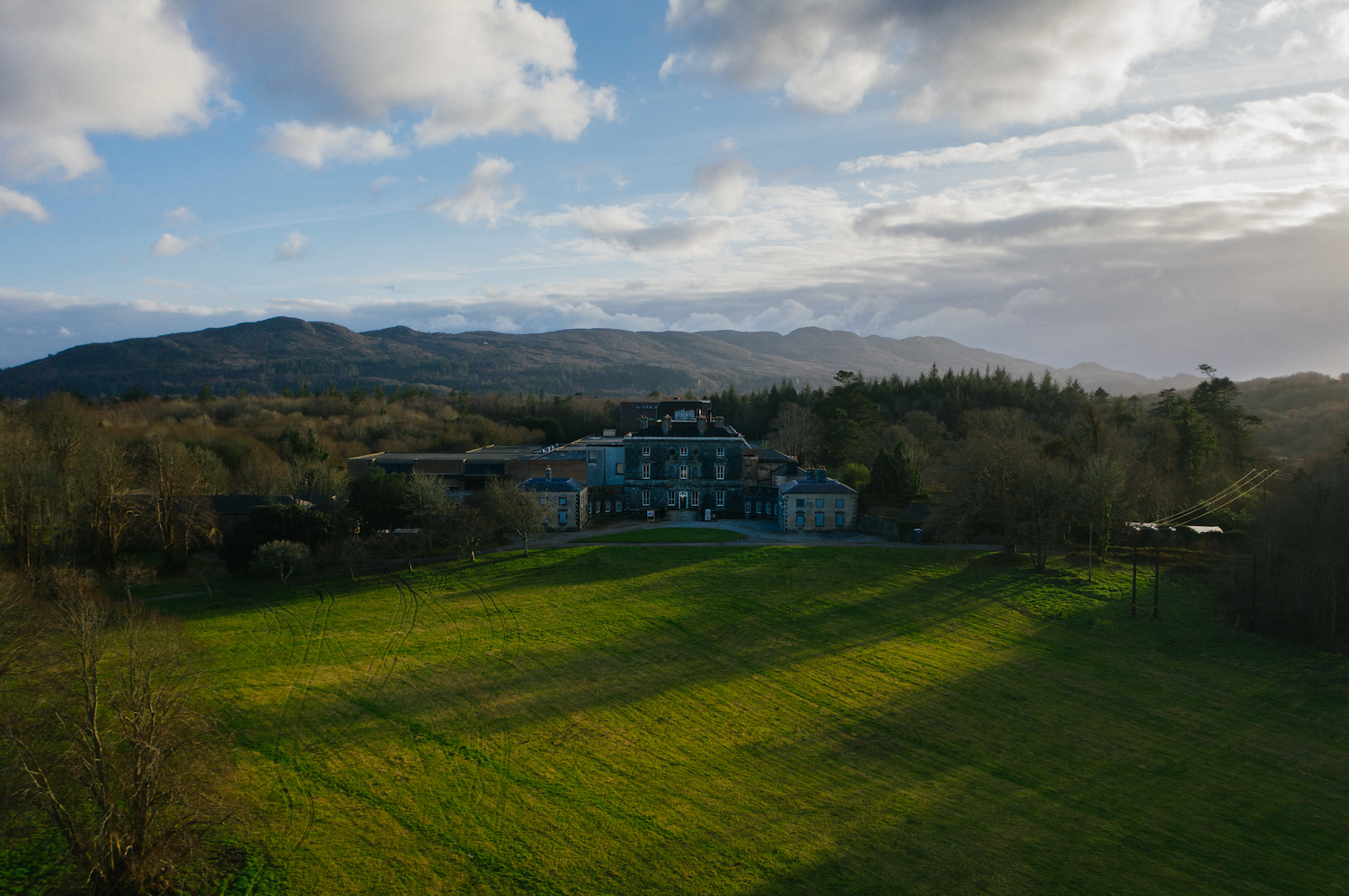
    Hazelwood House has quite the history – it was the first Palladian house in Ireland designed by Richard Cassels, who also designed Leinster House, Russborough House, and Powerscourt House. It was built in 1731, then occupied by Wynne family for 200 years, then lay empty from 1923 to 1930. The estate around the house was sold to the Land Commission and State Forestry Department in 1937, the house was occupied by the Irish Army in 1943, then purchased by Department of Health in 1947 for use as psychiatric hospital, and then, in what would become one the oddest developments for a stately home, it was bought by an Italian manufacturing company in 1969 and incorporated into a massive factory complex producing nylon yarn. The factory closed in 1983 and was bought in 1987 by the South Korean company SaeHan Information Systems, who produced video tapes on the site until 2005. 

    This is, to me, the defining image of Hazelwood – this beautiful historic home, sat on a peninsula jutting into Lough Gill, surrounded by woodland, with a sprawling factory out the back. It’s like a Terry Gilliam-directed steampunk dreamscape – aristocracy and industry colliding, Howl’s Moving Distillery. Of course it is easy to furrow the brow and ask, WTF were the planners thinking. But this was an area starved of jobs in the Sixties, Seventies and Eighties, so when someone came to them and said they wanted to open a factory and create hundreds of jobs, I would imagine aesthetics went out the window. You can’t eat the scenery. 

    From the Strathislas to the Macallans, distilleries are basically chemical plants. There is a frankness about Lough Gill that makes it stand out – that this is an industrial chemical process, and dressing it up in thatch and slate is deception. Of course, it does have impressive frontage – a stately home to whisper heritage and authenticity, and then a brutal factory reveal to say, we make booze, so suck it losers. I like the chaos of it. 

    David Raethorne is the entrepreneur behind Lough Gill. A software engineer by trade, he founded healthcare software business Helix Health in 1987, which was bought by US investment group Eli Global in 2014 for a reported €40m. Raethorne was also an early investor in Smiles Dental, which sold to Oasis Dental in 2014 for €36m. After buying Hazelwood eight years ago, he unveiled his plans for a distillery, raising €3.5m through the tax-efficient employment and investment incentive scheme (EIIS) in 2019, and in May 2021 they secured €15 million debt financing from Pittsburgh-based PNC Bank. The old adage about how to make a small fortune in whiskey – start out with a large fortune – springs to mind, but Raethorne isn’t prone to failure.

    The extra funds have allowed them to ramp up production since their Frilli stills were commissioned in 2019 – from July last year the plant was to start 24-hour production (resulting in 14 casks filled a week) under the stewardship of their Australian distiller, Ollie Alcorn. Hailing from the wine-producing Barossa Valley near Adelaide, this wouldn’t be Alcorn’s first rodeo – mainly because he used to work in an actual rodeo, as well as working on pearl diving boats, and in the wine industry. Alcorn’s wife Isabel is Irish and after moving to Dublin in 2008 they made the sensible decision to leave it and ended up in Sligo. With his background in drinks he was made head distiller at Lough Gill, and then guided by Scotch whisky legend Billy Walker in all aspects of whiskey production. It’s also worth noting that Lough Gill plans to make single malt, and single malt only – no clear spirits, no single pot still, no grain. 

    Raethorne’s plans for the house include using its vaults for whiskey tastings, but even as the proud owner of a sprawling distillery and warehouse complex, he admits it is an eyesore and suggested disguising it with a water feature. But in the meantime, while they wait for their own stock to mature, Lough Gill has released some sourced whiskeys. 

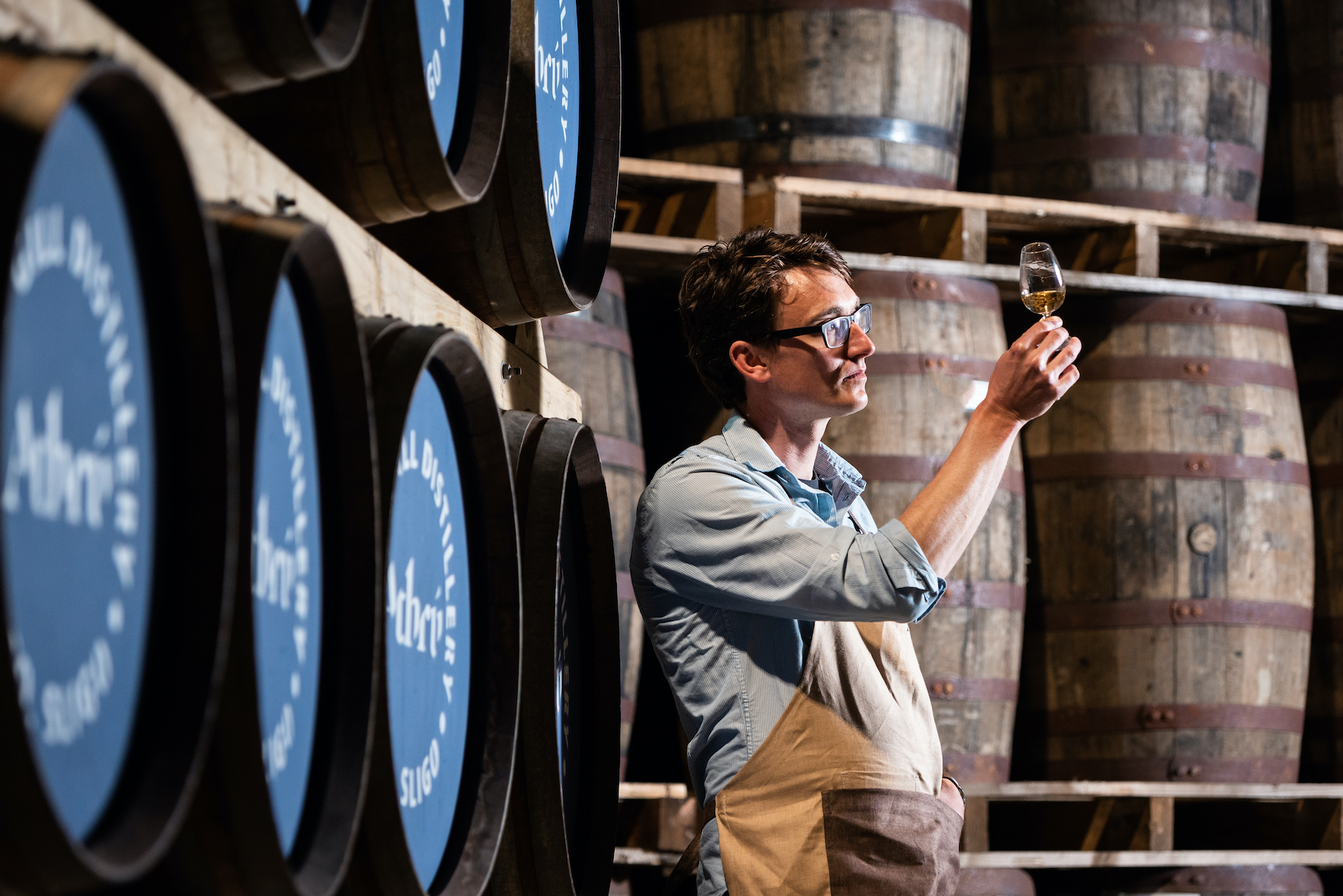
    I have made the point many times that I understand why distilleries source whiskey, but that doesn’t mean I’m not disappointed when they do. I know they need or want money, but it is a lessening of the brand in my eyes when they chuck out another distillery’s product with their own distillery’s name on it. Lough Gill’s whiskey brand, Athrú, is not conspicuously branded with Lough Gill Distillery logos, but they are there, embossed on the glass, and on the label, along with the words ‘produced by Lough Gill Distillery’ which again raises questions about what the definition of producing whiskey actually is. Distilling? Maturation? Fiddling about with cask finishes? Bottling? Branding? Getting it on shelves in Tesco? Lough Gill is currently distilling their own barley to add oomph to their future provenance but in the here and now it’s a bit all over the place. Maybe sticking ‘produced for’ on there would work a bit better. 

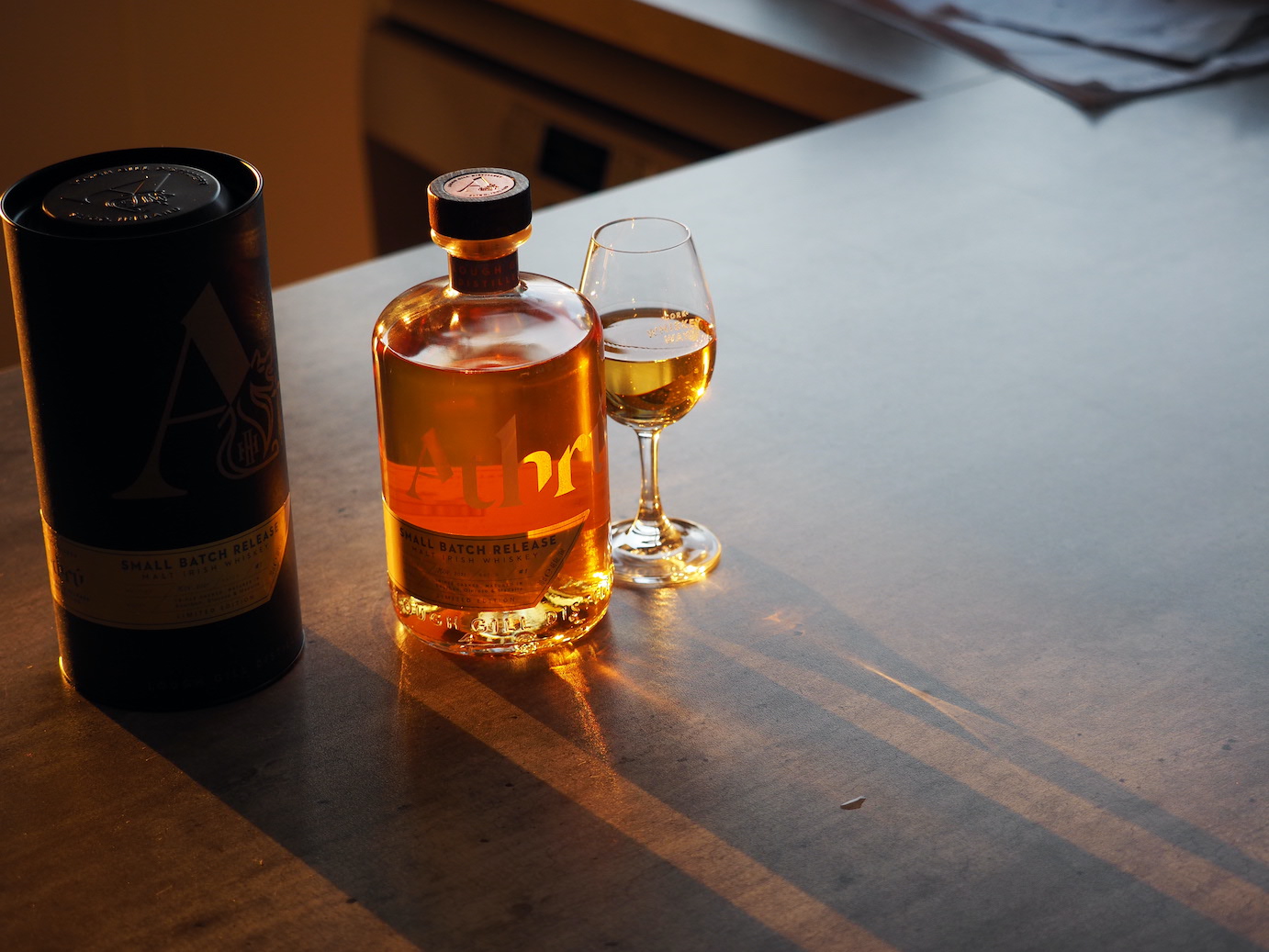
    I was sent a bottle of their small batch blended malt for review. I’ll let the press release take it from here: 

    Athrú Whiskey has launched its first small batch release, a triple-casked malt Irish whiskey. This inaugural small batch release highlights a blend of three unique casks of six-year old Oloroso, six year-old Bourbon and 17-year old madeira finishes. 

    Limited to just 3,000 bottles and bottled at 46% abv, this perfect blend of malt Irish whiskey gives Athrú a combination of dried fruits and spiced vanilla with a subtle toffee finish.


    Athrú Whiskey Head Distiller Ollie Alcorn said “I carefully select the best of each batch of casks’ to create our small batch, limited releases. After rooting through the warehouse, I’ve picked a moreish combination of Bourbon, Oloroso and Madeira, a Portuguese fortified wine which adds depth and sweetness. Together, they produce notes of dried fruits and spiced vanilla with a subtle toffee finish. This release takes us on a deep dive into further exploration of wood-finishing, allowing us to show a more experimental side to our approach.”

    Commenting on the launch, distillery founder David Raethorne said “We are delighted to launch our first small batch release. This release will be of particular interest to those who have followed our journey since our first whiskey release in 2016 but also for those who want to experience the art of the Athrú Whiskey wood finishing process. At Lough Gill Distillery, we always endeavour to create really special and unique products and we think this is evident in this special Small Batch Release. We are really proud of this launch and can’t wait for whiskey fans to try it.”  

    NOSE: warming dried fruit that mingles with softly spiced vanilla and almond, with hints of lemon zest.

    TASTE: the raisin note continues nestled within caramel, praline and butterscotch sweetness.

    FINISH: gentle finish that fades leaving toffee and brown sugar notes.

    The Athrú Small Batch Release Bottle is priced €85 and available to order from athru.com or select stockists nationwide.  

    To the cons – sourced whiskey, opaque provenance, high price. Scallywag, a blended malt from Speyside, is about 30 euro less, and similar in flavour profile. But this is Irish whiskey so complaining about the price is pointless. Also, I did get the bottle for free, so there’s that. 

    The pros – an excellent blended malt in a lovely bottle. A hideous distillery behind a beautiful ruin. An interesting proposition, aesthetically and every other way. Look, they could have resurrected some old west of Ireland whiskey brand and shoved out a sourced whiskey under that, but they didn’t and went for something more modern and bold, and that is to be commended. I really enjoyed this whiskey – shave 20 euro off that asking price and my enthusiasm would reach the point of recommending it to others, although I would probably end up adding numerous caveats about the hows and whys of sourced whiskey. This is why I don’t work in sales.

  • The Apostasy

    In 1996, a documentary film named Microcosmos was released. Eschewing the norms of nature documentary making, the French team behind it didn’t focus on loveable mammals, noble sea creatures, or elegant avians – they filmed bugs. They captured all the highs and lows of invertebrate life – love, peace, and war. Using specialist cameras they captured the raging battles that go on under our feet, unbeknownst to us. I think of these tiny battles when I see people arguing online about terroir in whisky. Whiskey fandom is niche enough without disappearing into a micro-universe of debate. There are some things in this whiskey-soaked world we inhabit that are worth arguing about, and terroir ain’t one of them. 

    The debate over whether whisky is all about terroir or all about the wood is akin to the debate  about nature versus nurture; are we who we are because of genetics, or is it shaped by who nurtures us? To its true believers, terroir is the DNA of a whisky – those initial flavour elements we can taste when it rolls off the still are as a result of the place where the barley was grown (amongst other factors in the distillation process, obviously). Terroir tells us that the gestation of the barley in the earth shapes how the whisky will taste; that is the time in the womb; it is nature. 

    Nurture is the rest – the distilling, the time spent in cask; the socialising and rounding of the spirit into a complete and mature entity. This is, of course, just my take on it – your mileage may vary and your opinion may well differ. That is ok. I don’t really care that much about it. Obviously, Mark Reynier cares rather a lot – after selling Bruichladdich on Islay to Remy Cointreau he bought an old Guinness brewery in Waterford, transformed it into a distillery, and then built a remarkable brand. I have written extensively about this distillery and its owner, but here is a recap. 

    From the outset, Waterford was all about the barley. All about the farmers, the field, the soil, the grain. They singled out farms, and fields within those farms, grew barley on them and then distilled field by field. They claim that different soil types and the respective microclimates that nurture them give barley a unique flavour. So far so good. But why not just make a loaf of bread out of the barley to see if this field differs from that field? Or just eat some kernels and see how they taste? That was too simple, and besides, this was about flavour survival; this was about those unique compounds being evident after the various brutalities of the distilling process; the crushing, mashing, brewing, boiling and condensing. How could any unique flavour survive that? 

    To back up their claims about terroir Waterford Distillery took part in a Teagasc-backed scientific study into the existence of terroir in whisky which found that it does exist (although the study was on new-make rather than mature whisky). While this was heralded by terroir’s true believers as a momentous occasion, I’m not entirely sure that there were many who outright denied that terroir in whisky existed. Most of the arguments I have encountered against the concept were based on the fact that terroir would be of minimal importance, especially when compared against key flavour-defining aspects of the distilling process such as fermentation times. And of course, casks have to be the ultimate kingmakers in dark spirits – the idea that the 90 days or so barley spends growing in soil leaves more impact than the five, ten, or 20 years that distilled spirit spends in a cask would, understandably, be something of a stretch for some within the industry. You can say that those who get sniffy about terroir have some industry-led agenda; you could just as easily say that of course Waterford’s research into terroir proved its existence. Cynicism is a healthy thing, in moderation. But I often think of this excellent point by Alistair: 

    Which was followed some months later by this tweet from Mark Reynier;

    Reynier reminds me of Hazel Motes, the disillusioned antihero of Flannery O’Connor’s Wise Blood, travelling the land preaching to the masses of his Church Without God, trying to lift the scales from their eyes and teach them to live without faith. Motes learned the hard way that faith is inevitable, and we all fashion our own personal religions eventually. Everything about Waterford appears to be rejecting the norms of whisky – from the obsession with barley, to the hyper-modern branding, the medicinal-blue bottles, the coloured glass stoppers, even the rejection of the standard spelling of Irish whiskey. But just as Hazel Motes’s church without god was still a church, Waterford is still a distillery, and Reynier is still a very successful drinks entrepreneur, one who is still making good, old fashioned single malt whisky, just with a slightly different production process (or brand narrative, depending on your level of cynicism). 

    But there are many great things about Waterford’s new testament: It has written a new origin story for whisky – it no longer begins with the distiller, or the maltster, but with the farmer. It celebrates the individuals who grew the grain just as it celebrates the grain itself – terroir is about people, as much as place, and the hand that guides the plough and sows the seed is, to my mind, as important as which way the wind blows or the elevation of the soil. Farmers were a footnote in whisky for many years, now they are a core element of Waterford’s brand. Polarising as Reynier’s persona can be – and I’m not here to defend either terroir in whisky or its most ardent champion  – what he has done to celebrate the labour of Irish farmers is remarkable. 

    He also gifted smaller non-distilling producers with a remarkable way to be part of what they produce; anyone who can grow barley can get it distilled under contract at Great Northern and claim it as theirs, without the vast expense of having to build a distillery. I’m old enough to remember when indie bottlers and random brands across Ireland tried to claim that their local water, used to cut their sourced whiskey before bottling, gave them authorship of the release. It was always a weak claim, but now they can show provenance and ownership through a bit of farming, a contract to distill, and terroir. If you have a field and a bit of barley, you can have your own whisky.   

    In their first year of releases, Waterford Distillery managed to put out 27 unique bottlings. Understandably, given the volume of bottlings, reception was mixed. Perhaps expectations were too high – perhaps all the sturm und drang didn’t help; perhaps people were happy to tear it down given Reynier’s jousting in the media, where they might have been kinder to another, more low-key operator. Reynier’s claims that he was going to make the most profound single malt ever created may have played well with his Jobsian acolytes, but for some it was a gauntlet being thrown down – it’s not hard to see some thinking, well, let’s see about that before they had even opened a bottle. Of course, everyone is entitled to their opinion – and the zealots raving about the liquid are as valid a voice as those saying it was overpriced and too young. 

    But this is Reynier’s style – adversarial, quixotic, divisive. There is an excellent piece on horticulturist Claire Vokins’s blog about a tasting hosted by Reynier which gives you an idea of how polarising he can be. However, it is impossible to separate him from Waterford, frustrating as his detractors may find it. It stands apart, because he does. 

    There are some very positive reviews of single farm bottlings, and some less so. The negative ones raised the question – what if the terroir of a field produces poor flavours? What if its most pronounced note is decay, or sulphur, what if it’s just bland, and in no way profound? Who do we blame then – the farmer? The distillery? When the whisky is crap, who takes the hit? And if it is crap, why was it even released? Terroir doesn’t automatically mean good, or better. It means different, and given the reliance Irish whiskey has had on the output of only three distilleries over the last 30 years, difference is welcome. Bad whisky, however, won’t do anyone any favours.  
    Some reviews made the point that the whisky is young, but outside of the big three – Midleton, Bushmills and Cooley – almost all Irish whiskey is young. Even Dingle isn’t even ten yet. Also, if you wanted to celebrate terroir as a component of flavour, a younger whisky would be the way to showcase it. Reynier says that the next step in the Waterford project is tracking how terroir affects the spirit as it matures, but you would have to assume that as time goes on, terroir will take a backseat to discussions around their wood programme – I very much doubt they spent all that money on quality casks just so they could keep mum about it. So this is terroir’s time to shine (or not). Perhaps in future the terroir of the trees used to make the casks will be considered, or the terroir of the people making the whiskey. For now, it’s barley, and the Irish countryside. 

    I was sent two bottles for review – Hook Head 1.1 and Grattansbrook 1.1, the latter a UK exclusive, and it is there I will begin. 

    Grattansbrook 1.1 

    Terroir is a facet of the drive towards transparency. That is the T that matters here – there is a code on the back of every bottle and when you enter it on their website you get a barrage of information about the farm, the farmer, the field, the soil, the barley, the distillers’ names, the casks, the age. It is remarkable. But all that info does not make it taste better, so what of Grattansbrook – on the nose, mace, star anise, tea. On the palate, manuka honey, nutmeg, cola cubes. The finish lingers. It’s okay…ish. It wasn’t the first one I opened, but the first one in this review for the purpose of decency as the next bottle is, in my opinion, vastly superior. 

    Hook Head 1.1

    Grattansbrook has a lot of dryness, Hook Head has earthiness. I will spare you my notes on Hook Head 1.1 but suffice to say the bottle is long gone, and I’m not the only one to have a fierce thirst for it – it won best Irish whiskey and best irish single malt at the San Francisco spirits awards last year. So if there is an entry point to Waterford, this is as good a place as any. 

    As we trundled to the end of year, the releases kept coming – limited, hyperlimited, and other. A slight scaling back on the 27 in 2020, last year only saw them put out 16. It can still be overwhelming just to keep track of the releases, and I would imagine that, if there are zealots out there trying to catch ‘em all, it is something of a pain in the ass. And while there are true believers who will do it, there are people I know who will not drink Waterford. The message on the website which proudly states that Waterford ‘is not for everyone’ before adding that this is for ‘the cognoscenti, the intrepid and the curious’. Perhaps implying those who do not like your whisky are dull of mind is not the best way to change their opinion. The indigo-eyed tricoteuse who adore Waterford and will fight to defend terroir may delight in this microcosmic battle, but I certainly don’t. I came to whiskey for community, not some endless argument about soil. 

    Biodynamics is the next experiment in the Waterford project, another concept adopted from viticulture. There does come a point in this where you have to stand back and consider all the elements of Waterford that were taken from wine production – terroir, biodynamics, even the rejection of the aesthetic norms of whisky packaging in favour of those blue bottles and hyper-modern design – and ask if this is a whisky that wants to be a wine; if it is praying for a miracle of transubstantiation to take it away from all these base brands with their addiction to orthodoxy. Is it such a shameful thing, for a whisky to look like a whisky? I still think Waterford is a fascinating brand and what they are doing is remarkable. I look forward to future releases, and seeing how the project develops over the years. But for the time being, I am renouncing my faith. 

  • Урожай 

    This time three years ago the news was breaking that Walsh Whiskey and Ilva Saronno were parting ways. It was hard to comprehend – Bernard and Rosemary Walsh had built their Writers’ Tears and The Irishman brands from the ground up, and had the foresight to start doing so well before the multitude of non-distilling producer Irish whiskey brands that are weighing down the shelves in your local drinks emporium. It’s hard to imagine anyone conceiving a whiskey brand all the way back in 1999, but the Walshes did – kind of.

    The company started life as The Hot Irishman, a concentrate to be used for making Irish coffees. But as Irish whiskey began its acceleration in the early 2000s, Walsh saw the potential for a whiskey brand and in 2006 The Irishman Founder’s Reserve whiskey was launched. In 2009 Writers’ Tears – a blend of pot still and malt whiskey – was launched. Then, in 2013, as Irish whiskey took off worldwide, Walsh merged with Ilva Saronno – the Italian parent firm of iconic brands Disaronno and Tia Maria. With the backing of a drinks titan, they built a beautiful distillery in Royal Oak, which opened in June 2016. Less than three years later, in January 2019, Ilva Saronno and Walsh Whiskey consciously uncoupled.

    In a frank interview with Mark Gillespie on WhiskyCast, Bernard Walsh said that while he wanted to focus on premiumisation, his Italian partners had a different view of the market. If that seemed opaque at the time, the release of Ilva Saronno’s The Busker made clear what he was referring to. It’s hard to imagine brands more disparate than the brutalist, smashable dram of The Busker (which is a quality, affordable, no frills whiskey) and the considered elegance of Writers’ Tears (as imbibed by Margaret Atwood, no less). But while WT is a quality whiskey in a stunning package, The Irishman’s livery was a little dated. A rebrand in 2013 updated it somewhat, but it still looked like the poor relation next to Writers’ Tears. They also made the decision to include Bernard Walsh’s face on the label. I am of the mind that unless the face on the label is a Victorian cameo-style sketch of Rabbie Burns or Paddy Flaherty or some other dear departed icon, your label will not be improved by its inclusion, especially if it’s not an immediately recognisable face (addendum to this – it’s not ok to mock the god-awful line drawing of Paul Newman on Newman’s Own as they are for charity). The Irishman needed a reboot, more than a rebrand. But reboots cost money.


    In November 2021 it was announced that Walsh Whiskey had been bought by Amber Beverage Group for an undisclosed sum. An informed source told the Irish Times it could be on a par with the alleged 90 million Sazerac bought the Paddy brand from Irish Distillers for – but the cynic in me suggested that seemed a little high. So I checked with another source in the industry who said they were surprised the figure wasn’t higher.  

    Luxembourg-HQed Amber Beverage Group (ABG) are a division of SPI Group, which is owned by Russian billionaire Yuri Shefler, a former member of the Russian military who has been locked in a trademark battle with the Russian state-owned company FKP Soyuzplodoimport over the ownership of Stoli brand vodka for decades. Per Forbes, Shefler bought the Stoli brand from state-owned VVO Soyuzplodoimport for $285,000 in 1997. Russia’s Supreme Court ruled the sale illegal in 2001, banning Shefler from selling the vodka inside its borders. In 2014, the Netherlands, Luxembourg and Belgium joined Russia in banning sales of Stolichnaya. However, in July of 2021, SPI Group hailed a victory in the ongoing dispute, winning the rights to sell Stoli in eight of 13 European countries. Also, in light of current events it is worth pointing out that SPI’s Stoli is made in Lativa, just in case you feel like boycotting it because it is ‘Russian’. 

    Update 7.3.2022 – Stoli has rebranded. In a press release, Shefler said: “While I have been exiled from Russia since 2000 due to my opposition to Putin, I have remained proud of the Stolichnaya brand. Today, we have made the decision to rebrand entirely as the name no longer represents our organization. More than anything, I wish for ‘Stoli’ to represent peace in Europe and solidarity with Ukraine.”   What this means for the trademarks, I couldn’t say – but it might pave the way for Shefler’s Latvian-made Stoli to be a distinct brand from the Russian made and owned Stolichnaya

    While Stoli may be the biggest name in their portfolio, ABG are big and plan on getting bigger. According to a piece published in The Spirits Business in June 2021 – 

    Throughout the pandemic, the company continued to witness positive sales. Amber Beverage Group saw organic sales increase 11% to €268.7 million (US$347.1m) last year, boosted by its “strengthened” presence in core Baltic markets. Organic operating profit for the full year rose by 21% to €21.9m (US$26.8m). The company had surpassed €30m (US$36.4m) in earnings before interest, taxes, depreciation and amortisation (EBITDA) for the second time, reflecting its ability to adapt quickly.

    Part of this expansion saw them buy Angelina Jolie’s share of a French vineyard she had invested in with her former partner Brad Pitt. That sale is now the subject of litigation by Pitt as part of their long-running divorce battle. Pitt’s suit claims ‘She sold her interest with the knowledge and intention that Shefler and his affiliates would seek to control the business to which Pitt had devoted himself and to undermine Pitt’s investment in Miraval’. 

    Obviously, big firms don’t always get big – and stay big – through peace, love, and understanding. Sometimes difficult choices are made. In December 2021 a tribunal ruled that Shefler unfairly sacked a UK senior executive over the phone for objecting to 30% staff pay cuts during the pandemic. You can read the full judgement here

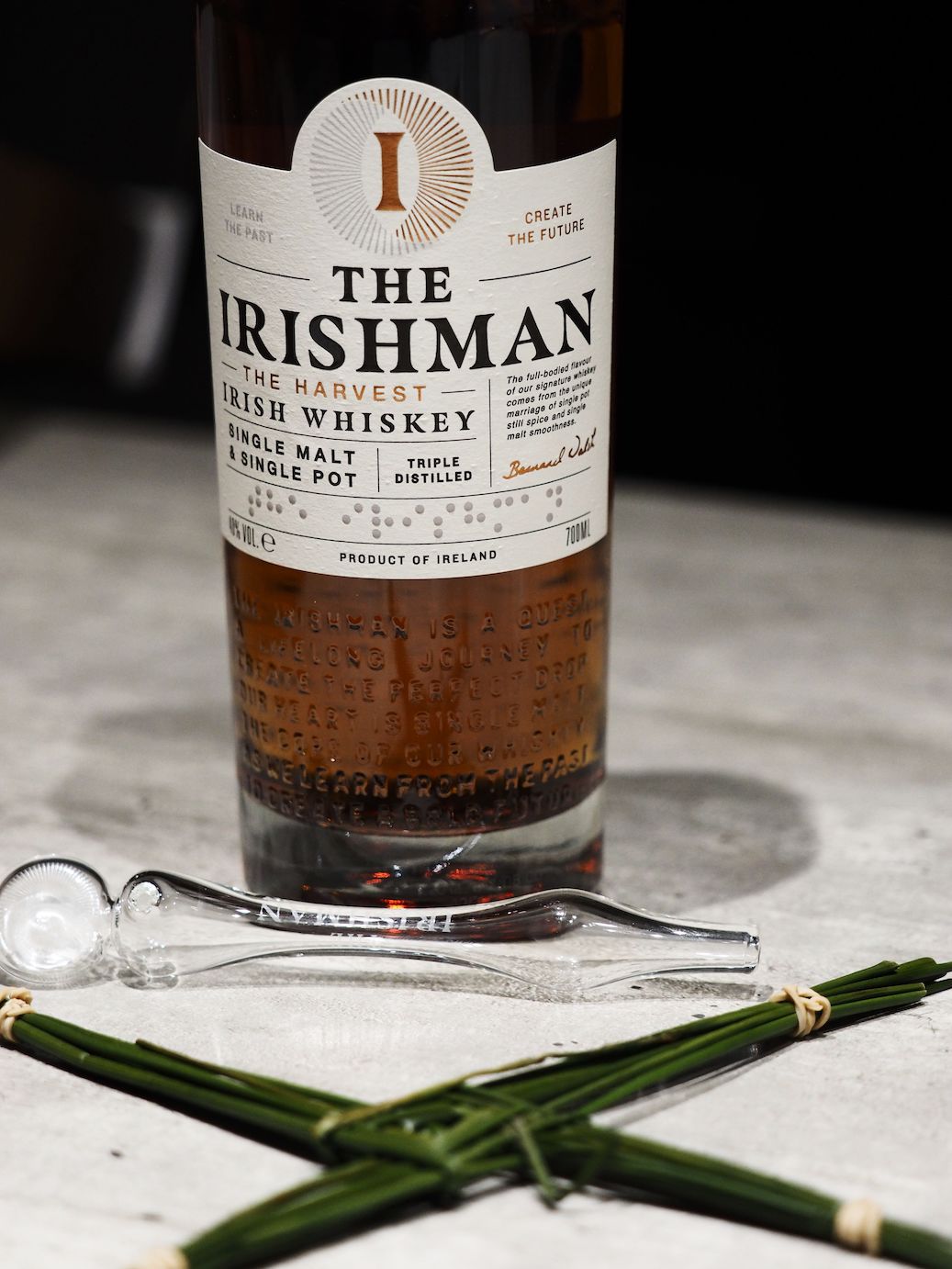
    ABG’s financial prudence meant they were able to spend half a million euro on the renovation of The Irishman. I’ll let the press release take it from here: 

    The Irishman® range of super-premium whiskeys produced by Walsh Whiskey (part of the Amber Beverage Group) has undergone an extensive rebranding to reflect its dedication to the pursuit of excellence in Single Malt whiskeys. The €500,000 rebranding, which sees wholesale changes to The Irishman’s bottle, labelling and packaging, follows a strategic review which commenced in April 2020. Walsh Whiskey was assisted in the review by Bord Bia’s (The Irish Food Board) specialist Insight Centre – The Thinking House. The extensive design project was undertaken by HERE design agency in London.

    Announcing the renewed focus on single malt and the brand redesign, Walsh Whiskey founder Bernard Walsh said: “As the Irish whiskey category continues to develop with increasing variety, it is important that we are clear in our proposition to whiskey consumers. Our message is simple: The Irishman will always be single malt focused – whether championed in pure expressions or blends – and that it will always be triple distilled to leave a lasting impression.”

    There are also changes to the composition of the range, with a change of name for one core expression and the addition of a limited edition to the core of the portfolio.

    The Founder’s Reserve blend (70% Single Malt & 30% Pot Still) has been renamed The Harvest. This expression, a truly unique blend of two premium styles of whiskey, started life as the first ever whiskey created by Walsh Whiskey’s Founder. The renaming of this core expression as The Harvest honours the great contribution of the farming community in the whiskey-making process. The whiskey is crafted entirely from a mash bill of 100% Irish barley.

    First released as a limited edition bottling in 2018, The Irishman Caribbean Cask is being added to the portfolio’s core expressions which also include The Harvest; Single Malt; 12-Year-Old Single Malt; 17-Year-Old Single Malt & the Vintage Cask. The Irishman Caribbean Cask Finish is a rare vatting of Single Malt and Single Pot Still whiskeys finished for 6 months in Chairman’s Reserve Rum casks from the tiny tropical Caribbean island of Saint Lucia, before being bottled at 46% ABV.

    A new colour palette of understated cream, green, grey, blue and burgundy is applied to the labels of the six core expressions of The Irishman range.

    The trajectory of Walsh Whiskey probably holds some lessons for other producers – you don’t need a distillery to build a valuable brand, whiskey is a long game, and the road to success isn’t always sunshines and roses. Just ask Brad and Angelina. 

  • The Augurs Of Spring

    Many years ago, someone in the whiskey business told me that Green Spot sold well with women. I brought it up with one of the production team in Midleton, and they explained that this was a result of the flavour profile. Then I brought it up with one of their marketing team, and their explanation was more straightforward: It sells well with women because it looks like a bottle of wine. You may well bristle at both opinions, or you may believe that it is a grim truism – many products, including food and drink, are marketed to people based on gender. (You may also correctly note that I used this story many times to illustrate the same point). Whiskey was solely aimed at men for decades, so the conundrum the industry has been battling for the last 20 years is how to shift that focus. 

    Back in 2019, the then CEO of Chivas Brothers Jean Christophe Coutures gave an interview to MarketWatch about how more women were drinking whiskey. Coutures, in reference to the Glenlivet Founder’s Reserve and its success with women, had this to say

    “It has a more approachable taste, a smooth, creamy sweetness with delicate flavors that doesn’t have the same edge often found in whiskey. We’ve also made the packaging easier to understand and priced it at entry level. More women keep returning.”

    At the time I found it hard to believe, so I contacted one of the journalists who wrote the piece to make sure the quote was correct. He confirmed that it was. Giving Coutures the benefit of the doubt, English is not his first language. Perhaps he was trying to say that the success of Founder’s Reserve was not that it was dumbed down for women, but that it was dumbed down for everyone. Whiskies like Founder’s Reserve (affordable NAS single malts) are probably everyone’s first port of call when moving beyond blends, and that applies to both men and women. But Coutures’s comments were still a god-awful clanger. 

    So the question now is – how do you encourage diversity among whiskey consumers? I have no idea. I’ll leave that to the marketeers. But events the one held this week at Powerscourt Distillery are a good start. I’ll let the press release take it from here: 

    The ancient Irish feast of Imbolc (Spring) was celebrated in style at The Powerscourt Distillery on Friday 18th February. The first day of Imbolc coincides with Brigid’s Day, and the celebration at the Powerscourt Distillery used the occasion to celebrate the connections between Brigid and her associations with Brewing/Farming/Dairying/Nature and Hospitality. 

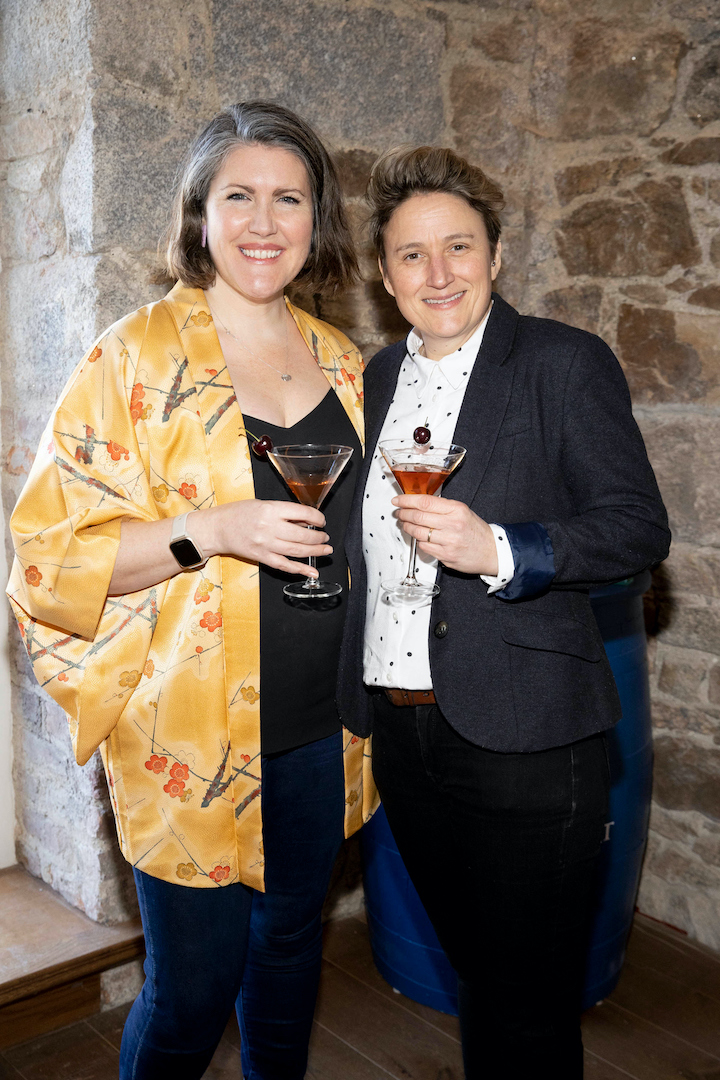
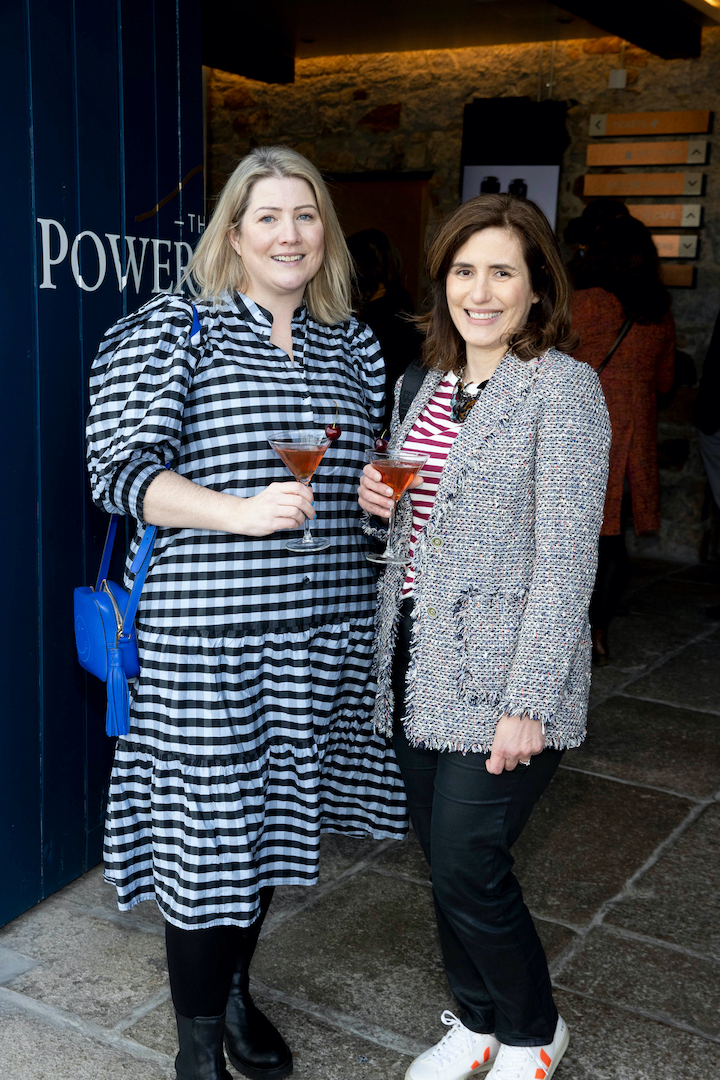
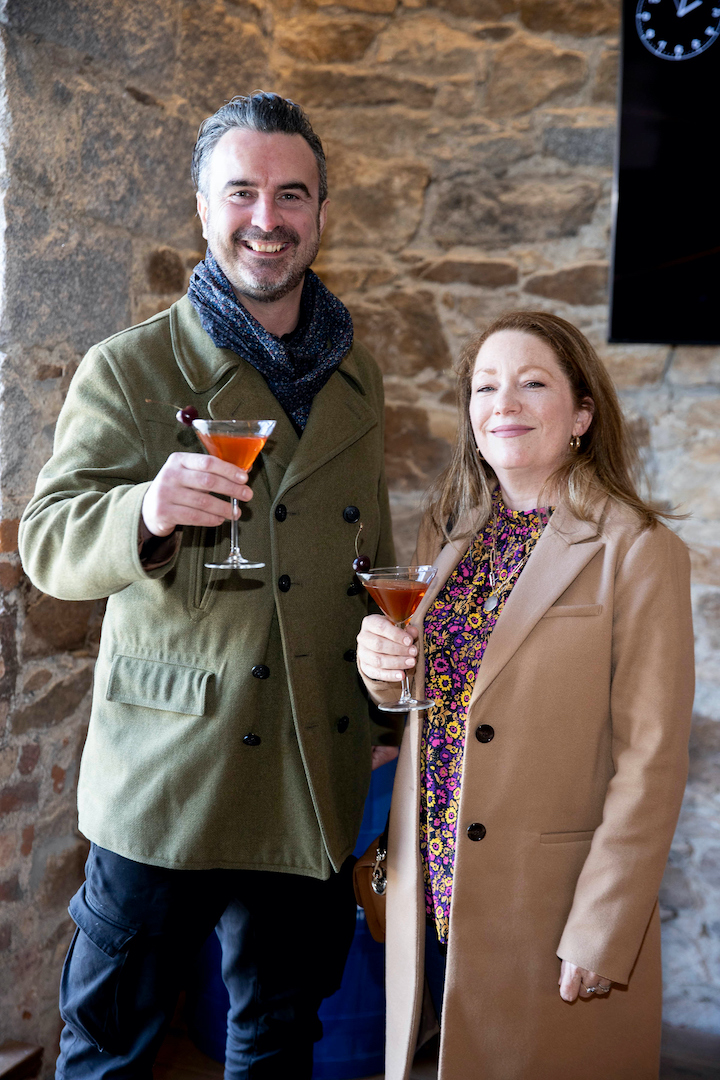
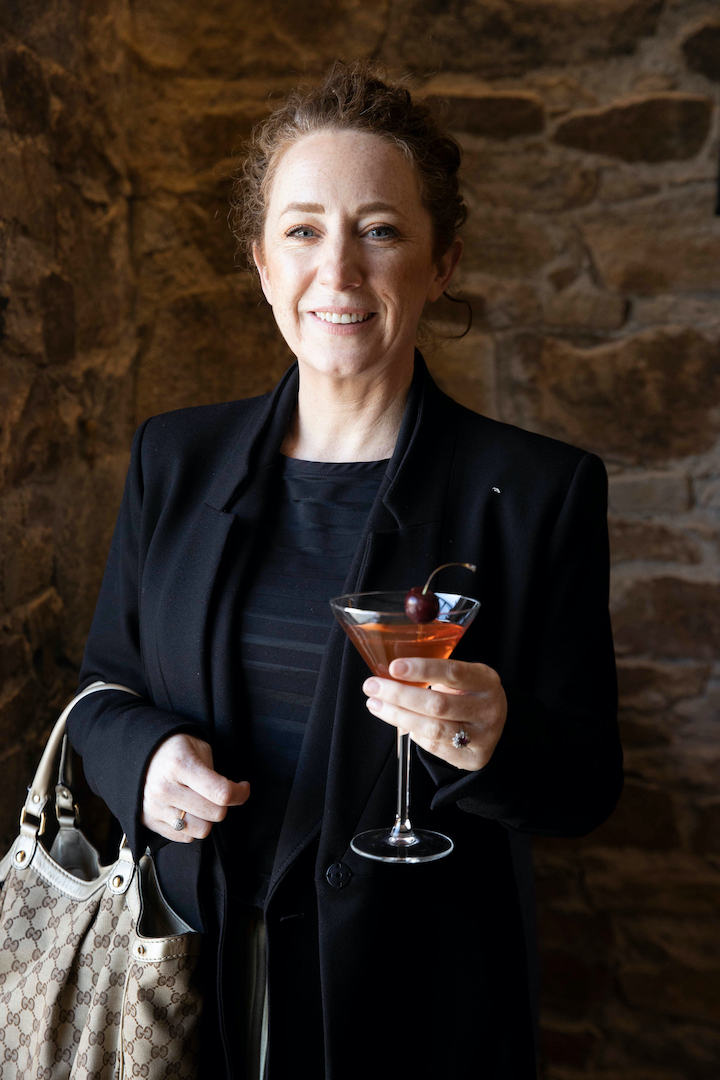
    Guests were welcomed with a cocktail called Brigid’s Cloak. Named after the legendary cloak laid down by Brigid as she claimed lands from the King of Leinster, it was based on the classic Manhattan. Reflecting Brigid’s reputation as an Irish woman ahead of her time, it was made using Fercullen Irish Whiskey and Irish ingredients made by female producers, with vermouth from Valentia Island Vermouth and bitters from Beara Bitters. 

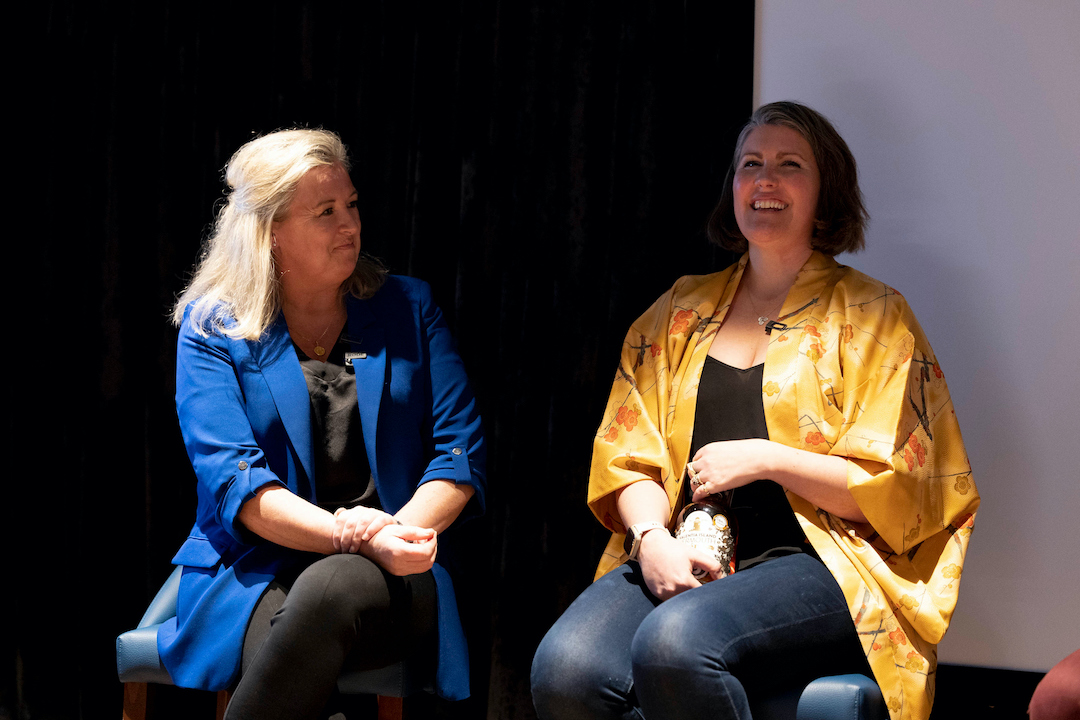
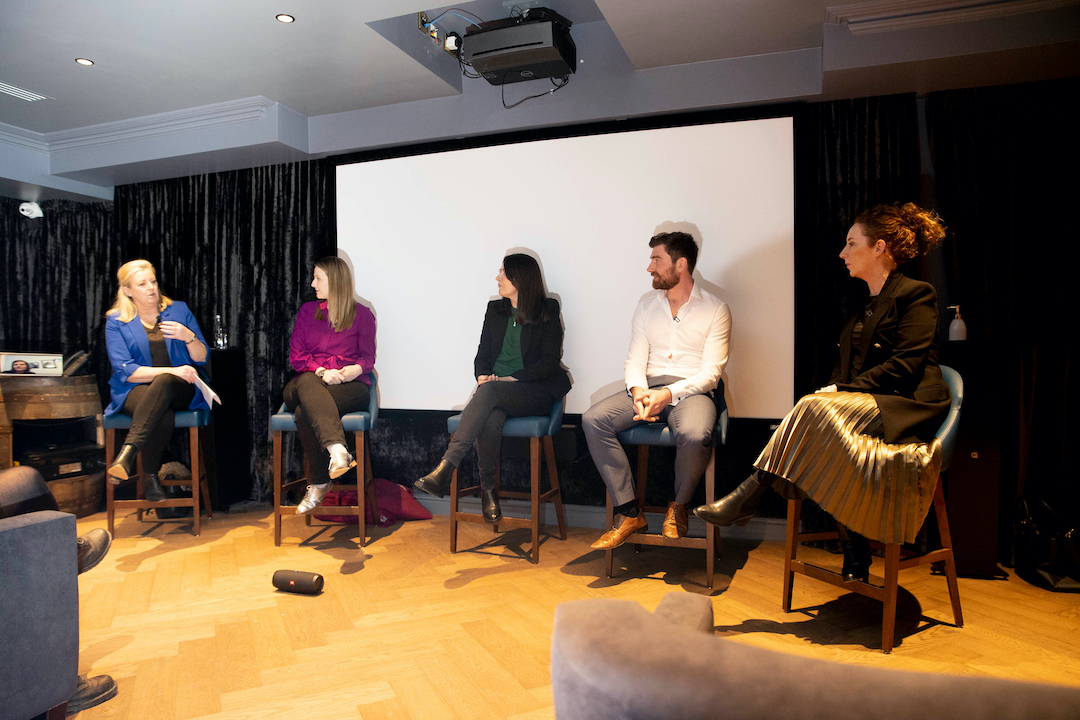
    Following a drinks reception, Caroline Gardiner, Head of Marketing at Powerscourt Distillery, introduced the two panel discussions chaired by broadcaster Suzanne Campbell and curated by the Food and Beverage Specialist at the Distillery, Santina Kennedy. 

    The first panel  incorporated guests with associations with Imbolc and Brigid to highlight and celebrate the occasion.  Imbolc literally means ‘in belly’ meaning in the ewe’s belly – signifying springtime/lactating ewes/ spring lambs – so it was appropriate that the first panellist was Hanna Finlay from Ballyhubbock farm in West Wicklow, producer of sheep’s dairy ice cream and cheese. Storm Eunice prevented Hanna from driving over the Wicklow Gap to join the panel in person, but she was able to participate in the lively conversation via video link. 

    Hanna was joined by Judith Boyle, Brewer and Beer Lecturer at TU Dublin who shared funny anecdotes about growing up in Kildare – the home of St Brigid as well as her experience as a female brewer; Rosanna Goswell from Tuath Glass who gave a fascinating insight into her Irish Whiskey Glass , which was named after Tuath De Dannan – the family of the Goddess Brigid. 

    Also on the panel was Brigid O’Hora –  the sommelier who brought insights into modern Irish Wine appreciation gleaned from her online wine training platform – Brideys Wine Chats . Being a ‘Brigid’ from Co Kildare who is the mother of triplets there was no shortage of associations with the Patron Saint of fertility! 

    The panel was completed with Alex Slazenger, Head Gardener at Powerscourt Estate who captivated the audience with the history and legacy of the gardens at Powerscourt and his plans to continue his grandparents pioneering work to create a sustainable garden of outstanding beauty. 

    The second panel discussed the ‘Taste of Place’ .  Powerscourt Distillery celebrates its location throughout its offering – from the water from Powerscourt Waterfall that is used to make its whiskey, to the barley in the surrounding fields to the use of local produce in its cocktails and food  pairing tours and tastings.  

    To celebrate this idea of Irish terroir, panellists included Orla Snook O’Carrroll of Valentia Island Vermouth, Ireland’s first vermouth which is made using botanicals from Kerry; Orla was joined by Celina Stephenson of Wicklow Way Wines. Their Móinéir wine is made using only Irish berry fruit, capturing the taste of Irish summer. The idea of capturing a taste of place was explained by Geraldine Kavanagh , professional forager for Glendalough Gin, who kept the audience really entertained as she described trying to  explain her occupation to a bank manager. She brought a handmade willow basket of foraged treasures from the Wicklow mountains, describing how she used the botanicals to be distilled into seasonal gins. Olly Nolan, the beekeeper behind Olly’s Honey described how the honey from the hives at the distillery captures the taste of Powerscourt, from the wild hedgerows around the estate and the variety of flowers in the world renowned gardens. This panel was completed by Mary O’Sullivan who described setting up her Bitters during the pandemic. A botanist who grew up on an organic farm in Co Kerry,   Mary really evoked a sense of capturing the magic of flowers and plants to achieve a taste of a place. 

    Guests were then treated to a Powerscourt Distillery Whiskey and Food Pairing experience. Head of Whiskey John Cashman enthralled the audience with his introduction to Irish whiskey and detailed guided tastings. Santina Kennedy, who organised the event, led the guided food pairings . Using her research into Irish Food History taken as part of her MA in Gastronomy and Food Studies, she has developed a unique whiskey and food pairing experience. She uses only high quality Irish food produce whose taste, texture and story mirrors the various expressions of Fercullen Irish Whiskey. Under Santina’s guidance The Powerscourt Distillery champions locally produced high quality Irish food as part of the overall offering. 

    A cake by Kate O’Hora of @thecake_table captured the essence of Imbolc and Brigid, with delicate spring flowers and a flowing edible cloak. 

    Powerscourt Distillery’s Imbolc celebration will become an annual event, with a bigger and even more exciting day being planned for 2023. 

    Press release endeth –  unsurprisingly there was no mention of the recent, startling departure of their master distiller Noel Sweeney, or the departure not long before that of backer and MD Alex Peirce. These are strange times for Powerscourt Distillery – former C&C CEO Maurice Pratt joined the board before Christmas, presumably to steady the ship, but without Perice – whose family are involved in Isle of Arran Distillery and Lagg Distillery – and Cooley legend Sweeney, their identity – to my mind at least – has taken a setback. Events like their Imbolc gathering are good because it is uncommon – a female focussed hosted by a whiskey distillery. Hopefully others will follow their lead. 

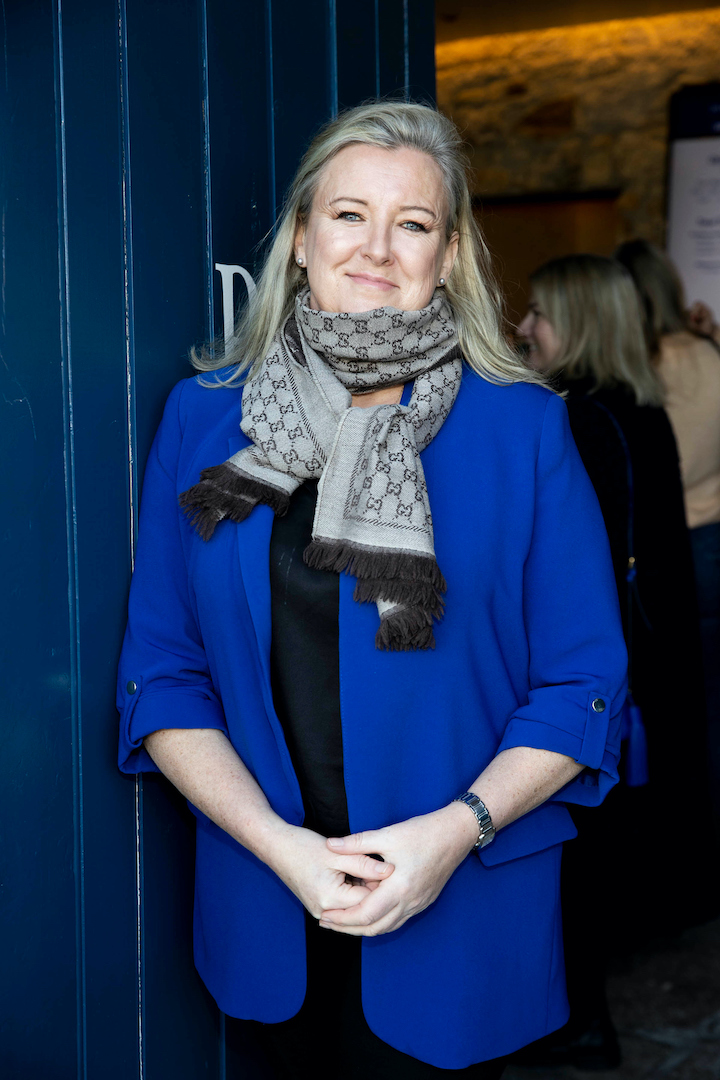
    Some photos from the event:

  • Paddy’s Home

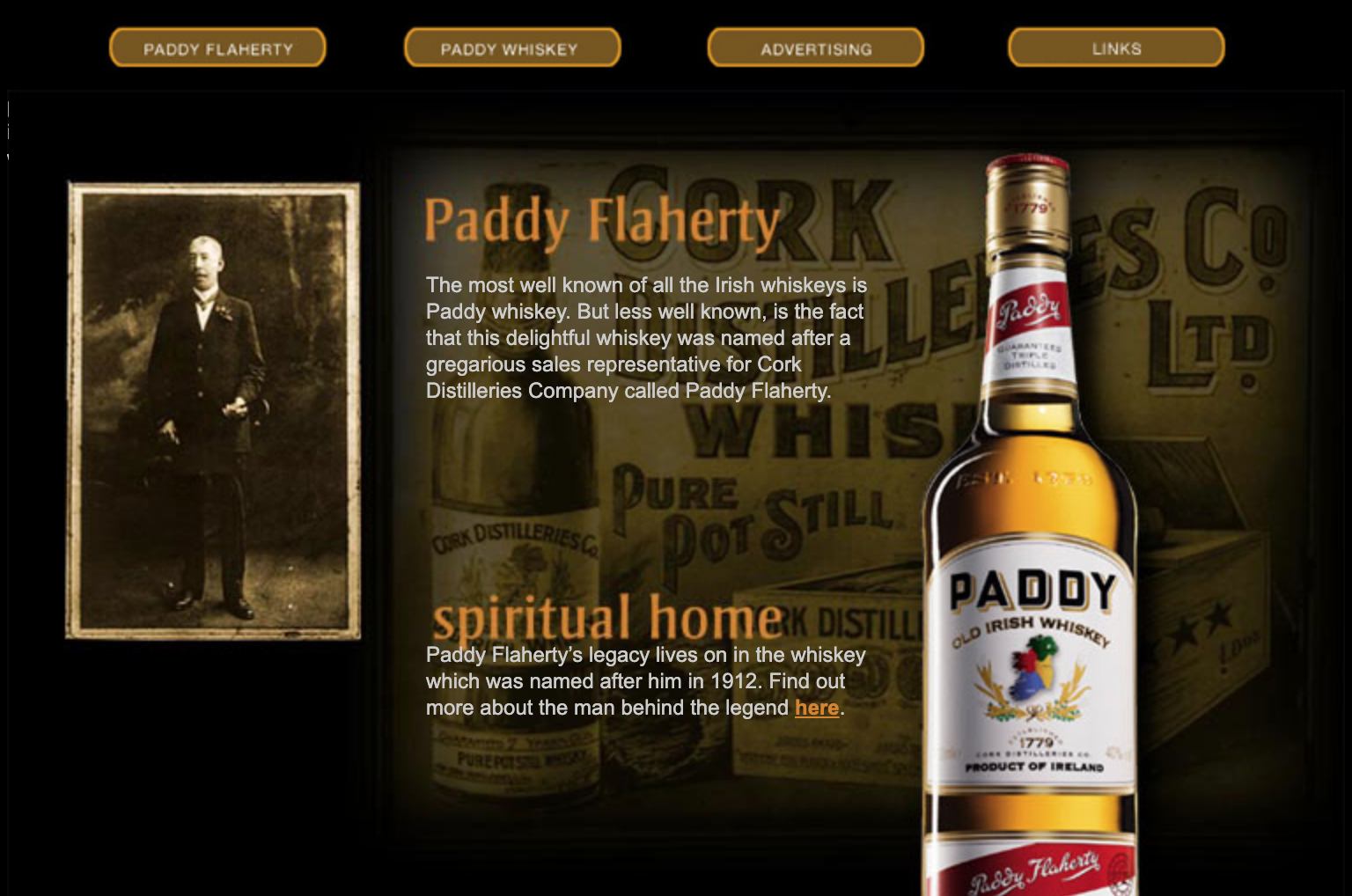
    A screenshot of the Paddy website as it looked in 2007.

    Paddy J O’Flaherty was a celebrity. He wasn’t always that way, but it’s how he ended up. He started his career in the drinks trade as a sales rep for what was known as Cork Distilleries Company (CDC) Old Irish Whisky. He was one of the first brand ambassadors – think The Simpsons’ rambunctious brewery spokestoon Duffman, but in a bowler hat, and instead of firing merch out of a T-shirt cannon, he fired out free drinks in pubs across Cork. He was so good at his job that he became synonymous with the brand. CDC saw an opportunity, bought the rights to his name and image and used them both to sell what was now known as Paddy Whisky. 

    This wasn’t a case where the brand was renamed after a distiller, or a maltster, or a cooper – it was named after someone who had nothing to do with production and was only concerned with selling the stuff. O’Flaherty had as much input into the creation of the liquid in the bottle as McGregor has in Proper Twelve, or Ryan Reynolds has in Aviator Gin, or George Clooney had in Casamigos. So what I’m saying here is, Paddy whisky was one of the first celebrity drinks brands, while Paddy was one of the first influencers.

    Fast forward to 2016 and Pernod Ricard Irish Distillers sell Paddy to American drinks giant Sazerac for an undisclosed sum (there is this suggestion that it was €90 million euro). The sale didn’t raise much of an eyebrow – even for a proud Corkman like myself, Paddy was an also-ran. Despite its position as one of the last Cork whiskey brands, I didn’t have much of an opinion of it. On a night out in an average pub, you’d always have three choices – Powers, Paddy or Jameson. Jameson was, as we would say in Cork, mockeyah. Not a serious option – a bit too bland and safe. Powers was the best option, with its pot still spices and robust profile, because Paddy had a bit too much personality. And by that I mean I found it to be rough as fuck. Paddy was the whiskey you drank when all else failed, when the host at the wake hadn’t stocked up properly, or when dawn was breaking and you didn’t care about flavour profile all that much anymore.  

    But there was potential there – it’s an historic brand with a great story behind it, with a healthy dose of ture-a-lure-a-laddie for our cousins across the Atlantic. It was also the fourth largest Irish whiskey brand in the world at the time of its sale. It just needed a bit of a refresh. Irish Distillers had enough to worry about with other portfolio reboots, rebrands and expansions. To reanimate Paddy would take a sizable amount of investment and effort. So they sold it to Sazerac, a firm comprising seven American and one Canadian distilleries, and some 450 brands (they already owned Michael Collins Irish Whiskey). 

    After the sale, Paddy was revamped, but in different ways in different markets. Here in Ireland, it was tweaked ever so slightly. In the US, it was cranked up to 11 – and placed in the possessive, complete with an ocular irritant of an apostrophe (Powers should technically carry one also as the family name is Power, but they don’t as it looks shit).

    The sale of the brand may not have been seen as such a big deal, but the rebirth as Paddy’s was a bit unsettling. I think it was just so….American? But if there are a people on god’s green earth that we want to buy Irish whiskey, it is our friends to the west. 

    Sazerac appears to have big plans for the brand, as according to the Sunday Independent, they are looking for a physical home for Paddy. Obviously they can’t run tours in Midleton distillery since they don’t own it, so they are apparently looking to either buy a distillery or enter into a partnership with one. On the latter: Where would fit their needs? You’d have to assume they will need a distillery with column and pot stills if they mean to produce the brand there, and it would need to be sizeable. Or, they could buy/build a very small distillery for tourism purposes and outsource the bulk of production to one of the workhorse distilleries. They could also look outside Cork (if this thought worries you, be reassured by the fact that Cork is heavily featured on their corporate website as the home of Paddy). 

    But does it really matter if Paddy is made in Cork? Does it matter that virtually all the other brands made in Midleton are originally from Dublin – Jameson, the Spots, Powers, Redbreast? Almost none of the brands made in Midleton are historically or intrinsically linked to the place – Irish Distillers limited could sell almost any of their brands as none of them are geographically anchored. The only ones whose identities are tied are Midleton Very Rare and maybe the single casks. Even Method & Madness is a moveable feast. I’m not saying they should jettison some of these iconic brands but it does show how some of our biggest names are nomads, a byproduct of all the consolidation and contraction in the industry. 

    But if Sazerac wanted to partner or outright buy an Irish whiskey distillery, they will just have to wait. There are some which will, sadly, fail, or will have to take painful and humiliating write-downs of their valuations. Such is life. 

  • Let Thy Widows Trust In Me

    Theodosia Wingfield lived a sad, short life. Born in Wicklow in 1800, her people were gentleman landowners, and were part of a small community of families of means in the area who all shared a deep piety. After her beloved cousin Francis Theodosia Bligh died at the age of 25, Theodosia married her widower –  Richard Wingfield, 5th Viscount Powerscourt, thus becoming the Viscountess Powerscourt. He died a year later. Their only child, a daughter, died in infancy. A month after her husband’s death, Theodosia wrote: “I do not suppose there could be a stronger lesson on the vanity of everything earthly, than to look at me last year, and this. The prospects of happiness I seemed to set out with! And now, where are they?” 

    But her faith was only strengthened by all the tragedy – in 1829 she hosted the first of the Powerscourt Conferences, when the faithful gathered to discuss prophecy, specifically, the return of the Lord. The conferences were not of the mind that His return would be a thing of peace, love, and understanding – this was not to be the groovy Christ of the New Testament. The conferences deduced that Jesus was coming, and that right soon, to smite a world riddled with sin. There was to be an apocalypse and only the pious would survive. On New Year’s Eve, 1836, Theodosia died, and was buried at Powerscourt. 

    Powerscourt, like many of the great houses, began as a medieval castle, but in 1730 German-born architect Richard Castle oversaw its redesign as a 68-room mansion in the Palladian style. In 1961 the Slazenger family – they of sports brand fame – bought the property and its lands from the 9th Viscount Powerscourt. In 1974, as the house was undergoing a major refurbishment, a fire broke out and destroyed much of the top floors and the roof. In 1996 it reopened in the form we see today. In more recent years it became a fully fledged lifestyle emporium and tourist trap, hosting more than 300,000 visitors a year.

    I wonder how Theodosia would feel about her home, the site of all those deep discussions about a holy apocalypse and the smiting of the wicked, being turned into a shopping centre, albeit a very upmarket one. Within the main part of the house there are various emporiums selling hand-crafted candles and woolen goods, local art, and artisanal foodstuffs. I imagine that if some part of her still resides there, that she drifts through the scented beeswax candles and ethical smoked salmon with her mouth locked wide in an unheard scream, wishing she could take a physical form so she could cast them all out. Perhaps this was the apocalypse she envisioned, albeit in a hyper-localised, slightly ironic form. But the great houses were made great by their lands, and those lands are no more, so needs must. Aristocrat or peasant, in this economy, you gotta shake it to make it. 

    Powerscourt Distillery is solid. It is backed by the people behind Isle Of Arran and Lagg distilleries, Mentec mogul Mike Peirce and his son Alex, and boasts one of the legends of Irish whiskey as master distiller – Cooley still-jockey Noel Sweeney. The only bump in the road for them was their branding. Early in their development they received correspondence from Irish Distillers Limited suggesting that there might be confusion over a Powerscourt branded whiskey and IDL’s own Powers. Bemused as I am about Big Whiskey worrying about any confusion over labels in a landscape beset with deranged claims about provenance, I can see their point. Powers and Powerscourt are close and unless you have a fair degree of local knowledge it would be hard to say with certainty that these are two completely different entities. This isn’t a uniquely Irish situation – in 1994 Knockdhu distillery rebranded its whisky as anCnoc to avoid confusion with the produce of Knockando distillery. But that such an iconic Irish brand as Powerscourt had to lose give up its claim to its own name is incredibly depressing. However, small mercies have seen them allowed at least to continue with Powerscourt Distillery as the overarching brand, and Fercullen as the primary identity. There is a lengthy explanation of the meaning behind Fercullen but I won’t go into it here because, to be blunt, it isn’t very interesting. Powerscourt is where the stories are. The place has a pet cemetery for Christ’s sake. That should be the branding for a series of single casks in itself.

    All of the releases thus far are sourced, obviously enough, since they only started production in 2019. I’m going to assume the source was Cooley, given that this is where their master distiller made his name and that it’s entirely possible he left there with a few casks rolling around in the back of the van. They have quite the selection of whiskey on the market already – core 18 and 14 year old single malts, a ten year old single grain and a blend. In the limited editions they have a 16YO SM, two Five Elements – the 20YO SM I was sent and an 18YO SM – and the Estate Series ‘Mill House’ single grain with an Amarone cask finish. So they’re not short of supply. 

    I was gifted a sample of the 20YO SM Five Elements 2021. This is made up of 16-year-old bourbon barrel matured malt whiskey which has been finished for four years in a variety of Oloroso sherry, Pedro Ximenez, Marsala and Muscatel casks, before marrying with together with 20-year-old bourbon matured single malt. Bottled at 46% ABV, non-chill filled, Fercullen Five Elements 20-year-old Limited Edition is available online at www.PowerscourtDistillery.com and at selected off-licences around the country. RRP for this edition, limited to 1,500 bottles, is €220.

    Official tasting notes

    Nose: Malt, citrus, boiled sweets, vanilla and honey with a twist of lemon, ripe fruits, plums, raisins, cinnamon, tropical fruits, pineapple, mango, banana, oak and a hint of nuttiness.

    Taste: Layer upon layer of smooth silky sweet malt, Orange, fruit cocktail, chocolate, Christmas cake, tropical fruit and red grape skins. Waves of complexity and taste.

    Finish: Long lasting sweetness from ripe fruits and cream with a velvet texture almost mouth-watering to finish. Long lasting sweetness from ripe fruits and cream produce a velvety texture and mouth-watering finish.

    Is it any good? Yes it is, and so it should be at that price. Perhaps this is justified by the limited nature of the release, but to be honest I wouldn’t expect a bargain-bucket pricetag on a whiskey with the name of one of the great houses of Ireland attached to it. Theodosia might be screaming through the halls in the dark watches of the night, but at least there are spirits flowing in Powerscourt once more. 

    Click here to read more about Theodosia or here to read my take on Powerscourt Distillery after the launch back in 2018.