The problem with the public perception of journalism is that it means different things to different people. We all have lofty notions about what it is – truth to power, voice to the voiceless, that kind of thing – but in our deepest darkest hearts we all want it to be a good kicking being delivered to someone or something that we don’t like. Look on social media and anytime a journalist shares a story you will have people leaping into the comments to tell them that this isn’t journalism, or that this isn’t news. Social media is also awash in degraded jpegs of George Orwell with his thoughts on the topic: Journalism is printing what someone else does not want printed: everything else is public relations. As an aside, Orwell wrote for the Observer and his commissioning editor once said that Orwell ‘could not blow his nose without moralising on the state of the handkerchief industry’. In other words, there is such a thing as too much critical thinking.
7. Trade calls out Fkng Bourbon’s sexist marketing
6. Rum sales reach £1bn to overtake whisky
5. US distiller calls IWA claim ‘ridiculous’
4. Johnnie Walker unveils utopian collection
3. Diageo calls for injunction against Bulleit lookalike
2. Johnnie Walker bottles Sherry finished Black Label
1. Johnnie Walker re-releases Black Label with Air-Ink
Feel free to sift through those and see how many you would classify as news. I’d classify them all as news; this is the drinks industry, so any kind of product launch, innovation, M&A, trade figures, etc is news. You might say that the two stories centred on conflicts – cultural and legal – are the ones most worthy of the title of news. I’d say it’s all the same thing, and given that so many of the most-read stories on such a significant industry publication are about product launches (three of the top four solely focus on Johnnie Walker releases), a lot of other people obviously feel the same way. People like to read about new whiskies and look at nice photos of them.
There is nothing wrong with renosing a press release and publishing it, because that quite often is exactly what the people want, and for many journalists, that is what you get told to do by your editor. You don’t get to offer your two cents on every story; a product being launched is news; saying it’s overpriced ugly crap is opinion. They are two very different things. Sure, you can channel George Orwell and stand down the front at the launch event asking why they charge thousands for whisky when many are homeless and starving, but you won’t achieve a thing, aside from making yourself look mental. Not everything you write about the drinks world has to be a hard-hitting exposé of shady practices.
Speaking of hard-hitting exposés of shady practices, Ex-Diageo head of outreach Dr Nick Morgan wrote a lengthy piece on the Master Of Malt blog in which he cursed ‘the dogma of kindness’. Detailing (without giving specific examples) how the industry courts writers, influencers, and journos alike, Morgan lamented the lack of critical thinking in modern whisky writing. Without criticism, he wrote, there is only marketing: “How is it that so many have allowed themselves to become mere mouthpieces of marketers, product pluggers pecuniarily parroting press releases? It’s a messy story involving sometimes both inducements and payments, often leading to a web of undisclosed conflicts of interest.”
For the record, I am 100% here for Morgan’s Jerry Maguire-style retirement epiphany and subsequent raging against the infernal machine that is drinks marketing and promotion, but it did feel quaintly idealistic – I’m not sure anyone who worked in the industry for decades could or should write about brands ‘turning their backs on the traditional values of Scotch whisky’ with a straight face. For all the posturing and lore-stoking, those ‘traditional values’ were purely about selling a potentially dangerous intoxicant to as many people as possible. This is the drinks industry we are talking about, not Greenpeace.
Broadly, I think that while Morgan makes a lot of fair points (and he builds on these in his excellent, biting book Everything You Wanted To Know About Whisky), I don’t think anyone should lose any sleep over close relationships between the drinks media and drinks industry. The Spirits Business list above shows that really, what the news-hungry whisky-loving public want is to find out what’s new. This is why influencers, another target of Morgan’s ire, work so well – they present the product, give you the key info you need, and package it all in a nice, visually pleasing post. There may be gnashing of teeth about influencers getting whisky when they have shown zero interest or appreciation of it in the past, but really that is no different to brands taking an advert in a mainstream publication. This is modern advertising and promotion.
Morgan’s piece got a mixed reception. In the whisky community there was a general sense of agreement, among the drinks media it was less well received. Award-winning drinks journalist Felipe Schrieberg wrote a piece rebutting many of Morgan’s assertions. Just as Morgan’s post was overly cynical, Schrieberg’s presented a somewhat rose-tinted view of the relationships between drinks writers and the drinks industry, claiming that what Morgan called a ‘cacophony of kindness’ existed because ‘almost everyone working in whisky is really, really lovely’. An eyebrow-raising claim from someone who was pivotal in the dethroning of Jim Murray. But he did make some excellent points about the nature of being a freelance spirits writer – you take the gigs as they come. It may be profiling a distillery, hosting a tasting, doing MC work, writing tasting notes, consulting on brands – you take the work because this is your trade. Not everything you do is going to be Watergate.
As for my own experience of working in a newspaper, I would see no issue with any journalist taking paid trips to distilleries or accepting free bottles – do you think restaurant reviewers pay out of their own pocket for every lunch? Do travel writers pay for the dozens of holidays a year they go on? Do music reviewers pay for every album? Cinema reviewers for every ticket? I could go on and on – if you think getting something for free renders you incapable of clear-eyed analysis, then almost all modern criticism is corrupted. Where whisky blogging is concerned, what of sample shares between mates – are they less valid because the reviewer didn’t pay for the whisky? Are we more likely to give a positive review because a mate sent it to us and we don’t want to seem ungrateful? Do the insidious effects of kindness worm their way into that equation?
After the two pieces on the MoM blog, Drinks International went for the jugular on both, pointing out that as Morgan worked for Diageo for 20 years he ‘was complicit in, if not instrumental to, the very structure he deplores’. They then went on to claim that on one occasion Morgan attempted to censor a Drinks International article (about Haig Club, of all things). They also hammered Schrieberg’s niceness claim: “The argument that the drinks media doesn’t criticise brands because everyone in the industry is ‘really nice’. If we’re just writing positive things for that reason, then we aren’t doing our jobs.”
My only real issue with Morgan’s piece is that it creates an air of paranoia and suspicion – you start to see touts and shills where before you just saw a drinks writer trying to hold down a job. Everyone sharing a photo of a bottle they were sent, or hosting a corporate gig, or conducting a tasting online for a brand, is in the crosshairs and subjected to Salem-esque whispers about their independence. This is a very small number of people we are talking about – I can think of only a dozen or so journalists and writers who cover whisky specifically, so without anyone being named in the piece, it is anybody’s guess which ones Morgan meant.
For those of us on the outside of the media and the industry it covers, it’s fine to imagine that were we full-time drinks writers, we would be painfully pure of heart and never take a freebie, or a gig within the industry. Perhaps our pure and shining hearts would keep us warm when our electricity gets cut off.
As for critical thinking in whisky writing, you could run a magazine that hammers any and all comers but please explain to me how you will fund it. You need ads, so while you are out burning bridges with the industry you depend on for work – either directly through ads or indirectly through stories – doors are also being closed and leads lost because you have been such a prick. There has to be balance, and compromise. Also, a lot of drinks writing is lifestyle, feature work – its purpose is to inform, to educate, to entertain. I don’t think a constant state of attack is what anyone wants in a whiskey mag.
Another aspect of modern journalism to consider is how litigious the world now is – I know of one food writer who has been the subject of a defamation suit over a fairly benign restaurant review he wrote. That’s not always the price of criticism, but it is still a possibility. A few decades back the adage was ‘print and be damned’ but those days are gone. Dwindling ad revenue and the public’s distaste for subscription models means the media lives in dread of litigation. Would Morgan’s piece have been published in one of the big industry magazines? Would it have been published on the blog of a massive spirits retailer ultimately owned by drinks giant AB InBev – as that is what Master Of Malt is – had it focussed less on the plethora of alleged client journalists and more on the industry that courts them?
If there are people taking backhanders to write favourable things about drinks, I would like to see the evidence. Just like when Jim Murray’s Whisky Bible would appear and people would line up on social media to make very serious allegations about his independence or how he came to choose his top three, I have yet to see any hard proof of this great corruption. As for a lack of criticism about the liquids themselves – reviews are one person’s opinion. You cannot argue it. I have only had a tiny handful of whiskeys that I would consider bad. I’ve had bland, overpriced, nondescript, boring – but I’ve never emptied a bottle down the sink. Do we all need to be more critical? I don’t think so – perhaps because I tend to follow blogs and social media more than traditional publications, but I can attest that out here in the hinterlands of whisky culture the discourse is in rude health.
It feels like there are a lot of whiskey distilleries after opening in the last few years, but there are several more waiting in the wings. Some are in various stages of planning, some are built, some have yet to be comissioned. I went through the planning sites and tried to pull together all those in the Republic Of Ireland that fall into this category.
The title is the name of the person or firm that lodged the plans, address should be the location of the planned distillery, and the details are what was on the planning sites. The titles are links to the planning documents if you want to go have a nose at what the distillery is meant to look like. Some counties are missing as their distilleries were either already built or there were no distilleries on the planning pages at all. Any edits, notes or corrections to william.linnane@gmail.com.
Details: to construct a micro craft distillery consisting of ten no. modular dodecagon shaped cabins along with all associated site works to include new site entrance , car parking area, advanced wastewater treatment system and other ancillary services
Address: North Custom House Quay and, South Custom House Quay, Custom House Street, Cork City
Details: Planning permission is sought by Tower Development Properties Ltd for: Redevelopment of the Custom House site at North Custom House Quay and South Custom House Quay, Custom House Street, Cork City to provide a 240-bedroom hotel, 25 no. hotel serviced suites, and a range of commercial uses including retail, office, food and beverage, distillery, tourism and leisure. The redevelopment will have a gross floor area of approximately 31, 604m2.
Details: Permission for modifications to existing restaurant/ late night bar to include conservation works to restore the building’s original industrial character, internal alterations to include provision of a micro brewery/ distillery in part of the ground floor, first floor alterations to include an expanded open area and restaurant lightwell, and alterations to the front elevation to include a new escape doorway, at The Bodega, Cornmarket Street, Cork (Protected Structure).
Details: (i) Demolition of the existing annexes to the front elevation and side elevation of the `Former Shirt Factory’ (which is to become the production hall) , in addition to demolition of the steel ruin frame structure on site, (ii) Modernisation of existing building elevations (the proposed production hall), comprising alterations to the building façade, including revised material finishes to the roof and elevations incorporating fenestration changes allowing for a brewery and distillery at ground floor level, (iii) Construction of extension to the front elevation of the existing building on site (the proposed production hall) consisting of ancillary office space, retail space at first floor level with lower and upper terraces and associated signage, (iv) A storage hall, (v) The upgrading of the existing access into and through the site including a swale incorporating the length of the site with drainage to Commogue Marsh, (vi) Ancillary on-site car and bicycle parking provision, (vii) Beer storage tank farm, (viii) Malt grain storage silo farm, (ix) Plant including steam boiler unit and cooling ventilation unit, (x) Delivery yard permitting open storage, (xi) Landscaping including fencing, new boundary treatments, lighting, and pedestrian linkages to nearby footpath, and (xii) Pumping station, ground level changes with all other associated site works and ancillary services.
Details: Retention of an existing oyster processing shed, the change of use of the existing oyster processing shed to a craft distillery, and construction of alterations to the existing oyster processing shed, the construction of a solardome, and all ancillary site works.
Address: Cnocán na mBáirneach, Cape Clear, Skibbereen, Co. Cork.
Details: Development will consist of: the provision of an integrated whiskey distillery and associated development (with ancillary waste water treatment facilities) comprising: mash house/tun room (171 sqm); fermentation building (236 sq m): stills building and decanting area (298sq m); visitor’s centre shop and staff acilities (134sq m); glazed link area (16sq m) and ask stores (745 sq m), all ranging from one to three storeys in height. The development will also consist of the provision of ancillary plant areas including wastewater treatment plant enclosures and associated pipework; percolation areas; storage areas including water tank and grain silos; ancillary staff and visitor areas; landscaping and boundary treatmets; lighting; changes in level and all ancillary site development and excavation works above and below ground
Details: (a) Change of use of part of existing building from light industrial to visitors centre in association with the distillery, (b) alterations to elevations of existing light industrial building to facilitate visitors centre at distillery, (c) construction of raised atrium above part of existing roof in production area, (d) removal of part of building to form an unroofed courtyard and demolition of separate services building, (e) installation of 3 no. silos and 2 no. cooling towers externally and one underground gas storage tank, (f) drilling bored well, and (g) provision of advertising signage – Extension of Duration of Permission granted under Planning Reference: 15/6891
Details: The development will consist of the provision of an integrated whiskey distillery and associated development (with ancillary waste water treatment facilities) comprising: mash house (157sqm); fermentation house (228sqm); stills house (258sqm); visitor’s centre/cafe (94sqm); visitor’s ‘whiskey bar’ (19sqm); ancillary circulation and link areas (49sqm) and two cask stores (805sqm in total), all ranging from one to two storeys in height. (The visitor’s centre includes the part-demolition of the first floor of an existing ruined former dwelling and related outbuilding (51sqm)). The development will also consist of the provision of ancillary plant areas including: sea water pump and wastewater treatment plant enclosures and associated pipework; percolation areas; storage areas including water tank and grain silos; ancillary staff and visitor areas; landscaping and boundary treatments; lighting; changes in level and all ancillary site development and excavation works above and below ground
Details: (A) THE CHANGE OF USE OF A DOMESTIC SHED TO A NANO DISTILLERY (B) CONNECTION TO EXISTING SEPTIC TANK AND (C) UPGRADING OF EXISTING SEWAGE SYSTEM WITH ALL ASSOCIATED SITE WORKS
Details: (1) ALTERED ROOFLINE AND SIDE EXTENSION TO EXISTING SHED TO ACCOMMODATE CHANGE OF USE (2) PARTIALLY CONSTRUCTED SHED AND PERMISSION FOR (1) CONSTRUCTION OF A NEW DISTILLERY COMPLEX BUILDING TO ACCOMMODATE ANCILLARY OFFICE/RECEPTION/TOILET AREA,STORAGE AREA, BOTTLING LINE, PLANT ROOM, MILLING, MASH TUN, FERMENTATION, PALLET AND STILL AREAS, EXTERNAL SILOS (2) PROVISION OF A SEWAGE TREATMENT SYSTEM AND ALL ASSOCIATED SITE DEVELOPMENT WORKS (3) CHANGE OF USE OF EXISTING SHED TO A DISTILLERY RESEARCH AND DEVELOPMENT CENTRE (4) COMPLETION OF PARTIALLY CONSTRUCTED SHED. A NATURA IMPACT STATEMENT (NIS) ACCOMPANIES THIS APPLICATION
Address: Lands at Harvest Lodge, Folkstown Lane ( Folkstown Little Td) and lands at Folkstown Great Td, Naul Road, Balbriggan, Co Dublin
Details: 1. The development will consist of a distillery (total floor area of floor area 5659m2) which includes provision of an ancillary visitor centre, storage shed along with associated external plant cooling tower and ancillary equipment to include water storage tanks, gas tanks along with signage on the buildings.
2. The development will consist of 7 no. separate buildings (total floor areas of 7892m2) for light industrial and warehouse uses each with associated offices, showrooms, signage, access roads, turning/loading areas, footways, storage areas, parking, electric vehicle charge points, landscaping, lighting, fencing, bicycle and bin storage facilities and associated site works.
3. The demolition of existing agricultural sheds and outbuildings associated with Harvest Lodge along with the refurbishment and change of use of Harvest Lodge to a campus management building along with provision of an associated campus maintenance office and associated parking.
4.The provision of a new site entrance with associated works to facilitate vehicular and pedestrian access.
5. The provision of a business park entrance sign along with perimeter fencing and security gates.
6. A proposed on-site pumping station and rising main which will discharge all treated wastewater effluent from the site to the existing public foul sewerage system.
7. Provision of associated on-line surface water attenuation ponds and attenuation as part of the surface water system.
8. All ancillary site development, landscaping and construction works to facilitate foul, water and service networks to include provision of an ESB substation.
Address: Lambay Castle, Lambay Island, Rush, Co. Dublin.
Details: Change of use of Potting Shed adjacent to walled garden from storage to micro-distillery to include widening of 1no. door opening in covered lobby with new timber door; making good of concrete floors; erection of distillery equipment; provision of water and electrical services; connections to water drainage system to include provision of new percolation area; sundry minor works.
Details: CONSERVATION AND REFURBISHMENT OF THE DERELICT NINETEENTH CENTURY COACH HOUSE AND ADJOINING COURTYARD (381M2) LOCATED WITHIN THE CURTILAGE OF AGHADOE HOUSE (A PROTECTED STRUCTURE (RPS-KY-21306614) FOR SENSITIVE INCORPORATION AND REUSE AS PART OF A CRAFT DISTILLERY, INCLUDING REINSTATEMENT OF ROOF, ADDITION OF A GLAZED CANOPY TO FORM A COVERED ENTRANCE SPACE AND MINOR ALTERATIONS TO ACCOMMODATE A RECEPTION AREA, CAFE, RESTAURANT, BAR FACILITIES AND RETAIL SPACE AT GROUND FLOOR. REINSTATEMENT OF PERIMETER BUILDINGS WITHIN THE EXISTING COURTYARD IN PLACE OF LOST HISTORIC STRUCTURES TO ACCOMMODATE CAFE, RESTAURANT, BAR FACILITIES (74M2) AND MILL (36M2), AND ADDITIONS TO EXISTING OUTBUILDINGS (42M2) TO ACCOMMODATE KITCHEN, STORES, STAFF FACILITIES AND A NEW ELECTRICITY SUBSTATION. REMOVAL OF RUINED LEAN TO STRUCTURES (55M2) AND TWENTIETH CENTURY TIMBER FRAMED SHED (18M2) AND CONCRETE WATER TANK (15M2). REINSTATEMENT OF FIRST FLOOR MEZZANINE LEVEL (102M2) WITH ATTENDANT STAIRS AND LIFT TO ACCOMMODATE AN ANCILLARY OFFICE AND VISITOR SANITARY FACILITIES. WORKS TO CONSERVE, REPAIR AND EXEND THE PARTLY DEMOLISHED STONE WALL FORMING THE BOUNDARY WITH AGHADOE HOUSE, MAKING PROVISION FOR PRESERVATION OF AN EXISTING WALKING ROUTE BETWEEN THE NEARBY R563 ROAD JUNCTION AND FOSSA PRIMARY SCHOOL, AND REINSTATEMENT OF EXTERNAL GROUND SURFACES WITHIN THE COURTYARD AND FORECOURT. CONSTRUCTION OF A NEW 690M2 STILL HOUSE /MULTIPURPOSE EVENT SPACE ACCOMMODATING DISTILLATION PROCESS EQUIPMENT, TASTING AREA, BAR FACILITIES, LOWER GROUND FLOOR MECHANICAL AREA, ANCILLARY PLANT SPACE, DISTILLING STAFF ACCOMMODATION, TESTING LABORATORY AND ATTENDANT EXTERNAL STORAGE SILOS, PROCESS VESSELS, CO-PRODUCT STORAGE VESSELS, COOLING TOWER, PH BALANCE TANK, UNDERGROUND LPG STORAGE, UNDERGROUND FIREFIGHTING WATER STORAGE AND ALL ANCILLAR Y SITE DEVELOPMENT AND LANDSCAPE WORKS WHILE PROVIDING FOR PRESERVATION OF MATURE AND SPECIMEN TREES. CONSTRUCTION OF A NEW 460M2 MATURATION STORAGE BUILDING INCLUDING CASK FILLING AND DISGORGING FACILITIES, BOTTLING STATION AND ALL ANCILLARY SITE DEVELOPMENT AND LANDSCAPE WORKS WHILE PROVIDING FOR PRESERVATION OF MATURE AND SPECIMEN TREES. CONSTRUCTION OF A NEW ENTRANCE AND INTERNAL ROADWAY FROM THE R563 SENSITIVELY INCORPORATED WITHIN THE WOODLAND TO PROVIDE SOLE VEHICULAR ACCESS TO THE SITE WITH ATTENDANT LIGHTING, SIGNAGE, GATE AND LANDSCAPING WORKS AND PROVISION OF ASSOCIATED CAR, BICYCLE AND COACHING PARKING.
Address: SPA ROAD AND , CONNOR PASS ROAD, DINGLE, CO KERRY
Details: DEMOLITIONS, CHANGE OF USE, ALTERATIONS AND EXTENSIONS OF A FORMER CREAMERY BUILDING AND ANCILLARY STRUCTURES TO PROVIDE A NEW DISTILLERY AND VISITORS CENTRE TO INCLUDE THE FOLLOWING:(1) DEMOLITION OF EXISTING SINGLE STOREY COLD STORE ALONG WITH NORTHERN BOUNDARY, DEMOLITION OF THE EXISTING SINGLE STOREY ANNEX BUILDING AT THE SOUTHWEST OF THE SITE, PART DEMOLITION OF EXISTING SINGEL STOREY ANNEX AT NORTHEAST CORNER OF FORMER CREAMERY BUILDING AND PART DEMOLITION OF EXISTING SINGLE STOREY STRUCTURE ON THE EASTERN BOUNDARY,(2) PART SINGLE STOREY AND PART FOUR STOREY EXTENSIONS LOCATED AT THE SOUTHWEST OF THE FORMER MAIN CREAMERY BUILDING TO PROVIDE A VISITORS CENTRE AND TASTING ROOM AT GROUND FLOOR LEVEL AND CASK STORAGE AT FIRST, SECOND AND THIRD FLOOR LEVELS. (3)A SINGLE STOREY EXTENSION TO THE NORTHWEST ELEVATION TO PROVIDE A RETAIL SHOP AREA, DISPLAY AREA AND RECEPTION. SEE NEWSPAPER NOTICE RECD 26/02/09 FOR COMPLETE DEVELOPMENT DESCRIPTION
Details: CONSTRUCT TWO INDUSTRIAL SHEDS TO HOUSE A WHISKEY DISTILLERY AND ASSOCIATED STORAGE. PERMISSION IS FURTHER SOUGHT TO INSTALL A SEPTIC TANK, INTERMITTENT FILTER, POLISHING FILTER AND FOR ALL ASSOCIATED ANCILLARY SITE DEVELOPMENTS INCLUDING LANDSCAPING AND BOUNDARY TREATMENT
Address: The Old Mill,, Ballymore Eustace,, Co. Kildare
Details: Major renovations of the Mill building complex to house a Craft Micro-Distillery (gfa 453.8sqm) including refurbishment, conversion and consolidation/stabilisation of existing structures (four, three, two and single storey buildings) around existing upper and lower courtyard (Blocks 2, 3 and 4). The craft micro-distillery will include a brew-house, still house, 2 No. warehouses for storing 1,000 No. whiskey casks, empty cask storage space, plant room and cooperage. A minor increase in floor area is proposed in Blocks 3 and 4 in order to provide for new mezzanines and stairs (74.2sqm). It is also proposed to undertake refurbishment and consolidation/stabilisation of structures in upper courtyard (Block 5, gfa 213sqm) with no associated new use. The development includes landscaping, boundary treatment, drainage, parking and all ancillary associated site works (including alterations to existing mill pond to facilitate a detention basin, bunding and spill containment; fire water retention basin). The existing road and pedestrian access to and through the site will remain unchanged
Details: EXTENSION OF DURATION OF 15/142- Permission for development to consist of a single storey sheet cladded steel portal frame building to be a micro distillery (GFA = 415 sq.m.), together with the following associated ancillary works, a single storey new boiler house (GFA = 35 sq.m); an over ground alcohol storage tank (5,000 litres); an over ground LPG storage tank (2,000 litres); an under ground fire water storage tank (180 cu.m); a waste water treatment system/percolation area; a landscaped earth embankment; an oil interceptor; a soakage trench and all other associated site development works. *Significant Further Information received 20/05/2015 -Noting the height of the proposed structure at 12.4 metres high, removal of brick to the proposed elevations, insertion of two new storage tanks, one over ground and one underground, comprehensive landscaping plan, alterations of site boundaries and other ancillary documents*
Details: CONSTRUCT NEW SINGLE STOREY PLANT BUILDING TO HOUSE PLANT ROOMS ADJOINING PROPOSED DISTILLERY BUILDING AT PROPOSED WHISKEY DISTILLERY COMPLEX WHICH IS SUBJECT OF ONGOING PLANNING APPLICATION P14/573. THE PLANT BUILDING WILL BE 83SQM IN AREA AND 5.1M HIGH. THE PLANT BUILDING WILL HOUSE PLANT INCLUDING BOILER, COMPRESSOR AND MOTORISED CONTROLS
Details: the development will consist of: 1) construction of a farm distillery and farm shop with associated retail area, café, exhibition space, associated parking, ware housing, 2) proposed storm drainage and treatment infrastructure including retention pond, 3) proposed sewerage treatment system compromising of an advanced treatment unit and associated percolation area, 4) all ancillary site development works. Significant Further information/Revised plans submitted with this application
Address: Kells Business Park, Commons of Lloyd, Virginia Road, Kells, Co Meath
Details: part change of use of existing building from use as an industrial building to use as distillery & for a single storey office extension to side of existing building. To install treatment system and discharge to existing council foul water sewer with associated site works. A Natura Impact Statement (NIS) is being submitted with this application
Details: permission for development including connection to group sewage treatment system, car park and all associated site works. The development consists of the renovation and combined two-storey extension of two derelict structures and change of use to a gin distillery with bar, function room, storage, co-working office space, community facilities and signage. Significant further information received 3/8/21.
Details: DEVELOPMENT THAT WILL CONSIST OF THE ALTERATION AND MATERIAL CHANGE OF USE OF EXISTING COACH HOUSE AND STABLE OUTBUILDINGS TO THE REAR OF KINNITTY CASTLE HOTEL, TO A PROPOSED CRAFT DISTILLERY AND VISITOR CENTRE. THE ALTERED BUILDINGS WILL CONTAIN SPACE FOR THE FOLLOWING: DISTILLERY PROCESS, BOTTLING, STORAGE, RETAIL AREA, TASTING AREA AND BAR, CRAFT WORKSHOPS, ANCILLARY STAFF AREAS AND TOILETS. THE WORKS WILL INCLUDE REPAIRS AND ALTERATIONS TO THE EXISTING BUILDINGS AND SITE DEVELOPMENT WORKS INCLUDING NEW COURTYARD SCREEN WALL, LANDSCAPING TO COURTYARD, FOUL AND SURFACE WATER DRAINAGE. THE PROPOSED DEVELOPMENT CONSISTS OF WORK TO A PROTECTED STRUCTURE
Details: Extension of Duration of PD/17/166 – Permission for the change of use of part of existing mill building from production of grain and maize products to a whiskey distillery (floor area 739.58 sq.mtrs.) incorporating the installation of plant, together with minor alterations/works to existing building (which is on the record of protected structures – Reg. No. 3180439) together with all ancillary site works and services at
Address: Dundrum House Hotel, Dundrum, Co. Tipperary
Details: an Integrated Tourism Development comprising the following works at Dundrum House Hotel, Dundrum: a) Construction of a two-storey boutique whiskey distillery and service yard with borehole for water supply and associated car-parking, in lieu of previously approved (10/317) three-storey dormer, forty-four bedroom Hotel and Conference Centre. b) Construction of a Golf Course Maintenance Building and associated storage areas. c) Construction of a Bottling Plant and whiskey storage area, including ancillary stores. d) Demolition of existing Hotel Entrance Lobby and associated circulation areas, and demolition of existing Basement stores and services spaces. e) Construction of a two-storey over partial existing basement building to the North West of existing hotel, comprising replacement Function Room with additional floor area. Pre-event space, circulation areas, Meeting Rooms, increased basement area for service areas, sanitary facilities, plant rooms, kitchens and storage areas. f) Construction of new two-storey building over existing basement, adjacent to Protected Structure S023 to comprise Hotel Entrance Foyer, lobbies, reception, circulation and mezzanine areas. g) Alterations to Protected Structure S023 comprising removal of existing lift shaft, installation of new lift, alterations to external opes to connect to new extension, internal alterations to room layouts, repairs to building fabric including floors, walls, roof, windows and doors, construction of pediments and hipped roofs to existing wings and installation of mechanical and electrical services. h) Landscaped gardens to South West and North East of Protected Structure S023, including hard and soft landscaping. i) Retention of revised layout of previously approved (10/317) Golf Driving Range and associated facilities, including new Practice Green. j) Associated car parking, roadways, site services, landscaping, screening, site boundaries, upgrade works to existing waste water treatment plant and all associated site development works. All works to be carried out within the curtilage of Dundrum House Hotel which is a Protected Structure Ref. S023 in the South Tipperary County Development Plan 2009 – 2015 and to connect to the existing Waste Water Treatment facility constructed under Permission 04/1239
Address: Old Woollen Mills, Kilmacthomas, Co. Waterford
Details: development consisting of : a change of use of the former Old Woollen Mills (Grain Store) to industrial use and a spirit’s distillery including ancillary retail use. The works consist of the following: A; Internal, external alterations and demolitions within the mill and silo buildings. B; three storey extension to the front entrance façade of the mill building including alterations to the mill façade and flat roof structures. C; addition of ventilation stacks to the roofline of the silo building, replacement of its roof covering, alterations to the façade, extension and alterations at basement level and alterations to the building gable for vehicular and services access. D; new vehicular entrance, car parking, delivery and vehicle turning area, walled compound for storage of gas, water and generator to the southern end of the site. E; new pedestrian route from the parking area to the building access routes and Main Street, Kilmacthomas and all other associated site works (A PROTECTED STRUCTURE)
Wexford –
Name: JOHN STAFFORD
Address: 1798 VISITOR CENTRE, PARNELL ROAD, ENNISCORTHY, CO. WEXFORD.
Details: PERMISSION FOR CHANGE OF USE AND ALTERATIONS TO PORTION OF EXISTING VISITOR CENTRE (SHED STRUCTURE) TO A MICRO DISTILLERY BUT RETAINING THE MAJORITY OF THE VISITOR CENTRE AS EXISTING (INCLUDING CAFE, DISPLAY AREAS, KITCHEN TOILETS AND PARKING FACILITIES) WITHIN THE CURTILAGE OF A PROTECTED STRUCTURE RPS. NO. WCC E081, NIAH REF. NO. 15604032 AT 1798 VISITOR CENTRE, PARNELL ROAD, ENNISCORTHY, CO. WEXFORD.
Details: conversion of existing agricultural building for use as a micro distillery facility with visitor tasting and viewing areas together with new toilet facilities, connection to existing services and ancillary site works
Few aspects of the whiskey industry make our eyes roll like marketing. A side effect of being exposed to far too many breathless press releases filled with bunkum, it has come to be seen as part of the whiskey business rather than whisky industry; it’s about hustle, not grind – sales, not substance. Among the nerds there is respect for the craftspeople who make the liquid, who manage the casks, who blend and bottle. But the marketing department? Does anyone ask about them when doing a distillery tour?
Except, marketing is everything – tone, mood, voice, ethos. A world without marketing would be a grey one indeed – every brand has a story, an arc, every product has a spin-off storyline within that universe, and marketing is what brings it all to life.
In Irish whiskey we have – according to Dr John Teeling – more than 700 brands and 42 distilleries, so we have an overabundance of marketing; endless stories about celebrating heritage of or paying homage to some ancestor or place or historical incident. Most of these whiskeys came from the same few places, and may or may not have a non-disclosure agreement in place which prohibits identifying the source, so marketeers are left to fill in the blanks with superficial swirls of the mists of time. And people – ordinary, normal people, not obsessives – love it. Irish whiskey is selling in huge amounts in the US, so all that storytelling is paying off.
But among the 42+ distilleries we do have operating on the island of Ireland, there are many who are doing some wild, creative things, but nobody knows because they don’t push the message out. It’s a crowded market populated with noisy non-distilling producers shouting about heritage, so you need to speak up to be heard.
It often feels like West Cork Distillers’ affordable, accessible whiskeys didn’t get the love that others in the category do – perhaps there was a reverse snobbery, that they weren’t seen as exclusive or expensive or elusive enough. They are, after all, priced well below their competitors – their NAS single malts with a variety of finishes all retail for less than forty euro, their standard blend is €26 and their cask strength blend is €46.95. These are everyman whiskeys, widely available and affordable. Maybe that is why they never really stood out, or maybe WCD’s ingredients business and third party sales took up all of the time and energy that would otherwise be spent building their own brand. But it would appear that they are entering a new phase.
The first sign that things might be changing was a Scotch Malt Whisky Society bottling of a seven-year-old Irish single malt released under the not especially cryptic name of Let’s Go West! Given the age and the fact it was a ‘County Cork’ distillery, there could really only be one source – West Cork Distillers. There was a confidence in the release – this was an age stated bottling that would go out to serious whisky heads. In a piece written for the SMWS magazine Unfiltered, Lee Connors interviewed the master blender at WCD, Iven Kelleher, who explained how their spirit was traditional, with fruity elements, but with cereal and biscuit notes not normally associated with the category (there is loads of great nerdy distillation info in the piece so it is well worth a read). So WCD got the SMWS seal of approval, despite the relative youth of the spirit. It showed a confidence on the part of WCD and a willingness to show the whisky world what they are about.
John O’Connell of WCD speaking at the Cork launch of their new whiskeys in the Shelbourne bar.
The second sign that changes are afoot in Skibb is that West Cork Distillers now has a marketing department, headed up by Sinéad Gilbert, who spent 12 years with Irish Distillers Limited, most recently as their global marketing manager. The Clonakilty native joined WCD at the start of September and has much to work with – a great story, considerable amounts of mature, varied stock, and that wonderful west Cork aura.
Aside from all this, there is also the fact that WCD are booming – according to this piece by Seán Pollock in the Indo, in 2021, WCD reported pre-tax profit of more than €4.5m, up from €1.3m the previous year. So they are in rude health, despite missing out on one of the biggest Irish whiskey brands in the last four years. Recent court filings between MMA fighter Anton Lobov and his former friend and business partner Conor McGregor over the profits from the Proper No. Twelve whiskey brand revealed that Lobov initially worked out a supply contract with WCD, and that the Notorious whiskey branded bottle McGregor brandished at the Floyd Mayweather post-fight press conference was entirely produced by WCD.
Per the Indo, under the deal Lobov had worked out, McGregor would retain 100pc ownership of the brand and the company incorporated to sell the whiskey, with profits split on a 50/50 basis with the distiller. No investment capital was required. Lobov claims that shortly after the launch, he was sidelined in the project, the source distillery was changed to Bushmills (the grain element which allegedly makes up the bulk of P12 comes from Midleton), and ultimately McGregor went on to launch the fastest growing Irish whiskey brand in the world, and was then bought out by the parent firm in a deal worth millions. So an opportunity missed for WCD, or a bullet dodged, depending on your own particular views.
Off the back of all this comes two new whiskeys from WCD; one a five-year-old single pot still bottled at 43%, aged in first-fill ex-bourbon casks, composed of a mash ratio of 66:33 malted versus unmalted barley. The first distillation was completed in the ‘Rocket’, WCD’s pot still designed and built by the team in West Cork from an old boiler from a hotel. It is known to be the ‘fastest pot still in the world’ – although I’m not sure their new marketing team will be keen to push that message out when slowing food and drink production down is the ethos of the day. On that note however, the second and third distillation is slowed down so much that a second intermediate still was added along with a second spirit still.
The second release is a seven-year-old single malt, again given the same distillation treatment in the Rocket et al, then matured in Bodega Olorosso casks from the Tolerina Rodriguez bodega in Cadiz, Spain for four years and further aged in first fill bourbon barrels for three years. Bottled at 46%, and again both are non-chill filtered and natural colour. And a final very crucial point: there is a recommended retail price of €49.99 for the pot still and €55 for the single malt. In Irish whiskey, those prices are outliers.
After milling my way through both bottles I can say that I favour the malt; the Cork Whiskey Society who had a tasting with WCD pre-launch seemed to prefer the pot still. At the RRPs you could buy both for a whisper over a hundred. I would write a review but given that I own nine casks of WCD (four malt, four SPS and one grain) it really does feel like a conflict of interest. This isn’t a pump and dump scheme.
However, if you are in the market for a festive tipple or you are looking for something for the whiskey lover in your life, these bottles are affordable, boldly age-stated whiskeys from a distillery that seems to be finding its voice.
In Cork Airport’s duty free there is a large screen showing adverts for Midleton distillery’s single pot still collection. The smooth-talking gent hosting the videos lavishes the Cork whiskeys with praise, and assures us that Midleton’s single pot still collection is the ultimate expression of the art.
In the decade since those videos were created, their host Peter Mulryan has had something of a change of heart. The author, producer, and presenter may have been the face of Midleton’s single pot still whiskey in 2012, but in the years since he has become one of the most vocal critics of what he sees as Irish Distillers Limited’s reformation of the definition of single pot still. He could have spent his time criticising from the sidelines, using the skills he honed in his decades working in the media to gradually force change. But instead of words, he chose action (and also words, but mainly action).
Mulryan put his money – and the money of his investors – where his mouth was and chased his dream of being a distiller. He chucked in his job with Ireland’s national broadcaster and opened a distillery – first in a lock-up in a rural industrial estate in west Waterford, then expanding to a converted hardware store in the sleepy village of Ballyduff a few miles away. It turned out that Mulryan and his team – several of whom worked on those single pot still videos with him – were quite good at distilling, as the Blackwater Distillery spirits have won multiple awards. The team are also quite good at business, as they landed massive supply contracts with supermarket giant Aldi. But Mulryan never softened his tone about the technical file, the State document which lays down the laws on Irish whiskey, and specifically, how to make single pot still (SPS) Irish whiskey.
Having written five books on Irish whiskey, Mulryan was well placed to point out what he saw as inaccuracies in the technical file, saying that he could find no historic mashbills which complied with the document’s requirement that the mash for SPS must contain a minimum of 30% malted barley and a minimum of 30% unmalted barley, with up to 5% of other cereals such as oats and rye added if required.
Writing on his distillery’s blog, Mulryan seethed about Midleton’s SPS whiskeys: “The official Redbreast website is even more confident: ‘this is the traditional way of making Irish whiskey since the 1800s.’ Except of course it’s all a load of horse manure. These whiskeys are not a reflection of anything, except perhaps corporate sleight of hand and a lack of oversight. If truth be told, the ‘tradition’ being celebrated here goes all the way back not to the nineteenth century but to October 2014.”
In numerous posts he used the phrase stolen heritage, gushed about traditional single pot still whiskey and its wild and varied mashbills, and worked with whiskey historians Fionnán O’Connor, Charlie Roche, and Will Murphy in digging up as many as he could. Mulryan then set about proving that SPS – the old, bold SPS as opposed to what he framed as the more modern, corporate IDL version (which he gives fair credit to as an excellent whiskey, it should be noted) – was a viable commercial product rather than a dusty relic reflective of palates now long dead. In a post on New Year’s Day 2020 he explained how between February and September 2019 they distilled more than 100 different SPS mashbills, the majority traced back to a specific distillery, date, or both, from 1824 to 1955. The recipes came from ‘just after the 1823 Excise Act (the foundation of the modern industry)’, right through the Victorian Irish whiskey boom.
“We’ve distilled outliers featuring 40% wheat, and 38% oat, but mostly that range of ‘other grains’ settled comfortably in the 20% – 25% band, with oat being predominant. All mash bills contained barley and malt, and all featured either oats, wheat and rye. Some have all five elements. However, not one of these real single pot still mashbills is compliant with the current Technical File. That’s not how we planned it, it’s just one of those awkward facts,” he wrote.
If this seems like a lot of work, you might well be right, as Mulryan added: “We could have spent 2019 churning out single malt, or compliant SPS, but we chose not to. As a result we only ran at close to 50% capacity. It was an expensive exercise, but we can now safely say there isn’t another distillery in the country/world that has dug into the SPS category as deeply as we have.”
But Blackwater’s main business was always making, not sourcing. During the pandemic they started a taster’s club where they experimented with spirits and flavour, sending out packs to fans with new spirits in each. They continued to win awards, and the technical file – once seen as the stone tablets of Irish whiskey – is about to be reopened for edits and adjustments, a move welcomed by Mulryan.
Much like their county neighbours Waterford Distillery, Blackwater have used a lot of highfalutin words like terroir, provenance, and grand cru (even their slogans are similar – Waterford’s motto is ‘where barley is king’ while Blackwater have ‘let the grain reign’). They both like a bit of sabre-rattling at ‘the big guys’ (neither are exactly little guys), and both have a lot of raw attitude. Mulryan’s jousting in the media even went so far as to claim that, unlike many others, he wasn’t in the whiskey business to make loads of money, something which may come as a shock to his investors.
All of this brings us to Blackwater’s first whisky (sic, natch), which comes to us burdened with great promise and even greater expectations. With typical bombast, the new releases come with a huge amount of detail on the liquid, but also have a hardback pamphlet titled A Manifesto For Irish Pot Still Whisky. Per the press release:
The Manifesto release is limited to just 1,000 numbered boxes, each containing 4 x 200ml single cask Irish whiskies. (Priced €250 & Delivery). Inspired by mash bills (recipes) from 1838, 1893, 1908 and 1915, this is a unique opportunity to taste the whiskies enjoyed by previous generations. Each one is different, representing a distinct time and a place. The whiskies in this Manifesto release cannot be labelled as pot still Irish whisky, nor can there be any allusion to it on the label; even though historically that’s exactly what these four whiskies were.
The four samples – and my notes on them – are:
Dirtgrain Irish Whisky, Mash Bill #38 – 40% Laureate Barley, 40% Costello Wheat, 20% Gangway + Laureate. Aged in Apple Brandy Cask. 47.1% ABV – this one packs a punch. I drank these out of sequence – ie, I went by number rather than the layout here – and this one hit hard, big wallop of flavour, presumably from the cask. Raises the issues about using different casks in these samples – what is creating the different profiles here, the grain or the wood? Maybe the mashbills would shine most at new make stage?
Dirtgrain Irish Whisky, Mash Bill #93 – 46% Laureate Barley, 35% Gangway + Laureate, 15% Husky Oat, 4% Peated Laurate Malt. Aged in Sherry Cask. 43.1% ABV – deepest colour of the four, sherry cask, mashbill from 1893, and a bit o’ peat, always an extra string to the bow of a young whisky. Mulryan makes the case that age does not always equate with quality, but I think a lot of people selling young whisky would make similar claims. I do think there is a cut off point beyond which whisky, like the rest of us, becomes a little less vibrant, but I think the youngest age for decent whiskies that I have had is about six years old.
Dirtgrain Irish Whisky, Mash Bill #08 – 50% Gangway + Laureate Malt, 35% Laureate Barley, 15% Husky Oat. Aged in Bourbon Cask. 45.3% ABV – a light gold colour, the palest of the lot, it slithers out of the test tube like syrup. A startling viscosity. Citrus, candied orange peel, Juicy Fruits. Reminds me of a young Aultmore I have, despite the mashbill. Good youth, no rawness – but not a long finish.
Dirtgrain Irish Whisky, Mash Bill #15 – 40% Laureate Barley, 30% Gangway + Laureate, 15% Husky Oat, 12% Costello Wheat, 3% Performer Rye. Aged in Rye Cask. 44.2% ABV – nose hard to dig out, palate also taking a while to present. Official notes say orange blossom and dark chocolate; for me there is more that malty flavour from dog biscuits – don’t pretend you’ve never eaten one. Rye cask here so a pop of spice. Pleasant if a little nondescript.
So what to make of this – I like the moxy. I like the manifesto and I’ve put it to the testo, and while the whisky is young, all hold promise. But that isn’t the same as saying that you should run out and buy this. But I’m not a whiskey nerd – I like the stuff, and I love tasting these whiskies, but this is not aimed at fairweather friends of Irish whiskey like me. The full Dirtgrain package is €250, featuring four 20cl bottles of the samples above, along with Mulryan’s mashbill Necromicon, and can be purchased now. There will be another batch next year, and the year after, and after that Blackwater will transition to more traditional releases. A taste of the past, that looks to the future.
New in!
An exciting release from @BlackDistillery that shines the spotlight on how grain, not the cask, can shape a whiskey. The manifesto box is all about recapturing whiskies lost to time.
I like a The. Many of my blog posts are given titles with a ‘the’ randomly thrown in at the start, because I think it adds gravitas. In reality it makes everything I write sound like pompous waffle; The Glorious Now, The Pathfinder, The Slow Cut, The Quiet Corner. Scroll through this blog and you will be greeted with an array of bombastic titles opening on a The. Obviously enough I like a The in whisky too. There is a swagger to a The in a brand name – but it’s really something that needs to be earned. I’m not sure The Bells works. Maybe if they got Quasimodo in as brand ambassador.
The Macallan are the epitome of superlux – the Chanel of whisky, a magic brand that operates in a sphere beyond this mortal realm. While us chuds and morlocks bicker about whether a hundred quid is too much to spend on a whisky, The Macallan is selling random fusions of liquid and crystal art for tens or hundreds of thousands of pounds. Veblen goods or emperor’s new clothes, you decide, but they pull all of it off with confidence and style. Which makes their latest creation a little odd.
Everyone loves Four Weddings And A Funeral. Pre-fall fop king Hugh Grant, Andie McDowell not knowing if it’s still raining despite being absolutely drenched in the stuff, all the other very white and upper middle class characters whose names I cannot recall. A large part of its success is down to the wonderful direction by Mike Newell, who has a relatively low-key career despite bagging a Harry Potter and managing to coerce one of the most subtle on-screen performances from Al Pacino in Donnie Brasco (by subtle I mean not screaming about asses).
But Newell’s latest gig is a curious one indeed, as he has directed a short film/long ad for The Macallan. I wasn’t expecting it to be a bold visionary statement – Newell’s most recent big-screen venture was 2018’s painfully nondescriptThe Guernsey Literary and Potato Peel Pie Society – but I thought that the The Macallan might push the envelope a little. Reader, the envelope remains unpushed.
The mercifully short film is a mishmash of Monarch Of The Glen and a sort of tweed-clad Downton Abbey. Starring Emily Mortimer (who once starred in a little known Irish film called Last Of The High Kings opposite a then relatively unknown Jared Leto) in the lead role, the film tells the tale of how The Macallan became one of the first female-led distilleries in Scotland. Per the press release:
Janet Harbinson, known as ‘Nettie’ is a remarkable figure in The Macallan’s history. In 1918, just months before the end of the First World War, her beloved husband Alexander, who had been running the distillery at the time, sadly passed. Nettie was highly committed to the local community and following his death, she assumed control of the distillery as it was the best way to secure The Macallan for its employees and help the community.
Without setting out to do so, she also crafted The Macallan Fine & Rare 1926, which achieved legendary status after it fetched $1.9M at Sotheby’s in 2019. Several years on, it continues to be the world’s most valuable bottle of wine or spirit ever sold at auction.
Thanks for that Nettie, great job. I would suggest that whoever masterminded The Macallan becoming the key superlux whisky brand in the world probably deserves more credit, but that’s just my own begrudgery (great piece on how they did that here).
The film is striking because of its blandness – it feels painfully beige. Maybe having their wings clipped by the UK’s advertising standards authority over their deliriously pretentious Icarus ad – which looked like a pastiche ripped right from Zoolander – left them shook, but I doubt it. Everything about their operation – from the Tellytubby wonderland of their distillery to their presumably ironic grasping hands reaching around The Reach – says that safe isn’t normally part of their lexicon.
One of the most interesting aspects of the film is that the script was written by award-winning screenwriter Allan Scott, whose Hollywood hits include Priscilla Queen of the Desert, Don’t Look Now, Castaway and the excellent Netflix series, The Queen’s Gambit. The mindlowing part is this: Allan Scott is the pen name of Allan Shiach – a former chairman of The Macallan and great nephew of Nettie Harbinson. So you have someone who has helped craft some genuinely incredible work (Don’t Look Now for the love of Christ!) and is also so well connected to The Macallan that you would have to assume that they would be able to get something really remarkable over the line, and yet we end up with a short film that looks and feels – as one wag put it to me via DM – ‘like a fucking Hovis ad’.
Of course, I am looking at all this through the prism of Irish whiskey – a few years back I asked where is our Macallan. I don’t think we have an answer to that question just yet, although Midleton’s Silent Distillery releases were a good foray into the space of ultralux, super-rare whiskey. Ultimately Midleton’s strength – being the home of multiple styles and multiple brands in one very modern industrial setting – might also be its weakness in this instance; beyond the stocks from old Midleton, why pay €50,000 for a whiskey from the new distillery when you could buy a bottle of Jameson for €30? Maybe you can split the beams and have a superlux offering from the same place that creates so many mid range brands, but I don’t see it. I assume Bushmills is the one to watch – with oodles of heritage (not quite the four centuries they claim, but at least two) and a focus on one product – single malt – they should be ripe for it. The Bushmills, anyone? Perhaps some day we could even see a short film directed by time-obsessed auteur Christopher Nolan about why a distillery built in the late 1700s thinks it was built in 1608, but until then we will have to rely on our Scottish neighbours to lead the way in audiovisual self-indulgence. And in the meantime, here’s this:
There is an excellent substack by a food writer named John Birdsall that I subscribe to. He writes about food culture and history, rather than food itself, which is part of its appeal to me. As the old joke goes, I love food and rarely eat anything else, but I’m just not that into it. Not enough to read food blogs, or magazines, or books, and most of the cookbooks proudly displayed in my kitchen fall open to the single recipe I like in each (Rachel Allen’s Blondies in Bake being the most frequent flyer, as my cardiologist can attest). I dislike the word foodie as it implies that anyone who considers food as something other than fuel is an elitist berk – maybe there is a booze-enthusiast equivalent that doesn’t sound like a euphemism for pisshead (drinkie? liquorie? massive bore?), and maybe I am that – but a foodie I am not.
One recent post of Birdsall’s that stuck in my head was about epiphanies in food writing – how it seemed almost compulsory that people had a lightbulb moment when they knew food and/or food culture was for them. I think we are all guilty of dreaming those moments into existence, of thinking about our paths to whiskey as ‘firsts’ rather than a long slow journey with no discernable start. Your memory of your first sip of Whiskey X that made you fall for the entire category is probably a distillation of various other, less romantic factors you edit from the showreel – I know I got into whiskey by sheer force of will and it was less about a sip sparking passion and more about the grim determination of thinking, right, this is going to be my thing.
Birdsall’s post made me realise that my own subconcious need for epiphanies in my work had left me feeling completely overwhelmed. It started to feel like everything I write should come with some oven-ready divine moment, and as a result I have written less and less. In 2015 I published 169 posts on the blog, in 2021 that figure had dwindled to eight. I started to look back at older posts and realised that not only were there no epiphanies of any kind, a lot of what I wrote was repetitive; I was like a bitter drunk at the bar, mumbling about the same five or six topics. Only writing about one specific drink was always going to be tough and can feel like you are treading water, which is why so many drinks blogs eventually fizzle out. But if you expect to find a revelation every time you write, you will never write at all.
Armagnac has provided me with neither revelation nor epiphany. I slouched into it after being steered towards Spanish brandy by Whisky Apocalypse (who sadly stepped back from blogging earlier this year). If, in years to come, this blog morphs into an armagnac-exclusive zone, I may try to reframe ‘my journey’ and cite my first taste of armagnac as an epiphany, but for now armagnac is merely something about which I am quietly enthusiastic. I have only had two bottles, both excellent, and both from the same source, Domaine Tariquet. There are a few fantastic posts on Camper English’s brilliant Alcademics about the drink, but this one includes photos of some of the Tariquet armagnac alembics in action.
An incredibly short synopsis – Armagnac, like Cognac, is a region and all armagnac must come from there; there are three sub regions/categories, and all are bound to a set list of grape varietals. Some wineries use pot stills to make armagnac but wood-fired (and often mobile) columns are more common; some wineries buy in the wine, some grow the grapes and produce the armagnac themselves. So basically, it’s a brandy. Big glass, roaring fire, good food, etc etc.
I shall confess, the Frenchness of it all appeals to me; I will never be a wine guy, but there is something about those vineyards, and battered stills fuelled by log fires fed by moustachioed chaps in braces, that fills me with joy. Does it suggest that I have a tedious stereotype of the French countryside stuck in my head, that I think they all reside in a rural idyll, crushing grapes by foot, living in thick-set farmhouses and eating duck confit? Why yes, it does, but I am also down with the fact that the fastest growing Irish whiskey brand in the world is fronted by someone who looks like an angry leprechaun, and that Irish whiskey’s success as a whole in America is quite possibly linked to a stereotype of Irishness; that we, like Jameson, are approachable and easy going. Stereotypes are lazy, but sometimes handy.
Think of armagnac as being to cognac what Irish whiskey is to scotch – a less celebrated, older sibling. But whereas Irish whiskey continues to demand excruciating prices, this French underdog offers affordable luxury.
I find myself reading about armagnac and thinking, well now, that’s interesting, or marvelling that you can buy a 20-year-old armagnac for eighty euro. My first foray into armagnac was the eight-year-old cask-strength (50.5%ABV) bas-armagnac from Domaine Tariquet bought from Fine Drams for less than fifty euro. The next was the 15-year-old, at a cask strength of 47.2%, priced at €69. Both are excellent, but the latter won the ISC Supreme Champion Spirit of 2022 award – the first time in the 27-year history of the challenge that the award went to an armagnac. I won’t bore you with my tasting notes – another weakness in my attempts to write about spirits – but the IWSC nailed it with this: A beguiling nose of candied citrus, dark chocolate, assorted cake, tropical fruit, and dry violet. There is a wealth of complexity from the oak and spice, with prunes and raisins. The length is enduring, with perfect alcohol.
Both brandy and armagnac hold great counterpoints to other dark spirits (don’t call them brown, it sounds weird); after a decade of drinking whisky it’s good to step away, recalibrate, ponder the sources of flavour, and come back with a slightly broader mind. Or maybe I’ll stay a while. We shall see.
Whisky has been good to me. From the first time I wrote about it in a newspaper almost ten years ago, I have been on many amazing junkets at home and abroad, and I have been sent many bottles and a continuous supply of samples. This isn’t humblebragging, but it’s important to note that while I don’t work in the industry, I kinda work with it (or against it, depending on who you ask). I am whisky-biz-adjacent; think of me as one of those feeder fish, swimming alongside a whale and nibbling at parasites on its skin, or perhaps some sort of dung beetle. In short, I have my place in the ecosystem.
I reside in a hinterland, like most whiskey bloggers, coughing up the odd post and getting the odd freebie, but getting no closer than that. But even that role comes with a certain amount of responsibility. Nobody is sending me samples, bottles, or off on jollies because of my shining personality. They do it because they want coverage, and this behaviour is really nothing new. When I worked in a newspaper we were inundated with gifts, junkets, books, concert tickets. I have a very clear recollection of declining a four-day, all expenses paid trip to an electronic music festival in Copenhagen (The Bug was headlining!) as I simply couldn’t be bothered. That is how entitled and spoiled we were. So when we think about entitled social media influencers swanning around like they are demigods, please be assured that they are simply the latest iteration of a very old tradition. Influence used to be held by entities such as publishers, now it is held by individuals, and it’s a lot harder to enforce rules when you are dealing with multiple entities across multiple platforms in multiple markets. But hey, you gotta try, especially where booze is concerned.
The International Alliance for Responsible Drinking (IARD) is the body which oversees and decides the rules for influencer marketing in spirits. Last year they released the Influencer Guiding Principles – five specific rules that apply to any content involving influencers who work with beer, wine, and spirits producers. Of course the first task here is to figure out what is meant by working with and what is working for, along with what an actual influencer is. The IARD has a handy definition:
An influencer is an independent third-party endorser who shapes audience attitudes through blogs, posts, tweets, and the use of other social media including game streaming platforms.
I would suggest that this definition is so vague that it technically encompasses everyone with a social media account, or 99% of the people on the internet. Endorsing is what we do when we share our opinions on things – doesn’t matter if it’s a restaurant, a whisky, a politician. In my own definition, an influencer is at its lowest level, someone who got something for free because of their profile. Anything from that benefit-in-kind benchmark onwards is what I would call an influencer. That doesn’t narrow it down much from ‘everyone on the internet’ but it is headed in the right direction, as the IARD definition of influencer marketing draws a line between those offering thoughts or opinions on a product they paid for and those who either got it for free or are being paid in some way:
Influencer posts are considered marketing (instead of user generated content) when the influencer has received compensation through financial remuneration or there has been some form of editorial control by the advertisers (European Advertising Standards Alliance (EASA) definition).
So it’s not technically influencer marketing to get a bottle of whisky for free, but is it when the firm offers some form of editorial control – which again is a little vague. Is sending through the press release about the bottle editorial control, is saying ‘we hope you like it’? There are simple and gentle acts of persuasion that could fall under the banner of ‘editorial control’. I presume they mean a more formal, concrete version, like ‘share this at this time with this caption please’. But it goes to show that influencer marketing is only going to get bigger.
1. Where available, all paid influencers must use age-affirmation mechanisms on digital platforms to prevent minors from seeing this content. Age-affirmation mechanisms on posts has not yet been adopted by all platforms and IARD members will continue to advocate for effective age-gating mechanisms on sites used by influencers. When utilizing those platforms where age-affirmation mechanisms for influencers are not yet effective, paid influencers should be aged at least 25 years and primarily appeal to audiences above the legal purchase age.
2. Influencers used in the digital marketing and advertising of alcohol should be vetted and, to the best of the producer’s knowledge, should have no reputational association with harmful use of alcohol, and should not feature posts that would not be compliant with the standards around irresponsible drinking behaviors outlined in our alcohol marketing codes.
3. For paid content, all influencers should have a written agreement with the beer, wine, and spirits brand or its agency, signed by both parties.
This should include:
a) Information linking to legal requirements relevant to national or regional context, or both
b) Disclosure guidelines – asking influencers to clearly and conspicuously disclose their link to the brand so that it is clearly presented as marketing content
c) Responsibility guidelines – asking the influencer to comply with the company’s responsible marketing code including ensuring that content does not condone or encourage illegal behavior or excessive consumption
d) Best-practice tools for influencers when engaging on social media platforms, for example, information on branded content pages and details on how to age restrict their posts
e) Feedback mechanisms so that influencers can flag any engagement or issues around responsible drinking with an agency or brand
For content featuring gifted products, influencers should be provided with clear terms of engagement that include disclosure guidelines and a requirement to follow the company’s responsible marketing code.
4. Influencer posts must be monitored by brands or their agencies for compliance and the influencer should fix or remove them within 72 hours if they are not compliant. If the influencer does not address issues within 72 hours of notification, or repeatedly posts non-compliant material, then we will reassess our relationship with them.
5. Brands should regularly audit and monitor campaigns for compliance.
And my typically incoherent thoughts on each:
Age gates – so a booze-based OnlyFans then? Honestly, how is anyone supposed to ensure no kids see the content – it’s the internet, if you want to protect our blessed innocents, maybe don’t let them online in the first place. I have four kids and the least of my worries is that they will be exposed to influencer-led alcohol marketing. There is a wild west out there and children are seeing things they never should, and, no, I’m not talking about Shit London Guinness. As for age gates, I have repetitive strain injury from clicking boxes to assure various sites that yes I am old enough to drink, and then some. Do we really think a 14-year-old is going to go elsewhere when confronted with one? Or will they giddily click through to The Forbidden Zone Of Delight that is the corporate page of a global drinks giant?
As for influencers trying to focus their appeal on those above the legal drinking age, the clearest example of this notion gone wild is in what happened to the late, great Scotch Trooper, who took beautiful photos of Star Wars figures and bottles of scotch and landed himself in hot water for it. I would make the case that when it comes to using Star Wars figures in your booze content, you will mostly appeal to middle aged Comic Book Guys like me rather than my kids, who are all busy playing Fortnite.
Vetting influencers, best of luck with that. Maybe whoever owns Proper Number Twelve could do the same for their influencer in chief.
Contracts would be great and I assume that for larger campaigns involving serious celebrities/influencers, they are de rigeur. However, much of what I am concerned with here is the nano-influencer who has less than ten thousand followers on their social media channels, but creates high-value, highly targeted content. Should they get a contract and presumably a non-disclosure agreement with every free bottle they get sent? Certainly the bottles I receive never come with clear terms and conditions, nor do they appear to be in any way transactional. But I think most whiskey lovers know what’s up when they get a bottle/sample – you need to mention it somehow, and the brand would be very hopeful that this mention would be positive. Perhaps that is what differentiates influencer marketing with someone like me being sent a bottle – there are no guarantees that I, or any other blogger, will say anything nice about it.
Would a post, even one laden with errors, be of any relevance after 72 hours up? Is there any point in correcting it? If the influencer was big enough, the post will already have achieved millions of impressions in that time. And who is meant to contact them to tell them to edit the post? PR firms – who I assume do a lot of the influencer outreach/management stuff for drinks brands – won’t want to piss off the bigger accounts. It really smacks of self regulation, a system which has worked so well in the financial markets worldwide.
‘It’s on you guys’.
If I could write rules for low-level whisky influencers it would be this – if you got it for free, say so. I just don’t think anyone can judge a product with absolute clarity and honesty when they didn’t pay for it. I look back on some whiskeys I have reviewed where I got the bottle for free and in retrospect I was too gentle on something that really didn’t deserve it. Why? I would say it was less about staying in with a brand and more about not wanting to be an ungrateful twat. Either way it was misguided. More recent reviews of free bottles have been a little less delicate about their failings, which really is as it should be.
Not paying for the whiskey you are reviewing is a crucial context and the one that applies to most of the whiskey folks that get labeled as influencers. It’s also important to just say thanks to whoever sent it to you, which is what I do when I get free stuff.
If you are being paid actual money to promote the whiskey than you need to clarify that you are, in fact, the same as a guy on the street wearing a sandwich board advertising a golf sale down a side street. We all gotta hustle but there’s a big difference between saying you like a product and literally working for the brand – although an obvious caveat here is that I don’t know of anyone who was paid to post anything about a whiskey, nor do I know anyone with a big enough following to even warrant that approach. Most of us are just happy dung beetles, just lovin’ life rolling our free balls of poop to a hole in the ground.
Why Ireland? Why would anyone want to holiday here? It’s overpriced, it’s wet, it’s miserable. The roads are in shite, the WiFi sucks, there’s nothing on TV. Why would anyone want to visit us at all? And yet, they do, in their hundreds of thousands, every year (bar pandemics). But among that vast throng, there is an increasing number who come here for a very specific purpose – whiskey. There are guided whiskey tours, but there is an increasing number of people who come here on self-guided trips; who will travel around the island visiting the distilleries and producers they want to. As Irish whiskey tourism is still in a relative infancy, we need to ask what works and what doesn’t for these visitors. So, taking the smallest sample possible – one person – ask is what I did.
According to a DNA test, North Carolina resident Hank Barnes is only 8% Irish, but he says it’s the 8% that matters most. His wife Connie, however, is firmly Irish American, with her family names being Doyle and O’Neill. The couple love Irish pubs (friends of theirs own one in Waxhaw NC named Mary O’Neills, if you’re ever in the area) and in 2014 they decided to holiday in Ireland. During that trip, Hank asked a bartender what whiskey he should drink, and was given a Redbreast. On his way home from that trip he bought five bottles of Irish whiskey from the Celtic Whiskey Shop. That was the start of a consuming passion.
As for what it was about Irish whiskey that appealed to him, it had less to do with flavour profiles and more to do with its status as a relative underdog: “I think what got me into Irish over others was that I like to be a contrarian (with boundaries). I don’t pick the well-known brands (for the most part); I look for things that are cool and different.”
The trips to Ireland have become an annual event for the couple, often with tickets to see an All-Ireland thrown in as they are both sports mad (they met playing volleyball and are avid fans of The Carolina Hurricanes). So while whiskey was a part of their trips to Ireland, it was not the sole motivation for them, as Hank explains: “While this trip was designed around whiskey, it was not a whiskey trip. My wife loves the people, but she is not a whiskey drinker (she’ll taste and sample but that is not her thing – Malibu Rum or Irish Cream is).”
While whiskey tilted the compass on this trip, they were also keen to take in the sights, as Hank explains: “I think it would be as interesting to highlight the other things you can do around distilleries. For our trip, we probably spent less than 10 hours of it focused solely on whiskey (not counting all our pub time). They were some of the best parts, but the Cliffs (Sliabh Liag, Moher, and Kilkee) might have been even better. We also met some interesting people and even had a sheep farmer back my car up about ¼ kilometre on a narrow road so he could get a truck and trailer full of sheep past – then we could continue our trip to a waterfall.”
When planning on where to visit, social media played a role – during the pandemic Hank started sharing whiskeys, picking up more bottles, and tweeting about it all. He started chatting online with some brand owners, connections cemented with real world interactions at Whiskey Live Dublin in June. As a consultant with Gartner, Hank travels to Dublin often, so when a meeting in the capitol was scheduled for September, he planned his whiskey journey around that.
“I asked Connie, “You ready for another trip?” And it went from there. The start of planning was that we needed to visit Sliabh Liag, JJ Corry, and WD O’Connell (if the timing worked for them). We also wanted to go places we hadn’t been before. We also planned a few stops along the way to break up the driving. We had never been to Donegal (it was amazing) so that was the start. Sligo seemed like a good place for a night. We then went to Lahinch (after the Cliffs), a night (somewhat disappointing) in Shannon, and then Clonakilty. We added them to the list because I love their whiskey and their brewery collaborations.
“We also stopped in Kinsale for a few hours. I’m in the Blacks Brewery and Distillery Founders Club so that was a good idea. We ended in Dungarvan to see Daithí O’Connell and team before heading back to Dublin for a night or two before heading home.”
Anyone familiar with a map of the Republic of Ireland will note that they pretty much hit all corners, from the far northwest to the deep southeast, with numerous hostelries in between – so how was the Irish whiskey representation in pubs and restaurants?
“Mixed. There are some places that are great – Darkey Kelly’s in Dublin, The Sky and The Ground in Wexford, Thomas Connolly in Sligo – but others were a mixed bag. Most of the pubs in smaller towns had a very limited selection and not many from their local distillers, merchants, or bonders. Hard to gauge awareness of staff, as I have too much awareness, but I was definitely (and hopefully not annoyingly) sharing that with others, trying to get them to try the local options.”
As for the idea of a whiskey tourism guide, one which covers all whiskey offerings, pubs, historical sites, distilleries, Hank says there is space for a single point of information for it all: “I think there is a spot for a more unified guide. You get some from Irish Whiskey Magazine (and their site) — Serghios reached out to me on Twitter and we ended up spending some time together talking whiskey; that was a great thing in Dublin. You get some info from Barry Chandler and the stuff he is doing around the Stories and Sips Club, which I am a member of. The Irish Whiskey Society of the USA has some too. But it is all over and you have to know and remember where to look.”
As for the idea of Ireland as a rip-off destination, it is an undeserved title, says Hank: “With the dollar versus the euro, no issues with prices. Lodging in Dublin was a challenge to find a reasonable place (it was worse for the work part of this trip), but we did.”
So what advice would Hank give to a whiskey fan coming here?
“First, make sure your trip is not all about whiskey. There is so much more to Ireland. But for the whiskey parts, go to some of the unexpected places. If you are hardcore, try to get to know the people behind it before you go. James at Sliabh Liag basically gave us a personal tour. The JJ Corry experience was minus Louise, but Caroline and Eric were fantastic. Daithí made time for me and we were his first visitors at his new place (and I stole a brief amount of time on his rowing machine so I could say I rowed in a rackhouse).
“Second, I’d recommend a car. You can explore so much more. We discovered Mahon Falls by accident when we had a little extra time.
“Third, what I really learned is how much work the whiskey business is. We see the end product and the external presentation (including standard tours). Those support the business, but aren’t the business. For our special visits, I left with a great appreciation and a concern that I had interrupted their work and made more work for them — hopefully we did not out stay our welcome. Keep that in mind as founders and teams are sharing their time with you.”
The experience of the Barnes may not be typical of every whiskey tourist who comes here, but therein lies the challenge for the Irish tourism board – how do you cater to people who look at a map with 42 points all across it and then randomly join them, criscrossing back and forth? How do you build a coherent package to whiskey lovers who want to explore Ireland as well as Irish whiskey? Do you highlight places of interest between all these producers, do you map whiskey pubs, what defines a whiskey pub? Ireland isn’t Campbelltown, Islay, or even Speyside – our whiskey producers all over the country (aside from four big guns in Dublin city – Pearse Lyons, Teeling, Roe & Co, and Dublin Liberties) and many don’t do tours per se, although many welcome fans like the Barnes. Perhaps a single unified guide isn’t needed, given that there is no single archetype for Irish whiskey lovers. But in the years ahead, if all goes according to plan and our glorious resurrection continues, we will need to think about how we map Ireland for whiskey lovers.
A bust of Sir Henry Morton Stanley sits beneath a portrait of Daniel O’Connell.
Sir Henry Morton Stanley had quite the life. Born into poverty in 1841, he became a journalist, explorer, soldier, author and politician, before dying at the relatively young age of 63. He is possibly best known for the utterance ‘Dr Livingstone I presume?’ at the climax of his search for the Scottish explorer David Livingstone, but there is another, darker event from his time in Africa that is less well known.
Stanley led the Emin Pasha Relief Expedition, one of the last major European expeditions into the interior of Africa in the 19th Century. It became notorious for the deaths of so many of its members and the trail of disease left in its wake, but there was one especially grim event for which it is best known. An Irish naturist named James Sligo Jameson – scion of the whiskey empire; son of Andrew Jameson, and grandson of John Jameson – refused to believe cannibalism took place within the tribe they were staying with. He called their bluff by handing six handkerchiefs over to a member of the party who said they would arrange it. But it wasn’t a bluff.
What happened next became a significant scandal in Victorian society. The Emin Pasha expedition struggled onwards after the incident, but Jameson never made it home – he succumbed to blackwater fever and died in what is now known as the Democratic Republic of the Congo in 1888 aged just 31. Little wonder that Joseph Conrad’s Heart Of Darkness was partly inspired by the Emin Pasha expedition, with its exploration of human cruelty, imperialism and what civilisation actually looks like.
I am standing in the tremendously civilised drawing room of Lakeview House in County Kerry, staring at a bust of Sir Henry Morton Stanley sat atop a sideboard. Maurice O’Connell, whose home it is, is explaining that the famous explorer was godparent to a forebear of his wife, Francesca. It seems like a fortuitous connection given that it is whiskey that brought me there. But this is a place, a family, with many stories to tell, although very few of them are as soaked in blood and whiskey.
Sir Maurice and Lady Francesca O’Connell outside Lakeview House.
Everyone who has been through the Irish education system knows the name of Daniel O’Connell. The Liberator, as O’Connell is known, and after which Maurice O’Connell’s whiskey is named, was a thorn in the side of the British establishment as he fought for Catholic emancipation (he also denounced slavery in the US and met with Frederick Douglass in Dublin) in the 1800s.
This isn’t the first time that Daniel O’Connell’s name has been linked to a drinks brand – his son Daniel Jr started a brewery and released O’Connell’s Ale, which The Liberator hoped would overtake Guinness, an ascendancy family who he despised, describing Arthur Guinness as a ‘miserable old apostate’. But Daniel Snr was not a pintman, which might explain his closeness to the Powers family, specifically Sir John Power of the famed John’s Lane Distillery (Power laid one of the foundation stones in Glasnevin Cemetery for the O’Connell Monument). In a curious counterpoint to Francesca O’Connell’s link to the European expeditions in what was then the Belgian Congo, Daniel O’Connell was held in such high esteem by the people of Belgium for his support of their drive for independence, that after they became independent of the Netherlands there was a movement to have O’Connell installed on the throne. Instead, the Belgian people installed Leopold, whose son, Leopold II laid claim to the African nation and whose grotesque abuses there were enabled by the likes of Sir Henry Morton Stanley.
Maurice O’Connell is a great great great grandnephew of Daniel O’Connell. There is a lengthy history of the family on the Wayward website which shows that when they weren’t fighting for equal rights for the Irish, the O’Connells were smuggling booze and defying various authorities. Wayward as they were, they still managed to land themselves a baronetship, meaning Maurice O’Connell’s full title is Sir Maurice James Donagh MacCarthy Patrick O’Connell, 7th Baronet, and hereditary Lord of the Manor of Ballycarbery Castle. It’s a weighty title but one he wears lightly – he is an aristocrat with a small a, and says the title has closed as many doors as it has opened for him.
Lakeview is just one of the ancestral homes of the O’Connell clan – they also resided in Ballycarbery Castle near Cahersiveen in the 1600s, before moving to Waterville. Derrynane House became the family seat and over the centuries was expanded significantly. It now resides in the hands of the Office of Public Works. Lakeview is, by comparison, a compact and bijou residence but its setting is equally spectacular. Passing through the bustling village of Fossa you would hardly know it is there, but at the end of a long tree-lined driveway the house sits beside Lough Leane, the largest of the Great Lakes Of Killarney. If you are looking for a hideaway, this would be the place (FYI – you can rent it at certain times of the year for €12,000 a week).
Lough Leane as seen from Lakeview House.
There is a lengthy profile in the Irish Independent of both the house and its owners which details some of the family’s more recent history: The eldest of six, Sir Maurice grew up in Lakeview and his parents farmed the 100 acres that make up the estate. Educated first in Kerry, Maurice then went to boarding school in Scotland (there is a faint Caledonian air in the accent still) before attending Ampleforth, one of the top private Catholic boarding schools in the UK. There his business acumen started to show itself as he was briefly suspended from school for running a clandestine taxi service ferrying school chums to and from the local pub.
After graduation, he focussed on property investment in the UK, displaying a keen eye for areas ripe for gentrification. As for the whiskey enterprise, he had been looking for a project to keep him busy when he was in Ireland (he also resides in the UK). A seed was planted when he purchased a pub mirror advertising O’Connell and O’Flynn Galway Bay Irish Distillery in an antique store 20 years ago. It later transpired that no such distillery ever existed – the brand was dreamed up by a firm that made pub mirrors for Irish bars. A cynic might say that hypothetical distilleries have been the foundations of many modern Irish whiskey success stories, but O’Connell wanted to build a brand with foundations that would withstand the test of time. This was about legacy as much as enterprise. In 2016 plans for a distillery were briefly considered – they had the barley, they had the story, but the estate was not big enough to create a solely single estate whiskey distillery. There would need to be more to the business.
There are two strands to Wayward thus far – 300-year-old stone buildings (a well-travelled great-uncle named them The Houses Of Contentment, a codeword for brothel in Asia) to the rear of Lakeview have been converted into whiskey warehouses with space for blending and bottling (one of the blenders he uses is John ‘five regions’ McDougall of Worts, Worms, and Washbacks fame). This is where The Liberator brand releases are born. Mature whiskeys are being aged, blended, and bottled here, and those have made up the releases thus far.
O’Connell explains the make-up of some of them: “The Port ‘n’ Peat is a blend similar to our core Liberator Small Batch Double Port (42% malt in tawny and 58% grain of which half was finished in ruby port casks) with the malt element increased with the addition of 5% peated malt (Great Northern Distillery’s very tasty 2016). We’d been playing with using the peat to highlight the port finish and 5% was the sweet spot where neither overpowered the other. The batches were essentially the same group of casks.”
As for their later Storehouse Special, the Malt x Moscatel: “This was a 56% cask strength six-year-old double distilled malt from Great Northern finished in really fresh moscatel sherry (not wine) casks for seven months. I got a bottle of the exceptional sherry last year and had to buy the casks.”
A cask maturing at Lakeview.
Alongside this, Lakeview Estate’s own barley has been harvested and distilled at Dr John Teeling’s Great Northern Distillery, casked and returned to Lakeview to mature. These will be specifically marketed as Lakeview whiskeys. There are plans for a boutique distillery within the Houses Of Contentment, but that will come down the road (2024 is the provisional ETA). For now the output consists of sourced matured stocks, while in the background are new-make pot still and malt that they commissioned from seven distilleries around Ireland, the contract distilling at GND of homegrown barley, and a lot of emphasis on the impact of terroir from both the sky and the ground.
I am a microclimate sceptic. I don’t tend to subscribe to the notion that a warehouse in Location A will produce a very different whiskey from a warehouse in Location B – unless those locations are wildly different points on the globe (eg, Kentucky versus Cork). Perhaps there is a difference in maturation between the warehouses of Bushmills and those of Midleton but I narrow the eyes when I hear claims of microclimates within provinces creating points of difference between whiskeys.
O’Connell is a staunch advocate of the microclimate, claiming as he does that the unique location of Lakeview offers a climate not enjoyed by other parts of Kerry (worth noting that as far back as 2012, Dingle also worked the microclimate angle when discussing maturation). However, if you were to make a claim of microclimate in any part of Ireland, the south west is where you would do it – with the highest mountain range in Ireland greeting the North Atlantic Drift, Kerry is a prime spot for pockets of unseasonably warm, humid weather (and enthusiastic levels of rainfall).
Sir Maurice breaks down the sample he sent me: “The Lakeview Single Estate Whiskey sample you have was distilled by Great Northern Distillery on 12th March 2019 to our 50/50 mashbill, using barley grown in our Hilly Field and harvested on 28/29 August 2018. The barley was delivered to Athgarrett Malt the next day and small batch malted in January. Some 23 casks were filled that first year, initially into first fill bourbons. After three months, most was transferred into NEOC casks [New Era Oak Cask is a proprietary cask type from ASC Cooperage in France] – Premier Cru Bordeaux casks that have been hand shaved and retoasted.
“They returned to our storehouse to rest. We felt the nose needed something so 10% was finished in an ex-peated malt cask for three months. We’ve been cutting this to bottling strength (46%) over six months compared to our usual six weeks but still shorter than the two-plus years in Cognac where the tradition originated. This will be released as a 250-bottle Coming of Age Release priced at €195.”
Wince all you like at that price, but most of the upcoming releases are already spoken for by those who tried it at Whiskey Live Dublin back in June – so there are many out there who are willing to pay. O’Connell realises that this young whiskey is a work in progress: “I’m being careful to say that I don’t feel that this is the final product (my view is that some more time in the cask will make it the exceptional whiskey it can be) but we wanted to release some now to start a conversation about whether where a spirit is matured – ‘maturation terroir’ for want of a better phrase – affects ageing. It obviously does for extremes but I believe our Kerry microclimate does too and we’re putting this release out there to see if others agree that this tastes beyond its age and beyond other three-year-old pot still releases. “
“We’ve been measuring our temperature and humidity for the last four years and attached [above] is a graph for the last two showing we have a ‘maturation season’ (defined loosely as less than seven degrees celcius from which spirit interacts with wood) of 10.5 months versus six months in Speyside, for example, together with high humidity. In addition, the ‘four seasons in an hour’ Killarney weather, from the collision of Gulf Stream, mountains and lakes, equates to frequent changes in pressure governing spirit/wood interaction.”
Sir Maurice O’Connell with his new whiskey.
The bottle design was inspired by a bottle of D’Orsay perfume that had sat in Lakeview House for decades, and while it may not win favour with mixologists looking to slap it into a speed rail, it’s an elegant first release. The liquid feels older than its years, but smooth and flavoursome. Fresh notes of fennel bulb and light citrus make way for velvet aniseed, coffee, figs, and dark fruits. It’s good, new, fresh. We can argue about why that is – is it the slow cut, is it that Lakeview grows great barley, that GND make great whiskey, good wood, microclimate, or all of the above – but in the end it is meaningless because it passes the only test that really matters. It tastes good.
As for the Jameson connection to Sir Henry Morton Stanley, it doesn’t seem to bother the current custodians of the world’s biggest Irish whiskey brand, as they held a massive party in Lakeview’s Hilly Field recently. Perhaps the relationaship would change should Wayward whiskey start to cannibalise their market, but until then there is peace in the Kingdom.
Blended and bottled on the Estate at 46% ABV, just 300 numbered bottles of the Lakeview Single Estate Irish Whiskey Coming of Age Release are available from Celtic Whiskey Dublin, James Fox Dublin, Carry Out Killarney and Irish Malts. RRP is €195 with a 40ml miniature bottle included.
It was not the most surprising claim – Irish whiskey sales were rocketing, and there had been the 2013 €100m investment at Midleton which doubled production capacity to 64m litres of pure alcohol a year, a 2017 €10m further investment at Midleton, and earlier in 2018 IDL had bought Eight Degrees Brewing, a craft beer producer in North Cork, to service their Jameson Caskmates range. So they were expanding at pace, year after year. With the speed of growth in Jameson, building another distillery made sense. Or maybe it didn’t.
The day after the piece in the Irish Independent, then Irish Distillers CEO Conor McQuaid went on radio to pour cold water on the claims; speaking on Newstalk’s Breakfast Business, McQuaid said that the Indo’s report was “somewhat premature” and that “there’s no definitive plan at this point in time”. However, later that same day, IDL issued a press release stating: “We are currently examining all options to increase our production capacity to meet projected demand and building a new distillery is one of them”.
Now, four years on, we know what they are building, and where.
Six years ago, a farm on the outskirts of Midleton came up for sale. It was prime land, for farming or for development. As it was so close to the town, part of the farm was included in the Midleton town development plan, meaning a 45ac parcel was zoned industrial while the 3ac around the farmyard was zoned residential, with a further 50ac zoned for amenity. You could farm it, you could build on it, you could just sit on it and see what happens. Interest in the auction was high. After an intense bidding war, there could only be one winner – Irish Distillers Limited. The lands were adjacent to their massive distillery operation, and the Dungourney river – from which the whiskey is made – runs through the farm, and occasionally over it: In January 2016, the river burst its banks and flooded the area just outside the warehouse complex of IDL. Perhaps that was why they wanted the land – to keep their interests safe. Or perhaps they wanted to just grow some barley and leap aboard the terroir train; sixteen acres of the farm were described as ‘top class limestone lands’ while the bigger 119ac portion was made up of ‘good and mixed ground with 111ac split equally between tillage and grass’. Either way, the entire farm was bought as a single lot by Irish Distillers for €2.29m – or €17,000/ac. But sizeable firms like IDL rely on a certain amount of goodwill from neighbours – nobody wants to end up in a Bull McCabe situation with any locals, so they entered negotiations with local groups and individuals who wanted to buy some of the lots, and thus the local GAA club got beautiful new grounds.
This map shows the lands now owned by IDL – all within the blue, red and yellow lines.
I had daydreams that IDL would build a new distillery outside of Midleton – that they would stick a lovely modern distillery out in west Waterford somewhere, a modernist beauty like the one Pernod are building in China. I had also hoped they would build a distillery solely for making single malt – although they do make what they call ‘small quantities’ of single malt (small relative to their capacity as a superproducer) in the main plant, it feels like relying on Bushmills for malt spirit might not be a great long-term plan. Brexit continues to create a lot of uncertainty for firms on both sides of the border, which presumably is part of the reason Bushmills built their first column still, as they had relied on Midleton for all their grain spirit up to this point. Midleton takes new-make malt from Bushmills and casks and matures it in Cork. I can remember having a chat with a member of the IDL team when they released the Method & Madness single malt in which they kept calling it Midleton malt, and I kept saying, but it was distilled in Bushmills, so it’s Bushmills malt. Perhaps we were both right (and wrong).
But one thing I was definitely wrong in was my idle thoughts about where the new distillery would be built and what it would make. Here’s a lightly edited press release:
Irish Distillers announces €250 million investment plan for new distillery in Midleton
The new distillery is expected to be operational in 2025
Once operational, it will create up to 100 new jobs for east Cork
The new distillery will be situated on a site adjacent and connected to Midleton Distillery and will generate circa 800 construction jobs over three years
The new distillery will be a carbon neutral operation, facilitated by the implementation of new and innovative MVR (Mechanical Vapour Recompression) technology to reuse waste heat and the use of biogas produced on site.
Cork, 5th September 2022: Irish Distillers, producer of some of the world’s most well-known and successful Irish whiskeys, has today announced it will invest 250 million euro to build a new distillery in Midleton Co. Cork in order to meet demand and ensure the necessary future production capacity for its portfolio of Irish whiskeys globally. The distillery will produce some of the world’s most well-known and successful Irish whiskeys, including Jameson, Powers, Redbreast, Midleton Very Rare, the Spot family and Method and Madness.
The new distillery will be situated on a 55-acre site adjacent and connected to the world-famous Midleton Distillery.
Subject to a successful planning application and meeting all licensing requirements, the new distillery will distil pot still and grain whiskey with grain intake, brewing, fermentation, and distillation facilities incorporated into the new 55-acre site.
The new distillery is expected to generate up to 100 highly skilled new jobs for the region over time once the distillery is operational in 2025, and circa 800 jobs during the construction phase.
Irish Distillers recently announced plans to invest €50 million to fund projects aimed at transforming Midleton Distillery into a carbon neutral operation by the end of 2026 by leveraging breakthrough emissions reducing technology to reduce energy use. In line with Irish Distillers’ ambition, the new distillery will also be a carbon neutral operation. The new site will also incorporate various environmental projects which will be developed in order to enhance biodiversity and protect local wildlife.
An expanded distilling capacity is expected to increase Midleton Distillery’s requirement for barley and malted barley by up to 50%, which the company intends to source from Irish farmers.
The Irish Distillers project team is partnering with engineering and architecture consultancy firm Arup on the initial design and with Harry Walsh Associates on the planning application. Irish Distillers is engaging with all relevant stakeholders and consulting with community groups in the locality as part of the pre-planning process. A planning application is expected to be submitted to Cork County Council towards the end of 2022 and, if successful, construction will commence in 2023 with plans for the distillery to be operational in 2025.
The distillery will also employ innovative Mechanical Vapor Recompression (MVR) technology which will see a closed loop system capture, compress and recycle waste heat in the distilling process. Renewable sources of energy, including green hydrogen and biogas will be used to power the distillery. Irish Distillers has partnered with local experts at EI-H2 to explore opportunities to source green hydrogen and carried out extensive research in partnership with MaREI, the SFI Research Centre for Energy, Climate and Marine, hosted by University College Cork, to determine the biomethane potential of the by-products of distillation and design the required anaerobic digestion process necessary to produce biogas. Irish Distillers will also partner with StanTech on wastewater treatment and biogas production.
In addition to its commitments to eliminate scope 1 and scope 2 emissions across both distilleries, Irish Distillers has also committed to working with suppliers on projects and initiatives to reduce scope 3 emissions across all areas of its business including raw materials, dry goods, transportation, logistics and freight.
So they are building another distillery, which is incredible if you consider the Garden Stillhouse has six 75,000-litre stills, and the Barry Crockett Stillhouse has four of equal size (rare pic of the inside of the Crockett building here). So that’s ten enormous stills going at it 24-7. Besides that there is the column still(s) of which there are five according to Whisky.com. That page also goes into the various styles of pot still whiskey made in Midleton, for this is not a monotonic entity – they produce all Jameson, all Powers, all Redbreasts, all the Spots, all Midleton Very Rare, and presumably all Paddy – although IDL sold the brand to Sazerac in 2016 and Sazerac since bought Lough Gill Distillery to house the brand, I assume full production has not left Midleton just yet.
Beyond all those brands, Midleton releases single casks, Method & Madness, and a bit of whatever you’re having yourself. In short, Midleton Distillery is less a one-man band and more of an orchestra.
The news of the new distillery – which, if the concept art is right, will have a sizable column still and nine pot stills – comes off the back of a bumper year for Pernod Ricard. In their FY22 results announced last week, sales grew by +17% organically, totalling €10,701m, but with Jameson recording 10.4 million nine-litre cases in the period, an organic net sales growth FY22 +24%. This means that within the Pernod Ricard spirits stable, Jameson is second only to Absolut’s 12.4 million cases.
On an earnings call on the day of the announcement, Pernod Ricard CEO Alexandre Ricard spoke about Jameson, saying that it was becoming a ‘cult’ brand in India, before praising its remarkable success: “I would just like to stress the excellent performance of Jameson up 24% with a three-year double-digit CAGR of 12%. We’ve broken the 10 million case milestone for Jameson this year, which is just amazing with the fastest growth rate in 30 years for the brand. Double-digit growth in the US with a very successful launch of our innovation, Jameson Orange, but I’d like to stress as well, the success of the internationalisation strategy of Jameson with growth accelerating to 38% outside of the US with great performance in India, as I mentioned, but South Africa as well, Nigeria and many, many other markets across the world. And I’d like also to underline the very strong performance of Jameson Black Barrel up 43%.”
Pernod Ricard had been under pressure from activist investor Elliott Management, so presumably this has eased off some of that. Or not. The Drinks Business has a different spin on the Pernod results, making it clear that the firm is not closing the gap on Diageo as they should: “Only a month ago, Diageo revealed organic net sales growth of up 21.4%, for the same 12 months, again with strong double-digit growth across all regions. Its organic operating profit grew by 26.3%, again with growth across all regions. Against this background, Diageo’s shares have fallen by about 7% this year, while Pernod Ricard’s are down by about 14%. Diageo’s share price stands at about 21.5 times forward earnings predictions while Pernod Ricard’s are valued marginally lower at 22 times.”
And while the domestic press may crow about Jameon’s record run, Diageo’s flagship Johnnie Walker brand sold twice as much in the same period – Johnnie Walker organic net sales grew 34% this year, surpassing 21 million nine-litre cases. A lot done, more to do, as the old political slogan says.
For the rest of the Irish whiskey category the results from Pernod were a reminder that what we call the Irish whiskey resurgence is still very much centred on one brand – Jameson makes up between 60% to 70% of all Irish whiskey sales worldwide. Then there is one very large market now closed off for an indefinite period:
Then there was the Shanken interview with IDL’s global marketing manager Brendan Buckley, which contained great news about various brands doing well and some worrying noises like this: “Next year is going to be a funny year between the geopolitical situation, a likely global recession, and the impact of inflation. We don’t know what will happen. One of the big topics being discussed across the industry is how everybody is going to put through some big price increases next year because of rising costs. For example, our deep-sea shipping costs have tripled.”
Yikes. He also described Redbreast 12 as a ‘steal’ at its current price so you might want to get thee down to Waitrose and start grabbing bottles.
So another distillery for Midleton, which has been the home of Irish whiskey for four decades now – not that you’d know it, given that Jameson only took Bow Street address off the labels in the last few years. I would contend that most Irish punters don’t know, or possibly care, just how important Midleton Distillery is. Bow Street, for all its tourism bells and whistles, is an animatronic corpse. Midleton is where Irish whiskey lives and breathes. Long may that continue.
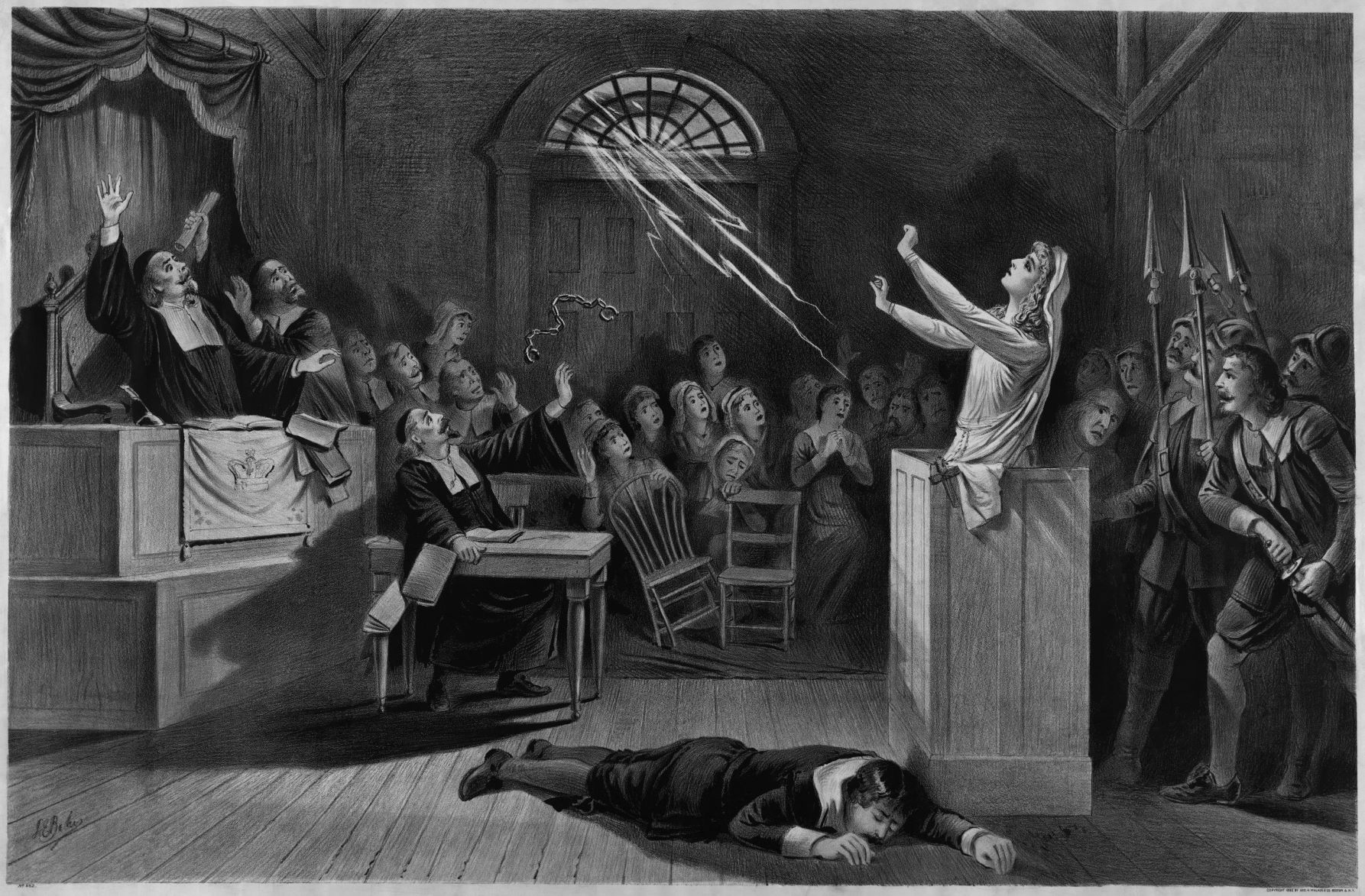

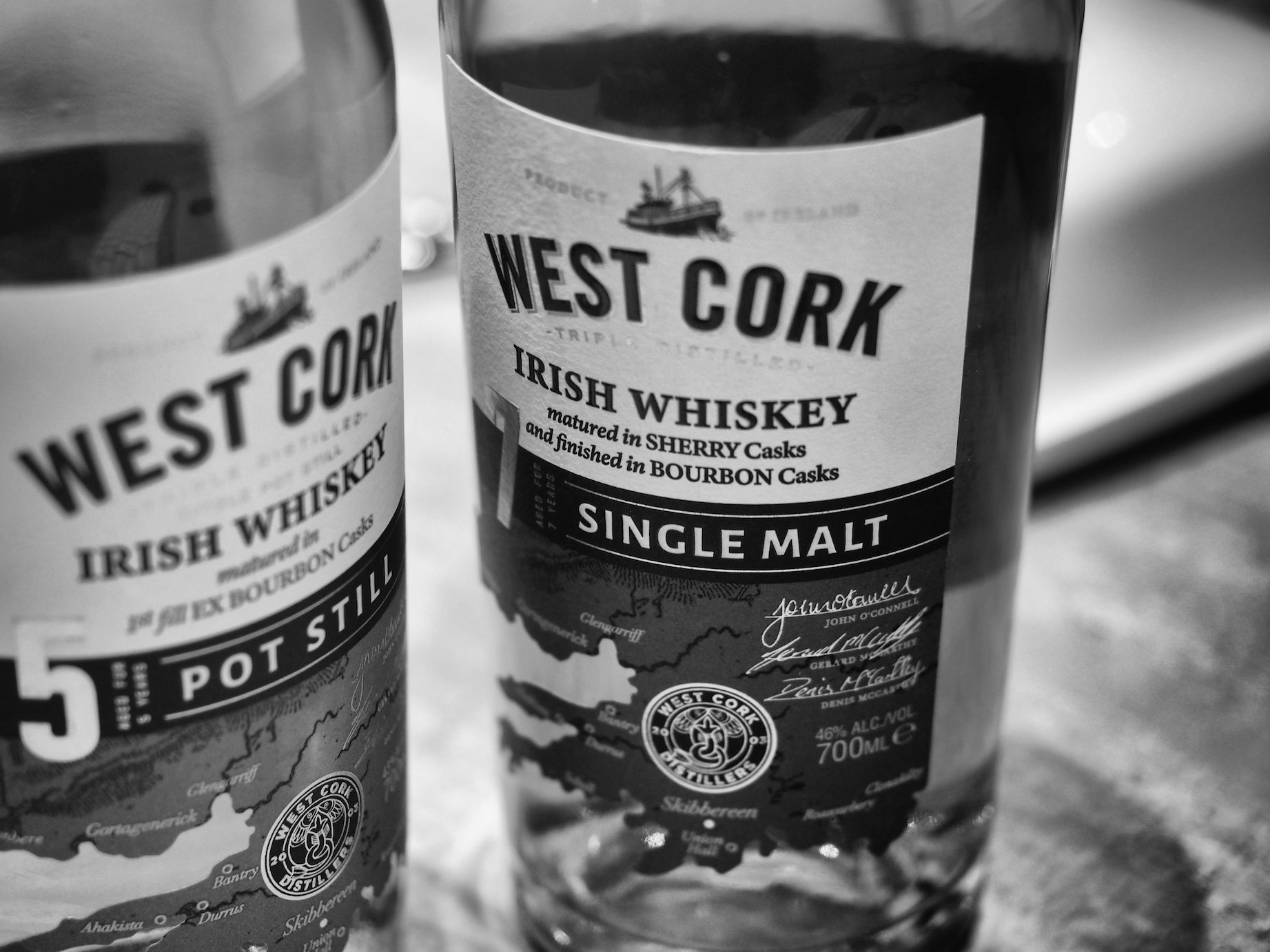
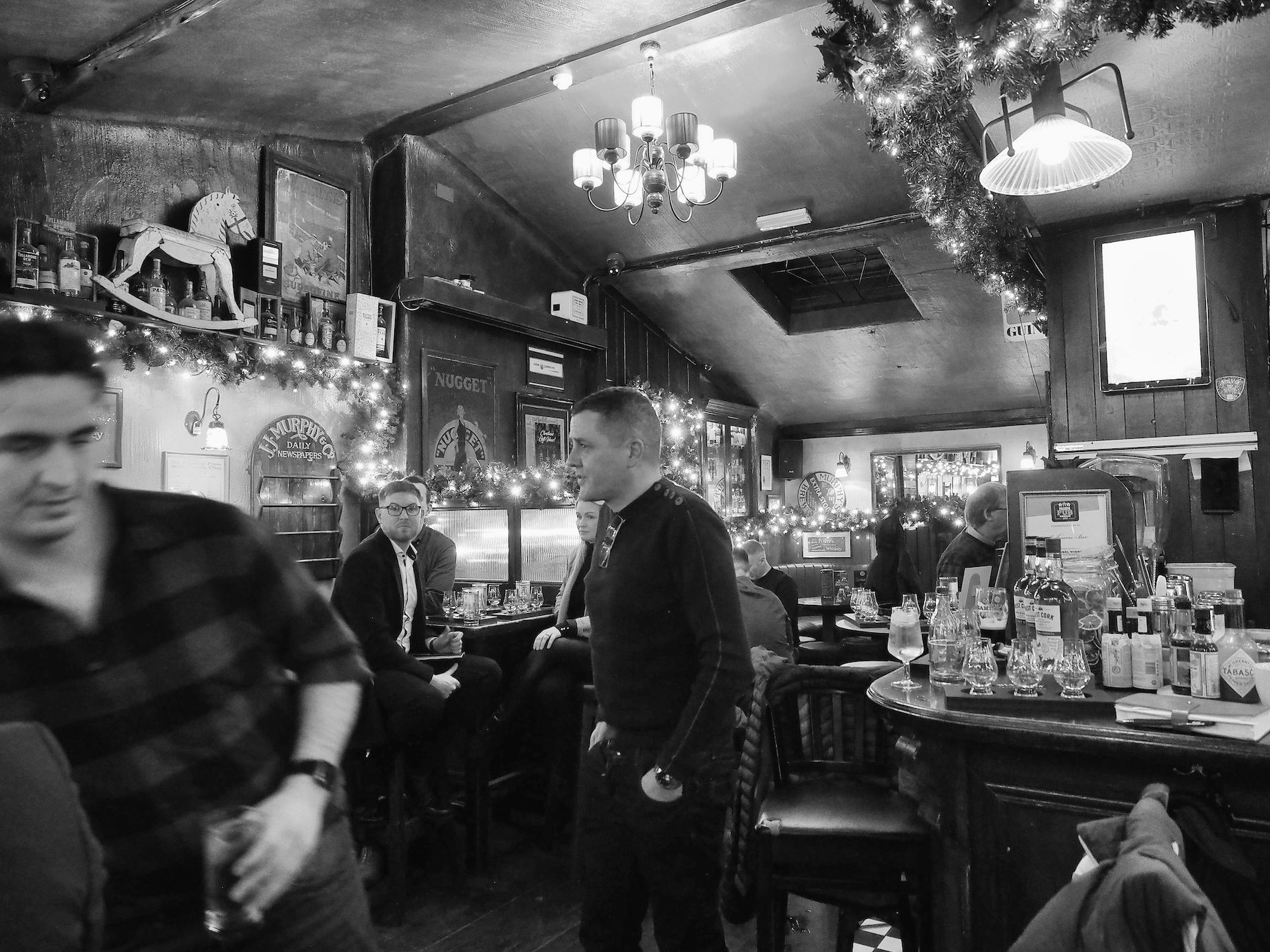
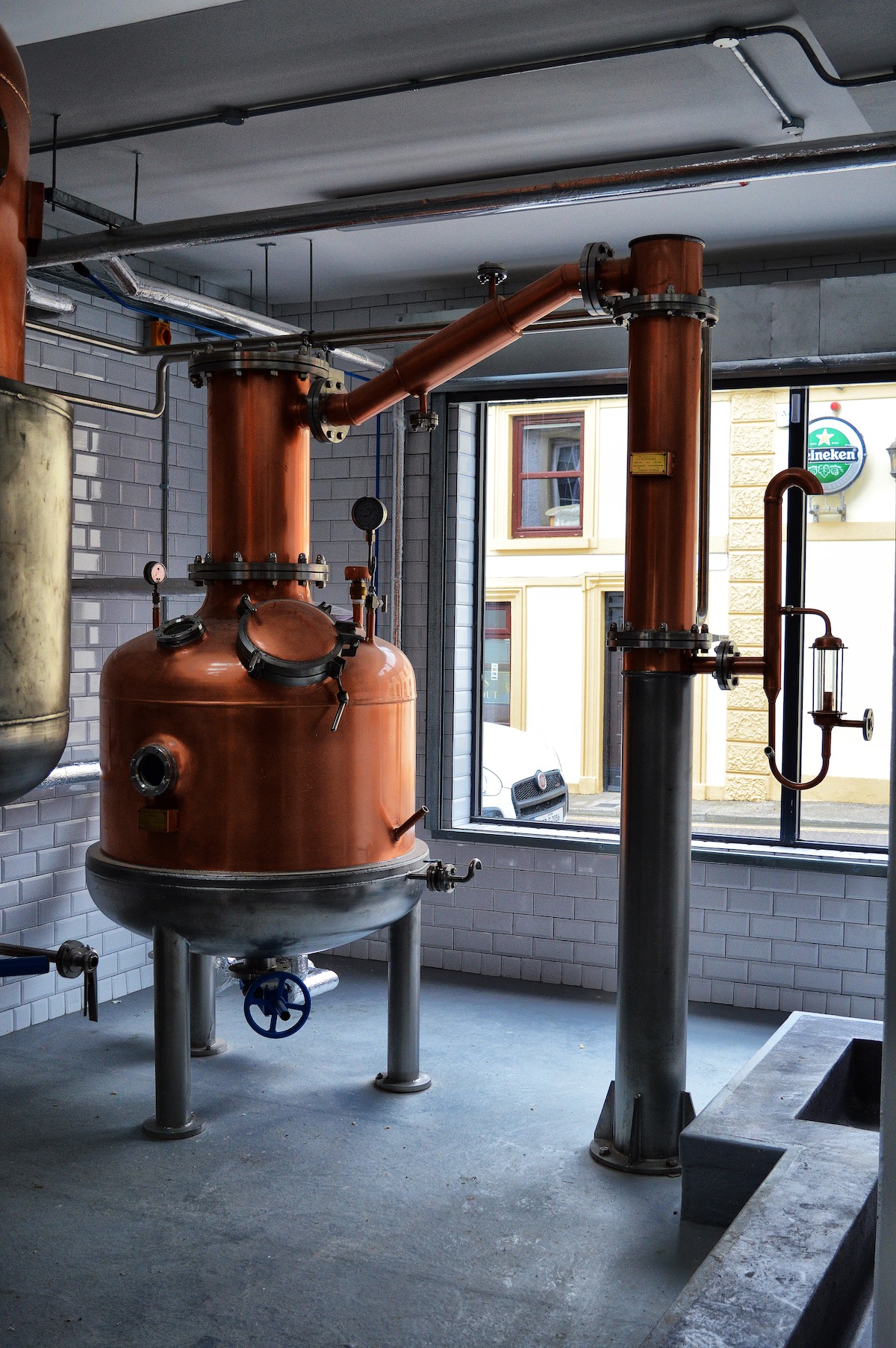
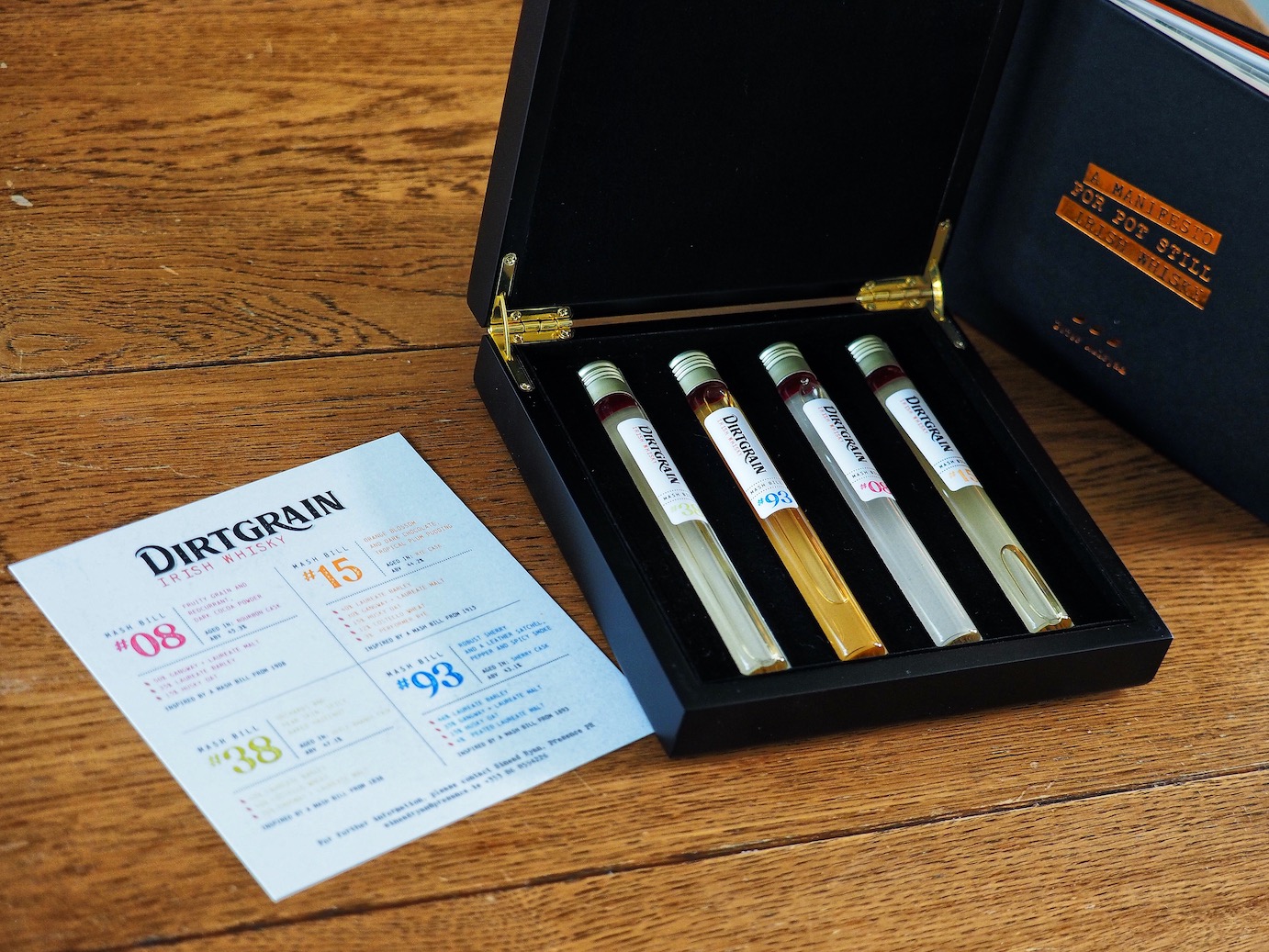
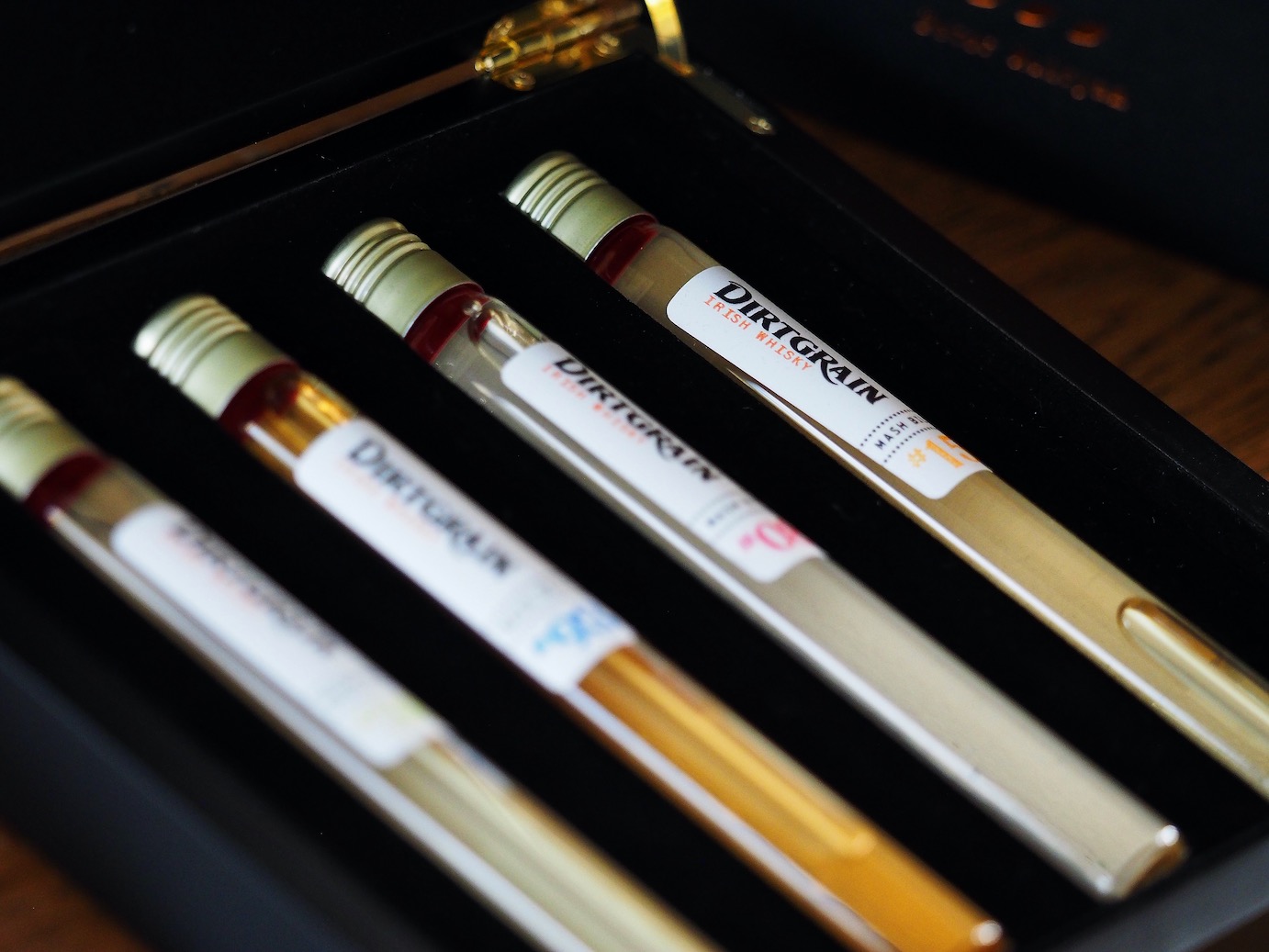
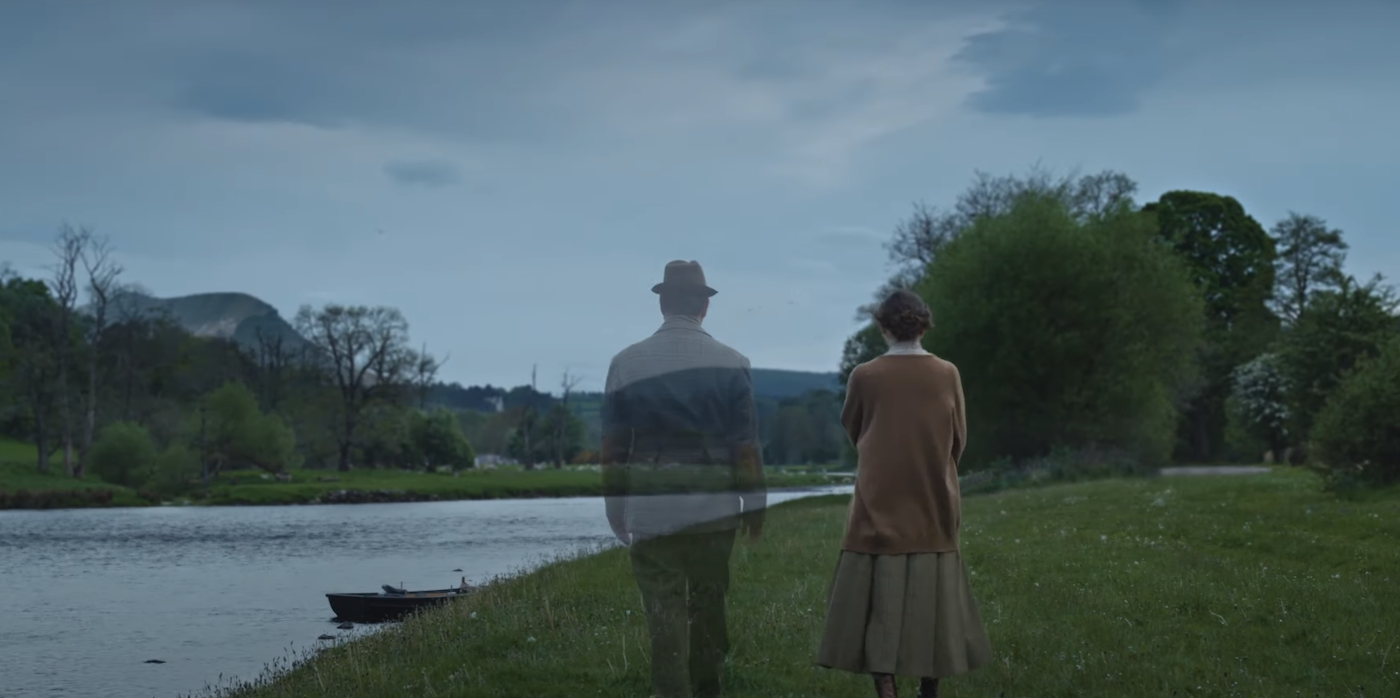
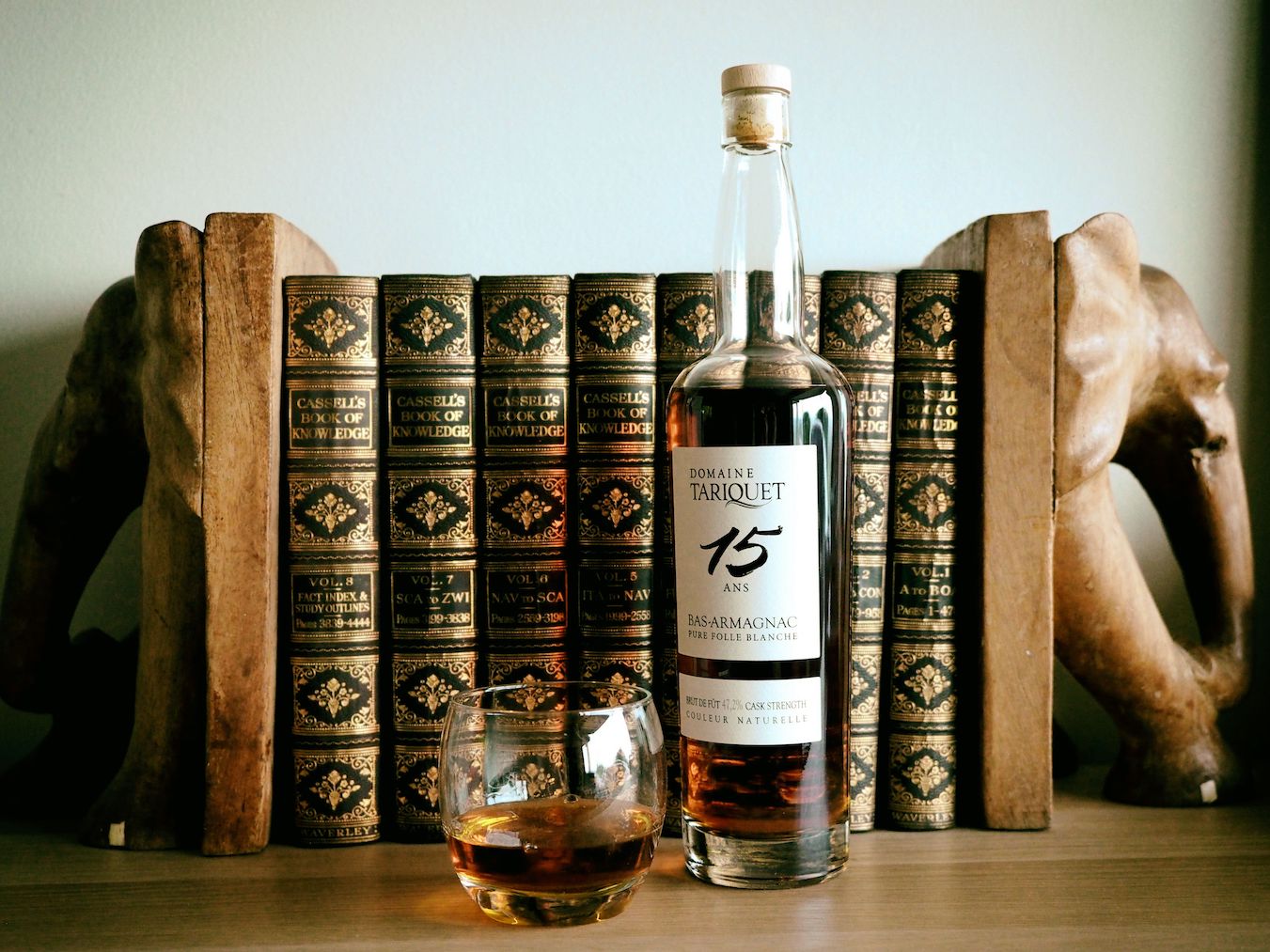

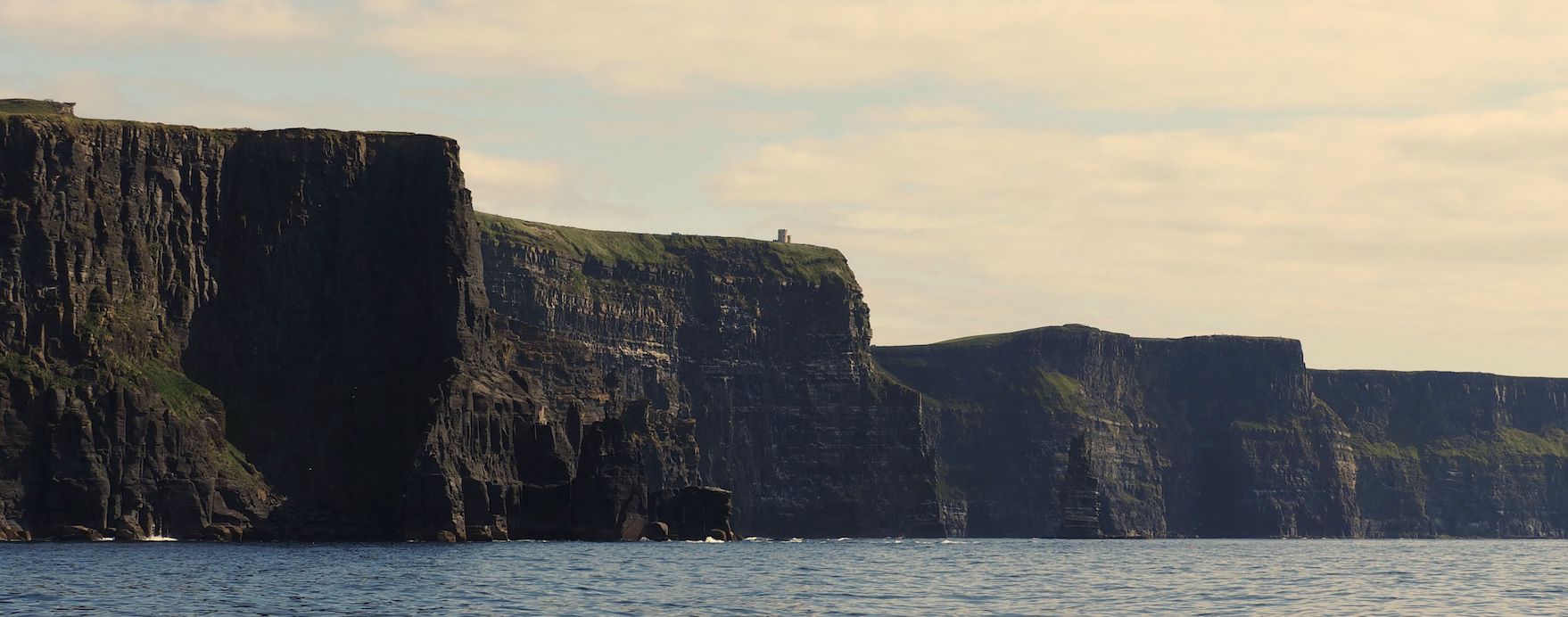
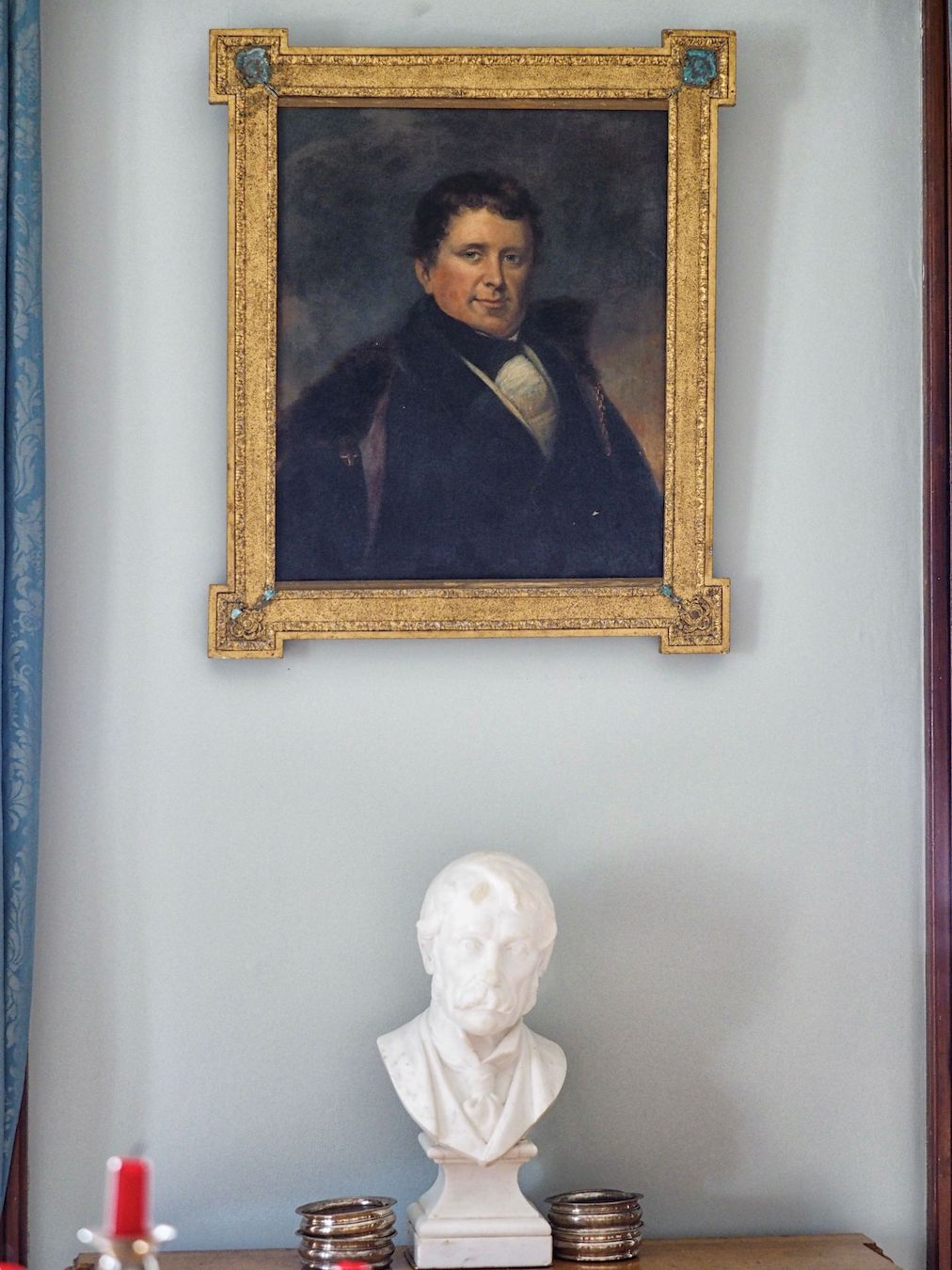

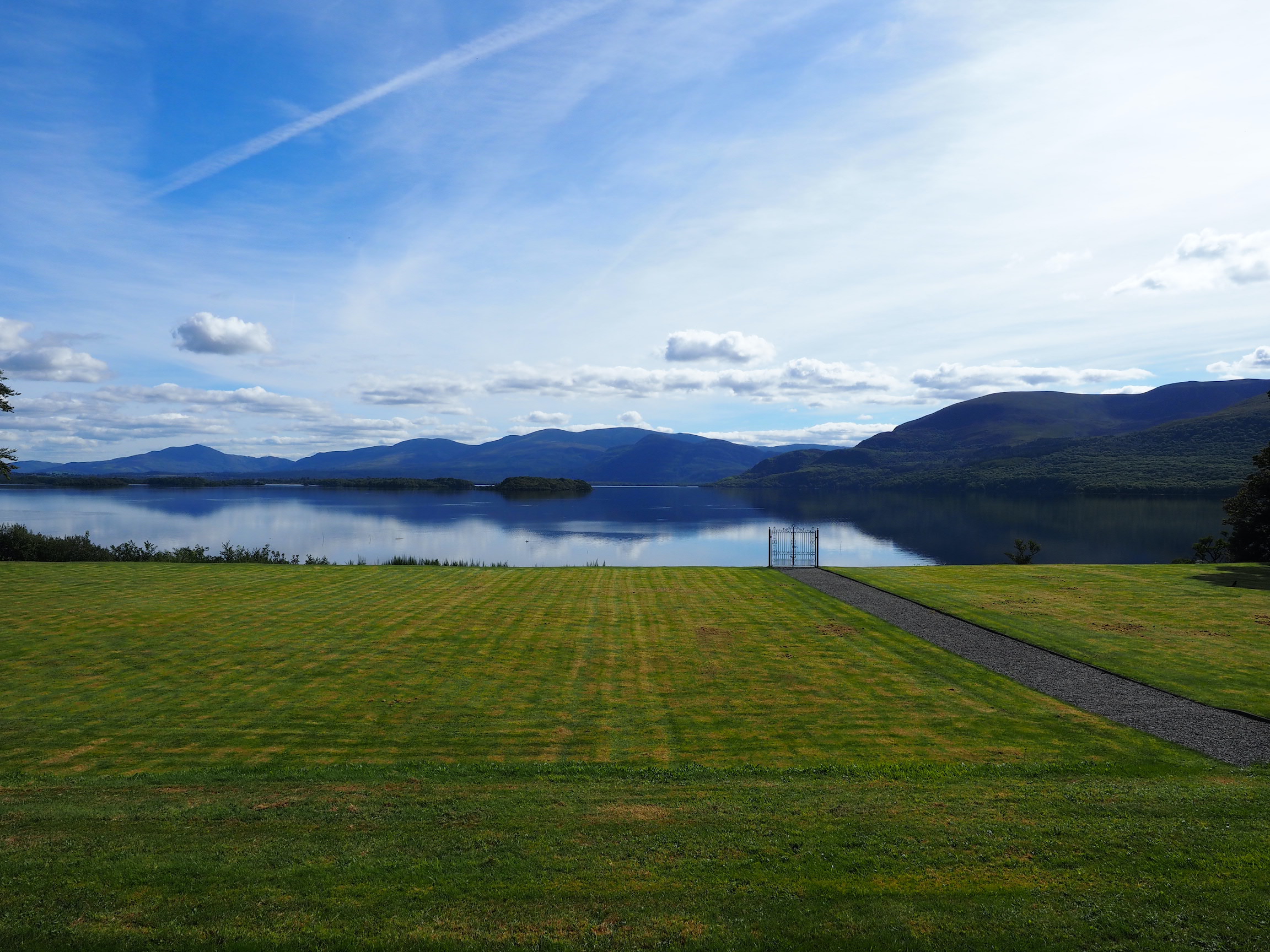
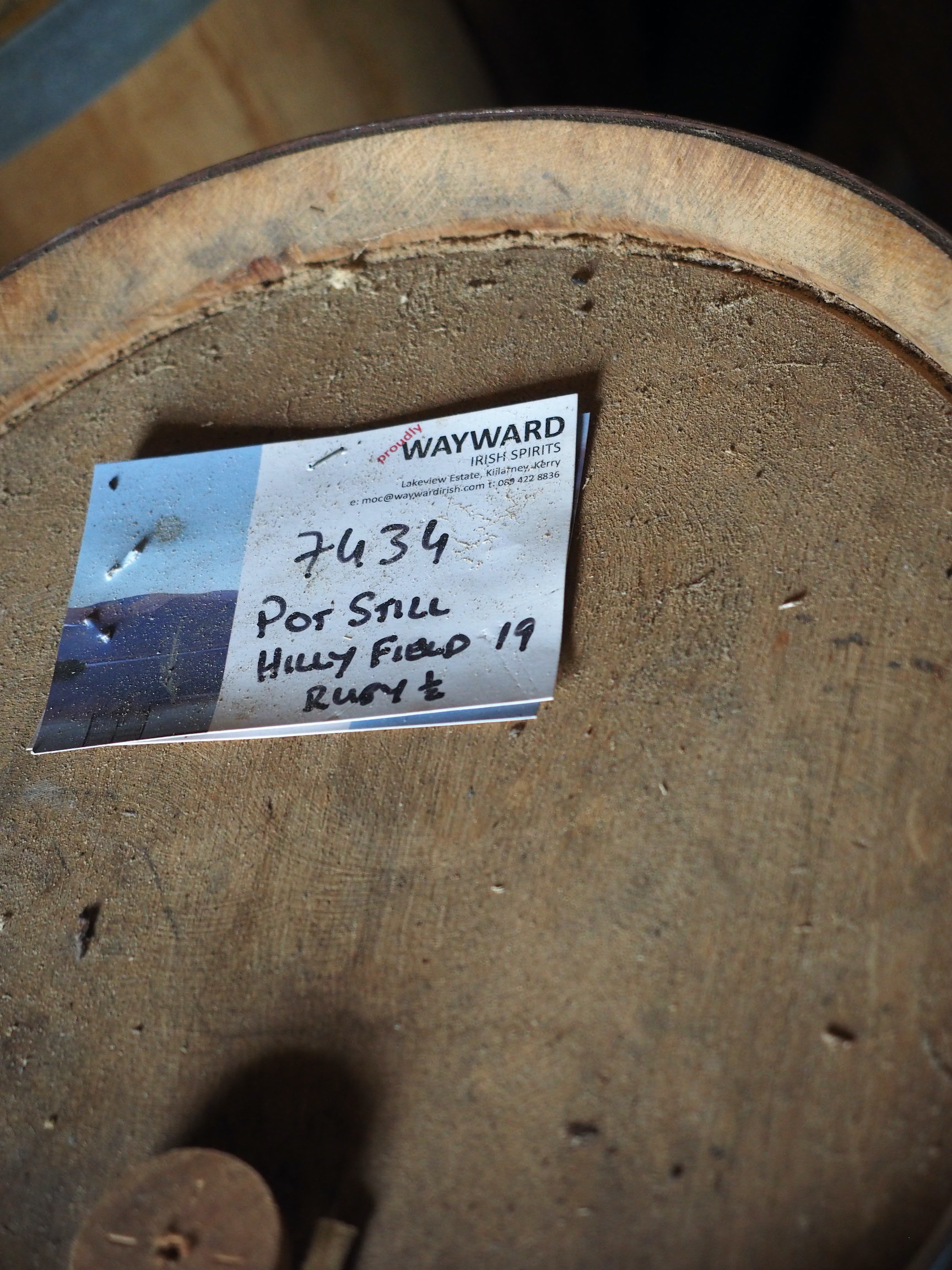
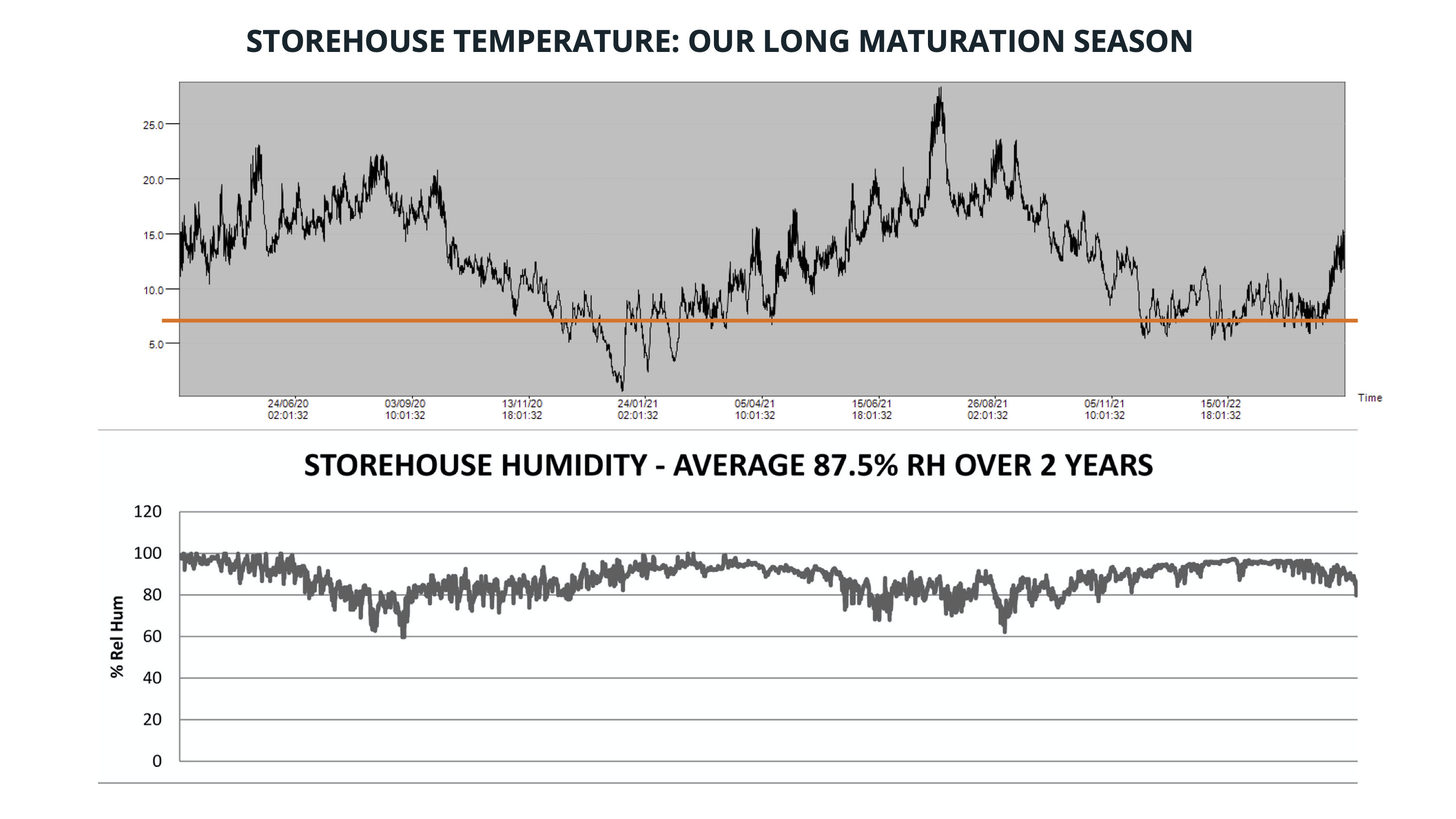
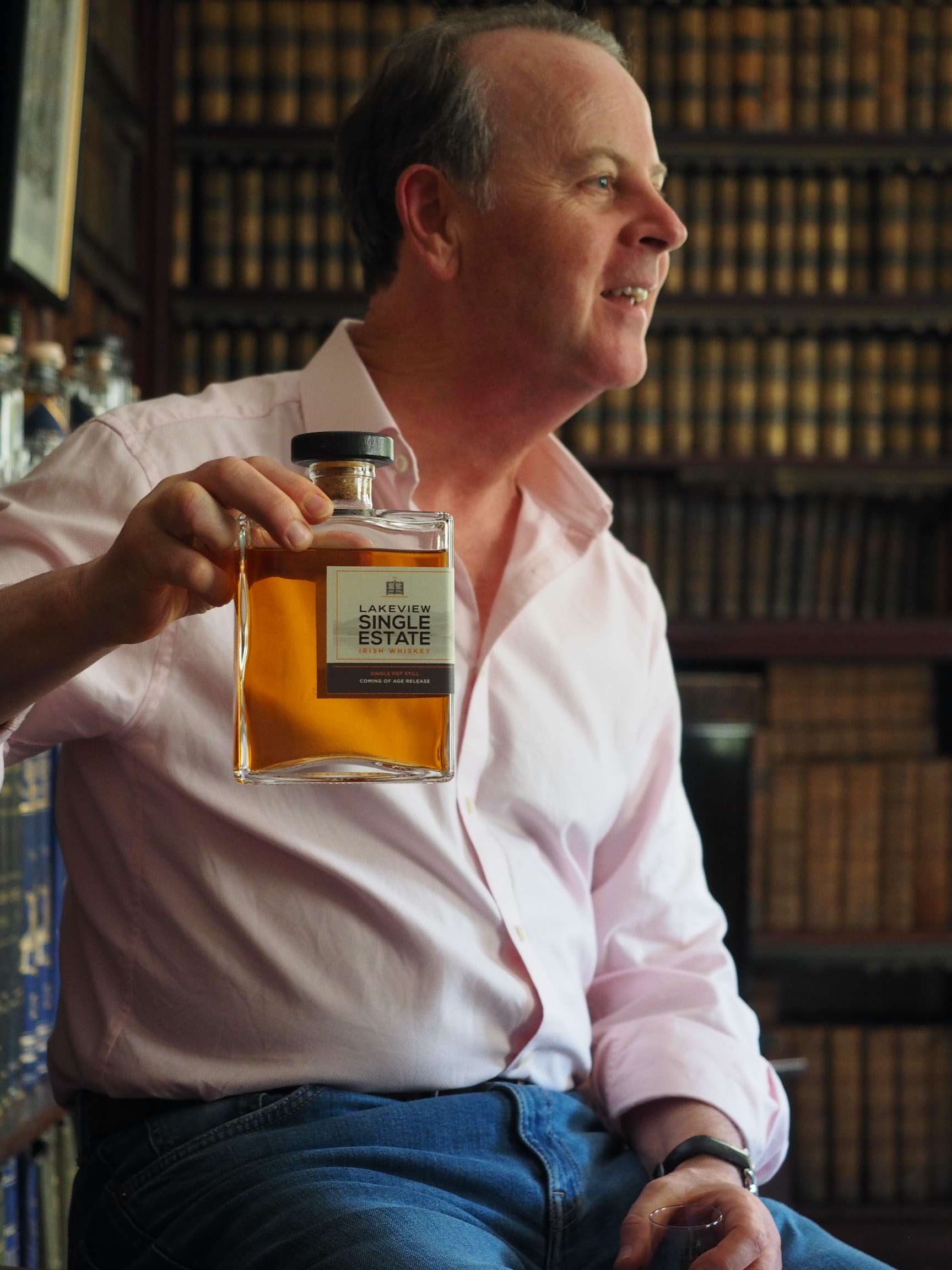
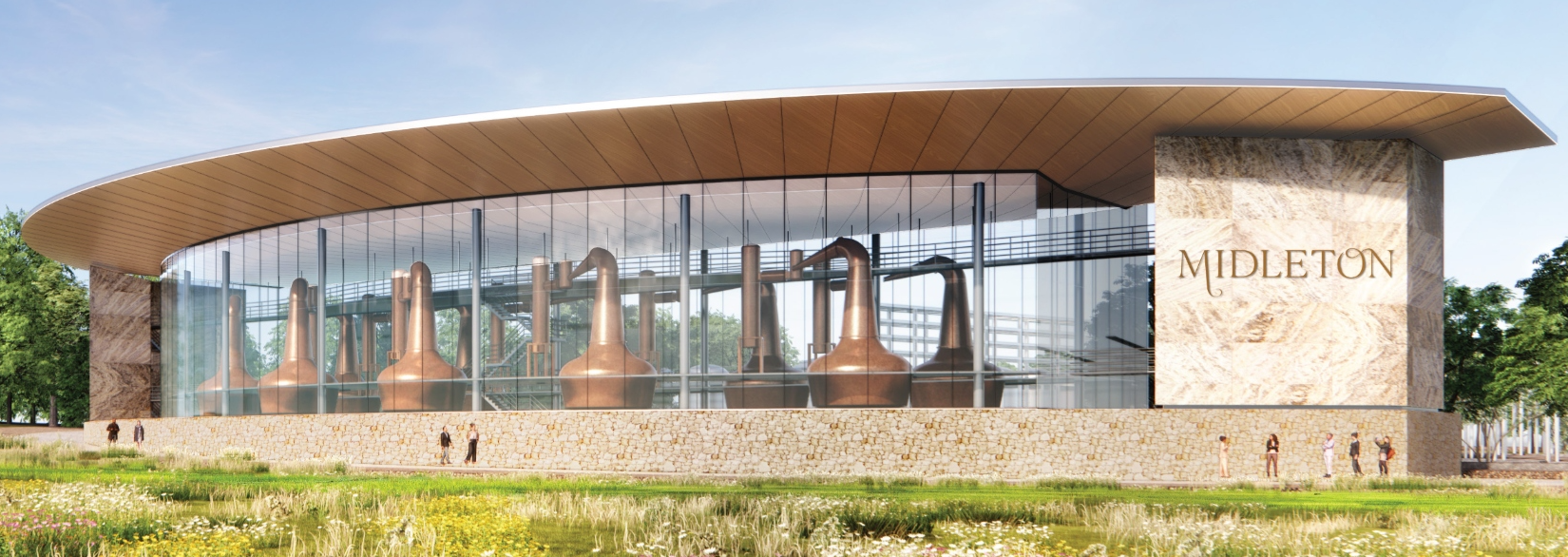
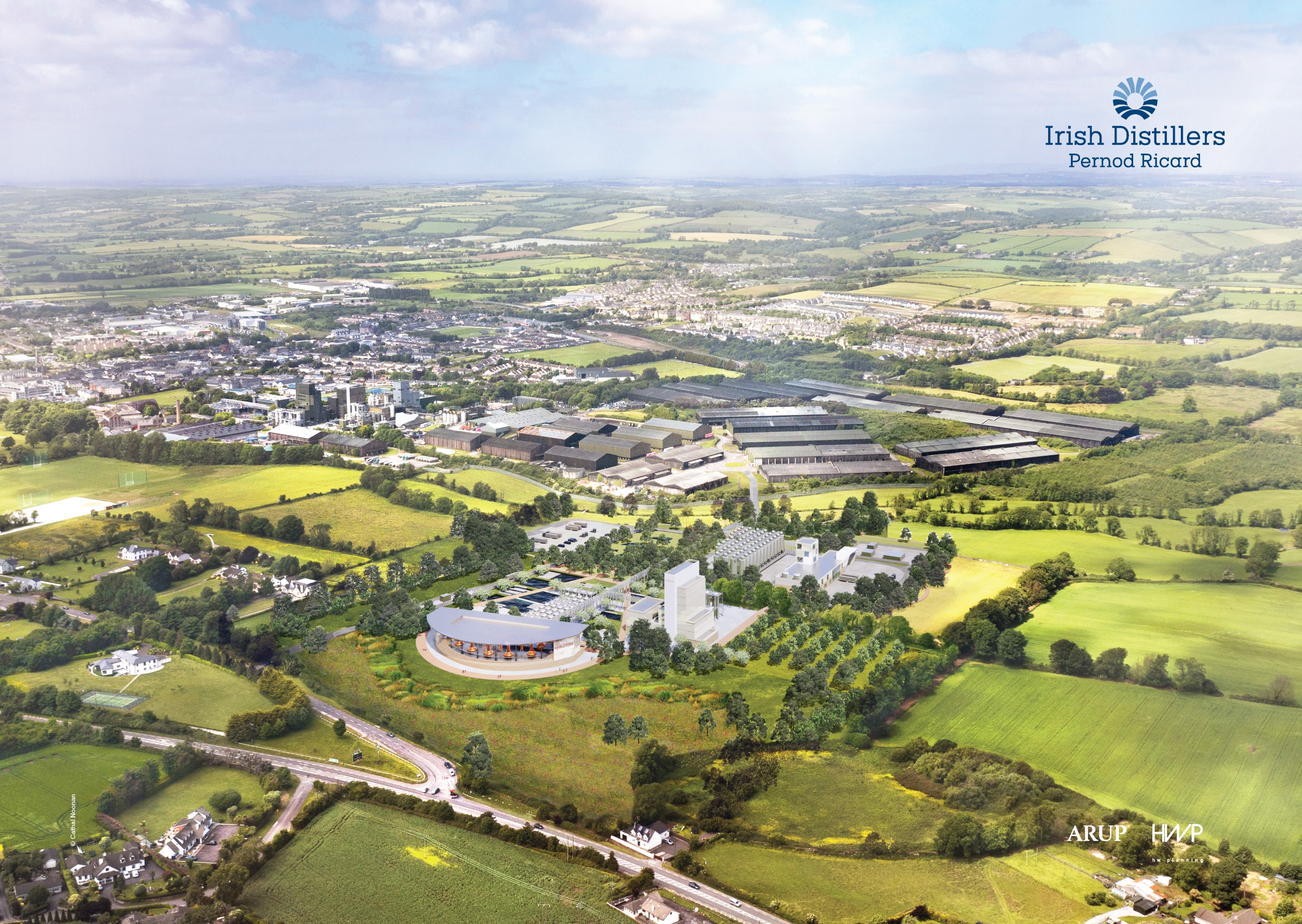

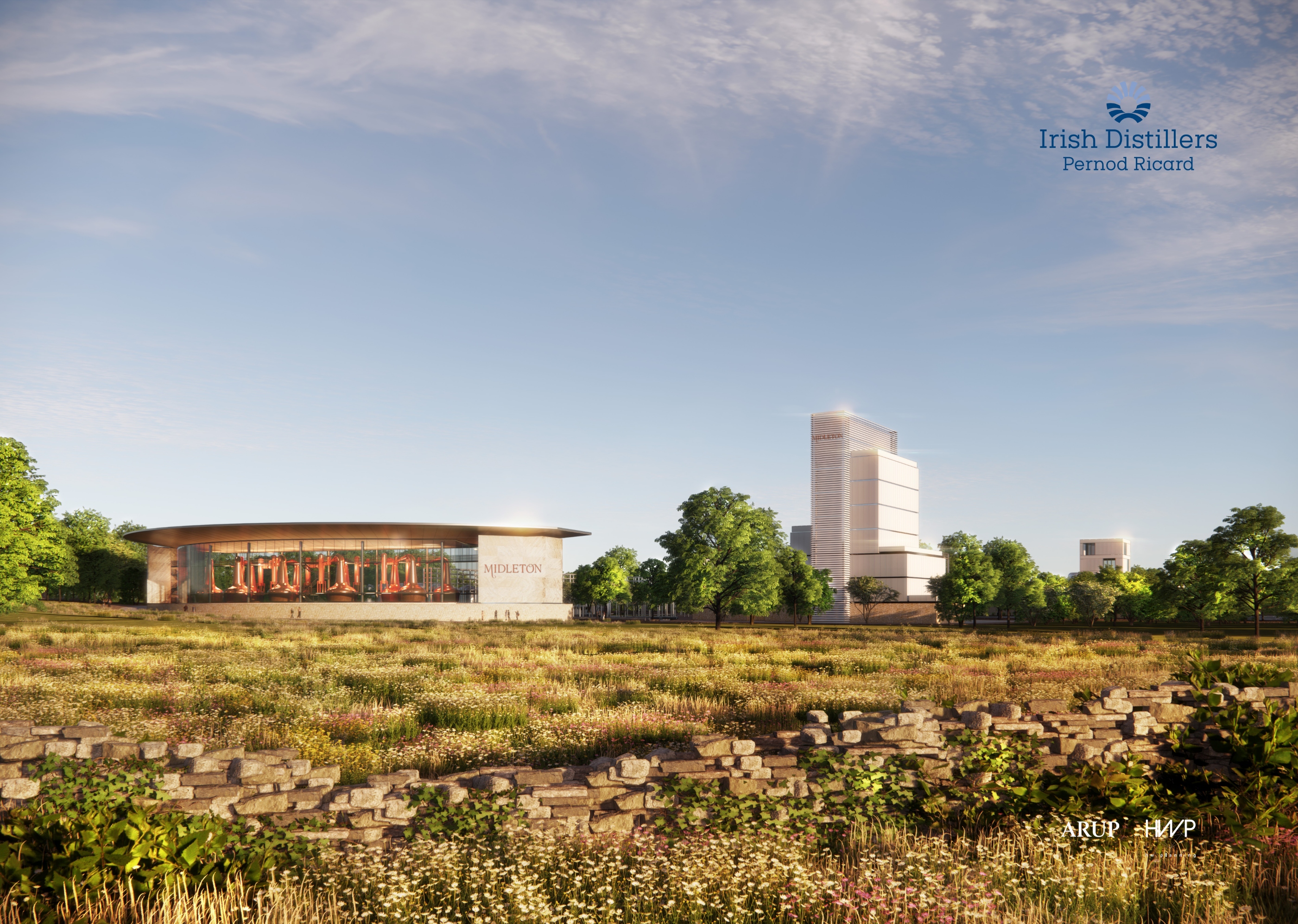
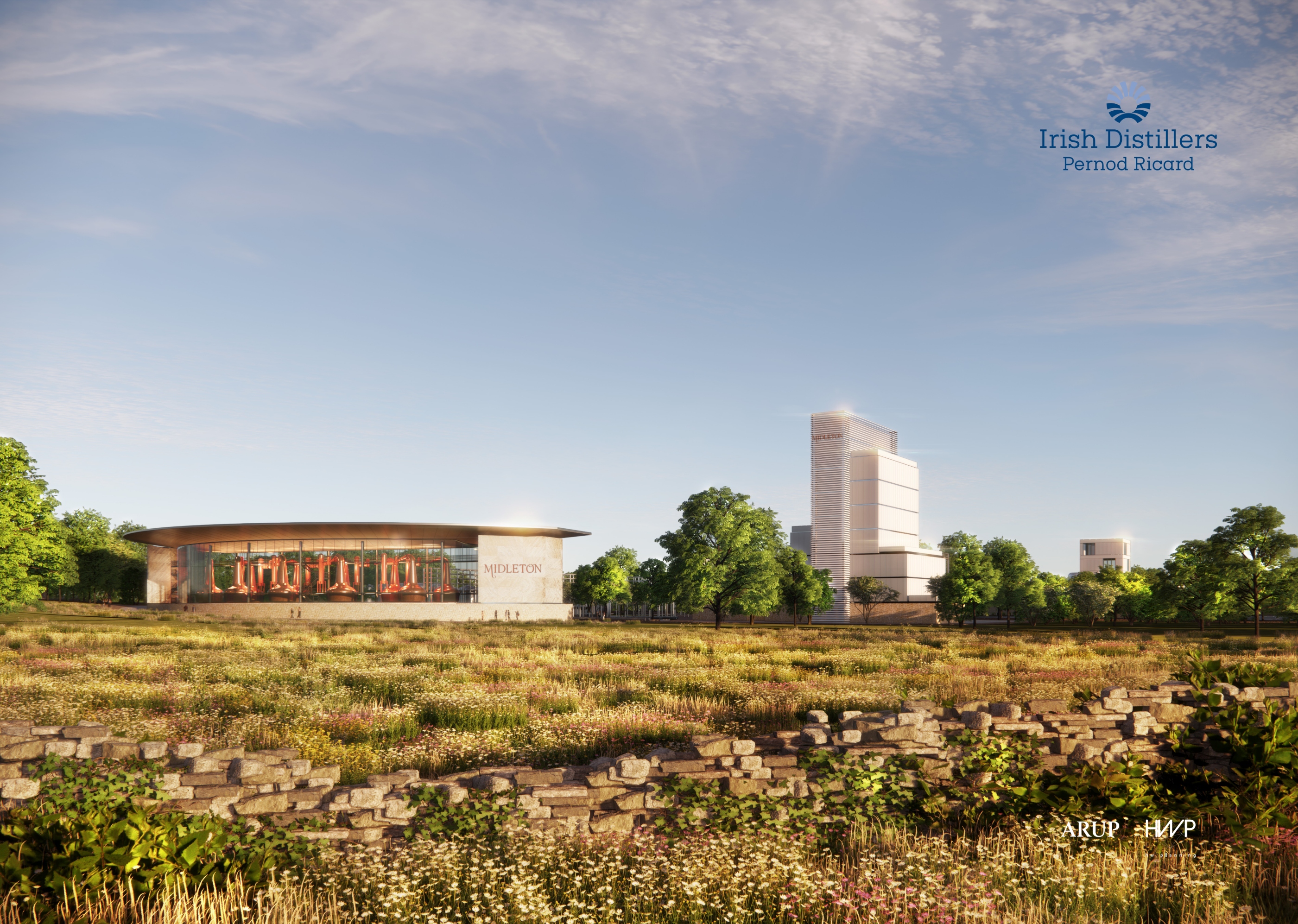

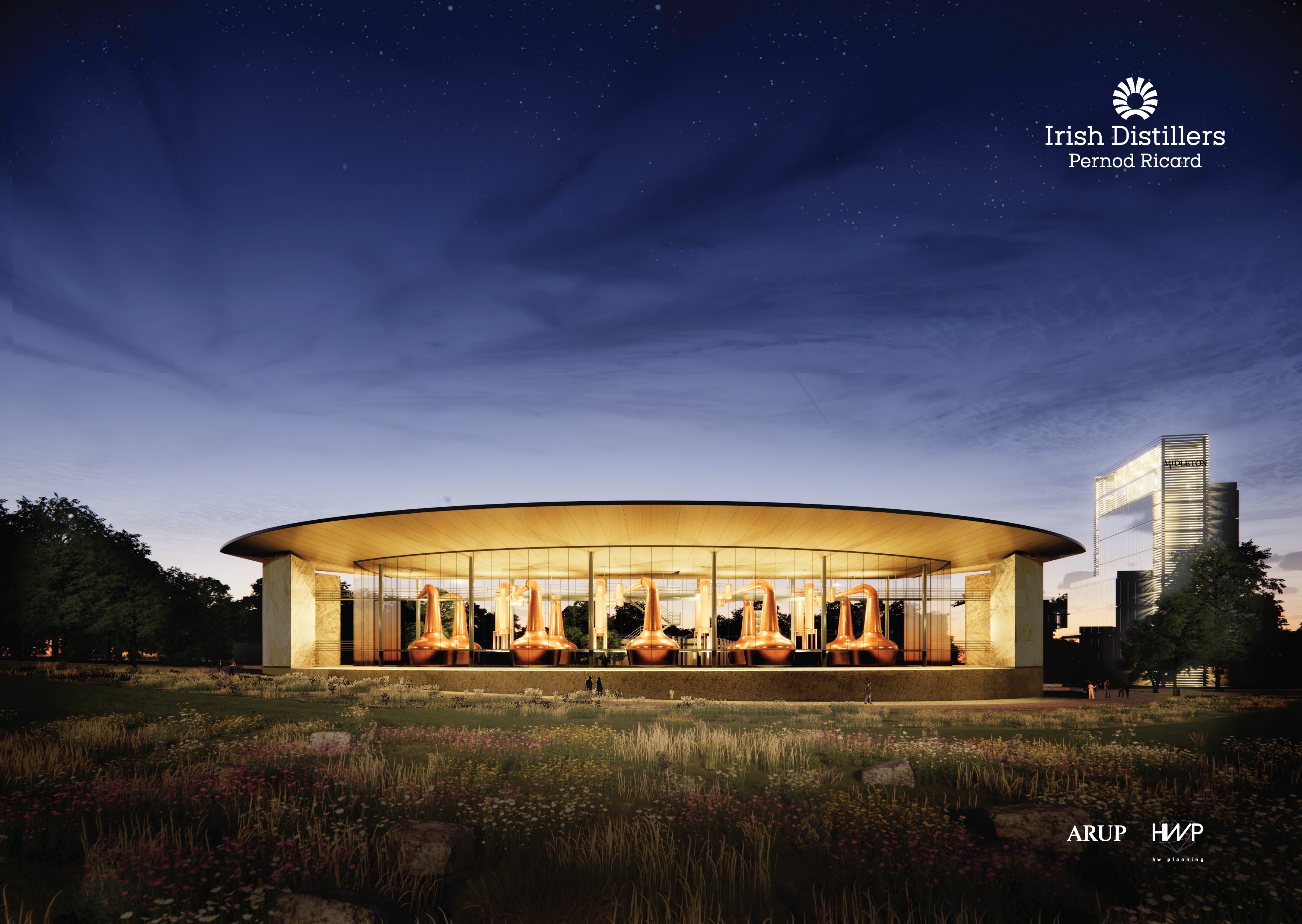
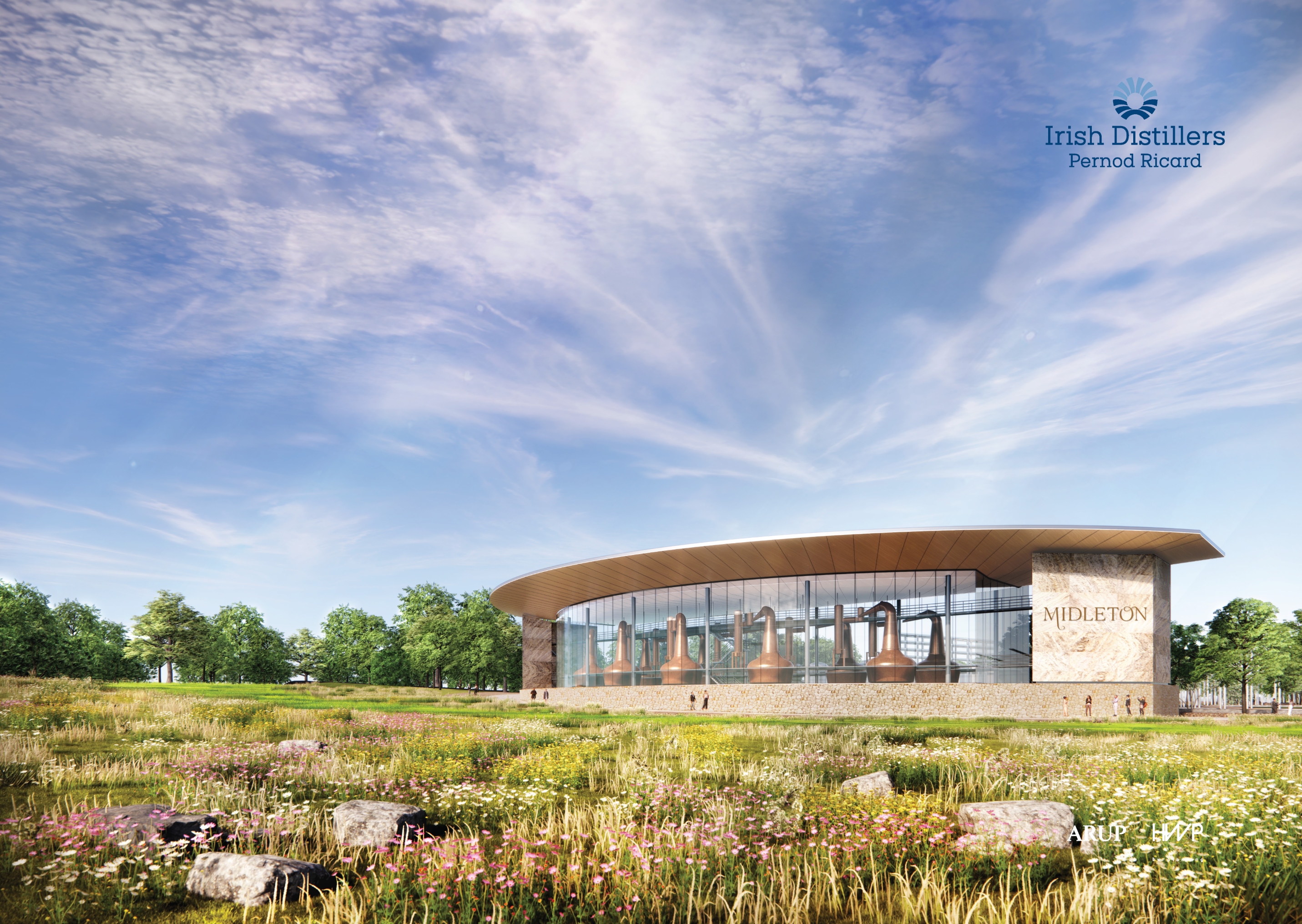
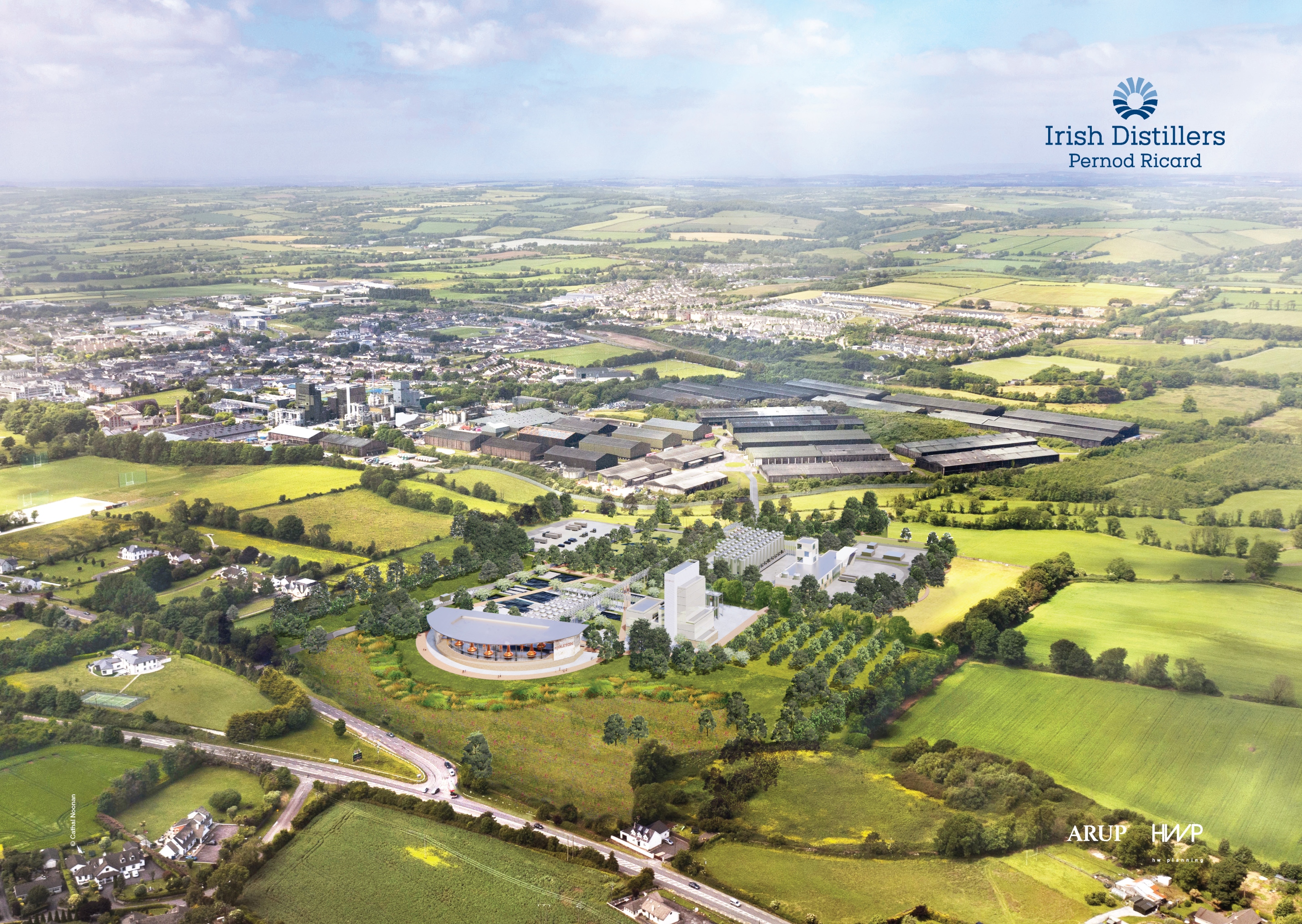
 Triple Distilled Communications