• Cotter’s cut

    DSC_0034

    I interviewed this remarkable young woman last week and it went into print today, but due to space restraints they had to cut it in half. So here it is in full: 

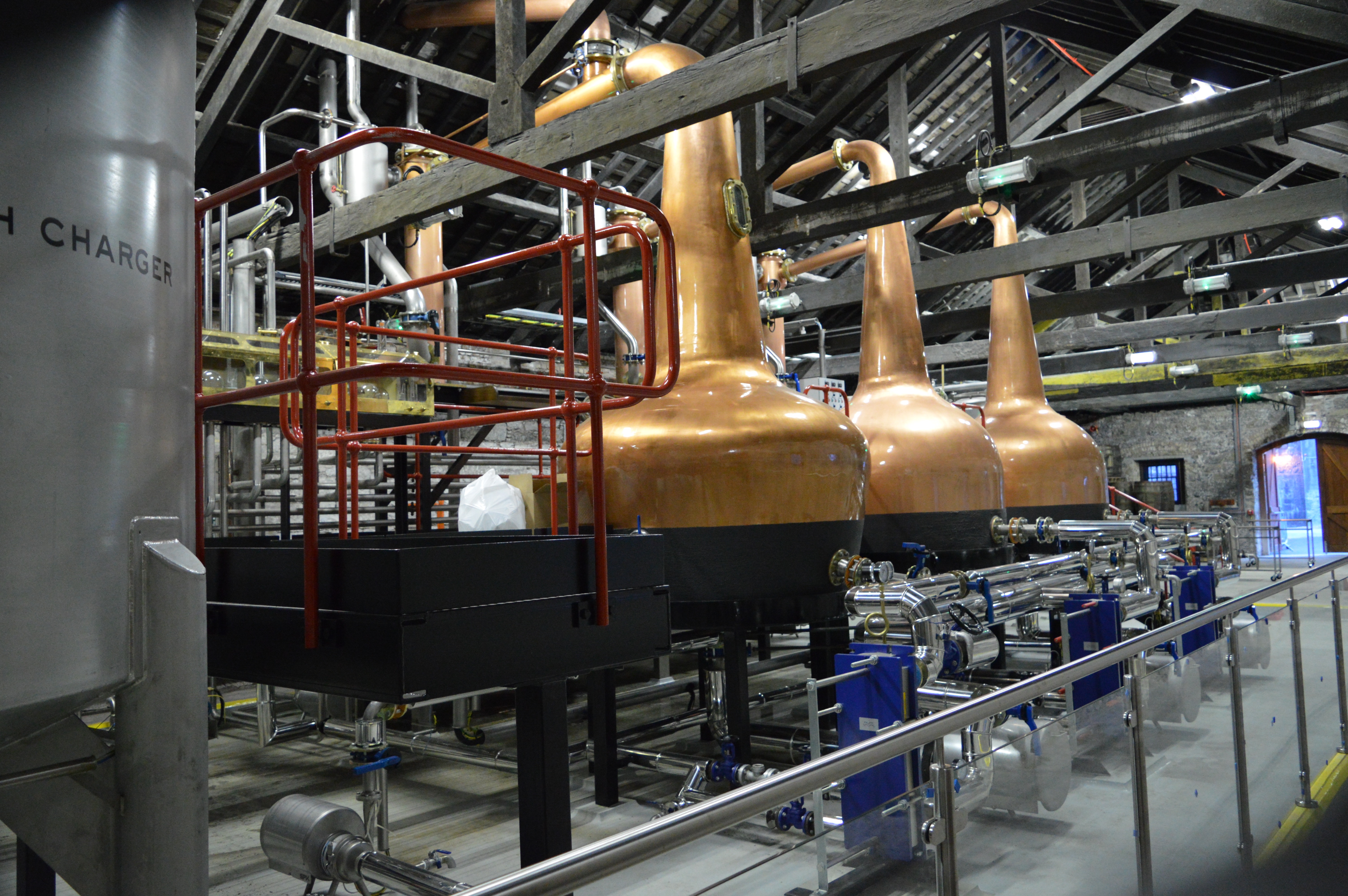
    The summer of 1975 wasn’t a particularly remarkable one. The somnambulist prog of 10CC’s I’m Not In Love topped the Irish charts, there were lightning storms across the country and in the Munster Final between Cork and Kerry, sparks flew between Páidí O Sé and Dinny Allen. And in an east Cork town, one of the longest surviving distilleries in Ireland stopped producing whiskey. The stills fell silent in Midleton on a Friday afternoon, after 150 years of distilling on the site, and the (largely male) workforce trudged through the gates for the last time. Then, on the following Monday morning, they all showed up for work in the brand new, state of the art distillery to the rear of the old site, and the firm has never looked back since.

    The old distillery was turned into one of southern Ireland’s busiest tourist attractions, and the new plant has been the home of Irish whiskey for the last four decades.

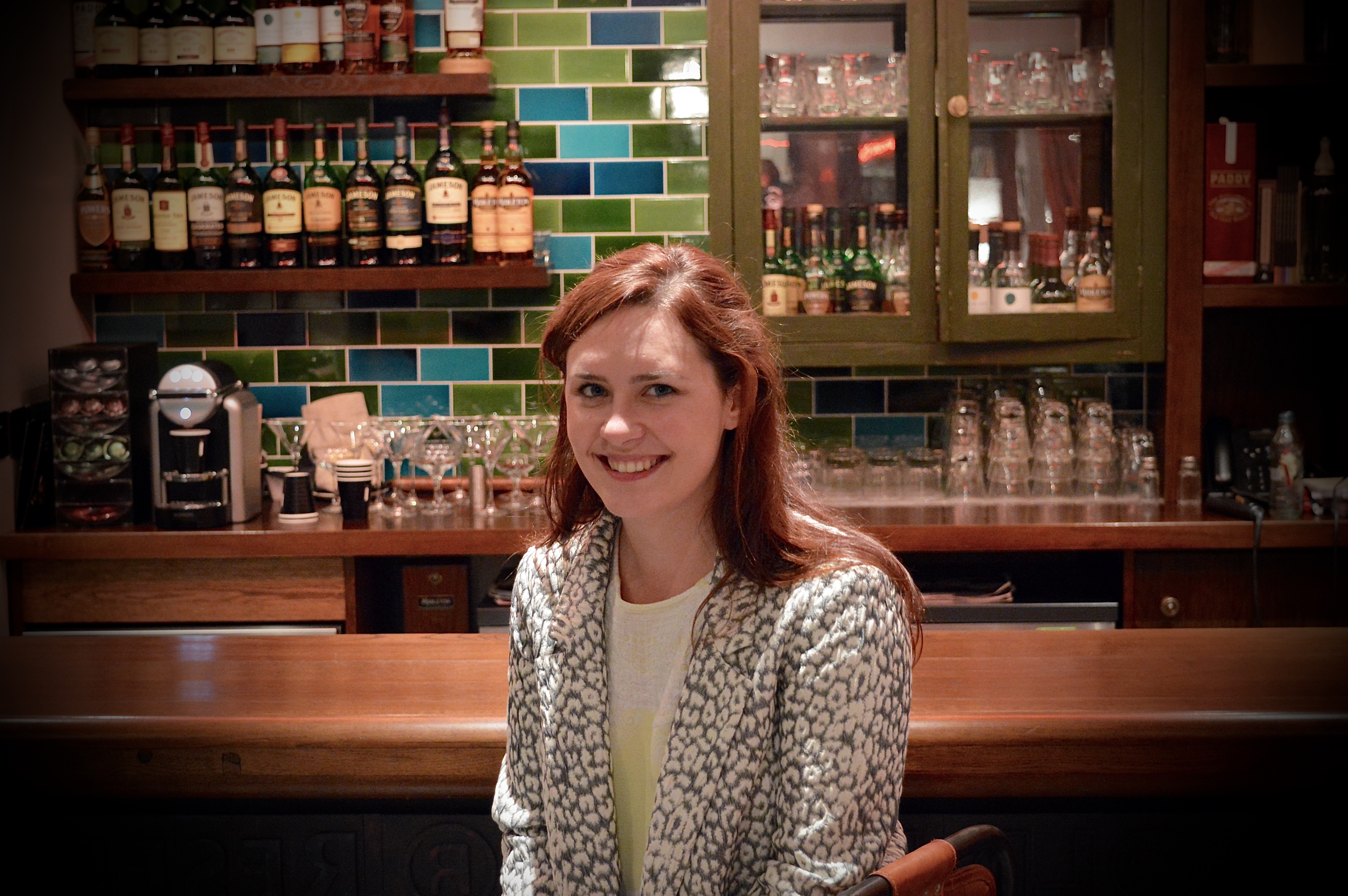
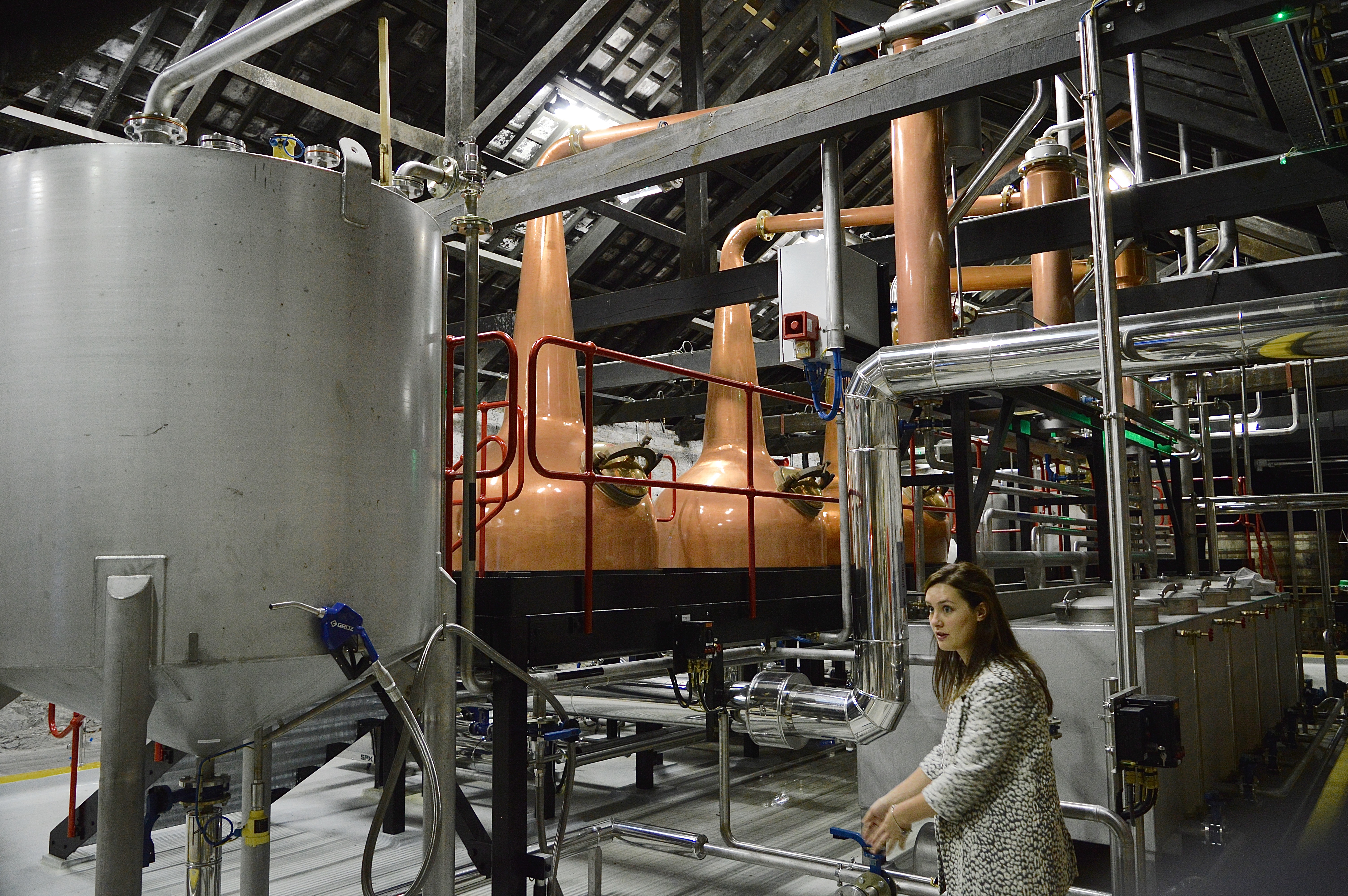
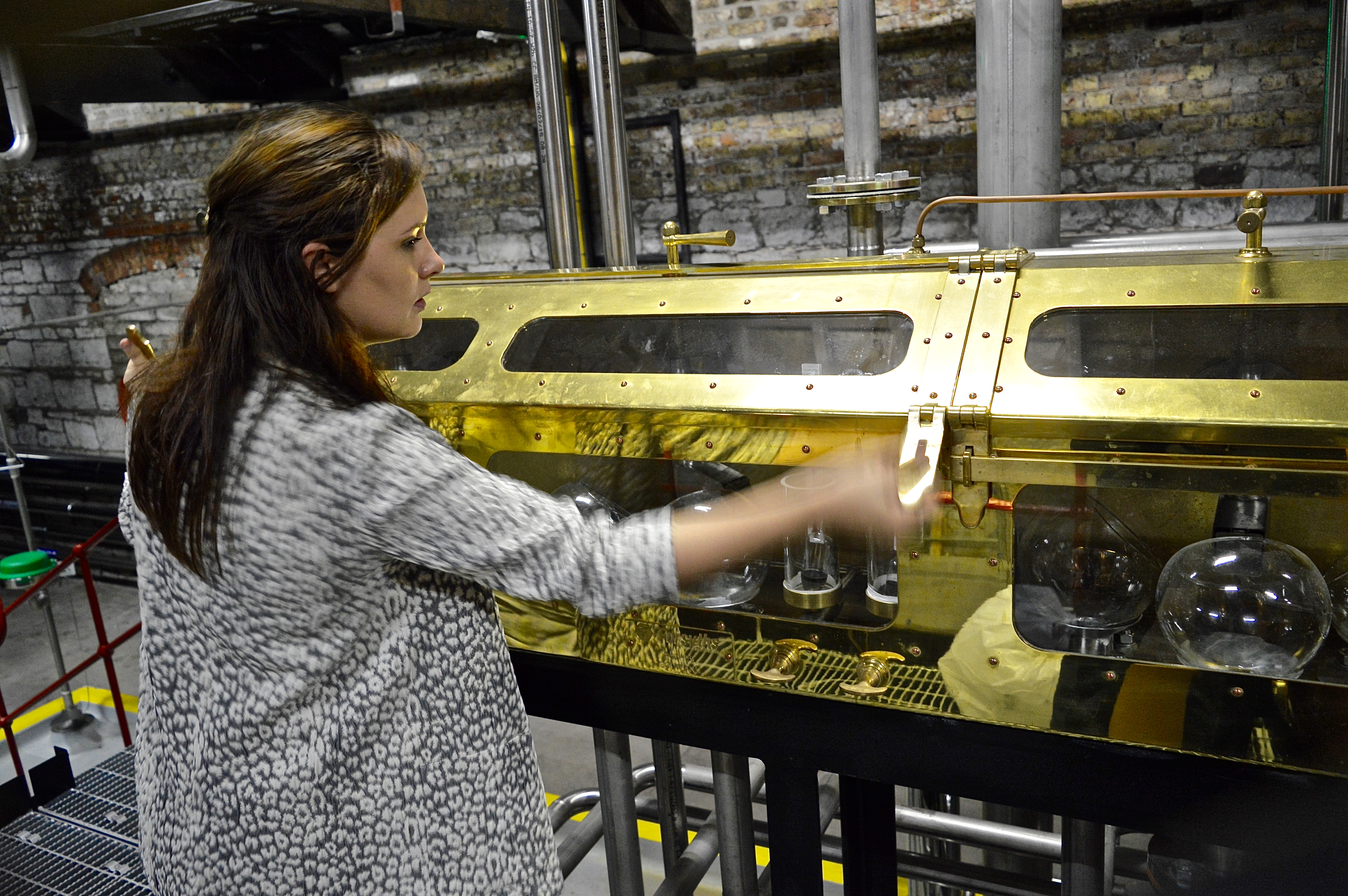
    But distilling is coming back to the old Midleton distillery, and this time it is not being overseen by the curmudgeonly, cloth-capped chaps of yore, but by a 24-year-old engineering graduate named Karen Cotter. If she has a sense of her importance in the male-dominated history of distilling, she doesn’t show it.

    For centuries, the entire whiskey industry has been almost exclusively male – from the barley famers, to the distillers, to the consumers, it was a man’s drink in a man’s world. But this young north Corkwman’s role as the head distiller of the new micro distillery in Midleton is a sign of changing times. She became part of Irish Distillers Limited through their graduate programme, which enables science grads to get a taste for the life of the distiller.
    DSC_0004

    And while chemical engineering might not be a course you would associate with edibles, food and drink play a bigger part than you would think: “Across chemical engineering there would be three mains facets – energy, pharma, and food and drink. I had steered myself away from the biopharma unit because I thought I loved chemistry and then I got to college and realized I didn’t, so when the placement with IDL came up I put my name forward for it.”

    But this is no ordinary course – the modern distiller needs to be a scientist and a masterful communicator too – so the application process includes submitting a video. This is Karen’s one:

    This blend of an enthusiasm for science and communication skills may explain why seven of the last eight graduates from the programme have been female: “There were plenty of guys at the interview days, but it is a tough interview process – first you have to make a video as to why you should be chosen and after that there is two round of interviews, so I don’t know if it is that girls are more open to doing the video in the first place, and then there is presentations and things like that involved in the process.

    “It’s tough – but you can see their thought processes behind it, the job description states that they want someone who is witty, charismatic – they are looking for a personality as well as the education behind it, because you could end up with a role like this where you need to be able to communicate effectively. That’s not to suggest that that is why guys haven’t got through, but the initial idea could put a lot of men off applying.”
    DSC_0012

    But women have another advantage when it comes to distilling: Research released last year by the Federal University of Rio de Janeiro in Brazil revealed why women perform better in scent tests – they have more cells in the part of the brain that controls the ability to smell. It’s believed that this olfactory superpower helps mothers bond with their babies, and also helps them select a mate. It just happens that they are also naturally gifted when it comes to discerning aromas in whiskey. But developing a nose for this spirit, which has one of the most complex flavor profiles in the world, can often pose a challenge for newcomers.

    “I’m still working on it; for whiskey it is a very specific set of aromas that you are working with, I’m on the distillery tasting panel – every charge that is bunged, every tanker that goes out, it is nosed by at least two if not three people, and it can’t be released from the site until that has happened, until it has been compared against the standard to see if it is perfect. So that is how I am learning to get into the scents more, where I am now at the stage where I can tell if there is a difference with something, but I’m still working on putting words to the senses.

    “Also, if you’re nosing whiskey, it is very subjective, it depends what you’ve been exposed to; fruity notes are one of the things that are synonymous with whiskey, but I don’t like fruit that much, but because I can smell fruit I can still get it, but there are other people who would be more adventurous with their food and they would get different aromas.”
    DSC_0007 (1)

    Of course, having Midleton’s Master Distiller Brian Nation to mentor you also helps: “Brian has been the only boss I have ever had, because of the placement and then being taken on under the programme.

    “Brian is terrific, he really is. Considering he came from the same background I did, chemical engineering, he knows what areas I would be stronger in and in what areas I might need a little help, and his vast experience through working here over the years.

    “He knows everything from the grain intake, to the cask filling, he has an incredible overview – and because of that he will be so helpful with the micro distillery, and even more so when it grows to have the micro brewery as well – he has the full spectrum of experience.

    “And there is also Dave Quinn, he is also involved, all those years of experience – they know everything there is to know about distilling.”

    The microbrewery means that the wort, a weak beer which is then distilled to make the spirit, can be adjusted via different brewing techniques or even different grains.

    But as for recipes, they already have a few up their sleeve: “We are lucky as our archivist Carol Quinn came across a notebook recently and it was John Jameson’s son’s notebook from 1826s, and it details a lot of the recipes they were trying at the time, and the different ratios of the grains, what grains they used, a lot of different parameters that they would have adjusted, trying to find a new blend, so we will be trying some of those recipes to see what we will come out with, or if we can replicated something that they would have made back in the day.

    “We obviously won’t know if it exactly the same, and it is a long waiting period (three years ageing minimum) so it’s trial and error now and then we won’t know for a very long time. But as it is such a small batch they will age it for much longer than three years.

    “And if it is a success it could be replicated in the main distillery on a larger scale.”
    DSC_0008

    A lost notebook suddenly discovered just in time for a micro-distillery launch? Sounds like marketing bumpf, but Karen swears it is not: “I didn’t believe it either, but our archivist showed it to me, and it is in very good condition despite its age, because the paper back then was made from linen so it lasted much better than our paper today. They obviously don’t use the metric system, so it is hard to differentiate what they are saying, so Brian and I spent a bit of time going through it trying to figure it out. “

    And as for Karen’s family, they are proud as (whiskey-based) punch: “They were delighted; dad’s always had an interest in whiskey, and then more as Jameson upped their marketing a few years before I got my placement he had gotten a bit more into it, so he was absolutely delighted.

    “Since then I introduced him to more, each year I give him a new bottle, the first it was Black Barrel, then last year it was Jameson Gold Reserve, so I will probably cap it fairly soon as I can’t be spending that much money!
    DSC_0025

    “But they are delighted – it is something so different and they can actually tell their friends what I do – it’s not like an obscure office job, they know exactly what my job entails because I can bring them here and show them. They are very proud – it’s not exactly what they expected I would be doing after college though!”

    As for whether they know how important her place in history is – as the first Irish woman in charge of a distillery – they are starting to realize their daughter is a rather big deal: “I don’t think so I haven’t really said much about that, but I think when I was describing the launch they started to wonder ‘what is she at down here at all, I thought she was an engineer, why is she doing interviews and why is she picking out an outfit.’ “

    After the gala launch yesterday, attended by the Tánaiste Joan Burton, there will be little doubt that this is a pivotal moment for Karen and her family – and for Irish whiskey itself.
    DSC_0021

    Mad Men, dames and hipsters: The evolution of whiskey’s demographics

    Historically whiskey was considered a man’s drink – the fire and heat of a first sip of the hard stuff was seen as being too intense for the gentler sex. The role women played in the early days of whiskey was often in opposition to it via the Temperance movement and driving the subsequent Prohibition act in the US. During the Second World War, Winston Churchill – himself an enthusiastic whiskey drinker – saw the revenue that could be created for the war effort via the Scotch industry. American GIs fell in love with the drink, and kept that love when they went home. Scotch became tied into notions of the heroic male, home from the war after serving his country – Don Draper’s messy personal life is oiled with the golden liquid. But the rise of Irish whiskey in the past decade has a lot to with a subculture that Draper’s era would have despised – hipsters. They took old tropes of Victorian masculinity – bushy moustaches, sailor tattoos, hard liquor – and played with them, making them the iconography of the flaneur and the modern dandy. Scotch was, however, ‘too mainstream’ so the hipsters of Brooklyn and all the other gentrified ghettos of cool around the world took Irish whiskey as their own. We were the underdog – but thanks to them, but not any more: The launch of the micro-distillery in Midleton also coincided with Jameson selling five million cases of Jameson in the past 12 months – a staggering 60 million bottles. Now we are truly the mainstream.
  • Craft works

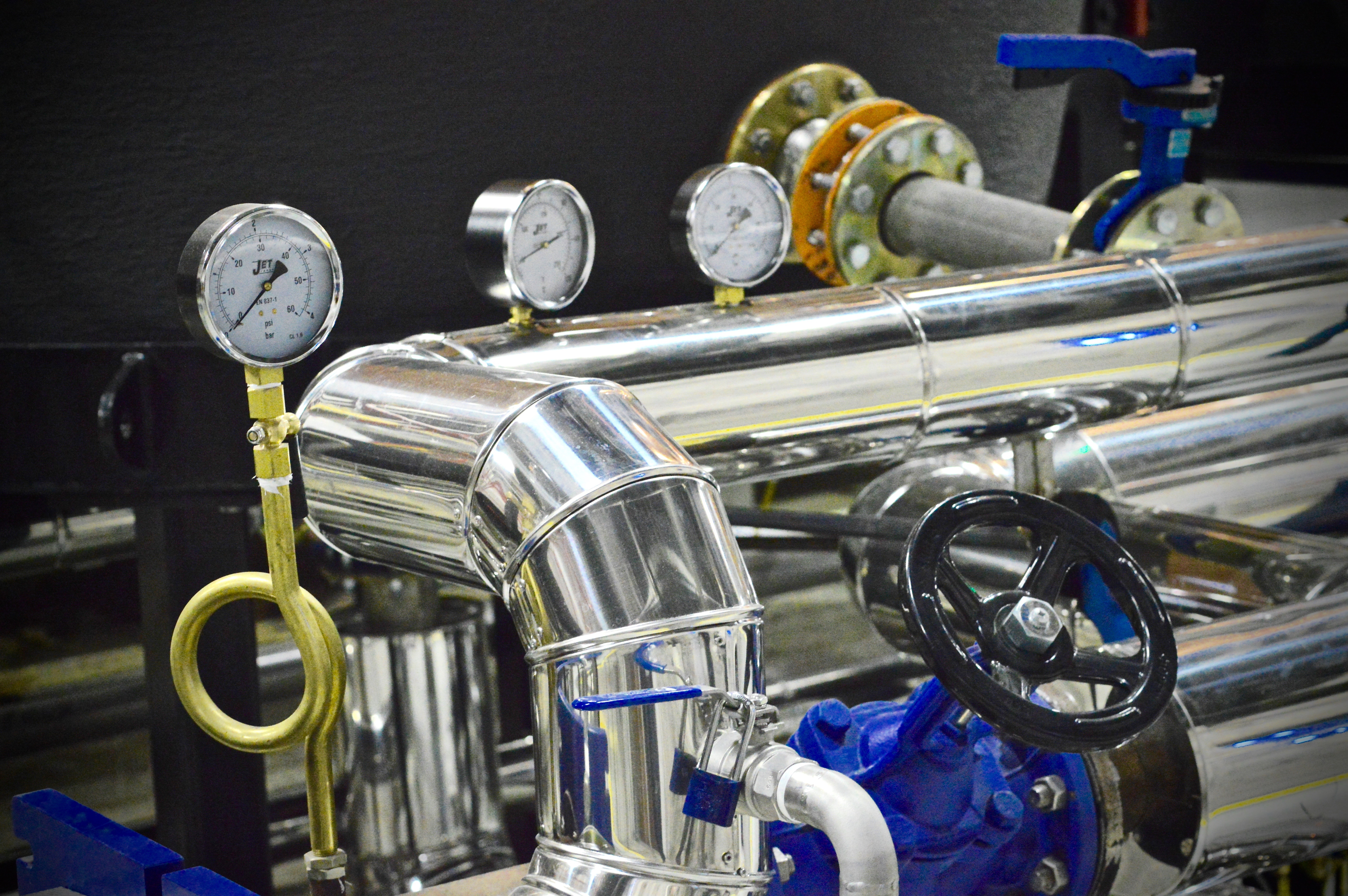
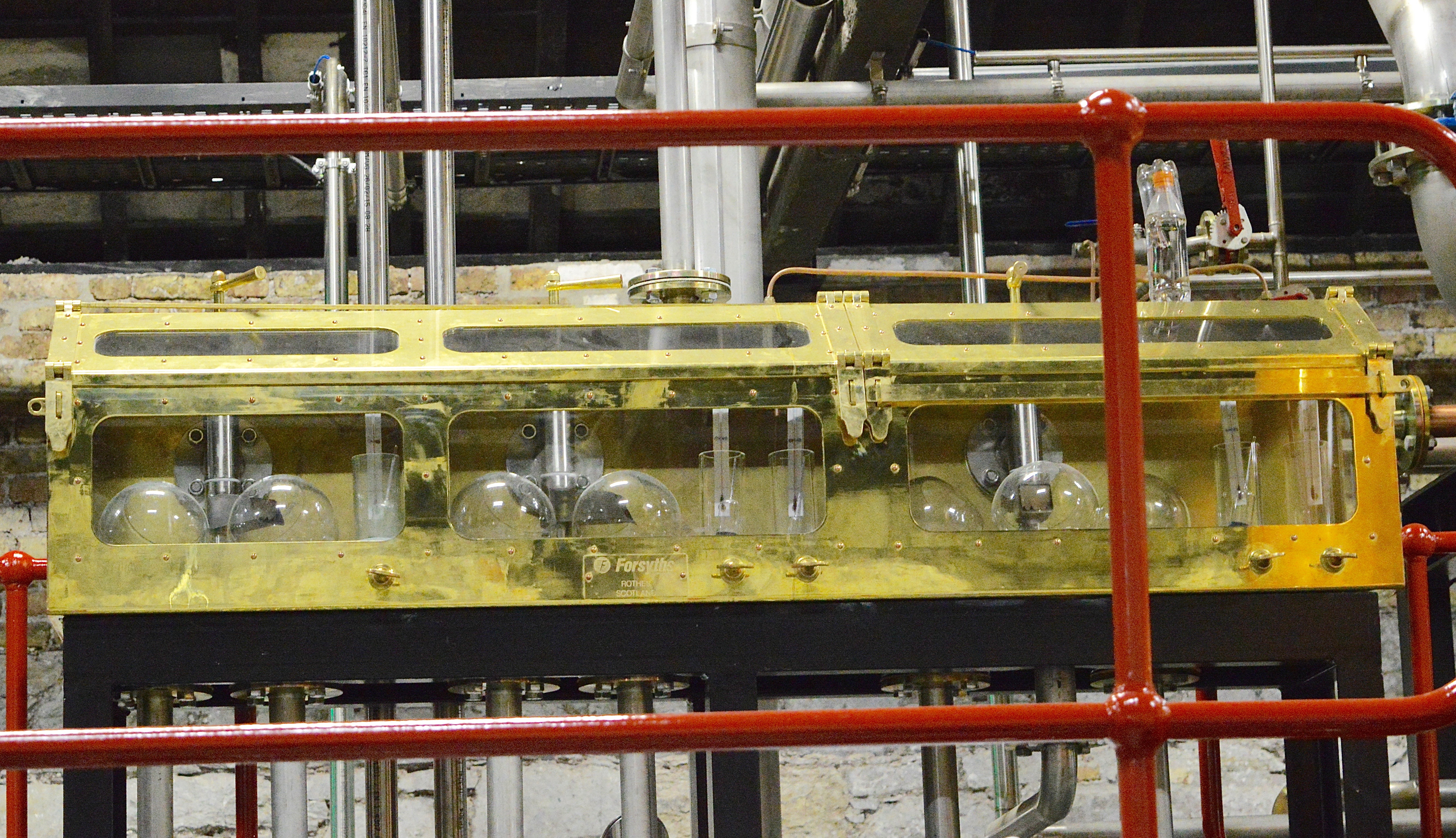
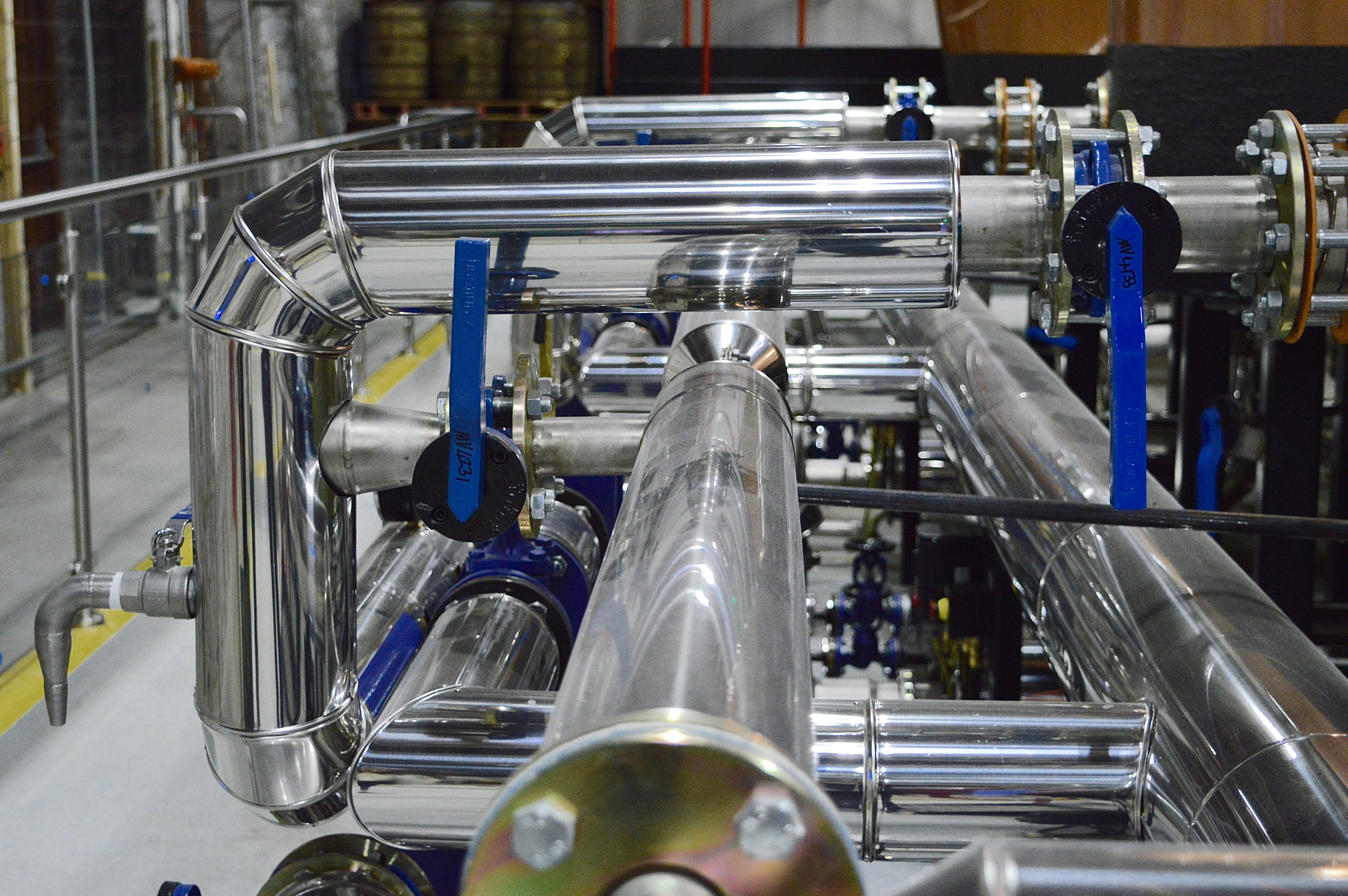
    So I went to the launch of the new micro-distillery in Midleton last night. Terrible photos above that completely fail to do it justice, will stick up decent ones and some more details when I get a chance. Article on the young lady in charge of the facility goes into the Irish Examiner today. I’m tired, and happy.

  • Midleton Food And Drink Festival – Part Deux

    Amazing day closed with some really amazing whiskeys – especially the Dair Ghaelach. Remarkable stuff.

  • Dingle and ready to mingle

    My Movie

    I took part in the Dingle Distillery whiskey school – it’s a great way to spend a couple of days in an amazing part of the country. I highly recommend it. The article ran in the Irish Examiner over the summer, but here it is in full.

    If Oliver Hughes has a crystal ball, he isn’t telling – and as a former criminal barrister, his poker face is probably more resilient than most. But the evidence suggests that he might.

    Exhibit A: Back in 1996, before micro breweries were becoming such an industry that they were getting tax breaks in the budget, Oliver and his cousin Liam LaHart decided to set up the Porterhouse. Oliver had seen the success of micro-breweries in the UK and decided the stagnant beer market here could do with some revitalizing. Many thought he was mad – the notion that a pub could survive without serving big brand beers on draught was completely alien. Some publicans began betting amongst themselves on how long it would last – six months, maybe a year. But last he did – in fact, the Porterhouse thrived, and expanded.

    Exhibit B: Oliver had another idea – open a distillery. The current liquid gold rush in Ireland has seen big hitters investing here in the past 12 months, with up to 25 distilleries in various stages of development. But Oliver’s vision of an independent Irish distillery came long before the current boom. In fact, it was more than a decade ago that he first envisioned it. As for the reasoning behind his startling act of foresight: “Well distilling is actually a lot easier than brewing, so it just made sense,” is his reply.

    ‘Easy’ it may be, but he still brought in some expert help. John McDougall is one of the few people alive who has worked across all the whisky regions of Scotland and across multiple styles, and he helped design and set up the distillery. And as for its location, in beautiful Dingle, Oliver’s explanation is just as deceptively straightforward: “I came to Dingle with my then-girlfriend-now-wife 30 years ago and fell in love with the place, so it was perfect.”

    But it isn’t just the romance of Dingle that makes a difference – the distillery sits next to the estuary of Dingle harbor, warmed by the briney, balmy airs of the Gulf Stream and the temperate microclimate it creates in west Kerry. Whiskey ages faster in the warmth here; and the barrels will absorb sea air, brushed by the occasional cool breeze drifting down from the mountains. Whiskey from Dingle will never be the same as whiskey from Dublin, or Belfast, or any of the other traditional centres of distilling in Ireland. Or at least that is what you would expect, as their spirit has not yet reached the three years minimum spent in a cask, a period which imparts almost 80% of the flavor.

    All this detail may seem confusing to the average consumer, but Oliver’s distillery is hoping to educate the public on the who, what, why and when of Irish whiskey.   The Dingle Distillery Whiskey Academy is two days of hands-on training in this most ancient – and Irish – of arts. What marks this academy out is the fact that it is entirely conducted within the distillery itself – as you are learning the theory you are also seeing it happen in front of you. This is no sterile classroom setting, far from reality– this is right in the beating heart of a busy operation. As you absorb the lore of distilling you are inhaling the evaporated spirit (known as the angel’s share), with lessons occasionally interrupted by the sound of clanking pipes.

    The tutor for the academy is Michael Walsh, who at just 25 must be one of the youngest in the world to assume the role of Master Distiller. Most of the distillery staff are young men who would have emigrated if it hadn’t been for Oliver’s vision, a fact that distillery manager Mary Ferriter is quick to point out. Mary was our host for the two days of the academy – serving Dingle Gin and tonics during lunch on the lawn outside, next to the old waterwheel that powered the sawmill that once occupied the building. Mary is as warm and enthusiastic as you would expect from someone who once ran a year-round Christmas shop named Dingle Elf. Like all the distillery staff, Mary is a multi-tasker – she also delivers their award-winning Dingle Gin and Dingle Vodka to outlets along the peninsula, like a legitimate Dukes Of Hazard. On one run to Castlegregory we travelled over the Conor Pass, far above valleys littered with remnants of Famine villages, places so isolated they are almost cut off from the rest of the world. Even in this day and age, access to broadband is a problem down here. But the community understands the importance of banding together – they are all behind the distillery, and proud to support it.

    Within Dingle itself there is a growing whiskey scene. Dick Mack’s pub recently won Munster Whiskey Pub Of The Year and then went on to win the national title – manager Finn MacDonnell the latest in his family to run the pub, founded by his family more than a century ago. It boasts an incredible array of Irish and international whiskeys, including a bottle of 1973 Midleton, a measure of which costs 200 euro. Many recession-scorched Irish people may balk at that price, but while I was there one American tourist paid the asking price and more in dollars for a single dram. Finn’s selection of whiskeys was co-ordinated with help from Peter White, a Dublin firefighter by day (and night) and whiskey guru by night (and day). Peter, the current president of the Irish Whiskey Society, frequents Dingle a lot, as his mother hailed from the village, and is just one of the whiskeyvangelists promoting our national drink out of sheer love for it.

    Another enthusiast is John Moriarty of The Park Hotel Kenmare and Dublin Bar Academy, who is also one of the tutors in Dingle Distillery. John and Michael work like a tag team, talking us through the history of distilling, from Irish monks adapting Mooirsh alchemists’ equipment, to the revolution of the column still, the rise of blends, the decline of Irish whiskey in the late 1800s/early 1900s, and on to the present day – which is seeing Irish whiskey become the fastest growing spirit in the world. They also talked us through the lexicon – single malt, pure pot still, wort, mashtun, draff, feints, low wines, cuts, non-age statements – and on to the different types of cask used.

    We also got to fill a cask each – not to take home sadly. Putting a hose in a barrel and pulling a lever might seem like a straightforward task, but this writer still managed to spray the exterior of the barrel, himself and the master distiller in one fell swoop.

    But as the last module of my two-day experience at the academy, I think I still graduated. As for the Dingle whiskey, we will just have to wait – it reaches legal age at the end of this year, with a release expected early next year. But you don’t need a crystal ball to know that as the first independent Irish whiskey in a long time, this is going to be one special release.

    The Dingle Distillery Whiskey Academy runs on the following dates: August 12th & 13th; October 27th & 28th; November 18th & 19th; December 16th & 17th. The two days cost €450, while the distillery tour is €10 per person. For more info email tours@dingledistillery.ie or call: 086 777 5551 or 086 829 9944.

    I also made a ridiculous video: 

  • If this photoshoot gets any classier a porno might break out

    More like Sons Of Wankery, amirite? Anyway, it’s this:

    It was not so much the Angels’ Share, more the “Hell’s” Angels’ Share as Speyside Distillery crossed to the dark side to launch its new black whisky – Beinn Dubh – at Europe’s biggest Harley Davidson motorcycle rally today (30 August, 2015).

    The single malt was unveiled to over 3,000 motorbike enthusiasts who gathered in Aviemore in the Cairngorms – the home of the tiny boutique distillery – for the annual Thunder in the Glens event.

    Speyside Distillery CEO John Harvey McDonough says there was no better platform to launch Beinn Dubh than at the biker rally, which draws Harley enthusiasts and visitors from all over the UK and Europe.

    He adds, “Whisky drinkers know all about the Angels’ Share – the term for the whisky that evaporates into the atmosphere during maturation – but with the launch of our new whisky at a motorbike rally, it’s possible that the angels who were looking over Beinn Dubh were wearing black leathers and biker boots.

    “Visitors to Thunder in the Glens have been able to sample Beinn Dubh over the weekend, and the feedback is that it’s a heavenly dram. The colour of the whisky – a very rich ruby-black – has been a real talking point.

    “We feel honoured to be part of this fantastic event. There has been an incredible atmosphere in Aviemore, and we are delighted that our new friends from Thunder in the Glens have been among the first people in the world to sample this new single malt.”

    Beinn Dubh was the name given to Ben Macdui – the highest peak in the Cairngorm mountain range – by Professor Norman Collie after his solo climb to the summit in 1891. It translates from Gaelic as the black mountain – a reference to the mystical and spooky atmosphere Prof Collie encountered on Ben Macdui.

    Speyside Distillery wanted to recreate the essence of the black mountain in a bottle, and Beinn Dubh was born. It gets its unusual colouring because it has been finished in toasted port casks from the Douro Valley in Portugal.

    Speyside Distillers Ltd managing director Patricia Dillon says, “Like the mountain, the whisky is dark and mysterious. It is very much the whisky of the Cairngorms – the water used in its production is from the Black Mountain itself, and the malted barley is sourced locally.

    “We are deeply passionate about the Cairngorms and our links to this area: the landscape, the history and the people are very much part of the distillery’s story. The Cairngorms is a truly magical place and I can understand why thousands of bikers come to Thunder in the Glens to ride through this beautiful area.”

    George McGuire, rally co-ordinator for Thunder in the Glens, says visitors were intrigued by the brand new expression from Speyside Distillery.

    “It’s a fantastic dram and the colour is so unusual; no one has ever seen anything quite like it. If any whisky was to represent the Cairngorms – this incredible part of Scotland where people come from all over to ride – then it is Beinn Dubh,” he says.

    Beinn Dubh’s taste is deep and dark: rich fruits, currants and chocolate dominate at first, but these gradually give way to both bitterness and sweetness. Beinn Dubh is 43% ABV and the 70cl bottle has an RRP of £50.

    Speyside Distillery near Kingussie has been in production since 1990 and is operated by Speyside Distillers Ltd. For further information about Beinn Dubh, visit www.beinndubh.com.

    I was at Speyside Distillery earlier this year, so here’s a million photos:

    To sum up, I am super important.

  • Kindred spirits

    glenlivet gif clip

    My article on the Spirit Of Speyside whisky festival in Scotland went into Saturday’s Irish Examiner, naturally they had to trim it as I had written The Lord Of The Rings, so I’m posting the full version here. I wrote a separate blog post about it here, which covers all the events I attended, and has tons of photos, but is not as ‘journalisty’ as this. 

    There is a large clock tower standing in the centre of the village of Dufftown in the Scottish highlands. Over the years the building has been home to the council chambers, a prison, and a place of execution – a role that earned it the title of The Clock That Hanged MacPherson, after it hosted the dispatching of a local Robin Hood-style highwayman.

    And, despite being the most conspicuous point in the area, it once hosted an illicit whisky still. The Highland distillers were a cunning and canny lot, finding all sorts of ways to evade the taxman – which might explain why a perennially cute Kerryman was brought in to keep an eye on them. But Listowel native Maurice Walsh, famed for writing The Quiet Man, was swept away by the beauty of the place, finding inspiration for some of his best works – and finding a wife – while stationed as an exciseman, or gauger, on Speyside.

    wewewewe

    Standing in front of the clock tower on May 1st last as the snow fell around me, it wasn’t hard to see why he fell for it. Speyside is a Garden Of Eden for distillers. The River Spey languidly coils along the wide glacial plane of the valley, having made it’s way down from the snow-capped peaks of the Cairngorms mountain range. The limestone bedrock filters the water making it pure and hard, perfect for distilling, resulting in the area having the highest concentration of distilleries anywhere in the world, a fact that is celebrated in May of each year with the Spirit Of Speyside whisky festival.

    Just as a distillery’s master blender can take disparate elements and use them to balance each other into a perfect harmony, the festival manages to combine distillery tours, tastings, food, drink, music, dance, crafts and outdoor activities to create an experience like no other.

    I was in Dufftown for an important event in the local hall – a contest to decide which of four whiskies went best with a bacon roll. On a snowy morning in the Highlands, it seemed the most natural thing in the world to be doing – having four nips of great whisky and a bacon buttie at 10am. The famously temperate microclimate of Speyside doesn’t always reach into the mountains, so a warming drink and munchies were definitely the order of the day.

    The event was organized by Mike Lord, a former comedy club host and one-time neighbor of Graham Norton, who gave up his job in the city to take on the Whisky Shop in Dufftown. Mike takes his whisky seriously – as he explained to us at the start of the tasting, there would be no ketchup or brown sauce in the bacon roll, as ‘this was science’. After we had made our choices – mine being a fruity, rosé-tinted, port-finished single malt – we strolled along to the Whisky Shop itself to take part in a blind tasting of seven independent bottlings – whisky that is purchased direct from the distilleries by independent firms. The store was packed with Americans, Germans, Scandinavians – but Dufftown is used to visitors from afar, for it was here that Sirius Black was first sighted after he escaped from Azkaban in the third Harry Potter movie.

    After sampling the magnificent seven malts, we were magically spirited away to another scenic village – Aberlour, home to both a wonderful distillery, and also the Walker shortbread factory; a match made in heaven. The distillery was the venue for an evening of music and whisky hosted by Joel Harrison and Neil Ridley, two former record label talent scouts, who guided us through a pairing of Johnny Cash, Carole King, Pink Floyd and David Bowie with whiskies that reflected both their music and personalities – and not a Proclaimers track in sight.

    Aberlour distillery was founded by James Fleming, who not only made great whisky but also engaged in much philanthropic work – a fact reinforced by the venue of another musical event later that evening. The village’s James Fleming Memorial Hall played host to Charlie McKerron, who has won numerous awards for his both his solo fiddle-playing and work with Scottish trad supergroup Capercaillie.

    Gaelic trad is much like our own, evidenced by McKerron’s references to The Chieftains, Donal Lunny, Gerry ‘Banjo’ O’Connor and Seamus Begley. The similarities between the two cultures strike you everywhere you go – the word ‘fáilte’ means the same in Gaelic as in Irish, we both say ‘sláinte’ for ‘cheers’, and while they spell céilí ‘céileadh’, the dancing is much the same, albeit a bit more frantic. I had a crash course in Gaelic dancing at one of the festival’s ceilidhs, held in the cooperage of GlenMoray distillery in Elgin. The cooperage was also the venue for the opening gala, at which I opted to wear a kilt, which quickly became a crash course in how to get out of a car whilst preserving your dignity.

    DSC_4372

    Over the course of the festival there were many incredible meals, but the cask-strength dinner in Scotland’s oldest working distillery was one of the most special. Strathisla distillery in Keith is one of the world’s most beautiful distilleries, and was the venue for an evening of incredible food and drink. The menu was specially commissioned from Eric Obry, the chef and owner of the former Dufftown restaurant, La Faisanderie, and was inspired by the single malts from Chivas Brothers’ Speyside distilleries. One of our hosts for the evening was a man who is the personification of Scotch whisky; Charles MacLean; author, raconteur and Master Of The Quaich – a rare honour bestowed on those who celebrate Scotland’s national drink, which Maclean does with every fibre of his being.

    DSC_4459

    Maclean has a soft, purring Scottish accents – he could read the phone book and you would consume each word. The Quaich of his honorary title is a shallow drinking bowl used ceremoniously by the Highland clans – it comes in all shapes and sizes, and the larger ones used in presentations looks like a slightly compressed Sam Maguire Cup. It’s pronounced like quake, with a slightly softer ch sound. Pronunciation can be tricky with Scottish words – a helpful Scot I met on the flight from Dublin to Inverness was quick to correct me on my attempt at Moray (it’s pronounced ‘murry’). However, I found the shoe was on the other foot when I visited Speyside Distillery. We met with the owner, John Harvey McDonough, who upon learning where I was from told me he was once in ‘Yockal” (Youghal) for the potato festival.

    Called ‘the secret distillery’ due to it’s remote location, Speyside Distillery is possibly one of the best known distilleries due it being the location of the fictional Lagganmore Distillery from the long-running BBC series Monarch Of The Glen.

    Harvey-McDonough spent 20 years in Taiwan, and the look and feel of Spey whisky reflects that, with a long elegant look more akin to a perfume bottle. And with both whisky and perfume, scent is everything – a lesson we learned in Gordon and MacPhail in Elgin. The outlet is the stuff of legend in whisky circles, with famed writer Michael Jackson (not the King Of Pop) saying that it is possible that there would be no such thing as single malts if Gordon and MacPhail had not kept buying and bottling malts as they have for the past 120 years. In an upstairs boardroom we were talked through the essential elements that you could encounter when nosing (a nice word for sniffing) whisky. We had to identify scent from little jars – honey, mint, heather, oats, aniseed – and once we had tuned in our olfactory organs, it was on to a blind tasting of five malts, which we were asked to try and categorise based on region of origin, strength, age, cask type and, if we were up to the challenge, which distillery the drams came from. I scored 7/25. Clearly I need to spend more time drinking whisky.

    Gordon and MacPhail also own a distillery, and it happens to be one of the places that Maurice Walsh was stationed – Benromach. We took a walk through the distillery and saw how their particular style is made. In comparison to many, Benromach is tiny (it has a staff of three), but its independent spirit makes up for its size.

    Also punching above its weight is the newly reopened Glen Keith distillery. Located a short stroll from its sister distillery Strathisla, Glen Keith has maximized modern production techniques to a point where it only needs one person on site to operate it. But tasting it, it is every bit as authentic as any boutique craft spirit. Another distillery with a deceptive appearance is Tamdhu, a post-war development that is stark in its functionality. In a land of chocolate box scenes of hand-built distilleries, it is curiously modern – but its product is fantastic, and testament to what the firm calls their ‘can-dhu spirit’. We had a tasting with recently appointed distillery manager, Sandy McIntyre and recently retired distillery manager, Sandy Coutts, sampling from their hand-picked single casks – a couple of fantastic whiskies that prove, in distilleries as in life, it really is what’s on the inside that counts.

    A distillery that merges form and function with a keen eye on heritage, Ballindalloch is part of a 25,000-acre estate overseen by the aristocratic Macpherson-Grant family. Incredibly, Maurice Walsh had a connection to this clan too, having an aunt who married into the Macpherson Grant family.

    In the distillery, a converted farm building redeveloped to an incredibly high spec, we met with the Laird, Oliver Russell, and his wife Clare, the Lord Lieutenant of Banffshire. They welcomed us with three drams of their private reserve of rare Cragganmore whiskies, and spoke about how the distillery was officially opened by Prince Charles and Camilla two weeks earlier. The family plans on issuing an eight-year-old as their first release, so the world will just have to wait for Scotland’s first single estate dram. As the Russells pointed out, their family has lived on those lands for 500 years, so they can wait another few years for their whisky to be just right. However, we did get to try some of their new-make spirit– it had a rich, banana milk feel to it, suggesting a bright future for Ballindalloch.

    The estate is also close to Glenfarclas distillery, one of the last family-owned firms, the rest having been snapped up by drinks giants like Pernod or Diageo. George Grant, the current head of the Glenfarclas clan, hosted a tasting event in the Mash Tun in Aberlour, a popular spot during the festival. One of the most striking things about the festival was how accessible all the distillery workers and owners are – be they operators, owners, Highland Lairds or whisky legends – they are not hidden away in dusty boardrooms, they are there in the pub pouring your drink, chatting about their plans, their hopes for the future. It was Alan Winchester, master distiller of the mighty Glenlivet, who told me about Maurice Walsh and his links to the area, and how Walsh’s grandson Dr Barry Walsh went on to become master blender with Irish Distillers, and is one of the men credited with laying the foundations for the current rebirth of Irish whiskey. Our respective distilling industries have been at loggerheads for more than a century, with the Scots lording it over us for much of that time – but this is changing. Irish whiskey is booming now, as Scotch is slowing. But a trip to Speyside is a reminder that our countries and their national drinks have far more similarities than differences, despite the odd skirmish. The Scots and the Irish have faced each other on the battlefield many times – Skerries in 1316, the Battle of Benburb in 1646, or even the massacre in Murrayfield in the last Six Nations – but the Speyside festival is a wonderful reminder of the unifying essences of our kindred Celtic spirits – good food, good company, and great whisky. And that’s something worth toasting; Sláinte!

    Where to stay:

    Our base for the festival was the Laichmoray Hotel in the ancient cathedral city of Elgin. The beautiful Victorian building is now a family run hotel that offers excellent food and a bar with more than 150 malts. Other venues include the recently renovated Dowans Hotel in Aberlour, or the Craigellachie hotel, which recently entertained guests like Noel Gallagher and Kate Moss.

    Getting there:

    One journalist I spoke to recommended flying into Edinburgh, ‘hiring a powerful car and driving up to Speyside via a disused military road in the Cairngorms National Park’. If you’d rather a more direct route, FlyBe goes from Dublin to Inverness daily, while you can also fly into Aberdeen, as the airports sit on either side of the region. Flight prices change depending on date of departure, but do remember to pay the extra for a bag, as you will most likely be bringing home several bottles!

    Getting around:

    While public transport in Scotland is excellent, a car is the best way to get about. You can, however, trek overland from venue to venue. At almost every event we attended there were large numbers of Dutch and German tourists in hiking gear. If you are driving with friends, most of the distilleries and events offer small sample bottles for the designated driver, so they can collect the whiskies and enjoy them later on.

    The hidden gems:

    Close to the confluence of the Fiddich and Spey rivers sits a little piece of history. The Fiddichside Inn is about as oldschool as it gets. Owner Joe Brandie is a former cooper who took over the running of the pub after his wife passed away some years ago. The pub itself has been there since 1840 and is a no-frills establishment – no carpet, no food, but a massive array of whiskies. Also well worth a visit is the whisky line, a vintage train that only travels during the festival. It goes from Keith to Dufftown along a disused track once used by the distilleries to transport goods, and is staffed entirely by volunteers who used to work it.

    The cost:

    The huge variety of events means that ticket prices vary; many of the distillery tours and a lot of smaller events are free, while the tastings are often reasonably priced, ranging from stg£10 to stg£20. The more exclusive events such as the cask-strength dinner in Strathisla cost up to stg£90. For the non-whisky fan there are also many craft events such as tumbler carving, wood turning and glass blowing.

    See spiritofspeyside.com for the full line-up for 2016 closer to the time.

    Footnote that didn’t go into the paper: Much of the information about Walsh came from the book ‘Maurice Walsh: Storyteller’ by Steve Matheson. I think it is out of print, but your local library – which goes back considerably farther than the internet if you are doing research – has it in stock. 

    I actually contacted the chief archivist of Chivas Brothers to see if I could get a photo of the cupboard door in Glenburgie that has Walsh’s name carved on it, but it seems the door may have been lost to a series of renovations. Here are a few pages of the book, it is well worth a read if you like whiskey, and sher who doesn’t? They are out of synch, but so am I.

  • Stuff I done did when I done did work

    Stupid puns! Copyrighted images! Spelling errors! Wow I have got it all! And would you believe I created these masterworks on an outdated South American page-drawing system that nobody uses anymore? IncrediBILL!!!

  • When pale ale is not a euphemism

    The launch of the Franciscan Well Jameson-Aged Pale Ale in the Oliver Plunkett late last year. And from today’s Irish Examiner:

    The Franciscan Well Brewery, on the North Mall, won two golds, a silver and three bronze medals, adding to 23 previous major awards in the past two years.

    The brewery won the double gold for its Franciscan Well Jameson Stout and its Summer Saison, while it won silver for Franciscan Well Jameson Pale Ale.

    The Franciscan Well Jameson Stout had been borne out of a collaboration between Dave Quinn, master of whiskey science at Jameson, and Shane Long, founder of Franciscan Well Brewery, in Cork.

    Together, they explored the effect a Jameson whiskey cask would have on a Franciscan Well stout. Shane adheres to a strict, 100-day brewing process, to deliver the perfect balance of taste and aroma and a rich, smooth stout, fit for all occasions and with an ABV (alcohol-by-volume content) of 7.8%.

    For the second consecutive year, Franciscan Well Jameson-aged Pale Ale claimed a silver in the flavoured beer section.

    It is also a collaboration between the whiskey masters at Jameson and the brewing innovators of Franciscan Well, and was developed by Mr Long using Jameson Whiskey casks handpicked by Mr Quinn. This resulted in a smooth, rich and refreshing ale, with unique flavour properties.

    Shout-out to Dave Quinn, who I met at The Academy Presents… here in the Irish Whiskey Academy recently, and shout-out also to Shane Long, who I met at The Housewarming here in Midleton Distillery, and one last shout-out to the girl I lost my virginity to, who used to work in the Franciscan Well about 20 years ago. Fond memories of sobbing over the bar after she dumped me for the assistant manager of the drive-thru McDonald’s in Douglas, who had a large (for the times) collection of CDs, all of which were soundtracks. Thankfully none of the beers from the Well are as bitter as me.


  • qwqwqw

    Supermac’s in Cobh wants you to think of flies and feral kids murdering each other when you eat there. Free conch with every meal.