• Altered states

    A few years back, I was talking to a distiller about gin when Peter Mulryan came up in conversation. I asked what he thought of Mulryan’s approach to gin making – his wild experiments. The distiller admitted he admired Mulryan, but simply said ‘he’s gone too far’. It reminded me of Eddie Jessup, the scientist in Ken Russell’s Altered States – a voyager who had pushed the limits of what man should know. When I told Mulryan this recently, he laughed. Perhaps he was tickled by the irony of it – after all, we were at the launch of his latest madcap experiment, a gin distilled from Barry’s Tea. While it isn’t the first Irish gin to be infused with tea – contrary to popular opinion, Patrick Rigney’s Drumshanbo Gundpowder Gin is not made with gunpowder, but rather with gunpowder tea – it was Mulryan’s variation that caught the public eye. Mother’s ruin and mammy’s best friend, united as one. Mulryan had achieved the singularity. But it wasn’t an easy road.

    Back in 2014 he had a revelation. In a short space of time leading up to this moment, his son got sick, he turned fifty and his father passed away. He realised life is short, too short to waste time doing anything other than what you love. So he took a leave of absence from his job with RTE, the Irish state broadcaster, and decided to become a distiller. He knew plenty about whiskey – he is the author of five books on the subject, along with the host of Midleton’s pot still promos. Along for the ride were three others, who all worked in the media with Mulryan. But there is a quantum leap from writing and talking about whiskey to actually making it, and the devils that plagued his earliest experiments were not technical, but bureaucratic.  


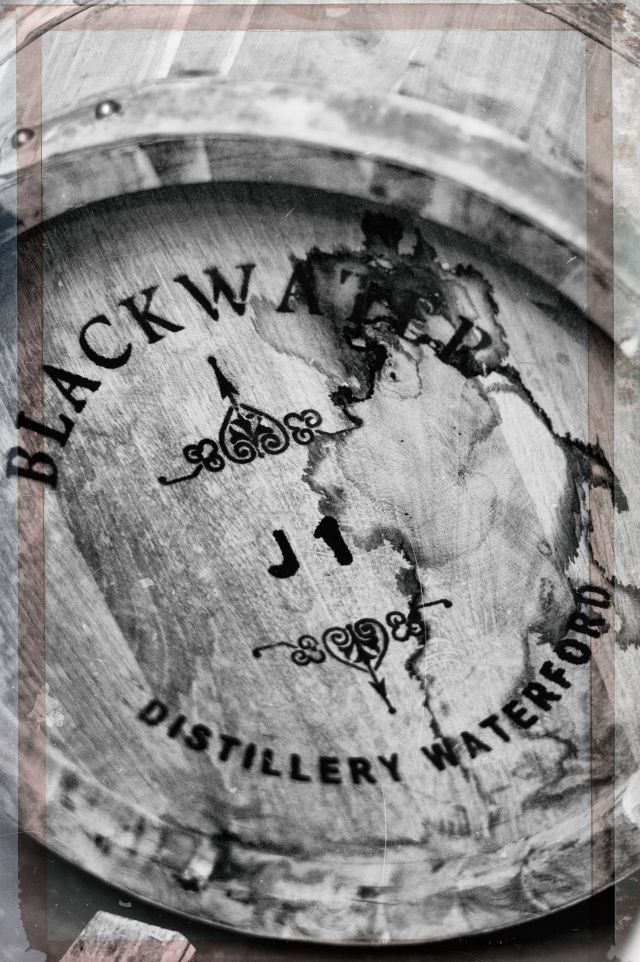
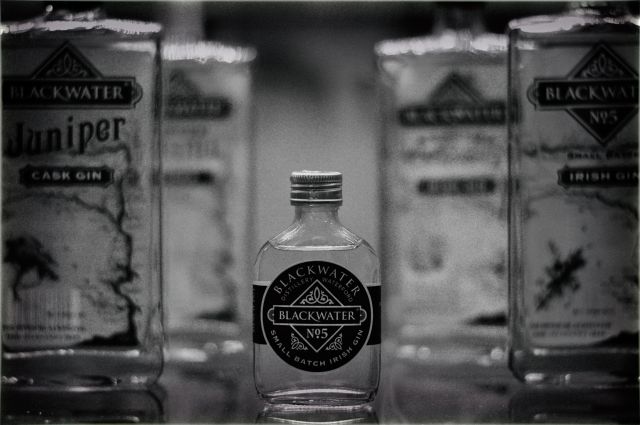
    He got a unit in an industrial estate in Cappoquin, west Waterford, and set to work. From the outset there were problems – he brought in wash to distill poitin with, and Revenue stopped him. So he sold his second still and opted to focus on gin. But necessity is the mother of invention. He opted to push the boundaries of the category – after all, there are dozens if not hundreds of gins on the market here, thanks to the boom in distilling. Blackwater Distillery, as his firm is known, created a gin casked in juniper barrels, a strawberry gin, a hedgerow gin, a classic London dry gin, a navy-strength strawberry gin, and the most challenging of all, the Barry’s Tea gin. What made it challenging, according to Mulryan, was not a technical distilling detail, but just getting the Barry’s Tea company to come on board with his crazy idea. It took two years. As he points out, they are a private, family-owned business that is also a household name – they have a lot to lose, so thankfully they gained quite a bit, with the gin winning rave reviews and selling out in record time.

    Mulryan also took part in the AIB Start-Up Academy, where the bank helped entrepreneurs with some of the nuts and bolts of keeping your business on the road. Obviously, he learned a lot, as Blackwater Distillery has made inroads into one of the biggest supermarket chains in Ireland. Their Boyle’s gin – in original and damson – along with Dolmen poitín and Woulfe’s vodka are on every Aldi shelf in Ireland, while they also manage to make vodka so good they can sell it to the Finns, as they won a contract to sell their product to Altia, Finland’s state-led drinks organisation.

    The hard knocks of the first three years seem to be turning a corner, as Mulryan is now moving on to the second act.  To mark work starting on their new distillery, they are releasing a sourced whisky.  That isn’t a typo – Mulryan was of the new breed of distillers here to drop the E (Mark Reynier was the second), pointing out that it is more historically accurate. The Technical File which oversees the whiskey category allows it – so it was only a matter of time before someone did it. As he pointed out on the Blackwater Distillery blog: “For the past forty years it is true to say that Irish whiskey has been spelt without and ‘e’. But that spelling a legacy of monopoly, so as Ireland’s first whisky micro-distillery it seemed only right to mark ourselves apart from the multinationals, to look to tradition and along with dropping the ‘bs’ to drop the ‘e’.”

    As for their new whisky, The Retronaut, it is the first of a series of curated releases while they get their distillery up and running, get stocks laid down and get a product to market in five to ten years time. It’s a 17 year old single malt, unpeated and matured 100% in bourbon wood – no caramel, no chill-filtering – with only 1160 bottles at 46%. The next iteration is due in spring next year. In the meantime, Mulryan is as busy as ever.

    The development of his new distillery in Ballyduff is going to devour a million euro (breakdown of the funding here), but that will take it from being a pretty slice of 1950’s Americana (with asbestos roof) to state of the art three-still distillery and whiskey school (without asbestos roof). The reason it is a slice of Americana is that it was built in the 1950s by a returning emigrant, keen to start a hardware empire in west Waterford. When Mulryan bought the place, it was like a DIY Marie Celeste, an apothecary of obsolete engineering. It had to be gutted, but even then there wasn’t enough space, so they also bought another two lots – an open space alongside and a old convenience store beyond that, the last shop to close in Ballyduff, a village too sleepy to even keep a Spar going.

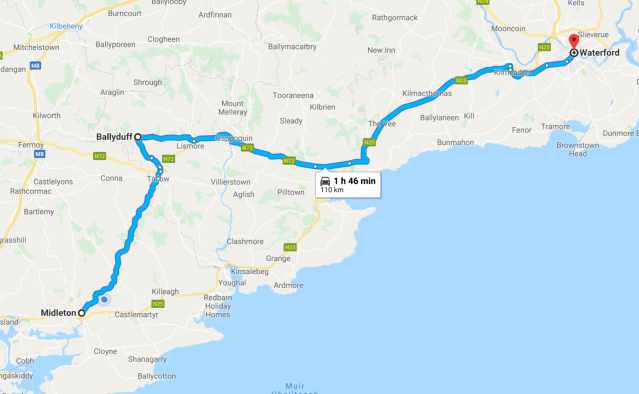
    But with Mulryan’s business will come the visitors – the whiskey nerds, the tour buses, and the participants in his whiskey and gin schools. With the mass tourism power of Midleton just 50 minutes away to the west and the uber-nerd appeal of Reynier’s Waterford Distillery to the west, Mulryan’s mix of quaint charm, great backstory and zany ideas could make it a real draw over the next decade.

    Before the big move from an ugly industrial unit to a beautiful restoration work, there has been one final boundary-pushing experiment – single batch whisky. Writing on his blog in June, Mulryan explained: “Each 50 litre cask of new make spirit starts life as approx. 500 litre batch of wort. Do the maths: one batch + two distillations = one cask. Now as each 50 litre cask takes the guts of a week to make, this isn’t a very economical way of making whisky. But on the up side as each batch is one of a kind, it means each mash bill can also be unique. So this is an experiment in taste and tradition.”

    And where, you might ask, is the mashbill going to come from? “We will make the first 50 casks of single batch whisky ordered. Already 4 have gone; one to a Michelin Starred Chef, one to a banker, one to the company directors, and one to a rather stellar American pop type person. So only 46 left and when they’re gone, well you know the drill. As for the juice itself? We’re offering Single Malt, Pot Still Irish and some historic casualties. You know, mash bills that were in their day pot still whiskies, but now (thanks to the scandalous Irish pot still whisky GI) can no longer be called pot still (though they can still be Irish whisky).”

    Like Eddie Jessup, Mulryan is a man not just in search of his true self, but also building a physiological pathway to our earlier consciousnesses using flavour and spirit. The countdown to the third act has begun.

  • Powers and glory

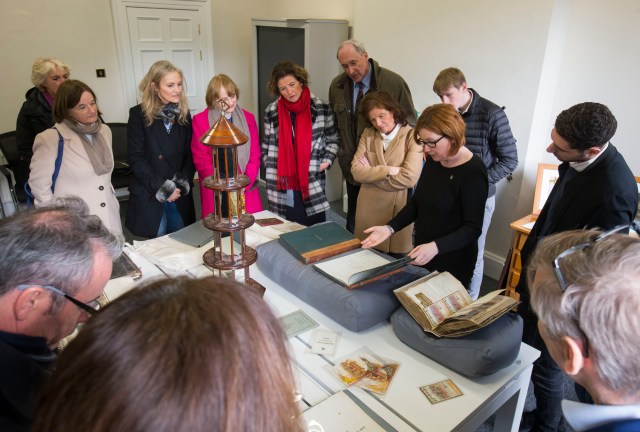
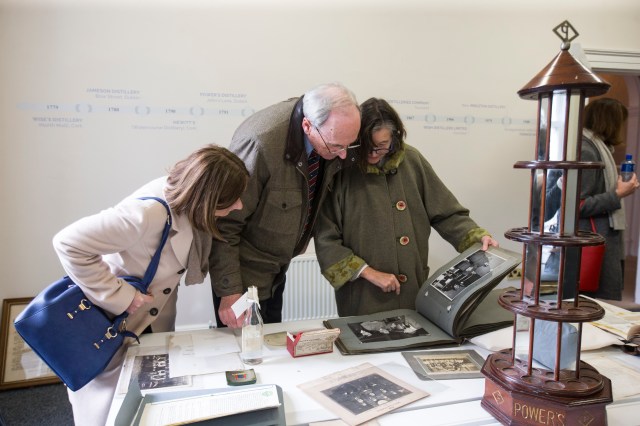
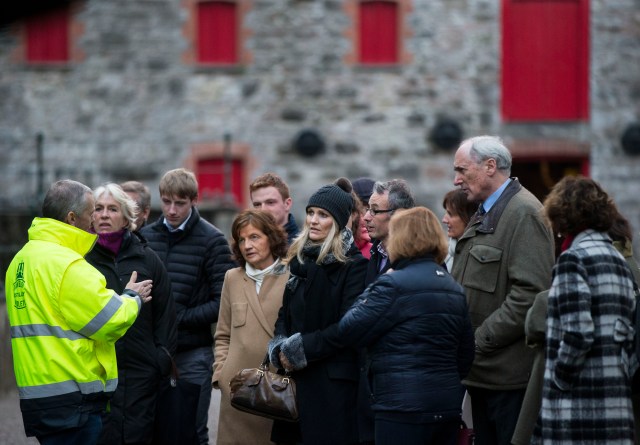
    Extended family of John Power & Son visit Jameson Distillery Midleton: Irish Distillers archivist, Carol Quinn welcomed members of the O’Reilly family, the children of the late Frank O’Reilly, and their families to the Irish Whiskey Archive in the Master Distiller’s Cottage at Midleton Distillery last week. Frank O’Reilly was a direct descendant of James Power, the man who founded John Power & Son. Although many people brought about the formation of Irish Distillers in 1966, Frank is long recognised as the man who spearheaded the merger of John Power & Son, John Jameson & Son and the Cork Distilleries Company. Read more about the visit on IrishDistillers.ie

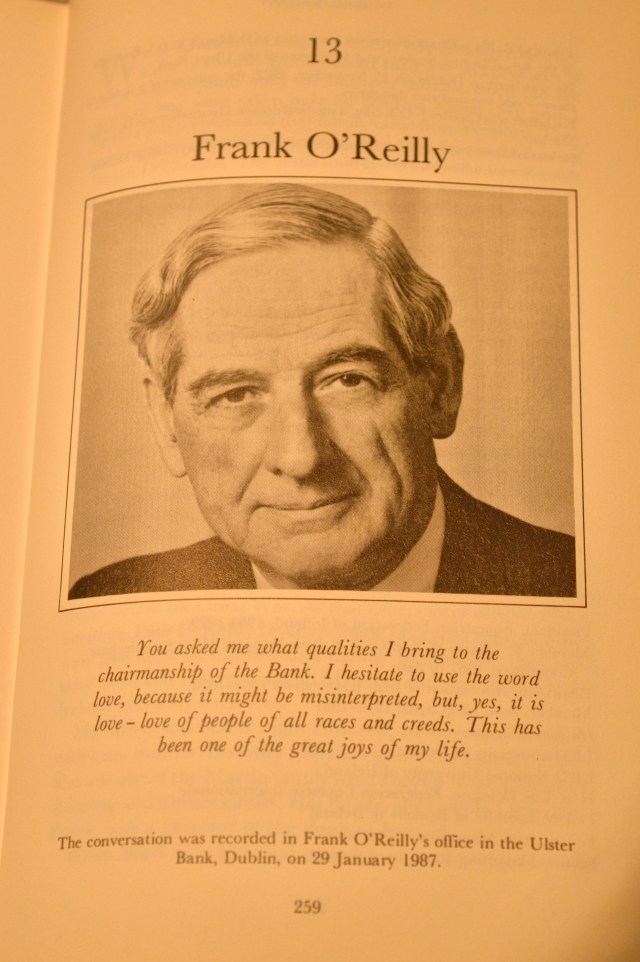
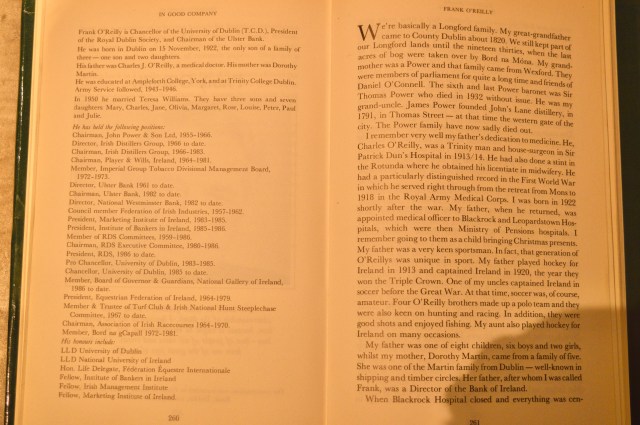
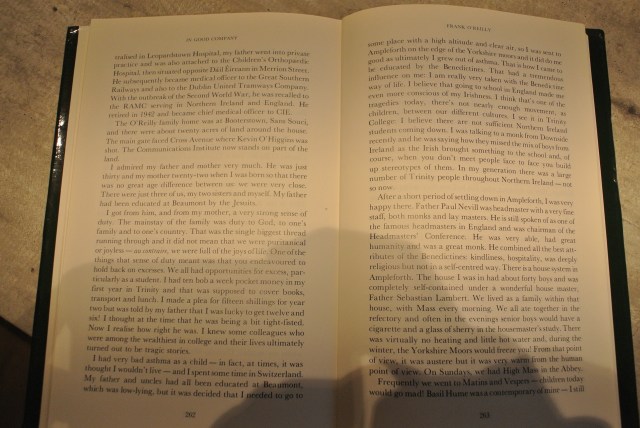
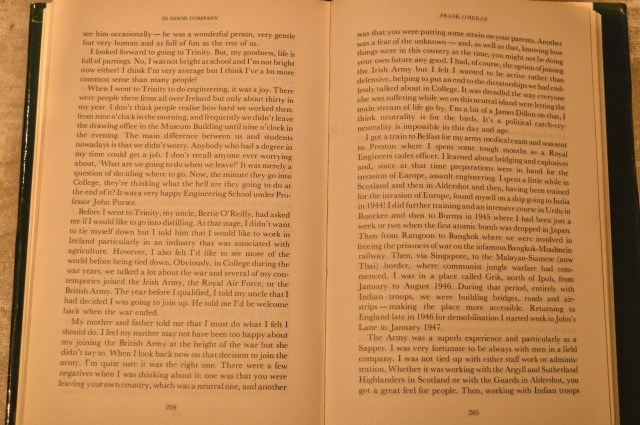
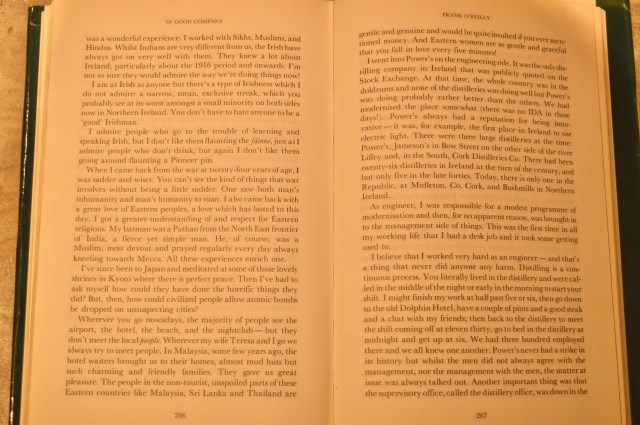
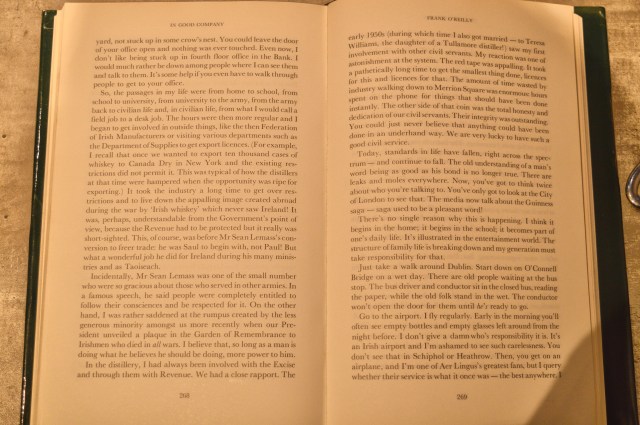
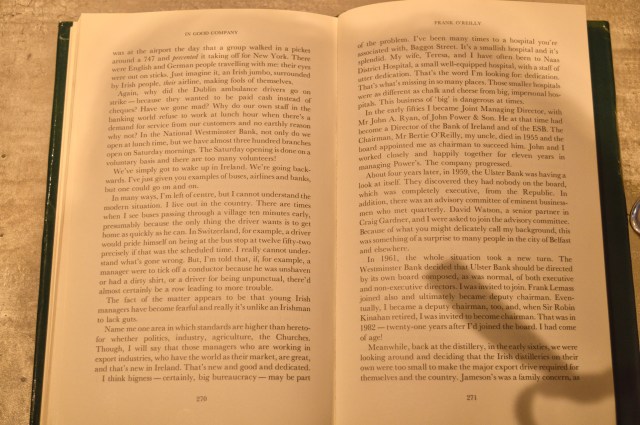
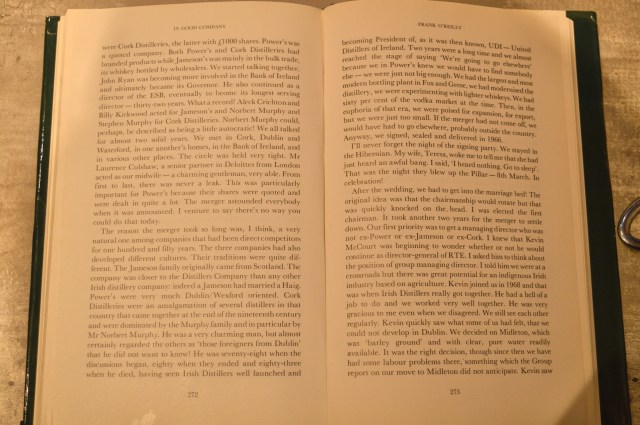
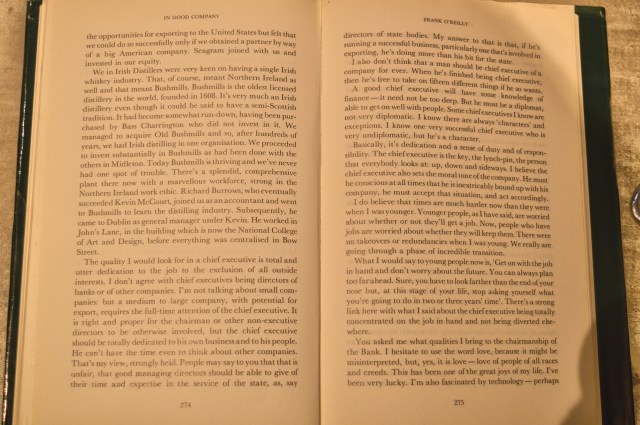
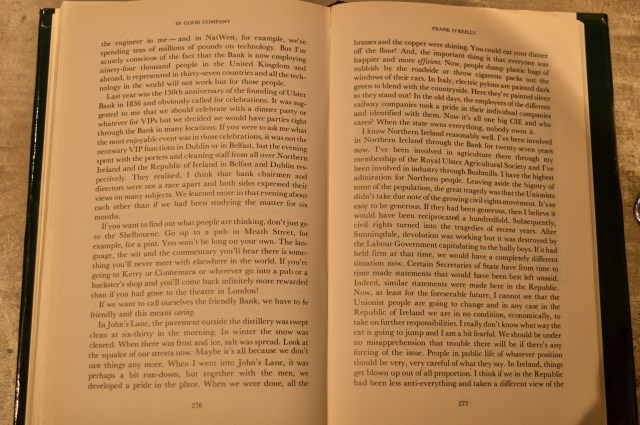
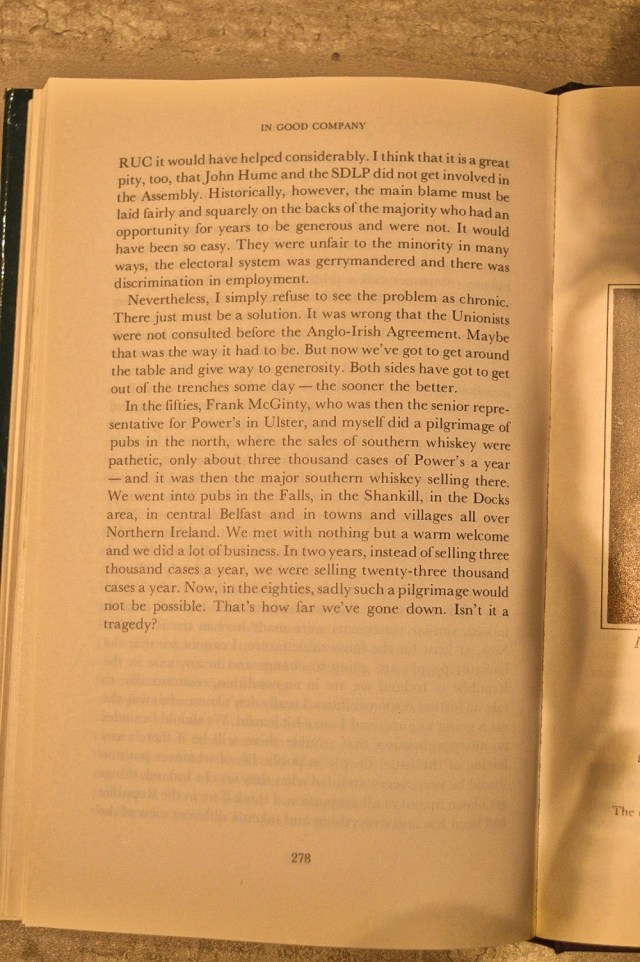
    The resurgence of Irish whiskey was hard fought. It’s easy to forget just how close we came to losing the entire category back in the 1960s. There are a few people who deserve thanks – the coopers, the operators, the staff who lost their jobs or worked a two-day week to keep the industry alive, and also the people who had to make the tough choices to cut Irish whiskey production back to the bone. Frank O’Reilly is one such person. He oversaw the merger that created IDL – effectively the gatekeepers for Irish whiskey. To mark Mr O’Reilly’s contribution to the history of Irish whiskey (as a member of the Powers family, he was one of the last descendant of the great whiskey dynasties to hold office in IDL), IDL archivist Carol Quinn welcomed members of the O’Reilly family to Midleton to see what their ancestor had helped create. You can read Carol’s blog post on it here, but my lame contribution to this is different. Back in the 1980s, a journalist named Ivor Kenny wrote a series of books on business leaders in Ireland. They are fantastic – he spoke to Richard Burrows, Frank O’Reilly and John Teeling, and captured a moment in history for Irish whiskey. Here is a series of rather poor photographs of the interview with Frank O’Reilly, which although physically hard to read, is well worth a read for anyone interested in the nuts and bolts of how a small few people created a vehicle to keep Irish whiskey alive.

  • The 12 drinks of Christmas


    Wrote this for the Examiner:


    Our little nation may not have the respect for its food culture, but when it comes to drink, few nations do it better. The last two decades have seen us spread our wings, with an explosion of craft breweries, distilleries, even wineries. With all that we have to offer, this season of feasting is as good an excuse as any to celebrate our remarkable skill at making excellent booze.


    1. Craft beer – The biggest obstacle to getting into craft beer is the sheer variety – it’s easy to be overwhelmed by the array of brands, styles and increasingly unusual labels. Once you figure out the difference between an IPA, sour, saison or just what a lager is, you then have to try figure out which brand is an actual craft beer and which is brewed by a massive multinational and dressed up to look like a craft beer. The easiest thing to do is to find out where your nearest craft brewery is, and buy their produce. This way you get to call yourself a localvore, which makes you cool. Why not dip your toe into the delicious world of craft beer with one of the grandaddies of them all – the Franciscan Well Brewery on Cork’s North Mall. Their Rebel Red, Chieftain IPA and Friar Weisse are available almost everywhere (thanks to the market penetration of parent company Molson Coors, who bought the Well four years ago). Beyond that, Whiplash make some incredibly striking brews, both aesthetically and in their flavour profile – try their Drone Logic or Body Riddle. Dungarvan Brewing Company have the Helvick Gold Irish Blonde Ale, or Blacks of Kinsale’s IPA.
    2. Porter/stout – Technically a subsection of craft beers, but since our national drink is the black stuff, it deserves a mention of its own. This is the time of year for porter (made with malted barley) and stouts (unmalted roasted barley), so there are many craft brewers releasing their own variations. One perennial that is always worth a punt is the West Kerry Brewey’s Carraig Dubh Porter, the closest you will get to dark matter on earth. A dense, heavy porter, there is eating and drinking in this absolute monster of a brew. Since this is the season of darkness, there are plenty of one-off seasonal porter and stouts from the craft breweries – 12 Acres have Winter Is Coming oatmeal porter, Boyne Brewhouse have a barrel aged imperial stout, Eight Degrees have Holly King imperial stout, and Western Herd offer Night Pod vanilla porter.
    3. Vodka – Once seen as the drink of those who didn’t know what to drink, vodka is becoming more of a stand-alone drink in recent times, as we consumer more spirits on their own to savour their flavour, rather than drowned in an unpleasant energy drink. The old line about selling ice to the eskimos springs to mind when you discover that Blackwater Distillery in west Waterford make vodka for the Finnish government – but their output isn’t all shipped over to the Nordic lands. Blackwater also have their Woulfe’s Vodka in Aldi (24.99) while they also have their own Copper Pot Distilled Vodka (34.99). Then there is the Hughes Distillery’s Ruby Blue range, a potato distilled vodka, for around 38.99, or they have a whiskey-cask finished vodka for c 55. If you’re looking for an Irish Grey Goose, Kalak is a quadruple distilled vodka from West Cork – incredibly smooth, this retails for 40 – 45.
    4. Whiskey – What can we say about Irish whiskey – the fastest growing spirits category in the world, it is selling like hotcakes. Distilleries are springing up everywhere, and there are brands popping up like mushrooms. But beyond the holy trinity of Midleton, Bushmills and Cooley there aren’t that many distilleries with mature stock. So we will start with them – Midleton has Redbreast (65), an oldschool single pot still that is Christmas in a glass, with lots of notes of stewed fruits, spices and a creamy mouthfeel. Bushmills has the old reliable, Black Bush, an oft overlooked but core expression in their range, which retails for about 34, but can usually be found for less at this time of year. Cooley have the Tyrconnell 10-year-old Madeira Finish (70), a classic example of just how on-point John Teeling’s former operation could be. But hark – a challenger approaches – Dingle is the first distillery to release an independent single pot still whiskey in decades. It is a rich succulent whiskey, with notes of leather, tobacco and that heavy sherry influence, but it is more than that – it is a piece of liquid history (70). A limited release, it will sell fast. West Cork Distillers have their own stock, and a wild spirit of experimentation – try their Glengarriff series peat smoked and bog oak smoked casked whiskey.
    5. Gin – A category that has exploded, partly due to the rise of whiskey distilleries looking to generate revenue while their whiskey stocks mature – Dingle Distillery’s award-winning gin is a great example. Blackwater Distillery have released a barrage of gins, often seasonal, like their Boyle’s Gin for Aldi (24.99) and accompanying damson variation. However, they also created a perfect storm for the Irish mammy by distilling a gin using Barry’s Tea – mother’s ruin and mother’s greatest comfort in one, who would have thought of such a thing? Another excellent Irish gin with elements of tea is Patrick Rigney’s Gunpowder gin, one of the most beautiful gins on the shelf and with a liquid that equals the packaging.
    6. Poitin – Finding it in the wild is a rarity – the tradition of illegal distilling is disappearing fast, so it’s up to the modern distillers to keep the category alive. Aldi have an Irish-distilled Dolmen poitin, while there is also Bán poitín (55) from Echlinville distillery up North, which also comes in the quirky variation of Bán Barrelled and Buried (59) which has been casked and buried for a short period. Perhaps save this one for the goth in your life. Glendalough do a variety of poitins, showing the sheer potential of the category – entry level (38.99), Mountain Strength (48.99), and sherry finish (39.99). The Teeling boys also do a poitin (34.99), while the Straw Boys poitin (49.95) from Connaught Distillery is also worth a shot.
    7. Wine – Nobody thinks of Ireland when they hear the word wine, yet there are, in fact, Irish-made wines. Wicklow Way Wines is Ireland’s first fruit winery, home to Móinéir Fine Irish Fruit Wine, specifically a strawberry wine (20) – granted, not the best suited to a dank Christmas, but a welcome taste of summer in a bleak midwinter; or why not try their blackberry wine (20)? David Llewellyn creates Lusca wines in Lusk – his Cabernet Merlot (43.99) is more than just a curiosity.  
    8. Cider –  the quintessential all-season drink – with ice in summer, or mulled in winter, as advised by the good people at Longueville House, whose dry cider (4) is a beauty. Multi-award winning Stonewell from Nohoval offer some beautiful ciders, but their tawny is perfect for that festive cheese plate – a a rich, opulent and viscous cider, dark in colour and possessing complex bittersweet flavours. Also offering a solid core range is Johnny Fall Down – they’ve created an award winning Bittersweet Cider, a uniquely Irish Rare Apple Port (Pommeau), and the first Ice Cider created mainly from bittersweet varietals.
    9. Mead – With all the fuss about Game Of Thrones, who doesn’t want to live like a feudal lord and quaff mead? Naturally, being an aristocratic drink, the barony of Kinsale is home to Ireland’s latest entrant into the category. One of the oldest drinks in the world, their variations on this honey-based drink come in dry, with a refreshing citrus orange honey flavour, or their Wild Red, a melomel or fruit mead type, made from a Spanish dark forest honey, tart blackcurrants and sweet cherries to produce a zesty fruity aroma and long finish.
    10. Brandy – Not the most crowded category, it would appear that there is only one Irish brandy – Longueville House’s beautiful apple brandy. Made in the stately home, it is distilled from their cider and aged for at least four years in French oak barrels. A perfect end to your Christmas feast.
    11. Irish cream – The Irish cream category got a bad name, thanks to aunties everywhere drinking too much of it and embarrassing you. However, it is a hedonistic festive treat. The festive classic – Baileys over ice, ice-cream or in a coffee – is an oft-overlooked delight. There are of course, other Irish cream drinks – the wonderful Coole Swan, Cremor, Carolans, and Kerrygold. If there;s any left over, there’s always a Toblerone and Baileys cheesecake just crying out to be made.
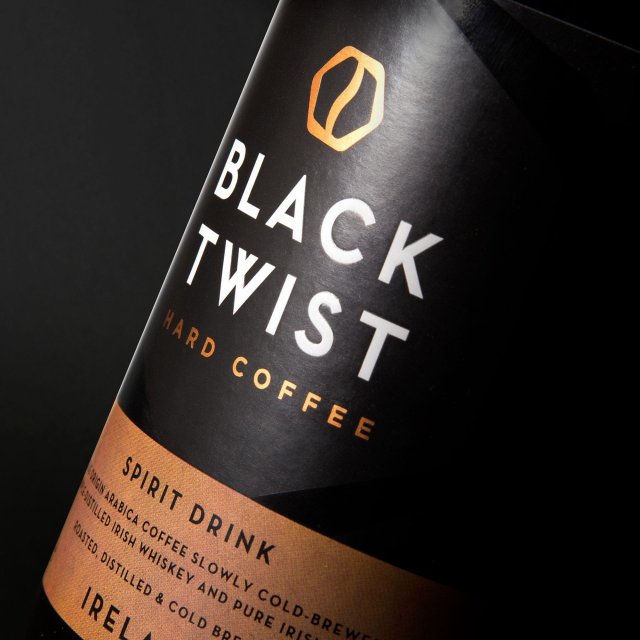
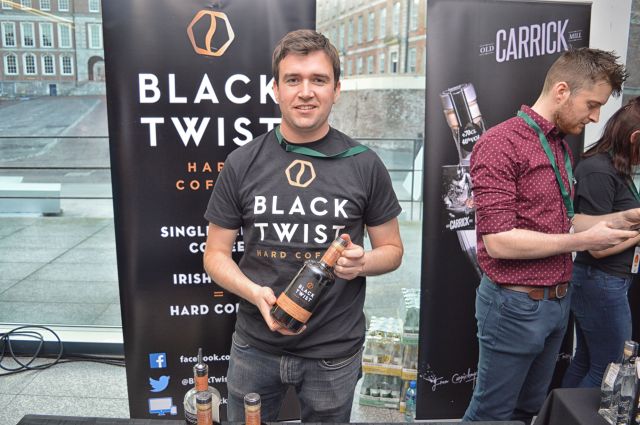
    12. Hard coffee – Technically not really a category at all – until this year. Conor Coughlan’s Black Twist is single origin coffee brewed with whiskey. Don’t think Kahlua or Tia Maria – this has none of their cloying sweetness. Black Twist leans far more into coffee territory than whiskey, and is excellent over ice as a digestif, or as the secret weapon in a cocktail. Of course, this is the season to be jolly responsibly – so Black Castle Drinks offer something a little bit special so the designated driver won’t feel like a plum sipping their Red TK and raspberry cordial in the corner. Their craft sodas include Fiery Ginger Beer and Berry Bramble Sting, and are a treat for all ages.


    Most of the above are available in SuperValu, your local artisan offie, or online. Almost all of the drinks are made by small, independent firms who are simply trying something new – supporting them, and our food and drink industry, really is the perfect Christmas gift.

  • It’s beginning to look a lot like advertorial

    I wrote a few bits for the Examiner to go in a seasonal supplement on Midleton, naturally I started with the distillery, then a well-curated email interview with Ignacio, above, GM of the heritage centre, and a couple of other bits, including one on Iceland. You pay me and I will write about anything guys, anything.


    There used to be two distilleries in Midleton. Everyone knows about the Jameson one on the east side of town; but at the other end of the main street, alongside the Owenacurra River, close to the Mill Road site of Erin Foods, there was once another sizeable whiskey making operation. The Hackett brothers opened on this site in the early 1800s and at their height they produced 200,000 gallons of whiskey and employed 60 people. They had an eye on the future, with an interest in distilling from sugar beet. A series of unfortunate business moves and economic factors outside their control saw them lose it all, and no trace of the distillery remains. The story of the Hacketts serves as a fitting counterpoint to the fortunes of the Murphy brothers who started Midleton Distillery. They ran a tight ship, one that made it through two centuries of choppy waters, and made Midleton the stronghold of Irish whiskey, given that at one stage the only other distillery was Bushmills in Northern Ireland.

    The success of Midleton distillery is down the Murphy brothers’ choices – at the same time the Hacketts were experimenting with sugar beet, the Murphy brothers were keeping a steady eye on the horizon. They chose wisely from day one – even in their choice of location: They had the infrastructure in the form of an old mill and river alongside, giving them enough power their enormous mill wheel, and provide them with enough water to create 400,000 gallons of whiskey annually. When the Hacketts employed 60 staff, the Murphys had three times that number.

    There is no trace of Hackett distillery in Midleton anymore. However, the Murphy distillery has kept the spirit alive for two hundred years, surviving the lean times from the early 1900s through periods of contraction in the industry and even a spell when the distillery was only operational a couple of days a week, such was the low level of demand for Irish whiskey. Of course, the last ten years has seen a dramatic reversal of fortunes. Irish whiskey is the fastest growing spirit category in the world, thanks largely to Midleton and its owners, Irish Distillers Pernod Ricard.

    Huge investment has seen the modern distillery become one of the most modern and efficient in the world, while the heritage side of it has gone from strength to strength, expanding their tourism offerings with the Irish Whiskey Academy, which offers bespoke two-day courses for the true whiskey nerd, and the micro-distillery, which not only brought distilling back to the site of the old distillery for the first time in four decades, but has also become a space for experimentation with different grains.

    Jean-Christophe Coutures, Chairman and CEO said: “Here at home we’re proud to see our Irish whiskey sales growing. We also welcomed the launch of the Irish Whiskey Association’s Irish Whiskey Tourism Strategy in late 2016 which aims to increase Irish Whiskey Tourism from 653,277 visitors per annum up to 1.9 million visitors by 2025. We were delighted with the results of our €11 million redevelopment of the Jameson Distillery Bow St., which has welcomed more than 180,000 visitors despite being closed for six months. When combined with the Jameson Experience Midleton, we welcomed over 310,000 visitors to our brand homes to experience the best of Irish whiskey this year.”

    IDL experienced another successful financial year in 2016/2017 with the acceleration of the global development of Jameson and its premium Single Pot Still Irish whiskey range, which includes the Spot whiskeys, as well as Redbreast. Innovation in its portfolio has been key to the sustained growth: Recent product launches include Jameson Caskmates, which experienced 110% volume growth in 2016/17.

    A sign of the growing confidence in the category is the launch of the Midleton Very Rare Cask Circle Club, which invites whiskey enthusiasts and collectors to obtain their own cask of Midleton Very Rare Irish whiskey from a variety of exceptional casks hand selected by Master Distiller, Brian Nation for their quality and rarity. Once members have chosen a cask that suits their personal taste, they can bottle it immediately or instead request bottles of their unique whiskey as and when required. The programme boasts an array of different whiskey styles and ages – from 12 to 30 years old – that have been matured in a range of cask types including Bourbon, Sherry, Malaga, Port, Irish Oak and Rum. By becoming a member of the Midleton Very Rare Cask Circle, guests will have access to the Distillery Concierge, a unique service that will assist members in every detail of their personal experience. From choosing their whiskey to planning an extended itinerary, allowing guests to discover the best that Ireland has to offer, from world class golfing at illustrious courses to exploring some of the most picturesque scenery in the world. Clearly, this is one offer aimed at the high rollers – the first member of the cask circle was Hollywood heavyweight Dana Brunetti, with a large number of recent members coming from Asia.

    To top off a stellar year Midleton’s Redbreast 21-year-old and Midleton Dair Ghaelach were both in the top three of whisky legend Jim Murray’s Whisky Bible 2017. Jim Murray’s Whisky Bible 2018 is the 15th edition of the publication and contains taste notes for over 4,600 drams. With over 1,200 new whiskies tasted for the latest edition of the international guide, the supreme Col. Taylor faced stiff competition from European rivals to claim the top award. In third place behind Redbreast 21 and Col. Taylor was Glen Grant Aged 18 Years Rare Edition, which drops from its second-place finish in 2016. Commenting on the accolade, Billy Leighton, Master Blender at Irish Distillers said: “This nod from Jim Murray is truly heartwarming for me and everyone at Midleton Distillery who has helped to make Redbreast such an enjoyed whiskey. We are humbled by this and it’s really encouraging to see traditional Irish pot still whiskey take one of the top spots in the world of whiskeys and whiskies. When we were preparing for the launch of Redbreast 21 in 2013 and we were doing our tastings, we knew we had something special on our hands so it is great to see this appreciation shared by people across the world. This award is a testament to the team at Midleton and especially to my predecessors who had the foresight to squirrel away those casks that helped us to bring Redbreast 21 to the world.”

    Midleton has outlived many other competitors – from the Hacketts at the other end of town, to distilleries all over Ireland that failed over the last two centuries. As we head into a second golden age of Irish whiskey, it will be Midleton that will guide the category to greater and greater success.


    As ‎general manager of ‎The Jameson Experience Midleton, Ignacio Peregrina is in charge of one of southern Ireland’s biggest tourist attractions – perhaps a fitting career for someone who came from one of Europe’s top holiday destinations.

    “I’m from Gran Canaria, an island famed for its welcome and tourism, and I wanted to move somewhere with a similar passion for hospitality. I arrived in Ireland just over 15 years ago; I came for the craic but ended up staying and building a life here. Once I met my future wife Claire I knew Ireland was the place for me. I met her within an hour of landing, my buddy picked me up from the airport and we went to a Salsa class where I met the wonderful Claire. We were married three years ago in Midleton and we are blessed to call Midleton our home.

    “My path to Midleton started in Dublin. During my time there, I worked for four years in the Jameson Distillery Bow St. and I also undertook a degree in Hospitality and Tourism in DIT. I’ve always had a passion for food and drink so Dublin was a great place to explore this passion. During my time in Bow St., I built up experience across all areas of the business and that helped me to secure my dream job here in Midleton as General Manager of the Jameson Experience.”

    Of course, he isn’t the only person to come from overseas to Midleton: “It is a great pleasure to welcome people from many different nations. A considerable percentage of our visitors arrive via tour operators and it’s always a good day for me to pull up at work and see buses filled with people excited to experience Midleton Distillery.

    “The top five visiting nationalities, in no particular order, are French, German, British, American and Irish, with the Jameson Experience tour being our largest selling tour. However, in recent years we have opened the Micro Distillery and Irish Whiskey Academy and the craft tours we have created for these areas are proving very popular, especially with whiskey enthusiasts. Midleton Distillery offers a truly sensorial experience where you can see, hear, feel and smell a live distillery in action.”

    The Jameson Experience in Dublin recently closed for a renovation, and while their new tour is all singing, all dancing, Midleton offers an insight into the processes of whiskey making: “The main difference between the two sites is that our Bow St. team focus primarily on Jameson Whiskey whilst my team here in Midleton explore all our whiskey brands – Jameson, Powers, Redbreast, the Spot Range, Midleton Very Rare and the newly launched, Method & Madness.

    “My opposite number at the Jameson Distillery Bow St.  operates several great tours of varying duration and intensity so, whether you’re new to the world of whiskey, a connoisseur or a budding cocktail maker, they have an experience for you.

    “Here at Midleton Distillery we also provide a range of tour experiences such as the Jameson Experience, the Behind the Scenes tour, and the Academy Experience. All are great fun and offer visitors wonderful insights into some of Ireland’s historic whiskey brands.”

    The Irish Whiskey Association is pushing whiskey tourism here, and recently held the launch of their southern whiskey tourism plan in Midleton: “Ireland has great potential to become a world class destination for whiskey tourism. As the Irish whiskey industry grows, we’ve welcomed many visitors from new and established distillery attractions who are keen to learn what we do and how we do it. Irish Distillers have been operating whiskey visitor centres for over 30 years so we have plenty of experience to share. We don’t see other distilleries as competition, which of course they are, but, as one of the guardians of the Irish Whiskey industry we’re delighted to help in any way we can.

    “At Midleton Distillery we’re ready to welcome anyone who would like to improve the whiskey tourism product. We have tough competition from our friends in Scotland but if the whiskey players in Ireland work together we can offer an amazing experience.”

    Peregrina also works closely with the local Chamber in Midleton: “An effective Chamber of Commerce can make a significant difference to a town and we’re blessed to have such a great team here in Midleton.

    “Midleton town has been home to whiskey distilling since 1825 and is our priority to work with and support the local community as much as possible. We do everything we can to make sure more people come to Midleton and leave with lovely memories that will last a lifetime.”


    Bluebells

    The bluebell flower blooms in spring of each year. Usually located on the forest floor, they burst into life as the first rays of a brighter sun touch on them, after its long absence during the winter months. Their bulbous, indigo flowers are a sign that brighter days are coming.

    Opening a business in the teeth of the worst recession in Irish history would have been a brave move for any business person. But to open a gift shop in a small town in east Cork seems like absolute madness. However, seven years on and Hazell Abbott’s compact and bijou Bluebells on Midleton’s Main Street is still going strong. Of course, the success of the store isn’t just it’s selection of interesting gift ideas, but in Abbott’s background as an accountant. However, even she admits that it was a crazy idea: “I opened up at the worst time,” she laughs, “everyone thought I was totally mad.”

    From Offaly originally, her husband hails from Barryroe in west Cork, so when it came to them leaving Dublin, the chose to head south. She had planned to open a gift shop for several years, but location would be key.  She and her husband – who is also an accountant – went on a reconnaissance mission to towns around Cork to find the perfect blend of a good space at a good price – and a good buzz about the place. They settled on Midleton, citing the atmosphere, the large hinterland and the fact that while other towns struggled over the last 20 years, Midleton has thrived. It is a wealthy town. After a successful few years, she expanded the shop to the rear, and took on two staff so she could spend more time with her husband and their two year old son.

    While her business shifts into top gear from here to January, it is more than just a seasonal outlet – as she notes, there are always gifts needed for wedding, anniversaries, new babies and birthdays. But at this time of year her shop is busier than ever, with its selection of bric a brac and miscellania – a selection that Hazel spends some time choosing, ensuring that her offerings are not widely available in the town, dropping lines that are carried elsewhere. But at this time of year her shop is a godsend for anyone looking for that just-so item, the little thing that you haven’t seen anywhere else, that most elusive thing – the ideal Christmas gift.

    Iceland

    Hermann Jónasson was a famously hot-blooded Icelandic politician who famously once slapped a member of an opposition party. Despite this, he is remembered as one of his country’s great politicians, which is perhaps why Malcolm Walker, a British businessman, decided to pay tribute to Jónasson – a family friend of the Walkers – when he opened his new supermarket chain. That was back in 1970, and now almost half a century later, the chain is going from strength to strength. Almost from day one the focus was on freezer food – and it upon this rock that they built their church.

    Iceland initially came to Ireland in 1996, but withdrew in 2005, only to return in 2008. Since then they have gone from strength to strength, with their 18th store in the Republic opening in Shannon next month. This flurry of store openings was the result of a €12 million investment in nine new stores in Ireland this year alone. Some 270 new jobs were created across the country as part of the investment in the new stores in Tallaght, Galway, Cork (Douglas, Fermoy, Ballincollig) Letterkenny, Limerick, Shannon, and Gorey.

    Ron Metcalfe, Managing Director of Iceland Ireland said “We have been back in Ireland for four years now and have been committed to expansion from day one. This new investment sees 2017 as our biggest year yet with our nine new stores opening. We’re looking forward to bringing great value and a brand customers can trust to Tallaght, Galway, and across the country this year, as well as welcoming new team members to the Iceland family. And as always, we’re looking forward to expanding and delivering the Power of Frozen to more Irish customers than ever before”.

    The Midleton store opened in 2014, and brought a much-needed boost to Distillery Lanes, a Celtic Tiger era development at the east end of the town. Since then the store has thrived, offering a unique food offering to shoppers who flock there from across Munster. Iceland is home to over 2,000 branded fresh and frozen grocery products, and supports Irish with more than 32 local suppliers – in addition to being the exclusive stockist of the Slimming World range in Ireland. Iceland Midleton even offers a home delivery service, while Iceland was also the first UK supermarket to remove artificial flavourings, colouring, monosodium glutamate (MSG) and non-essential preservatives from its own branded products in 1986. In 1990 Iceland took the lead in banning mechanically recovering meat (MRM) from own brand products; and in 1998 Iceland became the world’s first national food retailer to ban genetically modified (GM) ingredients from own brand products.

    Iceland has thrown off the old stigma of convenience foods, and is now a one-stop shop for the party season and beyond. With a recovering economy and the festive season ahead, it looks like Iceland are heading into their biggest Christmas yet, while the brand has come full circle in recent years by opening an outlet in Iceland itself. Hermann Jónasson would be proud.
  • Whiskey Live Dublin 2017

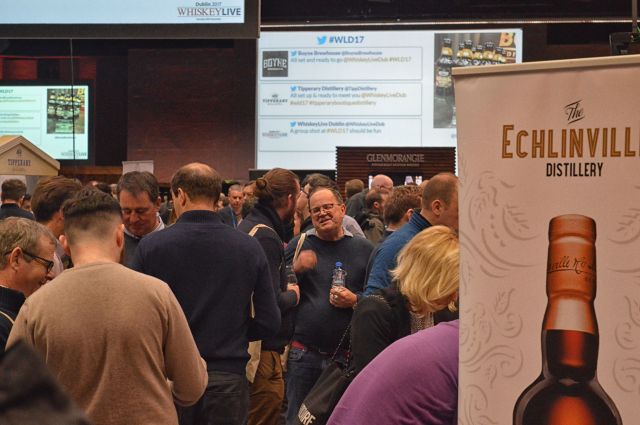
    An incredibly quick post on whiskey Live Dublin. It’s basically the All-Ireland, Christmas, The Eid and Glastonbury all rolled into one. I love it – loads of vendors, loads of great whiskeys, and loads of Internet Friends who you finally get to meet in real life, albeit after quite a bit of booze so it doesn’t seem real. This was my fourth year, and my worst for making all the stalls. I think I managed to hit about ten of the 40 or 50 there. Pathetic. The upside of that is I only tried a few, really interesting drams, and got to meet some really interesting folks. Here’s a whistle-stop tour.

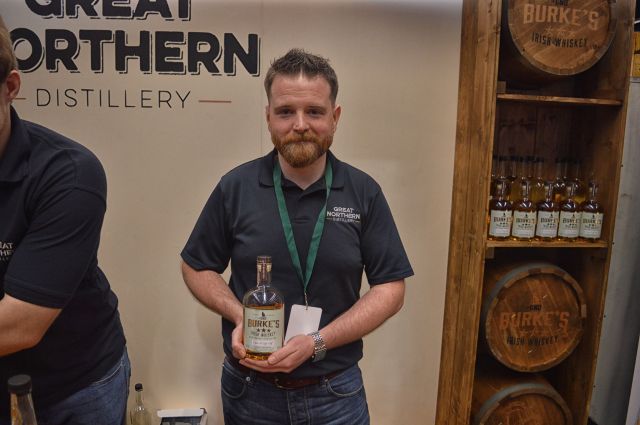
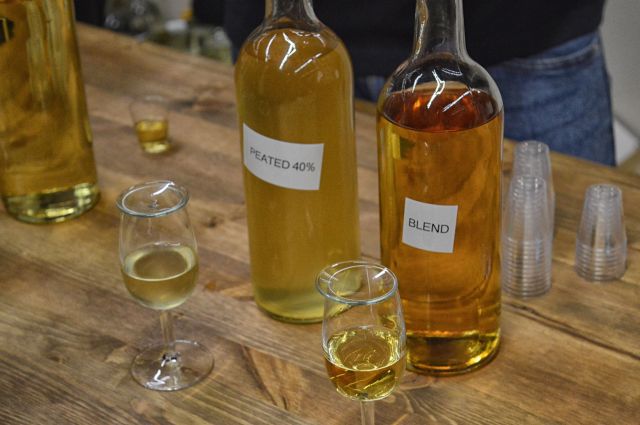
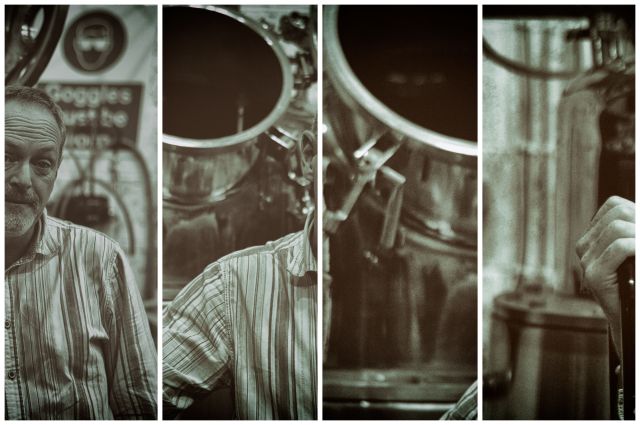
    First up was John Teeling’s Great Northern. Working off a third-party sales model, they may well be a serious player down the road, simply because they are making whatever people want. I tried the 18-month-old peated malt – mild, medicinal but nowhere near the demonic motherfuckers of Islay. The chap I spoke with (that’s him above) had a career that included working as a botanist, a miner, and finally a distiller, so he was a mine (!!!) of information.

    The third-party model will be an important one, especially for anyone who wants to distill interesting drams by contract. The flipside of this will be what some chose to put on labels, but none of that is John Teeling’s concern.  

    I have a lot of admiration for Connaught Distillery. Their CEO David Stapleton comes from a background in waste management and did his MBA through the Open University. They are effectively an Irish American operation, which is reflected in their Brothership whiskey, which I tried for the first time and really liked. It’s a blend of two ten year olds, one from each side of the Atlantic, with the Irish making up 55% and the American whiskey 45%.  I hope these frontier distilleries are going to do the really interesting stuff down the road, as they will need to build cult following to get the whiskey tourists flocking to their doors.

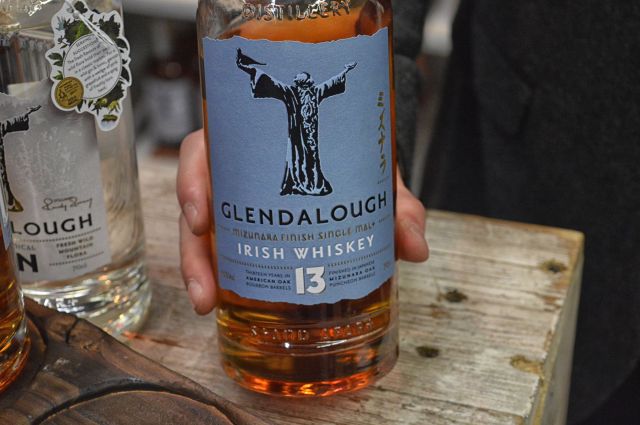
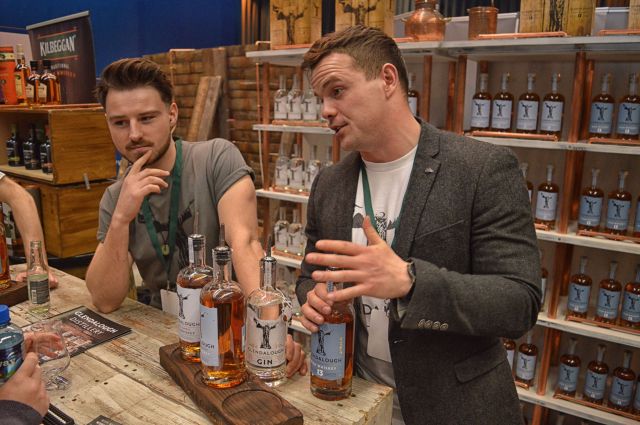
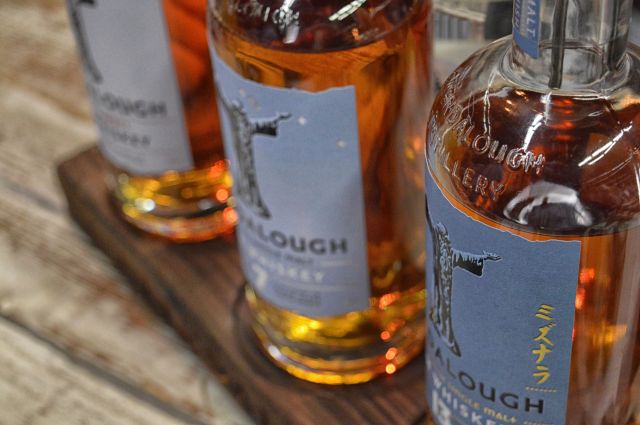
    The guys at Glendalough are looking towards whiskey tourism too – they have a site tucked away in Laragh and hope to start building their distillery soon. Perhaps with this in mind they have unified their branding, eschewing the blues and greens for various shades of grey. It’s not just the labels that changed, the liquid is different too. Five Lamps brewery used their whiskey barrels to finish stout in, so Glendalough took those barrels back and finished the seven year old in them. Gone now are those sweet citrus notes for a far deeper expereience – chocolate, coffee, brandy butter, whiskey cream. I loved the earlier seven, but this is a change I can believe in. Meanwhile, the 13 – an oblique nod to company investor and rugby legend Brian O’Driscoll –  is now finished in mizunara cask, making it the only whiskey in ireland that uses this Japanese wood.

    Speaking of coffee – Black Twist is a coffee liqueur crafted as a crossroads between the late nights and early mornings of the whiskey aficionados. Don’t think Kahlua or Tia Maria, this is far better – like an iced coffee with whiskey. The alcohol content is low, about 26%, but it is a delight to drink, with far more of the coffee flavour than the booze.  This could definitely be one to sharpen the mind after too much turkey.

    Sliabh Liag are getting there – they have bored two wells at the site of their planned distillery and have struck sweet delicious water. They hope to start work on it once the weather gets better, which given that this is Donegal we are talking about, I’m going to assume will be never. I’m kidding – they are looking at spring 2018. This is one I can get behind – clear message from day one, and a pedigree in the drinks business.

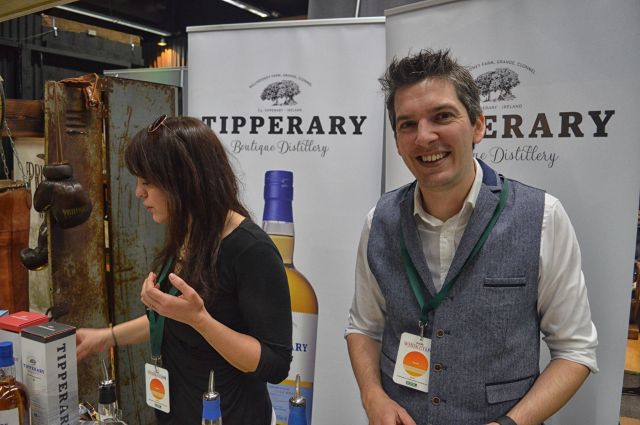
    Tipperary are another team working to get off the ground. They’ve gone the extra mile and have distilled their own grain by contract at an unnamed distillery. I had a sample of that new make and it was really excellent. High hopes for these guy – they are rolling out a cask programme soon, and this is one I could get behind if only I wasn’t a member of the working poor.

    I also managed to strongarm (I asked politely) John Cashman of Cooley into sharing a mystery dram – their six year old rye pot still whiskey. It was unique. Bottle it and get it on a shelf so I can buy it lads.

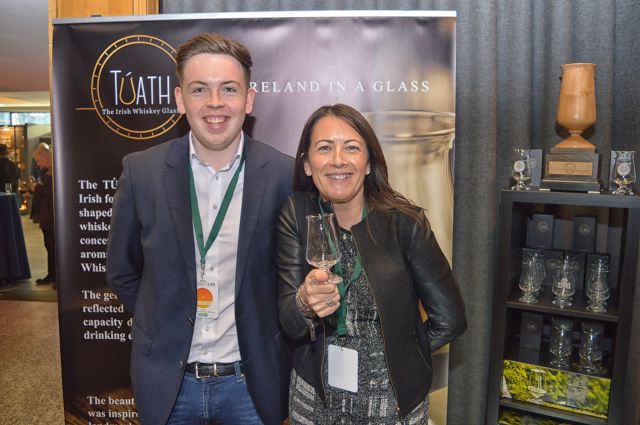
    One of the first difference I noticed was the lack of Glencairns – the Tuath has taken over. The new Irish whiskey glass is larger than its Scottish cousin, which meant for more generous pours. This was a solid test of the glass and it passed with flying colours. It’s sturdier and the angular base makes it easier to hold and thus not drop on your fucking foot after 25,000 drams, like I did last year. I’m going to do a proper test of the Tuath at some stage, but out in the field, it worked a charm.

    There were, of course, loads of other snippets, but overall it would appear that the Irish whiskey category is in rude health – distilleries are being built, more are planned, and we are heading into an interesting time for whiskey lovers. While I’m not one for the backslapping, everything-is-awesome guff that gets fed to the mainstream press – clearly there are issues that need to be sorted out – overall Whiskey Live Dublin was a reminder that our best days are still to come.


  • Monsters, friends, Tom Humphreys, excuses


    Week 27, bleak af.


    There is a man I see around town. He looks a bit like an absent minded professor, slightly dilapidated and a bit bewildered. He seems affable enough, with a sort of half smile on his face as he meanders around the supermarket, staring blankly at yogurts and cleaning products. He had a great job with the council for almost three decades, and was even lucky enough to get out with an early retirement package before the court case began. During the trial, the court was told that it was a German website that tipped off authorities to what he had on his computer – almost 14,000 images of children as young as one year old being violated, raped and abused. One of the gardai who dealt with the case said it was one of the worst he had encountered, while the judge said he was horrified by it.

    I think about all these things when I see this man. He is a sad, pathetic figure, and I usually feel sorry for him – he has the look of someone who has no-one to care for him, to wash his clothes properly or tell him to fix his hair. I don’t grab my kids and run when I see him, because it’s not the threats you can identify that you need to worry about.

    Contrary to our collective unconscious – or your local community group on Facebook –  the monsters aren’t hiding in the bushes or driving around estates in black vans trying to snatch kids. They are standing next to you at the checkout, beside you in the pub, in front of you in church, or even in your circle of friends.

    Everyone has that one friend who just can’t seem to get their life together. To most of my friends, I am that person, but even I found someone who was more of a disaster zone than I am. We were friends from childhood, but as we grew older, I settled down while he just couldn’t seem to find the balance in his life to make any relationship work. I married and had kids, he wallowed in drugs, prostitutes and pornography. His obsession with the latter overshadowed everything – he lived in a country where it was freely available and seemed to be endlessly consuming it. I’m no prude, but when I would visit him he would be scurrying off into some shady back section of a shop and come out with a bag stuffed with increasingly brutal DVDs.

    We would poke fun at him about it, but it was relentless. His lifestyle choices generally, and the social circle he kept, which as he said was full of ‘the wanted and the unwanted’, meant that he was on a downward spiral.

    I was chatting to him on Gmail on evening when he said he had been at a friend’s house and had seen some ‘extreme’ material. With a sense of rising dread I asked what he meant. The videos involved girls aged eight or nine – the same age my daughter was at the time. So I told him he needed to call the cops on this ‘friend’. He said no way, this guy was his pal. I told him his ‘pal’ was complicit in a crime, that he was part of a culture that delights in the rape and torture of little children. My friend was indignant, saying with absolute certainty that the children in these videos weren’t being raped, they were enjoying the abuse.

    Some friendship fade out over years as your lives change. This one ended at that moment. I told him to never contact me again, and that if I saw him anywhere near my family I would call the police. I got a few abusive messages after that, but blocked him. In the intervening years he has tried to get in touch, expressing remorse that we ‘fell out’, but not once did he say that he had a problem, or that he was wrong, or that he needed help. I very much hope that I never see him again, because whether or not he ever actually harms a child, he clearly has the paedophile mindset – that children enjoy abuse.  

    I’m slow to use the term ‘child pornography’ as the word pornography implies consent, eroticism, or pleasure. These are images of worst kind of rape and torture – the most sadistic abuse imaginable. These are lives being ruined, and while the perpetrators are the active agents, those who watch the videos and share them on the internet are just passive versions of the same monsters.

    All of this was in my head in the last two weeks as I wondered how I was able to pull the shutters down on two decades of friendship – but Tom Humphreys, an actual, active paedophile who defiled a child, was still deemed worthy of defence by some of his peers. Perhaps those who stood by him had trouble asking themselves the same question I had to ask after I severed ties with one of my oldest friends – what the hell is wrong with me? How did I end up friends with someone so morally bankrupt, so unfeeling, so utterly sick? But not every paedophile is as visibly odd as Jimmy Savile. Many of them are perfectly affable, average members of society who are secretly despicable creatures. They can be great writers, good friends and monsters all at once. But once the last aspect is revealed, your own humanity should recoil in horror. There is no ‘forgive and forget’ here.

    But still there are people like the author John Grisham who in 2014 said that the American courts needed to be more lenient with people who watch videos of children being sexually abused, talking about an old law school friend who was sent to jail for this very thing. Grisham blamed alcohol, and bizarrely, boredom, for his friend’s moral decay. There are no excuses for enjoying the abuse of a child. Even Kevin Spacey somehow thought that telling the world what we already knew, that he was gay, somehow explained his assault on a 14-year-old. This isn’t about gender or sexual orientation – it’s about adults, children and abuse.

    In the trial of the man I see shuffling around my town, one of the arresting gardai testified that he thought the man downloaded 13,845 images and videos ‘out of boredom as much as anything else’. In the end, the man got off with a four-year suspended sentence, due to a statement from the Granada Institute that he was unlikely to pose a threat to the community, and also because he was his mother’s sole carer. She died earlier this year, so now he is alone, muddling about the place looking confused. Some day he will die, have a tiny funeral, and that will be that. The world won’t be any safer or better, but there will be one less identifiable menace in my hometown, and – more worryingly – many, many more that I don’t know about.

  • RTE, Supremes, JFK, Duchas

    Week 26, six months of being an opinionista and nobody has threatened to kill me yet, WTF am I doing wrong?


    It seems odd that I grew up in the age of one TV channel. It doesn’t seem like a million years ago, but I can still remember the excitement when Network Two launched, or waving a wonky rabbit-ears aerial around the living room in the hope of picking up some HTV Cymru Wales and possibly some post-watershed nudity, as there was little hope of any on a station that carried the Angelus.

    Times have changed, and although RTE still carries the sacred ding-dongs, there is little hope of salvation for them. My kids don’t watch TV – they watch Netflix and YouTube. The concept of sitting down at an appointed time to watch any show is completely alien to them, I feel much the same way. I am happy to pay my license fee, as I think it is important to support our national broadcaster from a cultural perspective, but it’s a sad state of affairs when the most enjoyable thing to come out of Montrose in the past 12 months is a Twitter account of an unnamed, disillusioned producer who is mad as hell and isn’t going to take it anymore.

    Secret RTE Producer appeared out of nowhere in early September and started dishing the dirt. At first it seemed like it might be a Steve Bannon-esque false flag operation being used as an accelerant for job cuts, but the sense of frustration in the tweets can’t be faked. Many of them explain some of the odd decisions made in Montrose over the years (why isn’t Fair City better, what was the story with all the Craig Doyle stuff), or help shed some light on the background operations of an entity that we all have a stake in. In the two months that the account has been running there have been plot twists, grand reveals, Cold War paranoia, and even a period when the account went silent, leaving its thousands of followers wondering if the secret producer had been caught and dispatched to a North Korean-style re-education camp in the human resources department, or a just another course in media studies in Colaiste Dhulaig.

    Whatever happens to the secret producer, they probably need to start making plans for life outside Montrose, because the closing scenes of this real-life drama are not going to be pretty. The public reaction from those within the RTE machine was a little depressing – where many of us on the outside saw a whistleblower, they saw a rat. Where they saw profound disloyalty to their organisation, I saw those tweets as actual public service broadcasting. But the future for all of RTE is stark – kids today don’t want The Den, they want Stampy Longnose’s inverted guffawing on YouTube, while teenagers just want Netflix and chill, whatever that means. Perhaps instead of feeling hurt by the tweets of Secret RTE Producer, the top brass at Montrose could learn from them, and make a few changes. Don’t change Nationwide though – that is perfect.

    One move in the right direction was the broadcasting live from the Supreme Court for the first time yesterday. While many tuned in in the hope of some Judge Judy style shrieking and fake cases involving bruised pets or damaged flowers, it really drove home just how devoid of drama the courts are. Far from the byzantine, kafkaesque nightmare of legal jargon and people shouting latin at each other that one would expect, it was quite like a live broadcast from the queue in the motor tax office, or a dentist’s waiting room. It was like the broadcast from my local church on the internet which I sometimes found myself watching at 4am when I worked nights. You kept waiting for something incredible to happen, but it never did – yet the expectation was always there, of some divine judgement on us all. But if the broadcasting of court cases helps deter people from taking spurious insurance claims, then RTE will have justified the license fee for at least another decade.

    Conspiracy theorists rejoice, for another tranche of the FBI’s JFK assassination papers are being released. While Donald Trump announced to the world that he was allowing them to be opened, they were scheduled to be opened since long before that haunted jack o’ lantern began flushing America’s reputation down the toilet. It was actually Oliver Stone’s intensely dull film JFK which prompted the US congress to order the release all the way back in 1992. Still, you have to admire Trump’s confidence, as he is basically allowing the FBI to release a ‘how-to’ guide on getting away with assassinating a president, in a nation stuffed with gun nuts. So perhaps anyone thinking of dressing up as him for Halloween might want to rethink their costume choice.

    Here at home we have sizeable chunks of our own rich history being released onto the internet. Duchas.ie has released a quarter of a million documents and almost ten thousand photographs from the National Folklore Collection on their website. With a handy search option, it is a fascinating selection of myths, legends and rumours that otherwise would have been lost. Granted, some of it is pure bunkum, but when I stumbled across two transcriptions from 1938 about treasure that may or may not be buried near my house, I found myself waking in the middle of the night and googling metal detectors and the law regarding ownership of massive hoards of gold. If I do find a load of torcs, I just hope that I get to appear on Nationwide before I flog them all on eBay.


  • Any port in a storm

    We got to Heuston Station as the last train pulled out. It was only going as far as Portlaoise, so even if we had made it, we would still have had quite a walk back to Cork.

    My daughter and I were in Dublin for a hospital appointment, one that only got cancelled at 10pm the night before, when we were already in the city. This meant we were trapped in the big smoke, with the worst storm in four decades bearing down on us. So we decided to go shopping.

    Back in Dublin city centre it soon became clear that this was not going to be an option – almost everywhere was pulling down the shutters as we walked around, first across O’Connell Street and then up to Grafton Street. Despite the warnings that Ireland was about to get hit with a bone fide hurricane (bear in mind that the last tropical occurrence here were those really racist Lilt ads in the early Nineties), the weather was pleasantly mild, if a little breezy. But hell or high water wouldn’t keep me from the one place I always visit when in Dublin – the Celtic Whiskey Shop. I had assumed they wouldn’t be open, but, as their owner is a canny Scot who is used to actual storms, he opened. This was a godsend, as whiskey does technically fall under the remit of ‘provisions’ in any major Irish emergency.

    So despite the weary groans from my teenage daughter, we ambled in to soak up the ambiance, and by ambience I naturally mean booze.

    I tend to complain about the price of Irish whiskey. This is largely due to the fact that I don’t have a huge amount of disposable income, so the prices of Irish whiskey sometimes make me despair. As a result, I usually shop online and mostly buy Scotch. This is partly because of the value you get, and also the sheer variety. But what you don’t get is the enjoyment of talking to a salesperson, especially ones as expert as the staff in the Celtic Whiskey Shop. It’s little wonder that many of their staff go on to work as brand ambassadors, as they know their stuff, they know how to treat customers well, and they are a genial bunch.

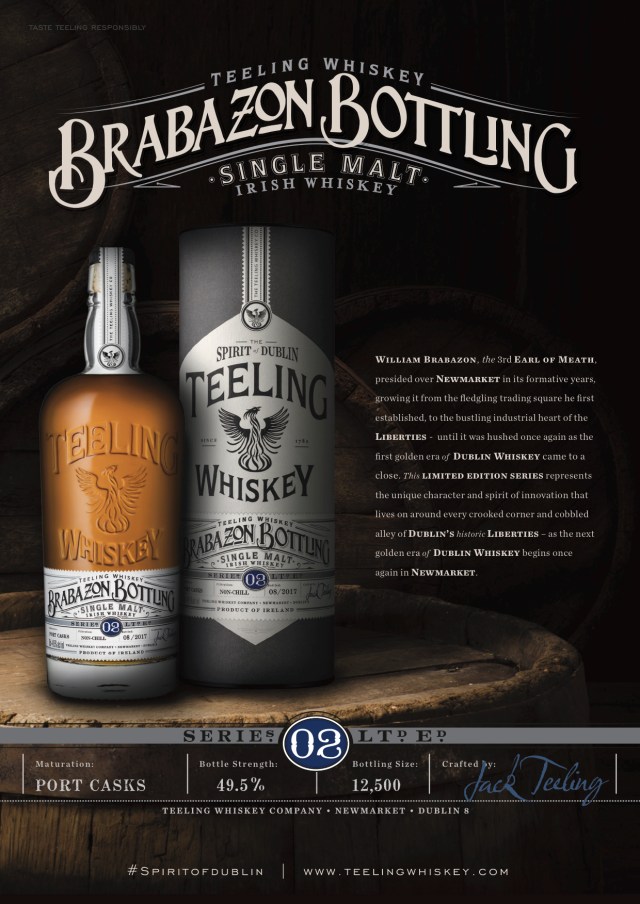
    As soon as we started chatting, a sample was offered, to warm the blood after braving the unseasonably mild weather outside. But this wasn’t going to be a drop of whatever was on special – they went straight for a Midleton single cask. After that – and an hour long conversation about Irish whiskey, Jim Murray, transparency, online vs offline shopping, and beef – I basically had to buy something. I asked for something interesting, so they gave me a drop of the new Teeling Brabazon port cask.

    John Teeling. Picture; Gerry Mooney

    The Teeling story is a remarkable one. John Teeling was a teetotaller and serial entrepreneur who had the barmy idea of buying an old, state-owned industrial distillery and using it to make whiskey for third party sales. Looking back now, more than two decades on, it seems visionary, but I would imagine that at the time it seemed quite batshit. Like a lot of entrepreneurs, he played it hard and fast, ending up at loggerheads with Irish Distillers on at least one occasion, but in the end he created an empire, one that he sold to Beam Suntory for €71m in 2011.

    John Teeling’s boundless energy meant he was never going to stay still – he bought the old Harp brewery in Dundalk and turned it into a distilling powerhouse, again using the third party model that had brought him so much success in Cooley. But his sons went for a riskier, bolder model.

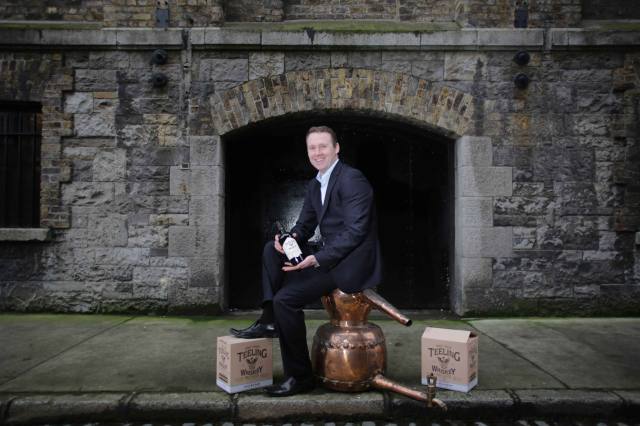
    **** NO REPRO FEE **** 13/02/2013 : DUBLIN : Independent Irish whiskey maker the Teeling Whiskey Company has launched Teeling Irish whiskey to celebrate 231 years of whiskey distilling tradition within the Teeling Family. The Teeling family’s whiskey heritage dates back to Walter Teeling who set up a distillery in 1782 in Marrowbone Lane in the Liberties, Dublin. The Teeling Whiskey Company also announced that it is carrying out a feasibility study on setting up a distillery in Dublin. Pictured launching Teeling Irish Whiskey is Jack Teeling, founder of the Teeling Whiskey Company. Picture Conor McCabe Photography.
    Media contact : David Ó Síocháin Mobile 087 936 2440 email : media@teelingwhiskey.com

    Jack and Stephen Teeling may be the dauphins of Irish whiskey, but they also came burdened with their father’s impressive legacy. However, there are few people in Ireland today with their insight or expertise in building a successful whiskey business. A sign of this confidence was where they opted to site their new distillery – in Dublin city’s Newmarket Square. 

    After this brave move, there was the pressure to source quality stock – and this is where I am going to engage in some wild speculation. I would suggest that, contrary to popular belief, they didn’t hang on to a load of Cooley stock. Beam Suntory didn’t pay seventy million clams just for Cooley, Ireland’s ugliest distillery (they also got one of Ireland’s prettiest distilleries, Kilbeggan) and zero stock. When you pay that much for a distillery, you are not just looking for infrastructure, you are looking for booze – and lots of it.

    Similarly, if you are selling a distillery and tons of stock, you are selling it at a good price, so you are not going to get some sort of budget buy-back deal. So while there is a theory out there that all three Teelings walked away from that deal with a cartload of premium casks, it is highly unlikely. As one pundit put it to me, that would be like selling someone a car with no engine.

    While the grain the Teelings use may be from Cooley (as with all things supply related, a lot of this is guesswork) it would appear their other source is Bushmills, a distillery that seems to be able to supply vast quantities of excellent whiskey to just about anyone but themselves. The Teelings’ Vintage Reserve releases would certainly suggest Bushmills, as some of those bottlings are older than Cooley Distillery itself.

    But back to their sourced releases, which rarely disappoint – their first being a blend that was, and still is, one of the great bang-for-your-buck whiskeys out there. My first bottle of it came with a ringing endorsement from the Celtic Whiskey Shop a few years ago, and it is still one I would rank up there with Writers Tears as a great introduction to the ever expanding world of Irish whiskey.

    So the Teelings have it all – the supply, the distillery, the know-how, a partnership with Bacardi that opens new channels across the globe; and they even had their own TV show, which I think makes them the Kardashians of Irish whiskey. 

    Their sourced releases were varying degrees of excellent – here are some of the mainstream releases, not including the single casks and obscure releases:

    Core Trinity Range:

    Small Batch

    Single Grain

    Single Malt

    Vintage Reserve Collection:

    21 YO

    26 YO

    30 YO

    24 YO

    33 YO

    Revival Series:

    Vol. I

    Vol. II

    Vol. III

    Vol. IV

    Vol V (pending released 2018)

    Brabazon Bottlings:

    Brabazon 1

    Brabazon 2

    Collaborations/exclusives:

    Stout Cask

    Airport Exclusives  x c.10

    Poitín (from their own distillery in Dublin):

    Teeling Poitín

    Teeling Spirit of Dublin

    The Teeling brothers are looking at an Autumn 2018 date for their own stock, which will be the first new whiskey out of Dublin in quite some time, so the furore then will possibly be even more annoying than when the Dubs win the All-Ireland.

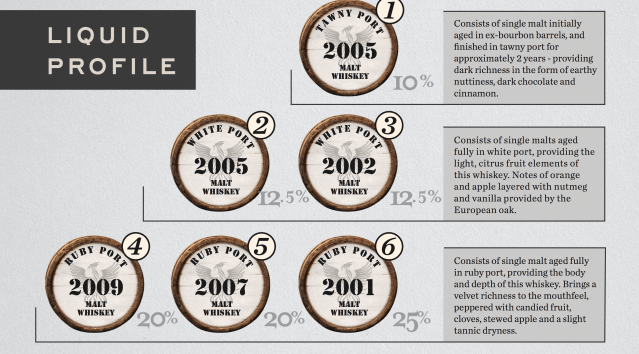
    But back to Brabazon II: I asked Gabriel Corcoran from Teeling to shed a little light on the components: “There is a significant portion of white port, of a similar profile to the Carcavelos single cask release, but balanced out with a ruby port backbone and some added depth from a tawny port-finished element.”

    The complete breakdown is as follows:


    So on to some confusing and wildly inaccurate tasting notes:

    Nose: Going to set a high bar for pretentiousness early on by saying ‘a forest in winter’ – vegetal notes, pine, an outdoorsy freshness, although that may just be the alcohol vapors freezing my face. Red liquorice, slight acetone, camphor. Less of the heavy fruit notes I expected to get from so much port cask, but then I haven’t a clue what port tastes like as I am not a feudal lord.

    Palate: Fucking hell that 49.5% hits you in the goddam throat – in a good way. Lots of aniseed, ouzo, real heavy warming sensations, Benylin, the stewed fruits coming through. Hierbas, the Mallorcan liqueur,

    Finish:  Dark chocolate, coffee, going to say tannic dryness even though I’m not entirely certain what that means. Cornflakes, for some bizarre reason. Hints of peppermint in the aftermath, pink peppercorns, metallic notes, and those juicy, sweet notes of the fruit.

    Brabazon II in a grappa glass for some reason.

    Overall, a solid release. Could it be a little better priced? Yes, it could. At close to €80, this is more expensive than the Tyrconnell 12 Madeira cask, which they used to make in Cooley, and which is one of the greats of Irish whiskey. But as with anything, this is completely subjective – bear in mind that after tax, I get paid about €80 a day, and as I work hard, it needs to be a pretty decent whiskey to justify that spend. Still, as a memento of an odd day wandering a deserted Dublin waiting for the hurricane, it was a worthwhile buy. My thanks to the guys in the Celtic Whiskey Shop for just being open, but especially to Dave Cummins, who was fantastic company, even managing to get my daughter chatting about whiskey, a topic she hates as it is ‘boring’. I mean yeah, it is totally boring, until you’re old enough to drink the stuff. But for her, that day is a long way off…he said hopefully.

  • Powercuts, offaly, ophelia, sean hughes

    Week 25 of the column! Who woulda thunk it? Certainly not my guidance counsellor in school, who said I should be an engineer and also got my name wrong.


    The worst storm that I can remember was in December 1996. It seemed to come out of nowhere and pummelled east Cork right before Christmas, ripping the roof off the local Co-Op and leaving thousands without power. We lost our power on Christmas Eve and didn’t get it back for ten days. This, of course, would not be that bad, only for the fact that we have a well, and no power meant no water – to drink, to flush, to wash. That Christmas was never going to be an easy one, as we had lost my sister earlier that year. I can remember my parents and I sitting around the fire, all trying to be strong for each other, all pretending that somehow this live reenactment of The Shining was a much more traditional Christmas, as opposed to an incredibly sad week and a half of darkness, despair and poor personal hygiene. We didn’t even have a TV to distract us from the loss, or clean water to wash away the tears. Thank god I had a massive supply of beer to keep me hydrated.

    The most memorable part of the storm and its aftermath were the simple acts of kindness. People we hardly knew showed up to the door with gallons of water, hot food, and even a couple of roasted turkeys fresh out of the oven. It was incredibly touching, even though it meant I had to eat about 30lbs of turkey in 48 hours so it wouldn’t all end up in the bin. To this day that storm ranks as the worst and best I have lived through, and I still use it as a gauge for any other natural disasters – the only questions I ask are; are we all here; is everyone ok; and who wants more half melted ice cream. As long as you are safe and together, things are generally ok – although a decent supply of Febreeze and babywipes also helps.

    It was disappointing to see Offaly get hit by Ophelia. The recent census figures showed that the county has the highest percentage of Catholics in the country, which I assumed made it some sort of promised land for the chosen people of Ireland. Apparently not; they got smote just like everyone else, despite being the home to important pilgrimage sites like Clonmacnoise and that Barrack Obama filling station in Moneygall. Granted, there were a few missteps along Offaly’s path to righteousness, as the county is responsible for not one but two Cowens, while they also declared war on heaven by Birr physicist George Johnstone Stoney coining the term electron in 1891 as the as the “fundamental unit quantity of electricity”, thus undermining the power of prayer, which up until that point had been fuelling the national grid. I’m sure all the poor souls without power in The Faithful County will enjoy the irony of that. Perhaps this latest testing of their faith might make them want to move to Dun Laoghaire, which not only had electricity right through Ophelia but also has the lowest number of Catholics in the country. Coincidence? Probably, yes.

    I spent Ophelia trapped in Dublin. My daughter and I travelled up on Sunday to make a hospital appointment on Monday morning that was subsequently cancelled, along with all of the trains out of the city. The culchie in me felt a rising panic as I realised I was going to have to spend another 24 hours in this terrifying metropolis, trying to hide my uncool, non-ironic country ways and singy-songy Cork accent. I stood at the Luas stop for a tram that would never come, desperately trying to remember what the Five Lamps were, or how to make coddle, in case a local started talking to me. The last thing any culchie wants is to be identified as such in the Big Smoke and subjected to the hate hoots of the million or so first generation Dubs whose parents only left a bog in Mayo two decades ago. We kept the heads down and just prayed that we would make it out alive, ready to burst into Aslan songs if anyone tried to chat to us. As we walked through the city centre, businesses were pulling down the shutters, as staff got sent home to ride out what has become known as Bank Holiday Ophelia with important provisions like Netflix and cans. We passing throngs of bemused tourists who obviously failed to listen to the Nuacht warnings that the weather was going to get ufasach ar fad, as they clustered around important cultural attractions like Carroll’s gift shops, those Paddywagon places, and Starbucks. But it’s good to know that when the trumpet sounds and the fall of man begins, we will still be able to get a pumpkin spice latte and Kiss Me I’m Irish bonnet.

    In the middle of the storm the new broke that Sean Hughes had passed away. Aged just 51, he was one of the great surreal comedians of the Nineties, but more than than, he always seemed like a nice guy. There was something loveable about his witty misery, his love of indie music, and his wet, sad Irish eyes. One of my favourite quotes is his thoughts on religion, of which he once said “I don’t know whether it’s because I’m a man or because I was brought up a Catholic. But sometimes I find the whole idea of sex repulsive and at other times I’d gladly stick my penis up a drain.” Hopefully when he gets to the pearly gates they will see the funny side.

  • The big sleep

    Dawn over Dingle.

    Nobody goes to Dingle to sleep. This was a thought that occured to me as I lay tucked up in my B&B there on a Friday night at 8.30pm. I was in the village for work, but on the way down I was almost giddy with excitement at the thought of an early night. Naturally, I failed to consider that booking a B&B that is right over a pub right on the main street might not have been the best idea, as this small village on the edge of Ireland is absolutely hopping in summer. As I lay there listening to a multitude of languages and various renditions of Galway Girl, I wondered if this would be what it’s like if I never met my wife, never became a father: Dine alone, pint alone, bed alone. All the sleep you want, endless days to yourself. I’m not sure I would like it.

    I lost my virginity in Dingle. Not that weekend, obviously. It was 23 years ago, I had just finished the Leaving Cert and hitched down there to meet with friends and my then girlfriend. It took me six hours and four lifts, each one zanier than the last, but I made it, found my friends, and after we exchanged stories about our Kerouacian journeys down, someone said ‘who brought the tent?’ Nobody was the answer, nobody brought the tent. So we trudged out of the town a bit, found one of the many small cottages with no windows, no doors and a half collapsed roof and made our camp there. And it was there that I supposedly became a man.

    Most of my memories are shame-based anyway, but it is my romantic ones that cause me the most chagrin. I wondered what happened to everyone I knew back then, how did they remember me, was I as awful as my memories suggest. If I was faced with all my former lovers I think I would just offer a blanket apology, not just for my performance in the bedroom, but in all the other rooms of the house too. I just wasn’t a very good person – intimacy was an irritant, commitment and love seemed like those magic eye pictures from the 1990s; everyone else got them, but not me, no matter how hard I stared. Of course, saying ‘all my lovers’ somehow implies that there were loads, when you really wouldn’t have to make more than four phonecalls to get them together for their long overdue apology.

    I briefly thought about going to see if the old cottage was still there, knocking on the door like the traveller from Walter de la Mare’s poem The Listeners, while my horse in the silence champed the grasses of the forest’s ferny floor:

    ‘But only a host of phantom listeners   

    That dwelt in the lone house then

    Said ‘you were really bad at sex,

    Now, as much as then’.

    If I could go back, there is not a huge amount I would change, as youth is meant to be a relatively cruel education that prepares you for later life. But I would try to treat people better, and specifically, to treat women better. All these thought came back to me not just because I was in Dingle, but because of a phonecall I got while I was there.

    On Friday a package arrived to my house. My wife, thinking it was for us, opened it. Bearing in mind the fact that I got a vasectomy three years ago, you can imagine her surprise when she found a packet of condoms within. I’m amazed she recognised what they were, given that we have four kids and ergo are not overly familiar with the concept of contraception. She checked the address again, but while it was the right house, it was the name that was wrong, as the package was addressed to our daughter, who is 14. There were several options here: It was either a prank, a slur, a practical necessity (dear god please no), or she meant to order some boutique brand of ketchup and due to our failing school system was unable to spell ‘condiment’ correctly. As a father, this is the moment you dread – it means the sharks that you once swam are starting to circle, and you are going to need to get your daughter on a bigger boat, ie, a finishing school in the Swiss Alps.

    Whatever the reason for the delivery – early explanations include ‘friendly prank’ which actually means ‘typically inept flirting by some poor kid’ – the hour has arrived where I need to sit down with her and tell her who I was and how to avoid people like me, or at least, people like Early Nineties Me. It seems like yesterday she was this little bundle in my arms, then playing with dolls, starting school, all those growing pains, and now she is drifting away from us into her own hidden world that we have no access to. All we can do is try to make sure she doesn’t make our mistakes, and at least makes some new, slightly less awful ones, like waiting for the right time to take this big adult step, and remembering to bring a tent when you go camping, euphemistically as well as every other way.